

Our All-Time Top 50 Denver Broncos have been updated to reflect the 2022 Season
Yes, we know that this is taking a while!
As many of you know, we here at Notinhalloffame.com are slowly generating the 50 of each major North American sports team. That being said, we have existing Top 50 lists out and we always consistently look to update them when we can and based on necessity. As such, we are very happy to present our post 2022 revision of our top 50 Denver Broncos.
As for all of our top 50 players in football we look at the following:
1. Advanced Statistics.
2. Traditional statistics and how they finished in the National Football League.
3. Playoff accomplishments.
4. Their overall impact on the team and other intangibles not reflected in a stat sheet.
Last year, the Broncos had a very disappointing season where they not only failed to make the playoffs but may have made a mistake in signing Russel Wilson, but year two could be completely different. This yielded no changes in our top 50 list, but we always acknowledge that the past season was taken into account.
As always, we present our top five, which had no changes (obviously).
1. John Elway
2. Von Miller
4. Champ Bailey
You can find the entire list here.
We welcome your input and comments and as always, we thank you for your support.
Our All-Time Top 50 Denver Broncos are now up
Yes, we know that this is taking a while!
As many of you know, we here at Notinhalloffame.com are slowly generating the 50 of each major North American sports team. We have a new one to unveil today, that of the Denver Broncos.
The Nets were formed in 1960, as a charter member of the American Football League. While the fanbase proved to be strong, the play on the field was not, and they had little to no success in the 1960s. The first few seasons when they migrated to the NFL saw the same result, but a developing “Orange Crush” Defense, took them to Super Bowl XII. They came up short, but it was a start.
The Broncos would trade for the number one pick in 1983, John Elway, and it would usher in a wave of success in Mile High. Elway took the Broncos to three AFC Championships in the 1980s, but they were unable to convert that success into a Super Bowl ring. This changed in the 90s, when Elway gained a prime offensive weapon in Terrell Davis, and the two would win Super Bowl back-to-back in the 1997 and 1998 season, ending the anxiety of Broncos fans.
Denver would again sign a Hall of Fame Quarterback, though in Peyton Manning, it was at the end of his career. The Broncos went to Super Bowl XLVIII, but were thrashed by the Seattle Seahawks. In Manning’s last year, he did enough for them to win Super Bowl 50, though that was more on the strength of their defense.
As for all of our top 50 players in football we look at the following:
1. Advanced Statistics.
2. Traditional statistics and how they finished in the NFL.
3. Playoff accomplishments.
4. Their overall impact on the team and other intangibles not reflected in a stat sheet.
Remember, this is ONLY based on what a player does on that particular team and not what he accomplished elsewhere and also note that we have placed an increased importance on the first two categories.
This list is updated up until the end of the 2018 Season.
The complete list can be found here,but as always we announce our top five in this article. They are:
1. John Elway
3. ShannonSharpe
4. RodSmith
5. ChampBailey
We will continue our adjustments on our existing lists and will continue developing our new lists.
Look for or All-Time Top 50 Carolina Panthers coming next!
As always we thank you for your support.
6. Terrell Davis
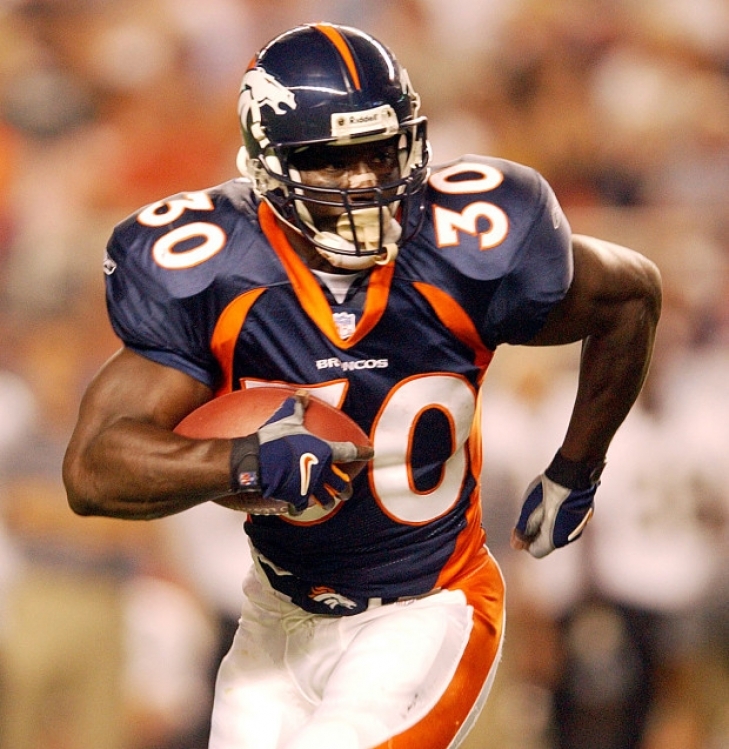
Selected in the sixth round of the 1995 NFL Draft out of Georgia, Terrell Davis arrived in training camp as a longshot before a ferocious special teams tackle on kickoff coverage in preseason action caught head coach Mike Shanahan’s eye. Davis quickly seized the starting job, making history as the lowest-drafted rookie running back to eclipse 1,000 rushing yards when he compiled 1,117 yards and seven touchdowns in his debut campaign.
That incredible start set the stage for what many consider the greatest three-year peak by any running back in NFL history. From 1996 to 1998, "T.D." was a powerhouse in Alex Gibbs' zone-blocking scheme, rushing for an amazing 5,296 yards, gaining 6,125 total yards from scrimmage, and scoring 53 touchdowns in the regular season alone. In 1996, he truly broke through with 1,538 rushing yards and 15 total touchdowns, earning his first First-Team All-Pro honor. He raised the bar even higher in 1997, leading the NFL with 15 rushing touchdowns, while rushing for 1,750 yards and adding another 287 yards through the air. Playing a key role alongside John Elway, Davis helped lead Denver to a win in Super Bowl XXXII, earning MVP honors after rushing for 157 yards and three touchdowns against Green Bay, even while battling a severe migraine that temporarily affected his vision.
His legendary run reached its peak in 1998, a truly standout year when Davis made history by breaking the 2,000-yard mark. Winning the NFL MVP and Offensive Player of the Year awards, he rushed for an impressive 2,008 yards and scored 21 touchdowns. Averaging an incredible 5.3 yards per carry, he wrapped up his incredible season by earning a second straight championship ring in Super Bowl XXXIII. Over this remarkable three-year period, Davis was a unanimous First-Team All-Pro choice every year, setting the benchmark for excellence in the backfield.
Beyond his regular-season excellence, Davis stepped up even more during crucial moments. He is arguably the most dominant postseason running back in football history, with an impressive 1,140 rushing yards and 12 touchdowns in just eight playoff games—an average of 142.5 yards per game. He has won all eight games and recorded seven straight 100-yard rushing performances.
It was an incredible run, but fate had other plans.
Early in the 1999 season, he sustained a torn ACL and MCL while attempting to make a tackle following an interception, shattering his knee. Severe injuries hampered him over his final three seasons, holding him to only 17 games from 1999 to 2001. The pain was too much, forcing a premature retirement in 2001 at just 29 years old.
In his time at Mile High, Davis accumulated 7,607 rushing yards and 60 rushing touchdowns, alongside 1,280 receiving yards and five touchdown catches for 8,887 total yards from scrimmage. The Broncos inducted him into the Ring of Fame in 2007, and his legendary peak was immortalized when he was enshrined in the Pro Football Hall of Fame in 2017.
The Pro Football HOF Announces their 2017 Class
Let’s start with who got in.
Terrell Davis 2017 HOF Debate
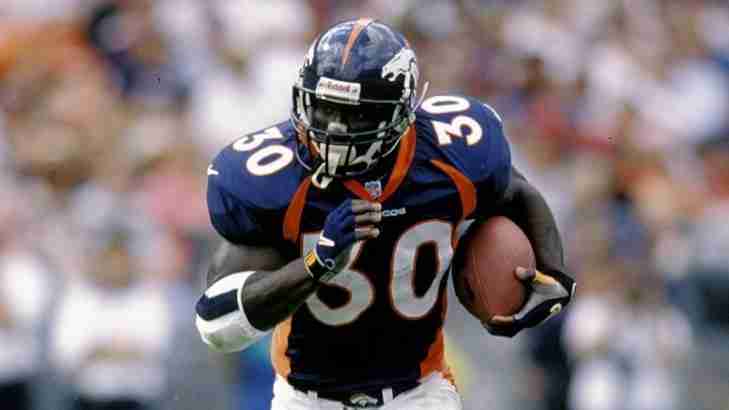
Committee Chairman: Spheniscus, I know what I just said about Tony Boselli, but I feel so much different about Terrell Davis. Yes he had a short career, but it was so explosive and with all due respect to John Elway and the rest of the Denver Broncos, they don’t win back-to-back Super Bowls without him.
The Pro Football HOF Announces their Finalists
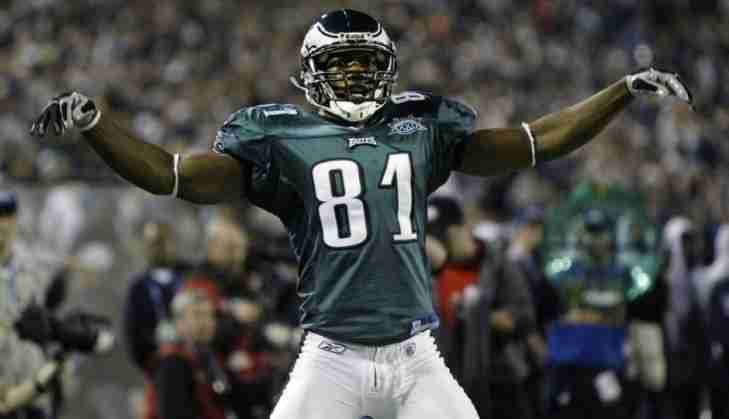
The Pro Football Hall of Fame has announced their Finalists for the Class of 2017, and as usual there are only moderate surprises.
The 15 finalists are as follows:
The Pro Football HOF Announces the Semi-Finalists
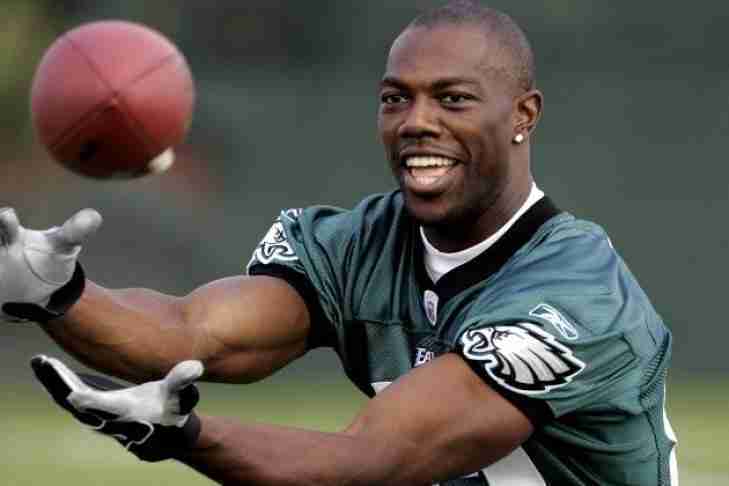
A look at the Preliminary Nominees for the PFHOF
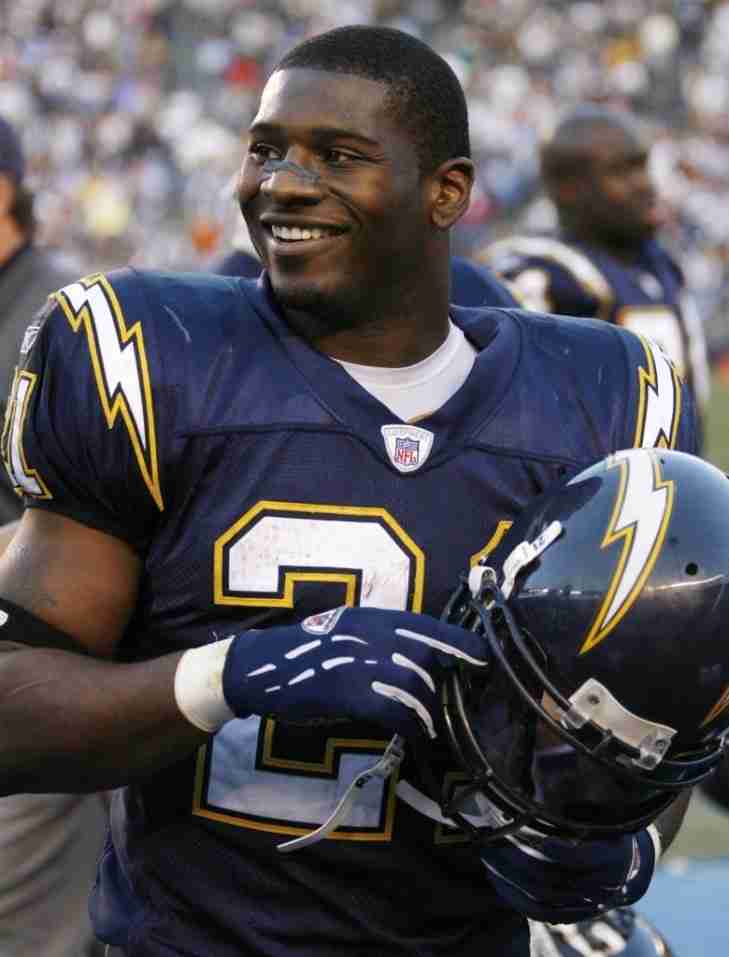
Let’s get right to it and take a look at the complete list.
* Denotes Finalist
+ Denotes First Year of Eligibility
Quarterbacks:
Drew Bledsoe: 1993-2006. New England Patriots, Buffalo Bills, Dallas Cowboys. 1 Super Bowl, 4 Pro Bowls, 44,611 Passing Yards, 251 TD Passes, 137 PFRAV. Ranked #72 on Notinhalloffame.com.
Randall Cunningham: 1985-2001. Philadelphia Eagles, Minnesota Vikings, Dallas Cowboys, Baltimore Ravens. 1 First Team All Pro, 4 Pro Bowls. 29,979 Passing Yards, 207 TD Passes, 134 PFRAV. Ranked #43 on Notinhalloffame.com.
Doug Flutie: 1986-2005. Chicago Bears, New England Patriots, San Diego Chargers. 1 Pro Bowl. 14,715 Passing Yards, 86 Touchdowns, 58 PFRAV.
+ Donovan McNabb: 1999-2011. Philadelphia Eagles, Washington Redskins, Minnesota Vikings. 6 Pro Bowls. 37,276 Passing Yards, 234 Touchdown Passes, 138 PFRAV. Ranked #30 on Notinhalloffame.com.
Steve McNair: 1995-2007. Houston Oilers/Tennessee Titans, Baltimore Ravens. 1 MVP, 3 Pro Bowls. 31,304 Passing Yards, 174 Touchdown Passes, 126 PFRAV. Ranked #89 on Notinhalloffame.com.
Phil Simms: 1979-1993. New York Giants. 2 Super Bowls, 2 Pro Bowls. 33,462 Passing Yards, 199 Touchdown Passes, 118 PFRAV. Ranked #46 on Notinhalloffame.com.
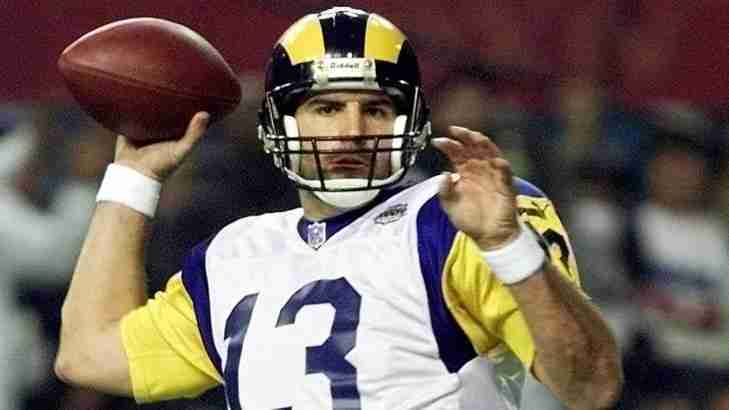
* Kurt Warner: 1998-2009. St. Louis Rams, New York Giants, Arizona Cardinals. 1 Super Bowl, 2 MVPs, 2 First Team All Pro Selections, 4 Pro Bowls. 32,344 Passing Yards, 208 Touchdown Passes, 113 PFRAV. Ranked #22 on Notinhalloffame.com.
Running Backs:
Shaun Alexander: 2000-2008. Seattle Seahawks, Washington Redskins. 1 MVP, 1 First Team All Pro Selection, 3 Pro Bowls. 9,453 Rushing Yards, 100 Rushing Touchdowns, 1,511 Receiving Yards, 12 Receiving Touchdowns, 79 PFRAV.
Ottis Anderson: 1979-1992. St. Louis Cardinals, New York Giants. 2 Super Bowls, 1 First Team All Pro Selection, 2 Pro Bowls. 10,272 Rushing Touchdowns, 81 Rushing Touchdowns, 3,062 Receiving Yards, 5 Receiving Touchdowns, 98 PFRAV. Ranked #51 on Notinhalloffame.com.
Tiki Barber: 1997-2006. New York Giants. 1 First Team All Pro Selection, 3 Pro Bowls. 10,449 Rushing Yards, 55 Rushing Touchdowns, 5,183 Receiving Touchdowns, 12 Receiving Touchdowns, 118 PFRAV. Ranked #77 on Notinhalloffame.com.
Roger Craig: 1983-93. San Francisco 49ers, Los Angeles Raiders, Minnesota Vikings. 3 Super Bowls, 1 First Team All Pro Selection, 4 Pro Bowls. 8,189 Rushing Yards, 56 Rushing Touchdowns, 4,911 Receiving Touchdowns, 17 Receiving Touchdowns, 115 PFRAV. Ranked #11 on Notinhalloffame.com.
* Terrell Davis: 1995-2001. Denver Broncos. 2 Super Bowls, 1 MVP, 3 First Team All Pro Selections, 3 Pro Bowls. 7,607 Rushing Yards, 60 Rushing Touchdowns, 1,280 Receiving Yards, Receiving Touchdowns, 78 PFRAV. Ranked #19 on Notinhalloffame.com.
Eddie George: 1996-2004. Houston Oilers/Tennessee Titans, Dallas Cowboys. 1 First Team All Pro Selection, 4 Pro Bowls. 10,441 Rushing Yards, 68 Rushing Touchdowns, 2,227 Receiving Yards, 10 Receiving Touchdowns, 91 PFRAV.
* Edgerrin James: 1999-2009. Indianapolis Colts, Arizona Cardinals, Seattle Seahawks. 1 First Team All Pro Selection, 4 Pro Bowls. 12,246 Rushing Yards, 80 Rushing Touchdowns, 3,364 Receiving Yards, 11 Receiving Touchdowns, 136 PFRAV. Ranked #14 on Notinhalloffame.com.
Eric Metcalf: 1989-2002. Cleveland Browns, Atlanta Falcons, San Diego Chargers, Arizona Cardinals, Carolina Panthers, Washington Redskins, Green Bay Packers. 2 First Team All Pro Selections, 3 Pro Bowls. 2,392 Rushing Yards, 12 Rushing Touchdowns, 5,572 Receiving Yards, 3 Receiving Touchdowns, 3,453 Punt Return Yards, 10 Punt Return Touchdowns, 5,813 Kick Returns Yards, 2 Kick Return Touchdowns, 77 PFRAV.
+ LaDainian Tomlinson: 2001-2011. San Diego Chargers, New York Jets. 1 MVP, 3 First Team All Pro Selections, 5 Pro Bowls. 13,684 Rushing Yards, 145 Rushing Touchdowns, 4,772 Rushing Yards, 17 Rushing Touchdowns, 157 PFRAV. Ranked #2 on Notinhalloffame.com.
Herschel Walker: 1986-1997. Dallas Cowboys, Minnesota Vikings, Philadelphia Eagles, New York Giants. 2 Pro Bowls. 8,225 Rushing Yards, 61 Rushing Touchdowns, 4,859 Receiving Yards, 2 Receiving Touchdowns, 5,084 Kick Return Yards, 2 Kick Return Touchdowns, 98 PFRAV. Ranked #36 on Notinhalloffame.com.
Ricky Watters: 1992-2001. San Francisco 49ers, Philadelphia Eagles, Seattle Seahawks. 1 Super Bowl, 5 Pro Bowls. 10,643 Rushing Yards, 68 Rushing Touchdowns, 4,248 Receiving Yards, 13 Receiving Touchdowns, 125 PFRAV. Ranked #38 on Notinhalloffame.com.
Fullbacks:
Larry Centers: 1990-2003. Phoenix/Arizona Cardinals, Washington Redskins, Buffalo Bills, New England Patriots. 1 Super Bowl, 3 Pro Bowls. 2,188 Rushing Touchdowns, 14 Rushing Touchdowns, 6,797 Receiving Yards, 28 Receiving Touchdowns, 67 PFRAV.
Daryl Johnston: 1989-1999. Dallas Cowboys. 3 Super Bowls, 2 Pro Bowls. 2,227 Rushing Yards, 14 Rushing Touchdowns, 753 Receiving Yards, 8 Receiving Touchdowns, 30 PFRAV.
Wide Receivers:
Isaac Bruce: 1994-2009. Los Angeles/St. Louis Rams, San Francisco 49ers. 1 Super Bowl, 4 Pro Bowls. 15,208 Receiving Yards, 91 Receiving Touchdowns, 137 PFRAV. Ranked #24 on Notinhalloffame.com.
Henry Ellard: 1983-1998. Los Angeles Rams, Washington Redskins, New England Patriots. 2 First Team All Pro Selections, 3 Pro Bowls. 13,777 Receiving Yards, 65 Receiving Touchdowns, 1,527 Punt Return Yards, 4 Punt Return Touchdowns, 364 Kick Return Yards, 133 PFRAV. Ranked #91 on Notinhalloffame.com.
Torry Holt: 1999-2009. St. Louis Rams, Jacksonville Jaguars. 1 Super Bowl, 1 First Team All Pro Selection, 7 Pro Bowls. 13,382 Receiving Yards, 74 Receiving Touchdowns, 123 PFRAV. Ranked #8 on Notinhalloffame.com.
+ Chad Johnson: 2001-2011. Cincinnati Bengals, New England Patriots. 2 First Team All Pro Selections, 6 Pro Bowls. 11,059 Receiving Yards, 67 Receiving Touchdowns, 104 PFRAV. Ranked #26 on Notinhalloffame.com.
+ Derrick Mason: 1997-2011. Tennessee Titans, Baltimore Ravens, New York Jets. 1 First Team All Pro Selection, 2 Pro Bowls. 12,061 Receiving Yards, 66 Receiving Touchdowns, 1,590 Punt Return Yards, 2 Punt Return Touchdowns, 3,496 Kick Return Yards, 1 Kick Return Touchdown, 114 PFRAV. Ranked #59 on Notinhalloffame.com.
* Terrell Owens: 1996-2010. San Francisco 49ers, Philadelphia Eagles, Dallas Cowboys, Buffalo Bills, Cincinnati Bengals. 4 First Team All Pro Selection, 6 Pro Bowls. 15,934 Receiving Yards, 153 Receiving Touchdowns, 165 PFRAV. Ranked #6 on Notinhalloffame.com.
Sterling Sharpe: 1988-1994. Green Bay Packers. 3 First Team All Pro Selection, 5 Pro Bowls. 8,134 Receiving Yards, 65 Receiving Touchdowns, 78 PFRAV. Ranked #47 on Notinhalloffame.com.
Jimmy Smith: 1992-2005. Dallas Cowboys, Jacksonville Jaguars. 5 Pro Bowls. 12,287 Receiving Yards, 67 Receiving Touchdowns, 135 PFRAV. Ranked #99 on Notinhalloffame.com.
Rod Smith: 1995-2006. Denver Broncos. 3 Pro Bowls. 11,389 Receiving Yards, 68 Receiving Touchdowns, 125 PFRAV. Ranked #60 on Notinhalloffame.com.
+ Hines Ward: 1998- 2011. Pittsburgh Steelers. 2 Super Bowls, 4 Pro Bowls. 12,083 Receiving Yards, 85 Receiving Touchdowns, 118 PFRAV. Ranked #21 on Notinhalloffame.com.
Tight Ends:
Mark Bavaro: 1985-1994. New York Giants, Cleveland Browns, Philadelphia Eagles. 2 Super Bowls, 2 First Team All Pro Selections, 2 Pro Bowls. 4,733 Receiving Yards, 39 Receiving Touchdowns, 45 PFRAV.
Offensive Lineman:
Tony Boselli: 1995-2001. Jacksonville Jaguars. 3 First Team All Pro Selections, 5 Pro Bowls. 70 PFRAV.
Ray Donaldson: 1980-1996. Baltimore/Indianapolis Colts, Seattle Seahawks, Dallas Cowboys. 1 Super Bowl, 6 Pro Bowls. 113 PFRAV.
* Alan Faneca: 1998-2010. Pittsburgh Steelers, New York Jets, Arizona Cardinals. 1 Super Bowl, 6 First Team All Pro Selections, 9 Pro Bowls. 148 PFRAV. Ranked #4 on Notinhalloffame.com.
Jay Hilgenberg: 1981-1993. Chicago Bears, New Orleans Saints. 1 Super Bowl, 7 Pro Bowls. 105 PFRAV. Ranked #73 on Notinhalloffame.com.
Chris Hinton: 1983-1995. Baltimore/Indianapolis Colts, Atlanta Falcons, Minnesota Vikings. 1 First Team All Pro Selection, 7 Pro Bowls. 101 PFRAV. Ranked #65 on Notinhalloffame.com.
Kent Hull: 1986-1996. Buffalo Bills. 2 First Team All Pro Selections, 3 Pro Bowls. 107 PFRAV.
* Joe Jacoby: 1981-1993. Washington Redskins. 3 Super Bowls, 2 First Team, All Pro Selections, 4 Pro Bowls. 103 PFRAV. Ranked #56 on Notinhalloffame.com.
Mike Kenn: 1978-1994. Atlanta Falcons. 2 First Team All Pro Selections. 5 Pro Bowls. 138 PFRAV. Ranked #100 on Notinhalloffame.com.
+ Olin Kreutz: 1998-2011. Chicago Bears, New Orleans Saints. 1 First Team All Pro Selections, 6 Pro Bowls, 96 PFRAV. Ranked #69 on Notinhalloffame.com.
Jim Lachey: 1985-1995. San Diego Chargers, Los Angeles Raiders, Washington Redskins, 1 Super Bowl, 3 First Team All Pro Selections, 3 Pro Bowls. 92 PFRAV.
Kevin Mawae: 1994-2009. Seattle Seahawks, New York Jets, Tennessee Titans. 3 First Team All Pro Selections, 8 Pro Bowls. 154 PFRAV. Ranked #18 on Notinhalloffame.com.
Tom Nalen: 1994-2007. Denver Broncos. 2 Super Bowls, 2 First Team All Pro Selections, 5 Pro Bowls. 131 PFRAV.
Nate Newton: 1986-1999. Dallas Cowboys, Carolina Panthers. 3 Super Bowls, 2 First Team All Pro Selections, 6 Pro Bowls. 105 PFRAV.
Steve Wisniewski: 1989-2001. Los Angeles/Oakland Raiders. 2 First Team All Pro Selections, 8 Pro Bowls. 140 PFRAV. Ranked #29 on Notinhalloffame.com.
Defensive Lineman:
Leslie O’Neal: 1986-1999. San Diego Chargers, St. Louis Rams, Kansas City Chiefs. 6 Pro Bowls. 3 Interceptions, 132.5 Quarterback Sacks, 115 PFRAV.
Simeon Rice: 1996-2007. Arizona Cardinals, Tampa Bay Buccaneers, Denver Broncos, Indianapolis Colts. 1 Super Bowl, 1 First Team All Pro Selection, 3 Pro Bowls. 5 Interceptions, 122 Quarterback Sacks, 106 PFRAV.
Fred Smerlas: 1979-1992. Buffalo Bills, San Francisco 49ers, New England Patriots. 1 First Team All Pro Selection, 5 Pro Bowls. 2 Interceptions, 18.5 Quarterback Sacks, 101 PFRAV.
+ Jason Taylor: 1997-2011. Miami Dolphins, Washington Redskins, New York Jets. 3 First Team All Pro Selections, 6 Pro Bowls. 8 Interceptions, 139.5 Quarterback Sacks, 160 PFRAV. Ranked #10 on Notinhalloffame.com.
Bryant Young: 1994-2007. San Francisco 49ers, Washington Redskins, Cleveland Browns. 1 Super Bowl, 1 First Team All Pro Selection, 4 Pro Bowls. 3 Interceptions, 89.5 Quarterback Sacks, 118 PFRAV.
Linebackers:
Carl Banks: 1984-1995 New York Giants. 2 Super Bowls, 1 Pro Bowl. 39.5 Quarterback Sacks, 83 PFRAV.
Cornelius Bennett: 1987-2000. Buffalo Bills, Atlanta Falcons, Indianapolis Colts. 7 Interceptions, 71.5 Quarterback Sacks, 121 PFRAV.
Tedy Bruschi: 1996 -2008. New England Patriots. 3 Super Bowls, 1 Pro Bowl. 12 Interceptions, 30.5 Quarterback Sacks, 89 PFRAV.
Seth Joyner: 1986-1998. Philadelphia Eagles, Arizona Cardinals, Green Bay Packers, Denver Broncos. 1 Super Bowl, 3 Pro Bowls. 24 Interceptions, 52 Quarterback Sacks, 108 PFRAV.
Levon Kirkland: 1992-2002. Pittsburgh Steelers, Seattle Seahawks, Philadelphia Eagles. 1 First Team All Pro Selection, 2 Pro Bowls. 19.5 Quarterback Sacks, 104 PFRAV.
Clay Matthews: 1978-1996. Cleveland Browns, Atlanta Falcons. 4 Pro Bowls. 16 Interceptions, 69.5 Quarterback Sacks, 137 PFRAV.
Willie McGinest: 1994-2008. New England Patriots, Cleveland Browns. 3 Super Bowls, 2 Pro Bowls. 5 Interceptions, 86 Quarterback Sacks 106 PFRAV.
Karl Mecklenburg: 1983-1994. Denver Broncos. 3 First Team All Pro Selections, 6 Pro Bowls. 5 Interceptions, 79 Quarterback Sacks, 113 PFRAV. Ranked #64 on Notinhalloffame.com.
Sam Mills: 1986-1997. New Orleans Saints, Carolina Panthers. 1 First Team All Pro Selection, 5 Pro Bowls. 11 Interceptions, 20.5 Quarterback Sacks, 126 PFRAV. Ranked #84 on Notinhalloffame.com.
+ Joey Porter: 1999-2011. Pittsburgh Steelers, Miami Dolphins, Arizona Cardinals. 1 Super Bowl, 4 Pro Bowls. 12 Interceptions, 98 Quarterback Sacks, 111 PFRAV. Ranked #96 on Notinhalloffame.com.
Zach Thomas: 1996-2008. 5 First Team All Pro Selections, 6 Pro Bowls. 17 Interceptions, 20.5 Quarterback Sacks, 152 PFRAV.
Defensive Backs:
Eric Allen: 1988-2001. Philadelphia Eagles, New Orleans Saints, Oakland Raiders. 1 First Team All Pro Selection, 6 Pro Bowls 54 Interceptions, 3 Quarterback Sacks, 132 PFRAV. Ranked #45 on Notinhalloffame.com.
Steve Atwater: 1989-1999. Denver Broncos, New York Jets. 2 Super Bowls, 2 First Team All Pro Selections, 8 Pro Bowls. 24 Interceptions, 5 Quarterback Sacks, 99 PFRAV. Ranked #17 on Notinhalloffame.com.
Joey Browner: 1983-1992. Minnesota Vikings, Tampa Bay Buccaneers. 3 First Team All Pro Selections, 6 Pro Bowls. 37 Interceptions, 9.5 Quarterback Sacks, 85 PFRAV.
LeRoy Butler: 1990-2001. Green Bay Packers. 1 Super Bowl, 4 First Team All Pro Selections, 4 Pro Bowls. 38 Interceptions, 20.5 Quarterback Sacks, 111 PFRAV. Ranked #83 on Notinhalloffame.com.
+ Brian Dawkins: 1996-2011. Philadelphia Eagles, Denver Broncos. 4 First Team All Pro Selections, 9 Pro Bowls. 37 Interceptions, 26 Quarterback Sacks, 140 PFRAV. Ranked #7 on Notinhalloffame.com.
Rodney Harrison: 1994-2008. San Diego Chargers, New England Patriots. 2 Super Bowls, 2 First Team All Pro Selections, 2 Pro Bowls. 34 Interceptions, 30.5 Quarterback Sacks, 92 PFRAV.
Ty Law: 1995-2009. New England Patriots, New York Jets, Kansas City Chiefs, Denver Broncos. 3 Super Bowls, 5 Pro Bowls. 53 Interceptions, 5 Quarterback Sacks, 113 PFRAV. Ranked #48 on Notinhalloffame.com.
Albert Lewis: 1983-1998. Kansas City Chiefs, Los Angeles/Oakland Raiders. 2 First Team All Pro Selections, 4 Pro Bowls. 42 Interceptions, 12.5 Quarterback Sacks, 108 PFRAV.
* John Lynch: 1993-2007. Tampa Bay Buccaneers, Denver Broncos. 1 Super Bowl, 9 Pro Bowls. 26 Interceptions, 13 Quarterback Sacks, 118 PFRAV. Ranked #42 on Notinhalloffame.com.
Frank Minnifield: 1984-1992. Cleveland Browns. 1 First Team All Pro Selection, 4 Pro Bowls. 20 Interceptions, 71 PFRAV.
+ Bob Sanders: 2004-2011. Indianapolis Colts, Dan Diego Chargers. 1 Super Bowl, 2 First Team All Pro Selections, 2 Pro Bowls. 6 Interceptions, 34 PFRAV.
Darren Sharper: 1997-2010. Green Bay Packers, Minnesota Vikings, New Orleans Saints 63 Interceptions, 7.5 Quarterback Sacks, 118 PFRAV. 1 Super Bowl, 2 First Team All Pro Selections, 5 Pro Bowls. Ranked #79 on Notinhalloffame.com.
Dennis Smith: 1981-1994. Denver Broncos. 6 Pro Bowls. 30 Interceptions, 15 Quarterback Sacks, 98 PFRAV.
Troy Vincent: 1992-2006. Miami Dolphins, Philadelphia Eagles, Buffalo Bills, Washington Redskins. 1 First Team All Pro Selection, 5 Pro Bowls. 47 Interceptions, 5.5 Quarterback Sacks, 118 PFRAV.
Everson Walls: 1981-1993. Dallas Cowboys, New York Giants, Cleveland Browns. 1 Super Bowl, 1 First Team All Pro Selection, 4 Pro Bowls. 57 Interceptions, 3 Quarterback Sacks, 105 PFRAV.
Darren Woodson: 1992-2003. Dallas Cowboys. 3 Super Bowls, 3 First Team All Pro Selections, 5 Pro Bowls. 23 Interceptions, 11 Quarterback Sacks, 96 PFRAV.
Kickers/Punters:
Morten Andersen: 1982-2007. New Orleans Saints, Atlanta Falcons, New York Giants, Kansas City Chiefs, Minnesota Vikings. 2 First Team All Pro Selections, 7 Pro Bowls. 565 Field Goals Made, 849 Extra Points Made, 97 PFRAV. Ranked #62 on Notinhalloffame.com.
Gary Anderson: 1982-2004. Pittsburgh Steelers, San Francisco 49ers, Minnesota Vikings, Tennessee Titans. 1 First Team All Pro Selection, 4 Pro Bowls. 538 Field Goals Made, 820 Extra Points Made, 91 PFRAV.
Sean Landeta: 1985-2005. New York Giants, Los Angeles/St. Louis Rams, Tampa Bay Buccaneers, Green Bay Packers, Philadelphia Eagles. 2 Super Bowls, 3 First Team All Pro Selections, 2 Pro Bowls. 1,401 Punts, 50 PFRAV.
Nick Lowery: 1978-1994. New England Patriots, Kansas City Chiefs, New York Jets. 2 First Team All Pro Selections, 3 Pro Bowls. 383 Field Goals Made, 562 Extra Points Made, 81 PFRAV.
Special Teams:
Brian Mitchell: 1990-2003. Washington Redskins, Philadelphia Eagles, New York Giants. 1 Super Bowl, 1 Pro Bowl. 4,999 Punt Return Yards, 9 Punt Return Touchdowns, 14,014 Kick Return Yards, 4 Kick Return Touchdowns, 1,967 Rushing Yards, 12 Rushing Touchdowns, 2,336 Receiving Yards, 4 Receiving Touchdowns, 49 PFRAV.
Steve Tasker: 1985-1997. Houston Oilers, Buffalo Bills. 779 Receiving Yards, 9 Receiving Touchdowns, 7 PFRAV. Ranked #86 on Notinhalloffame.com.
Coaches:
Don Coryell: 1973-1986. St. Louis Cardinals, San Diego Chargers. 111-83-1 Record, 3-6 Playoff Record.
Bill Cowher: 1992-2006. Pittsburgh Steelers. 161-99-1 Record, 12-9 Playoff Record, 1 Super Bowl.
Tom Flores: 1979-1987, 1992-1994. Oakland/Los Angeles Raiders, Seattle Seahawks. 97-87 Record, 8-3 Playoff Record, 2 Super Bowls.
Mike Holmgren: 1992-2008. Green Bay Packers, Seattle Seahawks. 161-111 Record, 13-11 Playoff Record, 1 Super Bowl.
Jimmy Johnson: 1989-1999. Dallas Cowboys, Miami Dolphins. 80-64 Record, 9-4 Playoff Record, 2 Super Bowls.
Chuck Knox: 1973-1994. Los Angels Rams, Buffalo Bills, Seattle Seahawks. 186-147-1 Record, 7-11 Playoff Record.
Buddy Parker: 1949-1964. Chicago Cardinals, Detroit Lions, Pittsburgh Steelers. 104-75-9 Record, 3-1 Playoff Record.
Richie Petitbon: 1981-1992. Washington Redskins (Defensive Coordinator)
Dan Reeves: 1981-2003. Denver Broncos, New York Giants, Atlanta Falcons. 190-165-2 Record. 11-9 Playoff Record.
Clark Shaughnessy: 1948-1949. Los Angeles Rams. 1951-1962. Chicago Bears (Defensive Coordinator)
Dick Vermeil: 1976-1982, 1997-1999, 2001-2005. Philadelphia Eagles, St. Louis Cardinals, Kansas City Chiefs. 120-109 Record, 6-5 Playoff Record, 1 Super Bowl.
Please note that we do not rank Coaches.
With the large amount of players it is hard to perceive that there are any snubs, which there isn’t.
In November this group of 97 Modern Era Nominees will be reduced to 18. In January of 2017, it will be shrunk to 15. They will join the Senior Finalist and Contributor Finalists and on February 4, the day before the Super Bowl, the respective committees will decide the Pro Football Hall of Fame Class of 2017.
You know we will be paying attention!
The Pro Football Semi-Finalists Are Announced.
Let’s take a quick look shall we?
1. Morten Andersen, Place Kicker. Fourth Time as a Semi-Finalist: Ranked #83 on Notinhalloffame.com.
2. Steve Atwater, Safety. Fifth Time as a Semi-Finalist: Ranked #19 on Notinhalloffame.com.
3. Tony Boselli, Offensive Tackle, First Time as a Semi-Finalist: Unranked on Notinhalloffame.com
4. Isaac Bruce, Wide Receiver. Second Time as a Semi-Finalist: Ranked #23 on Notinhalloffame.com.
5. Don Coryell, Coach. Eighth Time as a Semi-Finalist.
6. Roger Craig, Running Back. Eighth Time as a Semi-Finalist: Ranked #11 on Notinhalloffame.com.
7. Terrell Davis, Running Back. Tenth Time as a Semi-Finalist: Ranked #21 on Notinhalloffame.com.
8. Tony Dungy, Coach. Third Time as a Semi-Finalist.
9. Alan Faneca, Offensive Guard: First Time as a Semi-Finalist: Ranked #5 on Notinhalloffame.com.
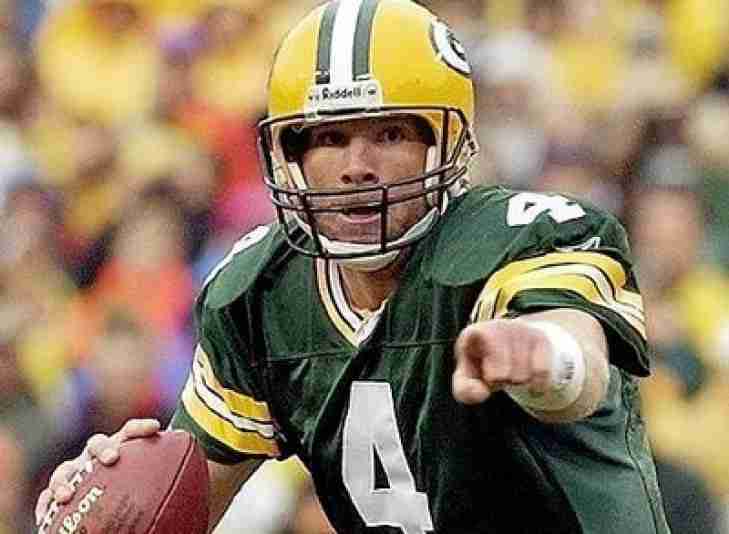
10. Brett Favre, Quarterback: First Time as Semi-Finalist: Ranked #1 on Notinhalloffame.com.
11. Kevin Greene, Linebacker/Defensive End: Tenth Time as a Semi-Finalist. Ranked #37 on Notinhalloffame.com.
12. Marvin Harrison, Wide Receiver, Third Time as a Semi-Finalist. Ranked #3 on Notinhalloffame.com.
13. Torry Holt, Wide Receiver, Second Time as a Semi-Finalist. Ranked #9 on Notinhalloffame.com.
14. Joe Jacoby, Offensive Tackle, Sixth Time as a Semi-Finalist. Ranked #62 on Notinhalloffame.com.
15. Edgerrin James, Running Back, Second Time as a Semi-Finalist. Ranked #17 on Notinhalloffame.com.
16. Jimmy Johnson, Coach, Third Time as a Semi-Finalist.
17. Mike Kenn, Offensive Tackle, Second Time as a Semi-Finalist. Ranked #99 on Notinhalloffame.com.
18. Ty Law, Cornerbck, Second Time as a Semi-Finalist. Ranked #60 on Notinhalloffame.com.
19. John Lynch, Free Safety, Fourth Time as a Semi-Finalist. Ranked #57 on Notinhalloffame.com
20. Kevin Mawae, Center/Offensive Guard. Second Time as a Semi-Finalist. Ranked #16 on Notinhalloffame.com.
21. Karl Mecklenburg, Linebacker. Fifth Time as a Semi-Finalist. Ranked #65 on Notinhalloffame.com.
22. Sam Mills, Linebacker. First time as a Semi-Finalist. Ranked #85 on Notinhalloffame.com.
23. Terrell Owens, Wide Receiver, First Time as a Semi-Finalist. Ranked #7 on Notinhalloffame.com.
24. Orlando Pace, Offensive Tackle, Second Time as a Semi-Finalist. Ranked #15 on Notinhalloffame.com.
25. Kurt Warner, Quarterback, Second Time as a Semi-Finalist. Ranked #28 on Notinhalloffame.com.
The Football Hall of Fame will announce the Finalists in January.
Which ones will make it to next round?
Awards = HOF? Part Four: The Super Bowl MVP (NFL)
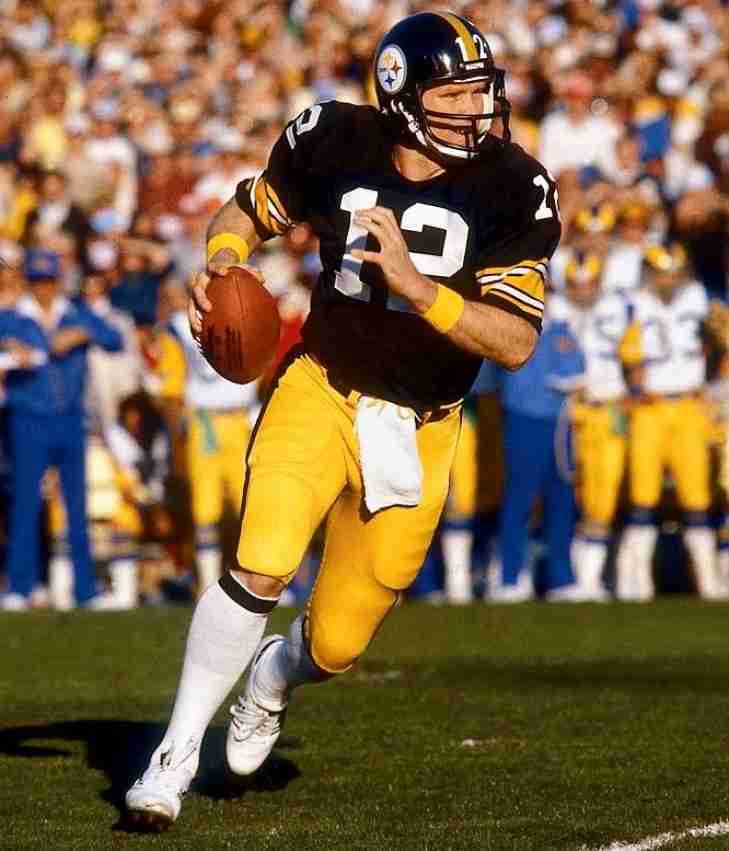
Needless to say, different awards in different sports yield hall of fame potential. In basketball, the team sport with the least amount of players on a roster, the dividend for greatness much higher. In baseball, it is not as much as a great individual season does not have the same impact.
