

 Not in Hall of Fame News
Yes, we know that this is taking a while! As many of…
 Not in Hall of Fame News
Yes, we know that this is taking a while! As many of…
 Not in Hall of Fame News
2002 SEMI-FINAL RESULTS: Thank you for your participation in the Pro Football…
 Not in Hall of Fame News
Yes, we know that this is taking a while! As many of…
 Not in Hall of Fame News
We are diligently working away at Notinhalloffame on revising our Football lists…
 Not in Hall of Fame News
We are diligently working away at Notinhalloffame on revising our Football lists…
 From the Desk of the Chairman
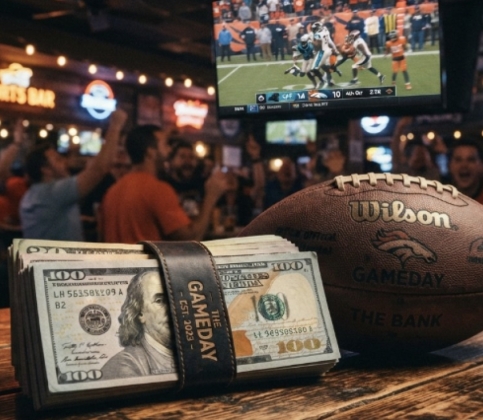
Sports fans thrive on calculating strategy, reading momentum, and maximizing every tactical…
 From the Desk of the Chairman
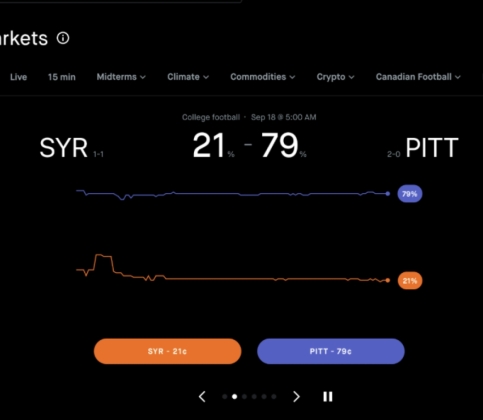
The 2026 NFL season is two weeks old and the division races…
 From the Desk of the Chairman
Sports communities are often built around things that have nothing to do…
 From the Desk of the Chairman
Every hall of fame eventually faces the same problem. The selection process…
 From the Desk of the Chairman
Pete Rose died in 2024. On May 13, 2025, Commissioner Rob Manfred…
 From the Desk of the Chairman
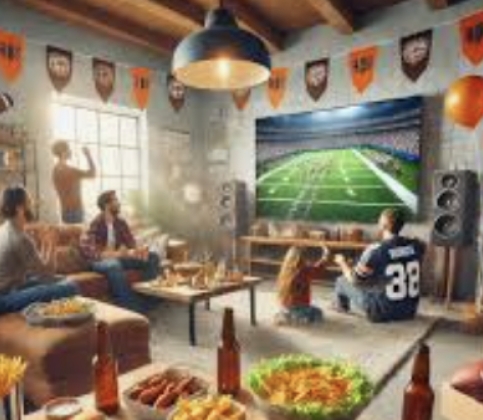
For NFL fans, game day offers much more than three hours of…


100 Active Potential Football Hall of Famers
-
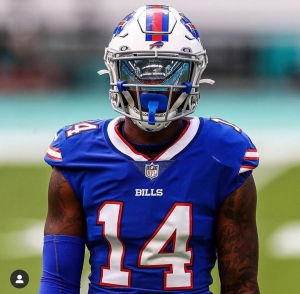 #43 Overall, Stefon Diggs, Washington Commanders, #7 Wide Receiver2025 Pre-Season Rank #40, 2024 Pre-Season Rank #38, 2023 Pre-Season Rank #48, 2022 Pre-Season Rank #57, 2021 Pre-Season Rank #118. Peak Period 2019-23…
 -
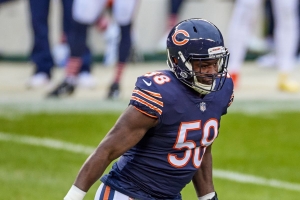 #31 Overall, Roquan Smith, Baltimore Ravens Linebacker, #3 Defensive Lineman/Linebacker: Interior Lineman2025 Pre-Season Rank #39, 2024 Pre-Season Rank #62, 2023 Pre-Season Rank #92, 2022 Pre-Season Rank #133, 2021 Pre-Season Rank #146. Peak Period: 2020-24…
 -
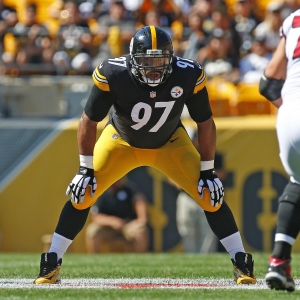 #20 Overall, Cameron Heyward, Pittsburgh Steelers, Defensive End, #9 Defensive Lineman/Linebackers: Pass Rushers2025 Pre-Season Rank #19, 2024 Pre-Season Rank #28, 2023 Pre-Season Rank #33, 2022 Pre-Season Rank #38, 2021 Pre-Season Rank #75, 2020 Pre-Season Rank…
 -
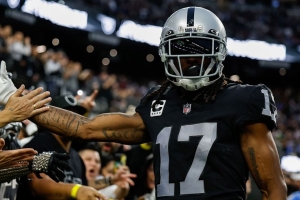 #21 Overall, Davante Adams, Los Angeles Rams, #2 Wide Receiver2025 Pre-Season Rank #23, 2024 Pre-Season Rank #27, 2023 Pre-Season Rank #24, 2022 Pre-Season Rank #43, 2021 Pre-Season Rank #67, 2020 Pre-Season Rank…
Visit the Fictitious Halls of Fame!


You May Also Like...
EDITOR’S CHOICE
 DDT's Pop Flies
When the veterans committee (VC), officially convening as the Contemporary Baseball Era…

 Live Music Head
Project/Objectan interview with André Cholmondeleyby Live Music HeadOriginally published at timessquare.com on…

LATEST RANKINGS

MOST POPULAR RANKINGS

Committee Chairman
30. Carlos Boozer
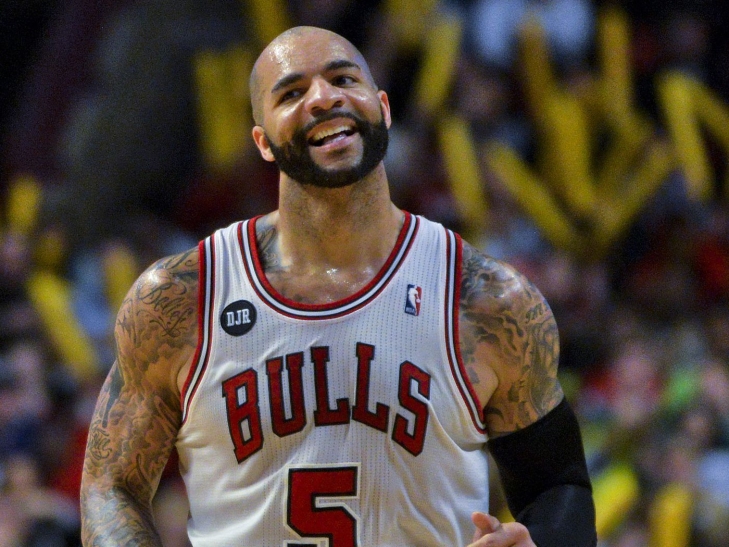
Carlos Boozer was a two-time All-Star with the Utah Jazz, and while he was not able to gain a third with Chicago, he was still able to provide a solid two-way game in the four years he was a Bull.
29. John Paxson
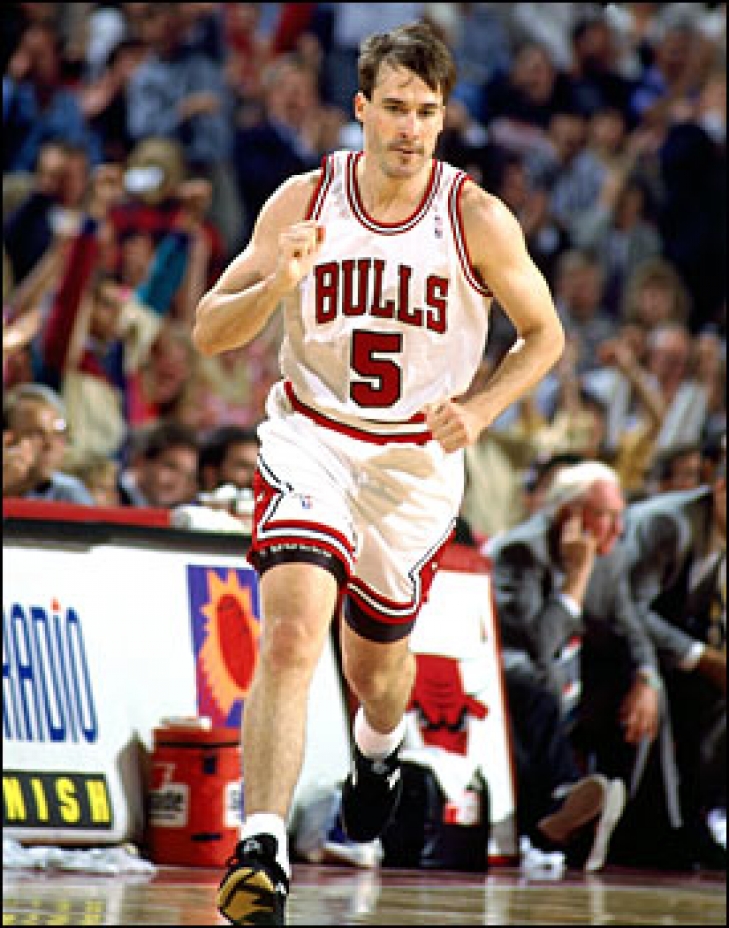
John Paxson was a two-time Second Team All-American at Notre Dame, and after two years with the San Antonio Spurs, he joined the Chicago Bulls as a Veteran Free Agent.
The Point Guard was the consummate team player, who was content to defer to the team's stars (namely Michael Jordan) for the team's greater good. It made him a background player in Phil Jackson's Triangle Offense, but he was a good shooter when called upon, and he was an underrated defensive player. Paxson was a starter on Chicago's first two NBA Championships (1991 & 1992) and a backup on their third (1993), and he twice had 10-plus PPG seasons (1986-87 & 1989-90). Retiring in 1994, Paxson averaged 7.6 Points over 645 Games, but, again, it was the things he did that never appeared on a stat sheet that made him valuable to Jordan and company.
After his playing career, Paxson became an Assistant Coach under Jackson, winning a fourth Championship Ring in 1996. He left that role after 1 year to become a broadcaster, but would later become the Bulls GM in 2003 and later be their Vice President of Basketball Operations.
28. Dave Greenwood
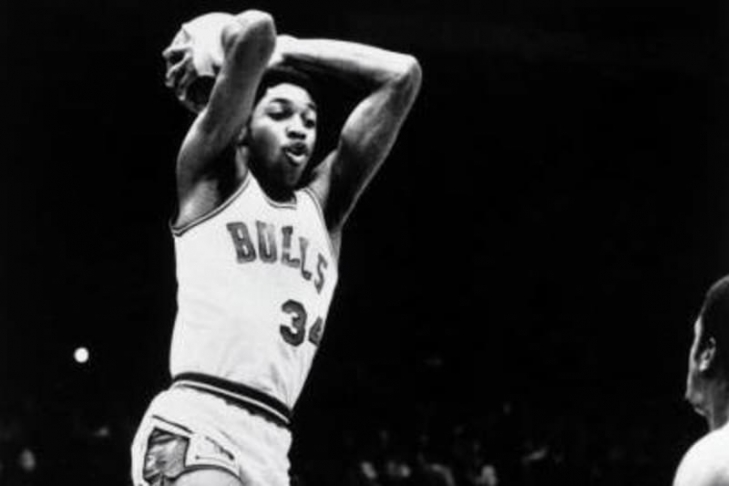
Normally a pro basketball player works up to their best pro season, but Dave Greenwood did it backward as his rookie year was his most productive.
14. Dave Wilcox
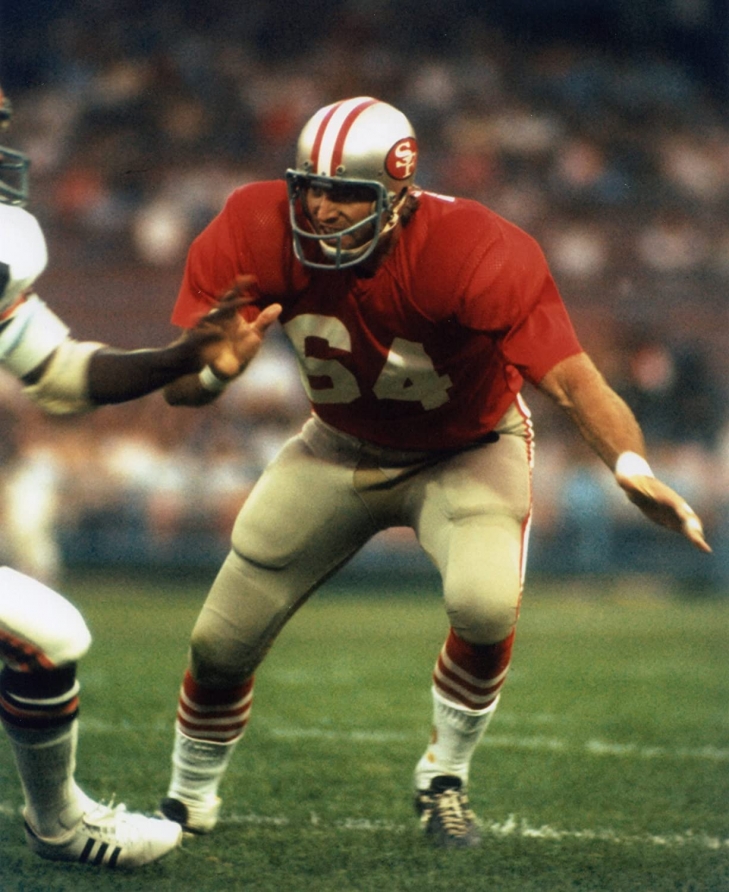
Drafted from the University of Oregon in the Third Round in 1964, Dave Wilcox won the Left Linebacker role during his rookie season, and he would hold on to it until he retired after the 1974 Season.
