

 Not in Hall of Fame News
Yes, we know that this is taking a while! As many of…
 Not in Hall of Fame News
Yes, we know that this is taking a while! As many of…
 Not in Hall of Fame News
2002 SEMI-FINAL RESULTS: Thank you for your participation in the Pro Football…
 Not in Hall of Fame News
Yes, we know that this is taking a while! As many of…
 Not in Hall of Fame News
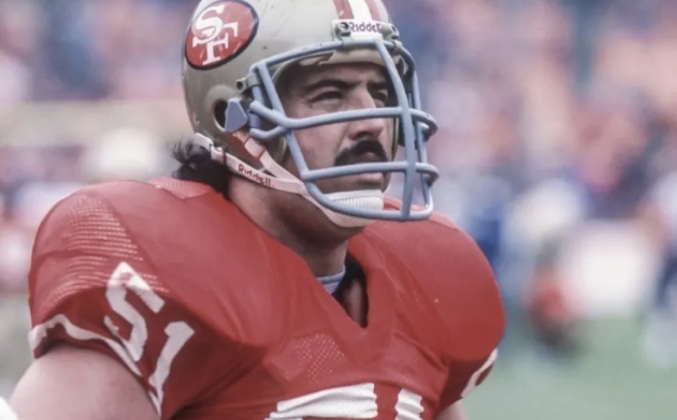
We are diligently working away at Notinhalloffame on revising our Football lists…
 Not in Hall of Fame News
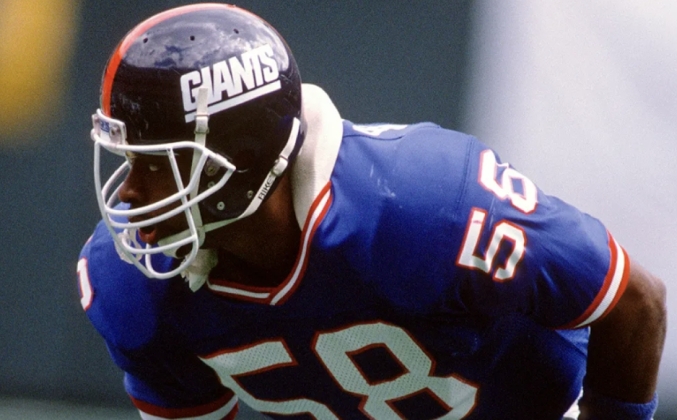
We are diligently working away at Notinhalloffame on revising our Football lists…
 From the Desk of the Chairman
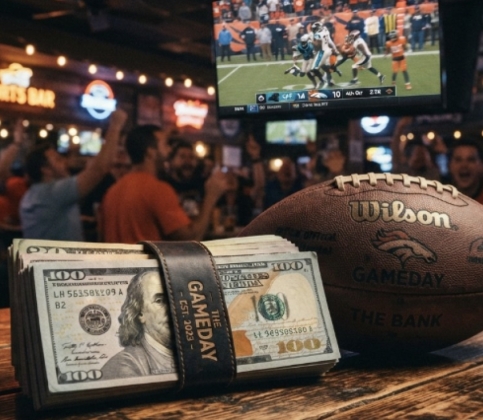
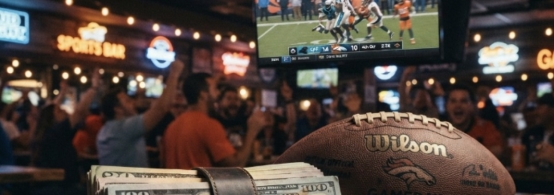
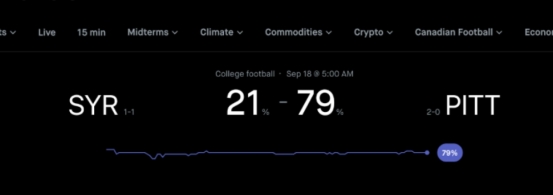
Sports fans thrive on calculating strategy, reading momentum, and maximizing every tactical…
 From the Desk of the Chairman
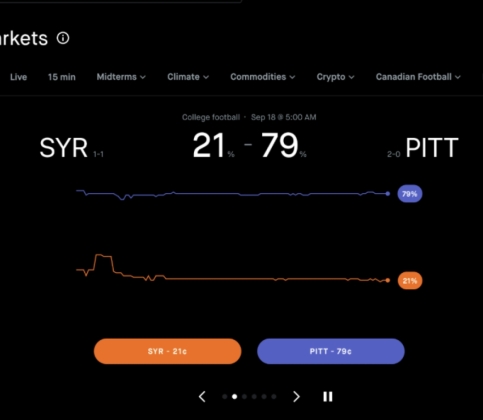
The 2026 NFL season is two weeks old and the division races…
 From the Desk of the Chairman
Sports communities are often built around things that have nothing to do…
 From the Desk of the Chairman
Every hall of fame eventually faces the same problem. The selection process…
 From the Desk of the Chairman
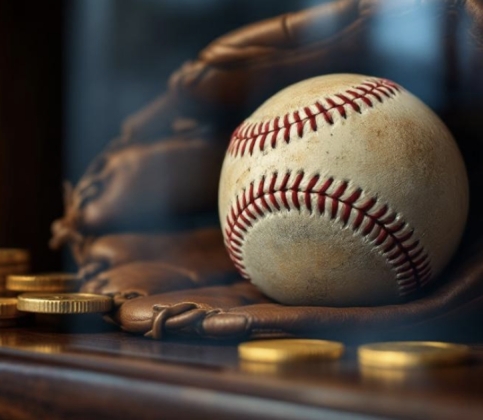
Pete Rose died in 2024. On May 13, 2025, Commissioner Rob Manfred…
 From the Desk of the Chairman
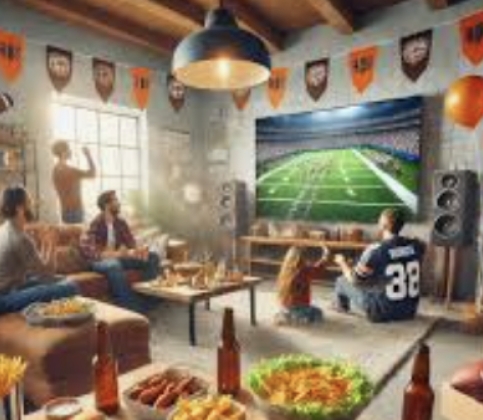
For NFL fans, game day offers much more than three hours of…
100 Active Potential Football Hall of Famers
-
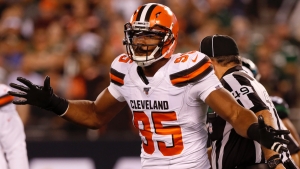 #7 Overall, Myles Garrett, Los Angeles Rams, Defensive End, #2 Defensive Lineman/Linebackers: Pass Rushers2025 Pre-Season Rank #9, 2024 Pre-Season Rank #17, 2023 Pre-Season Rank #34, 2022 Pre-Season Rank #53, 2021 Pre-Season Rank #99, 2020 Pre-Season Rank…
 -
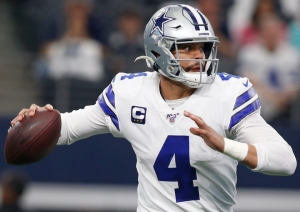 #37 Overall, Dak Prescott, Dallas Cowboys, #7 Quarterback2025 Pre-Season Rank #40, 2024 Pre-Season Rank #32, 2023 Pre-Season Rank #44, 2022 Pre-Season Rank #55, 2021 Pre-Season Rank #63, 2020 Pre-Season Rank…in Quarterbacks
 -
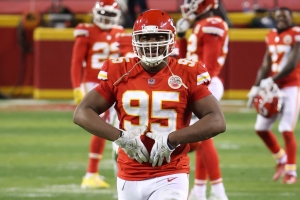 #19 Overall, Chris Jones, Kansas City Chiefs, Defensive Tackle, #8 Defensive Lineman/Linebacker: Pass Rusher2025 Pre-Season Rank #15, 2024 Pre-Season Rank #15, 2023 Pre-Season Rank #58, 2022 Pre-Season Rank #100. Peak Period 2020-24. When you think of…
 -
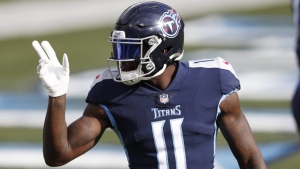 #50 Overall, A.J. Brown, New England Patriots, #9 Wide Receiver2025 Pre-Season Rank #49, 2024 Pre-Season Rank #76, #2023 Pre-Season Rank #106, 2022 Pre-Season Rank #142, 2021 Pre-Season Rank #141. Peak Period: 2020-24…
Visit the Fictitious Halls of Fame!
You May Also Like...
EDITOR’S CHOICE
 DDT's Pop Flies
When the veterans committee (VC), officially convening as the Contemporary Baseball Era…
 Live Music Head
Project/Objectan interview with André Cholmondeleyby Live Music HeadOriginally published at timessquare.com on…

LATEST RANKINGS
MOST POPULAR RANKINGS
Committee Chairman
38. Nikola Mirotic
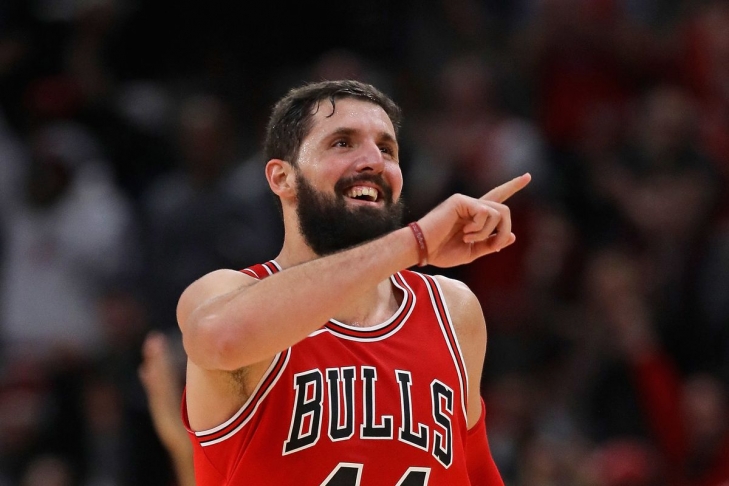
Nikola Mirotic was taken 23rd Overall by Houston in 2011, but he was traded twice that day to become a Chicago Bull, although that would not happen for years.
12. Zach LaVine

Arriving as part of a blockbuster trade that sent Jimmy Butler to Minnesota, Zack LaVine became a scoring star in Chicago, though many basketball pundits believed that would transpire.
37. Elton Brand
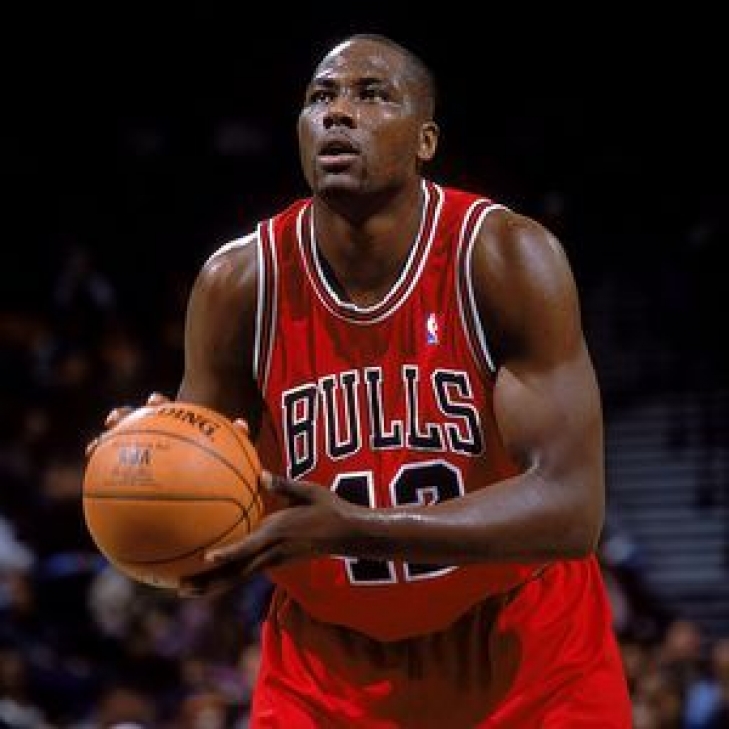
The Chicago Bulls had the first overall pick in the NBA Draft, and they took Elton Brand, the Duke sophomore who was named the ACC Player of the Year and National College Player of the Year.
Al Michaels named the Ford C. Frick Winner
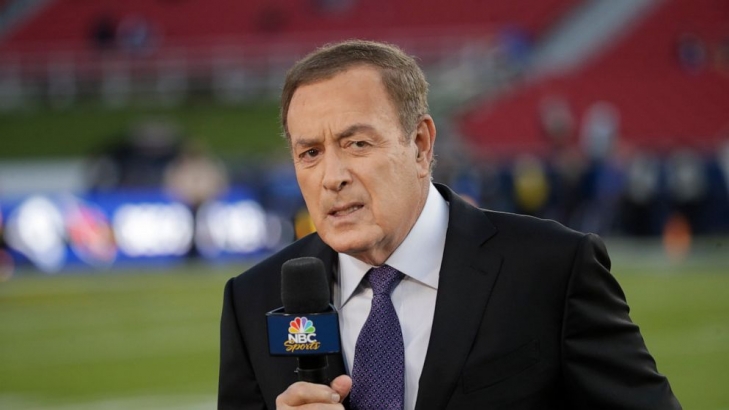
The Baseball Hall of Fame announced today that Al Michaels, will be the 2021 recipient of the Ford C. Frick Award.
The Award is given annually and decided on by a panel of 12 living Ford Frick winners and three broadcast historians. Michaels becomes the 45thperson to earn this honor.
Michaels began covering the Majors with the Cincinnati Reds in 1971, and would later work with the San Francisco Giants (1974-76). Nationally, he did the play-by-play for NBC (1972) and ABC (1976-89). Michaels has called seven World Series, including the 1989 Oakland/San Francisco series that was stopped due to an earthquake.
We here at Notinhalloffame.com would like to congratulate Al Michaels for earning this prestigious accolade.
