

 Not in Hall of Fame News
Yes, we know that this is taking a while! As many of…
 Not in Hall of Fame News
Yes, we know that this is taking a while! As many of…
 Not in Hall of Fame News
2002 SEMI-FINAL RESULTS: Thank you for your participation in the Pro Football…
 Not in Hall of Fame News
Yes, we know that this is taking a while! As many of…
 Not in Hall of Fame News
We are diligently working away at Notinhalloffame on revising our Football lists…
 Not in Hall of Fame News
We are diligently working away at Notinhalloffame on revising our Football lists…
 From the Desk of the Chairman
October baseball often turns individual pitching performances into lasting postseason memories. Strikeout…
 From the Desk of the Chairman
For decades, the sports debate ran on gut feeling. Barstool arguments, call-in…
 From the Desk of the Chairman
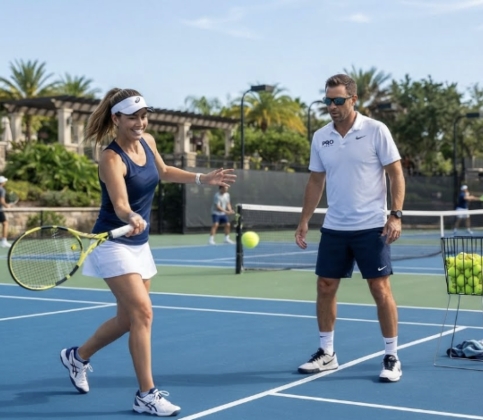
Introduction to Private Adult Tennis Camps in Prague Adult club players increasingly…
 From the Desk of the Chairman
Unlike in the case of pre-match betting, where you have to pick…
 From the Desk of the Chairman
Kupu178 builds trust with people by using top-end end-to-end encryption. It checks…
 From the Desk of the Chairman
Sports fans thrive on calculating strategy, reading momentum, and maximizing every tactical…
100 Active Potential Football Hall of Famers
-
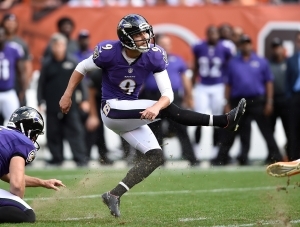 #36 Overall, Justin Tucker: Free Agent, Place Kicker, #1 Kickers & Special Teams2025 Pre-Season Rank #29, 2024 Pre-Season Rank #26, 2023 Pre-Season Rank #22, 2022 Pre-Season Rank #28, 2021 Pre-Season Rank #42, 2020 Pre-Season Rank…
 -
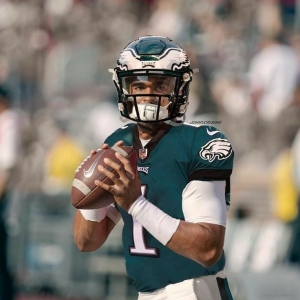 #32 Overall, Jalen Hurts, Philadelphia Eagles, #6 Quarterback2025 Pre-Season Rank #33, 2024 Pre-Season Rank #53, 2023 Pre-Season Rank #121. Peak Period: 2021-25 And in 2024, he became a champion. Jalen…in Quarterbacks
 -
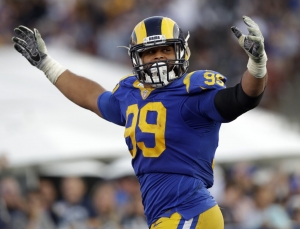 #1 Overall, Aaron Donald: Los Angeles Rams, Defensive End, #1 Defensive Lineman/Linebackers/Pass Rushers2020 Pre-Season Rank #15, 2021 Pre-Season Rank #5, 2022 Pre-Season Rank #3, 2023 Pre-Season Rank #2. PEAK 2017-21 Well, look who’s back! When…
 -
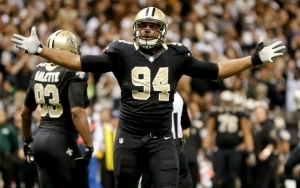 #15 Overall, Cameron Jordan, New Orleans Saints, Defensive End, #7 Defensive Lineman/Linebacker: Pass Rusher2025 Pre-Season Rank #14, 2024 Pre-Season Rank #21, 2023 Pre-Season Rank #27, 2022 Pre-Season Rank #25, 2021 Pre-Season Rank #36, 2020 Pre-Season Rank…
Visit the Fictitious Halls of Fame!

You May Also Like...
EDITOR’S CHOICE
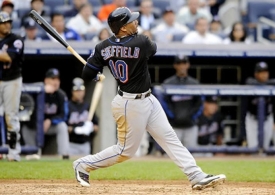 DDT's Pop Flies
When the veterans committee (VC), officially convening as the Contemporary Baseball Era…

 Live Music Head
Project/Objectan interview with André Cholmondeleyby Live Music HeadOriginally published at timessquare.com on…

LATEST RANKINGS

MOST POPULAR RANKINGS







Committee Chairman
34. James Reimer
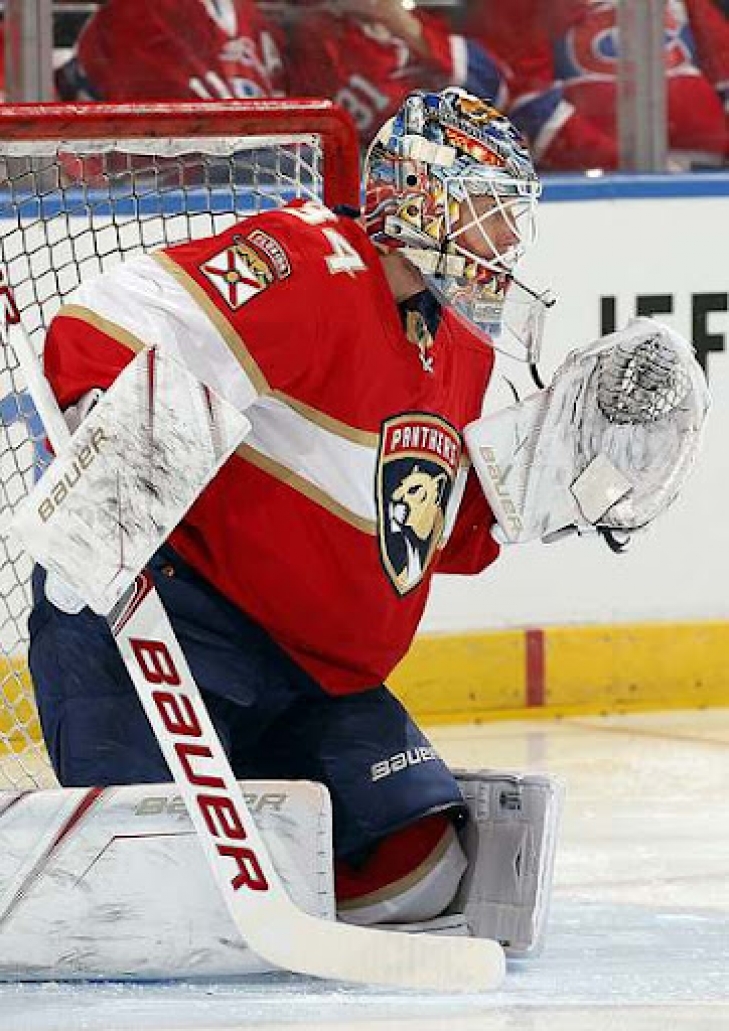
After five-and-a-half years with Toronto and a cup of coffee with San Jose, James Reimer signed with the Florida Panthers in 2016 to share the goaltending duties with Roberto Luongo.
Reimer was with the Panthers for three years, though it was during his first two years that he was mostly effective. In his first year with Florida, Reimer played in 43 Games with a solid 2.53 GAA and a .920 Save Percentage. The following year wasn’t as good, but the numbers were still respectable with a 2.99 ERA and a .913 Save Percentage. Reimer’s play dropped off in his third year in Florida, and he was traded to the Carolina Hurricanes during the offseason.
With the Panthers, Reimer had a record of 53-42-16 and a GAA of 2.85.
30. Evgeni Dadonov
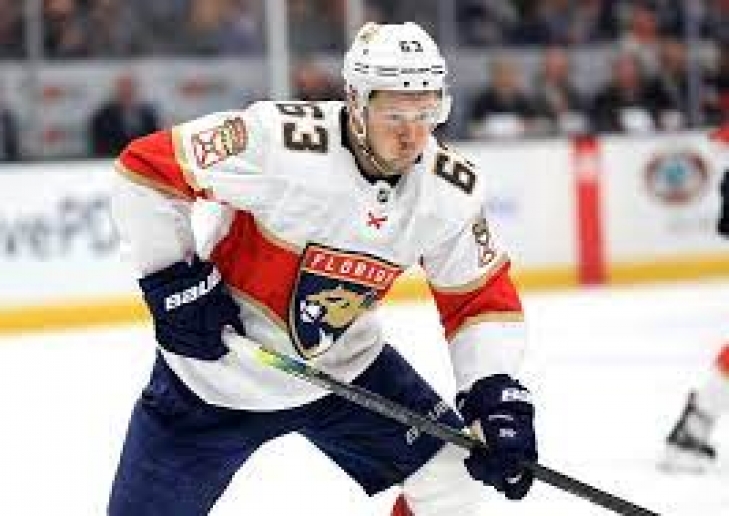
In the 2017-18 Season, it felt like Evgenii Dadonov came out of nowhere, but the reality was that he had already been a Panther.
The Right Wing was a Third Rounder in 2007, and he would play 55 Games for Florida, though mostly he was in the minors. He was traded to Carolina, but he never played for the Hurricanes, just their minor league team. He returned to Russia and played in the KHL, where his skills improved. Without any affiliation with an NHL team, he was signed back to the Panthers for the 2017-18 Season.
In his return season, Dadonov scored 65 Points, erasing the memories of his play in Florida before, that is, for those who remembered his first run. Dadonov had an even better 2018-19, posting a career-best 70 Points and equalling his 28 Goals. He had 25 Goals in 2019-20, though his Assists plummeted to nearly half of what he had.
This was it for Dadonov as a Panther, as he signed with Ottawa as a Free Agent. He would score 202 Points for Florida.
16. Keith Yandle
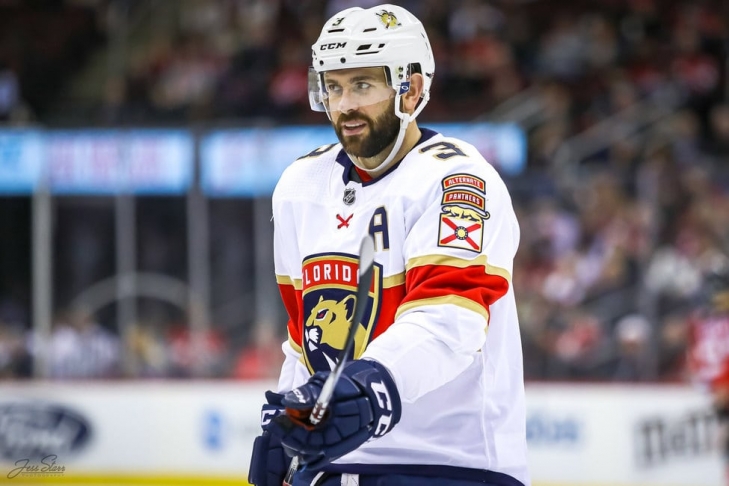
Twice an All-Star with the Coyotes, Keith Yandle was dealt to the Florida Panthers after his second team, the New York Rangers, were concerned that they would not be able to re-sign the Defenseman when his contract expired after the season. It worked out well for the Panthers, as they only gave up two middle-round picks, and they re-signed him for four more years.
An offensively gifted blueliner, Yandle became the top Defenseman instantly as soon as he donned Florida gear. Yandle was not just a good hockey player; he became a modern ironman, setting the record for the most consecutive games played by a Defenseman. He would score at least 40 Points in his first four years with the Panthers, with a 56-Point year in 2017-18, followed by a career-best 62 Points the year after.
An All-Star in 2019, Yandle joined Philadelphia as a Free Agent, but not before scoring 201 Points in 371 Games with Florida.
#31 Overall, Roquan Smith, Baltimore Ravens Linebacker, #3 Defensive Lineman/Linebacker: Interior Lineman
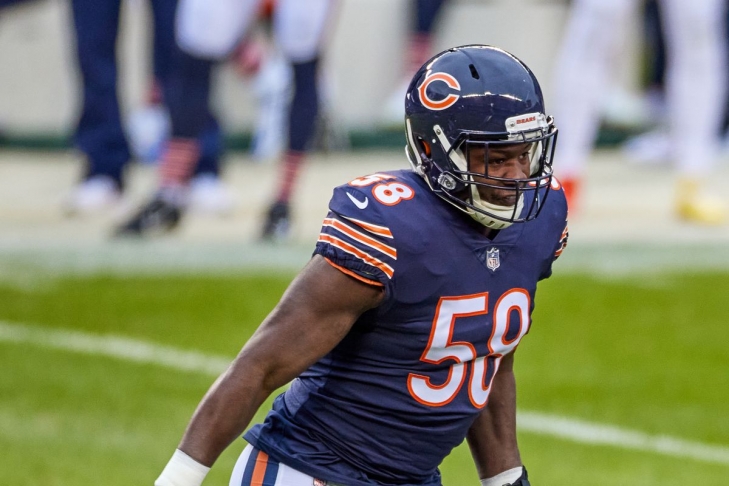
2025 Pre-Season Rank #39, 2024 Pre-Season Rank #62, 2023 Pre-Season Rank #92, 2022 Pre-Season Rank #133, 2021 Pre-Season Rank #146. Peak Period: 2020-24
Smith was a Second-Team All-Pro for two years in a row (2020-21), but as good as he was, the Bears weren’t, and Smith and Chicago grew disenchanted with each other. Chicago traded Smith to the Ravens during the season, and it started the best run of his career.
In the year he was traded (2022), Smith had career highs in Combined Tackles (169) and Solo Tackles (103), and was rewarded with his First Team All-Pro. Smith has since followed that with his second and third First Team All-Pro selections, and his domination in the middle has continued the Baltimore defense's stellar reputation.
Last season, the streak of at least First Team All-Pro selections and 150 Combined Tackles ended, but he was a Pro Bowl selection for the fourth straight year. His “down year” is still a dream season for most Middle Linebackers, and there is no reason to think that he won’t be one of the best MLBs in 2026.
