

Committee Chairman
14. Tracy Lawrence
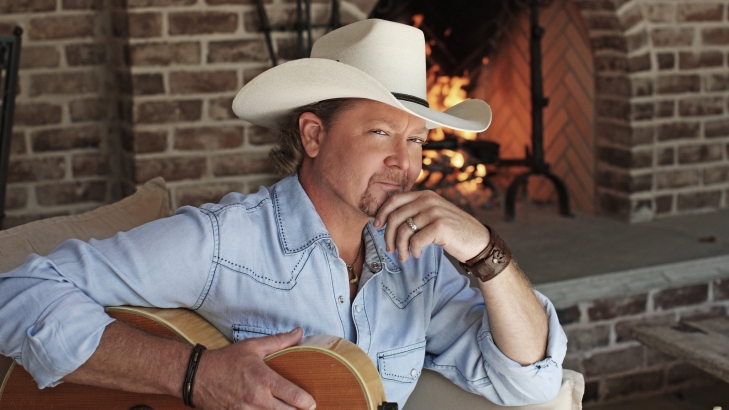
Since beginning to sing in his local church choir, being a part of the music industry was all Tracy wanted to do. Performing in local clubs and the honky-tonk circuit during his teenage years, he headed off to Nashville as soon as he finished college. He was signed to a record label just a few months after arriving. He had popular songs right from the beginning of his radio career, having a stretch of top ten hits that lasted six years. Tracy became another one of the popular honky-tonk singers in the 1990’s country music scene. Although his music would sometimes get lost in amongst the multitude of country music stars at that time, he was still able to get a number of hits, gain a great fan base, sell millions of albums and earn nominations from both the Country Music Association Awards and the Grammy Awards. Although radio basically faded him out once the 90’s were over, Tracy has still been able to bring in a audience for his shows and continues to record music. At this point in time, there would need to be a lot of people out of the way for him to have a shot at the Hall Of Fame. But with his string of hits, don’t count him out.
The Pro Football Hall of Fame announced the 122 Preliminary Candidates for 2022.
For us at Notinhalloffame.com, this is our march toward our Christmas. The Pro Football Hall of Fame has announced the Modern-Era Preliminary Nominees for the Class of 2021, a total of 122 former players.
To qualify, a player must have retired less than 25 years ago and at least 5 years ago:
The nominees are:
Quarterbacks:
Randall Cunningham: 1985-2001, PHI, MIN, DAL, BAL. Cunningham is a three-time Bert Bell Award winner a four-time Pro Bowl Selection. Ranked #26 on Notinhalloffame.com.
Jake Delhomme: 1999-11, NOR, CAR, HOU. Delhomme went to the Pro Bowl in 2005 and he would throw for over 20,000 Yards.
Boomer Esiason: 1984-97, CIN, NYJ, AZ. Esiason was a four-time Pro Bowler, one-time First Team All-Pro, and he brought the Bengals to a Super Bowl appearance. He threw for 37,920 Yards and 247 Touchdowns. Ranked #92 on Notinhalloffame.com.
Jeff Garcia: 1999-09, SFO, CLE, DET, PHI, TAM. Garcia was a four-time Pro Bowler and would throw for over 25,000 Passing Yards.
Dave Krieg: 1980-98, SEA, KAN, DET, ARI, CHI, TEN. Krieg went to three Pro Bowls with the Seahawks and threw for 38,147 Yards and 261 Touchdowns over a 19-year career. Ranked #131 on Notinhalloffame.com.
Donovan McNabb: 1999-01, PHI, WAS, MIN. McNabb took the Eagles to the Super Bowl and was a six-time Pro Bowler. He threw for 37,276 Yards with 234 Touchdowns and ran for another 3,459 Yards and 29 TDs. Ranked #72 on Notinhalloffame.com.
Steve McNair: 1995-2007, HOU, TEN, BAL. McNair was a three-time Pro Bowl and former MVP. He threw for 31,204 Yards and 174 Touchdowns. Ranked #112 on Notinhalloffame.com.
Running Backs:
Shaun Alexander: 2000-08, SEA, PHI. Alexander went to three straight Pro Bowls and in the last one he won the Rushing Title and was named the AP MVP. Alexander retired with 10,973 Yards From Scrimmage and 112 Touchdowns. Ranked #84 on Notinhalloffame.com.
Mike Alstott: 1996-06, TAM. Alstott won a Super Bowl with the Bucs and was a six-time Pro Bowl and three-time First Team All-Pro. He would total 7,373 Yards From Scrimmage with 71 Touchdowns. Ranked #176 on Notinhalloffame.com.
Tiki Barber: 1997-06, NYG. Barber rushed for over 10,000 Yards and was a three-time Pro Bowler. He also caught another 5,000 Yards and was a two-time leader in Yards From Scrimmage. Ranked #156 on Notinhalloffame.com.
Earnest Byner: 1984-97, CLE, WAS, BAL. Byner won a Super Bowl with the Washington Redskins and he was a two-time Pro Bowler. He would accumulate 12,866 Yards From Scrimmage with 71 Touchdowns over his career.
Larry Centers: 1990-03, PHO, ARI, WAS, BUF, NWE. Centers was a three-time Pro Bowl Selection and totalled 8,985 Yards From Scrimmage
Corey Dillon: 1997-06, CIN, NWE. Dillon won the Super Bowl with the Patriots and was a four-time Pro Bowl Selection. Dillon accumulated 13,335 All-Purpose Yards over his career.
Warrick Dunn: 1997-08, TAM, ATL. Dunn was the 1997 Offensive Rookie of the Year and was a three-time Pro Bowler who rushed for 10,957 Yards and 49 Touchdowns.
Eddie George: 1996-04, HOU, TEN, DAL. George went to four straight Pro Bowls and was a First Team All-Pro in 2000. He would rush for 10,441 Yards. Ranked #173 on Notinhalloffame.com.
Priest Holmes: 1997-07, BAL, KC. Winning the Super Bowl with the Baltimore Ravens, Holmes had greater individual success with the Chiefs where he was a three-time First Team All-Pro. He would tabulate 11,134 Yards From Scrimmage. Ranked #113 on Notinhalloffame.com.
Steven Jackson: 2004-15, STL, ATL, NWE. Jackson is nominated in his first year of eligibility and he accrued 15,121 Yards From Scrimmage and 78 Touchdowns. He is the Rams’ all-time leading rusher. Ranked #216 on Notinhalloffame.com.
Jamal Lewis: 2000-09, BAL, CLE. In 2003, Lewis entered rarified air as he entered the 2,000-Yard club when he went for 2,006. He would rush for 10,607 Yards. Ranked #210 on Notinhalloffame.com.
Eric Metcalf (Also WR/PR/KR): 1989-02, CLE, ATL, SDG, ARI, CAR, WAS, GNB. Incredibly versatile, Metcalf was also used as a Wide Receiver and Returner and the three-time Pro Bowler would total 17,230 All-Purpose Yards.
Lorenzo Neal: 1993-08, NOR, NYJ, TAM, TEN, CIN, SDG, BAL. Playing at Fullback, Neal would go to four Pro Bowls and was named to two First Team All-Pros.
Fred Taylor: 1998-10, JAX, NWE. Taylor was a Pro Bowl Selection in 2007 and would accumulate 14,079 Yards From Scrimmage, 11,695 on the ground. Ranked #169 on Notinhalloffame.com.
Herschel Walker: 1986-97, DAL, MIN, PHI, NYG. Walker was a two-time Pro Bowl Selection who had 13,084 Yards From Scrimmage with 82 Touchdowns. He is also the best player in USFL history, though we aren’t sure how much (if at all) the Pro Football Hall of Fame cares about that. Ranked #27 on Notinhalloffame.com.
Ricky Watters: 1992-01, SFO, PHI, SEA. Watters was a Super Bowl Champion with the 49ers and he would go to the Pro Bowl in his first five years in the NFL. He would lead the NFL in Yards From Scrimmage in 1996 and would have 14,891 in total. Ranked #44 on Notinhalloffame.com.
Brian Westbrook: 2002-10, PHI, SFO. Westbrook went to two Pro Bowls and led the NFL in Yards From Scrimmage in 2007. He had over 11,000 All-Purpose Yards.
Wide Receivers:
Anquan Boldin: 2003-16, ARI, BAL, SFO. A three-time Pro Bowl Selection, Boldin had seven 1,000 Yard Receiving seasons, tallying 13,779 in total with 82 Touchdowns. This is Boldin’s first year of eligibility. Ranked #73 on Notinhalloffame.com.
Troy Brown (Also PR/KR): 1993-07, NWE. A Pro Bowler in 2001, Brown had 6,366 Receiving Yards with another 4,487 Yards in the return game. Brown won three Super Bowls with the Patriots.
Donald Driver: 1999-12, GNB. Driver was a Super Bowl Champion with the Packers where he would also go to three Pro Bowls. He would accumulate 10,137 Receiving Yards.
Henry Ellard (Also PR): 1983-98, LAR, WAS, NWE. Ellard led the NFL in Receiving Yards in 1988 and was a three-time Pro Bowl as well as a two-time First Team All-Pro. He would have 13,777 Receiving Yards with 81 Touchdowns over his career. Ranked #120 on Notinhalloffame.com.
Devin Hester (Also KR/PR): 2006-16, CHI, ATL BAL, SEA. Hester might be listed first as a Wide Receiver, but his three First Team All-Pros and four Pro Bowls came as a Returner. In his first year of eligibility, Hester had 14,455 All-Purpose Yards. Ranked #103 on Notinhalloffame.com.
Torry Holt: 1999-09, STL, JAX. A Super Bowl Champion with the St. Louis Rams, Holt went to seven Pro Bowls and led the NFL in Receiving Yards twice. He finished his career with 13,382 Yards and 74 TDs. Holt was a Finalist last year. Ranked #6 on Notinhalloffame.com.
Joe Horn: 1996-07, KAN, NOR, ATL. Horn was a four-time Pro Bowler with the Saints, and had 8,744 Receiving Yards with 58 Touchdowns.
Andre Johnson: 2003-16, HOU, IND, TEN. Johnson led the NFL in Receiving Yards twice with 14,185 in total, 13,597 of which was as a Texan. Johnson went to seven Pro Bowls, earned two First Team All-Pros, and is his in his first year of eligibility. Ranked #30 on Notinhalloffame.com.
Chad Johnson: 2001-11, CIN, NWE. Johnson went to six Pro Bowls as a Bengal and he would accumulate 11,059 Receiving Yards, punching 67 of them into the end zone. “Ocho Cinco” was also a First Team All-Pro twice. Ranked #93 on Notinhalloffame.com.
Derrick Mason: 1997-11, TEN, BAL. Mason would record 12,061 Receiving Yards and was chosen for the Pro Bowl twice. Ranked #193 on Notinhalloffame.com.
Muhsin Muhammad: 1996-09, CAR, CHI. Muhammad led all NFL Wide Receivers in Yards in 2004, which was the season he was chosen as a First Team All-Pro. He would net 11,438 Receiving Yards in total.
Andre Rison: 1989-00, ATL, CLE, GNB, JAX, KAN, OAK. Rison went to the Pro Bowls five times, four with Atlanta, where he led the NFL Touchdown Receptions in 1993. He had 84 Touchdowns with 10,205 career Receiving Yards. Ranked #167 on Notinhalloffame.com.
Jimmy Smith: 1992-05, DAL, JAX. Smith was chosen for five consecutive Pro Bowls (1997-01) and in 1999 he led the NFL in Receptions. He would retire with 12,287 Receiving Yards and 67 Touchdowns. Ranked #163 on Notinhalloffame.com.
Rod Smith: 1995-06, DEN. Smith would win two Super Bowls with the Broncos and was a three-time Pro Bowl Selection. He recorded 11,389 Yards with 68 TDs. Ranked #55 on Notinhalloffame.com.
Steve Smith: 2001-16, CAR, BAL. Smith led the NFL in Receptions, Receiving Yards and Receiving Touchdowns in 2005, and he was a two-time First Team All-Pro and five-time Pro Bowler. Smith, who is in his first year of eligibility, accumulated 14,731 Yards with 81 TDs. Ranked #12 on Notinhalloffame.com.
Hines Ward: 1998-11, PIT. Ward won two Super Bowls with the Steelers and was the MVP in one of them. A previous Semi-Finalist, he has four Pro Bowls, 85 Touchdowns and 12,083 Yards on his resume. Ranked #32 on Notinhalloffame.com.
Reggie Wayne: 2001-14, IND. Wayne won a Super Bowl with the Indianapolis Colts and was the Receiving Yards leader in 2007. A six-time Pro Bowler, Wayne’s 14,345 Yards ranks him 10thall-time. Ranked #9 on Notinhalloffame.com.
Wes Welker: 2004-15, MIA, SDG, NEW, DEN, STL. Welker led the NFL three times in Receptions and the five-time Pro Bowl Selection had 9,924 career Receiving Yards. This is Welker’s first year of eligibility. Ranked #158 on Notinhalloffame.com.
Tight Ends:
Dallas Clark: 2003-13, IND, TAM, BAL. Clark would win the Super Bowl with the Colts and was a First Team All-Pro and Pro Bowl Selection in 2009. He would record 5,665 Yards with 53 Touchdowns.
Ben Coates: 1991-00, NWE, BAL. Coates was a Pro Bowler in five straight years from 1994 to 1998 and was a two-time First Team All-Pro. He would accumulate 5,555 Yards with 50 Touchdowns. Ranked #88 on Notinhalloffame.com.
Brent Jones: 1987-97, SFO. Jones went to four Pro Bowls in a row (1992-95) and he was a three-time Super Champion with San Francisco. He accrued 5,195 Yards with 33 TDs over his career.
Heath Miller: 2005-15, PIT. Playing his entire career with the Pittsburgh Steelers, Miller went to two Pro Bowls and helped his team win two Super Bowls. In his first year of eligibility, Miller had 6,569 Yards and 45 Touchdowns.
Wesley Walls: 1989-03, SFO, NOR, CAR, GNB. Walls was named to the Pro Bowl five times when he was with the Carolina Panthers. He would have 5,291 Yards with 54 TDs in his career. Ranked #291 on Notinhalloffame.com.
Offensive Lineman:
Willie Anderson: 1996-08, CIN, BAL. Anderson was chosen for four Pro Bowls in a row (2003-06), with his last three being First Team All-Pro worthy. Anderson was a surprise Semi-Finalist last year. Ranked #268 on Notinhalloffame.com.
Matt Birk: 1998-12, MIN, BAL. Birk is a Super Bowl Champion with the Baltimore Ravens and would prior have six Pro Bowls as a Minnesota Viking. Ranked #104 on Notinhalloffame.com.
Tony Boselli: 1995-01, JAX. Boselli was a Finalist for the last four years and he was a five-time Pro Bowl and three-time First Team All-Pro Selection. Ranked #36 on Notinhalloffame.com.
Lomas Brown: 1985-02, DET, ARI, CLE, NYG, TAM. Brown had seven straight Pro Bowls (1990-96) and in his last season in the NFL, he would win a Super Bowl with Tampa Bay. Ranked #155 on Notinhalloffame.com.
Ruben Brown: 1995-07, BUF, CHI. Brown was a nine-time Pro Bowl Selection who started all of his 181 Games. Ranked #112 on Notinhalloffame.com.
D’Brickashaw Ferguson: 2006-15, NYJ. Playing his entire career with the Jets, Ferguson went to three Pro Bowls and started all of his 160 Games at Left Tackle. This is his first year of eligibility.
Kevin Glover: 1985-99, DET, SEA. Glover was a three-time Pro Bowl Selection at Center with the Lions.
Jordan Gross: 2003-13, CAR. A career Carolina Panther, Jordan Gross went to three Pro Bowls and was a First Team All-Pro in 2008.
Olin Kreutz: 1998-11, CHI, NOR. Kreutz went to six Pro Bowls and was also a one-time First Team All-Pro. Ranked #90 on Notinhalloffame.com.
Jake Long: 2008-16, MIA, STL, ATL, MIN. Long is in his first year of eligibility and he was a Pro Bowl Selection in his first four seasons.
Nick Mangold: 2008-16, NYJ. Mangold played his entire career with the Jets, where he went to seven Pro Bowls and two First Team All-Pros. This is his first year of eligibility. Ranked #253 on Notinhalloffame.com.
Logan Mankins: 2005-15, NWE, TAM. A seven-time Pro Bowler, Mankins started all of his 161 Games at. Left Guard. This is his first year of eligibility. Ranked #126 on Notinhalloffame.com.
Jesse Sapolu: 2000-09, SFO. Sapolu is in his last year of eligibility, and was a two-time Pro Bowler. He won four Super Bowls with the Niners.
Jeff Saturday: 1999-02, IND, GNB. Saturday won a Super Bowl with the Colts and he was a six-time Pro Bowl and two-time First Team All-Pro. Ranked #99 on Notinhalloffame.com.
Chris Snee: 2004-13, NYG. Snee was a two-time Super Bowl Champion who played all 141 of his Games starting at Right Guard. He was also a four-time Pro Bowl and one-time First Team All-Pro.
Brian Waters: 2000-13, KAN, NWE, DAL. Waters would go to six Pro Bowls and was named to two First Team All-Pros. Ranked #149 on Notinhalloffame.com
Richmond Webb: 1990-02, MIA, CIN. Webb was a Pro Bowl Selection in his first seven seasons with two of them earning First Team All-Pro nods. Ranked #60 on Notinhalloffame.com.
Erik Williams: 1991-01, DAL, BAL. Williams won three Super Bowls with Dallas and he went to four Pro Bowls.
Steve Wisniewski: 1989-01, RAI, OAK. A previous Semi-Finalist, Wisniewski played his entire career with the Raiders and he was an eight-time Pro Bowl and two-time First Team All-Pro. Ranked #18 on Notinhalloffame.com.
Defensive Linemen:
John Abraham (Also LB): 2000-14, NYJ, ATL, ARI. Recording 133.5 Sacks, Abraham was a five-time Pro Bowl and two-time First Team All-Pro. Ranked #51 on Notinhalloffame.com.
Jared Allen: 2004-15, KAN, MIN, CHI, CAR. Allen twice led the NFL in Sacks and would have 136.0 in total. In his first year of eligibility, Allen was a Finalist, and he was a five-time Pro Bowler, and was a First Team All-Pro in four of those years. Ranked #24 on Notinhalloffame.com.
La’Roi Glover: 1996-08, OAK, NOR, DAL, STL. Glover was a six-time Pro Bowl Selection and in 2000 he would lead the NFL in Sacks and was also a First Team All-Pro that year. He would have 83.5 career Sacks. Ranked #180 on Notinhalloffame.com.
Casey Hampton: 2001-12, PIT. Hampton played his entire career with the Steelers where he won two Super Bowls and was chosen for five Pro Bowls. Ranked #280 on Notinhalloffame.com.
Robert Mathis: 2003-16, IND. Mathis won a Super Bowl with the Colts, and thrice led the NFL in Forced Fumbles. He had 123 career Sacks, leading the NFL in that category in 2013, which was also his only First Team All-Pro. The five-time Pro Bowler is in his first year of eligibility. Ranked #111 on Notinhalloffame.com.
Leslie O’Neal: 1986-99, SDG, STL, KAN. O’Neal was a six-time Pro Bowler during his tenure with the Chargers and was the 1986 Defensive Rookie of the Year. O’Neal had 132.5 career Sacks. Ranked #102 on Notinhalloffame.com.
Michael Dean Perry: 1988-97, CLE, DEN, KAN. In his last year of eligibility, Perry went to five of his six Pro Bowls as a Brown, the team of which he was also twice a First Team All-Pro. Ranked #214 on Notinhalloffame.com.
Simeon Rice: 1996-07, ARI, TAM, IND, DEN. Rice won a Super Bowl with the Buccaneers and was a three-time Pro Bowler. He would have 122.0 Sacks over his career. Ranked #141 on Notinhalloffame.com.
Richard Seymour: 2001-12, NWE, OAK. Seymour won three Super Bowls with the Patriots and was a seven-time Pro Bowl and three-time First Team All-Pro Selection. Seymour was a Finalist the last two years. Ranked #35 on Notinhalloffame.com.
Justin Smith: 2001-14, CIN, SFO. Smith went on a five-year streak in the second half of his career of Pro Bowls (2009-14) and was a one-time First Team All-Pro in the middle of it. He had 87.0 career Sacks. Ranked #148 on Notinhalloffame.com.
Neil Smith: 1988-00, KAN, DEN, SDG. Smith would go to six Pro Bowls and was also a First Team All-Pro in 1993. He would also win two Super Bowls with the Denver Broncos and had 104.5 career Sacks. Ranked #42 on Notinhalloffame.com.
Greg Townsend: 1983-97, RAI, PHI, OAK. Townsend is a Super Bowl Champion with the Raiders and would be named to two Pro Bowls. He would have 109.5 career Sacks.
Justin Tuck: 2005-15, NYG, OAK. Tuck was a two-time Pro Bowler and two-time Super Bowl Champion as a Giant. This is his first year of Hall of Fame eligibility.
Kevin Williams: 2003-15, MIN, SEA, NOR. Williams had six Pro Bowls and five First Team All-Pros in a career spent mostly in Minnesota. He is entering his first year of eligibility. Ranked #75 on Notinhalloffame.com.
Bryant Young: 1994-07, SFO. Young won a Super Bowl with the 49ers and he would be chosen for four Pro Bowls and one First Team All-Pro. He had 89.5 career Sacks. Ranked #159 on Notinhalloffame.com.
Linebackers:
Cornelius Bennett: 1987-00, BUF, ATL, IND. Bennett would go to five Pro Bowls and he was a First Team All-Pro in 1988. He had 71.5 Sacks and 1,190 Combined Tackles. Ranked #115 on Notinhalloffame.com.
Lance Briggs: 2003-14, CHI. Briggs went to seven straight Pro Bowls (2005-11) and he was a First Team All-Pro in the first year of that streak. He had 1,181 career Combined Tackles, 16 Interceptions and 15.0 Sacks. Ranked #94 on Notinhalloffame.com.
Tedy Bruschi: 1996-08, NWE. Bruschi won three Super Bowls with the Patriots and was a Pro Bowler in 2004.
London Fletcher: 1998-13, STL, BUF, WAS. Fletcher would win a Super Bowl early in his career with the Rams and late on his career, he would make the Pro Bowl four years in a row as a Redskin. He would accumulate over 2,000 Combined Tackles over his career. Ranked #58 on Notinhalloffame.com.
Seth Joyner: 1986-98, PHI, ARI, GNB, DEN. Joyner was a three-time Pro Bowler and would win a Super Bowl late in his career with the Packers. He would have 1,123 career Combined Tackles and 52.0 Sacks.
Willie McGinest (Also DE): 1994-08, NWE, CLE. Twice named to the Pro Bowl, McGinest won three Super Bowls with the Patriots. He accumulated 86.0 Sacks over his career.
Sam Mills: 1986-97, NOR, CAR. Mills was chosen for five Pro Bowls and one First Team All-Pro. He had 1,265 Combined Tackles and 20.5 career Sacks. Ranked #40 on Notinhalloffame.com.
Hardy Nickerson: 1987-02, PIT, TAM, JAX, GNB. Nickerson went to five Pro Bowls, was a two-time First Team All-Pro and was the league’s leading tackler in 1993. Nickerson amassed 1,586 Tackles in total. Ranked #124 on Notinhalloffame.com.
Takeo Spikes: 1998-12, CIN, BUF, PHI, SFO, SDG. Spikes was chosen for two Pro Bowls and was a First Team All-Pro in 2004. He was also one Interception shy of the 20-20 club and he accumulated 1,431 career Combined Tackles.
Pat Swilling: 1986-98, NOR, DET, OAK. Swilling was the 1991 Defensive Player of the Year, and he was a five-time Pro and two-time First Team All-Pro. Over his career, Swilling had 107.5 Sacks. Ranked #85 on Notinhalloffame.com.
Zach Thomas: 1996-08, MIA. Thomas is an eight-time Pro Bowl and five-time First Team All-Pro who has twice led the NFL in Tackles. He was a Finalist last year. Ranked #21 on Notinhalloffame.com.
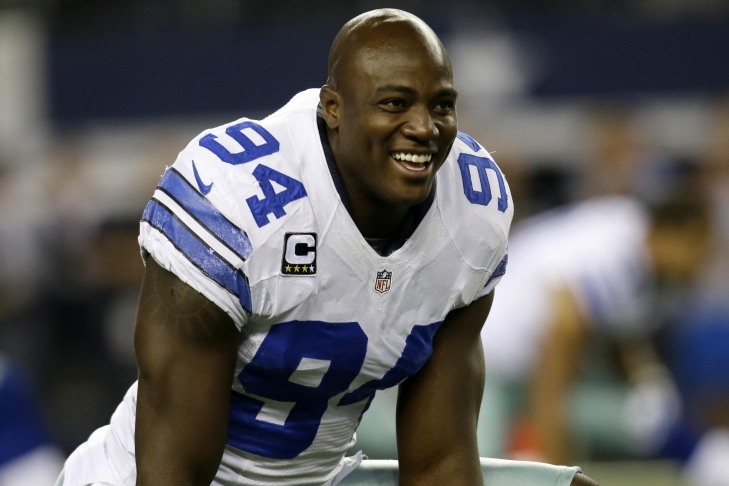
DeMarcus Ware: 2005-16, DAL, DEN. Ware enters his first year of eligibility, and he debited number one on our list of those to consider for Canton. Ware went to the Pro Bowl in nine of his 12 seasons, and was a First Team All-Pro in four of them. Twice an NFL leader in Sacks, Ware got to the Quarterback 138.5 times, 117 of with Dallas. Ware would win a Super Bowl late in his career with Denver. Ranked #1 on Notinhalloffame.com.
Patrick Willis: 2007-14, SFO. Willis retired before the age of 30 and is now in his second year of eligibility. The career 49er led the league in Tackles twice and is a seven-time Pro Bowl and five-time First Team All-Pro. Ranked #15 on Notinhalloffame.com.
Defensive Backs:
Eric Allen: 1988-01, PHI, NOR, OAK. Allen secured 54 Interceptions and would have six Pro Bowl Seasons, with one of them earning a First Team All-Pro Selection. Ranked #43 on Notinhalloffame.com.
Ronde Barber: 1997-12, TAM. Barber helped the Tampa Bay Buccaneers win their only Super Bowl and he would record 47 Interceptions and 1,231 Tackles. A five-time Pro Bowl and three-time First Team All-Pro, Barber was a Finalist last year. Ranked #10 on Notinhalloffame.com.
Dre Bly: 1999-09, STL, DET, DEN, SFO. Bly was a two-time Pro Bowl with the Lions, and a Super Bowl Champion with the Rams. He had 43 Interceptions over his career.
LeRoy Butler: 1990-01, GNB. Butler won a Super Bowl with the Packers and in all four of his Pro Bowl Selections, he would also be named a First Team All-Pro. Butler had 38 career Interceptions and 889 Combined Tackles and he was been a Finalist the last two years last year. Ranked #69 on Notinhalloffame.com.
Nick Collins: 2005-11, GNB. Collins won a Super Bowl with the Green Bay Packers and was a Pro Bowler three times. He would lead the NFL in Interception Return Yards in 2008 and had 21 career Interceptions.
Antonio Cromartie: 2006-16, SDG, NYJ, ARI, IND. Cromartie went to four Pro Bowls, going to the First Team All-Pro in 2007, the same season he led the NFL in Interceptions with 10. Cromartie had 31 picks over his career and is Hall of Fame eligible for the first time.
Merton Hanks: 1991-98, SFO, SEA. Hanks won a Super Bowl with the Niners and was also a Pro Bowl Selection four times. He recorded 33 career Interceptions.
Rodney Harrison: 1994-08, SDG, NWE. Harrison won two Super Bowls with the New England Patriots and he was a Pro Bowl and First Team All-Pro twice. He would have 34 career Interceptions and 1,206 Combined Tackles.
Albert Lewis: 1983-98, KAN, RAI, OAK. Lewis would record 42 Interceptions and he was a four-time Pro Bowler. He also had two First Team All-Pro Selections and grabbed 42 Interceptions, 12.5 Sacks and 832 Combined Tackles. Ranked #300 on Notinhalloffame.com.
Tim McDonald: 1987-99, STL, PHO, SFO. McDonald recorded 40 Interceptions and was a six-time Pro Bowler. He would win a Super Bowl with the 49ers and had 40 Interceptions and 1,139 Combined Tackles. Ranked #238 on Notinhalloffame.com.
Allen Rossum: 1998-09, PHI, GNB, ATL, PIT, SFO. DAL. Rossum is listed as a Cornerback, but he was more of a Returner. He was a Pro Bowler in 2004 and had 15,046 All-Purpose Yards.
Asante Samuel: 2003-13, NEW, PHI, ATL. Samuel was a four-time Pro Bowl and one-time First Team All-Pro. Twice a Super Bowl Champion with New England, Samuel had 51 career Interceptions. Ranked #172 on Notinhalloffame.com.
Bob Sanders: 2004-11, IND, SDG. Sanders only played 50 Games but was the 2009 Defensive Player of the Year and is the owner of a Super Bowl Ring with the Colts.
Charles Tillman: 2004-11, CHI, CAR. Tillman is in his first year of eligibility and he was a two-time Pro Bowl Selection. He would have 38 career Interceptions with 930 Combined Tackles.
Troy Vincent: 1992-06, MIA, PHI, BUF, WAS. Vincent’s five Pro Bowls would all come consecutively when he was with the Eagles. He would earn First Team All-Pro honors in 2002 and had 47 Interceptions and 893 Combined Tackles. Ranked #281 on Notinhalloffame.com.
Adrian Wilson: 2001-12, ARI. Wilson was a five-time Pro Bowl and one-time First Team All-Pro who had 27 career Interceptions and 903 Combined Tackles.
Darren Woodson: 1992-03, DAL. A part of the Cowboys three Super Bowl Titles in the early 90s, Woodson was a five-time Pro Bowl and three-time First Team All-Pro. He has been a Semi-Finalist before and has 23 career Interceptions with 11 Sacks and 967 Combined Tackles. Ranked #89 on Notinhalloffame.com.
Place Kickers:
Gary Anderson: 1982-04, PIT, PHI, SFO, MIN, TEN. Anderson went to four Pro Bowls and at the time of his retirement, he was the all-time leader in Points Scored and Field Goals Made. Ranked #237 on Notinhalloffame.com.
John Kasay: 1991-11, SEA, CAR, NOR. Kasay was a 19-year veteran, who went to one Pro Bowl. Kasay kicked 461 Field Goals over his career, and is ninth all-time in Points Scored.
Ryan Longwell: 1997-12, GNB, MIN, SEA. Longwell is 17thall-time in Field Goals Made.
Punters:
Jeff Feagles: 1988-09, NEW, PHI, ARI, SEA, NYG. Feagles was a two-time Pro Bowler and won a Super Bowl with the Giants.
Sean Landeta: 1985-05, NYG, LAR, STL, TAM, GNB, PHI. Landeta won two Super Bowls with the Giants and was chosen for three First Team All-Pros. He is currently third all-time in Punting Yards.
Reggie Roby: 1983-98, MIA, WAS, TAM, HOU, TEN, SFO. Roby went to three Pro Bowls and two First Team All-Pros.
Matt Turk: 1995-11, WAS, MIA, NYJ, STL, HOU, JAX. Turk’s three Pro Bowls were consecutive from 1996 to 1998. He was a First Team All-Pro in ’95.
Special Teams:
Josh Cribbs (Also WR): 2005-14, CLE, NYJ, IND. Cribbs was a three-time Pro Bowl and one-time First Team All-Pro and collected 15,453 All-Purpose Yards.
Mel Gray (Also WR): 1986-97, NOR, DET, HOU, TEN, PHI. Gray was chosen for four Pro Bowls and three First Team All-Pros. He would accrue 13,279 All-Purpose Yards. Ranked #260 on Notinhalloffame.com.
Brian Mitchell (Also RB): 1990-03, WAS, PHI, NYG. Mitchell was a one-time Pro Bowl recipient and a four-time leader in All-Purpose Yards. He totaled 23,330 in APY, and is second all-time in that statistic. Ranked #142 on Notinhalloffame.com.
Steve Tasker (ST/WR): 1985-97, HOU, BUF. Tasker is a seven-time Pro Bowl Selection at Special Teams. This is his last year of eligibility Ranked #108 on Notinhalloffame.com.
There are ten first-year nominees in this group consisting of Anquan Boldin, Devin Hester, Andre Johnson, Steve Smith, Jake Long, Nick Mangold, DeMarcus Ware, Robert Mathis, Vince Wilfork and Antonio Cromartie.
With all due respect to many of these candidates, there are several of these Preliminary Nominees that have no realistic chance for the Pro Football Hall of Fame, but it is a much better list than last year, where there were some obvious omissions.
This group will be pared down to 25 in November and reduced to 15 in January.
Whomever those 15 Modern Era Finalists are, they will be joined by Senior Finalist, Cliff Branch, Contributor Finalist, Art McNally and Coach Finalist, Dick Vermiel.
We here at Notinhalloffame.com would like to congratulate the 122 former players who made it to this stage.
18. Pam Tillis
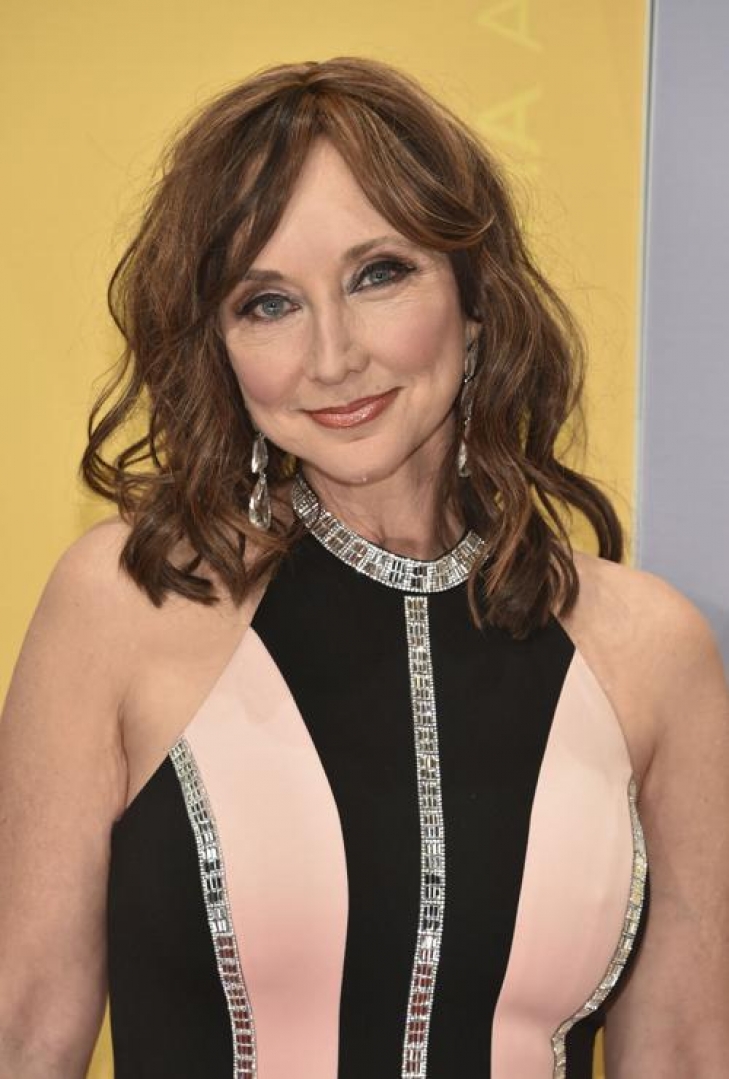
As with a few others on these lists, Pam Tillis already had a connection to the industry before she even started singing: Pam was the daughter of country hit-maker Mel Tillis (who himself is a 2007 inductee). From the age of 8 through all of young-adulthood, she performed shows, was in various bands, joined and left a label, and released a failed album. After all of that, she signed a record contract in her early 30’s. From there, she would have a stretch of hits throughout all of the 1990’s, and also earn 5 Grammy nominations and 13 CMA award nominations within that time. . She has also tried her hand at acting, appearing on Broadway and in a few drama series. Although her level of industry success didn’t match up with many of her contemporaries of the time, she still gathered a nice career resume and recorded some memorable/important songs that still get played today.
15. John Michael Montgomery
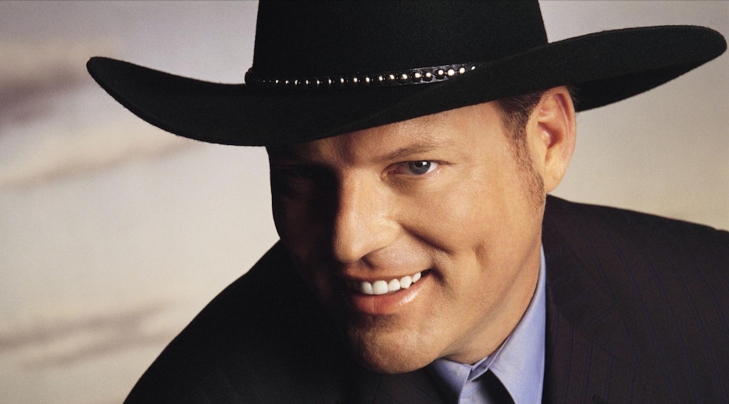
Born in 1965, John had a leg-up on his quest to be a popular singer as he was born into a musical family. He, his parents, and his brother had a family band together that toured local clubs around Lexington, Kentucky. Once John graduated high school, he began solo touring the local honky tonk circuit. At one of the popular venues in Lexington, he was discovered and signed to Atlantic Records. (John’s brother Eddie Montgomery would eventually sign with Columbia Records as half of the popular country duo Montgomery Gentry). Being blessed by starting his country music career when the genre itself was on an upswing, John had hits from the beginning and continued that streak for a decade-long radio career. John’s songs could sometimes slip into adult contemporary material (with 2 of his songs becoming huge successes for R&B group All-4-One) but his instrumentation always went more traditional. A number of John’s most popular tunes are still played on the radio and in honky-tonk bars to this day.
