


Committee Chairman
3. Trisha Yearwood

Being born in Georgia to a schoolteacher and a banker doesn’t help you get a foot in the door to the music business, but Trisha knew from a young age that she wanted to pursue music. After spending a childhood singing everywhere she could, she eventually moved to Nashville and earned an internship at a record label. At the label, Trisha began as a background singer on the demos of new artists, and one of those artists ended up being Garth Brooks (2012 Hall Of Fame inductee). He told her he would help her if he ever made it big. When her debut single came along in 1991, he offered her a spot as his opening act. (In 2005, he also became her husband). From there, she was able to begin her highly respected career, which included winning 3 Grammy awards, 3 Academy of Country Music Awards, and 3 Country Music Association awards. She also continued to get critical acclaim throughout her years of popularity, for both her incredible vocal power as well as the quality of her song choices. Her debut album also became the first debut by a female country singer to sell over one million copies. Although her radio career faded out after about 10 years, she has continued to put out acclaimed albums, has a cooking television show (for which she won an Emmy award), and has put out a few New York Times best-selling cookbooks. Could a slot in the Hall Of Fame be in her future too?
6. Martina McBride

One of the biggest female country voices of the 1990s, Martina used her star power to sing songs dealing with female empowerment and other topics including abuse (“Independence Day”), disabilities (“God’s Will”), and cancer (“I’m Gonna Love You Through It”). The journey to her career started out in 1988 when she married her husband John, who was a sound engineer. The two of them moved to Nashville hoping to get Martina the dream she was chasing. John ended up joining Garth Brooks’ sound crew (the biggest country artist at that time and 2012 Hall Of Fame inductee), so Martina sold merchandise during the shows. Garth was impressed by her, so he offered her a spot as an opening act if she could get a recording contract. John helped make her a demo, and she signed with RCA. From there, she put together a music resume that any up-and-coming artist would dream of: songs that are considered classics in the genre, 14 Grammy award nominations and eventually she will earn a spot in the Country Music Hall Of Fame.
17. Earl Thomas Conley
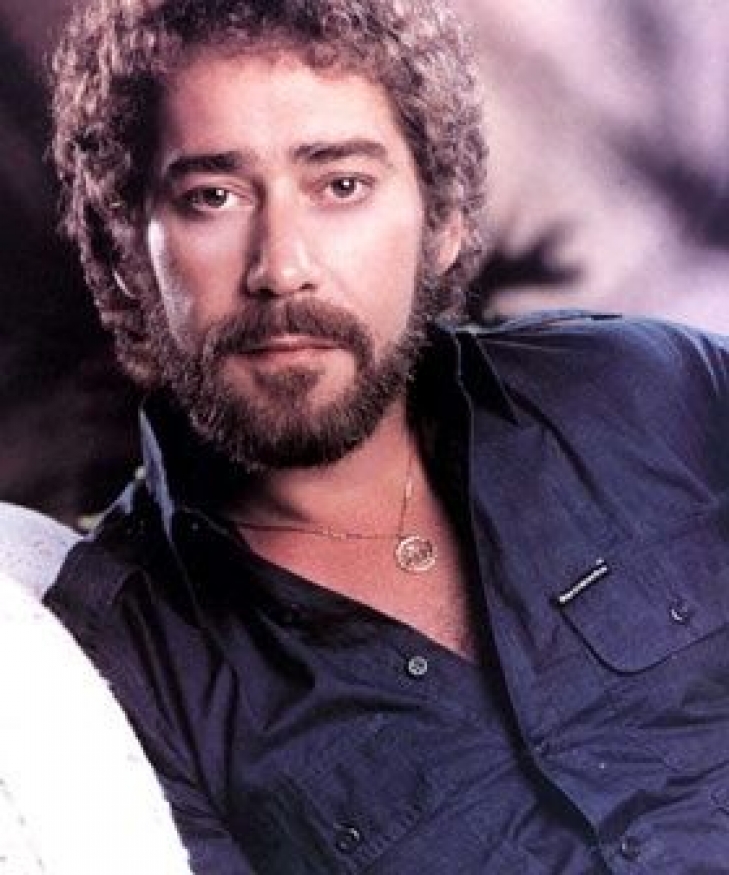
Coming onto the country scene in 1980, Earl became popular for his “thinking man’s country” style of country music that he recorded throughout his career; his songs involved characters, well written stories and heartbreak. He started out in the business as a songwriter, getting some hits for country artists Mel Street and Conway Twitty. Spending those years just writing songs allowed him to hone his skills for when he got his own recording contract. His well written tunes were hits and helped get him what is a celebrated career. He had at least one number one song every year from 1981-1989, and (thanks to a duet with Anita Pointer) was the only country artist to sing on the show “Soul Train”. In fact, he had the third most number one songs of any singer in the 1980’s. Unfortunately, his radio career basically came to a grinding halt when the “Class of ‘89” came in, signalling a new generation of country singers coming in. Today, his catalogue of songs isn’t as respected as it should be, but he left a legacy of brilliant storytelling that is still a height the songwriters of the present day try to live up to.
15. Rosanne Cash
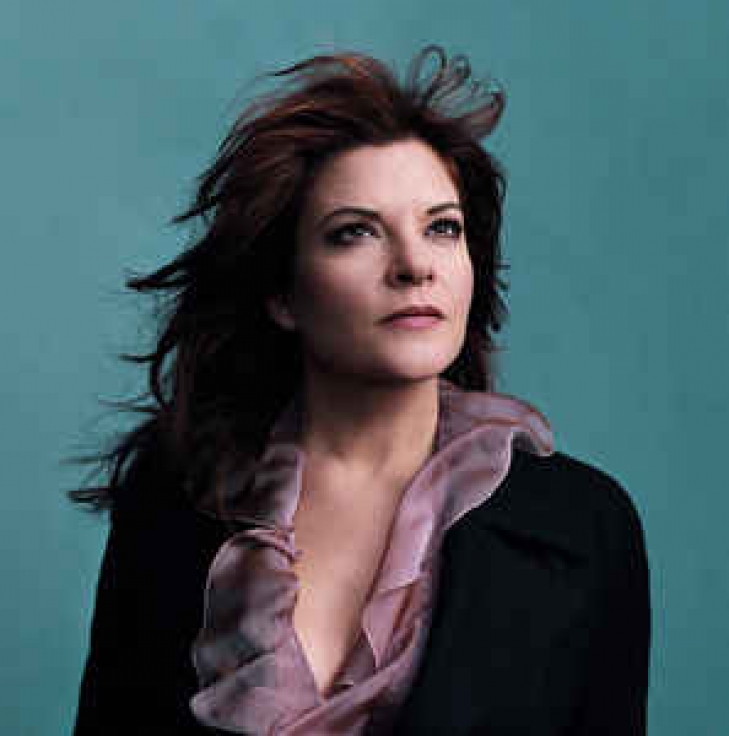
I’m sure growing up as one of the children of an astronomical musical force like Johnny Cash could bring about a fair share of difficulties, but having the most popular singers coming in and out of your house as a teenager also helps to get you a foot in the door. Connecting up with some of those singers and a lot of hard work lead to her record contract. In the early 1980s, her signature song “Seven Year Ache” helped put her on the map for critics and audiences. This started a string of hits and acclaim for her throughout the 80s. Once her radio career ended, she took the acclaim and audience she had built up and created another successful chapter of her career in the independent/Americana field. Without radio support, she certainly doesn’t come anywhere close to the sales she had before. But with the fans that still stick by her, and the consistently great critical reviews (including 16 Grammy award nominations), she can smoothly ride this wave for as long as she wants to. Hopefully, that wave takes her all the way to the Hall Of Fame someday.
