


Committee Chairman
RIP: Clark Gillies
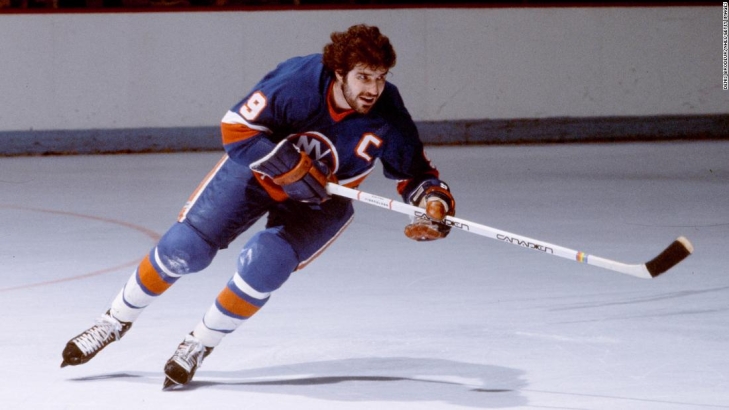
The Islanders lost one of their great ones.
Last night, Clark Gillies passed away. He was 67 Years old.
Gillies played most of his with the New York Islanders, first debuting in the 1974/75 Season, where he would be a two-time First Team All-Star and four-time Stanley Cup Champion. A former captain for the Isles, Gillies was a do-it-all player, who scored, playmaked, and grinded, selflessly opened the ice for his other skill playing teammates.
Finishing his career with the Buffalo Sabres, the Left Wing had 697 career NHL Points.
Internationally, he represented Canada in the 1981 Canada Cup.
Gillies entered the Hockey Hall of Fame in 2002.
We here at Notinhalloffame.com would like to extend our condolences o the fans, friends and family of Clark Gillies.
Our All-Time Top 50 San Diego Padres are up

Yes, we know that this is taking a while!
As many of you know, we here at Notinhalloffame.com are slowly generating the 50 of each major North American sports team. We have a new one to unveil today, that of the San Diego Padres.
Founded in 1969, the San Diego Padres have had their share of star players, but it has yet to result in a World Series win, though they have won the National League Pennant twice (1984 & 1998).
The team has lost far more Games than they have won but has a unique history, solid fan base, and hopefully, unlike the Chargers, are not going anywhere.
This list is up to the end of the 2021 regular season.
Our Top 50 lists in Baseball look at the following:
1. Advanced Statistics.
2. Traditional statistics and how they finished in the National League.
3. Playoff accomplishments.
4. Their overall impact on the team and other intangibles not reflected in a stat sheet.
Remember, this is ONLY based on what a player does on that particular team and not what he accomplished elsewhere and also note that we have placed an increased importance on the first two categories.
This list is updated up until the end of the 2021 Season.
The complete list can be found here, but as always, we announce our top five in this article. They are:
1. Tony Gwynn
2. Trevor Hoffman
3. Jake Peavy
5. Randy Jones
We will continue our adjustments on our existing lists and will continue developing our new lists.
Look for our more material coming soon!
As always, we thank you for your support.
19. Deacon Phillippe
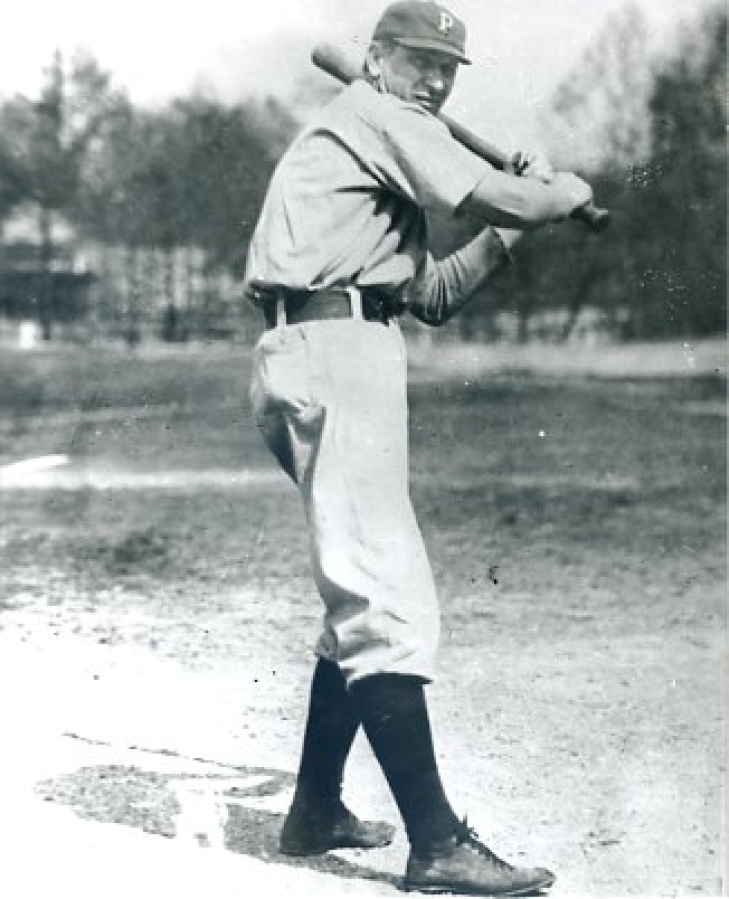
The corporations’ merging that ended the Louisville Colonels around 1900 significantly changed the course of Pittsburgh baseball. While many focus on the players who arrived, Deacon Phillippe was essential as the main pitcher. Born in Virginia and raised in rural South Dakota, this humble, religious, soft-spoken right-hander earned his nickname thanks to his disciplined, virtuous lifestyle. On the mound, Phillippe was known for his calm, precise pitching that stifled Deadball Era offenses. Instead of relying on high speed, he aimed carefully at the strike zone, using exceptional control to become one of the most reliable big-game pitchers of his time.
His debut in Pittsburgh before the 1900 campaign followed an impressive rookie season with 21 wins in Louisville. Phillippe quickly adapted to his new environment in Western Pennsylvania. He promptly made taking the ball into a dominating routine, recording four straight 20-win performances from 1900 to 1903 that helped establish manager Fred Clarke’s rising dynasty.
His paramount attribute was an unwavering refusal to beat himself. Phillippe systematically dictated terms to opposing batters, leading the National League in the fewest walks per nine innings (BB/9) on five occasions, achieving the highest strikeout-to-walk ratio (SO/BB) four times, and excelling in Fielding Independent Pitching (FIP) twice.
The peak of his individual achievements and legendary reputation was reached during the first high-stakes 1903 modern World Series against the Boston Americans. With the Pirates' pitching staff severely weakened by unexpected injuries and departures, Phillippe delivered an extraordinary, tireless performance that is hard to imagine today.
He started five of the nine games in the series, pitching five complete games and totaling 44 intense innings on the mound. He personally secured three wins for the Bucs, including a historic opening-game performance. Although the heavy physical toll eventually affected him in the final innings, his unwavering bravery solidified his legendary status in baseball history.
His unwavering long career earned the highest corporate recognition during the notable 1909 world championship campaign. At age 37, he offered essential support to the team, posting an impressive 8–3 record from the rotation and bullpen, aiding the club in securing the National League pennant and ultimately celebrating Pittsburgh's exciting seven-game victory in the World Series against Ty Cobb's Detroit Tigers.
Phillippe retired during the 1911 season, retiring with a 168-92 record and a 2.50 ERA as a Pirate.
17. Tommy Leach
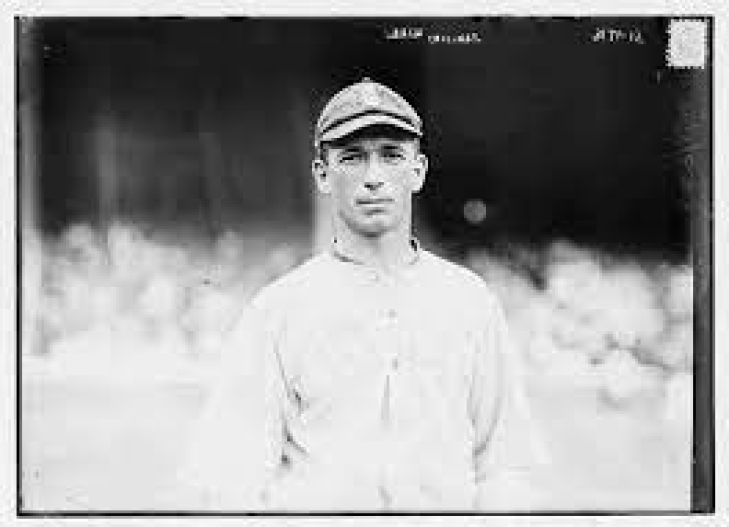
The baseball world is filled with clichés about small players showing great grit, but at the start of the 20th century, Tommy Leach exemplified this ideal. Standing only 5-foot-6 and weighing just 150 pounds, "Wee Tommy" appeared physically small in the tough, brutal environment of the Deadball Era. Despite this, he spent over ten years in western Pennsylvania demonstrating that quick, low-center-of-gravity movements could easily break down opposing defenses. As a fast, high-energy hitter at the top of the lineup, Leach turned the expansive fields of Exposition Park and Forbes Field into his personal sprint track, becoming a key catalyst for the franchise’s most legendary period.
His arrival in Pittsburgh before the 1900 campaign was part of the legendary roster merger that also brought Honus Wagner from Louisville. Leach consistently used his speed and power for extra-base hits during the regular season, playing both third base and the outfield to give manager Fred Clarke top defensive versatility.
He was a proven triple-hitter, using a quick first step to turn singles into multi-base threats. Although the era's waterlogged baseballs rarely cleared fences, Leach showed unexpected power in the middle of the lineup, often leading the National League in home runs, mostly high-velocity, inside-the-park types, setting a league record with six homers in 1902.
His distinctive statistical profile established him as the key operational catalyst for the legendary Wagner, who batted right behind him. Leach excelled at neutralizing opposing pitchers, carefully drawing walks or hitting line drives into gaps, then using his legs to quickly reach scoring position for "The Flying Dutchman."
That high-volume run creation cemented his place in baseball history during the first modern 1903 Fall Classic against Boston. Leach, known for his speed, recorded the very first hit and scored the first run in modern World Series history, finishing the event with an impressive four triples.
The pinnacle of his team's achievements was the 1909 world championship run. As the regular center fielder and key player, Leach performed superbly, leading the National League with a career-high 126 runs and drawing 67 walks, which contributed to Pittsburgh's exciting seven-game win over Ty Cobb's Detroit Tigers.
Tragically, the intense physical strain from playing at such a fast and aggressive pace eventually caught up with him. A series of persistent lower-body injuries significantly reduced his signature acceleration by the start of the 1910 season, leading to an abrupt and less variable decline in his offensive performance. This decline ultimately led to a trade to Cincinnati in mid-1912. He later returned briefly to the Bucs during the 1918 season, marking the end of his remarkable career.
Across 14 summers in a Pittsburgh uniform, Leach accumulated 1,603 hits, 233 doubles, 126 triples, and 271 stolen bases across 1,509 games.
