

Committee Chairman
35. Dick Groat
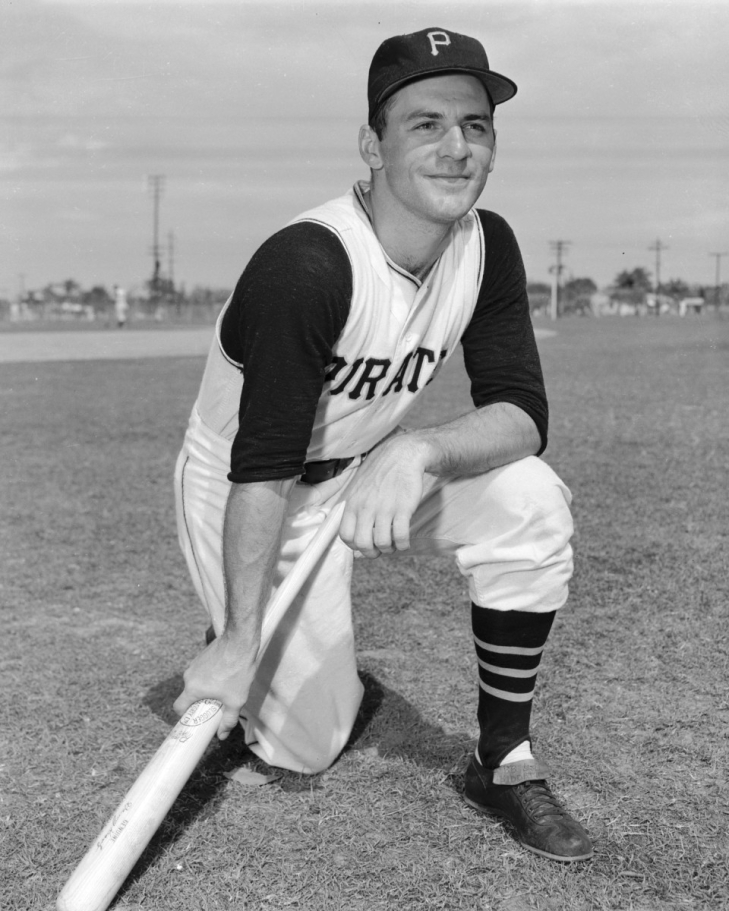
Achieving excellence at the top level of a single sport is rare, but excelling in two vastly different athletic fields requires a unique kind of talent. Richard Morrow Groat exemplified this multi-sport mastery. At Duke University, this talented athlete excelled in both basketball and baseball for several years, setting scoring records in basketball and dominating opposing pitchers in baseball. His exceptional talent led him to become the first athlete inducted into both the College Basketball and College Baseball Halls of Fame. Although he briefly played a season in the NBA with the Fort Wayne Pistons, he ultimately focused on baseball, a choice that significantly impacted Pittsburgh's baseball scene.
He made his major league debut before the 1952 season, quickly demonstrating his top-tier talent and finishing third in the National League Rookie of the Year voting. However, as his career started to gain momentum, Groat had to pause for two years to serve in the military. He returned to the club full-time for the 1955 campaign, instantly anchoring the shortstop position and turning middle-infield stability into an absolute regular-season routine.
While he lacked explosive, over-the-fence power, Groat weaponized an incredibly short, right-handed contact stroke and peerless internal clock, developing into the ultimate table-setter and clubhouse leader for manager Danny Murtaugh. The peak of his national fame and extraordinary efficiency came together during the unforgettable 1960 world championship run. Groat delivered a remarkable display of skill in clutch situations, winning the National League batting title with a superb .325 average that energized the entire offense.
Focusing only on Groat’s offensive stats ignores a significant part of his contributions; he was a defensive genius, leading the entire Senior Circuit with a top-tier 2.6 defensive bWAR. He achieved this by masterfully positioning himself and utilizing keen spatial awareness to shut down opponents’ running threats. His versatile mastery earned him the National League Most Valuable Player award, culminating in his remarkable season where he helped the Bucs secure a memorable seven-game World Series victory against the formidable New York Yankees.
A five-time All-Star, Groat was traded to St. Louis after the 1962 campaign, where he would later win another World Series Championship. With Pittsburgh, Groat batted .290 with 1,435 hits.
30. Manny Sanguillen
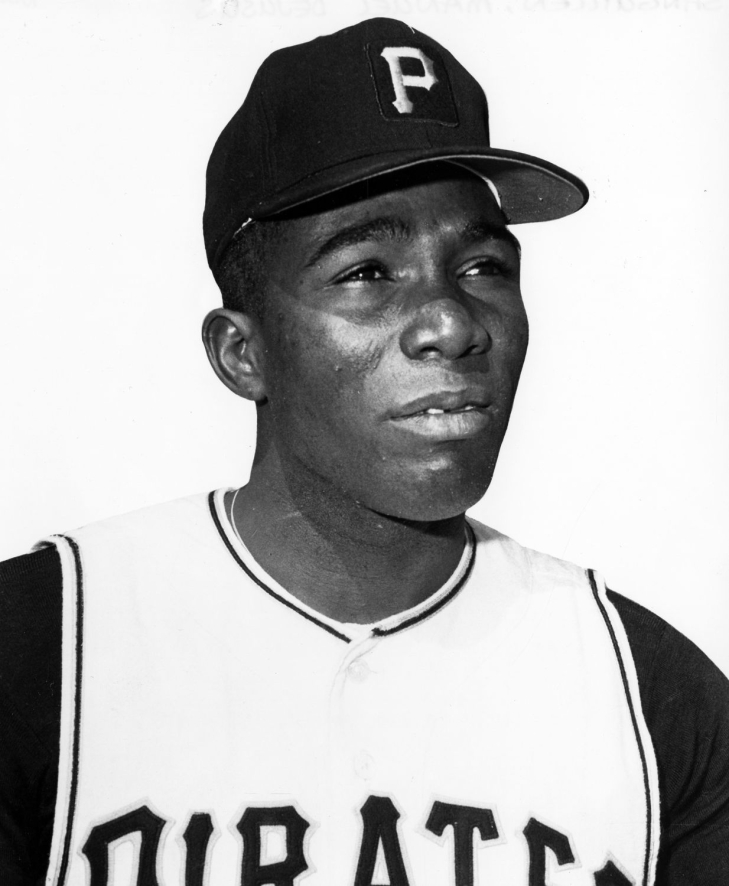
The 1970s baseball scene in Pittsburgh is often seen as dominated by larger-than-life figures who captured national attention. However, behind the legendary "Lumber Company" lineup from behind the plate was a lively, free-swinging artist from Panama, known for playing with a joy that brightened the entire field. Manny Sanguillén, popularly called “Sangy," had a smile as broad as the three rivers and an unorthodox, highly aggressive batting style that challenged traditional hitting methods. Instead of waiting for walks or the perfect pitch, he approached anything within a five-foot radius of home plate as a chance to make solid contact, making him one of the top offensive catchers of his era.
He made his initial appearance in 1967, but it wasn't until 1969 that Sanguillen secured the full-time starting catcher position. He became a consistent hitter during the regular season, managing to succeed in an era filled with top-tier pitching, thanks to his quick, short right-handed swing.
Sanguillen listed four seasons with a batting average over .300, an impressive feat for a catcher in the low-offense era of the 1970s. He was a key contributor to the legendary 1971 World Series champion team, batting .319 in the regular season and delivering 11 crucial hits in the seven-game series victory against Baltimore.
Despite his significant multi-dimensional value, Sanguillen spent much of his prime in the background of a competitive shadow. Nationally, his individual recognition was limited since Johnny Bench dominated the position as the gold standard. Locally, his steady performance was sometimes overshadowed by the star power of his legendary close friend Roberto Clemente and the towering Willie Stargell.
His exceptional defensive skills and quickness behind the plate earned him three consecutive All-Star selections from 1971 to 1973. Notably, in 1972, he had a standout season, finishing eleventh in the National League MVP voting after achieving a career-high .321 batting average.
To tackle structural needs on the mound, management made a bold trade after the 1976 season, sending the franchise's key player to the Oakland Athletics in exchange for manager Chuck Tanner. Reflecting his strong ties to Western Pennsylvania, Tanner later orchestrated a trade that brought Sanguillen back to the Steel City just before the 1978 season.
Although he served as a respected veteran reserve behind Ed Ott during his final three summers in town, his remarkable longevity paid off in the memorable 1979 "We Are Family" season. Off the bench in the crucial late innings of Game 2 in the World Series, he hit a legendary, game-winning pinch-hit single off Baltimore's Don Stanhouse, sparking the team's historic comeback and earning a place in club folklore as one of the few players to win world championship rings in both of the franchise's 1970s dynasties.
Sanguillen retired after the 1980 season, accumulating 1,343 hits and a .299 batting average for Pittsburgh.
31. Jason Kendall
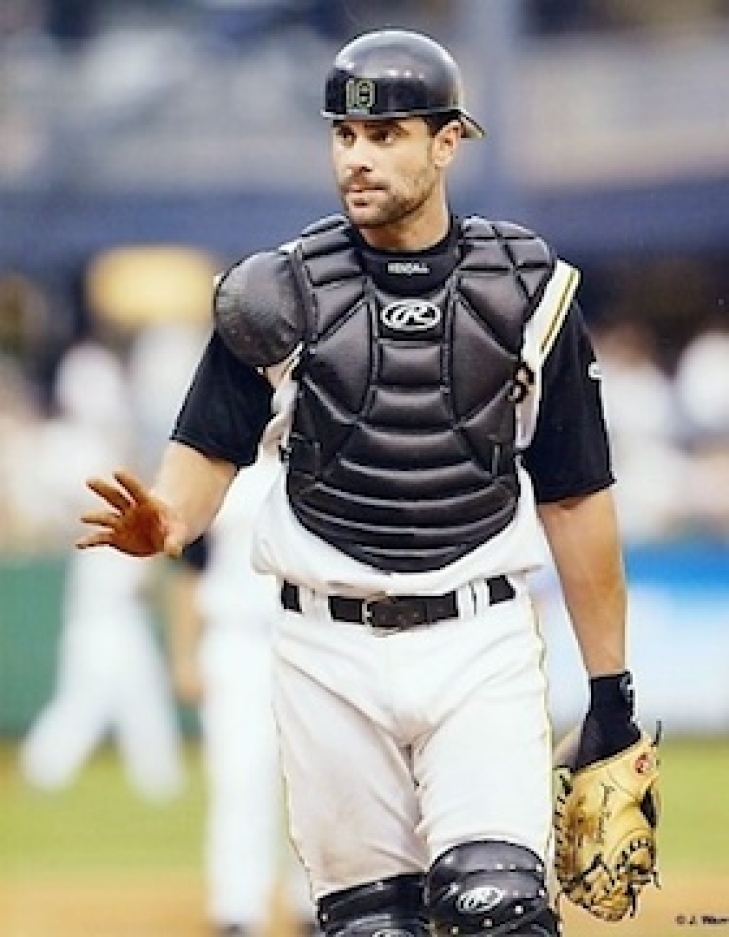
Understanding the difficulties of catching in the Major League involves considering family background. Jason Kendall, the son of 12-year veteran Fred Kendall, was raised in big-league settings, which naturally exposed him to the position’s intense, demanding nature. When the Pittsburgh Pirates selected this resilient high school prospect in the first round of the 1992 draft, they were investing in a rare form of blue-collar grit. After refining his skills across four minor league levels, Kendall not only earned the starting catcher role as a rookie in 1996 but also redefined what a contemporary offensive catcher can achieve.
His debut appearance during the 1996 campaign instantly highlighted his status as a top-tier player. During a time when catchers were usually viewed as low-efficiency, power-focused players, the 22-year-old rookie made contact hitting and on-base skills his regular game plan. He posted a .300 batting average over 130 games, earned a place on the National League All-Star team, and finished third in the Rookie of the Year voting.
The pinnacle of his personal efficiency and resilience was reached during a remarkable period at the turn of the millennium. Kendall surpassed the esteemed .300 batting average on five additional occasions while playing for Pittsburgh, notably in 1998, when he posted a .327 batting average with 12 home runs and 26 stolen bases, and in 2000, when he recorded a career-high .320 batting average, complemented by 14 home runs and an exceptional .412 on-base percentage.
He was a nightmare for opposing teams at the baseline, leveraging rare, high-speed accelerations to steal 140 bases as a Pirate, making him one of baseball's most prolific base-stealing catchers. Defensively, the three-time All-Star was highly skilled. Although he never won a Gold Glove, his quick release and fearless blocking made him a valued defender who effectively reduced the running game, despite the significant physical strain he endured.
Tragically, his unmatched durability was severely tested on July 4, 1999, when he endured a gruesome ankle dislocation while sprinting for a bunt at Three Rivers Stadium. While a less resilient athlete might have seen a sharp decline afterward, Kendall's renowned work ethic enabled him to fully recover and go on to catch over 140 games in each of the following five seasons.
With the franchise stuck in a small-market rebuild, the front office signaled a change after 2004. To shed his large contract, management traded the cornerstone to Oakland for Arthur Rhodes and Mark Redman. As a Pirate, Kendall batted .309 with 1,409 hits.
29. Al Oliver
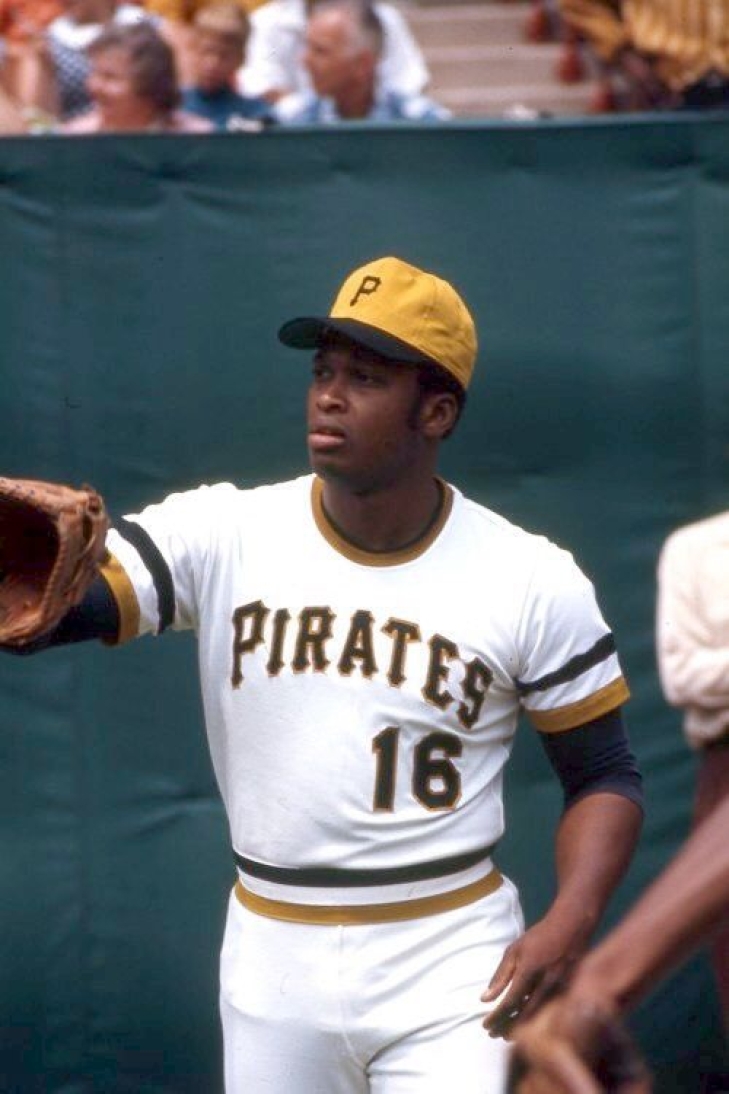
The 1970s "Lumber Company" in Pittsburgh celebrated its power, but maintaining offensive pressure required precise mechanics. Al Oliver signed in 1964, exemplifying this consistency. The left-handed hitter brought focus and aggression, with a fast swing and high socks, aiming to smash baseballs into the gaps of Three Rivers Stadium. He became a respected hitter of his era.
His debut as a consistent everyday player in 1969 immediately demonstrated his frontline potential, earning him a close second in the National League Rookie of the Year voting. Oliver swiftly made his extra-base hits and run production a regular part of his game. He was a key, high-impact player for the renowned 1971 world championship team, hitting a crucial two-run double off Mike Cuellar in Game 3 of the World Series, which helped spark the Pirates' historic comeback victory over Baltimore.
Oliver largely avoided long slumps, providing a steady and powerful presence in manager Danny Murtaugh’s lineups. He hit at least 11 home runs each season for nine straight years, reaching a career high of 20 in 1973, and established himself as a top run-producer with back-to-back seasons of over 100 RBIs. His outstanding bat control led to a batting average of .300 or higher in four different seasons while playing for Pittsburgh, which earned him three All-Star selections and two notable seventh-place finishes in the National League MVP voting.
By the end of 1977, front-office priorities changed. To overhaul their pitching roster, management carried out a large four-team mega-trade, sending the franchise icon to the Texas Rangers, where he would maintain his elite contact ability for another decade. During his time with the Pirates, Oliver accumulated 1,490 hits, 248 doubles, 135 home runs, and 717 RBIs, boasting a solid .296/.331/452 slash line over 1,280 games.
