

30. Moose Vasko
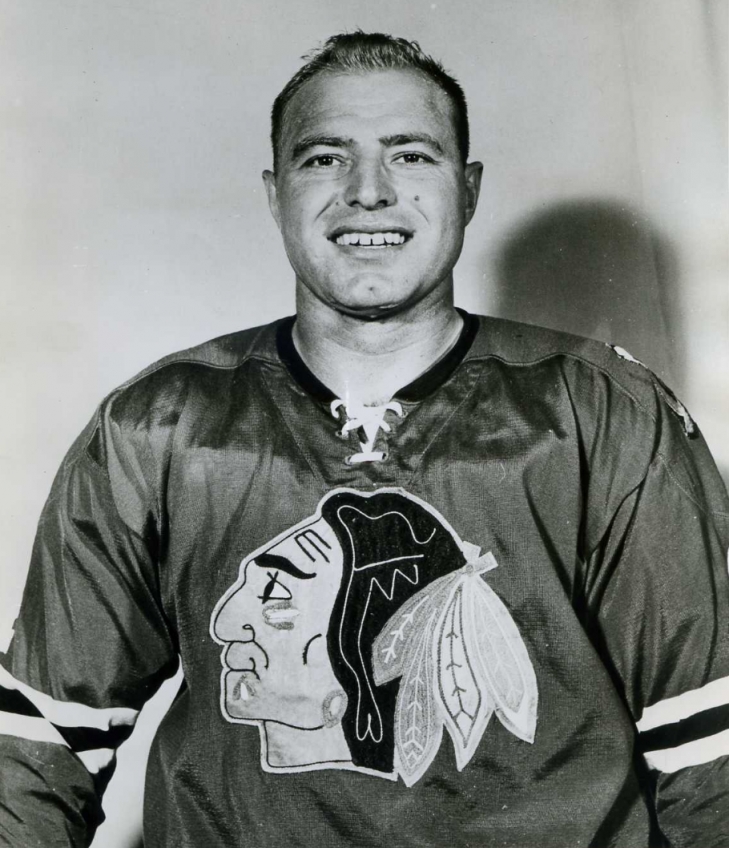
The owner of arguably the best name in Chicago Blackhawks history, Elmer “Moose” Vasko, stood at 6'3” and was a full 200-pounder, a reasonably large player for his day. Shoulder issues in his early seasons prevented him from reaching his full potential, but once that subsided, he would become a vital member of the Blackhawks’ blueline and one of the better players. His toughness had few equals, and his play was good enough to warrant him two Second Team All-Star nods (1962-63 & 1963-64), and he was in the top four both of those years in Norris Trophy voting.
28. Eric Nesterenko
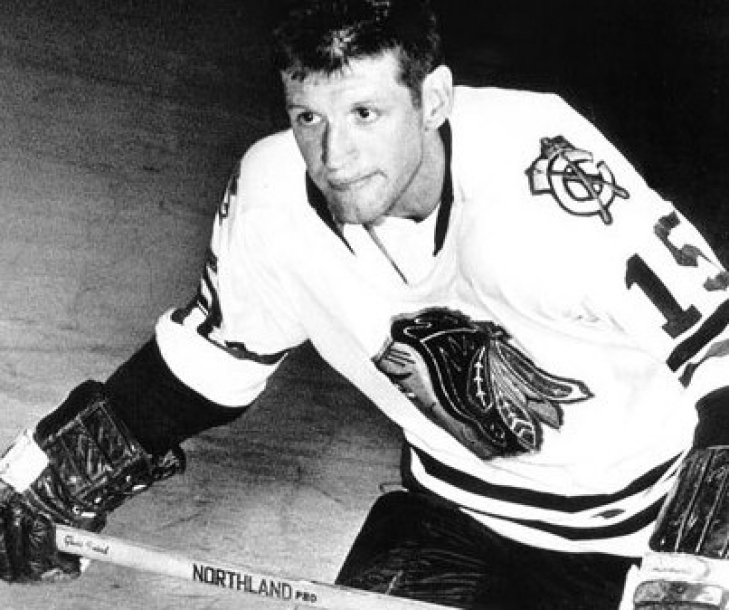
As of this writing, Eric Nesterenko is one of six former Chicago Blackhawks to play 1,000 Games for the franchise, and in the case of the former Right Winger, he suited up for 1,013 Games in the Windy City, which is the fifth most ever.
27. Dennis Hull
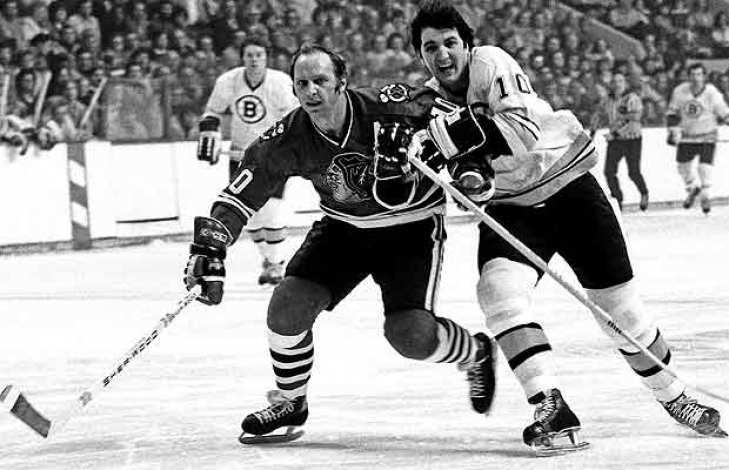
Dennis Hull would always be in the shadow of his older brother and longtime teammate, Bobby Hull, but Dennis was one hell of a player in his own right.
29. Bill White
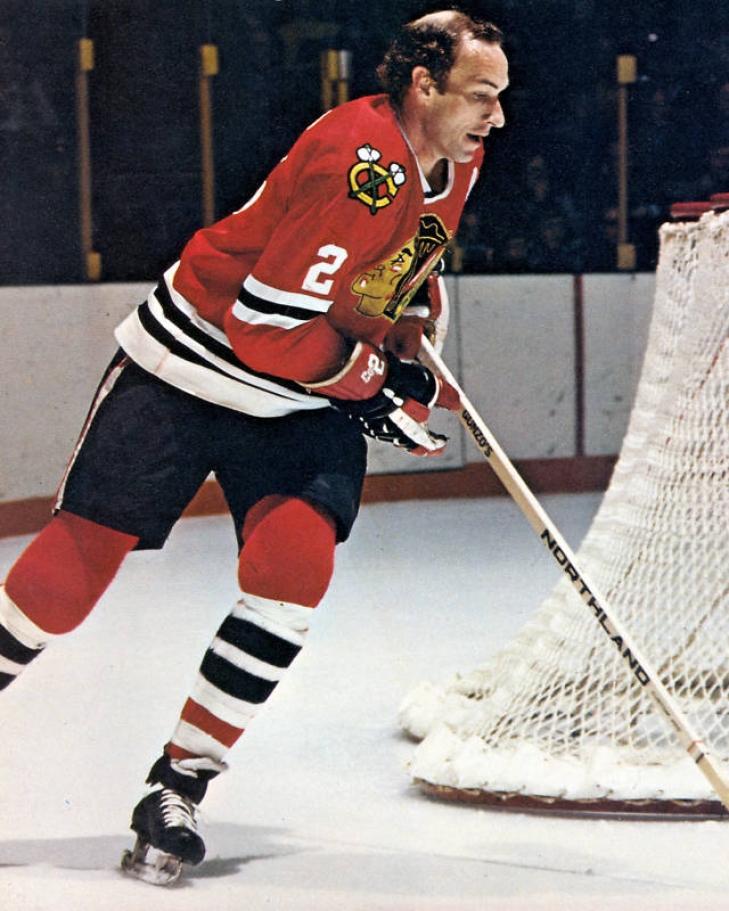
Bill White got his start late in the National Hockey League like so many in the late 1960’s as he was one of the many who when the 1967 expanded from six to twelve teams would receive an opportunity and at age 28 he debuted for the Los Angeles Kings where he showed off an intelligent defensive game, but it was when he was traded to Chicago that his game reached the next level.
34. Marian Hossa
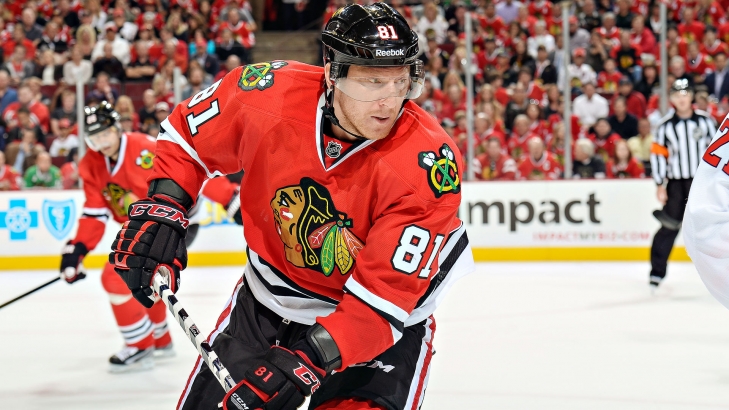
By the time Marian Hossa arrived in Chicago, he had already accomplished quite a lot in the NHL
As an Ottawa Senator, he was a two-time All-Star who had two straight 70 Point seasons.
25. Pit Martin
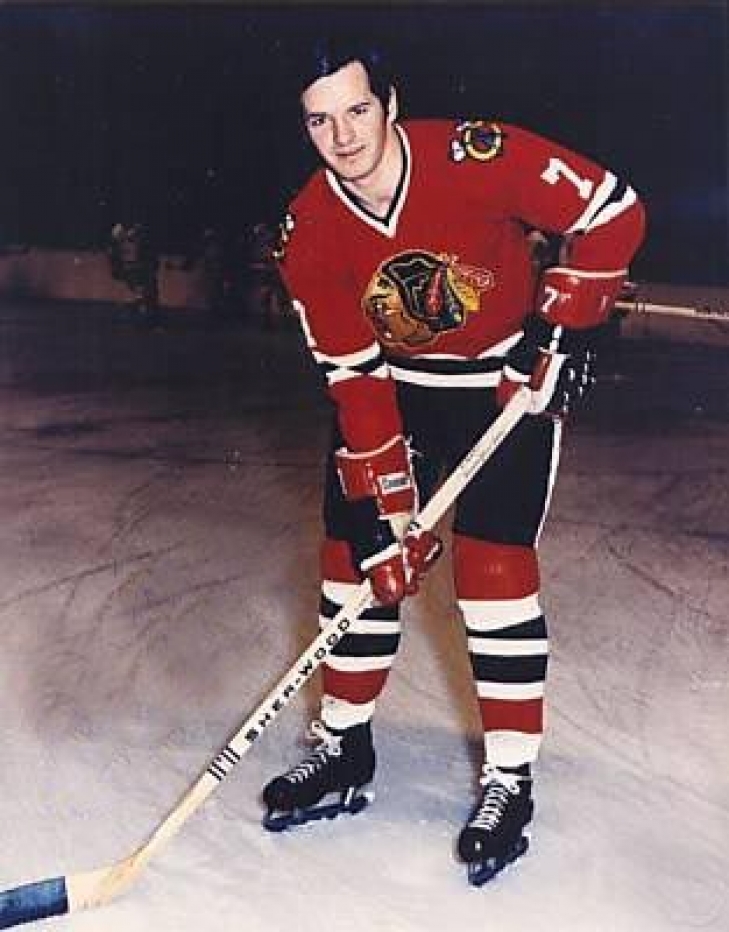
While Pit Martin was on the other side of what would be a lopsided trade (against Chicago), which saw Phil Esposito and Ken Hodge go to Boston, this should not demean what he accomplished in the Windy City.
24. Pat Stapleton

Before he was a Chicago Blackhawk, Pat Stapleton was a Toronto Maple Leaf for all of one day, as he was left unprotected after being traded from the Boston Bruins. Had the Bruins known what Stapleton was going to accomplish in Chi-Town, they likely never would have traded him, and the Leafs would never have left him unprotected.
23. Kenny Wharram
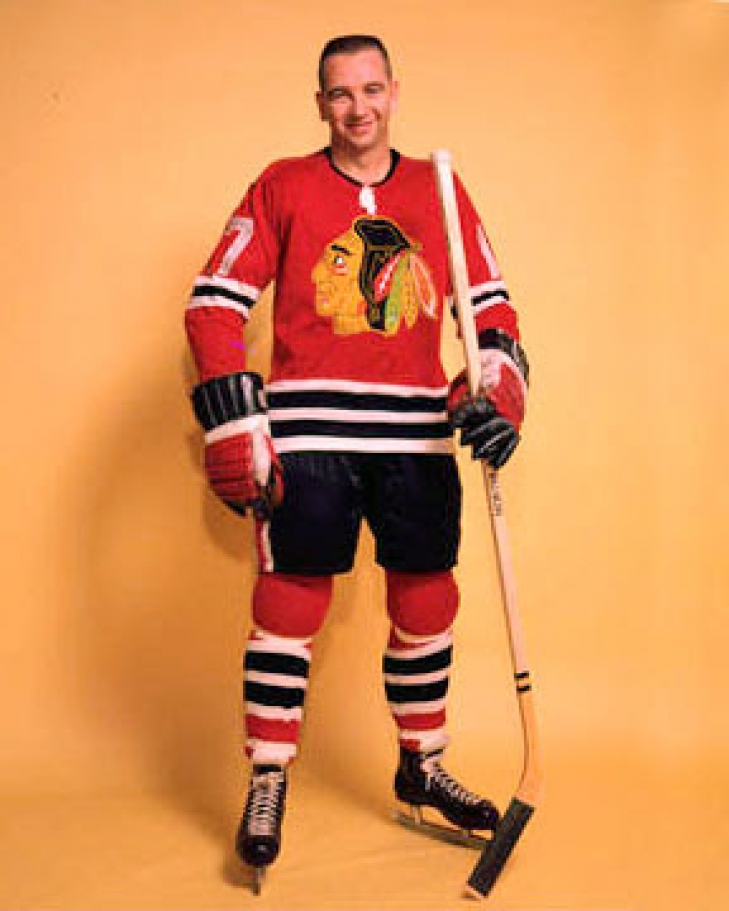
Kenny Wharram was with the Chicago Blackhawks for his entire NHL career, which lasted 14 seasons and 766 Games. Early, he would assist Chicago win the 1961 Stanley Cup, but realistically he blossomed a little later in his career, and his first really good season in the NHL took place when he was 30, where he would be a Second Team All Star, A Lady Byng Trophy winner, and lead the league in Power Play Goals and Shooting Percentage. He was sixth in Points that year with a career high 71 Points. Wharram would have two more 60 Point seasons, finishing fourth and ninth respectively, the first of which was his second Second Team All-Star campaign.
22. Paul Thompson
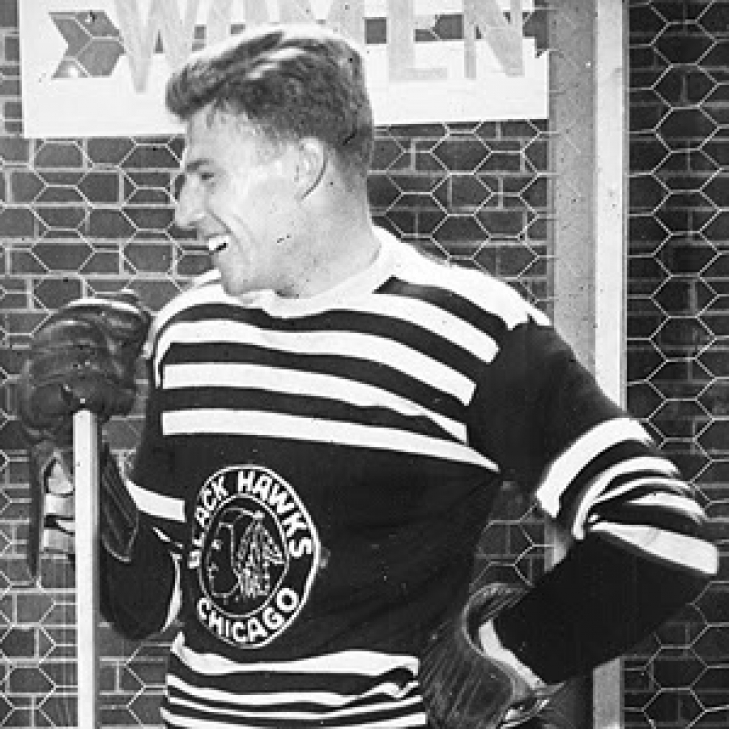
Paul Thompson would win a Stanley Cup with the New York Rangers in 1928, but after he was traded to Chicago before the 1931-32 Season, he would go on the best run of his playing career.
20. Brent Seabrook
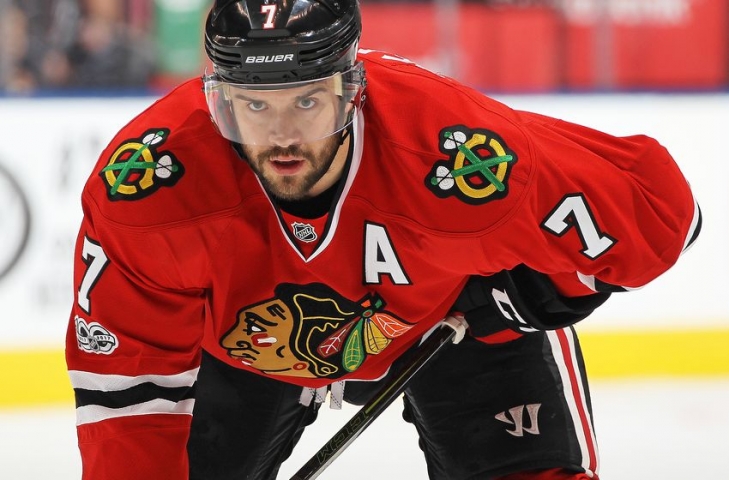
Brent Seabrook played all 1,114 of his NHL Games with the Chicago Blackhawks, where he provided leadership, solid defense, and offensive rushes when needed. Seabrook was an Alternate Captain, but it was not that long ago that he was part of a youth movement that would bring the Blackhawks their first Stanley Cup in decades with their win in 2010. That year was pretty special for the Defenseman, as he would help Canada win the Olympic Gold Medal.
14. Steve Larmer
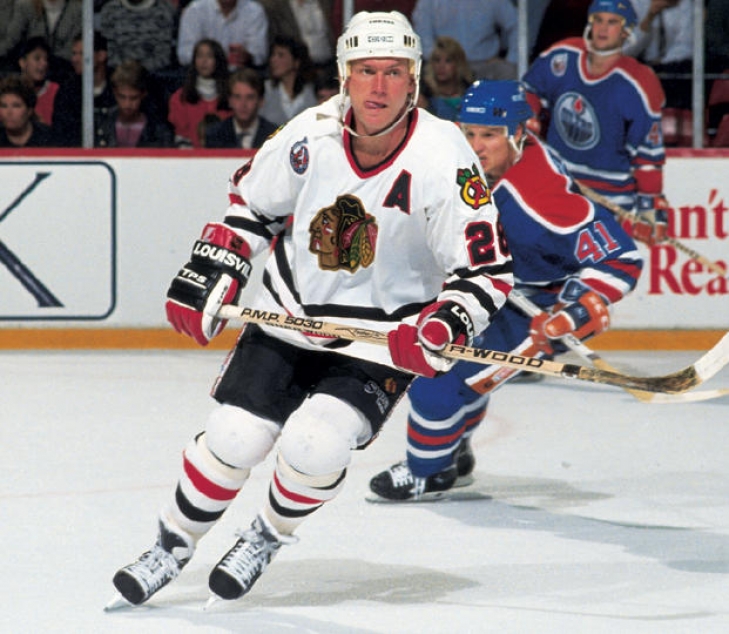
Except for his last two seasons (which were with the New York Rangers), Steve Larmer was a Chicago Blackhawk throughout his professional career. A late-round pick in the 1980 Draft, Larmer proved to be a pleasant surprise, providing Chicago with 674 Points and making two All-Star appearances after being named the Calder Trophy winner in 1983. His best season was in 1990-91 where he scored 101 Points and finished fifth in Hart Trophy voting and third in the tally for the Frank J. Selke Trophy.
19. Max Bentley
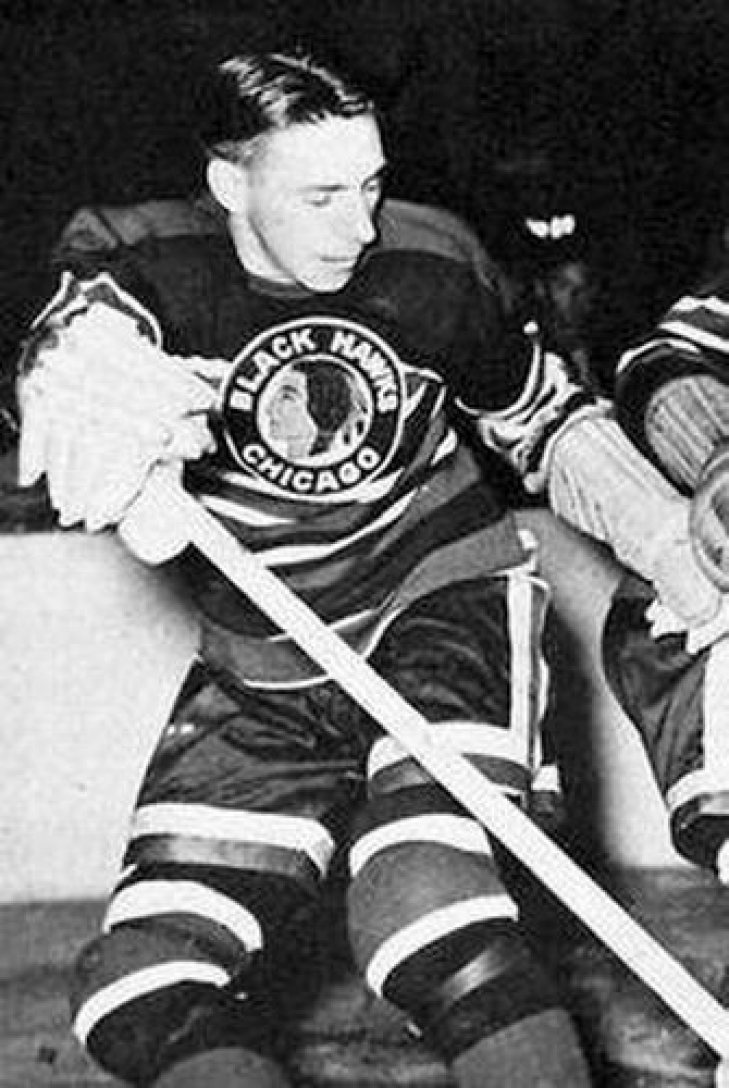
Max Bentley was not supposed to play in the NHL as the native of Saskatchewan was told by the Montreal Canadiens (who had his rights) that a heart condition would prevent him from being a professional hockey player.
As you can see, the Habs physician was wrong.
18. Jeremy Roenick
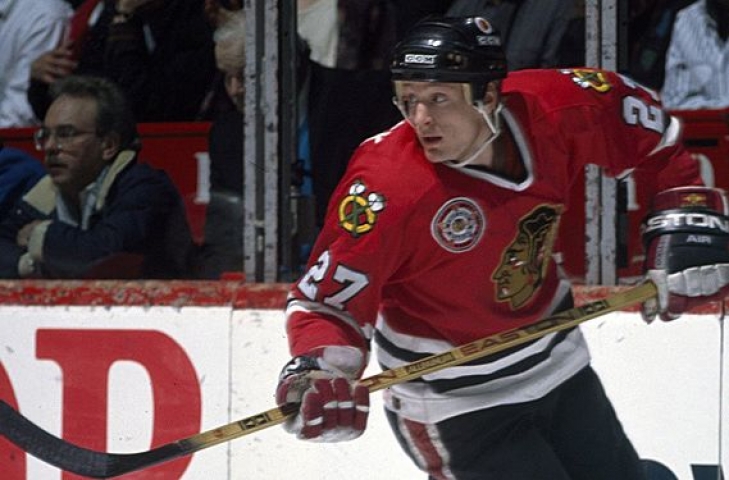
Jeremy Roenick made a claim as one of the greatest American born forwards in hockey history and luckily for the Chicago Blackhawks it was there where he was the most productive.
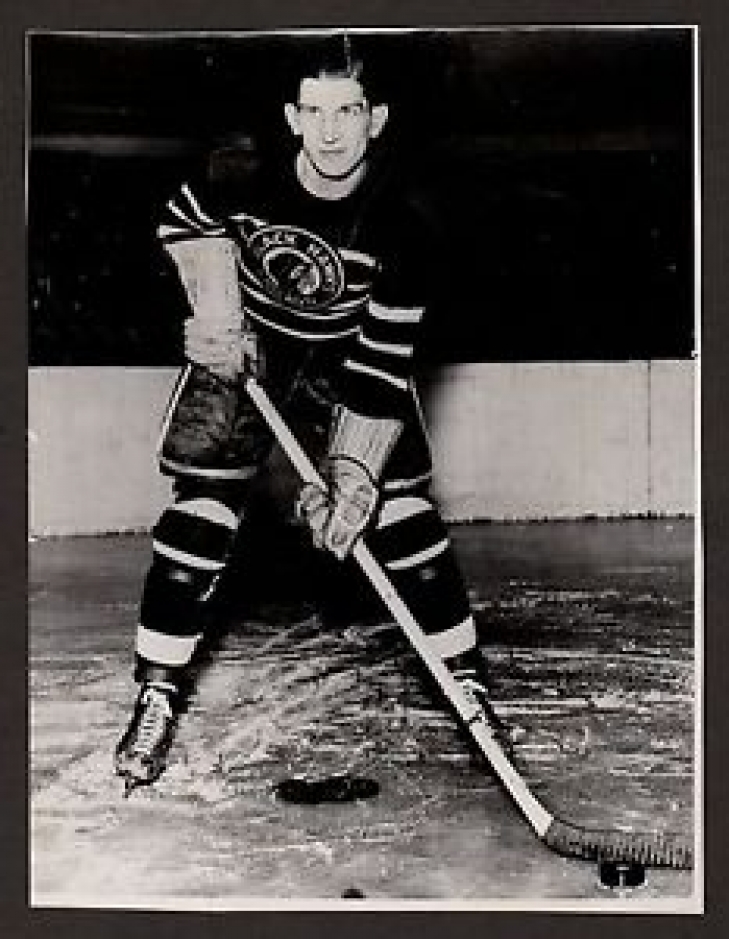
17. Johnny Gottselig
16. Bill Mosienko
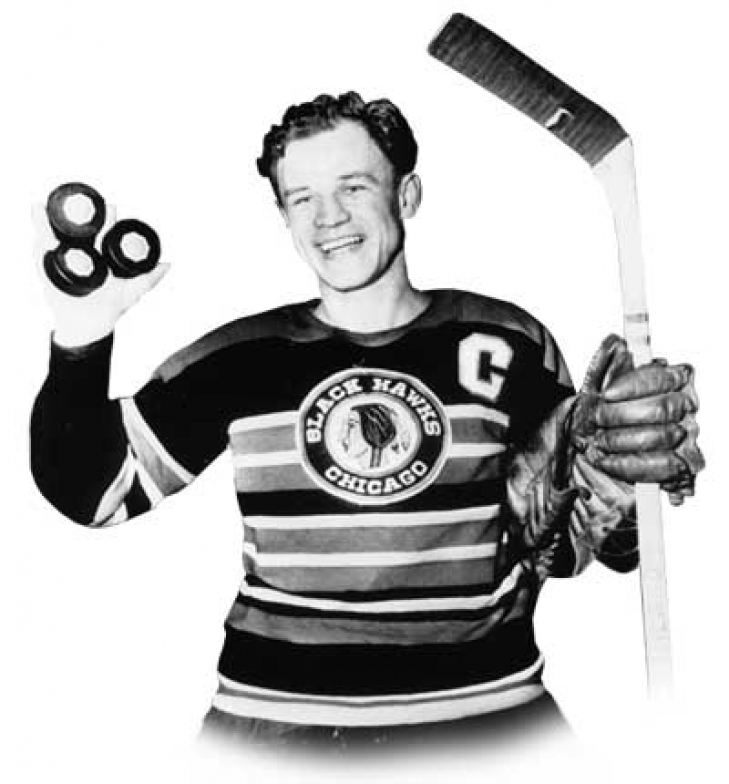
Bill Mosienko would make a relatively quick debut into the National Hockey League at the age of 20 in the 1941-42 season, as the events of World War II would deplete the rosters of the premier league of Hockey. Dubbed “Wee Willie” due to his short stature, Mosienko would blossom in the 1943-44 season with a 70 Point season, and the season after would see him paired with the Bentley brothers to form the “Pony Line,” a moniker derived from all three of the players being a little vertically challenged. The trio would become one of the best lines in the NHL, and Mosienko would benefit with a pair of Second Team All-Star Selections (1945 & 1946).
11. Doug Wilson
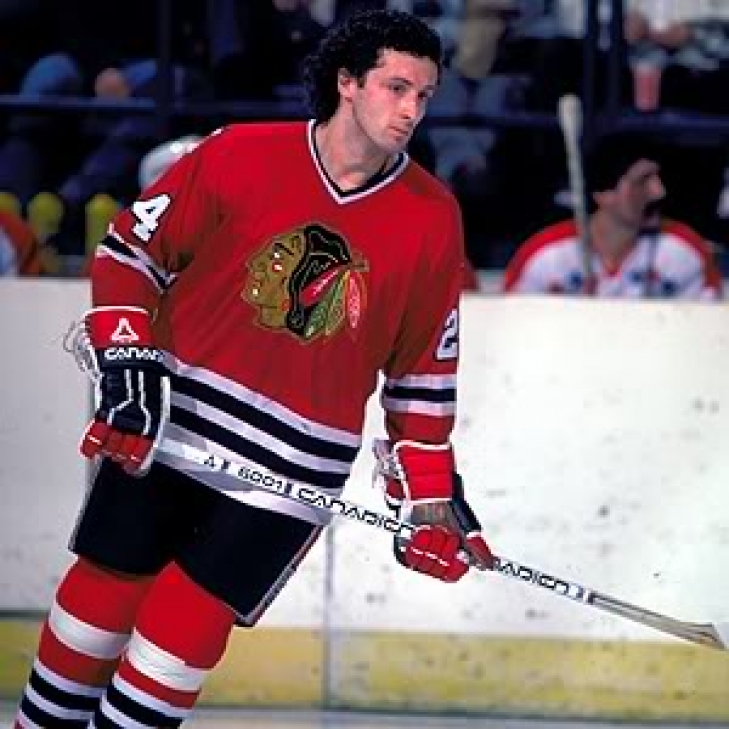
The top blueliner for well over a decade with the Blackhawks, Doug Wilson won the Norris Trophy in the 1981-82 season, also earning First Team All-Star honors. Wilson would also be named a Second Team All-Star twice and was also an All-Star for the Blackhawks six times. The Defenceman would score 779 Points with a .84 PPG for the Chicago, and he would twice receive votes for the Hart Trophy.
10. Earl Seibert
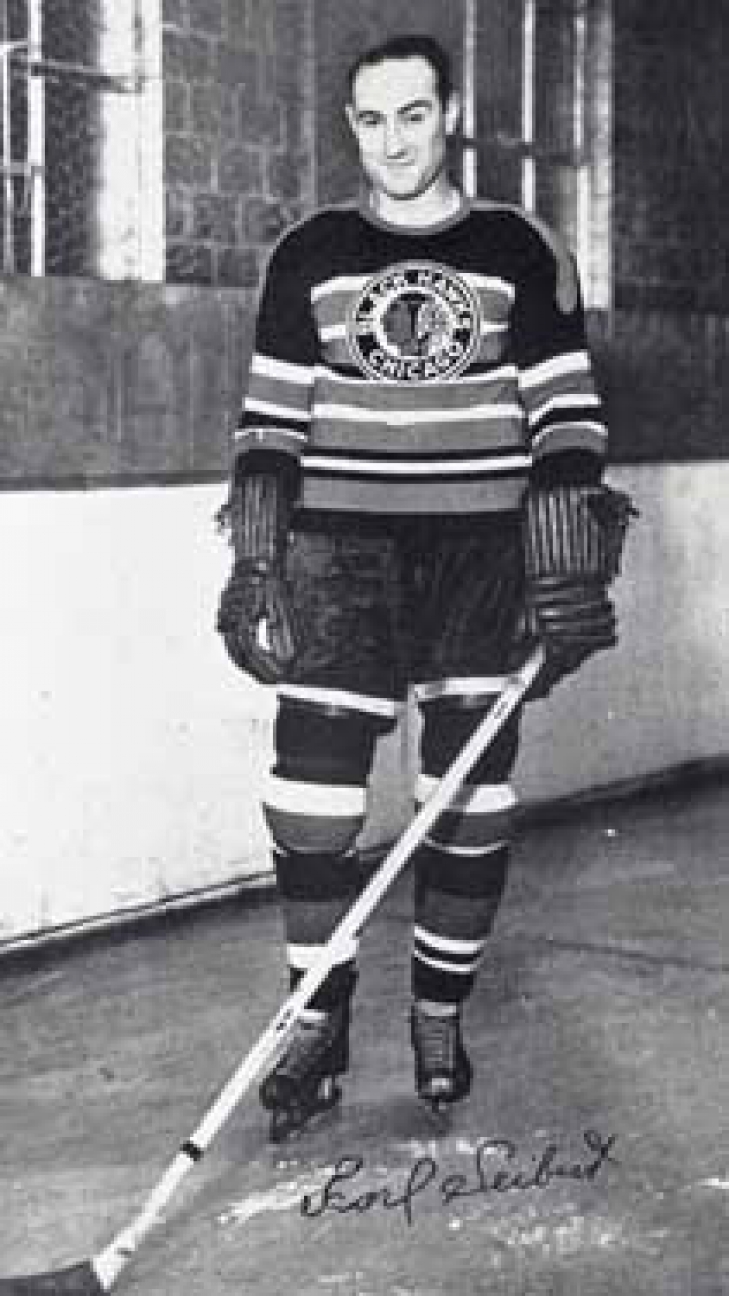
Earl Seibert may never have won the Norris Trophy as the National Hockey League’s top Defenseman (you can't win an award that didn't exist yet), but look at the consecutive string of All-NHL Selections he had!
9. Doug Bentley
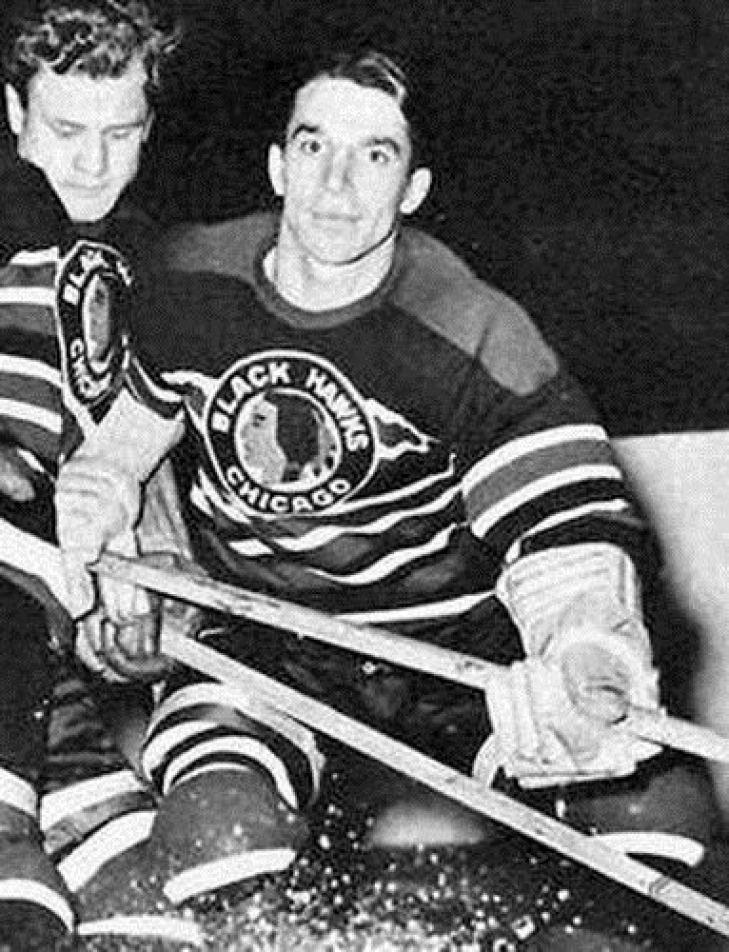
If you were to ask Art Ross after he first met Doug Bentley, he would have told you that both he and his brother Max would never have made the NHL, let alone the Hockey Hall of Fame, but Boston’s loss would become Chicago’s gain as the Bentleys were signed to the Blackhawks.
7. Tony Esposito
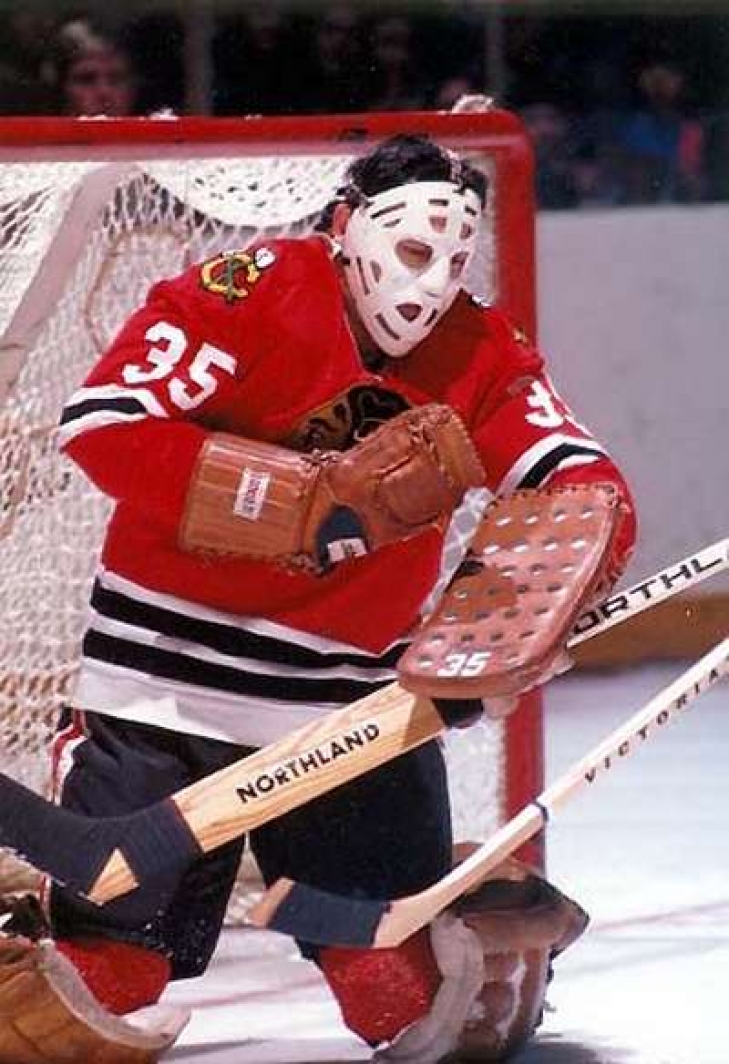
When you are the brother of the legendary Phil Esposito, it is easy to stay in the shadows. While it didn’t hurt that Tony was a Goalie, there was no doubt that the younger Esposito carved his own career, and when it was all said and done, he wasn’t Phil’s younger brother.
6. Pierre Pilote
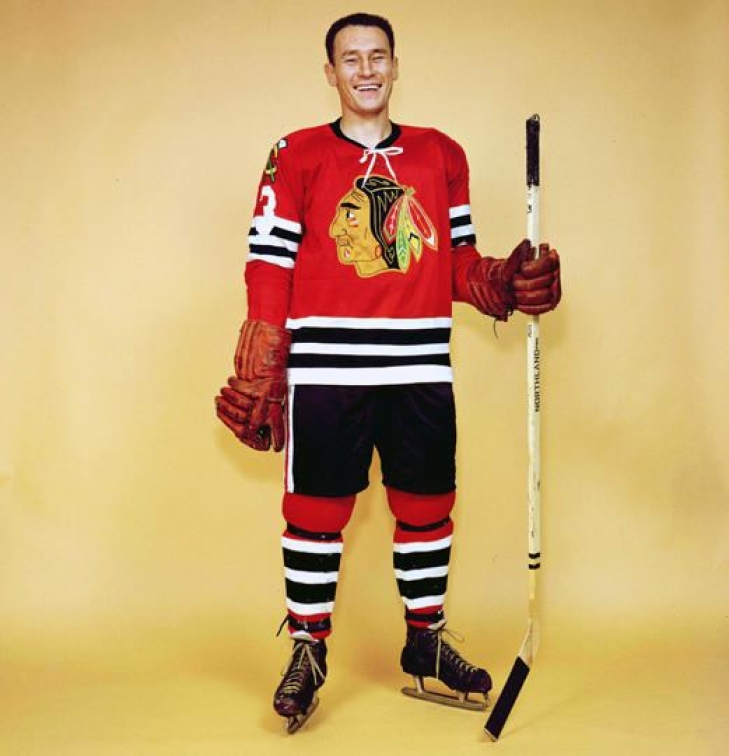
What bothers us quite a bit is how Pierre Pilote has become a forgotten legend among even some of the Chicago Blackhawks faithful. Now granted, he played with Stan Mikita, Bobby Hull, and Glenn Hall, but this is a player who, for many, was regarded as the first blueliner to adapt to a two-way game, which makes him not only a top Chicago Blackhawk but one of the most influential players in the game of hockey.
