

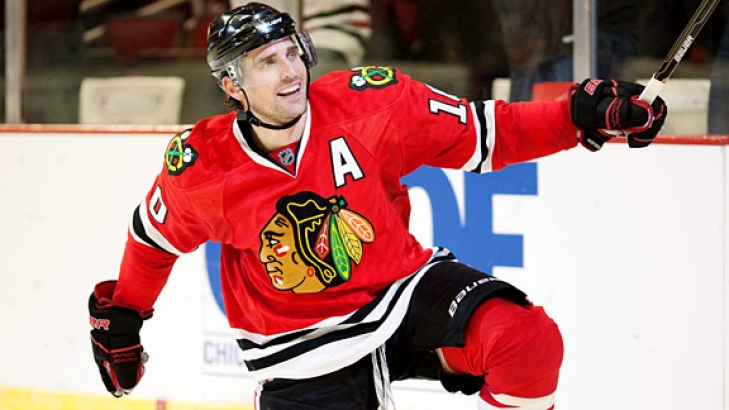
167. Patrick Sharp
Our Top 50 All-Time Chicago Blackhawks are now up
Yes, we know that this is taking a while!
As many of you know, we here at Notinhalloffame.com are slowly generating the 50 of each major North American sports team. We have a new one to unveil today, that of the Chicago Blackhawks, a team of the Original Six.
As for all of our top 50 players in hockey we look at the following:
- Advanced Statistics.
- Traditional statistics and how they finished in the NHL.
- Playoff accomplishments.
- Their overall impact on the team and other intangibles not reflected in a stat sheet.
Remember, this is ONLY based on what a player does on that particular team and not what he accomplished elsewhere and also note that we have placed an increased importance on the first two categories.
This list is updated up until the end of the 2017-18 Season.
The complete list can be found here,but as always we announce our top five in this article. They are:
We will continue our adjustments on our existing lists and will continue developing our new lists. Look for our top 50 Philadelphia Flyers soon.
As always, we thank you for your support.
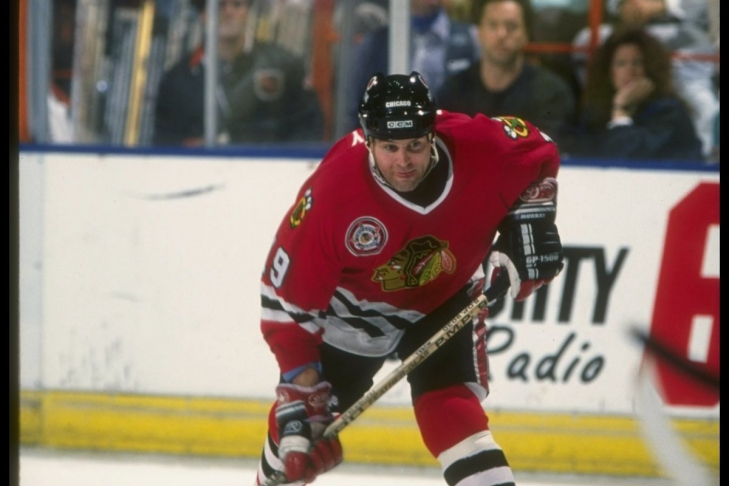
50. Troy Murray
49. Al Secord
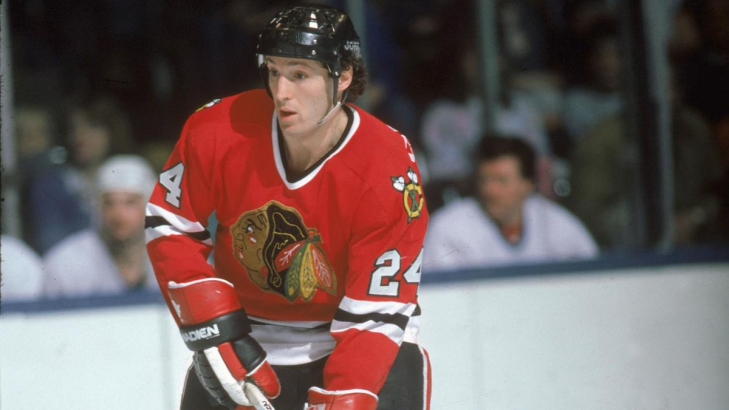
Al Secord arrived in Chicago after essentially being given up on by the Boston Bruins, and the change of scenery certainly proved to be fruitful for the Left Wing.
48. Bill Hay
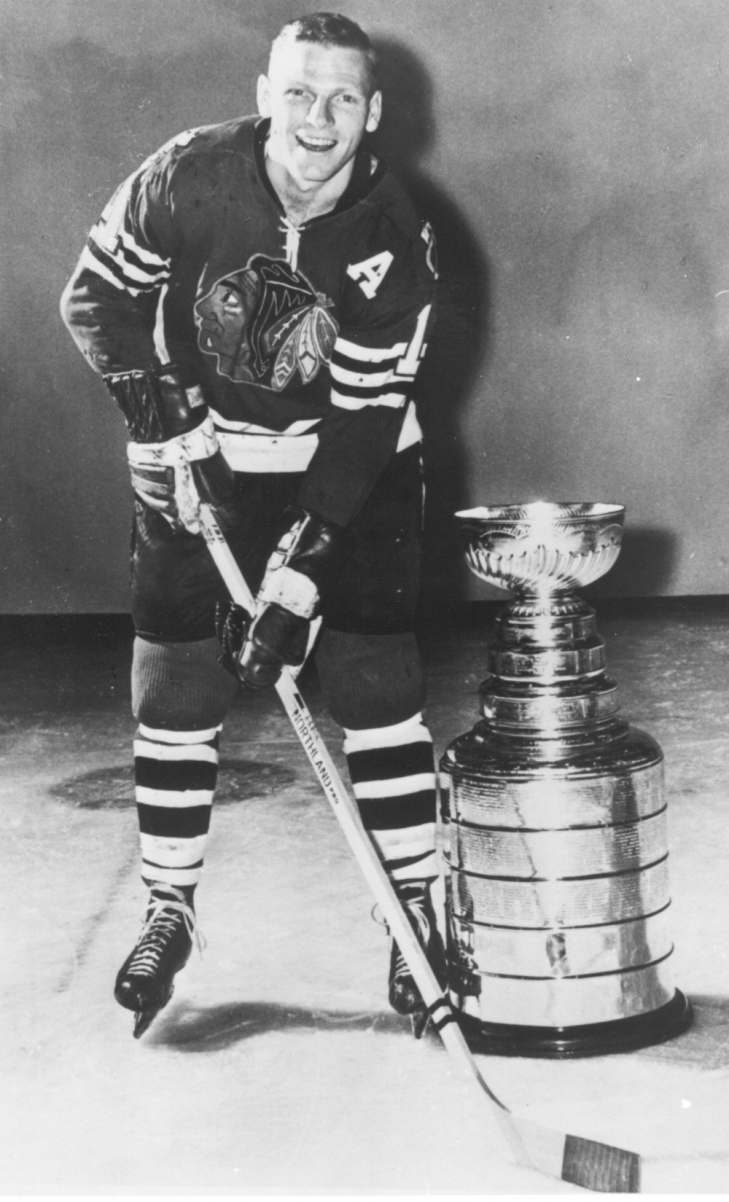
Prior to making his National Hockey League debut, Bill Hay was traded from the Montreal Canadiens for Cash, who would watch their former farmhand win the Calder Trophy in 1960 and assist the Blackhawks win the 1961 Stanley Cup. Hay was a solid playmaker whose 386 Points (all with Chicago) were Assists and he was the leader in Assists per Game in the 1961/62 season. Hay would play eight seasons in the NHL and would retire shortly after being claimed by the St. Louis Blues in the Expansion Draft.
47. Cliff Koroll
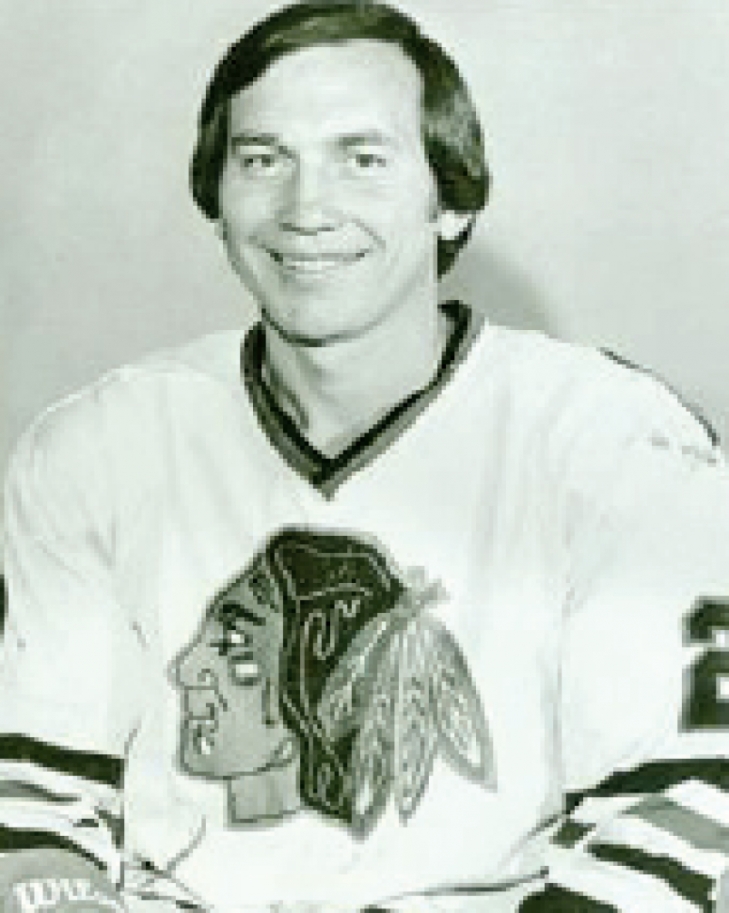
Cliff Koroll is one of the players in Chicago Blackhawks history to have played over 800 Games with the franchise (814 to be exact) and it was in the Windy City where his entire NHL career was spent. Koroll was a very good two-way player, and he would have four 50 Point seasons, totaling 462 points. He would also finish in the top ten in Game-Winning Goals three times.
45. Doug Mohns
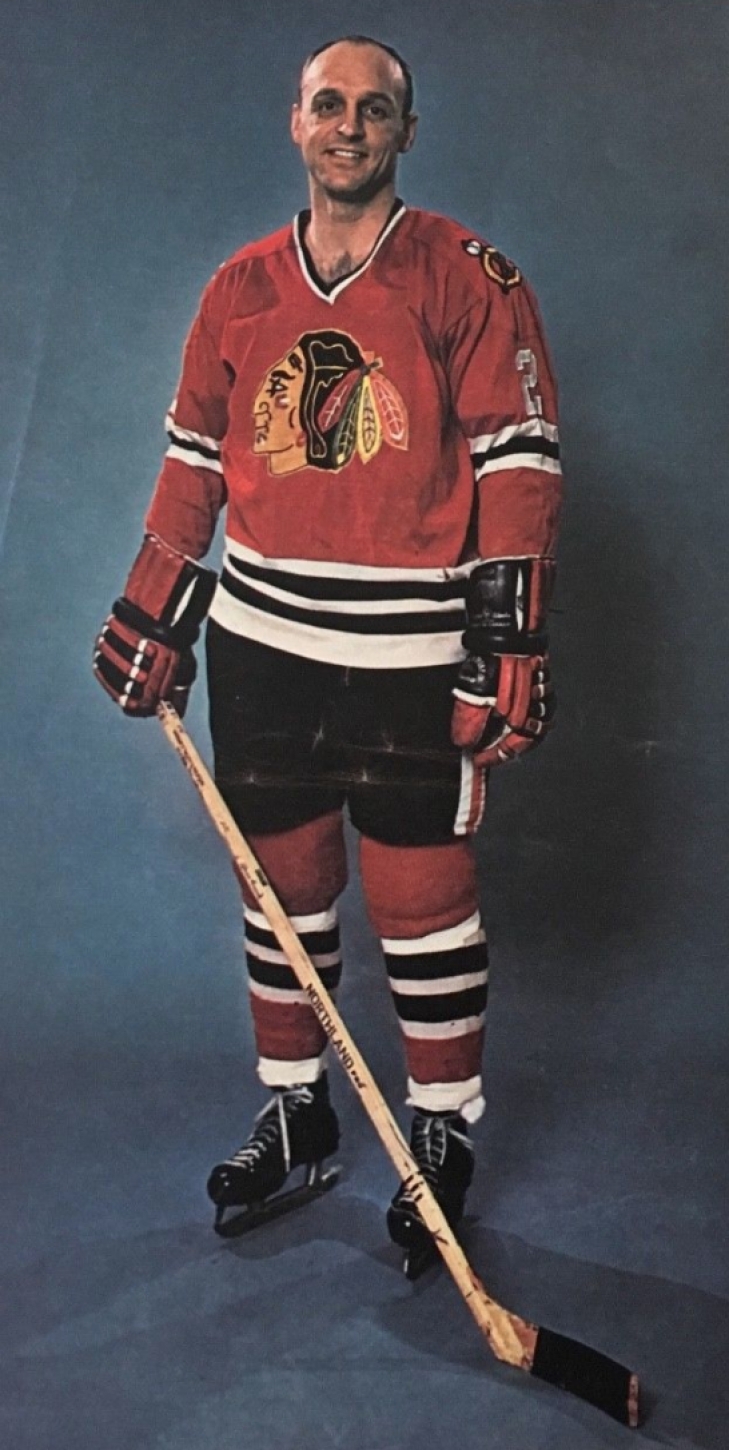
42. Jim Pappin
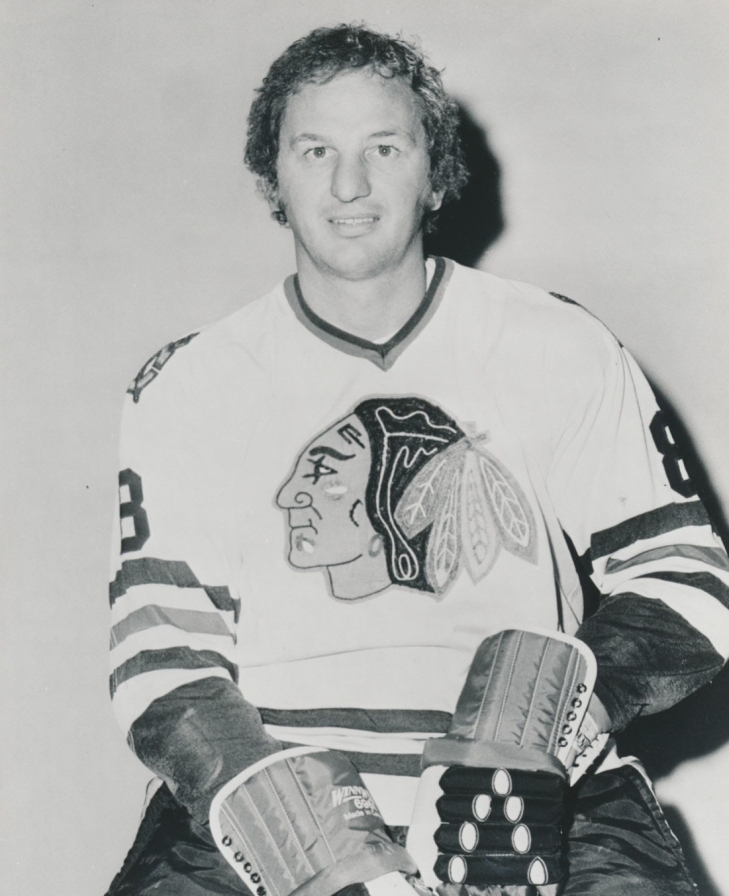
Prior to his arrival in the Windy City, Jim Pappin helped the Toronto Maple Leafs win the 1967 Stanley Cup, where he was the leading scorer in the playoffs, but it was in Chicago where he put up his best individual numbers.
44. Alex Zhamnov
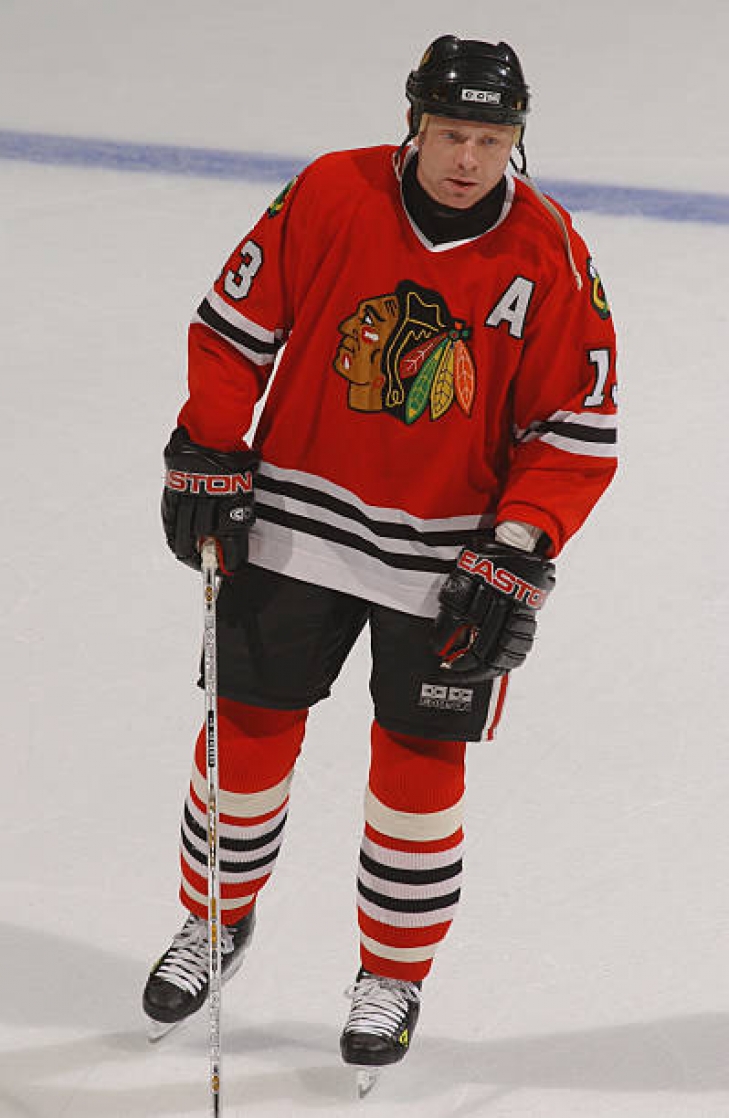
43. Eric Daze
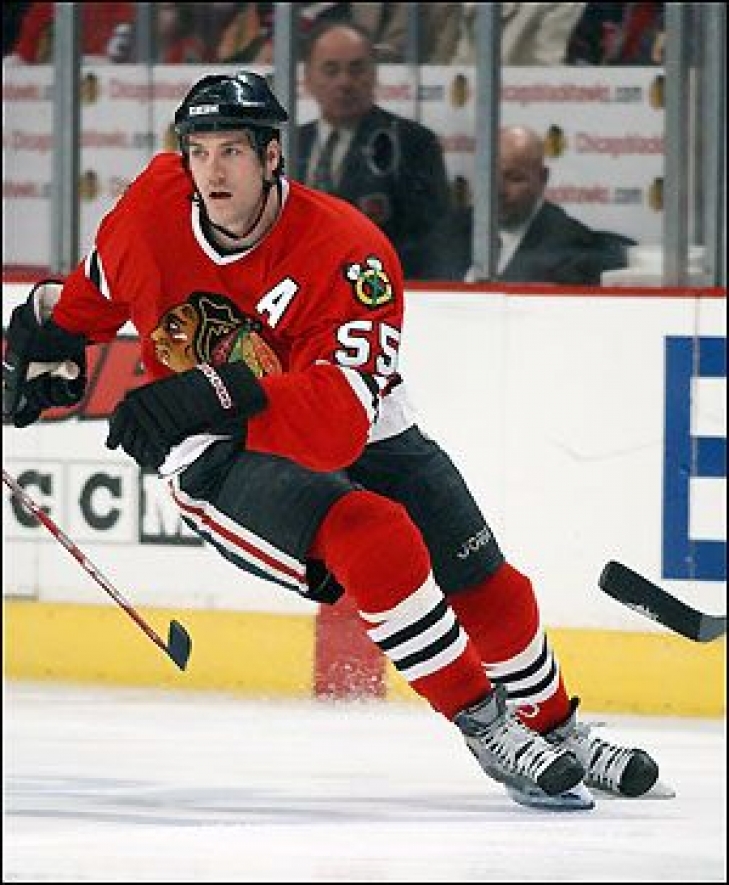
41. Chico Maki
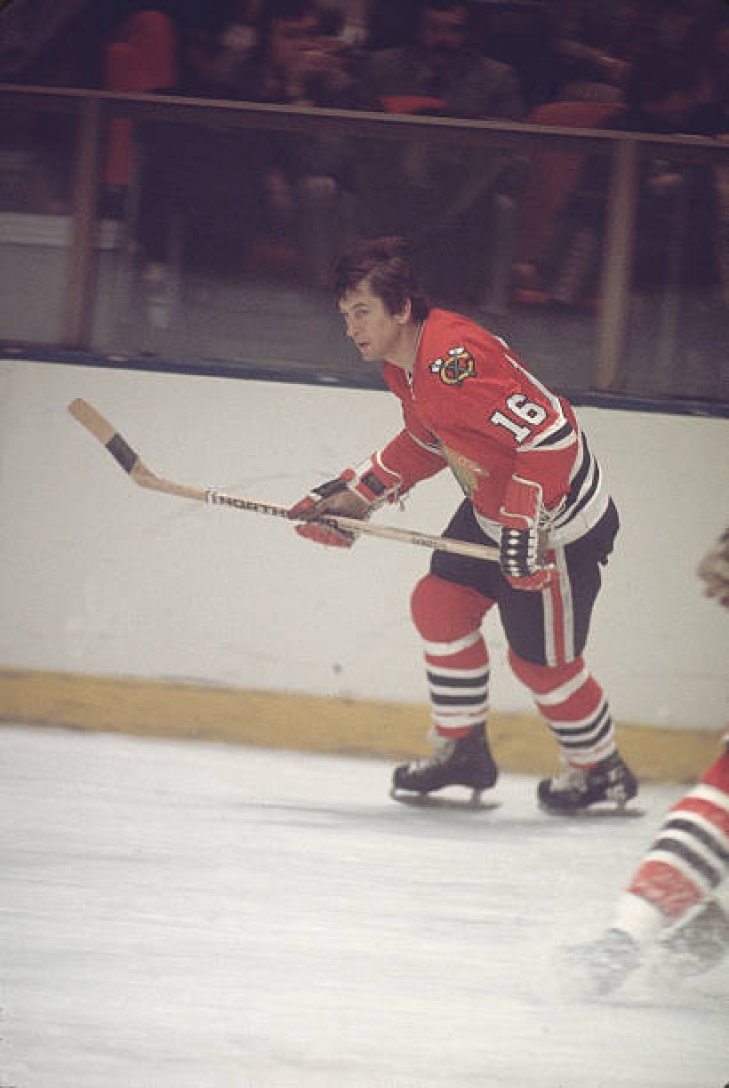
Chico Maki played all fourteen of his NHL seasons with the Chicago Blackhawks. However, since he suited up for Games 1 and 2 of the 1961 Stanley Cup Finals (he didn’t play in them), he actually had his name etched on the Cup before he began any of those fourteen campaigns.
40. Mush March
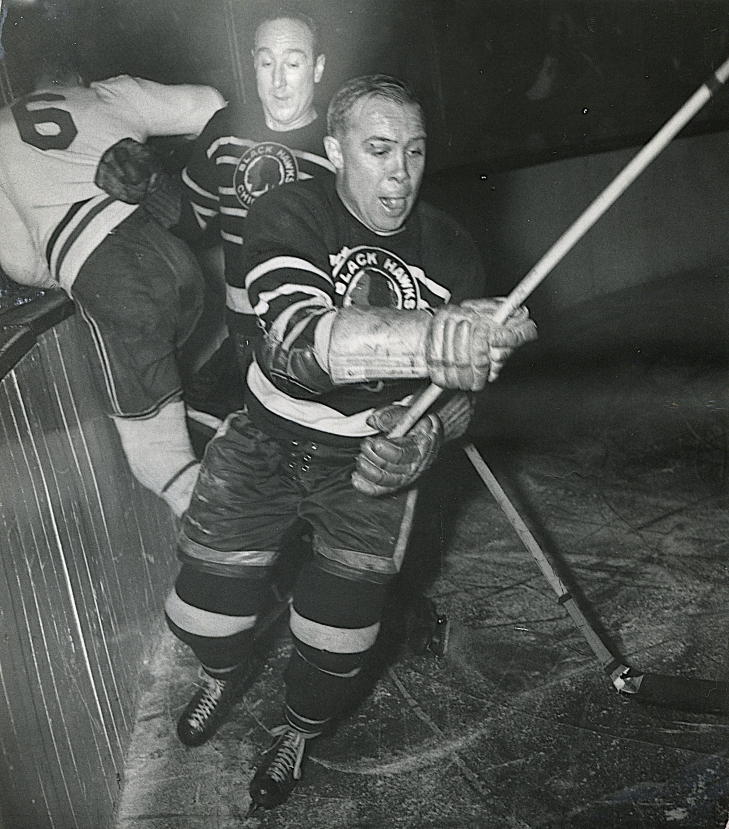
39. Keith Brown
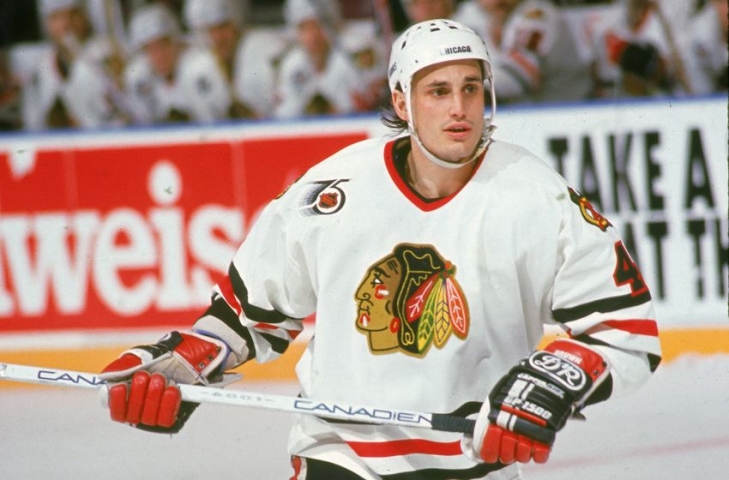
38. Roy Conacher
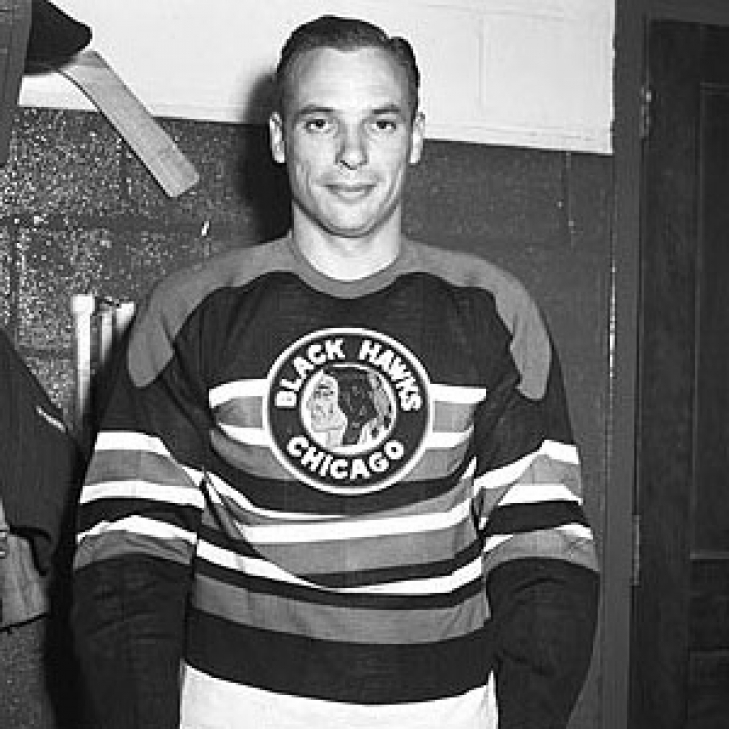
Roy Conacher was already a two-time Stanley Cup Champion (with Boston) and a World War II veteran before he arrived at the Blackhawks in his early 30s, and while it would have been a reasonable assumption for most fans and pundits to think that his best seasons were behind him. That wasn’t the case as he would still be a productive player and would put forth his best season in the 1948/49 campaign, where he was a First Team All Star, the Art Ross Trophy winner, and the leader in Power Play and Game-Winning Goals. He would follow that up with two more 50 Point seasons.
37. Bill Gadsby
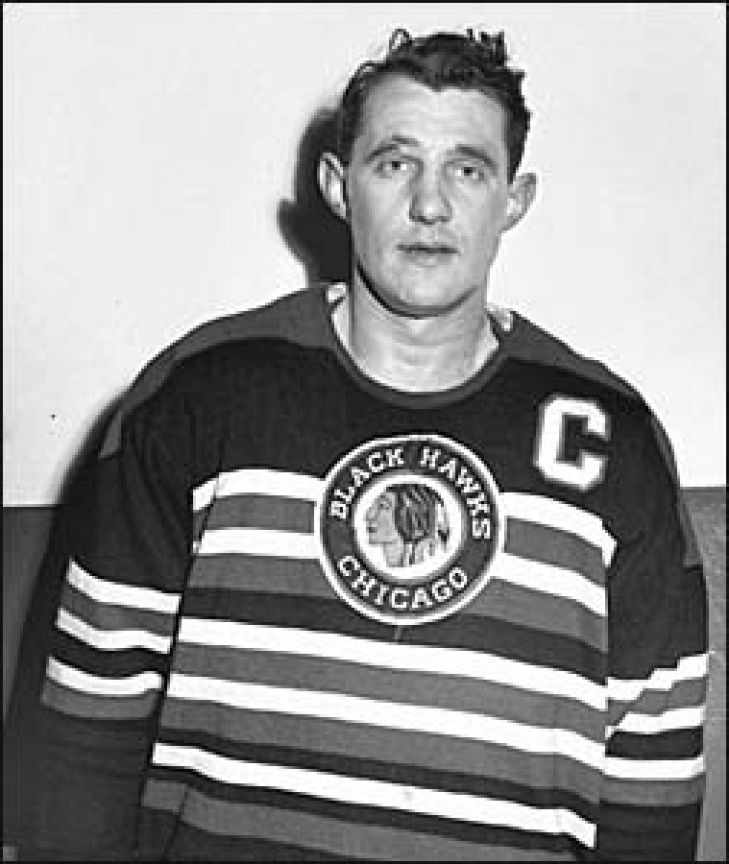
There is no doubt that the NHL career of Bill Gadsby was more productive as a New York Ranger but to discount what he accomplished as a Chicago Blackhawk would be many levels of inappropriate. As a Chicago Blackhawk, Bill Gadsby would be a two-time All Star as well as a two-time Second Team All Star. He would score 186 Points for Chicago.
36. Keith Magnuson
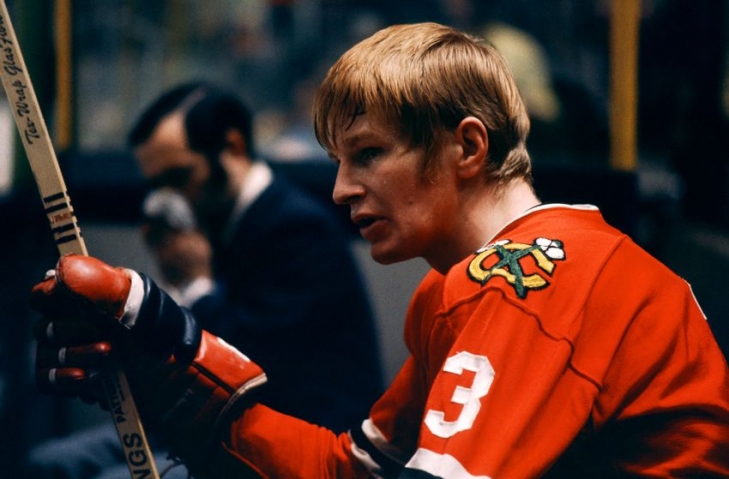
A two-time NCAA Champion at the University of Denver, Keith Magnuson would play his entire NHL career with the Chicago Blackhawks. Magnuson was not a scorer, but he was a stay-at-home blueliner who used his physical presence to protect his side of the ice by any means necessary. A two-time leader in Penalty Minutes, Magnuson would be an All-Star in 1971 & 1972, and he was the leader in Defensive Point Shares in his rookie year.
35. Doug Jarrett
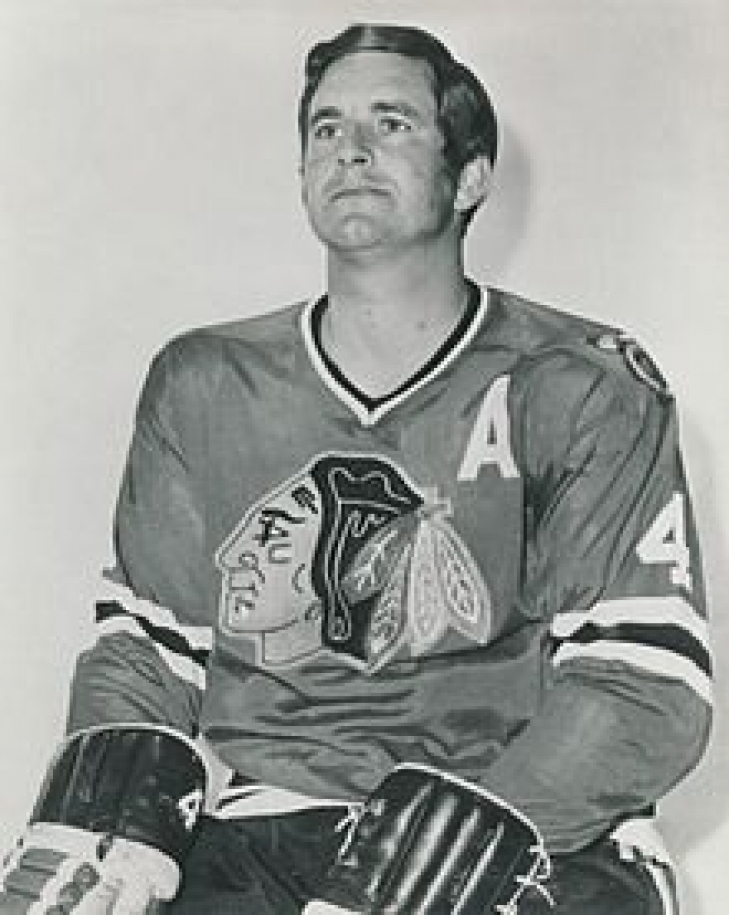
Doug Jarrett didn’t get a lot of attention or press when he played professional hockey, but in the 721 Games he suited up for Chicago, he provided very solid defense and was the NHL leader in Defensive Point Shares in the 1966/67 Season.
33. Patrick Sharp
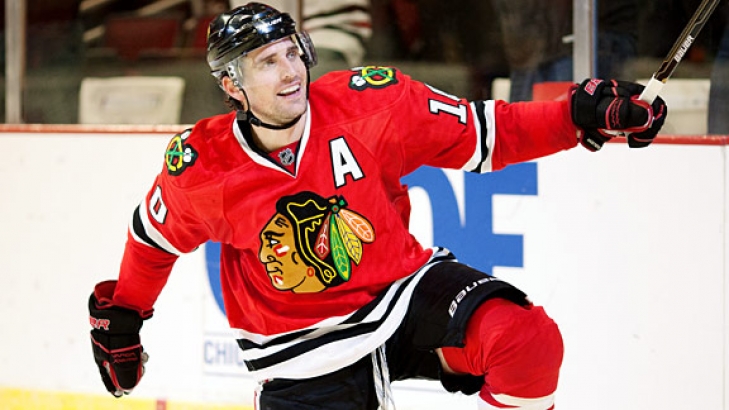
Patrick Sharp played the bulk of his career with the Chicago Blackhawks, where he was a major part of their success in winning three Stanley Cups (2010, 2013 & 2015). Sharp was a solid goal scorer for Chicago, finishing 8th (2011) and 9th (2014), and he was regarded as a decent two-way player who would earn votes for the Selke Award. The Left Winger was excellent on the penalty kill and would lead the NHL in Short-Handed Goals in the 2007-08 season.
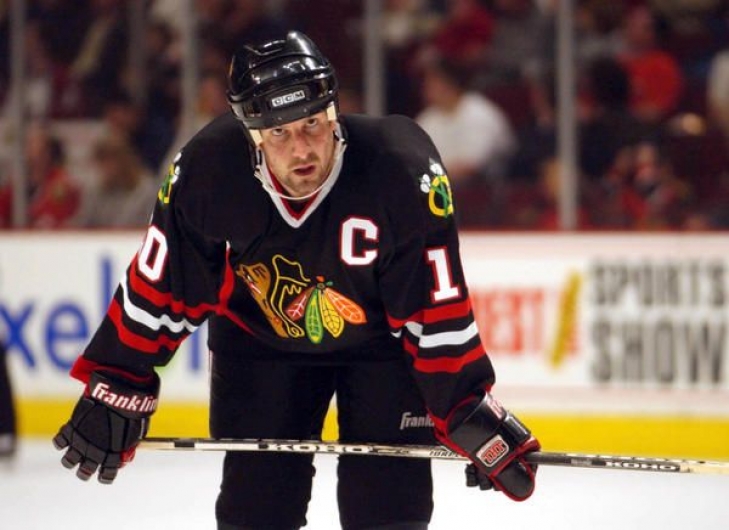
32. Tony Amonte
31. Ed Litzenberger
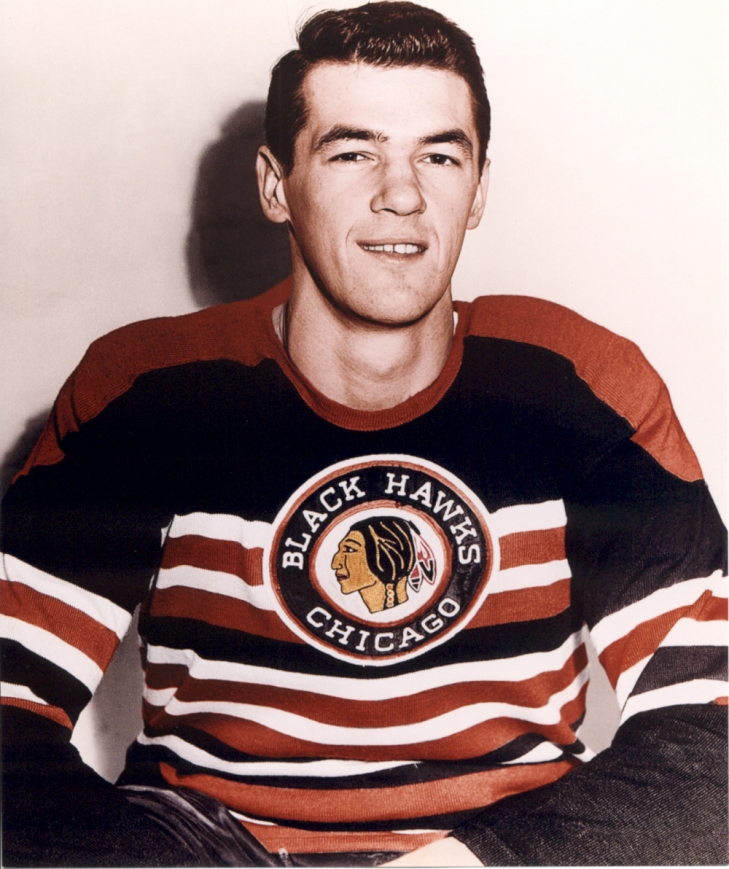
Depending on who you believe, Ed Litzenberger was traded from the Montreal Canadiens for Cash in the hope that it would help what was a struggling franchise. If that is the case, it was a massive gift as the talented forward would be named the Calder Trophy winner in a year he was traded. He was not a one-season wonder, as he would be named to three All-Star teams as a Chicago Blackhawk and would finish in the top five in goals three times. His best season was in the 1956-57 season where he was fifth in Points and the NHL leader in Even Strength Goals with 30.
