

12. Norm Ullman
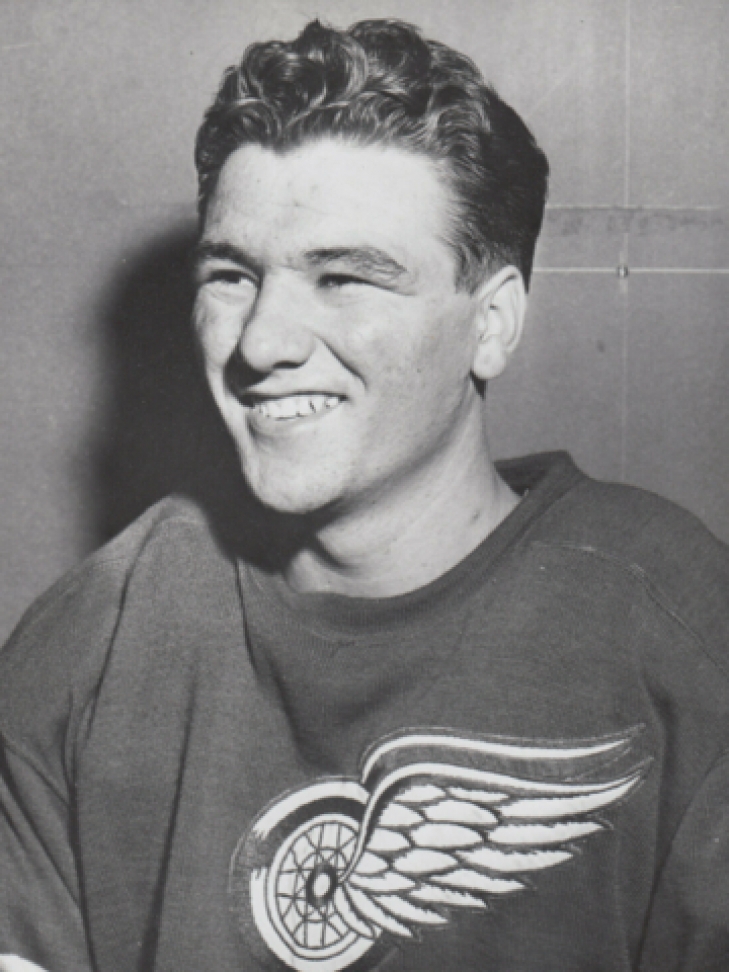
Norm Ullman was not the premier scorer in the National Hockey League, but when he had the puck, few could control it better than he could. If there was a better forechecker in his day, we don’t know who it was.
11. Marcel Pronovost
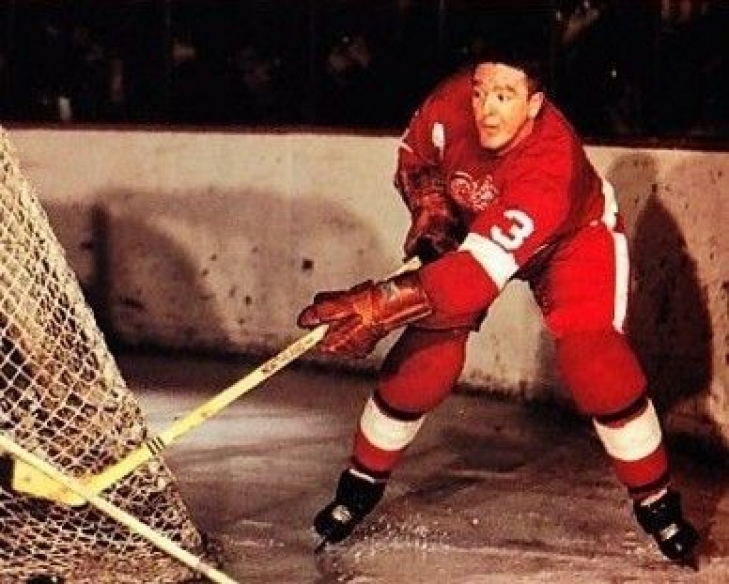
Marcel Pronovost was in the Detroit Red Wings for a couple of years, and after tearing it up in the USHL, he was called up for the 1950 Playoffs. Pronovost helped the Red Wings win the Stanley Cup, and he won Hockey's Holy Grail before he ever had a regular season game.
35. Vyacheslav Kozlov
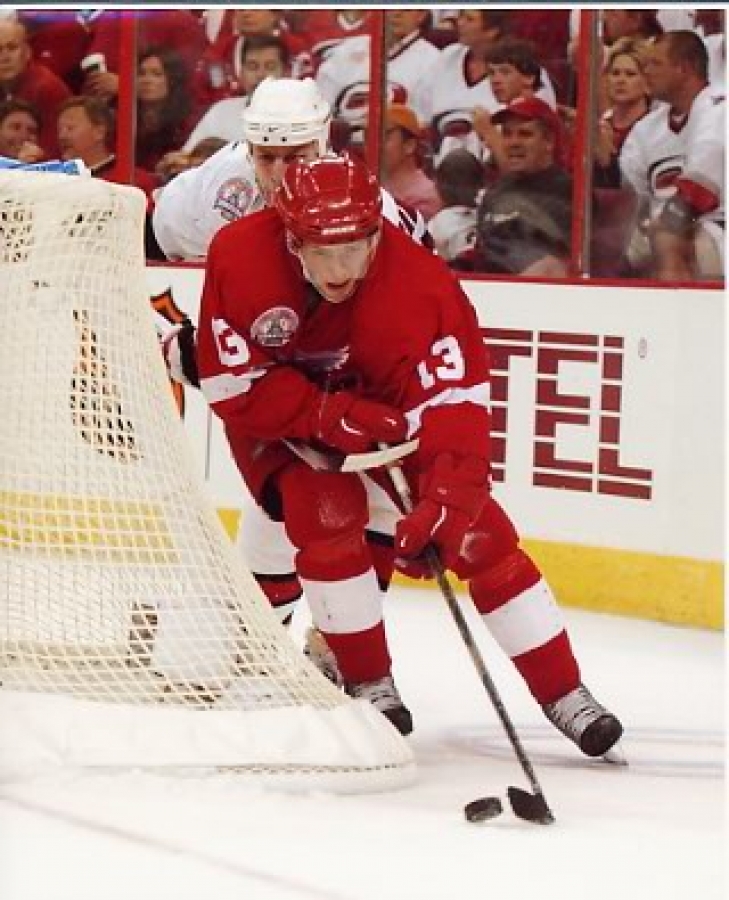
Vyacheslav Kozlov arrived in the NHL as an early Third Round Pick in 1990, and after bouncing back and forth between the minors and the parent club, Kozlov was ready to stay in the 1993-94 Season with a 73 Point Season.
10. Ebbie Goodfellow
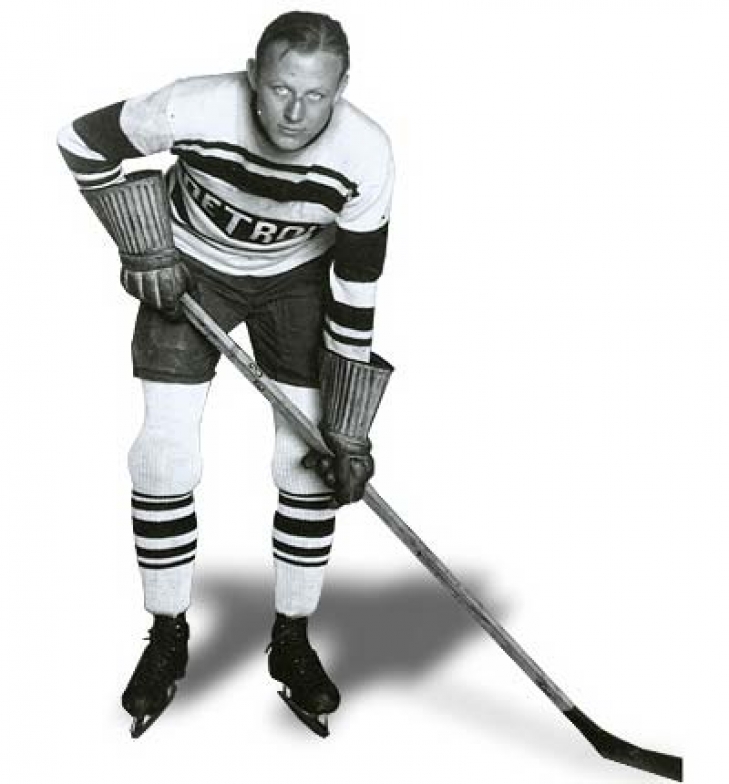
We are going so far back on this one that when Ebbie Goodfellow signed with Detroit, the team was called the Cougars.
9. Sergei Fedorov
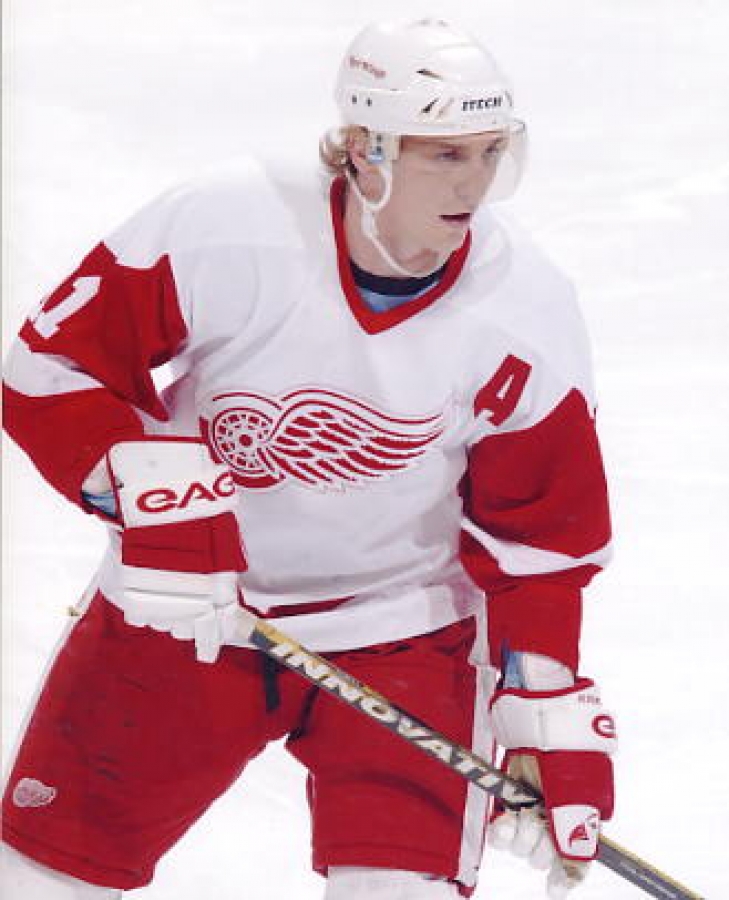
Sergei Fedorov made the CSKA Moscow team at age 16, and as Soviet players started to defect, NHL teams began drafting players from the Iron Curtain. The Red Wings were one such squad, selecting Fedorov in the Fourth Round in 1989. A year later, Fedorov defected and was in the premier league of Hockey.
8. Sid Abel
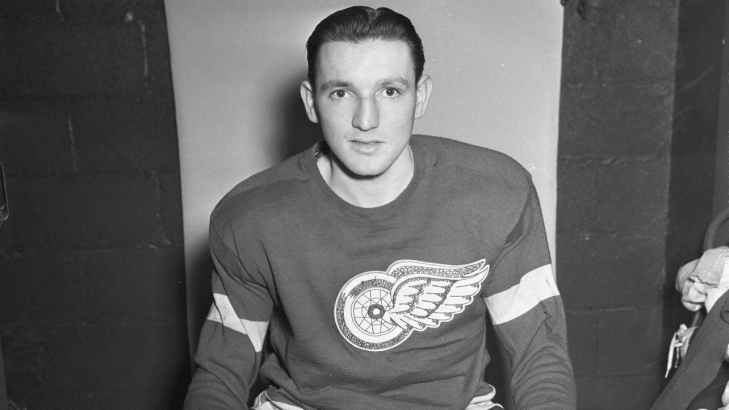
Sid Abel began his NHL career way back in 1938 with the Detroit Red Wings, a team that “Old Bootnose” would become synonymous with.
7. Alex Delvecchio
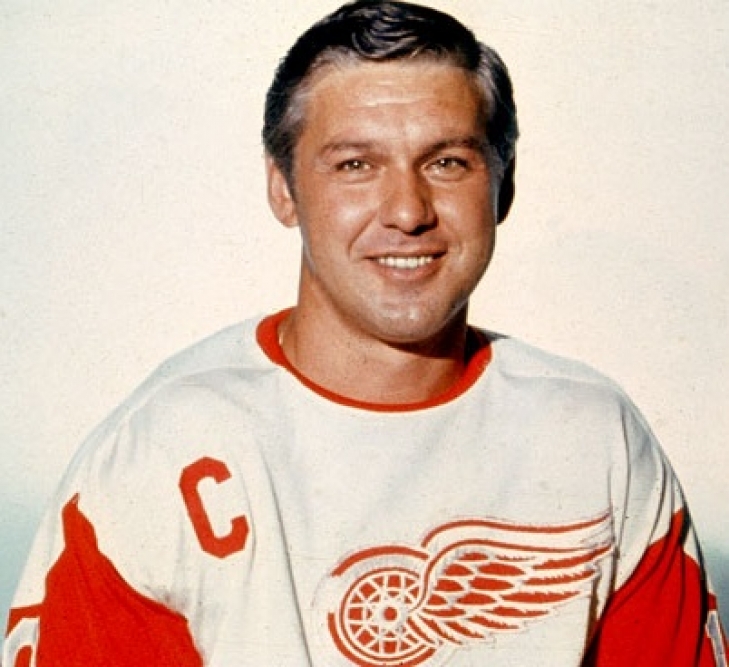
In sports, you often hear about the "glue guy," which refers to the character player who holds the team together. That player is not necessarily a star, but in hockey, forward Alex Delvecchio is what we have.
22. Chris Chelios
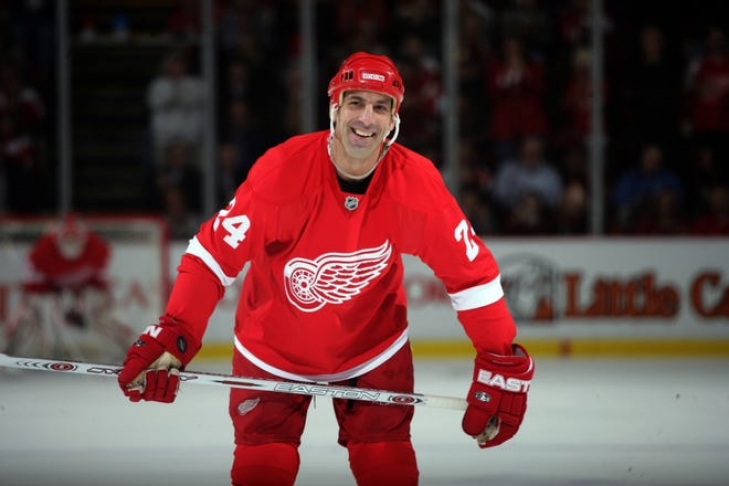
When the Detroit Red Wings traded for Chris Chelios at the 1999 Trade Deadline, they could not have foreseen that they would get a decade of play from the 37-year-old.
21. Chris Osgood
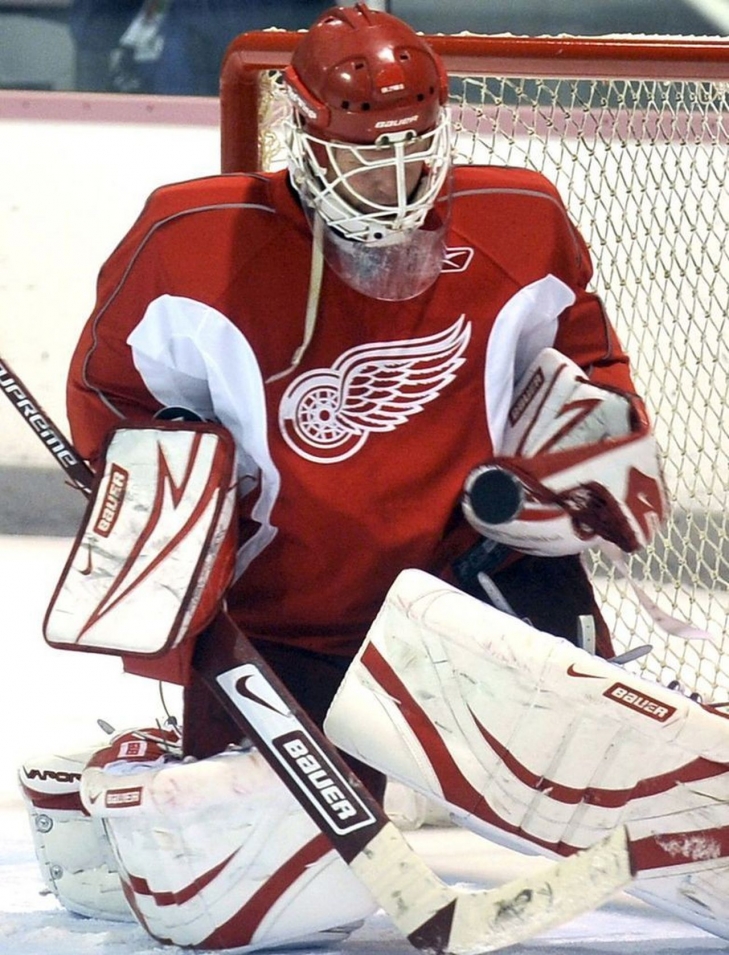
Chris Osgood proved to be a decent Goalie early in his career, helping the Red Wings reach the Stanley Cup Finals in 1995, although he was the backup to Mike Vernon. This changed the year after, when he led the league in Wins (39) in 1995-96, was named a Second Team All-Star, and shared the William M. Jennings Trophy with Vernon. It was bittersweet the year after, as the Red Wings ended their Stanley Cup Finals drought, but Vernon was the player in the pipes throughout the bulk of the postseason.
6. Red Kelly
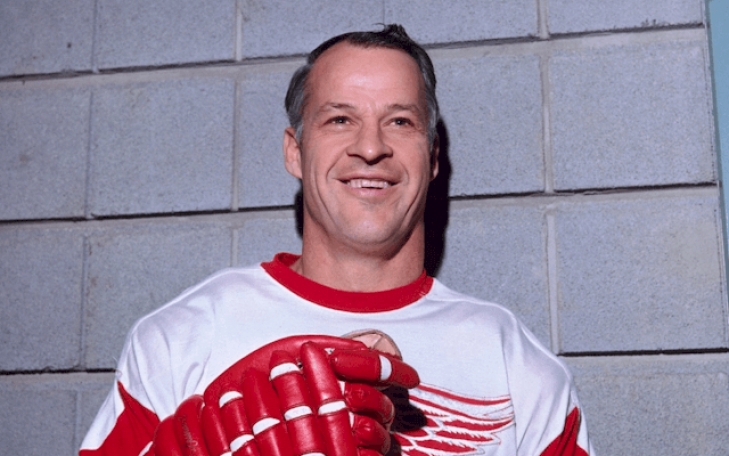
The Detroit Red Wings signed Red Kelly in 1947, and the Toronto Maple Leafs, who had passed on him, hung their head in shame for that decision for 13 years.
5. Ted Lindsay
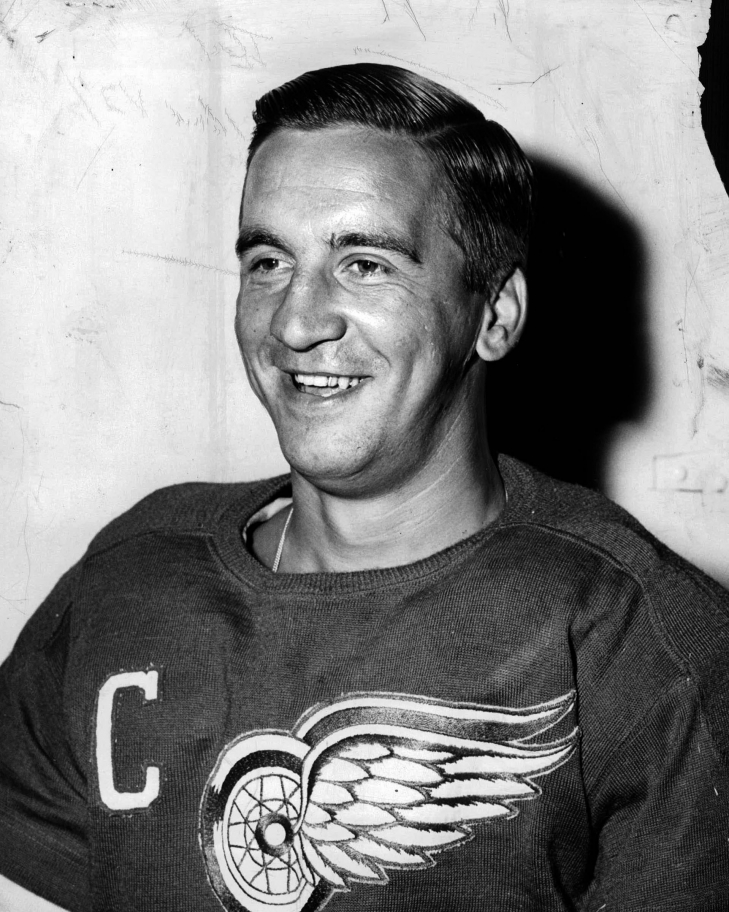
The importance of Ted Lindsay extends far beyond what he did on the ice, but we will get there later.
3. Steve Yzerman
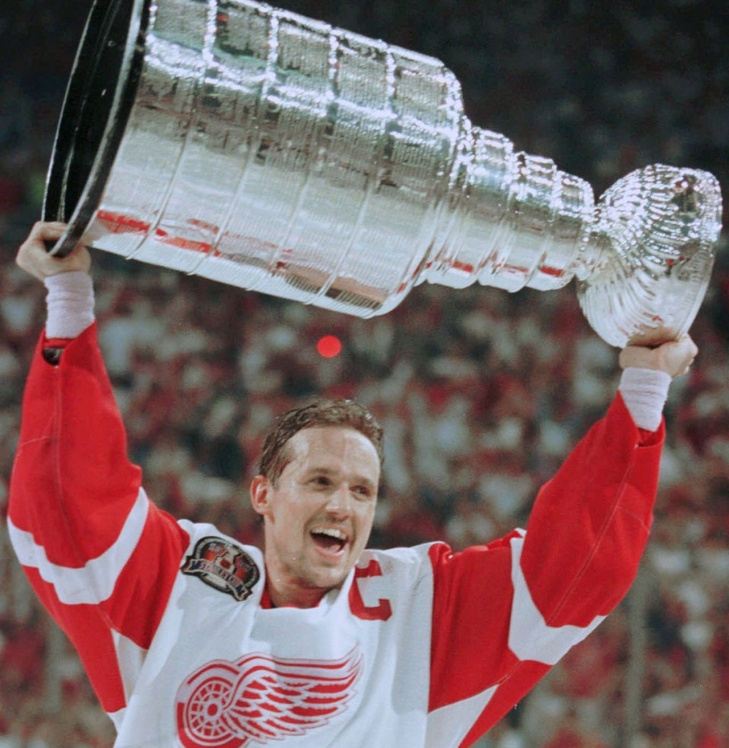
The Detroit Red Wings were an awful team in the years leading up to the selection of Steve Yzerman Fourth Overall in 1983. We don't think it is hyperbole to state that it was "Stevie Y" who turned around the fortunes of Detroit's member of the Original Six.
2. Nicklas Lidstrom
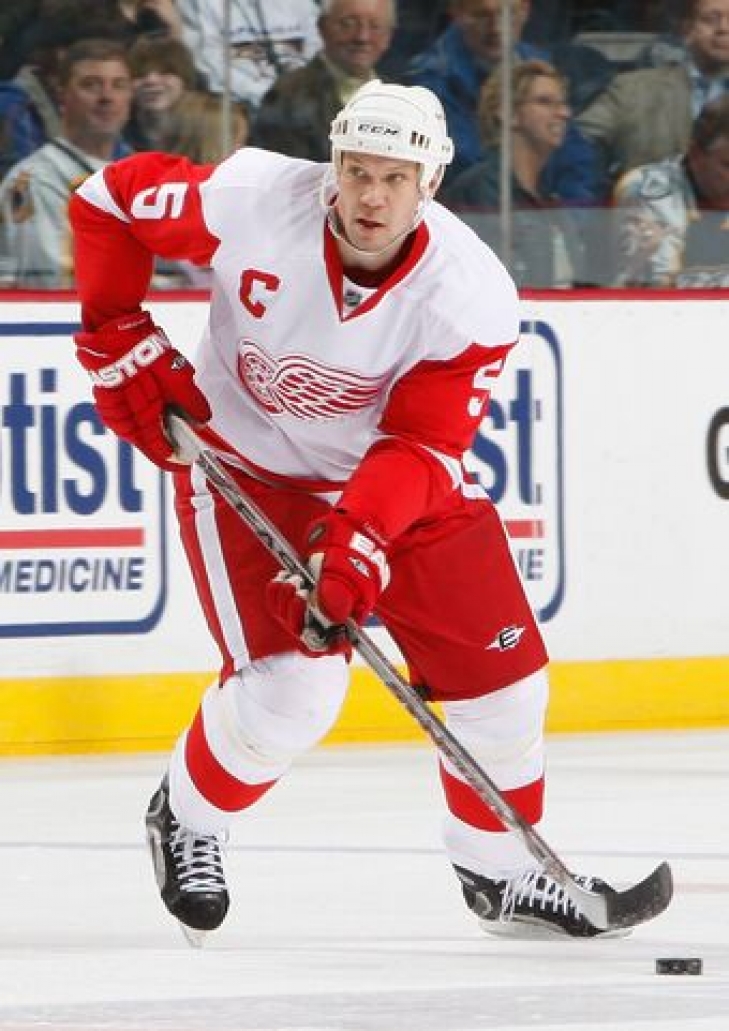
Nicklas Lidstrom is, without question, the most outstanding Defenseman in the history of the Detroit Red Wings, and we feel equally confident saying he was the best blueliner of his generation.
18. Reed Larson
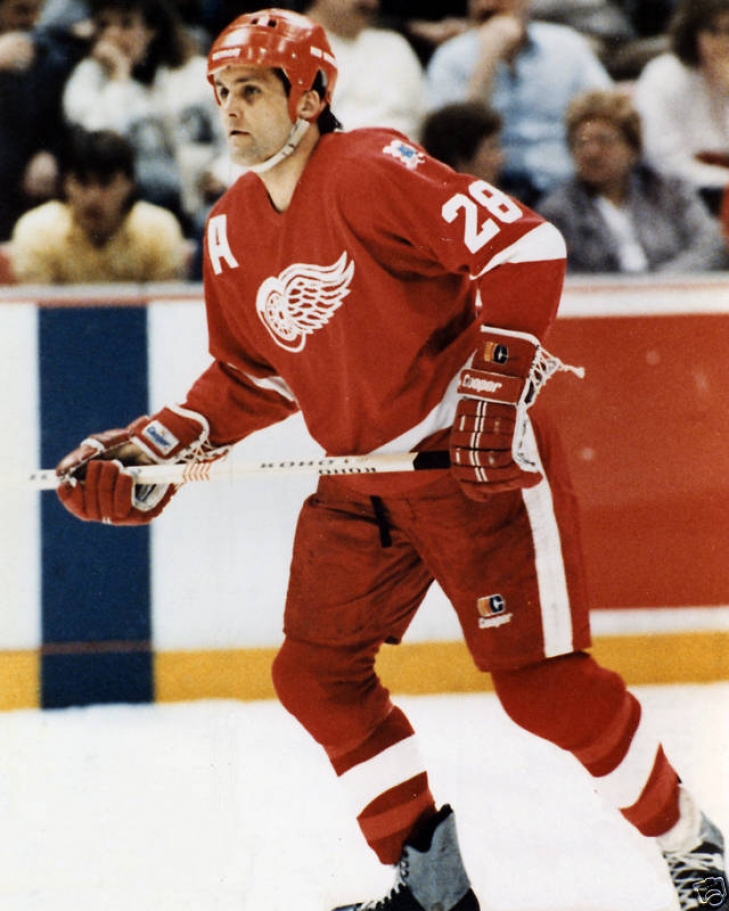
With a claim as one of the first really good American Defenseman, Reed Larson learned his craft from the legendary Herb Brooks at the University of Minnesota.
4. Terry Sawchuk
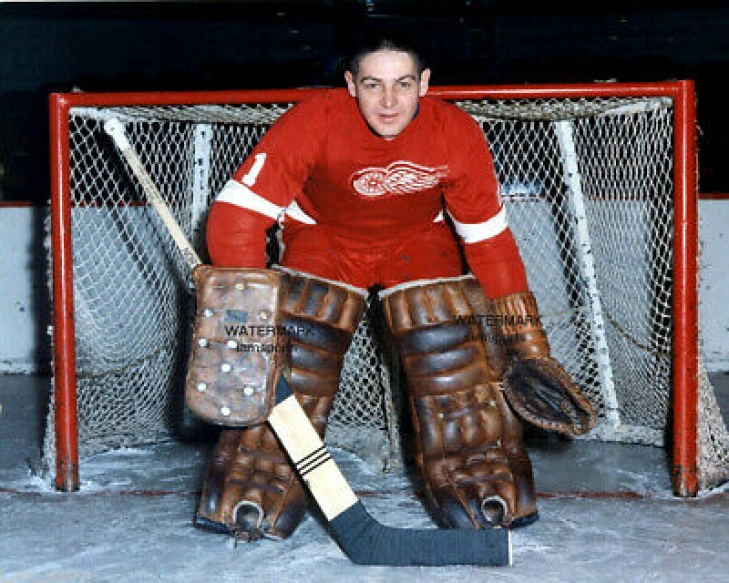
From a Ukrainian background in the tundra of Winnipeg, Terry Sawchuk is one of the greatest hockey players to emerge from the province of Manitoba. The Red Wings signed the Goalie in 1947, and after a stint in the minors, he was called up to replace the injured Harry Lumley late in the 1949-50 Season. Lumley never played for Detroit again.
260. Hec Kilrea
165. Reed Larson
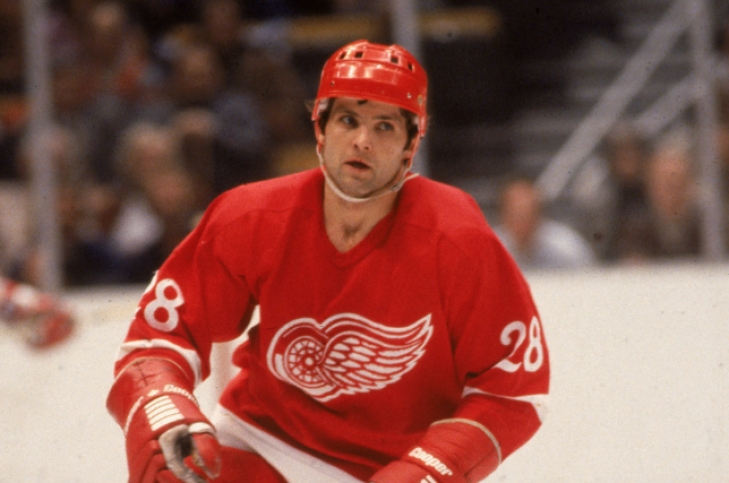
103. John Ogrodnick
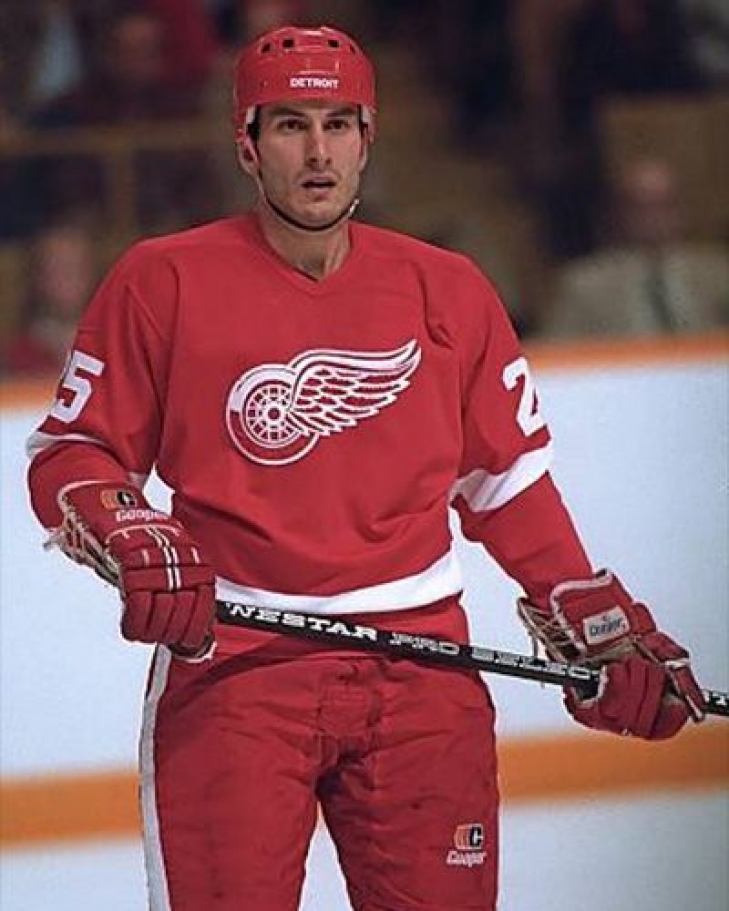
8. Henrik Zetterberg
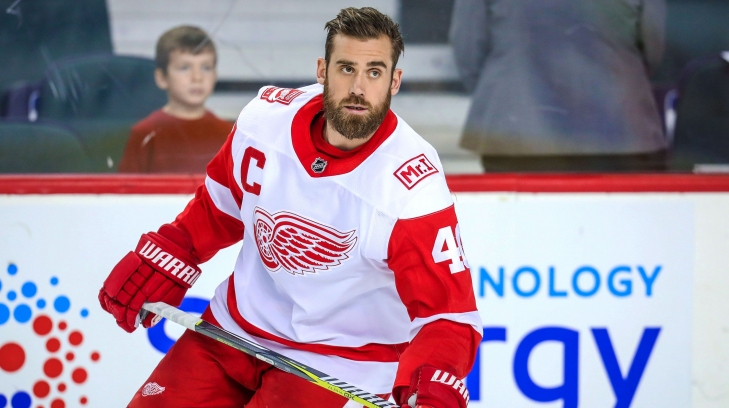
Despite playing his entire career in an Original Six city, Henrik Zetterberg had a brilliant under-the-radar career. The Swedish Centre was the runner-up for the Calder Trophy in 2003, and two seasons later, he would develop into one of the most well-rounded players in the National Hockey League.
