
12. Joe Jacoby

Joe Jacoby went undrafted in 1981, but he found employment with the Washington Redskins where he would become one of the greatest undrafted players in franchise history.
11. Joe Theismann
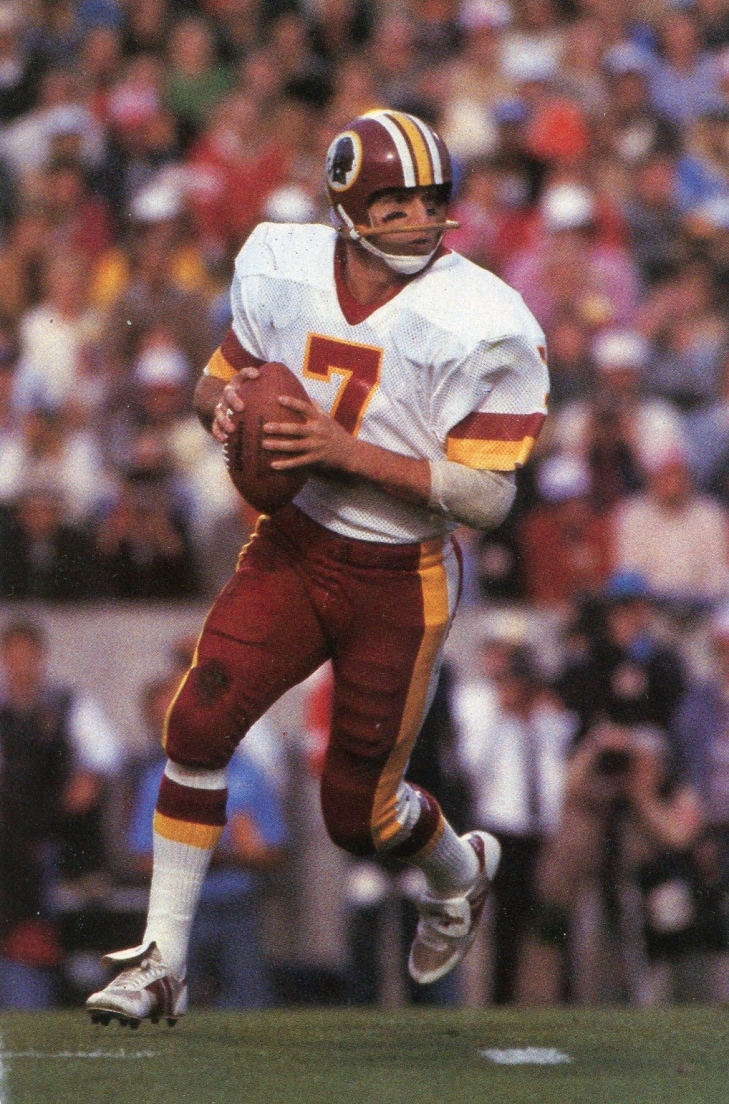
The Miami Dolphins drafted Joe Theismann in 1971, but he never signed with them, instead electing to go north to the Canadian Football League with the Toronto Argonauts, where he was a two-time CFL All-Star. The Dolphins would trade the Quarterback's rights in 1974 to the Washington Redskins, where he would sign as Billy Kilmer's backup.
8. Larry Brown
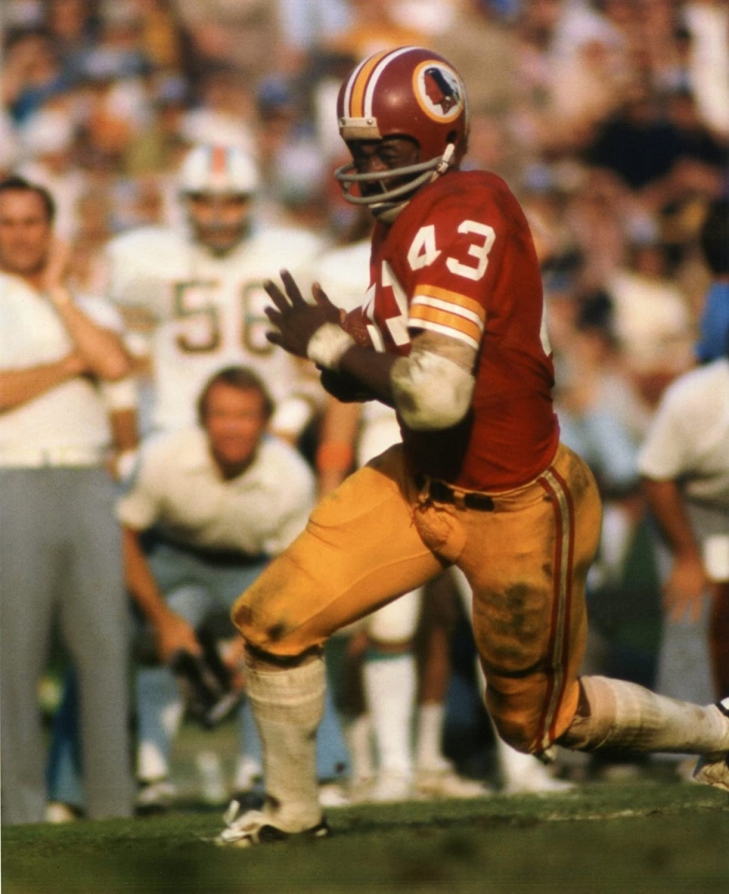
Larry Brown was considered an underachiever at Kansas State, which explains why he dropped to the Eighth Round in the 1969 Draft despite his immense talent. The Washington Redskins were the team that took him, and new Head Coach, Vince Lombardi had a special project on his hands.
6. Sonny Jurgensen
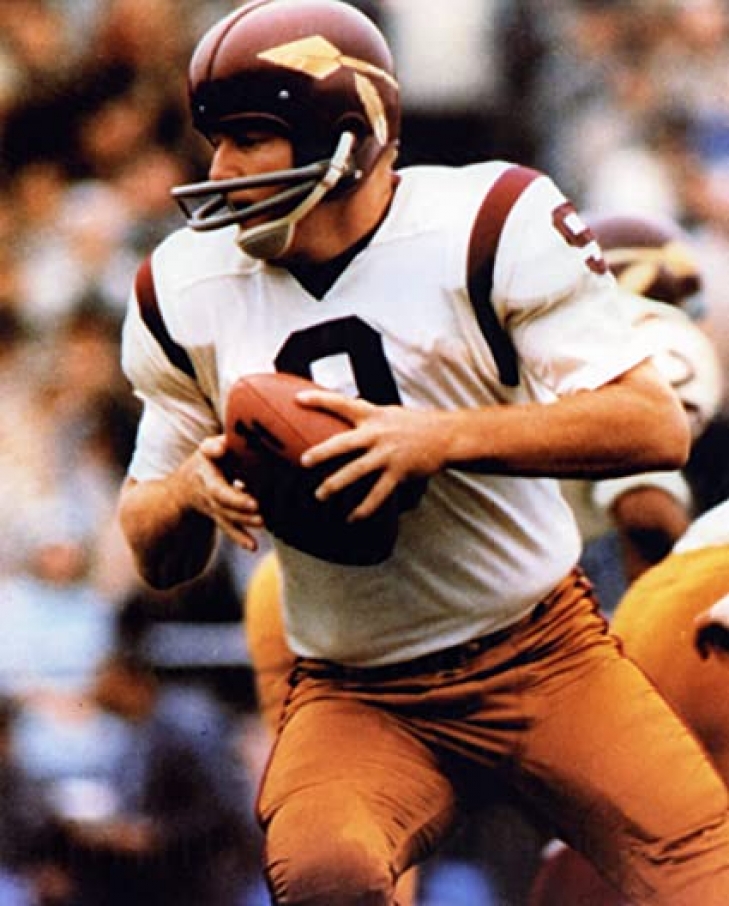
Drafted by the Philadelphia Eagles in 1957, Sonny Jurgensen was the Eagles’ backup when they won the 1960 NFL Championship. Jurgensen took over after as their starting QB, leading the league in Passing Yards in both 1961 and 1962. Jurgensen was hurt for much of 1963, and the Eagles deemed him expendable, and he was traded to the Washington Redskins for fellow QB, Norm Snead, and Cornerback, Claude Crabb.
5. Art Monk
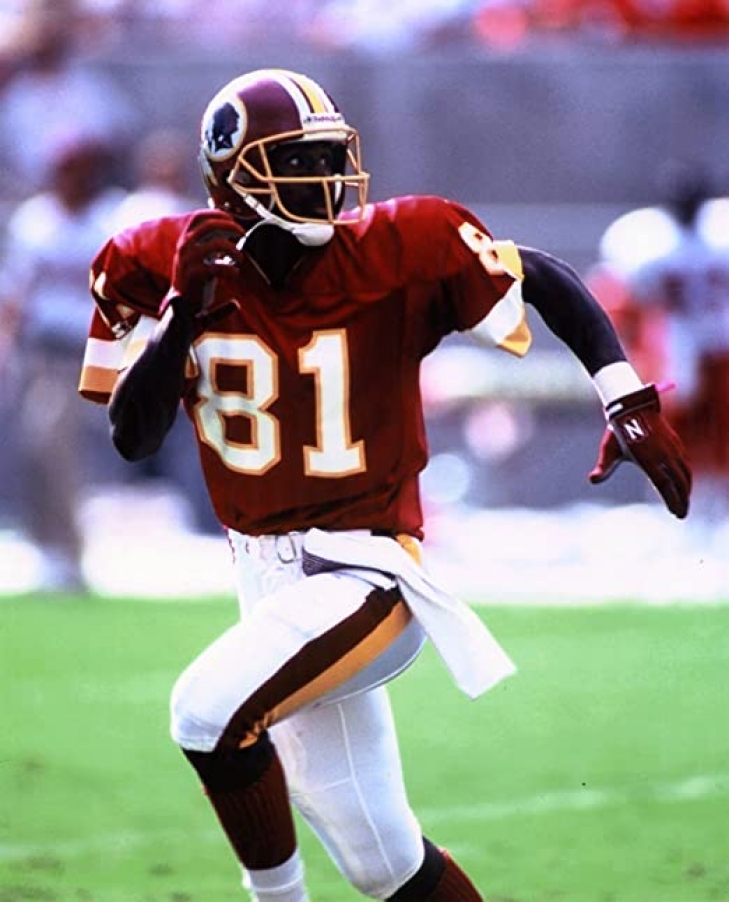
Art Monk showed a lot of promise at the University of Syracuse, so much so that he was a First Round Pick (18thOverall) in the 1980 Draft.
15. Charles Mann
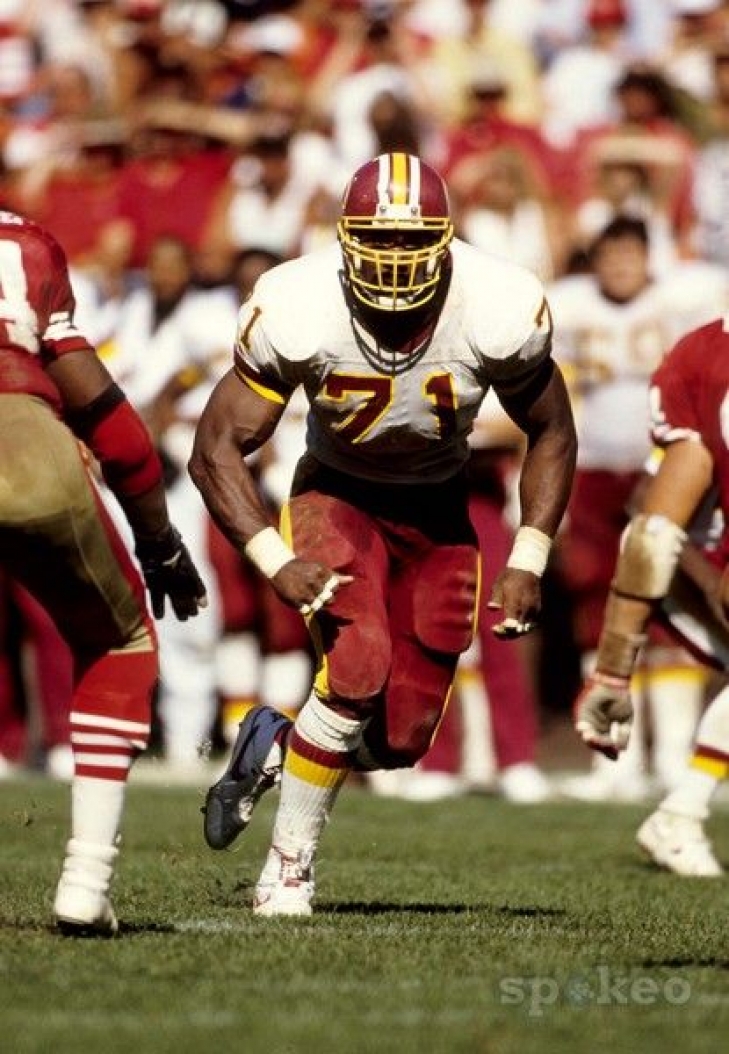
Charles Mann was a Third Round Pick from Nevada in 1983, and the Defensive End became a starter in his second year in the league.
9. Ken Houston
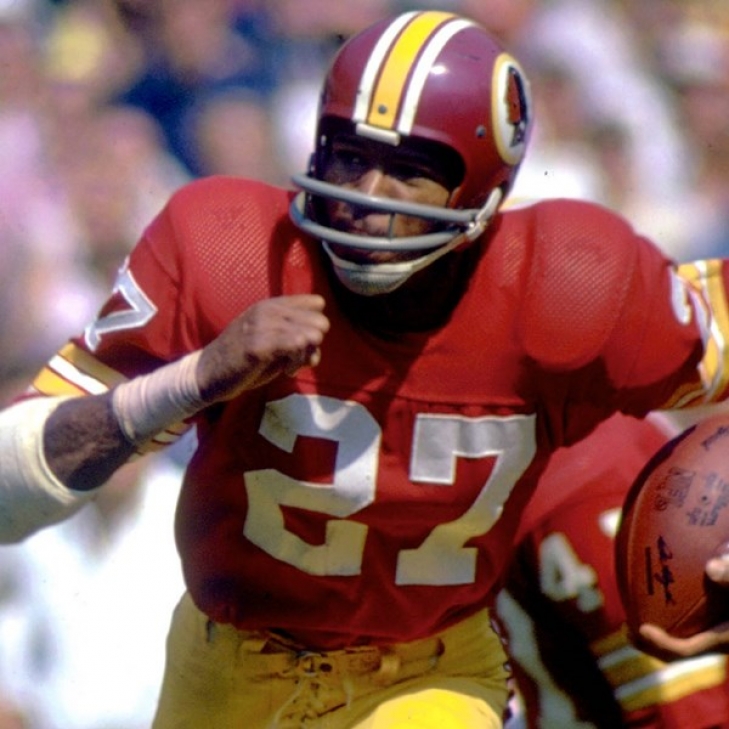
Ken Houston was already established as one of the game’s top Safeties, where he played for the Houston Oilers and went to five straight AFL All-Star/Pro Bowls. After six seasons with Houston, he was traded to the Washington Redskins for five players. Despite giving up five vets, the Redskins got the better end of the transaction.
7. Len Hauss
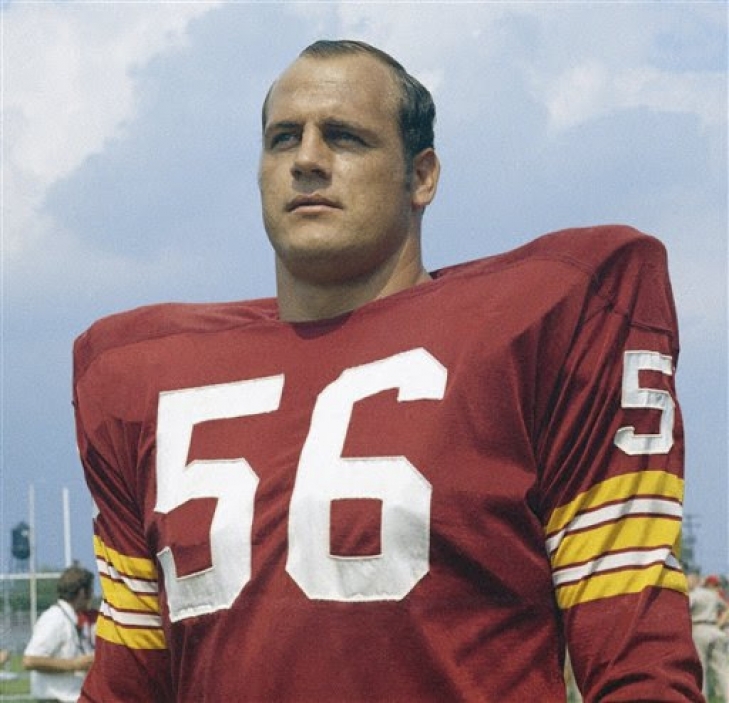
The Washington Redskins got maximum value for their Ninth Round Pick in 1964 when they chose Len Hauss, a Center from the University of Georgia.
10. Russ Grimm
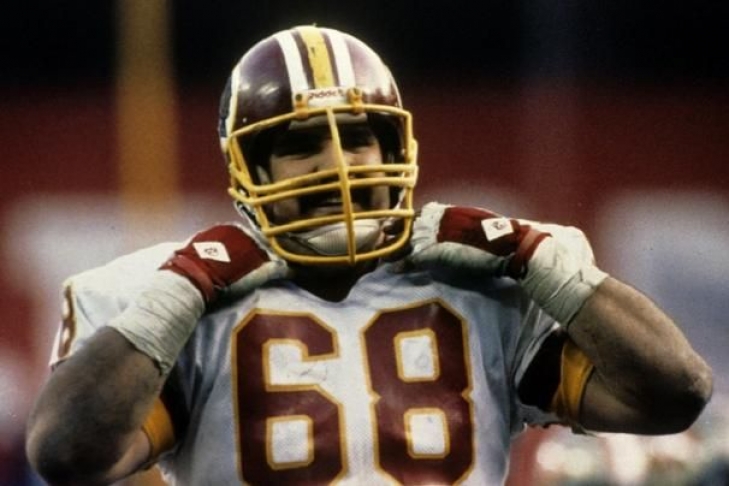
The Washington Redskins won three Super Bowls within the 1980s and early 90s, but unlike most great teams, the Offensive Line was considered the star attraction. They were the elite group that did not just win three Super Bowls but protected three different ones to a title. This group were the "Hogs," and the best of the group was Russ Grimm.
4. Charley Taylor
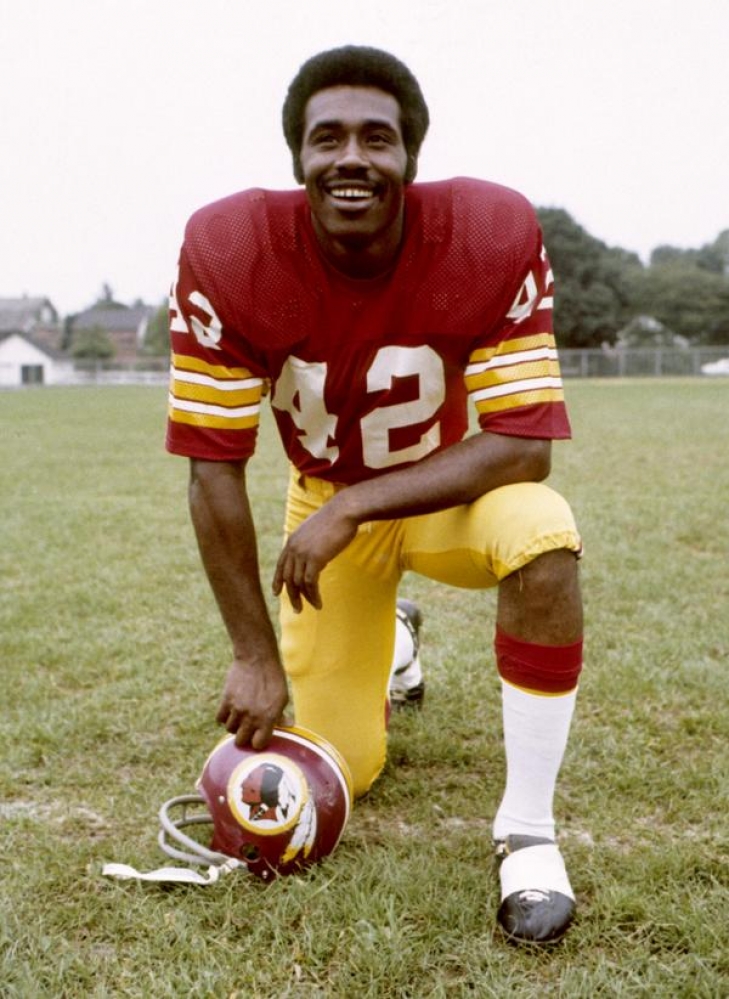
One of the best college players at Arizona State, Charlie Taylor was a star baseball and football star as a Sun Devil. On the gridiron, Taylor was the Third Overall Pick in 1963, which would transcend into a Hall of Fame career in Professional Football.
2. Darrell Green
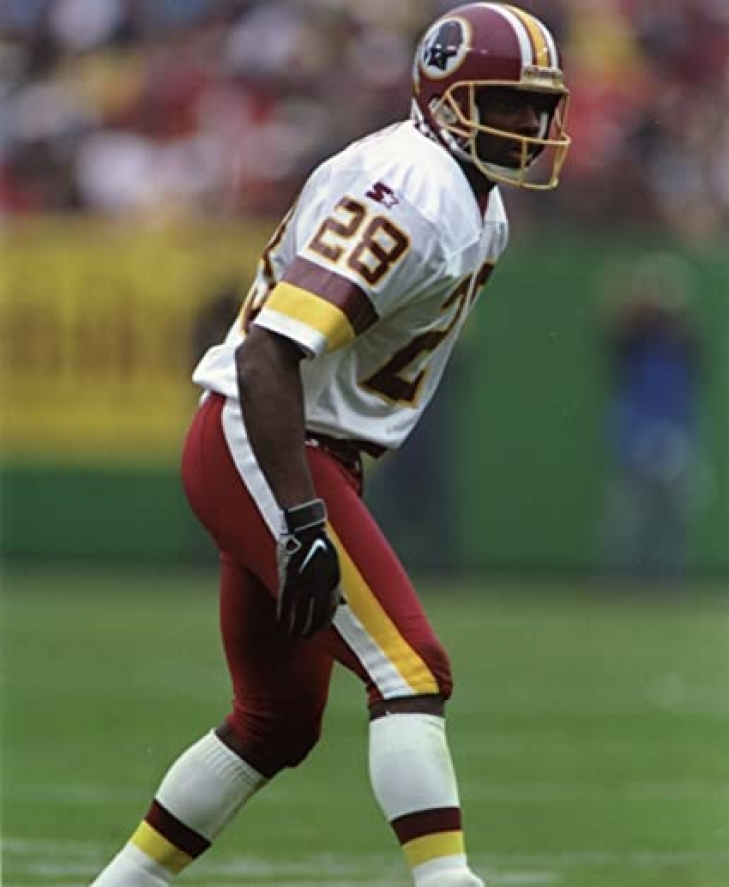
A late First Round Pick in 1983 by the Washington Redskins, Darrell Green became the most successful athletes ever from Texas A&M-Kingsville.
1. Sammy Baugh
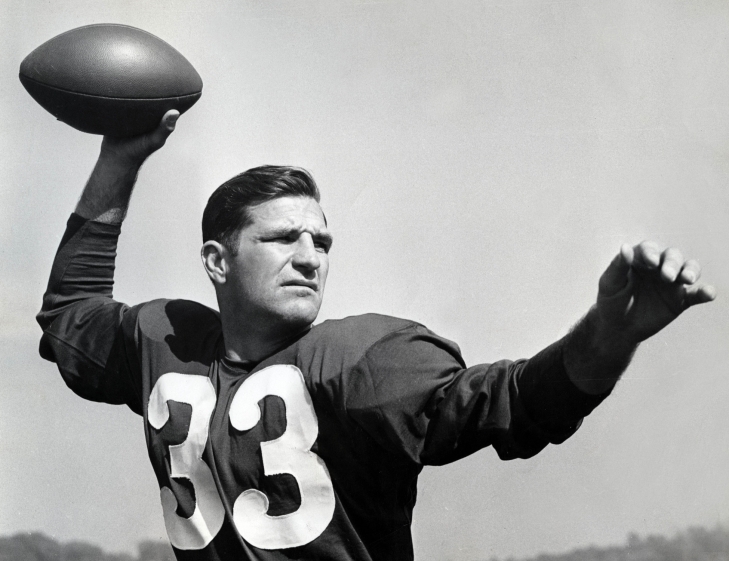
At TCU, Sammy Baugh played basketball, baseball, and football, and he was excellent at all of them. Baugh was more passionate about baseball, but football was his true calling, and he signed with the Washington Redskins, who made him the Sixth Overall Pick in the 1937 Draft.
3. Chris Hanburger
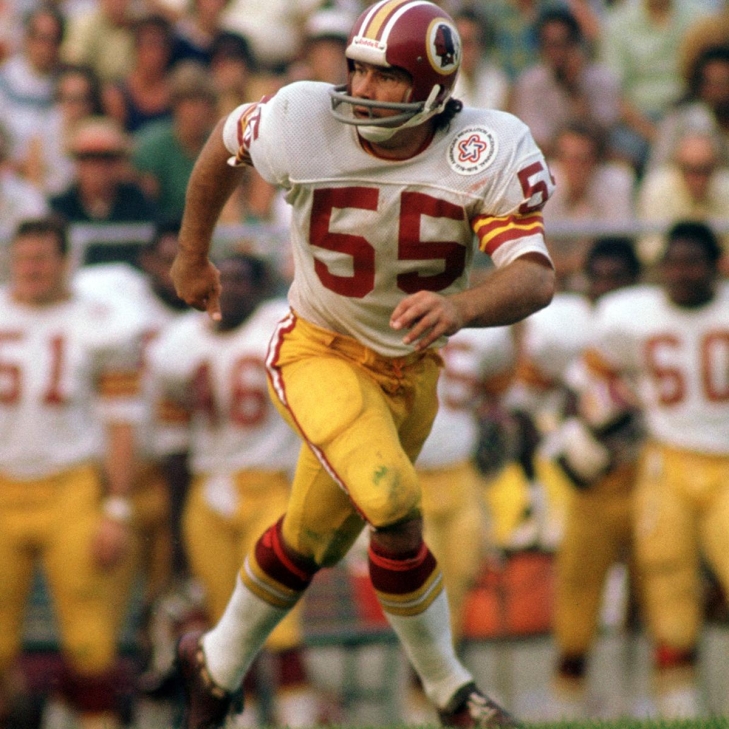
Chris Hanburger may have had a good career at North Carolina, but it was only worthy of generating an 18thRound Pick in the NFL Draft. It is likely that nobody noticed the selection of Hanburger by the Washington Redskins, but they noticed his overall professional career.
