

 Not in Hall of Fame News
Yes, we know that this is taking a while! As many of…
 Not in Hall of Fame News
Yes, we know that this is taking a while! As many of…
 Not in Hall of Fame News
2002 SEMI-FINAL RESULTS: Thank you for your participation in the Pro Football…
 Not in Hall of Fame News
Yes, we know that this is taking a while! As many of…
 Not in Hall of Fame News
We are diligently working away at Notinhalloffame on revising our Football lists…
 Not in Hall of Fame News
We are diligently working away at Notinhalloffame on revising our Football lists…
 From the Desk of the Chairman
October baseball often turns individual pitching performances into lasting postseason memories. Strikeout…
 From the Desk of the Chairman
For decades, the sports debate ran on gut feeling. Barstool arguments, call-in…
 From the Desk of the Chairman
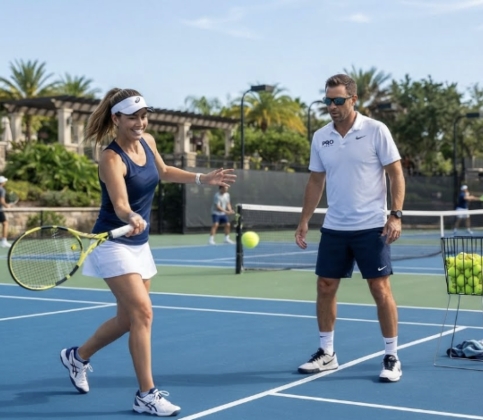
Introduction to Private Adult Tennis Camps in Prague Adult club players increasingly…
 From the Desk of the Chairman
Unlike in the case of pre-match betting, where you have to pick…
 From the Desk of the Chairman
Kupu178 builds trust with people by using top-end end-to-end encryption. It checks…
 From the Desk of the Chairman
Sports fans thrive on calculating strategy, reading momentum, and maximizing every tactical…



100 Active Potential Football Hall of Famers
-
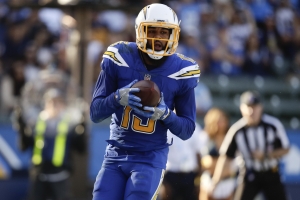 #49 Overall, Keenan Allen, Indianapolis Colts, #8 Wide Receiver2025 Pre-Season Rank #46, 2024 Pre-Season Rank #41, 2023 Pre-Season Rank #45, 2022 Pre-Season Rank #48, 2021 Pre-Season Rank #66, 2020 Pre-Season Rank…
 -
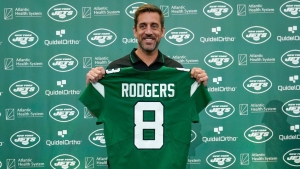 #2 Overall, Aaron Rodgers: Pittsburgh Steelers, #1 Quarterback2025 Pre Season Ranke #1, 2024 Pre-Season Rank #1, 2023 Pre-Season Rank #1, 2022 Pre-Season Rank #2, 2021 Pre-Season Rank #2, 2020 Pre-Season…in Quarterbacks
 -
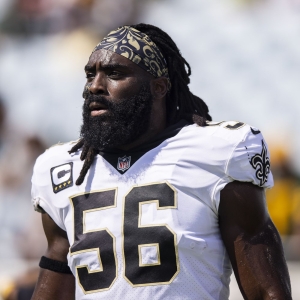 #48 Overall, DeMario Davis, New York Jets, Linebacker, #4 Defensive Lineman/Linebacker: Interior Lineman2025 Pre-Season Rank #47, 2024 Pre-Season Rank #47, 2023 Pre-Season Rank #61, 2022, Pre-Season Rank #137. Peak Period: 2019-23 Davis, a veteran player,…
 -
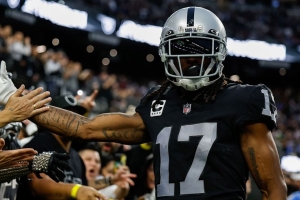 #21 Overall, Davante Adams, Los Angeles Rams, #2 Wide Receiver2025 Pre-Season Rank #23, 2024 Pre-Season Rank #27, 2023 Pre-Season Rank #24, 2022 Pre-Season Rank #43, 2021 Pre-Season Rank #67, 2020 Pre-Season Rank…
Visit the Fictitious Halls of Fame!


You May Also Like...
EDITOR’S CHOICE
 DDT's Pop Flies
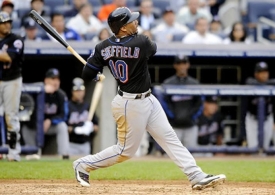
When the veterans committee (VC), officially convening as the Contemporary Baseball Era…



 Live Music Head
Project/Objectan interview with André Cholmondeleyby Live Music HeadOriginally published at timessquare.com on…

LATEST RANKINGS


MOST POPULAR RANKINGS








Committee Chairman
Baker Mayfield Will Not Join The Cleveland Browns On Their Trip To The Bahamas
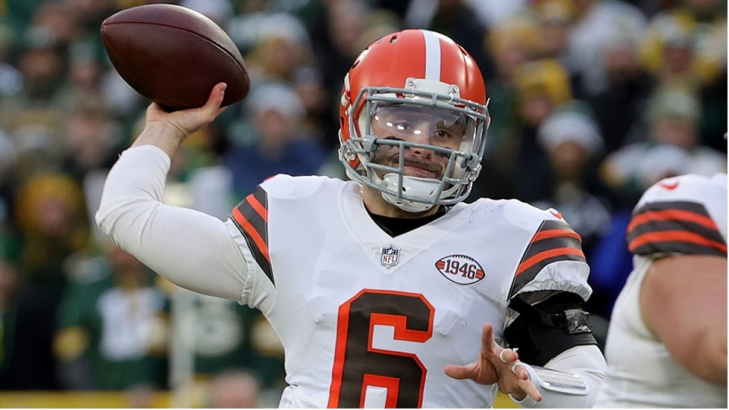
Baker Mayfield is expected to skip the Cleveland Browns’ trip to the Bahamas this weekend as his replacement, Deshaun Watson is the one treating the team to it, according to Mary Kay Cabot of Cleveland.com.
Watson is using part of his massive contract for team bonding and tropical offseason workouts and, according to the aforementioned source, Mayfield will remain in the U.S while the new quarterback familiarizes himself with his new teammates.
The trip will be similar to the one Mayfield put together in his hometown of Austin, Texas a few years ago, only that it will be out of the country.
Mayfield is still actively looking for a trade while rehabbing his shoulder and will not be part of the contingent that heads to the Bahamas.
Ian Rapoport previously reported that he was certain Mayfield would be part of the Browns’ training camp but it’s now looking unlikely. Rapoport spoke on the Pat McAfee show recently and describes what he believes is the former No.1 pick’s thinking.
“Baker is, I'm not trying to make excuses, but I understand from Baker Mayfield’s standpoint why he'd be like, ‘You know what, I'm going to stay away,’” the reporter said. “He feels a certain way about the organization. He believes that they told him one thing and then did the other. I would say the opportunity to trade for Deshaun Watson was something that even caught the Browns out of nowhere because remember, he told them no a day before that.
"So like, I think at that point, they probably told Baker ‘you're good’ and then they traded for Deshaun. I understand why he wants to stay away. The most important thing for him is to figure out how he separates from the Browns, if he separates from the Browns, because I don't see that market going anywhere anytime soon.”
He then touched on Mayfield possibly showing up for mandatory workouts and training camp, stating he was “sure” the 27-year-old will be there.
“That is either the first week of June or the second week of June and then he's got to be at training camp,” he continued. “You know, training camp would be awkward. I'm sure he will show up. I'm sure it'll either be some sort of agreed upon (deal). ‘You know what you can sit out’ or maybe like a hold-in (by saying) he has migraines or a hamstring injury or a back injury or something like that. I think in the end they can come up with a situation that both sides agree with, but it is going to be weird until they get to that point.”
Mayfield had a pass completion percentage of 60.5 last season, going for 4,010 yards and 17 touchdowns along with 13 interceptions in 14 games. He struggled with a shoulder injury for most of the campaign.
He’s now in an unfortunate situation, with the Browns having signed Watson while his salary has made it difficult for him to find a new home. Mayfield is owed 18.86 million in fully guaranteed salary for 2022, which has made a trade hard to come by.
The Carolina Panthers and Seattle Seahawks have been linked to the QB but they might wait to see if Cleveland will cut the player before training camp.
The new acquisition has heightened the Browns’ chances of winning a Super Bowl in 2022/23. They’re currently 18/1 to snag the trophy next season and Ohio sports betting folk will probably have them among their picks.
While Mayfield’s predicament does have fans feeling sorry for him, former QB Steve Young has told the disgruntled star to stop playing the victim. Young knows adversity all too well, having struggled while in Tampa Bay before spending a few years as a backup for Joe Montana and then going to prove his worth as a star with the San Francisco 49ers.
Speaking on The Rich Eisen Show on Monday, Young urged Mayfield to own his mistakes.
"You can’t play the victim," he said, per 247Sports’ Brad Crawford. "Victimization has to be put in a bottle and buried in the ground because it’s too easy to play victim. Look, there’s a lot of things out of your control and a lot of (things) you’ve been done wrong. You cannot, in the NFL, survive and play the victim. You have to leave it behind and own every bit of it.
"Own every mistake you’ve ever made. Own how you got here. Don’t blame other people. You got yourself here. You’re here. You own it and that would go a long way for everybody to feel like Baker Mayfield can make the elements of a comeback. You can’t get there in the spirit of victimization. It can’t happen."
Vince Wilfork voted into the New England Patriots Hall of Fame
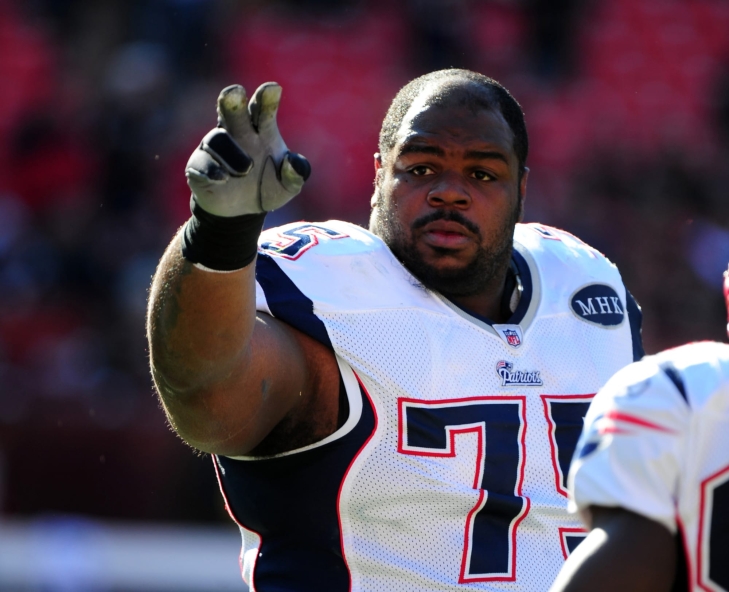
Regular visitors of Notinhalloffame.com know that we are slowly working on the top 50 of every major team in the NHL, NBA, NFL and MLB. Once that is done, we intend to look at how each team honor their past players, coaches and executives. As such, it is news to us that fans have inducted the Vince Wilfork into their franchise Hall of Fame.
A Nose Tackle/Defensive End/Defensive Tackle for the Pats from 2004 to 2014, Wilfork joined the team as a First Round Pick (21st Overall) from Miami (FL).
A larger-than-life figure, Wilfork helped lead New England to six AFC Championship Games, two Super Bowl wins in XXXIX and XLIX, and was chosen for five Pro Bowls and one First Team All-Pro. The Patriots had a record of .778 when he played and the former Defensive co-captain recorded 16 Sacks and 517 Tackles for the team. He played two final seasons (2015-16) for the Houston Texans before retiring.
Wilfork becomes the 32nd inductee of the Patriots Hall of Fame and only the sixth to enter on his first year of eligibility. He beat out Logan Mankins and Mike Vrabel for the honor. The date of the ceremony is to be determined.
We here at Notinhalloffame.com would like to congratulate Vince Wilfork for this impending honor.
Connor McDavid wins the first ever Notinhalloffame.com NHL Cup
Following the announcement of Nikola Jokic of the Denver Nuggets winning the second of our Notinhalloffame.com Cup, we are pleased to announce that during the regular NHL season, we did the same thing.
Here are the rules.
With every single regular season game, we anointed the best five players in the game with descending points, 5-4-3-2-1. A whopping, 810 players received at least one point, with 19 cracking at least 100.
The top players for the NHL NIHOF Cup are not always the best in the league, as injuries keep players out of games, and a premium on staying healthy can help pile up points. It also does not hurt to be a top player on an average or mediocre team, as they can amass Cup points easier that elite players on loaded squads.
Please remember, that this is NOT necessarily who we think were the best players this year, and does not reflect overall consistency. Treat this the way did, as a fun process and more of a compilation of temporary statistical domination.
(Yes, we know this is verbatim what we wrote for the NBA CUP, but it is all accurate!)
So, NHL players! Get your agents to work winning this into your contracts!
Here are the top 100 2021/22 rankings for the NBA NIHOF CUP:
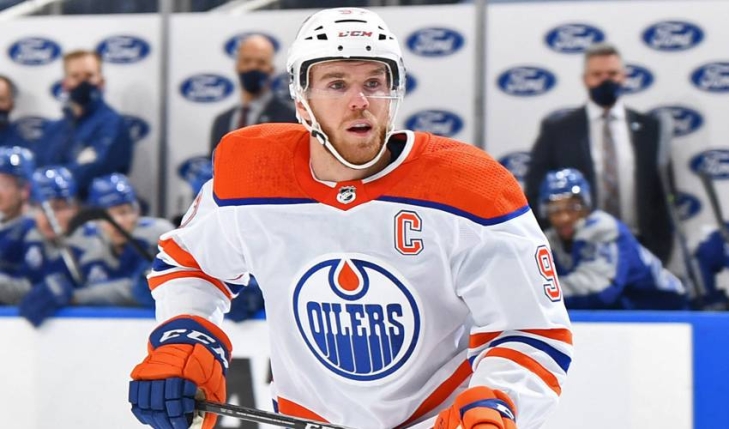
1. Connor McDavid: Edmonton Oilers, Center:
148 Cup Points, 80 Games, 1.85 Cup Points per Game, 44 Goals, 79 Assists, 123 Points, +28, 26 Blocked Shots, 75 Hits, 73 Takeaways, 68 Giveaways, 13.8 Point Shares.
In his seventh NHL Season, McDavid won his fourth Art Ross Trophy, and set career-highs in Goals, Assists, Points and Point Shares. Beginning the season on a 17-Game Point streak, McDavid keeps getting better and he might be the best stickhandler in the game over the last five years. The Oilers Center went to his fifth All-Star Game, was fifth in Point Shares and should be among the top five players in Hockey over the next five years.
2. Auston Matthews: Toronto Maple Leafs, Center:
148 Cup Points, 80 Games, 1.86 Cup Points per Game, 60 Goals, 46 Assists, 106 Points, +20, 62 Blocked Shots, 67 Hits, 92 Takeaways, 48 Giveaways, 13.7 Point Shares.
Matthews might behind McDavid in both Cup Points and Points, but the 2016/17 Rookie of the Year is for our money the league MVP this season. He led the league in Goals, Shots (348), and was slightly higher than McDavid in Cup Points per Game, which considering the greater depth of Toronto than Edmonton is very impressive. Matthews set the Leafs record for Goals per Season, and he won his second Rocket Richard Award as the top Goal Scorer. Notably, Matthews becomes the first skater in ten years since Steven Stamkos to crack 60 Goals. The American Center still has incredible upside.
3. Kirill Kaprizov: Minnesota Wild, Left Wing:
126 Cup Points, 81 Games, 1.56 Cup Points per Game, 47 Goals, 61 Assists, 108 Points, +27, 29 Blocked Shots, 73 Hits, 57 Takeaways, 72 Giveaways, 12.6 Point Shares.
Last year’s Calder Trophy winner, is actually now 25, and with his past experience in Russia, is far more seasoned beyond what his NHL tenure suggests. One of the top Wings in the NHL, Kaprizov went to his first All-Star Game this year, and was fifth in Goals and Points, and he is now the single-season Wild record holder in Goals, Assists and Points. There is no doubt who is now the top star in Minnesota.
4. Leon Draisaitl: Edmonton Oilers, Center:
123 Cup Points, 80 Games, 1.54 Cup Points per Game, 55 Goals, 55 Assists, 110 Points, +17, 25 Blocked Shots, 53 Hits, 74 Takeaways, 88 Giveaways, 13.2 Point Shares.
It did not take long for a team to have two players in our top 100, and going into this season, it would have been the Oilers that we would have pegged as the team. Draisaitl won the Art Ross two years ago, was fourth this year, and was second in Goals this season, while leading the NHL in Game-Winning Goals with 11. As phenomenal as it is to see two players from Edmonton crack the top five, it also should be mentioned that there will not be a third, showcasing the lack of depth of the Oilers.
5. Alex Ovechkin: Washington Capitals, Left Wing:
122 Cup Points, 77 Games, 1.58 Cup Points per Game, 50 Goals, 40 Assists, 90 Points, +8, 25 Blocked Shots, 156 Hits, 32 Takeaways, 50 Giveaways, 11.2 Point Shares.
Ovechkin might look a lot older, but his play on the ice defies his exterior. For the first time since 2009/10, Ovie had at least 90 Points, and he had his ninth 50-Goal year, tying Mike Bossy and Wayne Gretzky, and becoming the oldest player ever to hit that mark. After all this time, Ovechkin is still the best player for the Capitals, and the now eight-time All-Star is now 124 Goals behind Wayne Gretzky for the all-time lead. We wouldn’t bet against him.
6. Igor Shesterkin: New York Rangers, Goalie:
118 Cup Points, 53 Games, 2.23 Cup Points per Game, 36 Wins, 29 Losses, 7 Ties/Overtime Losses, .935 Save Percentage, 2.07 Goals Against Average, 13.4 Goalie Point Shares
The top six is populated half by Russians, and we have our first Goalie, Igor Shesterkin, who is only in his third year in the NHL. Shesterkin led the NHL in Save Percentage, GAA, GA% (70), GSAA (44.9) and adjGAA (2.11). It was a dominating performance by Shesterkin, and bluntly, Goalies have an easier time amassing Cup Points as shown by Shesterkin’s Cup Points per Game Average.
7. Johnny Gaudreau: Calgary Flames, Left Wing:
117 Cup Points, 82 Games, 1.43 Cup Points per Game, 40 Goals, 75 Assists, 115 Points, +64, 9 Blocked Shots, 10 Hits, 50 Takeaways, 81 Giveaways, 14.6 Point Shares.
This is the best season of Gaudreau’s life, as he not only posted highs in Goals, Assists and Points (all by wide margins), but he blew his previous Plus/Minus number away with a league-leading +64, 46 higher than his previous high. Gaudreau was a previous Lady Byng Trophy winner and he could win another this year.
8. Jonathan Huberdeau: Florida Panthers, Left Wing:
113 Cup Points, 80 Games, 1.41 Cup Points per Game, 30 Goals, 85 Assists, 115 Points, +35, 28 Blocked Shots, 99 Hits, 63 Takeaways, 85 Giveaways, 11.9 Point Shares.
This season, Huberdeau destroyed the record for Left Wingers in Assists by 14, and he cracked the 100 Point plateau for the first time in his ten-year career. This is also the first year that he led the NHL in any major category (Assists), and he set the Panthers single-season record for Points. Huberdeau also tied for second in Points this year.
9. Juuse Saros: Nashville Predators, Goalie:
112 Cup Points, 67 Games, 1.67 Cup Points per Game, 38 Wins, 25 Losses, 3 Ties/Overtime Losses, .918 Save Percentage, 2.64 Goals Against Average, 13.8 Goalie Point Shares
Saros led the NHL this year in Point Shares while also logging the most minutes of any Goalie (3,931). This is arguably Saros’ best year to date, and he is the highest Scandinavian player in regards to Cup Points. An All-Star for the first time, Saros may not have finished in the top ten in GAA, but his Save Percentage was, and he was the workhorse of the year, not just for Nashville but for the entire league.
10. (Tie) Jacob Markstrom: Calgary Flames, Goalie:
106 Cup Points, 63 Games, 1.68 Cup Points per Game, 37 Wins, 15 Losses, 9 Ties/Overtime Losses, .922 Save Percentage, 2.22 Goals Against Average, 12.2 Goalie Point Shares
Our highest rated player from Sweden, the Flames join their provincial rival as the only team with at least two players in the top ten. Markstrom is coming off his best season in his 12 North American campaigns, and he led the NHL in Shutouts (9), which is more than the eight he had over the rest of his career. He finished in the top four in Save Percentage and GAA, and logged the fifth most minutes between the pipes (3,696).
10. (Tie) Matthew Tkachuk: Calgary Flames, Right Wing:
106 Cup Points, 82 Games, 1.30 Cup Points per Game, 42 Goals, 62 Assists, 104 Points, +57, 20 Blocked Shots, 93 Hits, 41 Takeaways, 91 Giveaways, 13.5 Point Shares.
With the 10th place tie, the Flames have three players in the top ten, and two on the same line with Tkachuk and Johnny Gaudreau. The line (with another player you will see shortly) was the most explosive in hockey, and Tkachuk shattered his previous high of 77 Points with 104. He was third in Plus/Minus this year, and for the first time, made the top ten in Goals and Points.
12. Steven Stamkos: Tampa Bay Lightning, Center:
105 Cup Points, 81 Games, 1.30 Cup Points per Game, 42 Goals, 64 Assists, 106 Points, +24, 31 Blocked Shots, 93 Hits, 30 Takeaways, 24 Giveaways, 12.4 Point Shares.
Stamkos never stops scoring, and though the two-time Rocket Richard winner is into his 30s, he is still one of Tampa’s most potent weapons. A member of the two-time defending Stanley Cup Champions, Stamkos finally had his first 100 Point year, and also tied for the league-lead in Game-Winning Goals (11). Next year, Stamkos should eclipse 500 Goals and 1,000 Points.
13. (Tie) David Pastrnak: Boston Bruins, Right Wing
104 Cup Points, 72 Games, 1.41 Cup Points per Game, 40 Goals, 37 Assists, 77 Points, +13, 14 Blocked Shots, 63 Hits, 36 Takeaways, 77 Giveaways, 9.6 Point Shares.
The Boston Bruins and Czech Republic get on the board with Pastrnak, whose stat line looks like he should be ten to twenty spots lower, but when the Bruins won this season, it was Pastrnak who was their top player. Pastrnak is two years removed from winning the Rocket Richard Trophy and could win another in the future.
13. (Tie) Chris Kreider: New York Rangers, Left Wing
104 Cup Points, 81 Games, 1.28 Cup Points per Game, 52 Goals, 25 Assists, 77 Points, +19, 39 Blocked Shots, 141 Hits, 27 Takeaways, 45 Giveaways, 10.7 Point Shares.
This might turn out to be Kreider’s career year, as for the first time in ten years, he cracked 50 Goals, and led the NHL in Power Play Goals (26) and Game-Winning Goals (11). This year’s power play prowess set a franchise record for the Rangers, while also going to his second All-Star Game. At the age of 30, this might the peak for Kreider.
15. Artemi Panarin: New York Rangers, Left Wing
102 Cup Points, 75 Games, 1.36 Cup Points per Game, 22 Goals, 74 Assists, 96 Points, +21, 14 Blocked Shots, 22 Hits, 56 Takeaways, 71 Giveaways, 9.8 Point Shares.
Panarin is in his seventh NHL season, and this year, he broke his single-season Point mark by one, and was fourth in Assists. The former Calder Trophy winner was the Ranger’s highest scorer, and is also a fringe contender for this year’s Lady Byng.
16. (Tie) Filip Forsberg: Nashville Predators, Center
101 Cup Points, 69 Games, 1.48 Cup Points per Game, 42 Goals, 42 Assists, 84 Points, +12, 48 Blocked Shots, 112 Hits, 53 Takeaways, 56 Giveaways, 10.2 Point Shares.
Forsberg overtook David Legwand as the all-time Predators leading scorer, doing so when he posted career-highs in Goals, Assists and Points. The Swedish Center finished ninth in Goals and Even Strength Goals, with a fifth-place finish in Goals per Game.
16. (Tie) J.T. Miller: Vancouver Canucks, Center
101 Cup Points, 80 Games, 1.26 Cup Points per Game, 32 Goals, 67 Assists, 99 Points, +15, 56 Blocked Shots, 172 Hits, 55 Takeaways, 62 Giveaways, 10.6 Point Shares.
Like the player below he is tied with, Miller is the highest ranked Cup Point player on a team that failed to make the playoffs. This was the best year of Miller’s career, and he was easily the top skater for the Canucks, and he finished the campaign sixth in Assists and tenth in Points.
16. (Tie) Kyle Connor: Winnipeg Jets, Left Wing
101 Cup Points, 79 Games, 1.28 Cup Points per Game, 47 Goals, 46 Assists, 93 Points, -3, 23 Blocked Shots, 32 Hits, 66 Takeaways, 47 Giveaways, 10.5 Point Shares.
Tied with Miller above, both skaters were unable to will their teams to the playoffs, though Connor is the first to have a negative Plus/Minus. Considering Winnipeg allowed more Goals than they scored, and were constantly outshot, Connor’s -3 does not penalize him by much. Connor also went to his first All-Star Game this year, and finished the year second in Even Strength Goals (36), fifth in Goals and sixth in Game-Winning Goals (9).
19. Mikko Rantanen: Colorado Avalanche, Right Wing
100 Cup Points, 75 Games, 1.33 Cup Points per Game, 36 Goals, 56 Assists, 92 Points, +35, 43 Blocked Shots, 58 Hits, 48 Takeaways, 49 Giveaways, 10.5 Point Shares.
From Finland, Rantanen exceeded 90 Points for the first time this season, and he led the NHL in Power Play Goals On-Ice For (54). While Rantanen set career-high in the Scoring stat lines, this was his first season where his Shot Percentage dipped below 15.
20. (Tie) Roman Josi: Nashville Predators, Defense
99 Cup Points, 80 Games, 1.24 Cup Points per Game, 23 Goals, 73 Assists, 96 Points, +13, 133 Blocked Shots, 66 Hits, 48 Takeaways, 71 Giveaways, 13.9 Point Shares.
NIHOF Cup Points are far easier for Forwards than Defenseman, and where Josi fell, tells us that for next year we have to tweak this for Blueliners. Josi should be the highest ranked Defenseman, and the former Norris Trophy winner should win it again this year, though the advanced metrics show that while Josi’s offense has never been better, this was not close to his best pure defensive season.
20. (Tie) Alex DeBrincat: Chicago Blackhawks, Right Wing
99 Cup Points, 82 Games, 1.21 Cup Points per Game, 41 Goals, 37 Assists, 78 Points, -13, 35 Blocked Shots, 101 Hits, 67 Takeaways, 47 Giveaways, 8.4 Point Shares.
While it isn’t really DeBrincat’s team, in terms of talent, we can argue that Chicago IS his team. The native of Michigan went to his first All-Star Game this year, and he matched his 41 Goals from his 2018-19 sophomore season. While he is already a very good player, DeBrincat could go to another level next season.
22. Mitch Marner: Toronto Maple Leafs, Right Wing
97 Cup Points, 72 Games, 1.25 Cup Points per Game, 35 Goals, 62 Assists, 97 Points, +23, 35 Blocked Shots, 101 Hits, 67 Takeaways, 47 Giveaways, 10.6 Point Shares.
Marner was a First Team All-Star last year, and the six-year pro has proven himself as a secondary star on a loaded Toronto squad. Marner set personal bests in Goals and Points, and was eighth this year in Assists per Game (0.86).
23. Roope Hintz: Dallas Stars, Left Wing
96 Cup Points, 80 Games, 1.25 Cup Points per Game, 37 Goals, 35 Assists, 72 Points, +15, 53 Blocked Shots, 82 Hits, 24 Takeaways, 49 Giveaways, 8.8 Point Shares.
As good as Dallas were this year, there was no breakaway player, thus leading Hintz to have a rank this high. The Finnish forward was on the Stars top line and was a clutch performer throughout the year.
24. Nathan MacKinnon: Colorado Avalanche, Center
94 Cup Points, 65 Games, 1.45 Cup Points per Game, 32 Goals, 56 Assists, 88 Points, +22, 39 Blocked Shots, 68 Hits, 37 Takeaways, 56 Giveaways, 9.6 Point Shares.
MacKinnon had his fourth of five NHL years where he had at least 85 Points and the career-Avalanche player and two-time Second Team All-Star is poised to crack three digits in Points over the next three NHL seasons.
25. Frederik Andersen: Carolina Hurricanes, Goalie:
93 Cup Points, 52 Games, 1.79 Cup Points per Game, 35 Wins, 14 Losses, 3 Ties/Overtime Losses, .922 Save Percentage, 2.17 Goals Against Average, 10.1 Goalie Point Shares
Andersen is in his first year in Carolina, with him earing his first All-Star Game appearance. The balanced Hurricanes team has a netminder this year that could potentially take his squad to another level.
26. (Tie) Andrei Svechnikov: Carolina Hurricanes, Right Wing:
92 Cup Points, 78 Games, 1.18 Cup Points per Game, 30 Goals, 39 Assists, 69 Points, +19, 15 Blocked Shots, 189 Hits, 44 Takeaways, 72 Giveaways, 7.9 Point Shares.
The Second Overall Pick from 2018, Svechnikov continues his gradual improvement, not only in Points, but also in Hits, finishing with 189. Still, a streaky player, Svechnikov had man games for the talented Canes squad where he was their top performer, but at age 22, he still has room to grow to become a more rounded player.
26. (Tie) Aleksander Barkov: Florida Panthers, Center:
92 Cup Points, 67 Games, 1.37 Cup Points per Game, 39 Goals, 49 Assists, 88 Points, +36, 42 Blocked Shots, 50 Hits, 59 Takeaways, 51 Giveaways, 10.6 Point Shares.
A special under-the-radar player due to playing on a low-profile team, Barkov is a former Lady Byng and Selke Winner, while finishing eighth in Goals per Game (0.58). Jonathan Huberdeau took a few of Barkov’s Cup Points away, and playing 67 Games also cost him a potential top ten finish.
26. (Tie) Kevin Fiala: Minnesota Wild, Left Wing:
92 Cup Points, 82 Games, 1.12 Cup Points per Game, 33 Goals, 52 Assists, 85 Points, +23, 21 Blocked Shots, 52 Hits, 38 Takeaways, 54 Giveaways, 9.1 Point Shares.
A special under-the-radar player due to playing on a low-profile team, Barkov is a former Lady Byng and Selke Winner, while finishing eighth in Goals per Game (0.58). Jonathan Huberdeau took a few of Barkov’s Cup Points away, and playing 67 Games also cost him a potential top ten finish.
26. (Tie) Timo Meier: San Jose Sharks, Right Wing:
92 Cup Points, 77 Games, 1.20 Cup Points per Game, 35 Goals, 41 Assists, 76 Points, -3, 61 Blocked Shots, 152 Hits, 49 Takeaways, 53 Giveaways, 8.5 Point Shares.
The San Jose Sharks and the growing nation of Switzerland crack the board with Meier having his best year to date, and making his first All-Star Game. Meier also made history this year as the first Shark to score five Goals in a Game.
26. (Tie) William Nylander: Toronto Maple Leafs, Center:
92 Cup Points, 81 Games, 1.14 Cup Points per Game, 34 Goals, 46 Assists, 80 Points, -9, 30 Blocked Shots, 19 Hits, 59 Takeaways, 33 Giveaways, 7.8 Point Shares.
Nylander has never been known for his two-way play, but there are other players with the Maple Leafs who can accomplish that, freeing Nylander to focus on what he does best. He set personal records in Goals, Assists, Points and is coming off the most usage of his career, though Nylander is in a system that benefits his style.
31. Vladimir Tarasenko: St. Louis Blues, Right Wing:
91 Cup Points, 75 Games, 1.21 Cup Points per Game, 34 Goals, 48 Assists, 82 Points, +7, 45 Blocked Shots, 83 Hits, 17 Takeaways, 31 Giveaways, 8.9 Point Shares.
Tarasenko asked to be traded at the start of the season due to his frustration on how the club handled his shoulder issues, but he remained a Blue the whole year, and St. Louis’ top player, and his team’s highest in Cup Points. The Russian Right Wing posted a career-high 82 Points.
32. Jason Robertson: Dallas Stars, Left Wing:
90 Cup Points, 74 Games, 1.22 Cup Points per Game, 41 Goals, 38 Assists, 79 Points, +16, 24 Blocked Shots, 50 Hits, 48 Takeaways, 50 Giveaways, 10.0 Point Shares.
Last year’s runner up for the Calder to Kirill Kaprisov, Jason Robertson is the first Dallas Star on the list, and pardon the pun, one of the game’s fastest rising star. Robertson became the first player in Dallas history to have hat tricks in back-to-back games, and he had a share of the league-lead in Game Winning Goals (11).
33. Ilya Sorokin: New York Islanders, Goalie:
89 Cup Points, 52 Games, 1.71 Cup Points per Game, 26 Wins, 18 Losses, 8 Ties/Overtime Losses, .925 Save Percentage, 2.40 Goals Against Average, 12.0 Goalie Point Shares
A five-time KHL All-Star and now an NHL sophomore, Sorokin had a really good year, albeit on a team that treaded water. The Islander with the most Cup Points, Sorokin was second in Save Percentage, fourth in GAA, and eighth in Goalie Point Shares. If New York had better horses in front of Sorokin, he is capable of taking the Isles in a deep playoff run.
34. (Tie) Sebastian Aho: Carolina Hurricanes, Center & Left Wing:
88 Cup Points, 79 Games, 1.11 Cup Points per Game, 37 Goals, 44 Assists, 81 Points, +18, 23 Blocked Shots, 76 Hits, 68 Takeaways, 56 Giveaways, 9.4 Point Shares.
In Aho’s sixth season, Aho posted his second 80-Point plus year, but had his best power play year with 28 Points on the advantage, his current high. Aho went to his second All-Star Game this year, and also had a career-best nine Game-Winning Goals.
34. (Tie) Brady Tkachuk: Ottawa Senators, Left Wing:
88 Cup Points, 79 Games, 1.11 Cup Points per Game, 30 Goals, 37 Assists, 67 Points, -7, 25 Blocked Shots, 270 Hits, 41 Takeaways, 68 Giveaways, 7.1 Point Shares.
This is the perfect example of how you can accumulate Cup Points on a bad team, when you are one of the few scorers, as Brady Tkachuk’s 67 Points do not seem like he should be this high, but when Ottawa did score, chances were that Tkachuk would be around it. The fact that he amassed 270 Hits this year, also helped him. This is his best season to date of his four-year career, Tkachuk was Ottawa’s highest Cup Point getter.
36. (Tie) Sidney Crosby: Pittsburgh Penguins, Center:
87 Cup Points, 69 Games, 1.26 Cup Points per Game, 31 Goals, 53 Assists, 84 Points, +19, 37 Blocked Shots, 50 Hits, 34 Takeaways, 54 Giveaways, 9.3 Point Shares.
Doesn’t this rank seem strange? Sidney Crosby missed the first few games of the season, and he started off slow when he did get on the ice, resulting him (and rightfully so) not making the All-Star Game, but his second half was really good, and it felt like every week in the last two months, he climbed more this more than anyone else. The Hart Trophy days of Crosby is behind him, but he is still a great player. Notably, he joined the 500 Goal and 1,400 Point clubs this year, and again led his club in Points, though was tied with Jake Guentzel who had more Goals (40).
36. (Tie) Pavel Buchnevich: St. Louis Blues, Left Wing:
87 Cup Points, 73 Games, 1.19 Cup Points per Game, 30 Goals, 46 Assists, 76 Points, +29, 15 Blocked Shots, 57 Hits, 46 Takeaways, 41 Giveaways, 8.6 Point Shares.
A New York Ranger for the first five seasons of his career, Pavel Buchnevich had his best year to date, setting career-highs in Goals, Assists and Points, and averaged over a Point per Game for the first time in his career.
36. (Tie) Victor Hedman: Tampa Bay Lightning, Defense:
87 Cup Points, 82 Games, 1.06 Cup Points per Game, 20 Goals, 65 Assists, 85 Points, +26, 129 Blocked Shots, 94 Hits, 52 Takeaways, 56 Giveaways, 13.5 Point Shares.
Hey, we said we have to do some tweaks going forward into next year in regards to blueliners! Victor Hedman is on a five-year streak of being chosen for the post-season All-Star Teams, and he will get his sixth this year. The former Norris Trophy and Conn Smythe winner, scored the most Points of his career in 2021/22, and amassed more Win Shares than he did in his Norris-winning year.
39. Andrei Vasilevskiy: Tampa Bay Lightning, Goalie:
86 Cup Points, 63 Games, 1.71 Cup Points per Game, 39 Wins, 18 Losses, 5 Ties/Overtime Losses, .916 Save Percentage, 2.49 Goals Against Average, 12.0 Goalie Point Shares
The backstop for the last two Stanley Cup Championship Teams, Vasilevskiy led the NHL in Wins for the fifth consecutive year. The 2019 Vezina winner went to his fourth All-Star Game, was ninth in GAA and seventh in Goalie Point Shares. Vasilevskiy won’t win the Vezina this year, but is still an upper-echelon NHL Goalie.
40. (Tie) Brad Marchand: Boston Bruins, Left Wing:
85 Cup Points, 70 Games, 1.21 Cup Points per Game, 32 Goals, 48 Assists, 80 Points, +16, 20 Blocked Shots, 78 Hits, 40 Takeaways, 62 Giveaways, 9.2 Point Shares.
Marchand was named a post-season All-Star four of the last five years with the Left Wing making the 80-Point mark for the fifth time. This is his 13th year in the NHL.
40. (Tie) Thatcher Demko: Vancouver Canucks, Goalie:
85 Cup Points, 64 Games, 1.33 Cup Points per Game, 33 Wins, 22 Losses, 7 Ties/Overtime Losses, .915 Save Percentage, 2.72 Goals Against Average, 12.3 Goalie Point Shares
Demko accumulated more Cup Points than any other Canuck and he went to his first All-Star Game as Vancouver’s undisputed starting Goalie. He was ninth in Wins and fourth in Goalie Point Shares, and Demko gave us reason to think he can still improve.
42. Mika Zibanejad: New York Rangers, Center:
84 Cup Points, 81 Games, 1.04 Cup Points per Game, 29 Goals, 52 Assists, 81 Points, +30, 47 Blocked Shots, 67 Hits, 62 Takeaways, 58 Giveaways, 9.2 Point Shares.
The now 11-year veteran cracked 80 Points for the first time, though his PPG was lower than last seasons COVID-shortened year. Zibanejad was tenth in Power Play Goals with 15.
43. Cale Makar: Colorado Avalanche, Defense
83 Cup Points, 77 Games, 0.89 Cup Points per Game, 28 Goals, 58 Assists, 86 Points, +48, 110 Blocked Shots, 95 Hits, 49 Takeaways, 40 Giveaways, 15.2 Point Shares.
Makar is one of the many stars of the Avs, and often when he had a great game, his teammates who played forward did too. A lot more work to help Defenseman in Cup Points will be looked at for next year as we know this is way too low for a Norris contender. Again, the team he played on had a lot to do with it, and there is an element of luck, but there is no metric we could ever come up that has Makar as the 43st best at anything…yet, here we are.
44. Adrian Kempe: Los Angeles Kings, Left Wing
82 Cup Points, 78 Games, 1.05 Cup Points per Game, 35 Goals, 19 Assists, 54 Points, -2, 28 Blocked Shots, 111 Hits, 34 Takeaways, 63 Giveaways, 6.5 Point Shares.
Going into this year’s playoffs, the argument could be made that the Kings were the weakest post-season participant. Nevertheless, Los Angeles made it, and Kempe was a large part of that with clutch performances that defy his stat line.
45. Nazem Kadri: Colorado Avalanche, Center
81 Cup Points, 71 Games, 1.14 Cup Points per Game, 28 Goals, 59 Assists, 87 Points, +13, 19 Blocked Shots, 52 Hits, 36 Takeaways, 34 Giveaways, 8.8 Point Shares.
In his 13th NHL year, Kadri had his best NHL year, a skyrocket above from what he ever accomplished and based on his age (31), it is unlikely he will exceed this. Regardless of whether he does or doesn’t, Kadri now can say that he was an NHL All-Star, and that is one damned sweet place to be in.
46. (Tie) Marc-Andre Fleury: Chicago Blackhawks & Minnesota Wild, Goalie:
80 Cup Points, 56 Games, 1.43 Cup Points per Game, 28 Wins, 23 Losses, 5 Ties/Overtime Losses, .908 Save Percentage, 2.90 Goals Against Average, 9.7 Goalie Point Shares
Fleury is the first player on this list to appear for two teams this year, and the veteran Goalie and three-time Stanley Cup Champion is enjoying a renaissance of sorts with the Wild after his trade from Chicago. A title by Minnesota led by Fleury would be massive for his Hall of Fame chances. Despite being in his late 30s, Fleury was eighth in Minutes logged by a Goalie.
46. (Tie) Jake Guentzel: Pittsburgh Penguins, Center
80 Cup Points, 76 Games, 1.05 Cup Points per Game, 40 Goals, 44 Assists, 84 Points, +13, 38 Blocked Shots, 72 Hits, 41 Takeaways, 23 Giveaways, 9.7 Point Shares.
Guentzel had a 40-Goal season three years ago, and with the technicality of Goal differential would lead Pittsburgh in scoring this year. The Center finished the year fifth in Even Strength Goals with 33.
46. (Tie) Tristan Jarry: Pittsburgh Penguins, Goalie:
80 Cup Points, 58 Games, 1.38 Cup Points per Game, 34 Wins, 18 Losses, 6 Ties/Overtime Losses, .919 Save Percentage, 2.42 Goals Against Average, 11.5 Goalie Point Shares
Jarry has been the prime netminder for Pittsburgh for the last two years, and he was chosen for his second All-Star Game this year. Jarry was sixth in both GAA and Save Percentage, and ninth in Goalie Point Shares.
49. Connor Hellebucyk: Winnipeg Jets, Goalie:
79 Cup Points, 66 Games, 1.20 Cup Points per Game, 29 Wins, 27 Losses, 10 Ties/Overtime Losses, .910 Save Percentage, 2.97 Goals Against Average, 12.5 Goalie Point Shares
The Winnipeg Jets may have finished the year with a winning record, but it felt like every game they were outshot, and considering that Hellebucyk led the NHL in Shots Against and Saves (both for the fourth straight year) says so much about his value to this team, even if they didn’t make the playoffs. Hellebucyk was also second in Minutes Played.
50. (Tie) Elvis Merzikins: Columbus Blue Jackets, Goalie:
77 Cup Points, 59 Games, 1.35 Cup Points per Game, 27 Wins, 23 Losses, 7 Ties/Overtime Losses, .907 Save Percentage, 3.22 Goals Against Average, 10.6 Goalie Point Shares
Columbus and the nation of Latvia have their first entrant with Merzlikins, who had to take on the lion’s share of his team’s competency. Merzlikins finished fourth in Saves and tenth in Goalie Point Shares this year.
50. (Tie) Ryan Hartman: Minnesota Wild, Right Wing
77 Cup Points, 82 Games, 0.94 Cup Points per Game, 34 Goals, 31 Assists, 65 Points, +31, 38 Blocked Shots, 72 Hits, 41 Takeaways, 23 Giveaways, 7.5 Point Shares.
Hartman earns the distinction (is it?) of being the first on the list with a sub-one Cup Points per Game average, but someone had to be! Hartman is an eight-year veteran and his 65 Points this year is more than twice than his previous best, but it is also the first time he averaged more than 16 Minutes of ice time per game. Is Hartman’s year a fluke, or is he elevated by those around him?
52. Elias Lindholm: Calgary Flames, Center
75 Cup Points, 82 Games, 0.92 Cup Points per Game, 42 Goals, 40 Assists, 82 Points, +61, 52 Blocked Shots, 66 Hits, 55 Takeaways, 41 Giveaways, 11.3 Point Shares.
The Cup Points of Lindholm was eaten by his linemates, but along with Johnny Gaudreau and Matthew Tkachuk, Lindholm was one-third of the most productive trio of the NHL’s 2021-22 Regular Season. This has to be the case, as Lindholm’s +61 was second overall, and his linemates rounded out the top three. Hey, someone has to receive the lower portion of Cup Points when one line is electric! Lindholm was also ninth in Goals and tied for sixth in Game-Winning Goals (9) this year.
53. (Tie) Tage Thompson: Buffalo Sabres, Center
74 Cup Points, 78 Games, 0.95 Cup Points per Game, 38 Goals, 30 Assists, 68 Points, -17, 25 Blocked Shots, 66 Hits, 49 Takeaways, 42 Giveaways, 7.7 Point Shares.
You could argue that if the NHL had a Most Improved Player Award that Thompson could have won it. Thompson exploded in his new role as a top player with stats that dwarfed anything he did before, and the future will tell us if he is just the beneficiary of more ice time or the real deal.
53. (Tie) Darcy Kuemper: Colorado Avalanche, Goalie:
74 Cup Points, 57 Games, 1.30 Cup Points per Game, 37 Wins, 12 Losses, 4 Ties/Overtime Losses, .921 Save Percentage, 2.54 Goals Against Average, 12.1 Goalie Point Shares
This is Kuemper’s first year with the Avalanche, and it has yielded his best year to date. Kuemper was fourth in Wins and fifth in Save Percentage. He was also sixth in Goalie Point Shares.
53. (Tie) Jonathan Marchessault: Vegas Golden Knights, Center
74 Cup Points, 76 Games, 0.97 Cup Points per Game, 30 Goals, 36 Assists, 66 Points, +3, 17 Blocked Shots, 61 Hits, 38 Takeaways, 46 Giveaways, 7.2 Point Shares.
The Golden Knights shot out of a cannon since they came into existence, and although they missed this year’s post-season, it was a surprise to us that it took this long until a Vegas player made this list. Marchessault is a good player, but the fact that he was first amongst his teammates, might show why the Knights were not a playoff team, as he just isn’t that player.
56. Matt Duchene: Nashville Predators, Center
73 Cup Points, 78 Games, 0.94 Cup Points per Game, 43 Goals, 43 Assists, 86 Points, +6, 28 Blocked Shots, 31 Hits, 31 Takeaways, 77 Giveaways, 9.9 Point Shares.
Matt Duchene had his greatest statistical year in 2021/22, posting his first 40-Goal and 80-Point year in the National Hockey League. Duchene was eighth in Goals and third in Power Play Goals (16), and it will be fascinating to see if the Forward can maintain this level next year.
57. Troy Terry: Anaheim Ducks, Center & Right Wing
72 Cup Points, 75 Games, 0.96 Cup Points per Game, 37 Goals, 30 Assists, 67 Points, -11, 27 Blocked Shots, 6 Hits, 35 Takeaways, 4 Giveaways, 7.6 Point Shares.
Troy Terry is an All-Star for the first time this year, but his lack of physical game shows him as more of a finesse player, though he obliterated his traditional stats from last year (67 Points from 20). Terry will likely have more potent years in the future, but he needs a team around him to do what he cannot. Notably, Terry has the most Cup Points this year of any Duck.
58. (Tie) Gabriel Landeskog: Colorado Avalanche, Left Wing
70 Cup Points, 51 Games, 1.37 Cup Points per Game, 30 Goals, 29 Assists, 59 Points, +27, 34 Blocked Shots, 94 Hits, 17 Takeaways, 29 Giveaways, 7.5 Point Shares.
Landeskog posted his best PPG this year and he showcased a deep Colorado team. He missed a few games due to injury and concluded the year seventh in Goals per Game and was eighth in Shooting Percentage.
58. (Tie) Anze Kopitar: Los Angeles Kings, Center
70 Cup Points, 81 Games, 0.86 Cup Points per Game, 19 Goals, 48 Assists, 67 Points, -6, 71 Blocked Shots, 72 Hits, 48 Takeaways, 30 Giveaways, 5.7 Point Shares.
Kopitar is in the latter half of his career, but is still a productive two-way player who will likely receive some votes for the Selke. He is a former Lady Byng and two-time Selke winner and has two Stanley Cup Rings.
58. (Tie) Nikita Kucherov: Tampa Bay Lightning, Right Wing
70 Cup Points, 47 Games, 1.49 Cup Points per Game, 25 Goals, 44 Assists, 69 Points, +1, 7 Blocked Shots, 32 Hits, 24 Takeaways, 37 Giveaways, 7.4 Point Shares.
Injuries held Kucherov to 47 Games, limiting not only his Cup Points but preventing him from likely winning a fifth consecutive post-season All-Star. A member of the two-time defending Stanley Cup Champions, Kucherov won the 2019 Hart Trophy and Art Ross was second in Points Per Game this year (1.47).
58. (Tie) Jack Campbell: Toronto Maple Leafs, Goalie:
70 Cup Points, 49 Games, 1.43 Cup Points per Game, 31 Wins, 9 Losses, 6 Ties/Overtime Losses, .914 Save Percentage, 2.64 Goals Against Average, 8.8 Goalie Point Shares
Campbell struggled a bit in the second half of the season, but this is the best year to date for the American-born Goalie who was an All-Star for the first time at the age of 30. He finished the season sixth in GAA and ninth in Save Percentage.
62. John Gibson: Anaheim Ducks, Goalie:
69 Cup Points, 56 Games, 1.23 Cup Points per Game, 18 Wins, 26 Losses, 11 Ties/Overtime Losses, .904 Save Percentage, 3.19 Goals Against Average, 9.2 Goalie Point Shares
The woes of the Ducks were not due to Gibson, who had another decent season, and was an All-Star for the third time. Saying that, Gibson had better seasons in the past, and for the first time over his career, his GAA was over three, though he did not have the most competent defensive corps in front of him.
63. (Tie) Patrice Bergeron: Boston Bruins, Center
68 Cup Points, 73 Games, 0.93 Cup Points per Game, 25 Goals, 40 Assists, 65 Points, +26, 45 Blocked Shots, 78 Hits, 37 Takeaways, 14 Giveaways, 7.5 Point Shares.
Bergeron has already accomplished so much as a Stanley Cup Champion, four-time Selke winner and last year’s Mark Messier Leadership Award winner, but he has a lot left as shown by doing this year what he has always done for the last fifteen.
63. (Tie) Brock Nelson: New York Islanders, Center
68 Cup Points, 72 Games, 0.95 Cup Points per Game, 37 Goals, 22 Assists, 59 Points, -5, 43 Blocked Shots, 31 Hits, 49 Takeaways, 43 Giveaways, 7.4 Point Shares.
59 Points might not seem like a lot, but it was enough to make Nelson the highest scorer for the Islanders. The nine-year veteran exceeded 50 Points for the third time in his career.
65. (Tie) Cam Talbot: Minnesota Wild, Goalie:
67 Cup Points, 49 Games, 1.39 Cup Points per Game, 32 Wins, 12 Losses, 4 Ties/Overtime Losses, .911 Save Percentage, 2.76 Goals Against Average, 8.8 Goalie Point Shares
The Wild have two Goalies on the top 100, though Marc-Andre Fleury spent most of the season with Chicago. Talbot was solid, but enters the playoffs as the back-up to Fleury, after missing a lot of games due to injury.
65. (Tie) Elias Pettersson: Vancouver Canucks, Center
67 Cup Points, 80 Games, 0.84 Cup Points per Game, 32 Goals, 36 Assists, 68 Points, +1, 43 Blocked Shots, 49 Hits, 56 Takeaways, 39 Giveaways, 7.4 Point Shares.
Pettersson is three years removed from his Calder Trophy where he had a 66-Point year. This season, Pettersson increased that to 68, with his first 30-plus Goal year.
67. (Tie) Patrick Kane: Chicago Blackhawks, Right Wing
67 Cup Points, 78 Games, 0.86 Cup Points per Game, 26 Goals, 66 Assists, 92 Points, -19, 26 Blocked Shots, 11 Hits, 42 Takeaways, 49 Giveaways, 8.1 Point Shares.
Chicago seems so far removed from the days when they were Stanley Cup contenders, but Kane is still a good player, whose 92 Points are the third most of his career. That is not as promising as it looks, as scoring is way up across the NHL, but he is was still seventh in Assists, though he is not the Goal scorer he once was.
67. (Tie) Dylan Larkin: Chicago Blackhawks, Right Wing
67 Cup Points, 71 Games, 0.94 Cup Points per Game, 31 Goals, 38 Assists, 69 Points, -18, 28 Blocked Shots, 76 Hits, 38 Takeaways, 42 Giveaways, 6.8 Point Shares.
Finally, the Detroit Red Wings get on the board with Larkin, who became their Captain last year. Larkin was one Point shy of 70, which would have been second 70-Point year, but he did make his second All-Star Game, his first since 2016.
67. (Tie) Adam Fox: New York Rangers, Defense
67 Cup Points, 78 Games, 0.86 Cup Points per Game, 11 Goals, 63 Assists, 74 Points, +18, 128 Blocked Shots, 30 Hits, 78 Takeaways, 58 Giveaways, 11.8 Point Shares.
Yes, we know this is another example where Forwards have it much easier in Cup Points, especially when you look at the Goal/Assist differential of Fox. Last year’s Norris Trophy winner, was tenth in Assists and was an All-Star for the first time.
67. (Tie) Robert Thomas: St. Louis Blues, Center
67 Cup Points, 72 Games, 0.93 Cup Points per Game, 20 Goals, 57 Assists, 77 Points, +17, 25 Blocked Shots, 13 Hits, 60 Takeaways, 50 Giveaways, 7.3 Point Shares.
A Stanley Cup Champion as a rookie in 2019, Thomas broke out this year by nearly doubling his previous Points output (42). Thomas is not likely to win the Lady Byng, but we expect that this will be the first season that he will receive votes for it.
71. Sergei Bobrovsky: Florida Panthers, Goalie:
64 Cup Points, 54 Games, 1.19 Cup Points per Game, 39 Wins, 7 Losses, 3 Ties/Overtime Losses, .913 Save Percentage, 2.67 Goals Against Average, 9.4 Goalie Point Shares
Bobrovsky led the NHL in Wins, and while he was really good, many of them were the result of the potent lineup ahead of him. He won two Vezina Trophies when he was a member of the Columbus Blue Jackets, and this year he was on the team that won the President’s Trophy as the squad that had the most Points in the Regular Season.
72. (Tie) Cleyton Keller: Arizona Coyotes, Center
63 Cup Points, 72 Games, 0.88 Cup Points per Game, 20 Goals, 57 Assists, 77 Points, +17, 25 Blocked Shots, 13 Hits, 60 Takeaways, 50 Giveaways, 7.3 Point Shares.
The trainwreck that is the Arizona Coyotes finally have an entrant in Keller, who was Arizona’s All-Star Game representative, the second time he was so. Keller had 63 Points, two less than his previous best in his rookie year.
72. (Tie) Jeff Skinner: Buffalo Sabres, Left Wing & Center
63 Cup Points, 80 Games, 0.79 Cup Points per Game, 33 Goals, 30 Assists, 63 Points, -14, 20 Blocked Shots, 29 Hits, 51 Takeaways, 52 Giveaways, 6.8 Point Shares.
The Calder winner of 11 years ago had 63 Points when he won that trophy. This is the fourth time he finished the season with this tally, a number that remains his career-high.
72. (Tie) Kris Letang: Pittsburgh Penguins, Defense
63 Cup Points, 78 Games, 0.81 Cup Points per Game, 10 Goals, 58 Assists, 68 Points, +20, 122 Blocked Shots, 171 Hits, 59 Takeaways, 79 Giveaways, 10.6 Point Shares.
A two-time Stanley Cup Champion, Letang had another season where he should receive Norris votes. He never won one, but is a two-time Second Team All-Star.
72. (Tie) Jordan Kyrou: St. Louis Blues, Center
63 Cup Points, 74 Games, 0.85 Cup Points per Game, 27 Goals, 48 Assists, 75 Points, +10, 23 Blocked Shots, 6 Hits, 36 Takeaways, 32 Giveaways, 7.8 Point Shares.
Kyrou became a top scoring option for the Blues this year, and should be for years to come. He is one of the cleanest players in hockey.
72. (Tie) Blake Wheeler: Winnipeg Jets, Right Wing
63 Cup Points, 65 Games, 0.97 Cup Points per Game, 17 Goals, 43 Assists, 60 Points, -15, 37 Blocked Shots, 62 Hits, 32 Takeaways, 36 Giveaways, 4.7 Point Shares.
It is a bit of a surprise to see Wheeler here, and we have our first player with Point Shares below five. We never said this was a scientific process!
78. (Tie) Patrik Laine: Columbus Blue Jackets, Right Wing
62 Cup Points, 56 Games, 1.11 Cup Points per Game, 26 Goals, 30 Assists, 56 Points, -7, 13 Blocked Shots, 27 Hits, 52 Takeaways, 49 Giveaways, 5.8 Point Shares.
Laine and the Blue Jackets did not make the playoffs, but they have a good young player in Laine who for the first time in his career average at least a Point per Game.
78. Alex Nedeljkovic: Detroit Red Wings, Goalie:
62 Cup Points, 59 Games, 1.05 Cup Points per Game, 20 Wins, 24 Losses, 9 Ties/Overtime Losses, .901 Save Percentage, 3.31 Goals Against Average, 8.7 Goalie Point Shares
The Red Wings were not a playoff team in 2022/22, but Nedeljkovic had a fine year (even though he scored on his own net in a game this season) in what was his first year as a lead Goalie. He needs to take it to another level, and if he doesn’t, his stay in Detroit will be temporary.
80. Joe Pavelski: Dallas Stars, Center
61 Cup Points, 82 Games, 0.74 Cup Points per Game, 27 Goals, 54 Assists, 81 Points, +11, 69 Blocked Shots, 104 Hits, 35 Takeaways, 44 Giveaways, 8.5 Point Shares.
Now a 16-year veteran, Pavelski broke 80 Points for the first time in his career, and is now 76 Points away from 1,000. He also made his fourth All-Star Game this year, and while he is unlikely to make the Hockey Hall of Fame, he is one of a rare breed of hockey players whose second half appears to be better than his first.
81. (Tie) Tyler Seguin: Dallas Stars, Center
60 Cup Points, 81 Games, 0.73 Cup Points per Game, 24 Goals, 25 Assists, 49 Points, -21, 33 Blocked Shots, 96 Hits, 26 Takeaways, 48 Giveaways, 4.1 Point Shares.
Accumulating a Cup Point here and there, Seguin was steady and healthy all year, and another minor surprise that he finished so high considering he is a Forward with under 50 Points. This is part of the reason we love and are befuddled by this process (even though we created it).
81. (Tie) Jonathan Quick: Los Angeles Kings, Goalie:
60 Cup Points, 46 Games, 1.30 Cup Points per Game, 23 Wins, 13 Losses, 9 Ties/Overtime Losses, .910 Save Percentage, 2.59 Goals Against Average, 7.4 Goalie Point Shares
Quick turned back the clock with his best season over the past four years, and was more effective as the season went on.
81. (Tie) Anton Forsberg: Ottawa Senators, Goalie:
60 Cup Points, 46 Games, 1.30 Cup Points per Game, 22 Wins, 17 Losses, 4 Ties/Overtime Losses, .917 Save Percentage, 2.82 Goals Against Average, 9.4 Goalie Point Shares
Forsberg seems like a strange player to be in the top 100, as the Senators failed to make the playoffs, and were not that good. He arguably came out of nowhere, as he was never a first-string player until now (at age 29), but he had a good second half for Ottawa, who did improve as the season went on.
81. (Tie) Nicolaj Ehlers: Winnipeg Jets, Left Wing
60 Cup Points, 62 Games, 0.97 Cup Points per Game, 28 Goals, 27 Assists, 55 Points, +18, 27 Blocked Shots, 32 Hits, 41 Takeaways, 44 Giveaways, 6.7 Point Shares.
The game of Hockey continues to grow, and here we have our first player from Denmark. Ehlers cracked 55 Points for the fourth time this year, and is on a six-year streak of 20 Goal Seasons.
85. Mats Zuccarello: Minnesota Wild, Left Wing
59 Cup Points, 70 Games, 0.84 Cup Points per Game, 24 Goals, 55 Assists, 79 Points, +21, 33 Blocked Shots, 36 Hits, 48 Takeaways, 43 Giveaways, 7.9 Point Shares.
Zuccarello’s Cup Points were impacted slightly by playing with higher-level players, but Norway’s greatest hockey player set a personal best 79 Points in his 12th NHL year.
86. (Tie) Aaron Ekblad: Florida Panthers, Defense
58 Cup Points, 61 Games, 0.97 Cup Points per Game, 15 Goals, 42 Assists, 57 Points, +38, 69 Blocked Shots, 62 Hits, 43 Takeaways, 73 Giveaways, 9.6 Point Shares.
Yes, the Defense thing and this ranking. We will look at this deeper next year, we promise! Ekblad had a great year, where the 2015 Calder winner posted career-highs in Assists, Points and Plus/Minus and was a huge part of Florida’s success in the regular season.
86. (Tie) Jack Hughes: New Jersey Devils, Center
59 Cup Points, 49 Games, 1.20 Cup Points per Game, 26 Goals, 30 Assists, 56 Points, -16, 15 Blocked Shots, 6 Hits, 49 Takeaways, 60 Giveaways, 5.8 Point Shares.
The Devils have their first entry in Hughes, the American Center, and though he was not New Jersey’s leading scorer, Hughes tied with Jesper Bratt for the team lead in Goals. As Hughes is well under 25, this is a star on the rise, who should be a multiple All-Star. Considering he has a PPG well over one this year, how could he not be?
88. (Tie) Trevor Zegras: Anaheim Ducks, Center
57 Cup Points, 75 Games, 0.76 Cup Points per Game, 23 Goals, 38 Assists, 61 Points, -21, 27 Blocked Shots, 56 Hits, 40 Takeaways, 71 Giveaways, 5.4 Point Shares.
Zegras had a phenomenal sophomore season, where the American Center from BU proved his worth as a bona fide NHL player. With his youth, Zegras should be able to ascend to a upper-echelon performer.
88. (Tie) Tomas Hertl: San Jose Sharks, Center
57 Cup Points, 82 Games, 0.70 Cup Points per Game, 30 Goals, 34 Assists, 64 Points, -9, 57 Blocked Shots, 105 Hits, 65 Takeaways, 31 Giveaways, 6.6 Point Shares.
Playing all of his nine seasons with the Sharks, Hertl had his second 60-Point year in the NHL.
88. (Tie) Tom Wilson: Washington Capitals, Right Wing
57 Cup Points, 78 Games, 0.73 Cup Points per Game, 24 Goals, 28 Assists, 52 Points, +13, 55 Blocked Shots, 240 Hits, 36 Takeaways, 44 Giveaways, 5.5 Point Shares.
Wilson is currently one of the most controversial players in Hockey, and of the nine NHL seasons, he has had over 200 Hits, which includes this one. The Capital also broke the 50-Point threshold for the first time this year.
91. (Tie) Matthew Barzal: New York Islanders, Center
56 Cup Points, 73 Games, 0.77 Cup Points per Game, 15 Goals, 44 Assists, 59 Points, -15, 17 Blocked Shots, 36 Hits, 43 Takeaways, 82 Giveaways, 4.9 Point Shares.
Barzal is in his sixth NHL Season, and he had two previous 60-Point years, of which he was one Point shy of it. He was the Calder Trophy winner in 2018.
91. (Tie) Bo Horvat: Vancouver Canucks, Center
56 Cup Points, 70 Games, 0.77 Cup Points per Game, 31 Goals, 21 Assists, 52 Points, +3, 45 Blocked Shots, 96 Hits, 32 Takeaways, 25 Giveaways, 6.0 Point Shares.
Horvat has played eight seasons with Vancouver (all of his years), and he broke 50 Points for the third time.
93. (Tie) Nick Schmaltz: Arizona Coyotes, Center
55 Cup Points, 63 Games, 0.87 Cup Points per Game, 23 Goals, 36 Assists, 59 Points, +1, 28 Blocked Shots, 15 Hits, 52 Takeaways, 42 Giveaways, 6.0 Point Shares.
This is the highest PPG of Schmaltz’s career, and at age 25, he could potentially explode in traditional, advanced and Cup Points.
93. (Tie) Vince Trocheck: Carolina Hurricanes, Center
55 Cup Points, 81 Games, 0.68 Cup Points per Game, 21 Goals, 30 Assists, 51 Points, +21, 46 Blocked Shots, 85 Hits, 50 Takeaways, 42 Giveaways, 5.3 Point Shares.
This is the first 50-Point year of Trochcek’s career since the 2017/18 campaign.
93. (Tie) Josh Norris: Ottawa Senators, Center
55 Cup Points, 66 Games, 0.83 Cup Points per Game, 35 Goals, 20 Assists, 55 Points, -7, 44 Blocked Shots, 79 Hits, 24 Takeaways, 32 Giveaways, 6.8 Point Shares.
With a name like Norris, you should expect something good in the NHL, and with Josh Norris you have exactly that. Norris is in his third year, and is a player on the upswing.
93. (Tie) Ville Husso: St. Louis Blues, Goalie:
55 Cup Points, 40 Games, 1.38 Cup Points per Game, 25 Wins, 7 Losses, 6 Ties/Overtime Losses, .917 Save Percentage, 2.56 Goals Against Average, 8.3 Goalie Point Shares
Husso had a good sophomore year in the NHL, and his 25-7-6 regardess of his offensive support is incredible. The Finnish Goalie looks to be the Blues Goalie going forward.
93. (Tie) Mark Scheifele: Winnipeg Jets, Center
55 Cup Points, 67 Games, 0.82 Cup Points per Game, 29 Goals, 41 Assists, 70 Points, -17, 47 Blocked Shots, 36 Hits, 49 Takeaways, 60 Giveaways, 6.5 Point Shares.
A Jet for all of his eleven seasons, Scheifele had his third 70-plus Point year and continued his 20 Goal streak that he has had for seven seasons.
98. (Tie) Linus Ullmark: Boston Bruins, Goalie:
54 Cup Points, 41 Games, 1.32 Cup Points per Game, 26 Wins, 10 Losses, 4 Ties/Overtime Losses, .917 Save Percentage, 2.45 Goals Against Average, 7.3 Goalie Point Shares
The Tuukka Rask era is over in Boston, but is it now the Linus Ullmark or Jeremy Swayman era? Based on the playoffs, it looks like Swayman, but Ullmark had the better regular season and finished seventh in GAA.
98. (Tie) Claude Giroux: Philadelphia Flyers & Florida Panthers, Center
54 Cup Points, 75 Games, 0.72 Cup Points per Game, 21 Goals, 44 Assists, 65 Points, -5, 16 Blocked Shots, 48 Hits, 21 Takeaways, 26 Giveaways, 5.8 Point Shares.
We finally have our first player who played for two teams, as Giroux, who appeared in an even 1,000 Games for Philadelphia was traded to the contending Panthers.
98. (Tie) Trevor Moore: Los Angeles Kings, Left Wing
54 Cup Points, 81 Games, 0.66 Cup Points per Game, 17 Goals, 31 Assists, 48 Points, +20, 32 Blocked Shots, 69 Hits, 30 Takeaways, 17 Giveaways, 5.2 Point Shares.
At age 26, Moore had not accomplished much in the NHL, but he was a very productive player this season, especially considering his ice time was under 16 Minutes.
Phew!!! That took a while!
Thank you for reading, and look for more content like this in the future.
Tips for Betting on Basketball
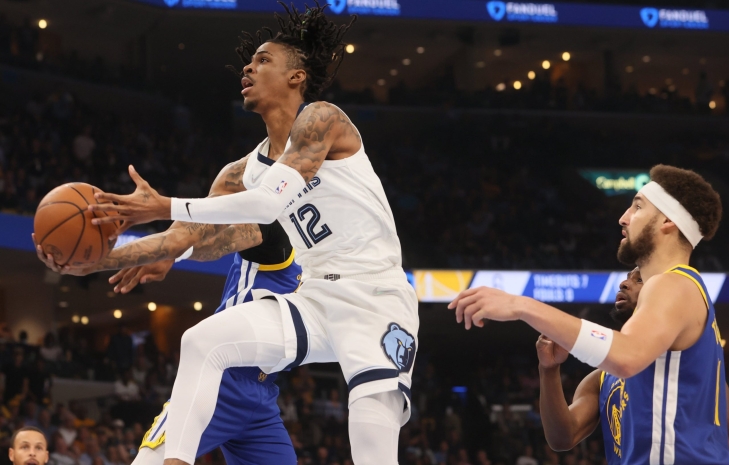
Sports betting is an industry that can often feel as large as that of sport itself. Similarly, you can be into sports betting and yet only experience a narrow slice of it due to the fact that all of your attention is focused on one sport. This might be a sport that you prefer or find yourself more familiar with, but the point still stands – there are new horizons to conquer, if you feel inclined to do so.
While football and horse racing often find themselves to be at the top of sports betting popularity lists, basketball is never far behind. It’s a sport that is more popular in the USA than the UK, where the former two might be preferred, so taking the time to acquaint yourself could be a good first step.
Getting Some Tips
The idea of betting on a sport that you’re completely unfamiliar with is something that comes with its fair share of hurdles, chief among these might simply be that you don’t have a sense of what’s a good bet and what’s completely clueless. If your level of knowledge regarding basketball is that low, brushing up on some basic statistics and fixtures could begin to give you an idea of what the landscape is looking like, but beyond that, you might need more specialist advice.
Knowing where to go for the best sports picks can mean that you begin to incorporate this advice into your own knowledge, allowing you to go to the best online sportsbooks with more confidence, and the more you practice, the stronger you’ll feel in this regard.
Watch Some Games
If betting is your priority as you try to get into basketball, it’s understandable that you would be eager to get the preliminary research out of the way as quickly as possible so you can get back to what you find most interesting about this whole experience. However, while you can read up all you want about the statistics and advised direction of bets, it might not mean all that much to you if you don’t have much familiarity with the game itself. For that reason, you might find that it’s a good idea to actually watch some games for yourself. If you’re in the UK, doing some research into which channel to head for here can be a good place to start.
Look Outside of the Game
How any given sport functions can vary greatly from one to another, so you might find that simply taking your knowledge from something like football and trying to apply it here won’t work. With basketball, for example, you might find that it benefits you to look outside of the one game that you’re betting on, to get an idea of how fatigued each player will be when it comes to that game in particular. With multiple games being played in a short span of time, factors such as this can make a big impact, and it could be something that you’re entirely unaware of if you’re unfamiliar with the sport.
