

 Not in Hall of Fame News
Yes, we know that this is taking a while! As many of…
 Not in Hall of Fame News
Yes, we know that this is taking a while! As many of…
 Not in Hall of Fame News
2002 SEMI-FINAL RESULTS: Thank you for your participation in the Pro Football…
 Not in Hall of Fame News
Yes, we know that this is taking a while! As many of…
 Not in Hall of Fame News
We are diligently working away at Notinhalloffame on revising our Football lists…
 Not in Hall of Fame News
We are diligently working away at Notinhalloffame on revising our Football lists…
 From the Desk of the Chairman
October baseball often turns individual pitching performances into lasting postseason memories. Strikeout…
 From the Desk of the Chairman
For decades, the sports debate ran on gut feeling. Barstool arguments, call-in…
 From the Desk of the Chairman
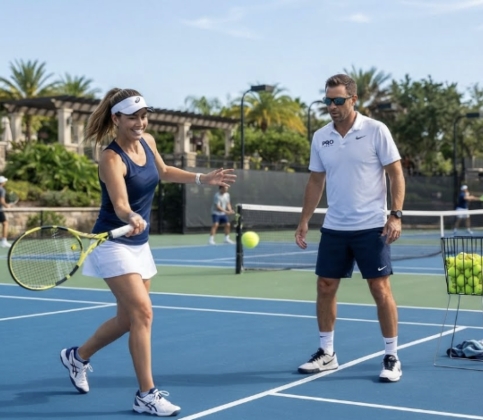
Introduction to Private Adult Tennis Camps in Prague Adult club players increasingly…
 From the Desk of the Chairman
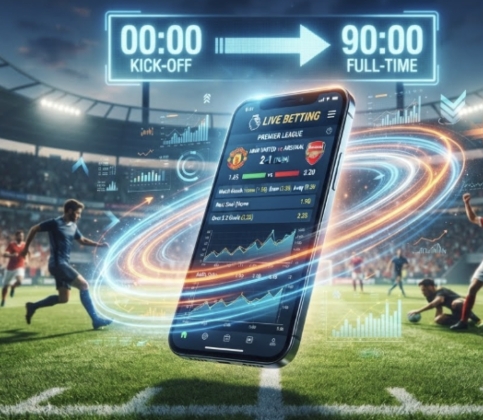
Unlike in the case of pre-match betting, where you have to pick…
 From the Desk of the Chairman
Kupu178 builds trust with people by using top-end end-to-end encryption. It checks…
 From the Desk of the Chairman
Sports fans thrive on calculating strategy, reading momentum, and maximizing every tactical…
100 Active Potential Football Hall of Famers
-
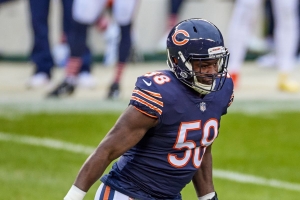 #31 Overall, Roquan Smith, Baltimore Ravens Linebacker, #3 Defensive Lineman/Linebacker: Interior Lineman2025 Pre-Season Rank #39, 2024 Pre-Season Rank #62, 2023 Pre-Season Rank #92, 2022 Pre-Season Rank #133, 2021 Pre-Season Rank #146. Peak Period: 2020-24…
 -
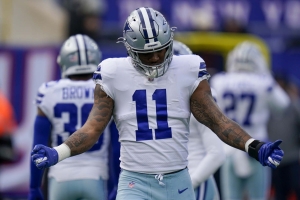 #29 Overall, Micah Parsons, Green Bay Packers, Linebacker, #10 Defensive Lineman/Linebacker: Pass Rusher2025 Pre-Season Rank #54, 2024 Pre-Season Rank #79, 2023: Pre-Season Rank #102. Peak Period: 2021-25 Here is what we wrote about Micah Parsons…
 -
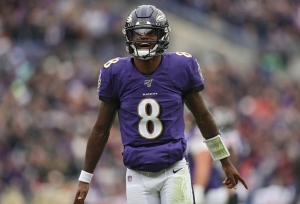 #12 Overall, Lamar Jackson, Baltimore Ravens, #4 Quarterback2025 Pre-Season Rank #10, 2024 Pre-Season Rank #14, 2023 Pre-Season Rank #30, 2022 Pre-Season Rank #38, 2021 Pre-Season Rank #46, 2020 Pre-Season Rank…in Quarterbacks
 -
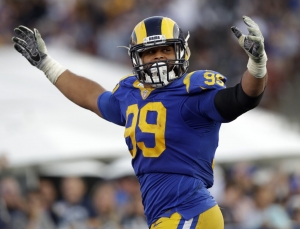 #1 Overall, Aaron Donald: Los Angeles Rams, Defensive End, #1 Defensive Lineman/Linebackers/Pass Rushers2020 Pre-Season Rank #15, 2021 Pre-Season Rank #5, 2022 Pre-Season Rank #3, 2023 Pre-Season Rank #2. PEAK 2017-21 Well, look who’s back! When…
Visit the Fictitious Halls of Fame!
You May Also Like...
EDITOR’S CHOICE
 DDT's Pop Flies
When the veterans committee (VC), officially convening as the Contemporary Baseball Era…
 Live Music Head
Project/Objectan interview with André Cholmondeleyby Live Music HeadOriginally published at timessquare.com on…
LATEST RANKINGS
MOST POPULAR RANKINGS

Committee Chairman
Devery Henderson and Fred McAfee named to the Saints Hall of Fame
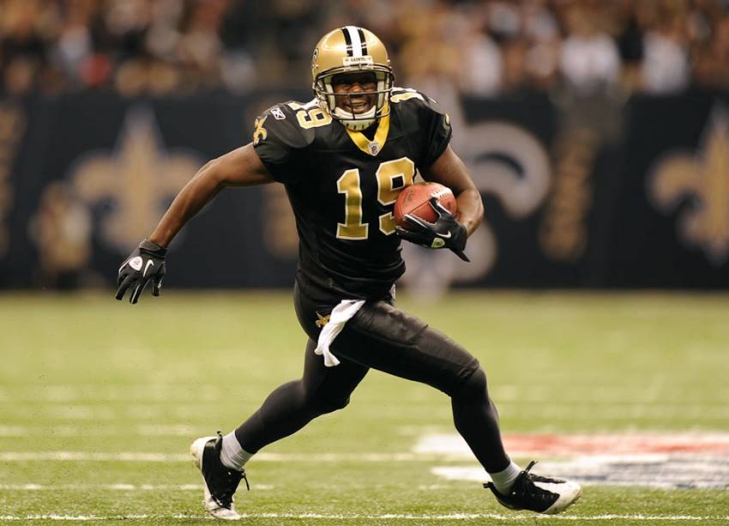
Regular visitors of Notinhalloffame.com know that we are slowly working on the top 50 of every major team in the NHL, NBA, NFL and MLB. Once that is done, we intend to look at how each team honor their past players, coaches and executives. As such, it is news to us that there will be two new members inducted into the New Orleans Saints Hall of Fame in 2022.
Former Saints, Fred McAfee and Devery Henderson have been chosen, along with Longtime Assistant Athletic Trainer, Kevin Mangum, who will receive the Joe Gemelli “Fleur de Lis” award for his contributions to the team.
McAfee was drafted in 1991 in the Sixth Round from Mississippi College and while he was listed at Running Back, his most potent contributions were in Special Teams. Playing for the Saints from 1991 to 1993 and 2000 to 2006, McAfee rushed for 897 Yards with 210 Special Teams Tackles. He was named to the Pro Bowl in 2002.
Henderson was a Second Round pick from LSU in 2004, and the Wide Receiver did not see any playing time until his second year. Playing his entire career with the team, Henderson 245 passes for 4,377 Yards and twice led the NFL in Yards per Reception (2006 & 2008). He was also a member of the Saints Super Bowl win in the 2009 Season.
We here at Notinhalloffame.com would like to newest members of the Saints Hall of Fame.
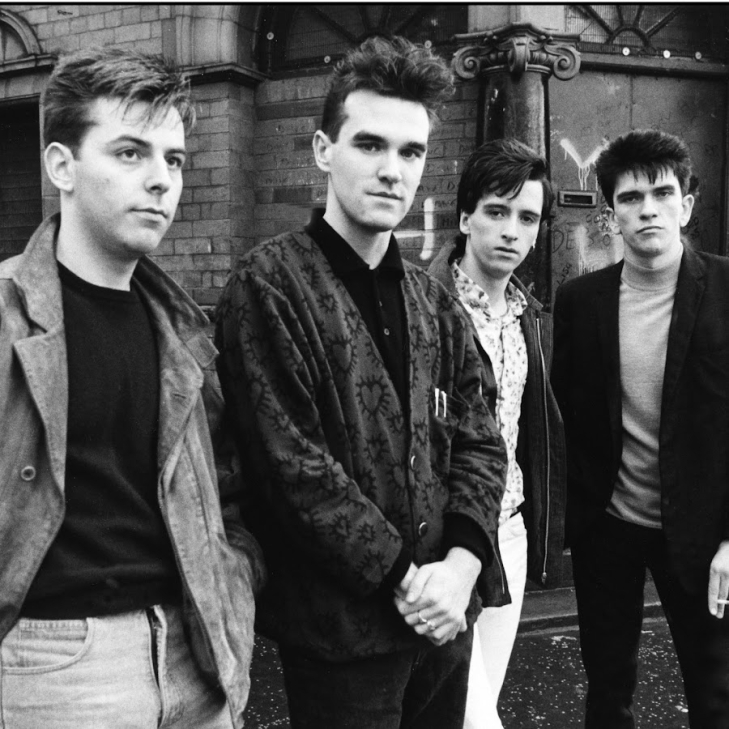
Our Notinhalloffame Rock List has been revised. The Smiths now #1
When the Rock and Roll Hall of Fame makes their annual announcement as to who was chosen for their institution, it is instantly our biggest news of the year. It also puts us to work as we have to revise (our now) 600 deep) list of those to consider for the Rock Hall.
While the process takes a long time, the methodology behind it is very simple:
Remove the artists who were inducted.
Add the relevant acts who we think should make the list.
Alter rankings based on your votes and comments.
Easy enough, right?
Let’s look at the new top ten, which has no first-time eligible acts.
The Smiths reach number one for the first time on our list. The Morrissey/Johnny Marr led group were nominated in 2015 and 2016, were number six last year and have a good chance to enter the Hall one day.
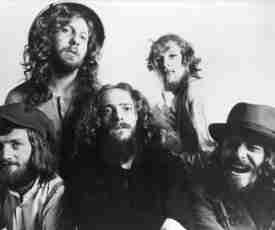
Coming in at #2 is Jethro Tull, who has never been nominated, though have been eligible since 1994. They move up from number five, and this is their highest rank yet.
Oasis is at #3, sliding one spot. They have only been eligible since 2020, but have never not been in the top five of our list.
New Order climbs up five rungs to #4, their highest rank yet. They have been Hall of Fame eligible since 2007.
Pixies also have a massive rise, moving up from #11 to #5. This is their first time in the top ten and top five, and they are also the highest non-British act and highest ranked Americans. What that means, we have no idea!
Does the shocking induction of Dolly Parton propel Willie Nelson into the Hall? We have been proponents of the King of Outlaw Country for years, and he inched up to #6 on this list, his highest rank to date.
Gram Parsons moved up from #8 to #7. Parsons has been eligible since 1993, and was nominated three times (2002, 2003 & 2005), but nothing in the last seventeen years.
MC5, who was nominated last year for the sixth time, the proto-punk outfit dropped one spot to #8.
King Crimson also appears in the top ten for the first time, elevating from #12 to #9. They have been eligible since 1995, but have yet to be nominated.
Joy Division also makes their first appearance in the top ten. Strangely, they are in the upper-tier with New Order, and while we believe there is a very strong case to put them in together, we also recognize their musical output was very different. They rose from #15.
You can find the entire list here.
As always, we thank you for your support, look forward to your comments, and ask you to vote on your favorites, or vote down those you deem unworthy of induction.
Biggest Omissions From The NBA Hall Of Fame
The NBA Hall of Fame is a special place reserved for the greatest players in the history of basketball. Its walls are decorated with stars such as Michael Jordan and Larry Bird.
But there are other players that many NBA fans believe should be sitting amongst them, and that’s what we’ll explore below. We’ll take a look at what the Hall of Fame is, some of the biggest omissions in its history, and we’ll also take a look at some of the latest NBA odds.
What Is The NBA Hall Of Fame?
The NBA Hall of Fame, otherwise known as the Naismith Memorial Basketball Hall of Fame, is the library dedicated to promoting and preserving the history of basketball.
It inducted its first class in 1959 but didn’t formally open a physical location until 1968. In its history since, it’s inducted referees and coaches into its grand halls, as well as over 400 players.
Biggest Omissions From The NBA Hall Of Fame
Let’s take a look at some of the players that ought to be in the NBA Hall of Fame.
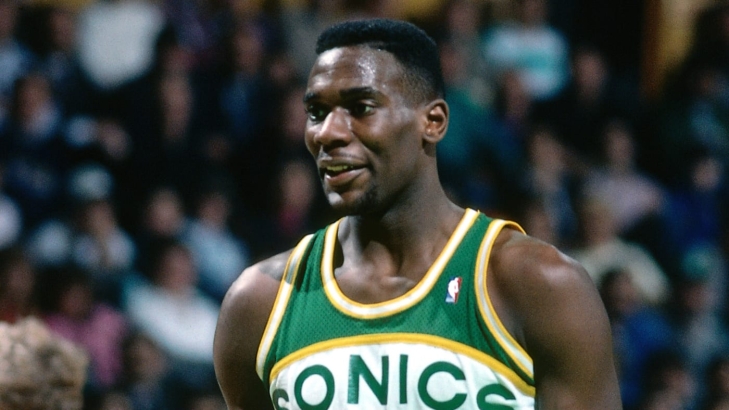
Shawn Kemp
Shawn Kemp was a 6-time All-Star and regarded as one of the best dunkers in NBA history. Not only did he have power, but flair too which made him such a watchable player.
Kemp rose to prominence during his time with the Seattle SuperSonics in the 1990s. In 1996, the SuperSonics reached the NBA Finals. They came up against a Chicago Bulls team that had on its roster Michael Jordan.
The Bulls prevailed in six games that year, but Kemp stood out with an impressive 20.9 points per game, 10.4 rebounds and 2.0 blocks.
For his heroics, Kemp has often been spoken of as a potential Hall Of Famer. But a sharp decline in performance toward the end of his career probably worked against him.
Chauncey Billups
Like Tim Hardaway, Chauncey Billups was also a 5-time All-Star, but he was also an NBA champion and also an NBA Finals MVP.
Billups had a slower start to life in the NBA. It wasn’t until his ninth season that he made his first All-Star team. But the late-bloomer went on to do things others never did in their careers.
He was influential in the Detroit Pistons’ championship-winning title run in 2004, averaging 21 points and 5.2 assists in the Finals.
It’s this improbable feat and his late rise to prominence that many believe is why Billups deserves a place in the Hall of Fame.
Kevin Johnson
Point guard Kevin Johnson is someone that many NBA fans believe should be in the Hall of Fame.
The former Phoenix Suns player was named an NBA All-Star an impressive three times and currently ranks in seventh place for all-time career assists per game.
Johnson had an eye for the pass as well as for the hoop. Before he ran into a troubling spell of injuries, he averaged at least 20 points per game and 10 assists. His No. 7 jersey has since been retired by the Suns.
Betting On The NBA
There are many different types of bets you can place when it comes to the NBA. And as the playoffs draw to a close and the NBA Finals begin, there’s a great deal of excitement building about who could win this year.
A popular type of bet in basketball is handicaps. The main reason for this is that you get greater odds. On the flip side, the bet is riskier, though there’s some flexibility to this type of bet which allows you to minimise the risk.
One approach to handicap betting is to bet on a team’s overall score. You can do this for a quarter, half or entire match by scores of +1.5, +2.5, +4.5 and so on.
So this means that if your team finishes with 70 points, but the other team has 73, and you’ve placed a handicap bet of +4.5, you win because your team’s score is raised to 74.5.
Another type of popular bet in basketball is the accumulator. This involves backing a number of different teams to win their matches. The more teams you pick, the greater the odds, but the harder the bet is to win.
Some people balance risk and reward by backing three or four teams. Usually, the odds are greater when it comes to backing away teams or underdogs.
The College Football Hall of Fame announces the 2023 Nominees
Buckle up, buckaroo.
There is a lot to take in here as the College Football Hall of Fame has announced their Finalists for the Class of 2023
Before we look at the list and the MANY people who have been nominated, let’s first look at how one becomes eligible.
1. The player in question must have been named a First Team All-American.
2. The player must have last played ten years ago.
3. The player’s outside record as a citizen is considered.
4. Players must have played their last year of college football at least 50 years ago.
5. A Coach is eligible three years after he retired or immediately if he is 70 years old. If a coach is still active at 75, he is automatically eligible.
That was the Coles Notes version.
The nominees are:
FBS Players:
Flozell Adams: Michigan State, Offensive Tackle 1997. Big Ten Offensive Linemen of the Year, allowed only two sacks in 1997.
Aaron Beasley: West Virginia, Defensive Back 1995. Two-time First Team All-Big East Selection. Led the NCAA in Interceptions (10) in 1992.
Eric Berry: Tennessee, Defensive Back 2009. Two-time All-American, 2009 Thorpe Award winner, and SEC Defensive Player of the Year. SEC all-time leader in Interception Return Yards.
Michael Bishop: Kansas State, Quarterback 1998. Won the Davey O’Brien Award and was the Heisman runner-up. Had 14 conference records at his retirement.
Justin Blackmon: Oklahoma State, Wide Receiver 2012. One of two players who won the Biletnikoff Award twice and finished fifth in 2010 Heisman Voting. A two-time American, Blackmon was the 2012 Fiesta Bowl MVP and set a record for fourteen conseuctive 100-Yard Receiving Yard Games.
Jeff Bregel: USC, Offensive Guard 1986. Won the Morris Trophy and helped lead the Trojans to a Rose Bowl win. Two-time All-American.
Larry Burton: Purdue, Split End 1974. Was the team MVP in 1974.
Reggie Bush: USC, Running Back 2004. Two-time All-American and two-time National Champion with the Trojans. Was the Heisman winner, but since returned the trophy. Also a two-time Pac-10 Player of the Year.
Rocky Calmus: Oklahoma, Linebacker 2001. Two-time All-American and 2001 Butkus Award winner. Won the BCS National Championship in 2001 and was the 2000 Big 12 Defensive Player of the Year.
George Carr: Auburn, Linebacker 1984. Three-time All-SEC Selection and 1984 SEC Lineman of the Year. Led the Tigers to the SEC Title in 1983.
Mark Carrier: USC, Safety 1989. Two-time First Team All-American and won the 1989 Jim Thorpe Award.
Ki-Jana Carter: Penn State, Running Back 1994. 1994 Heisman runner-up and MVP at the 1995 Rose Bowl. Two-time All-Big Ten Selection and leading rusher (1,539) in 1994.
Russell Carter: SMU, Defensive Back 1983. Three-time All-SWC Selection who brought the Mustangs to two league titles.
Matt Cavanaugh: Pittsburgh, Quarterback 1977. Led the Panthers to the National Championship in 1976, and was the MVP in the 1977 Sugar Bowl and 1977 Sugar Bowl.
Dallas Clark: Iowa, Tight End 2002. Two-time First Team Big Ten Selection and former Mackey Award winner.
Tim Couch: Kentucky, Quarterback 1998. Finished ninth in Heisman voting in 1997 and fourth in 1998. Named the 1998 SEC Player of the Year.
Brad Culpepper: Florida, Defensive Tackle 1991. Won the NFF Campbell Trophy as the top Scholar/Athlete. Two-time All-SEC Selection.
Ken Dorsey: Miami (FL), Quarterback 2002. Led the Hurricanes to back-to-back National Championship Games, winning one. Former Maxwell Player of the Year.
D.J. Dozier: Penn State, Running Back 1986. Vital part of the Nittany Lions 1986 National Championship and was eighth in Heisman voting that year.
Vaughn Dunbar: Indiana, Running Back 1991. Led the NCAA in rushing (1,805) in 1991 and was sixth in Heisman voting.
Warrick Dunn: Florida State, Running Back 1996. National Champion in 1993. Only Seminole to rush for over 1,000 Yards in three straight seasons.
Dwight Freeney: Syracuse, Defensive End 2001. Holds the NCAA record for Sacks per Game (1.61). 2001 Big East Co-Defensive Player of the Year, and conference record holder in single-season Sacks (17.5 in 2001).
Robert Gallery: Iowa, Offensive Tackle 2003. 2003 Outland Trophy winner. Two-time Big Ten Selection and former Big Ten Offensive Lineman of the Year.
Joe Garten: Colorado, Offensive Guard 1990. Two-time All-American, and 1990 National Champion.
Willie Gault: Tennessee, Wide Receiver 1982. Led the Volunteers to three Bowls and set six offensive records in the SEC.
Toby Gerhart: Stanford, Running Back 2009. Won the Doak Walker Award and was the Heisman runner-up in 2009. Pac-10 Offensive Player of the Year and career-Rushing Touchdown leader at Stanford (44).
Tony Gonzalez: California, Tight End 1996. One-time All-Pac 10 Selection.
Dan Hampton: Arkansas, Defensive Tackle 1978. Two-time All-SWC Selection
Kevin Hardy: Illinois, Linebacker 1995. Butkus Award winner and two-time All-Big Ten Selection. Had 18 Sacks and 38 Tackles for Loss.
Marvin Harrison: Syracuse, Kick Returner & Wide Receiver 1995. Three-time All-Big East Selection. All-time leader in Receiving Yards at Syracuse (2,718).
Garrison Hearst: Georgia, Running Back 1992. Winner of the Doak Walker Award, and finished third in Heisman voting in 1992. 1992 SEC Player of the Year. 3,232 Rushing Yards.
Josh Heupel: Oklahoma, Quarterback 2000. Walter Camp Player of the Year. Heisman runner-up. 2000 Big 12 Player of the Year and 2001 National Champion.
Craig Heyward: Pittsburgh, Running Back 1987. Won Rushing Title and was fifth in Heisman Voting in 1987. Rushed for 3,086 Yards.
Steve Hutchinson: Michigan, Offensive Lineman 2000. Won four Bowls, including the 1997 Rose Bowl, which won the National Championship. Four-time All-Big Ten Selection.
Bradie James: LSU, Linebacker 2002. NFF Scholar-Athlete. 418 career Tackles.
LaMichael James: Oregon, Running Back 2010. Two-time First Team All-American, and leading rusher (1,731 Yards) in 2010. Was third in Heisman voting and Doak Walker Award winner.
Sebastian Janikowski: Florida State, Place Kicker 1999. Two-time First Team All-American and only two-time Lou Groza Award winner. Won National Title in 2000.
Derrick Johnson: Texas, Linebacker, 2004. Two-time All-American and 2004 Butkus Award, Nagurski Trophy winner and Big 12 Defensive Player of the Year. Three-time All-SEC Selection.
Levon Kirkland: Clemson, Linebacker 1991. 1990 Butkus Award Finalist. Three-time All-ACC Selection.
Luke Kuechly: Boston College, Linebacker 2011. Two-time First Team All-American and won the 2011 Butkus, Nagurski and Lombardi Award. Also won the 2011 ACC Defensive Player of the Year.
Antonio Langham: Alabama, Defensive Back 1993. Had 19 Interceptions and took the Crimson Tide to the 1992 National Championship.
James Laurinaitis: Ohio State, Linebacker 2007. Three-time All-American and two-time Big Ten Defensive Player of the Year. Two-time National Champion. 2007 Nagurski and 2006 Butkus winner.
Ryan Leaf: Washington State, Quarterback 1997. Finished third in Heisman voting in 1997 and won the Pac-10 Offensive Player of the Year.
John Lee: UCLA, Place Kicker 1985. Two-time All-American. Two-time Pac 10 Selection.
Ray Lewis: Miami (FL), Linebacker 1995. 1995 Butkus Award runner-up and was a two-time All-Big East Selection.
Todd Lyght: Notre Dame, Defensive Back 1985. Two-time All-American. Won 1988 National Championship. Thorpe Award Finalist.
Marshawn Lynch: California, Running Back 2006. Pac-10 Offensive Player of the Year and two-time Bowl MVP (2005 Las Vegas & 2006 Holiday).
Jeremy Maclin: Missouri, Wide Receiver 2008. Two-time All-American. Two-time Big 12 Selection. 5,609 All-Purpose Yards.
Terance Mathis: New Mexico, Wide Receiver 1989. Three-time All-WAC Selection and set a then-record for All-Purpose Yards (6,691).
Chris McIntosh: Wisconsin, Offensive Lineman 1999. Big-10 Offensive Lineman of the Year in 1999, and won two Big Ten Titles.
Bryant McKinnie: Miami, Offensive Tackle 2001. Two-time All-American and two-time All-Big East Selection. Outland Trophy winner and National Champion in 2001.
Heath Miller: Virginia, Tight End 2004. 2004 Mackey Award winner and three-time All-ACC Selection.
Corey Moore: Virginia Tech, Defensive Lineman 1999. Two-time All-American and 1999 Lombardi and Nagurski Award winner. Two-time Big East Defensive Player of the Year.
Herman Moore: Virginia, Wide Receiver 1990. Sixth in Heisman voting in 1990. All-time leader in Yards per Reception (22.0). All-time school leader in Receiving Yards (2,504) and Touchdown Receptions (27).
Kellen Moore: Boise State, Quarterback. Finished career with a .943 winning percentage. All-time school leader in Passing Yards (14,667) and three-time Conference Player of the Year.
Dan Neil: Texas, Offensive Lineman 1996. Two-time All-American and two-time All-Conference Selection.
Haloti Ngata: Oregon, Defensive Tackle 2005. Two-time All-Pac 10 Selection and first Duck to win the Pac-10 Defensive Player of the Year in 2005. Also was a finalist for the Nagurski and Outland Trophy.
Ken Norton Jr.: UCLA, Linebacker 1987. Four Bowl wins. 339 career Tackles.
Julius Peppers: North Carolina, Defensive End 2001. Bednarik and Lombardi Award winner and tenth-place finisher for the Heisman. Two-time All-ACC Selection.
Paul Posluszny: Penn State, Linebacker 2005. Two-time All-American and two-time Bednarik Award winner. 2005 Butkus Award winner.
Antwaan Randle El: Indiana, Quarterback 2001. First player in the FBS to pass for 6,000 Yards and Rush for 3,000.
Errict Rhett: Florida, Running Back 1993. Three-time All-SEC Selection in 1994 Sugar Bowl MVP. All-time Gators leader in Rushing Yards (4,163).
Simeon Rice: Illinois, Linebacker 1995. Two-time All-Time American and three-time Big Ten Selection. School leader in Sacks (44.5).
Ron Rivera: California, Linebacker 1983. Lombardi Award Finalist and Pac 10 Co-Defensive Player of the Year.
Matt Russell: Colorado, Linebacker 1996. Two-time All-Conference Selection and 1996 Butkus Award winner.
Chris Samuels: Alabama, Offensive Tackle, 1999. Two-time All-SEC Selection and Outland Trophy winner.
Larry Seivers: Tennessee, Wide Receiver 1976. Two-time All-American. 1,924 Receiving Yards.
Dewey Selmon: Oklahoma, Defensive Lineman, 1975. Two-time All-Big Eight Selection and two-time National Champion. Had two 100-plus Tackle years.
Alex Smith: Utah, Quarterback 2004. Led the Utes to their first 12-0 year and won the 2005 Fiesta Bowl. Named the 2004 MWC Offensive Player of the Year.
Justin Smith: Missouri, Defensive Lineman 2000. Two-time All-Big 12 Selection and retired as school leader in Sacks (22.5).
Kevin Smith: Texas A&M, Cornerback 1991. Three-time All-SWC Selection and all-time Aggies leader in Interceptions (20).
Michael Stonebreaker: Notre Dame, Linebacker 1990. Two-time All-American and National Champion in 1988.
Taylor Stubblefield: Purdue, Wide Receiver 2004. Set a then record for Receptions (316) ad was a two-time All-Big Ten Selection. 2004 Biletnikoff Finalist.
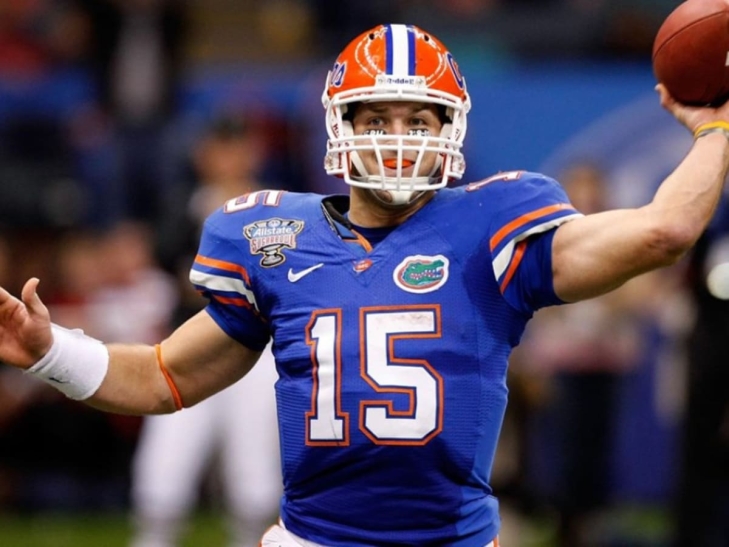
Tim Tebow: Florida, Quarterback 2008. Won the Heisman as a sophomore and was a two-time National Champion. Also, a three-time SEC Offensive Player of the Year.
Troy Vincent: Wisconsin, Defensive Back 1991. Thorpe Award runner-up. Two-time All-Big Ten Selection and former Big Ten Co-Defensive Player of the Year.
Chris Ward: Ohio State, Offensive Tackle 1977. Two-time All-American and three-time All-Big Ten Selection.
Peter Warrick: Florida State, Wide Receiver 1999. Two-time All-American and National Champion. Two-time All-ACC Selection with 3,517 Yards.
Eric Weddle: Utah, Defensive Back 2006. Two-time MWC Defensive Player of the Year and Fiesta Bowl winner.
DeAngelo Williams: Memphis, Running Back 2005. Three-time C-USA Offensive Player of the Year and retired as the then all-time leader in All-Purpose Yards (7,575). Finished seventh in Heisman voting in 2005.
Luis Zendejas: Arizona State, Place Kicker 1983. Four-time All-Pac 10 Selection.
FBS Coaches:
Larry Blakeney: Troy, 1991-2014.
Jim Carlen: West Virginia 1966-69, Texas 1970-74 & South Carolina 1975-81.
Pete Cawthon Sr.: Austin College 1923-27 & Texas Tech 1930-40.
Larry Coker: Miami 2001-06 & Texas-San Antonio 2011-15.
Ralph Friedgen: Maryland 2001-10
Paul Johnson: Georgia Southern 1997-01, Navy 2002-07 & Georgia Tech (2008-18)
Mark Richt: Georgia 2001-15 & Miami (FL) 2006-18
Darryl Rogers: Cal State East Bay 1965, Fresno State 1966-72, San Jose State 1973-75, Michigan State 1976-79 & Arizona State 1980-84.
Frank Solich: Nebraska 1998-03 & Ohio 2005-20
Divisional Players:
Ashley Ambrose: Mississippi Valley State, Defensive Back 1991.
Archie Amerson: Northern Arizona, Running Back 1996.
Rick Bealer: Lycoming, Defensive Back 1990.
Rennie Benn: Lehigh, Wide Receiver 1985.
Bill Borchert: Mount Union, Quarterback 1997.
John Bothe: Augustana, Center 1988.
Carl Boyd: Northern Illinois, Running Back 1987.
Vincent Brown: Mississippi Valley State 1987.
Joe Campbell: Middle Tennessee State, Running Back 1990.
William Campbell: Western Colorado, Defensive Back 1979.
Vin Carioscia: Franklin & Marshall, Offensive Tackle 1982.
Roger Carr: Louisiana Tech, Wide Receiver 1973.
Peter Catan: Eastern Illinois, Defensive End 1980.
Steve Cockerham: Akron, Linebacker 1977.
Bruce Collie: Texas-Arlington, Offensive Tackle 1984.
Tom Collins: Indianapolis, Defensive Back 1985.
Ray Condren: Gettysburg, Running Back 1984.
Mark Cotney: Cameron, Defensive Back 1974.
Case deBruijn: Idaho State, Punter 1981.
Parnell Dickinson: Mississippi Valley State, Quarterback 1975.
William Dillon: Virginia Union, Free Safety 1982.
Al Dorenkamp: Central Iowa, Linebacker 1974.
John Dorsey: Connecticut, Linebacker 1983.
Chuck Downey: Stony Brook, Safety 1987.
Matt Dunigan: Louisiana Tech, Quarterback 1982.
Tom Ehrhardt: Rhode Island, Quarterback 1985.
Keith Elias: Princeton, Running Back 1993.
Curtis Eller: Villanova, Linebacker 1992.
Blake Elliott: Saint John’s, Wide Receiver 2003.
Richard Erenberg: Colgate, Running Back 1983.
Jahri Evans: Bloomsburg, Offensive Lineman 2005.
John Fitzgerald: Central Oklahoma, Offensive Guard 1998.
Bernard Ford: Central Florida, Wide Receiver 1987.
Duane Fritz: Chadron State, Punter 1975.
Rick Fry: Occidental, End 1977.
Bob Gaddis: Mississippi Valley State, Wide Receiver 1974.
Chris George: Glenville State, Wide Receiver 1994.
Don Greco: Western Illinois, Offensive Guard 1980.
Don Griffin: Middle Tennessee State, Safety 1985.
Ron Hausauer: Jamestown, Offensive Guard 1981.
Pat Hauser: Cal State Northridge, Offensive Tackle 1983.
Bobby Hedrick: Elon, Running Back 1980.
Chris Hegg: Truman State, Quarterback 1985.
Bob Heller: Wesleyan, Center 1985.
Billy Hess: West Chester, Wide Receiver 1988.
Lynn Hieber: Indiana, Quarterback 1975.
Rene Ingoglia: Massachusetts, Running Back 1980.
Louis Jackson: Cal Poly, Running Back 1980.
Terron Jackson: Missouri Sothern State, Offensive Tackle 1972.
John Jurkovic: Eastern Illinois, Defensive End 1989.
Ed Kelley: Hampden-Sydney- Defensive End 1975.
Bill Kollar: Montana State, Defensive End 1973.
Gary Kuhlman: Delaware, Offensive Tackle 1981.
Sean Landeta: Towson, Punter 1982.
Jeff Loots: Southwest Minnesota State, Quarterback 1992.
Al Lucas: Troy, Defensive Lineman 1999.
Vince Mazza: Ashland, Place Kicker and Punter 1986.
Steve McAdoo: Middle Tennessee State, Offensive Lineman 1992
Gary McCauley: Clarion, Tight End 1981.
Fran McDermott: St. Mary’s, Defensive Back 1981.
Bill McGovern: Holy Cross, Defensive Back 1984.
Tony Miles: Northwest Missouri State, Wide Receiver 1999.
Carl Morris: Harvard, Wide Receiver 2002.
Robert Morris: Georgetown, Defensive End 1974.
Kenneth Murawski: Carnegie Mellon, Linebacker 1981.
Timmy Newsome: Winston Salem State, Running Back 1978.
Ed O’Brien: Central Florida, Place Kicker 1987.
Randy Page: Central Oklahoma, Quarterback 1982.
Chris Parker: Marshall, Running Back 1995.
Alonzo Patterson: Wagner, Running Back 1982.
Ted Petersen: Eastern Illinois, Center 1976.
Martin Peterson: Pennsylvania, Offensive Tackle 1986.
Charlie Pierce: Central Florida, Punter & Place Kicker 1993.
Dave Pomante: Whitworth, Defensive Lineman 1981.
Tyrone Poole: Fort Valley State, Defensive Back 1994.
Gerry Quinlivan: Buffalo, Linebacker 1984.
Michael Renna: Delaware, Defensive End 1990.
David Rhodes: Central Florida, Wide Receiver 1993.
Kirk Roach: Western Carolina, Place Kicker 1986.
Bobby Saiz: Adams State, Quarterback 1989.
Jeff Schebler: Wisconsin-Whitewater, Place Kicker 2009.
Terry Schmidt: Ball State, Defensive Back 1973.
Joe Skladany: Lafayette, Linebacker 1981.
Ed Smith: Bethel, Wide Receiver 1985.
Paul Smith: Gettysburg, Return Specialist 1999.
Tom Stenglein: Colgate, Wide Receiver 1985.
Freddie Thomas: Troy, Defensive Back 1987.
Markus Thomas: Eastern Kentucky, Tailback 1998.
Brad Tokar: Westminster, Running Back 1990.
Jay Wessler: Illinois College, Running Back 1980.
Brian Westbrook: Villanova, Running Back 2001.
Tim Whelan: Tufts, Running Back 1976.
Mike Wiggins: Iowa Wesleyan, Punter 1987.
Jerry Woods: Northern Michigan, Defensive Back 1988.
John Zanieski: Yale, Middle Guard 1984.
Divisional Coaches:
Dick Biddle: Colgate, 1996-13.
Monte Cater: Lakeland (WI), 1981-86, Shepherd (WV) 1987-17.
Paul Durham: Linfield, 1948-67.
Jim Feix: Western Kentucky, 1968-83.
Howard Fletcher: Northern Illinois, 1956-68.
Ross Fortier: Minnesota Moorhead, 1970-92.
Morley Fraser: Albion, 1954-68.
Danny Hale: West Chester, 1984-88 & Bloomburg 1993-12.
Walt Hameline: Wagner 1981-14
Eddie Hurt: Virginia Lynchburg, 1925-28 & Morgan State 1930-59.
Art Keller: Carthage, 1952-82.
Glenn Killinger: Dickinson, 1922, Rensselaer 1927-32, Moravian 1933, West Chester 1934-41 & 1945-49.
Larry Korver: Northwestern College, 1967-94.
Roy Kramer: Central Michigan, 1967-77.
Maxie Lambright: Louisiana Tech 1967-78.
Dick Lowry: Wayne State 1974-79 & Hillsdale 1980-96.
James Malosky: Minnesota-Duluth 1958-97.
George Mihailik: Slippery Rock (PA) 1988-15.
Don Miller: Trinity 1967-98.
Steve Mohr: Trinity 1990-2013.
Charles Murphy: Middle Tennessee State 1947-68.
Jim Ostendarp: Amherst 1959-91.
Forrest Perkins: Wisconsin-Whitewater, 1956-84.
Bill Ramseyer: Wilmington, 1972-90 & Virginia’s College at Wise, 1991-01.
Dwight Reed: Lincoln, 1949-71.
Pete Schmidt: Albion, 1983-96.
Gideon Smith: Hampton, 1921-40.
Clyde “Buck” Starbeck: Northern Iowa, 1936-42 & 1945-57.
Clarence Stasavich: Lenoir-Rhyne 1946-61 & East Carolina 1962-69.
Lou Wacker: Emory & Henry (1982-2004)
John Whitehead: Lehigh, 1976-86.
Alex Yunevich: Alfred, 1937-41 & 1946-76.
Allen Zikmund: Nebraska-Kearney, 1955-71.
The announcement will not be made until early next year.
