
A look at the 2027 Baseball Hall of Fame Players Ballot
The Baseball Hall of Fame announced their Modern Era Ballot, which included 13 holdovers and 14 first-timers. Over 400 Baseball Writers’ Association of America members will vote on this group, and any candidate who receives more than 75% of the vote will be inducted. A candidate who fails to reach 5% will be removed. The writers can vote for up to ten candidates.
The voters must return their ballots by December 31. The announcement will take place on the MLB Network on January 19.
The 13 returning candidates are:
Bobby Abreu: (8th year on the ballot, 30.8% last year). HOU 1996-97, PHI 1998-2006, NYY 2006-08, LAA 2008-12, LAD 2012 & NYM 2014.
Ahead of his time as an on-base and power-speed machine, Abreu compiled a statistical profile that looks stronger every year through modern analytics. In his 18 seasons—highlighted by nine stellar years in Philadelphia—the two-time All-Star posted a .291/.395/.475 slash line, 2,470 hits, 288 home runs, 400 stolen bases, and 1,476 walks, making him one of only a handful of players in MLB history to reach 250 homers and 400 steals. Despite lacking gaudy award hardware, his 60.2 bWAR and elite plate discipline have fueled steady upward momentum on the ballot.
Amazingly, he barely escaped his first ballot (5.5% in 2020), and without his significant jump last year from 19.5% to 30%, it would have been nearly impossible to envision a path. On this ballot, he should enjoy a double-digit jump, and he will have to, as he only has three years left.
Mark Buehrle (7th year on the ballot, 20% last year). CHW 2000-11, MIA 2012 & TOR 2013-15.
Working at a brisk tempo with pinpoint command rather than overpowering velocity, Buehrle was a model of consistency over 16 seasons with the White Sox, Marlins, and Blue Jays. The five-time All-Star and four-time Gold Glove winner logged at least 200 innings in 14 consecutive campaigns, threw both a no-hitter (2007) and a perfect game (2009), and played a vital role on Chicago's 2005 World Series championship team. Finishing with a 214–160 record, a 3.81 ERA, and 59.0 bWAR, he remains a favorite among voters who prize durability and run prevention.
The problem is that not many voters have come to that conclusion, as he finally made it to an even 20% on last year’s ballot. There is still a lot of time, and arguably there are no new pitchers on the ballot who should leapfrog him. A climb to 30% is not off the table for Buehrle.
Cole Hamels (2nd year on the ballot, 23.8 % last year). PHI 2006-14, TEX 2015-18, CHC 2018-19 & ATL 2020.
One of the premier left-handers of his era, Hamels combined a devastating changeup with big-game poise across 15 seasons with the Phillies, Rangers, Cubs, and Braves. He earned four All-Star selections, won both NLCS and World Series MVP honors during Philadelphia's 2008 championship run, and threw a no-hitter against the Cubs in 2015. Retiring with a 163–122 record, a 3.43 ERA (123 ERA+), 2,560 strikeouts, and 59.0 bWAR, Hamels debuted solidly on the 2026 ballot and enters his second year poised to build support.
Hamels had a good ballot debut with 23.8%, and that 2008 World Series performance still resonates. While he never won the Cy Young, he finished in the top ten four times and boasts 2,560 strikeouts. Many of the voters who will select Buehrle will likely do the same for Hamels, and if we are right about Buehrle, Hamels should break 30% this year.
Felix Hernandez (3rd year on the ballot, 46.1% last year). SEA 2005-19.
"King Félix" dominated the American League during a dazzling decade in Seattle, earning six All-Star selections, winning the 2010 AL Cy Young Award, and throwing the 23rd perfect game in major league history in 2012. Though injuries rapidly eroded his effectiveness in his early thirties and prevented him from reaching traditional counting milestones—finishing 169–136 with a 3.42 ERA, 2,524 strikeouts, and 49.8 bWAR—his peak brilliance and iconic status in Seattle have driven a rapid surge in voter support.
If this were ten years ago, Hernandez would not have made the first ballot, which would have been criminal. As it stands now, the sabermetrics show off the phenomenal seasons that traditional wins never could. King Felix jumped 26 percent last time, and in year three, he could do it again. Entering the Hall in year three is on the table.
Torri Hunter (6th year on the ballot, 8.7% last year). MIN 1997-2006, LAA 2008-12, DET 2013-14 & MIN 2015.
A dynamic center fielder renowned for robbing home runs at the wall, Hunter won nine consecutive Gold Gloves from 2001 through 2009 while anchoring the Minnesota Twins, Los Angeles Angels, and Detroit Tigers. Beyond his highlight-reel defense, he was a five-time All-Star and two-time Silver Slugger who amassed 2,452 hits, 353 home runs, 1,391 RBIs, and 195 stolen bases over 19 seasons. Hunter has consistently cleared the five-percent threshold to remain on the ballot, though his support has hovered in the single digits.
Hunter was one of the most electric players we ever saw, but that isn’t the main attribute Cooperstown looks for. He has been treading water and has yet to break 10%, and his highest vote total was in year one (9.5%). Hunter will survive again, but likely won’t gain much.
Dustin Pedroia (2nd year on the ballot, 20.7% last year) BOS 2006-19.
A fiery, undersized second baseman who maximized every ounce of talent, Pedroia spent his entire 14-year career with the Boston Red Sox, winning the 2007 AL Rookie of the Year Award and the 2008 AL MVP Award. The four-time All-Star and four-time Gold Glove winner helped Boston capture World Series titles in 2007 and 2013 while batting .299 with 1,805 hits and 51.8 bWAR. Although a severe knee injury effectively ended his career after age 33, his high peak and two-way excellence have earned him a steady foothold on the ballot.
Pedroia may not have the overall statistics of a Hall of Fame infielder, but he does have the HOF story and HOF heart. He has an excellent opportunity to see a significant jump.
Andy Pettitte (9th year on the ballot, 48.5% last year) NYY 1995-2003, HOU 2004-06, NYY 2007-10 & 2012-13.
Entering his penultimate year of BBWAA eligibility, Pettitte pairs a 256–153 regular-season record, 2,448 strikeouts, and 60.2 bWAR with an unmatched postseason legacy. Over 18 seasons with the New York Yankees and Houston Astros, the three-time All-Star left-hander won five World Series rings and set all-time major league playoff records for wins (19), starts (44), and innings pitched (276 2/3). While his admission of past HGH use slowed his early candidacy, his support has climbed steadily toward the 50-percent mark as his final ballots approach.
He was in the teens in voting from 2020 to 2024, then shockingly jumped to 27.9% in 2025, and then even more shockingly rocketed to near 50% last year. Is he forgiven, and does he have another jump in him in 2027?
Alex Rodriguez (6th year on the ballot, 40% last year) SEA 1994-2000, TEX 2001-03 & NYY 2004-16.
By purely on-field metrics, Rodriguez owns one of the greatest resumes in baseball history: 696 home runs, 3,115 hits, 2,086 RBIs, a .295/.380/.550 slash line, three AL MVP awards, 14 All-Star nods, two Gold Gloves at shortstop, a 2009 World Series title, and 117.4 bWAR. However, his repeated links to performance-enhancing drugs—culminating in a season-long suspension for the entire 2014 campaign—have kept his Hall of Fame vote share stalled around 40 percent through five appearances on the ballot.
This is the trick with A-Rod; he was popped for PEDs AFTER the union, and MLB agreed on suspensions for its use. While there are suspected PED users in the Hall, none of them ever tested positive in that time frame like Rodriguez. While he did reach 40% for the first time last year, he started at 34.3%, which doesn’t suggest many voters have changed their minds about his candidacy. They likely won’t this year either.
Francisco Rodriguez (5th year on the ballot, 11.8% last year) ANA/LAA 2002-08, NYM 2009-11, MIL 2011-13, BAL 2013, MIL 2014-15 & DET 2016-17.
Nicknamed "K-Rod," Rodríguez burst onto the national stage as a 20-year-old reliever during the Anaheim Angels' 2002 World Series championship run and became one of the most prolific closers of the 21st century. In 2008, he shattered the single-season major league record with 62 saves, part of a 16-year career that produced 437 saves (sixth all-time), six All-Star selections, a 2.86 ERA, and 1,142 strikeouts in 976 innings.
Despite his elite save totals and strikeout rate, he has remained in the low teens among Cooperstown voters, though his numbers are similar to Billy Wagner's. That said, Rodriguez’ numbers blow all other relievers away on this ballot, and he has an outside shot at exceeding 20% on the next vote.
Jimmy Rollins (6th year on the ballot, 25.4% last year) PHI 2000-14, LAD 2015 & CHW 2016.
The sparkplug of Philadelphia's golden era, Rollins combined power, speed, and Gold Glove defense at shortstop across 17 seasons, spending 15 of them with the Phillies. He won the 2007 NL MVP Award after becoming just the fourth player in MLB history to record 20 doubles, 20 triples, 20 home runs, and 20 stolen bases in a single season, and he led Philadelphia to a World Series title in 2008. Retiring with 2,455 hits, 231 home runs, 470 stolen bases, and four Gold Gloves, Rollins has built gradual support into the mid-20s.
Rollins had a nice jump last year (18.0 to 25.4) and will have to do that again to make a serious push.
Chase Utley (3rd year on the Ballot, 59.1% last year) PHI 2003-15 & LAD 2015-18.
The frontrunner among returning candidates after clearing 59 percent on the 2026 ballot, Utley defined hard-nosed, all-around excellence at second base for the Philadelphia Phillies and Los Angeles Dodgers. From 2005 through 2014, few players in baseball matched his combination of power, plate discipline, elite baserunning, and defensive range, earning him six All-Star selections, four Silver Sluggers, and a 2008 World Series ring. Although injuries limited his late-career counting totals to 1,885 hits and 259 homers, his 64.6 bWAR and 49.3 seven-year peak WAR align squarely with Hall of Fame standards.
While his numbers seem HOF-worthy based on bWAR, Utley’s path to Cooperstown has been remarkably quick thus far. This is not a shot at Utley, but the ballots haven’t been loaded while Utley has been on them. As the highest returnee, Utley should be able to enter the Hall in January. How is Lou Whitaker not in again?
Omar Vizquel (10th year on the ballot, 18.4% last year) SEA 1989-93, CLE 1994-2004, SFG 2005-08, TEX 2009, CHW 2010-11 & TOR 2012.
Making his tenth and final appearance on the BBWAA ballot, Vizquel built his candidacy on legendary defensive longevity at shortstop across 24 major league seasons. He won 11 Gold Gloves, collected 2,877 hits, stole 404 bases, and set all-time records for games played (2,709) and double plays turned at shortstop. After climbing past 52 percent of the vote earlier in his ballot run, Vizquel’s support plummeted into the teens following serious off-field domestic abuse and sexual harassment allegations, making his final ballot largely symbolic.
Vizquel’s fall from the ballot is the most dramatic in Baseball Hall history, and there is no chance that he appears on a senior ballot. None.
David Wright (3rd year on the ballot, 14.8% last year) NYM 2004-18
"Captain America" spent his entire 14-year career with the New York Mets, becoming the franchise's all-time position-player leader in hits (1,777), doubles (390), RBIs (970), runs (949), walks (762), and bWAR (49.2). Between 2005 and 2013, Wright was one of the National League’s premier third basemen, earning seven All-Star selections, two Gold Gloves, and two Silver Sluggers while posting a .296/.376/.491 career slash line. Spinal stenosis tragically cut short his prime after age 30, leaving voters to weigh a brilliant decade-long peak against truncated career totals.
Wright is another on the ballot who is a “lifer” who is beloved in his home base and respected universally, but without some serious hardware, it will be hard to make a huge jump, though this ballot helps him. If he can get to 20% on this vote, a climb to Cooperstown is possible, especially if most voters max out their ballot.
The 14 first-time candidates are:
Jake Arieta, BAL 2010-13, CHC 2013-17, PHI 2018-20, CHC 2021 & SDP 2021.
Arrieta authored one of the most remarkable mid-career turnarounds in modern pitching history. After struggling early in his career with the Baltimore Orioles, he emerged as an ace upon joining the Chicago Cubs. During a four-year peak from 2014 through 2017, he won the 2015 National League Cy Young Award with a 22–6 record and a 1.77 ERA, recorded two no-hitters, and anchored Chicago’s historic 2016 World Series championship rotation. Injuries and declining velocity later curtailed his effectiveness with Philadelphia and San Diego. He concluded his career with a 115–93 record, a 3.98 ERA, and 1,433 strikeouts across 12 major league seasons.
A forever legend in Wrigley? Absolutely! Hall of Fame worthy? Unlikely, but we expect him to get a handful of votes.
Jay Bruce, CIN 2008-16, NYM 2016-17, CLE 2017, NYM 2016, SEA 2019, PHI 2019-22 & NYY 2021.
Bruce provided reliable left-handed power over 14 major league seasons, primarily patrolling right field for the Cincinnati Reds before late-career stops with the Mets, Indians, Mariners, Phillies, and Yankees. A three-time All-Star and two-time Silver Slugger winner, he belted 319 career home runs, cleared the 20-homer mark 10 times, and topped 30 home runs in four separate campaigns while driving in 981 runs. Beyond his pull-side thunder, Bruce was a steady, durable defender who regularly ranked among National League leaders in outfield assists and putouts.
Bruce, a member of the 300-Home Run club who finished 10th in MVP voting twice, will be fortunate to receive at least five votes.
Asdrubal Cabrera, CLE 2007-14, WSN 2014, TBR 2015, NYM 2016-18, PHI 2019, TEX 2019, WSN 2019-20, ARI 2021 & CIN 2021.
A switch-hitting middle infielder known for smooth defensive actions—including an unassisted triple play in 2008—Cabrera enjoyed a productive 15-year career spanning nine franchises, highlighted by eight seasons in Cleveland. He earned consecutive American League All-Star nods in 2011 and 2012 and won a Silver Slugger in 2011 after setting a Cleveland shortstop record with 25 home runs. Later in his career, he transitioned seamlessly around the infield, played a key role in the Washington Nationals' 2019 World Series title run, and retired with 1,763 hits, 195 home runs, and a .266 batting average.
Cabrera had a nice career, with decent numbers, but unless he gets support from the Cleveland contingent, he is likely to get shut out.
Starlin Castro, CHC 2010-15, NYY 2016-17, MIA 2018-19 & WSN 2020-21.
Castro burst onto the scene in 2010 as a 20-year-old phenom for the Chicago Cubs, collecting 207 hits in his first full season to become the youngest player ever to lead the National League in hits. Across 12 seasons with the Cubs, Yankees, Marlins, and Nationals, he earned four All-Star selections and established himself as an aggressive, high-contact line-drive hitter at both shortstop and second base. Castro finished his career with 1,722 hits, 138 home runs, and a .280 batting average, though off-field legal issues and a suspension under MLB's domestic violence policy brought an abrupt end to his playing days in 2021.
That last sentence could be enough to prevent him from getting a vote, but he was a fringe candidate at best anyway.
Wade Davis, TBR 2009-12, KCR 2013-16, CHC 2017, COL 2018-20 & KCR 2021.
Originally a mid-rotation starter for Tampa Bay, Davis reinvented himself in Kansas City into one of the most untouchable relief weapons of the 2010s. As the anchor of the Royals' famed late-inning bullpen trio, he posted an astonishing 0.97 ERA over 140 regular-season innings from 2014 to 2015, finished in the top eight of AL Cy Young voting both years, and closed out Kansas City's 2015 World Series triumph. Davis earned three straight All-Star selections, led the National League with 43 saves for Colorado in 2018, and compiled a 1.80 ERA across 30 postseason appearances.
Does Davis’ heroics in Kansas City earn him a few votes? That is likely the best he can hope for.
Brett Gardner, NYY 2008-21.
Spending his entire 14-year career in pinstripes, Gardner embodied speed, patience, and rugged outfield defense for the New York Yankees from 2008 through 2021. A member of the 2009 World Series championship squad, he won a Gold Glove in left field in 2016, earned an All-Star nod in 2015, and led the American League in stolen bases (49 in 2011) and triples (10 in 2013). While rarely the loudest bat in New York's lineup, Gardner’s plate discipline, baserunning instincts, and durability generated 44.3 career bWAR—quietly outpacing several higher-profile contemporaries on the ballot.
Somehow, Gardner will get honored in New York, but for the Baseball Hall of Fame? He was productive, had his moments, but he stayed with one team (the biggest one) for 14 years. Could he get to five percent of the ballot? If he had the same career, but was a journeyman with more than four teams, there is no way he would.
Jon Lester, BOS 2006-13, OAK 2014, CHC 2015-20, WSH 2021 & STL 2021.
Lester combined big-game resilience with workhorse durability over 16 seasons with Boston, Oakland, Chicago, Washington, and St. Louis, finishing with a 200–117 record, a 3.66 ERA, and 2,488 strikeouts. After overcoming non-Hodgkin's lymphoma as a rookie in 2006, the five-time All-Star left-hander threw a no-hitter in 2008 and became the centerpiece of three World Series champions—winning twice with the Red Sox (2007, 2013) and helping end the Cubs' 108-year drought in 2016. His 2.51 ERA across 26 postseason appearances cemented his reputation as one of his generation's premier October starters.
Based on the pitchers we are seeing on the ballot, Lester’s chances are better than they would have been in any era, and he is in the right place at the right time. 200 wins and three World Series wins, especially considering he was the MVP of Chicago’s 2016 revival (and the other two titles were in Boston), and you could see him get over 20% in a debut. Again, right place, right time.
Andrew Miller, DET 2006-07, FLA 2008-10, BOS 2011-14, NYY 2015-16, CLE 2016-18 & STL 2019-21.
After struggling for years as a highly touted starting pitcher, Miller unlocked elite dominance once he moved permanently to the bullpen, riding a wipeout slider to become a quintessential multi-inning "fireman." He won the 2015 Mariano Rivera AL Reliever of the Year Award with the Yankees after saving 36 games with a 2.04 ERA, then revolutionized postseason bullpen usage with Cleveland in 2016, capturing ALCS MVP honors by striking out 30 batters in 19 1/3 playoff innings. Across 16 seasons, the two-time All-Star struck out 979 batters in 829 innings.
Miller had a nice career as a pitcher, but he was lucky to make the cut to reach this stage.
Buster Posey, SF 2009-21.
The clear headliner among the first-year candidates, Posey packed a Hall of Fame resume into 12 seasons spent entirely with the San Francisco Giants. The 2010 NL Rookie of the Year and 2012 NL MVP captured a batting title, seven All-Star selections, five Silver Sluggers, and a Gold Glove while posting a .302 career batting average, 1,500 hits, and 158 home runs. Just as vital was his mastery behind the plate—handling pitching staffs, framing pitches, and leading San Francisco to three World Series championships in 2010, 2012, and 2014—before retiring in 2021 at the top of his game.
As the undisputed top dog among the first-year eligibles, we wouldn’t be surprised if he vaults into the top spot for most voters. Posey could enter immediately, though let’s be honest, would this have happened in previous ballots? Doubtful, but the only reason that some voters may not check his box is if they don’t think he should be first ballot. This could finish anywhere from 55 to 85%.
Pablo Sandoval, SFG 2008-14, BOS 2015-17, SFG 2017-20 & ATL 2020-21.
Affectionately known as "Kung Fu Panda," Sandoval captivated San Francisco with his free-swinging bat-to-ball skills and agility at third base during three World Series title runs. While his regular-season career included two All-Star selections, a .278 batting average, and 153 home runs, Sandoval built his legend on baseball’s biggest stage, hitting .344 across 39 postseason games. He earned 2012 World Series MVP honors after blasting three home runs in Game 1 against Detroit and delivered clutch hits throughout the Giants' 2014 championship march before injuries and conditioning struggles derailed his tenure in Boston.
If this were a Hall of Fame of popularity in the Bay Area, then no question. It isn’t, so he will be one and done, with a vote or two.
Ervin Santana, LAA 2005-12, KCR 2013, ATL 2014, MIN 2015-18, CHW 2019 & KCR 2021.
Santana gave six franchises—most notably the Los Angeles Angels and Minnesota Twins—steady, inning-eating reliability across 16 major league seasons. A two-time All-Star who threw a no-hitter against Cleveland in July 2011, the right-hander topped 200 innings six times and finished his career with 151 victories, 1,978 strikeouts, and a 4.11 ERA over 2,486 2/3 innings. Though he lacked the peak dominance of Cooperstown aces, Santana's durability made him one of the American League's most dependable workhorses throughout the late 2000s and 2010s.
There is no doubt Santana had a very good career, but the numbers and moments aren’t there. One vote, maybe?
Kyle Seager, SEA 2011-21.
A fixture at the hot corner for the Seattle Mariners from 2011 through 2021, Seager quietly assembled one of the most productive careers in franchise history. He reached at least 20 home runs in every full season from 2012 through 2021, capping his career with a personal-best 35 homers and 101 RBIs in his final campaign. Earning an All-Star selection and a Gold Glove in 2014, Seager retired with 242 home runs, 1,395 hits, 807 RBIs, and 37.0 bWAR—ranking among Seattle’s all-time leaders in nearly every major offensive category.
Seager will eventually enter the Mariners Hall of Fame (and he should), but five votes on this ballot could be a ceiling.
Joakim Soria, KCR 2007-11, TEX 2013-14, DET 2014-15, PIT 2015, KCR 2016-17, CHW 2018, MIL 2018, OAK 2019-20, ARI 2021 & TOR 2021.
Nicknamed "The Mexicutioner," Soria established himself as one of baseball's premier closers early in his career with the Kansas City Royals, saving 160 games with a 2.40 ERA between 2007 and 2011. Following his second Tommy John surgery, the right-hander reinvented himself as a reliable late-inning setup man and spot closer across stints with eight additional clubs. A two-time All-Star who finished in the top 10 of AL Cy Young voting in 2010, Soria retired after 14 seasons with 229 career saves, a 3.11 ERA, and 831 strikeouts across 773 appearances.
Soria is another player who will likely make a franchise Hall of Fame (in this case, Kansas City), but anything more than two votes here will be a stretch.
Ryan Zimmerman, WSN 2005-21.
Known forever as "Mr. National," Zimmerman was the first draft pick in Washington Nationals history after the franchise relocated from Montreal and remained the face of the organization for 16 seasons. A two-time All-Star who won both a Gold Glove and a Silver Slugger at third base in 2009 before transitioning to first base, he ranks as Washington’s all-time leader in games, hits (1,846), home runs (284), and RBIs (1,061). Famous for his flair for the dramatic—including 11 career walk-off homers—Zimmerman capped his one-team career by helping deliver Washington its first World Series championship in 2019.
Zimmerman is an intriguing candidate, as he played his entire career with one franchise, won a World Series, but was never a superstar. A Hall of Very Good player? Sure, but he is likely to get maybe two to three percent here, though the weak ballot could somehow edge him through if a large number of votes max out.
The following played ten seasons to qualify but did not make the ballot:
Alex Avila, one-time All-Star and one-time Silver Slugger.
John Axford, one-time Reliever of the Year with 144 saves.
Trevor Bauer, one-time Cy Young winner with 1,416 strikeouts.
Dellin Betances, four-time All-Star with 36 saves.
Neftali Feliz, one-time All-Star with 107 saves.
Dexter Fowler, one-time World Series winner and one-time All-Star.
Todd Frazier, two-time All-Star.
J.A.Happ, one-time World Series winner, one-time All-Star with 133 wins and 1,661 strikeouts.
Will Harris, one-time World Series winner and one-time All-Star
Derek Holland, 1,241 strikeouts.
Jon Jay, one-time World Series winner.
Scott Kazmir, three-time All-Star with 1,618 strikeouts.
Jonathan Lucroy, two-time All-Star.
Wilson Ramos, two-time All-Star and one-time Silver Slugger.
Josh Reddick, one-time World Series winner and one-time Gold Glove.
Tony Watson, one-time All-Star with 32 saves.
Jordan Zimmerman, two-time All-Star with 1,281 strikeouts.
We here at notinhalloffame.com would like to congratulate those who made this ballot.
Carlos Beltran and Andruw Jones voted into the Baseball Hall of Fame

We are in December, which we at Notinhalloffame call “Hall of Fame Season,” and one of its premier events is the announcement of the 2026 Baseball Writers of America Ballot. Announced today is that Carlos Beltran and Andruw Jones have received the necessrry 75% of the vote to enter the hallowed halls of Cooperstown.
Let’s take a deep dive into the results:
INDUCTED:
Carlos Beltran: 84.2 %, enters on his fourth ballot. Beltran had the resume that should have put him close to the borderline of a first-ballot Baseball Hall of Fame inductee, but his significant role in the Houston Astros cheating scandal led many voters (we believe) to make him pay penance. That wait is now over. Beltran blasted 435 Home Runs, 1,587 RBI, and holds distinguished accolades such as nine All-Stars, two Silver Sluggers, and three Gold Gloves, along with the 2017 World Series, the 1999 Rookie of the Year, and the 2013 Clemente. Notinhalloffame.com congratulates Carlos Beltran for earning this honor.
Andruw Jones: 78.4%, enters his ninth ballot. Jones progressed nicely, especially after he had a lower than 8% in his first two years. The five-time All-Star won ten Gold Gloves, smacked 434 Home Runs, 1,289 RBIs, and was the 2005 NL MVP runner-up. Jones’ induction marks the first time a player from Curacao has entered the Hall. Notinhalloffame.com congratulates Andruw Jones for earning this honor.
Beltran and Jones will join Veterans Inductee Jeff Kent in the Class of 2026.
Failing to make the 75%.
Chase Utley: 59.1% on his third ballot. This was a huge jump for Utley, who had 39.8% last year and, based on his trajectory, could enter next year. Utley is a six-time All-Star and four-time Silver Slugger at Second Base who owns a World Series Ring (Philadelphia 2008). He has 259 Home Runs, 1,885 Hits, and a bWAR over 60.
Andy Pettitte: 48.5% on his eighth ballot. We said in our preview that Pettitte would need a significant jump to find himself in the Hall of Fame hunt, and he got it with a colossal jump from 27.9% last year. Remember that Pitcher never had more than 17% in his first six seasons, and for the first time since he debuted on the ballot in 2019, he now has a puncher’s chance. He had a 256-153 record, 2,448 SO, a 60.2 bWA, and has World Series Rings. Is Pettitte the one that Hall of Fame voters have forgiven for PED use? Perhaps, as though he admitted use, he was not suspended as his use predated the 2005 MLB ban of HGH. Nobody handled an admission of PED use better, and thus no admitted (or positively tested post 2004) player has a better shot.
Felix Hernandez: 46.1% on his second ballot. The support of “King Felix” has exploded with a jump of over 25% on his sophomore year on the ballot, and this bodes well for the former Cy Young winner. The lifetime Mariner had a lifetime record of 169-136 with 2,524 Strikeouts. Hernandez was also a five-time All-Star and twice led the AL in ERA. It should only be a matter of time for Felix, and we have to wonder if that could revert back to helping players like Johan Santana.
Alex Rodriguez: 40% on his fifth ballot. No player on the ballot has a better resume than A-Rod, but he has two PED suspensions on a resume with three MVPs, 10 Silver Sluggers, and two Gold Gloves. Boasting 3,115 Hits, 696 Home Runs, and 2,086 RBIs, Rodriguez can make a claim as one of the ten best players ever, but his Hall of Fame voting has no momentum from year to year. Sure, he made it to 40%, but it was a minimal jump from his 37.1% from last year.
Manny Ramirez: 38.3% on his tenth and final ballot. Ramirez is in the same expensive boat as Rodriguez, as he also has the stats (555 Home Runs, 1,831 RBIs) and the awards (12 All-Stars, nine Silver Sluggers, and two World Series rings) that eclipse many Hall of Famers. However, again, like A-Rod, Ramirez also has two PED suspensions and has treaded water on the ballot since he debuted. He now joins the Veterans’ pool, and if Bonds and Clemens can’t sniff the Hall on that ballot, what chance does Manny have? Manny will continue to be Manny, but it will take place outside of Cooperstown.
Bobby Abreu: 30.8% on his seventh ballot. This was the jump that Abreu needed, as he had 19.5% last year, and considering he barely made it to survival on year one (5.5% in 2020), this breathes life into what looked like a dormant HOF campaign. He is a two-time All-Star with 2,470 Hits, 288 Home Runs, and a bWAR of just over 60.
Jimmy Rollins: 25.4% on his fifth ballot. Rollins jumped from 18% last year, but at the halfway mark of his eligibiltiy there is still a long way to go. The three-time All-Star is a former World Series winner with the Phillies, won four Gold Gloves and one Silver Slugger, and has 231 Home Runs and 2,455 Hits.
Cole Hamels: 23.8% on his first ballot. Posting a record of 163-122, Hamels was the NLCS MVP and World Series MVP in the Phillies' 2008 Title. He is a four-time All-Star and boasts 2,560 Strikeouts, and this is a very good debut on the ballot for the Pitcher.
Dustin Pedroia: 20.7% on his second ballot. Pedroia needed to climb over 20% to put forth a decent HOF path, and he just scraped over that in this ballot. Pedroia helped the Red Sox win two World Series Championships and, individually, was an MVP with four Gold Gloves, four All-Stars, and a Silver Slugger, and compiled 1,805 Hits. We have seen players with far less vote support in year two make the Hall, and they don’t have the rings and MVP that Pedroia has.
Mark Buehrle: 20.0% on his sixth ballot. Beuhrle finally made some progress on the ballot, reaching 20% after bobbing up and down from the 10% spot. Buehrle had a career record of 214-160 with 1,870 Strikeouts and was a five-time All-Star who won a World Series with the Chicago White Sox.
Omar Vizquel: 18.4% on his ninth ballot. Vizquel looked to be headed toward the Baseball Hall of Fame, but the defensively gifted Shortstop was accused of domestic violence, and his support plummeted to his lowest mark last year (17.7) from 52.6% in 2020. 11 Gold Gloves and over 2,800 Hits won’t matter. This case is dead as dead can be.
David Wright: 14.8% on his second ballot. Wright did climb six percent from his Hall of Fame debut, but there is a lot more work to do. Playing for the New York Mets for his entire career, Wright played at Third Base, where he was a seven-time All-Star and won two Silver Sluggers and two Gold Gloves.
Francisco Rodriguez: 11.8% on his fourth ballot. Despite Rodriguez having similar numbers to Billy Wagner, he is treading water on the ballot. K-Rod was a World Series Champion with the Angels, and recorded 457 Saves with six All-Star Games and two Rolaids Relief Awards.
Torii Hunter: 8.7% on his sixth ballot. Hunter remains in jeopardy of falling off the ballot, having never made double digits in the vote. Hunter collected 2,452 Hits, smacked 353 Home Runs, and went to five All-Stars, winning nine Gold Gloves and two Silver Sluggers.
Failed to make 5%, and were eliminated from contention.
Ryan Braun: 3.5% on his first ballot. Playing his entire career with the Milwaukee Brewers, Braun won the 2007 NL Rookie of the Year and 2011 NL MVP, was also a six-time All-Star and five-time Silver Slugger winner. Braun, who had 1,963 Hits and 352 Home Runs, has a candidacy marred by a 2013 PED suspension and his even worse initial attempt to frame the tester.
Edwin Encarnacion: 1.4% on his first ballot. Encarnacion blasted 424 Home Runs over his career with three All-Star selections in tow.
Shin-Soo Choo: 0.7% on his first ballot. A one-time All-Star, Choo had 1,671 Hits with 218 Home Runs.
Matt Kemp: 0.5% on his first ballot. The NL MVP runner-up in 2011, when he won the Home Run Title, Kemp won two Gold Gloves, two Silver Sluggers, and went to three All-Star Games. He belted 287 Home Runs with 1,808 Hits.
Hunter Pence: 0.5% on his first ballot. Pence won two World Series rings with the San Francisco Giants and was selected to four All-Star games. He compiled 1,791 Hits with 244 dingers.
Rick Porcello: 0.5% on his first ballot. Porcello won the 2016 AL Cy Young and two years later helped the Red Sox win the World Series. He had a 150-125 record with 1,561 Strikeouts.
Alex Gordon: 0.2% on his first ballot. Gordon won a World Series Championship with Kansas City in 2015, and he earned three All-Star and eight Gold Glove Awards. He had 1,643 Hits and 190 Home Runs.
Nick Markakis: 0.5% on his first ballot. Markakis accumulated 2,388 Hits with 189 Home Runs and was also a one-time All-Star, who won a Silver Slugger and three Gold Gloves.
Howie Kendrick: 0% on the first ballot. An All-Star once, Kendrick had 1,747 Hits with a lifetime .294 Batting Average. Late in his career, he won a World Series with Washington in 2019.
Gio Gonzalez: 0% on the first ballot. A two-time All-Star, Gonzalez went 131-101 with 1,860 Strikeouts.
Daniel Murphy: 0% on the first ballot. An All-Star three times, Murphy won two Silver Sluggers, the 2019 NLCS MVP, and had 1,572 Hits with a .296 Batting Average.
Next month, we will revise our Notinhalloffame Baseball list, incorporating your votes and including those eligible in 2027.
We here at Notinhalloffame.com would like to congratulate those who have made the 2026 Baseball Hall of Fame ballot.
If I Had a Vote in the 2026 Baseball Hall of Fame Election

This year yielded a bumper crop of five players inducted into the National Baseball Hall of Fame, three elected by the Baseball Writers' Association of America (BBWAA) and two by the Classic Baseball Era iteration of the veterans committee (VC). Don't expect that for next year.
Among the first-time eligibles, and for the first time in years, there are no clear Hall of Famers on the 2026 BBWAA ballot, performance-enhancing drug (PED) taint or not. Among the returnees, it is a mop-up operation as one, maybe two, may get the call to the Hall, one will fall off the ballot while a few may do so, a few will continue to build gradual support, and the rest will discover, or continue to realize, that they've been friendzoned by the voters: I like you but not in that way.
If I Had a Vote in the 2025 Baseball Hall of Fame Election
After a decade of "ballot logjam," has voting for the National Baseball Hall of Fame finally returned to normal? We will know when results from the ballots cast by the qualified members of the Baseball Writers' Association of America (BBWAA, or "the writers") are announced on January 21, 2025, although based on voting trends over the last decade, the bulk of the results are predictable and, by now, unsurprising.
What does a "return to normal" mean? Of the 14 first-time candidates on the BBWAA 2025 ballot, only two, CC Sabathia and Ichiro Suzuki, stand out as likely Hall of Famers, and neither are a lock for first-ballot induction. Of the 14 returning candidates, none of the "normal" candidates are automatic Hall of Famers, else they would have been elected already. Thus, there is no "ballot logjam," meaning that there are not more than ten sure-fire Hall of Famers who exceed the maximum of ten votes allowed per ballot.
Joe Mauer, Adrian Beltre and Todd Helton inducted into the Baseball Hall of Fame
The Hall of Fame season is in full swing as the Baseball Hall of Fame vote has been tabulated and we have three new inductees who were voted in by the writers. Adrian Beltre, Todd Helton and Joe Mauer will become enshrined in the most prestigious sports hall of fame this summer, and we are thrilled that we have a large class. They will join Jim Leyland, who was inducted by the Veteran’s Committee.
The inductees:
Adrian Beltre: 95.1% on his first ballot. The Third Baseman was considered by everyone to be a first ballot lock, and today the Dominican made that projection come true. He brings to Cooperstown a resume that had 3,166 Hits, 487 Home Runs, 1,707 RBIs, five Gold Gloves, four Silver Sluggers, five Gold Gloves and two Platinum Gloves. Playing for the Los Angeles Dodgers, Seattle, Boston and Texas, Beltre was never an MVP but finished in the top ten five times. Amazingly, Beltre did not really look like a Hall of Fame possibility until he was past 30, as his second half eclipsed his first.
Todd Helton: 79.7% on his fifth ballot. Helton jumped from 52.0 from last year, and came a long way from the 16.5% from year one. He enjoyed the entirety of his career with the Colorado Rockies, where he smacked 369 Home Runs with 2,519 Hits and 1,405 RBIs. Finishing his career as a member of the lifetime 3/4/5 club (.316/.414/.539), went to five All-Star Games, won three Gold Gloves, four Silver Sluggers and owns a Batting Title. He joins Larry Walker in joining Cooperstown while donning the “CR”.
Joe Mauer: 76.1% on his first ballot. Mauer’s election gives us two first ballot inductees, but unlike Beltre, Mauer’s Cooperstown career was spent with one team, Minnesota. One of the best hitting Catchers of all-time, Mauer won the MVP in 2009 in the season he won his third Batting Title. Mauer was. Six-time All-Star, five-time Silver Slugger and three-time Gold Glove winner. He recorded 2,123 Hits with a lifetime .306 Batting Average. He is a minor surprise to make it as a first ballot entry.
Failing to make the Baseball Hall of Fame were:
Billy Wagner: 73.8% on his eighth ballot. Wagner fell five votes shy of the Hall, but momentum is certainly on his side, even though there are only two years left of eligibility. This is phenomenal progress for a player who was under 20% in his first four years. With 422 career Saves (6th all-time), Wagner was a seven-time All-Star with a lifetime ERA of 2.31 and WHIP of 0.998.
Gary Sheffield: 63.9% on his tenth and final ballot. It is off to the Veteran’s Committee for Sheffield, and while that worked for Fred McGriff, this might not be the case for Sheffield who was suspected of PED use. Sheffield’s numbers are overall better than McGriff, with 509 Home Runs, 1,676 RBIs, 253 Stolen Bases and a Slash Line of .292/.393/.514. Chalk “Shef” as a member of the all Non-Cooperstown team.
Andruw Jones: 61.6% on his seventh ballot. Jones has a unique resume with 434 Home Runs and 19 Gold Gloves, and when you throw in five All-Stars and a Major League Player of the Year Award, this is a player who feels like he should be in already. He only moved up 3.5% from last year, but Jones has come a long way from his first two years where he was just hanging on with over 7%.
Carlos Beltran: 57.1% on his second ballot. Had it not been for the sign-stealing scandal in his final, and World Series winning year, Beltran would have probably been a first ballot inductee. He has the stats for it with 2,625 Hits, 435 Home Runs, 1,578 RBIs and 312 Stolen Bases, and the accoladed (nine All-Stars, two Silver Sluggers and three Gold Gloves, but this is a message by the voting body. He moved up 10.5% from last year, and he will get in eventually.
Alex Rodriguez: 34.8% on his third ballot. Nobody had a better resume on this ballot than A-Rod. Three MVPs, 10 Silver Sluggers, 696 Home Runs, 3,115 Hits, 2,021 Runs and 2,086 RBIs dwarves what many Cooperstown inductee have, but so does one other stat: two PED suspensions. You would think that Rodriguez’s work on Fox might show that he is forgiven, but clearly, he isn’t. His total went down from 35.7 in 2023, and why should we think anything will change for him moving forward?
Manny Ramirez: 32.5% on his eighth ballot. Like Rodriguez, Ramirez should be in the Hall. Owning a lifetime Slash Line of .312/.411/.585, 555 Home Runs, 1,831 RBIs, 12 All-Stars and nine Silver Sluggers, Ramirez was the catalyst of Boston’s two World Series Championships in the 2000s. However, again like A-Rod, Man-Ram was also popped for PEDs twice. He also dropped from last year, descending .7%.
Chase Utley: 28.8 on his first ballot. A six-time All-Star and four-time Silver Slugger, Utley’s strength lies on his sabermetrics (64.5 bWAR) and a 28.8 debut is a lot better than what Helton got. This is not a bat start.
Omar Vizquel: 17.7% on his seventh ballot. Ob boy. Vizquel was on track for the Hall. Voters loved his defense (11 Gold Gloves), and though he was a light hitter, he stayed around so long that he accumulated 2,877 Hits. He had 37.0 percent on his first ballot, and reached 52.6 in year three. However, he dropped to 49.1, as while votes were submitted, domestic allegations emerged. As they were credible, he plummeted to 23.9 in 2022, and has trended downward with 19.5 in 2023 and his now new low of 17.7. Here is another number. 0.0. Those are his Hall of Fame chances.
Jimmy Rollins: 14.8% on his third ballot. Inching up from 12.9 %, Rollins is a former MVP and World Series winner with Philadelphia and had 2,455 Hits with 231 Home Runs. The Shortstop also went to three All-Star Games and won four Gold Gloves.
Bobby Abreu: 14.8% on his fifth ballot. Abreu reminds surprisingly low as his 60.2 bWAR puts him in line with others in the Hall. Throw in 2,460 Hits, 288 HR, and a lifetime OBP of .395, he has the credentials, but he was only an All-Star twice and never sought attention. Abreu fell 0.6% from last year.
Andy Pettitte: 13.5% on his sixth ballot. Pettitte had a career record of 256 and 153 with 2,448 Strikeouts, three All-Stars and five World Series rings. The latter credential, and his performance in them should put him much higher, but Pettitte is an admitted PED user. That is probably enough for a lot of voters to pass on him.
Mark Buehrle: 8.3% on his fourth ballot. The five-time All-Star and World Series Champion with the Chicago White Sox had 214 Wins but only had one year where he received Cy Young votes. The Pitcher dropped from 10.8%, and is treading water at this point.
Francisco Rodriguez: 7.8% on his second ballot. Rodriguez has 437 Saves, five All-Stars and is best known for exploding out of the gate leading the Angels to their first World Series Championship. He had a disappointing drop from 10.8 on year two.
Torii Hunter: 7.3% on his fourth ballot. Hunter hangs on for life, but has never broke double-digits, and is down from year one’s number of 9.5%. He was a five-time All-Star, nine-time Gold Glove winner and two-time Silver Slugger with a 50.7 bWAR, 353 Home Runs and 1,391 RBIs.
David Wright: 6.2% on his 1st ballot. Wright loves to fight another day, but it won’t get easier going forward. The career Met went to seven All-Star Games and won two Gold Gloves and two Silver Sluggers, but faces a tall order to enter the Hall. We do think he should be honored by New York as soon as possible.
Falling off of the ballot:
Jose Bautista: 1.6% on his first, only and last ballot. Bautista entered the Blue Jays Ring of Excellence last year, but this Hall will elude the former slugger. He blasted 344 Home Runs, won three Silver Sluggers and went to five All-Star Games.
Victor Martinez: 1.6% on his first, only and last ballot. Martinez exits on his first try after a five All-Stars, two Silver Sluggers and 295 Home Runs.
Bartolo Colon: 1.3% on his first, only and last ballot. The big man had a disappointing showing considering he won 247 Games and a Cy Young, but as popular as he was, he was suspended for PEDs. That still seems weird, doesn’t it?
Matt Holliday: 1.0% on his first, only and last ballot. The Outfielder won a World Series with St. Louis in 2011, and was a seven-time All-Star. He also won a Batting Title, NLCS MVP and four Silver Sluggers.
Adrian Gonzalez: 0.8% on his first, only and last ballot. Gonzalez had a good career with five All-Stars, four Gold Gloves, two Silver Sluggers and 317 Home Runs.
Brandon Phillips: 0.3% on his first, only and last ballot. Phillips received a single vote after a nice career that saw him belt 211 Home Runs with 2,029 Hits.
Jose Reyes: 0.0% on his first, only and last ballot. Reyes had a good career, but it had its share of controversies that likely cost him from receiving a vote. When we get around to the dream team of players who were shutout does Reyes belong on it? 2,138 Hits, a Batting Title and 517 SB tells us he might.
James Shields: 0.0% on his first, only and last ballot. While he received no votes, he belonged on the ballot with a respectable 145 Wins and 2,234 Strikeouts.
We will now begin work on revising the Notinhallofame.com Baseball List of those to consider for the Baseball Hall of Fame. Look for that later next month.
We here at Notinhalloffame.com would like to congratulate the impending members of the Baseball Hall of Fame.
The Baseball Hall of Fame unveils the 2024 Modern Player Ballot
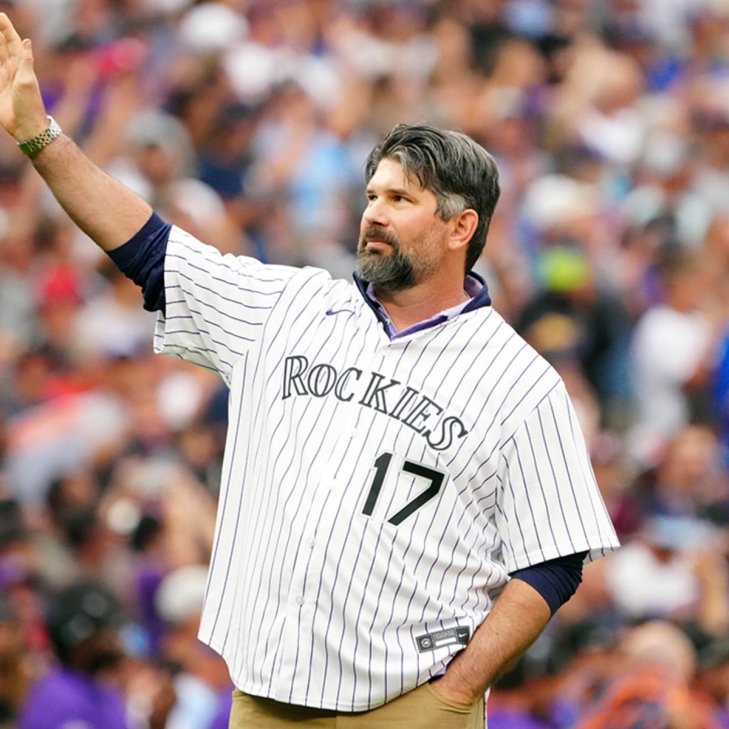
The clock begins!
The National Baseball Hall of Fame has unveiled the official Modern Hall of Fame ballot for the 2024 Class, and it features 26 men, 14 of whom are returning names.
Alphabetically, they are:
Bobby Abreu: 5th Year, 15.4 percent last year. Abreu was one of the game’s most patient hitters, having drawn 1,476 career Walks, while batting over .300 six times. A two-time All-Star, Abreu won one Silver Slugger, one Gold Glove and scored 100 Runs over eight times.
Jose Batista: 1st Year on the ballot. Batista is best known for his bat flip and time as a Toronto Blue Jay where he won back-to-back Home Run Titles and Hank Aaron Awards. He went to six All-Star Games and won three Silver Sluggers.
Carlos Beltran: 2nd Year, 46.5% percent last year. Beltran is one of four players (along with Barry Bonds, Willie Mays & Alex Rodriguez) who has at least 1,500 Runs, 2,700 Hits, 400 Home Runs and 300 Stolen Bases. He went to nine All-Star Games, won three Gold Gloves and two Silver Sluggers. He is a former Rookie of the Year and won the World Series in his final season.
Adrian Beltre: 1st Year on the ballot. Beltre played most of his career at Third Base and is one of the few players in MLB history to have at least 3,000 Hits and 450 Home Runs. He is a four-time All-Star, four-time Silver Slugger and won five Gold Gloves. He also batted over .300 seven times.
Mark Buehrle: 4th Year, 10.7 percent last year. Buehrle went to five All-Star Games and recorded a record 14 200-inning years in the American League. He won four Gold Gloves and threw a no-hitter. Buehrle also won at least 13 Games twelve times.
Bartolo Colon: 1st Year on the ballot. Colon won the 2005 AL Cy Young and was an All-Star four times. He led the league in Wins once, and topped 15 in that statistic nine times with 247 in total. Colon also is 36th all-time in Strikeouts with 2,535.
Adrian Gonzalez: 1st Year on the ballot. Gonzalez went to five All-Star Games, won five Gold Gloves and two Silver Sluggers. He had 317 Home Runs over his career.
Todd Helton: 6th Year, 72.2 percent last year. Helton was a five-time All-Star who played all 17 of seasons with the Colorado Rockies. The First Baseman had three Gold Gloves, four Silver Sluggers and smacked 30 Home Runs in six different seasons. He also batted .300 12 times, and won one Batting Title.
Matt Holliday: 1st Year on the ballot. Holliday went to seven All-Star Games and won four Silver Sluggers playing at Leftfield. He won the World Series with St. Louis in 2011.
Torii Hunter: 4th Year, 6.9 percent last year. Hunter won nine Gold Gloves, two Silver Slugger and was chosen for five All-Star Games. He was one of the most exciting players of his day.
Andruw Jones: 7th Year, 58.1 percent last year. Jones was a five-time All-Star, a ten-time Gold Glove recipient and won the 2005 NL Home Run Title. He is in the top fifty all-time in Home Runs with 434.
Victor Martinez: 1st Year on the Ballot. Martinez won two Silver Sluggers, was a five-time All-Star, and he had eight .300 seasons. He is one of four Catchers (along with Carlton Fisk, Ivan Rodriguez and Ted Simmons) with at least 2,000 Hits, 400 Doubles and 200 Home Runs.
Joe Mauer: 1st Year on the Ballot: Mauer played all fifteen of his seasons with the Twins where he won the 2009 MVP. He is the only Catcher to win three Batting Titles, and he went to Six All-Star Games, and won five Silver Sluggers and three Gold Gloves.
Andy Pettitte: 6th Year, 17.0 percent last year. Pettitte won five World Series Rings with the New York Yankees, and had eight 15-Win years. He went to three All-Star Games and exceeded 200 Innings ten times.
Brandon Phillips: 1st Year on the Ballot. Phillips was a three-time All-Star and four-time Gold Glove winner at Second Base.
Manny Ramirez: 8th Year, 33.2 percent last year. Twice suspended for PEDs, Ramirez has the stats for the Hall with twelve All-Stars, nine Silver Sluggers and two Hank Aaron Awards. Ramirez batted over .300 eleven times, won three OBP Titles, three Slugging Titles and one Home Run Title. He is 12th all-time in Slugging (.585), 15th in Home Runs (555) and 20th in RBIs (1,831). Ramirez also won two World Series Rings with the Red Sox, winning the MVP in the first one.
Jose Reyes: 1st Year on the ballot. Reyes went to four All-Stars and won one Silver Slugger and Batting Title.
Alex Rodriguez: 3rd Year, 35.7 percent last year. Like Ramirez, A-Rod has the stats for the Hall, but was popped twice for PEDs. He won three MVPs, ten Silver Sluggers, two Gold Gloves and went to 14 All-Star Games. Rodriguez belted 30 Home Runs in fifteen different seasons, and won five Home Run Titles. He is fourth all-time in RBIs (2,086), fifth in Home Runs (696) and 23rd in Hits (3,115).
Francisco Rodriguez: 2nd Year, 10.8 percent last year. Rodriguez went to six All-Star Games, won two Rolaids Relief Awards, and led the league in Saves three times. He won the World Series in 2002 with the Angels and is fourth all-time in Saves (434).
Jimmy Rollins: 3rd Year, 12.9 percent last year. Rollins’ best years were in Philadelphia where he won the 2007 MVP and the 2008 World Series. He also won four Gold Gloves, was a three-time All-Star, and led the NL in Triples four times.
Gary Sheffield: 10th Year, 55.0 percent last year. A 22-year veteran, Sheffield went to nine All-Star Games, won a World Series with the Marlins and also owns five Silver Sluggers. The Outfielder also has a Batting Title, and is 27th all-time in Home Runs (509).
James Shields: 1st Year on the ballot. Shields played 13 years and was an All-Star once. He posted at least 10 Wins nine years in a row, and was part of two American League Championship Teams.
Chase Utley: 1st Year on the ballot. Utley played most of his career with Philadelphia where he won the 2008 World Series, appeared in six All-Star Games, and captured four Silver Sluggers as a Second Baseman.
Omar Vizquel: 7th Year,19.5 percent last year. Vizquel’s Hall of Fame momentum was derailed by domestic violence allegations which could prevent the 11-time Gold Glove and three-time All-Star from enshrinement. He is also 44th all-time in Hits (2,877).
Billy Wagner: 9th Year, 68.1 percent last year. Wagner is sixth all-time in Saves (422), and second among southpaws. He won one Rolaids Relief Award and went to seven All-Star Games.
David Wright: 1st Year on the Ballot. The Third Baseman went to seven All-Star Games and won two Silver Sluggers and two Gold Gloves.
We will be paying attention in the upcoming weeks as the votes trickle in.
We here at Notinhalloffame.com would like to congratulate those who have made it this far.
Scott Rolen Elected into the Baseball Hall of Fame
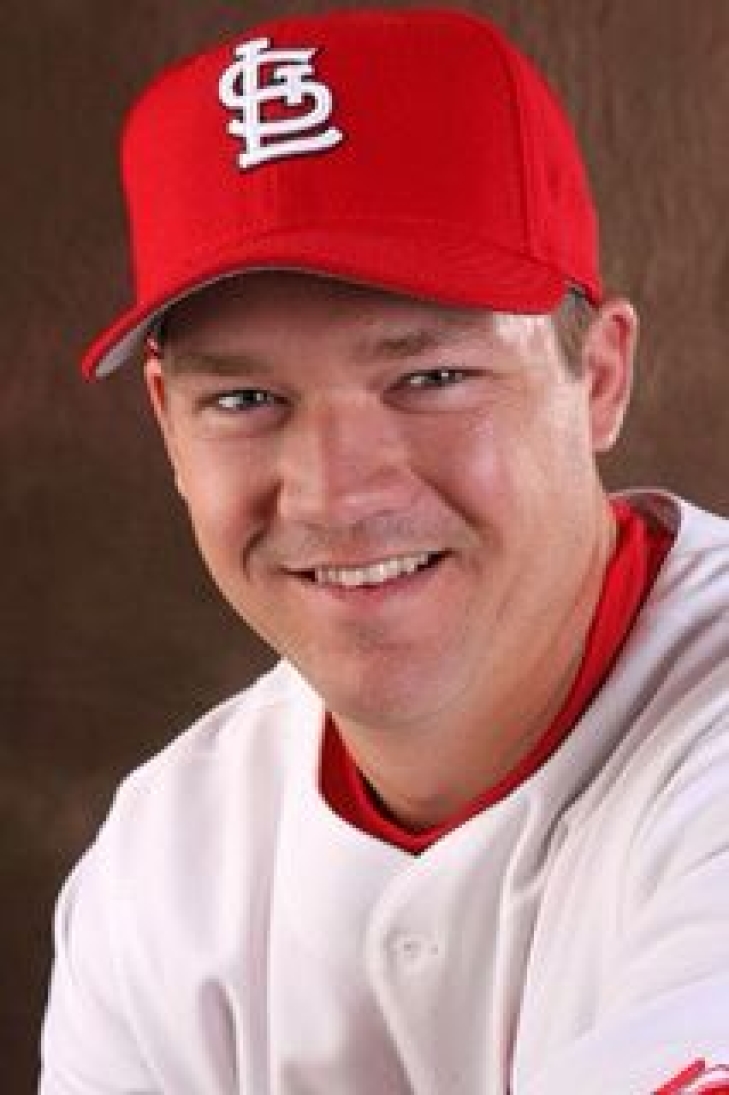
If you are a Baseball fan, today is the day in “Hall of Fame Season” that is the pinnacle: the annual announcement of the Baseball Hall of Fame Class.
Rolen enters the ballot on his 6th year on the ballot. Increasing his total from 63.2% to squeaking in with 76.3%, Rolen was a seven-time All-Star, a World Series Champion in 2006 with St. Louis and he also won eight Gold Gloves at Third Base and one Silver Slugger. He enters Cooperstown with 2,077 Hits, 316 Home Runs, a bWAR of 70.1 and a decision as to which hat he will wear on his plaque (it has to be St. Louis, right?). Ranked #15 on Notinhalloffame.com.
The players who did not make the Hall were:
Todd Helton, 72.2%, 5th Year on the Ballot. Helton looks like he will wait one more year, but he is getting in, showing a 20.2% rise from the year before. The “Toddfather” blasted 369 Home Runs with 2,519 Hits with a lifetime Batting Average of .316, and the five-time All-Star had four Silver Sluggers and three Gold Gloves. Helton is ranked #11 on Notinhalloffame.com.
Billy Wagner, 68.1%, 8th Year on the Ballot: Wagner keeps getting closer, showing a sizable increase from his 51% from last year. The former seven-time All-Star and owner of 422 Saves looks to be the next Relief Pitcher to be inducted. Wagner is ranked #41 on Notinhalloffame.com.
Andruw Jones, 58.1%, 6th Year on the Ballot: We were stunned when in both 2018 and 2019, that Jones had less then 10% of the votes, and how could we not be! The native of Curacao has 434 Home Runs, a bWAR over 60, a Silver Slugger and ten Gold Gloves. Last year, Jones had 41.4%, and his voting rise tells us that he will enter this decade. Jones is ranked #38 on Notinhalloffame.com.
Gary Sheffield, 55.0%, 9th Year on the Ballot: Sheffield is a member of the 500 Home Run club, but the nine-time All-Star played for eight different teams, and his appearance on the Mitchell Report does him no favors. He climbed substantially from 40.6%, but he only has one more shot. He won’t get there. Sheffield is ranked #22 on Notinhalloffame.com.
Carlos Beltran, 46.5%, 1st Year on the Ballot. Betran has the Hall of Fame resume (2,725 Hits, 435 HR, 1,587 RBI, 312 SB & 70.1 bWAR) but we suspect that many voters wanted Beltran to pay penance for his lead role in the Astros 2017 sign-stealing cheating scandal. Beltran is ranked #10 on Notinhalloffame.com.
Jeff Kent, 46.5%, 10th Year on the Ballot. It is the end of the road for Kent, who was a former MVP. His tally this year is his highest on the Modern Era ballot, and he now moves into the Senior Pool. Kent is ranked #50 on Notinhalloffame.com.
Alex Rodriguez, 35.7%, 2nd Year on the Ballot. A-Rod has the best resume on the ballot. He is a three-time MVP, 14-time All-Star, ten-time Silver Slugger and three-time Gold Glove winner. His bWAR is over 115. He is a World Series Champion. That will not be enough to overturn his multiple positive PED tests, and no relationship with J-Lo or anyone of her ilk will overcome this. He did improve from last year’s 34.3, but not by much. Rodriguez is ranked #3 on Notinhalloffame.com.
Manny Ramirez, 33.2%, 7th Year on the Ballot. Manny Ramirez is one of the most important players in Red Sox history, but like A-Rod, he was caught taking PEDs after the MLBPA agreed to that players would be suspended if caught. Ramirez will continue to tread water until he is ushered off the ballot in three years. He is Ranked #9 on Notinhalloffame.com.
Omar Vizquel 19.5%, 6th Year on the ballot PEDs have derailed many potential Hall of Famers on this list, but for Vizquel it is domestic violence. When that scandal came out, the 11-time Gold Glove recipient, who was once at 52.0% of the voting, dropped to 23.9% and is now even lower at 19.5%. He has no chance. Vizquel is ranked #49 on Notinhalloffame.com.
Andy Pettitte, 17.0%, 5th Year on the Ballot. Pettitte won 256 Games over his career, won five World Series Rings, but also has a positive PED test, which is costing him a plethora of votes. He is ranked #39 o Notinhalloffame.com.
Bobby Abreu, 15.4%, 4th Year on the Ballot. Abreu amassed 2,425 Hits, was a two-time All-Star and he breaks double-digits in voting for the first time. It is still a tough task for Abreu, but based on his plate-patience, he can wait! He is ranked #77 on Notinhalloffame.com.
Jimmy Rollins, 12.9%, 2nd Year on the Ballot. The former World Series Champion and MVP remains on the ballot with excellent power numbers, but lousy advanced metrics. He is Ranked #110 on Notinhalloffame.com.
Mark Buehrle, 10.8%, 3rd Year on the Ballot. Buehrle continues to cling to the ballot, but is yo-yoing, going from 11.0% to 5.8% and now back up to. Ranked #79 on Notinhalloffame.com.
Francisco Rodriguez 10.8% 1st Year on the ballot. K-Rod survives the first ballot, and he has similar numbers as Wagner; 437 Saves, but owns a World Series Ring. Ranked #172 on Notinhalloffame.com.
Torii Hunter 6.9%, 3rd Year on the Ballot. Hunter continues to hang on for life on the ballot and at this point that might be the best you can hope for. Ranked #194 on Notinhalloffame.com.
Any candidate who received less that 5.0% of the votes are now removed from the modern era ballot.
This means that those who received 0.3% (Bronson Arroyo, R.A. Dickey, John Lackey, Mike Napoli and Huston Street) and 0.0% (Matt Cain, Jacoby Ellsbury, Andre Ethier, J.J. Hardy, Jhonny Peralta, Jared Weaver and Jayson Werth) are eliminated.
We will now remove Fred McGriff and Scott Rolen from our Notinhalloffame Baseball List and add those who are now eligible. The list will also be revised based on your votes, comments, and social media interactions.
We here at Notinhalloffame.com would like to congratulate the newest members of the Baseball Hall of Fame, and we will see you this summer at Cooperstown!
If I Had a Vote in the 2023 Baseball Hall of Fame Election
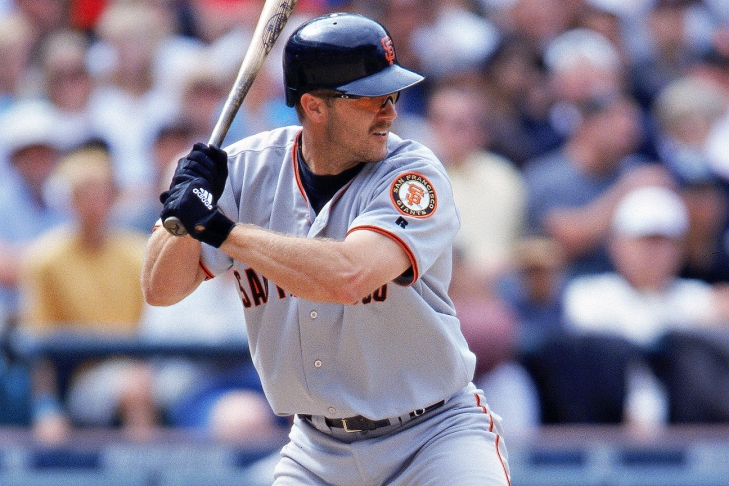
Days from the January 24, 2023, announcement by the National Baseball Hall of Fame of candidates who may have been elected by the Baseball Writers' Association of America (BBWAA), the burning question is not who those candidates, if any, will be. Instead, the burning question is: What morality are BBWAA voters going to legislate for the Hall of Saints this year?
For more than a decade, the controversy over performance-enhancing drugs (PED) has consumed discussion about who should or should not be elected to the Hall, capped by the late Hall of Famer Joe Morgan's now-infamous 2017 missive to voters about keeping the PED Penitents out of Cooperstown. But although the PED predicament remains—among the returning candidates on the 2023 BBWAA ballot are Manny Ramirez and Álex Rodriguez—voters are now finding other performance flaws in candidates to deny them entrance to the Hallowed Hall.
If I Had a Vote in the 2022 Baseball Hall of Fame Election
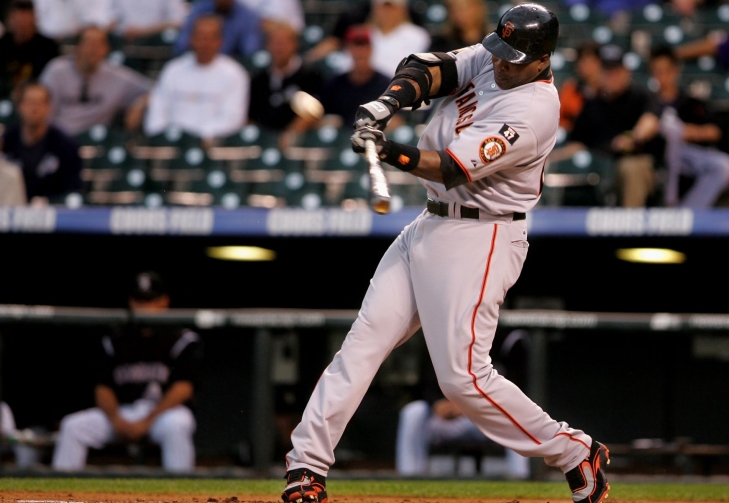
On a ballot packed with qualified candidates for the National Baseball Hall of Fame, is it possible that none of them will be elected this year?
If that happens, as it did last year, it would be the third time in the last decade that the qualified voters of the Baseball Writers' Association of America (BBWAA) have thrown a shutout at the Hall of Fame. This is an odd paradox considering that after the Big Zilch of 2013, the BBWAA in subsequent years went on to elect 22 players across the next seven ballots, with the various guises of the veterans committee voting in another five players (and six non-players) during that seven-year span. (In 2013, the veterans committee did elect three candidates to the Hall.)
Last year, Curt Schilling, who had garnered 70 percent of the vote on the previous ballot, seemed to be a lock for election. Instead, he stalled with a negligible increase in support, then threw a social-media Trumper tantrum declaring that he wanted to be removed from this year's ballot. The Hall of Fame quickly responded that it would not do so.
25. Torii Hunter
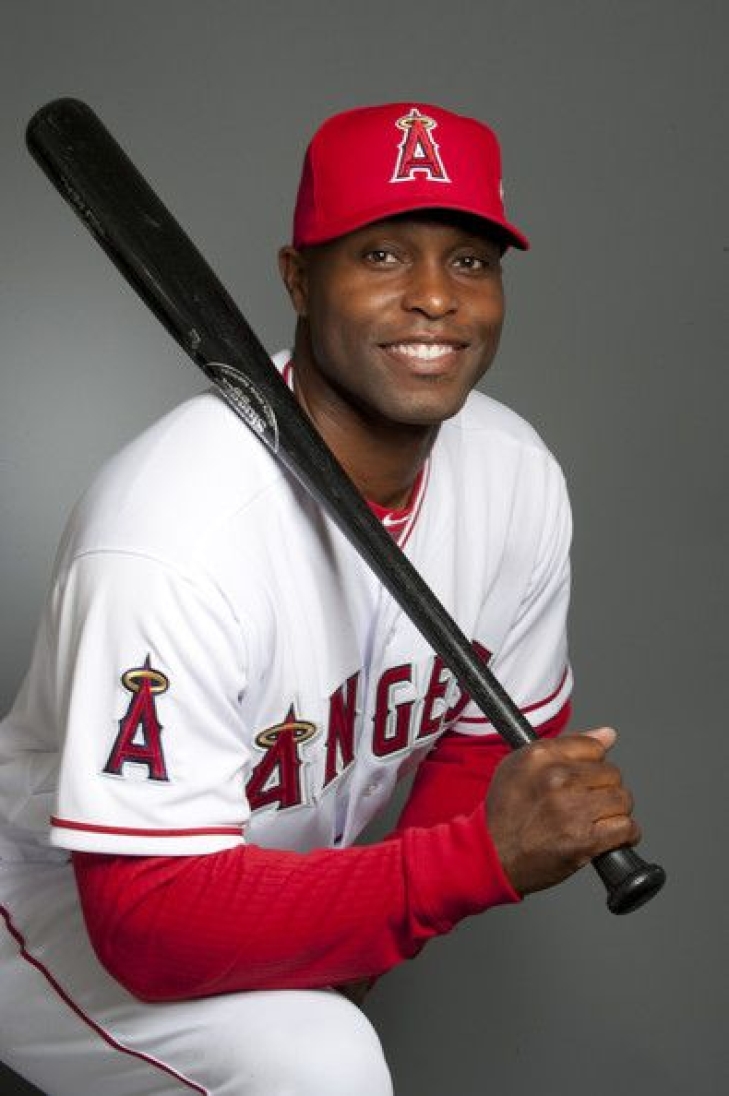
Torii Hunter joined the California organization as one of the most significant free-agent acquisitions in franchise history, signing a five-year deal prior to the 2008 season. After a decade of establishing himself as a defensive icon in Minnesota, he arrived in Anaheim to solidify the outfield for a club in the midst of a competitive window. For five seasons in an Angels uniform, he provided a specialized blend of veteran power and gold-standard defense, proving that his athletic prime extended well into his thirties.
In 2008 and 2009, he continued a historic streak by securing his eighth and ninth consecutive Gold Glove Awards, anchoring center field while mentoring a young core. He paired this defensive excellence with high-frequency power, belting at least 21 home runs in each of his first four seasons with the club and earning back-to-back All-Star selections in 2009 and 2010.
In 2009, despite being limited by a shoulder injury, he recorded a .299 batting average with 22 home runs and 90 RBIs, earning his first Silver Slugger Award while helping lead the Angels to an American League West title. In 2012, his final season in Anaheim, he batted a career-high .313 and recorded 92 RBIs at the age of 36.
Hunter signed with the Detroit Tigers after the 2012 season and compiled 768 hits, 105 home runs, and two Gold Glove Awards with the Angels.
91. Torii Hunter
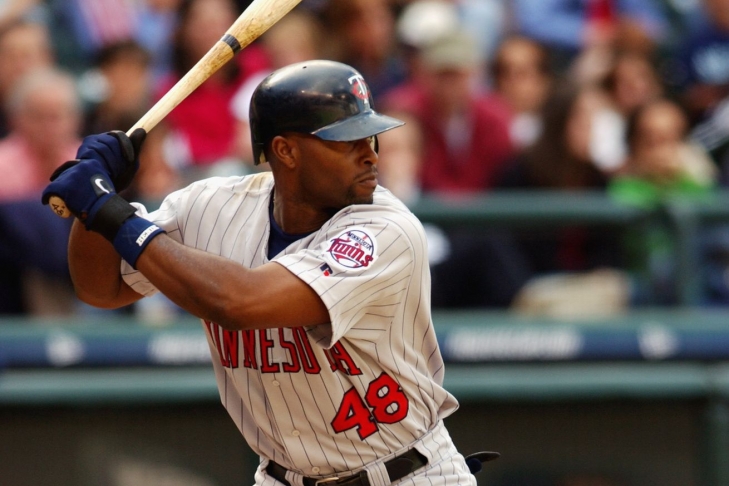
Torii Hunter had an excellent career, and the man they dubbed "Spider-Man" was a SportsCenter highlight reel with his acrobatic catches. Hunter would win 9 Gold Gloves and was also decent with his bat, earning a pair of Silver Sluggers.
Hunter, a five-time All-Star, had very good offensive numbers with 2,452 Hits and 353 Home Runs in a career mostly with the Minnesota Twins and Los Angeles Angels.
If I Had a Vote in the 2021 Baseball Hall of Fame Election
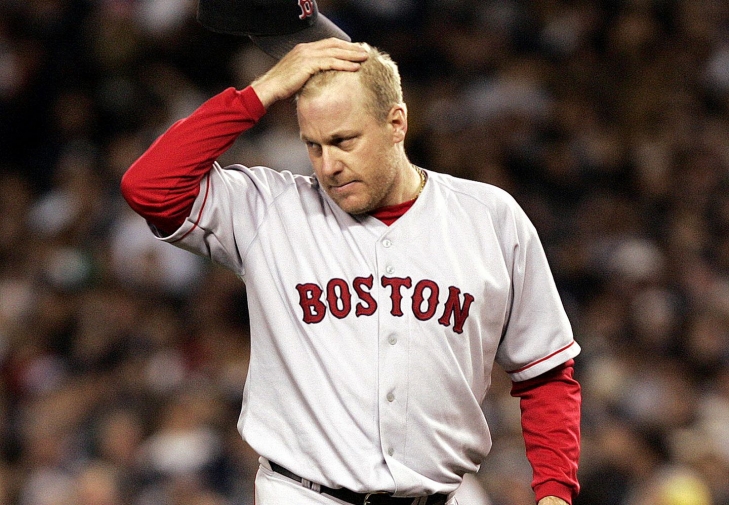
Is this the year Curt Schilling makes it into the National Baseball Hall of Fame? Will Schilling be the only player elected to the Hall this year? After all the tumultuous voting activity of the 2010s, has voting for the Hall returned to "normal"?
Only a crystal ball, or the patience to wait until voting results for the 2021 Baseball Hall of Fame are announced on January 26, 2021, can give us the definitive answers, but of course that doesn't stop us from prognosticating before we learn the results.
For now, the short answers are:
1. Maybe.
2. Possibly.
3. Likely.
2021 BBWAA Hall of Fame Ballot: Executive Summary
Baseball Hall of Fame: Ballot Forecast 2021 to 2025
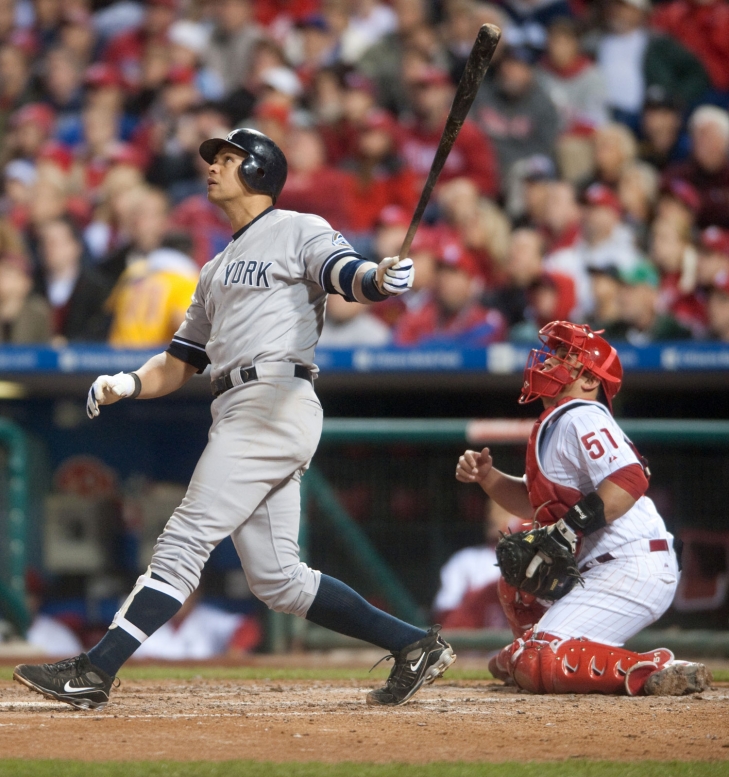
In a tumultuous year that was not normal for anything and everything including baseball, one thing that might be back to normal is voting for the Baseball Hall of Fame. Granted, the 2021 Baseball Hall of Fame ballot has 14 returning candidates, with just about every one of them owning cases for induction that range from borderline to compelling.
34. Torii Hunter
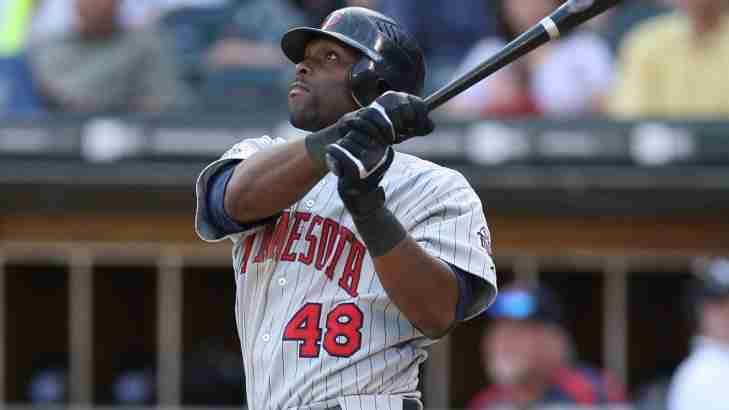
Torii Hunter arrived in the Twin Cities in the late 1990s, a charismatic and high-energy center fielder who would eventually become the face of a new era of Minnesota baseball. While he was a dual-threat player with significant "pop" in his bat, he was best known as a defensive dynamo whose acrobatic catches in the outfield gaps defined the "Soul Patrol" of the early 2000s.
He proudly earned seven consecutive Gold Glove Awards with the Minnesota Twins from 2001 to 2007, showcasing his mastery in center field. One of his most memorable moments happened during the 2002 All-Star Game, where he made a breathtaking catch by robbing Barry Bonds of a home run—a play so incredible that Bonds humorously lifted Hunter over his shoulder in mid-air. As a dependable and exceptional player, he made the spectacular look effortless and earned the nickname "Spider-Man" for his remarkable ability to scale the outfield walls.
Hunter's skills extended beyond defense, reaching an offensive peak as a key run-producer for the Twins. A two-time All-Star (2002, 2007), he was central to the lineup that won four American League Central titles in his initial tenure. He hit 20+ home runs in seven seasons with Minnesota, ending his career with 214 homers and 128 stolen bases for the team.
Hunter left the Twins for the Los Angeles Angels via free agency after the 2007 season, but returned in 2015 for one final season. The following year, he was chosen for the organization’s Hall of Fame.
Our 2021 Baseball Futures are now up!
We have added to our Baseball Futures section by adding those who will be eligible for Cooperstown in 2021.
The complete list can be found here, but here are each of those who could appear on the ballot for the first time in ’21.
A.J. Burnett: An All Star in 2015 who led the American League in Strikeouts in 2008. He is currently 31st all-time in that stat.
Aaron Harang: Harang led the NL in Wins and Strikeouts in 2006 and would finish 4th in Cy Young voting.
Adam LaRoche: A winner of both the Silver Slugger and the Gold Glove in 2012. He has over 250 Home Runs over his career.
Alex Rios: An All Star in 2006 & 2007. Rios would win the World Series with Kansas City in his last season.
C.J. Wilson: A two time All Star in 2011 and 2012.
Corey Hart: A two time All Star who is known most for his time in Milwaukee.
Dan Haren: Went to three consecutive All Star Games (2007-09) and also led his respective league in SO/BB three times. He is currently 7th all-time in that category.
Dan Uggla: A three time All Star and one time Silver Slugger recipient.
Grady Sizemore: Sizemore went to three straight All Star Games (2006-08) and won a Silver Slugger and two Gold Gloves. He would lead the AL in bWAR for Position Players.
Grant Balfour: The first Australian to be named an All Star (2013)
Jason Marquis: An All Star in 2009 who would win 11 Games six seasons in a row.
Kevin Gregg: A Relief Pitcher who was in the top ten in Saves four times.
LaTroy Hawkins: A middle reliever who is 10th all-time in Games Pitched.
Mark Buehrle: A five time All Star who helped the Chicago White Sox win the World Series in 2005. He is currently 61st all-time in WAR for Pitchers.
Michael Cuddyer: A two time All Star who won the National League Batting Title in 2013.
Nick Swisher: An All Star in 2010 and a World Series Champion with the New York Yankees in 2009.
Rafael Soriano: A Pitcher with 207 career Saves.
Shane Victorino: A two time All Star with four Gold Gloves. Victorino won two World Series Rings in his career.
Skip Schumaker: A member of the St. Louis Cardinals World Series Championship team in 2011.
Tim Hudson: A four time All Star who led the AL in Wins in 2000. He is 68th All Time in WAR for Pitchers, 69th in Strikeouts and 75th in Wins.
Torii Hunter: A five time All Star who also won the Gold Glove nine times. Hunter is also a two time Silver Slugger.
When you have the chance, take a look at this new section on Notinhalloffame.com and let us know if any of these former baseball players are Hall of Fame worthy!
Torii Hunter to the Minnesota Twins HOF
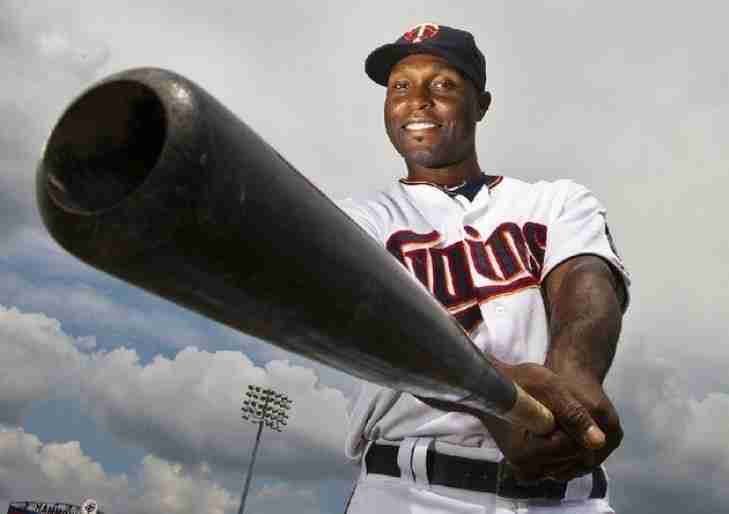
Torii Hunter sent twelve of his nineteen seasons with Minnesota; his first eleven and the final one of his career. As a Twin, he was an All Star twice and a Gold Glove winner seven times. His overall numbers in Minnesota saw him accumulate 1,323 Hits, 214 Home Runs, a .268/.321/.462 Slash Line and a bWAR of 26.2.
Hunter will not be entering alone as he will be joined by John Gordon, who broadcasted Minnesota games from 1987 to 2011.
To enter the Twins Hall of Fame, a player needs to receive 60 percent of the 66 member committee, which consists of media members, former players and Twins officials. Hunter received all 66 votes. Gordon’s path to election came through the 23 member Veteran’s Committee.
Torri Hunter becomes the 19th player to be inducted, and the selection of Hunter and Gordon marks the first inductees since 2013. Former Second Baseman, Chuck Knoblauch was scheduled to be inducted in 2014, but the Twins revoked that upon being charged with assaulting his ex-wife.
We here at Notinhalloffame.com would like to congratulate the latest class of the Minnesota Twins Hall of Fame.
Torii Hunter
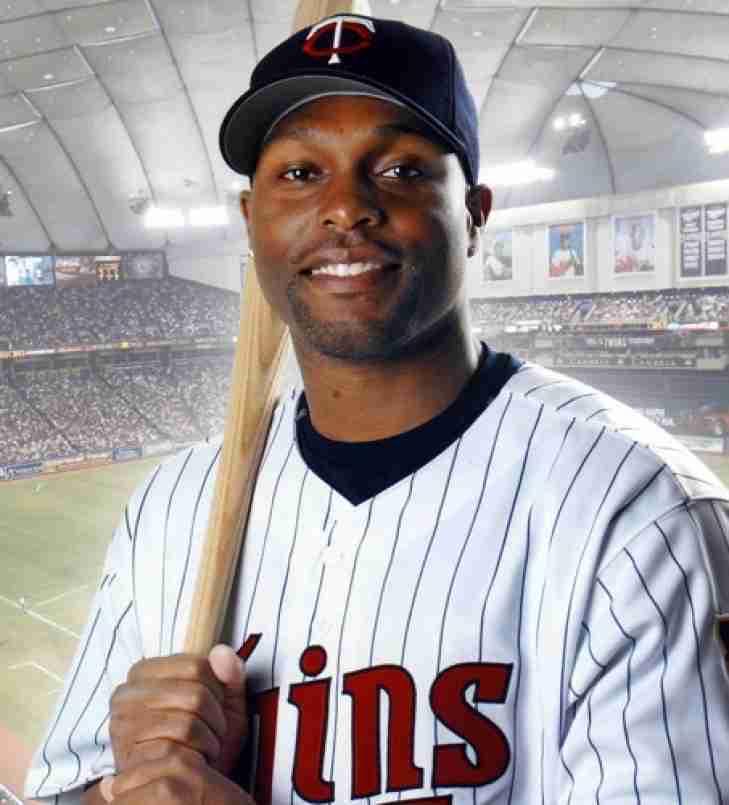
Torii Hunter Retires: HOFer?
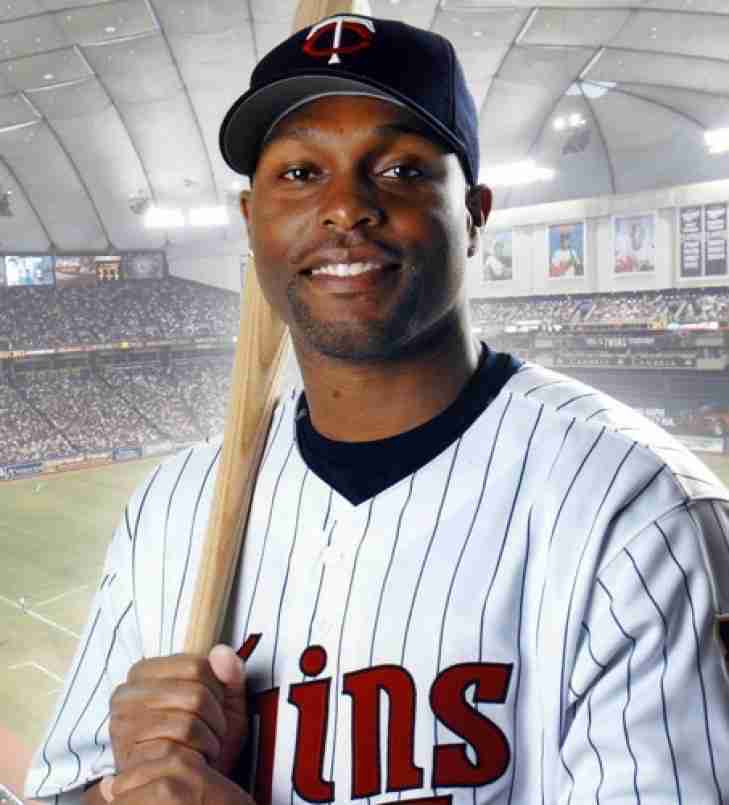
From Hunter’s Instagram account:
“My family and I feel as though the time has come to close the door on this chapter in my life. I've been married to the game for many years and now it is time to start a new chapter. I have learned a lot during this journey, and I appreciate the opportunity that God has given me to play this great game. Some will say that I am retiring from baseball; but I will say that I am transitioning, because BASEBALL will be a part of my life forever.”
Hunter would also tell a local newspaper that he did not want to be a distraction and go on a farewell tour.
He retires in Minnesota, with the club where it all began. He would make his MLB debut in 1997 (though only in one game) and would work his way to the regular lineup as the Twins’ starting Center Fielder in 1999. Each year would seemingly see an increase in production both with his bat and his glove.
In 2001, Hunter would win his first of his nine Gold Gloves and would have three top five finishes in Defensive bWAR. Hunter would show some pop with his bat, blasting 353 Home Runs in his career and having two seasons where he had over 100 RBIs.
Hunter would go to five All Star Games, two as a Twin, two as an Angel and one as a Detroit Tiger. The outfielder, who finished his career with 2,452 Hits and a career bWAR of 50.0 returned to Minnesota last season where he successfully bookends his career in the Twin Cities.
You know what we do here next right? We ask if he is a Hall of Famer of course!
While Hunter has a decent bWAR, his JAWS line of 40.6 falls well below the 57.2 that the average Centerfielders in the Hall of Fame have, though it should be noted he is higher than five of them, though sabremetrics such as this are being taken more and more into account. Hunter never won a World Series, only finished in the top ten in MVP voting once and is not in the top seventy-five all time in any offensive category.
We suspect that he will struggle to get past the first ballot for Cooperstown, but he should be a lock for the Minnesota Twins Hall of Fame in the future.
We here at Notinhalloffame.com would like to wish Torii Hunter the best in his post playing career.
