
21. Kurt Warner
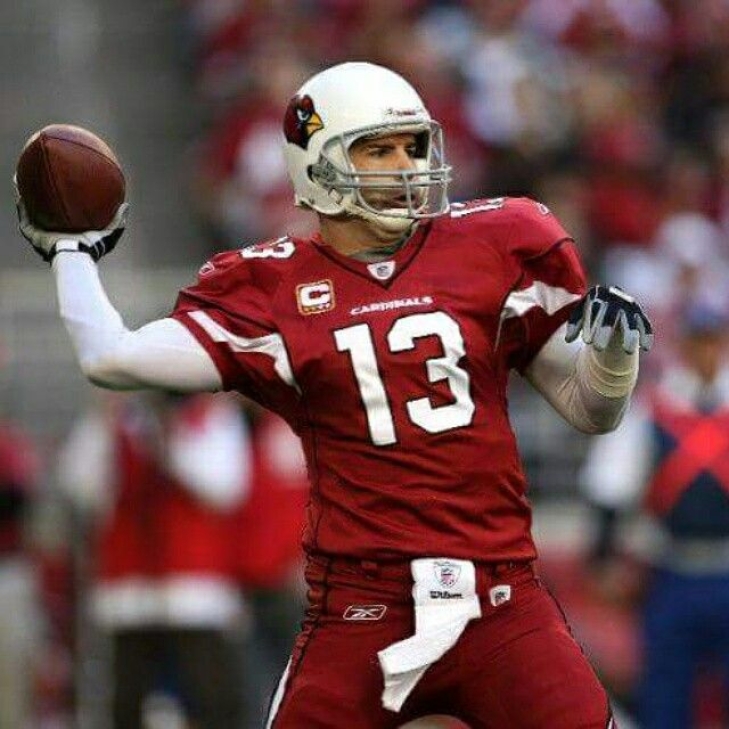
Kurt Warner's early fame was cemented by the sensational "Greatest Show on Turf" in St. Louis, but his resurgence in Arizona confirmed his Hall of Fame caliber. After a rocky transition year with the Giants in 2005, the experienced quarterback joined a Cardinals team desperately seeking stability at quarterback. What started as a bumpy, uncertain period in Arizona eventually evolved into one of the most remarkable second careers in football history.
His passing style depended on quick, instinctive pre-snap reads combined with exceptional pocket bravery. With elite processing speed and a gentle touch, Warner allowed routes to unfold downfield, trusting his arm and releasing the ball well before his receivers made their cuts. Supported by a dynamic receiving duo in Larry Fitzgerald and Anquan Boldin, he turned Arizona’s passing game into a potent vertical threat.
His early years in the desert involved a lot of instability. In 2005, injuries and inconsistent performance led him to share playing time with Josh McCown. The following season, in 2006, head coach Dennis Green shifted the offense to focus on rookie first-round pick Matt Leinart. Despite these changes, whenever Warner played, his precision was clear. After quietly regaining the starting role during the 2007 season and throwing 27 touchdown passes, he headed into the 2008 training camp in a true competition with Leinart.
Warner secured the starting role after camp and delivered a standout 2008 season. Rewinding the clock, he passed for 4,583 yards and 30 touchdowns, earning his fourth Pro Bowl selection and the 2008 Walter Payton NFL Man of the Year Award. During the 2008 playoffs, Warner achieved an incredible 1,261 passing yards and 11 TDs over four games, leading Arizona to its first Super Bowl appearance in franchise history. He carried that momentum into Super Bowl XLIII against the Steelers, passing for 377 yards and 3 touchdowns in a tight, exciting game. Warner's success continued in 2009 with another great season, throwing for 3,753 yards and returning the Cardinals to the postseason. Notably, he threw 5 touchdowns for 379 yards in a wild-card game against Green Bay, completing more touchdowns than incompletions (4).
After resolving all questions about his longevity, Warner chose to retire on his own terms following the 2009 season. His impressive five-year tenure with Arizona included 15,843 passing yards, 100 touchdowns, and a memorable postseason run that transformed the franchise. Warner was inducted into the Pro Football Hall of Fame in 2017, and we believe the 2008 season with the Cardinals was pivotal in establishing his Hall of Fame credentials. In 2014, Arizona also honored him by inducting him into their Ring of Honor.
Players Who Made History for the Rams: From Eric Dickerson to Aaron Donald

If you are a Rams fan, you will know they have a decorated history, with the team producing some of the best players the NFL has ever seen. The Rams have won one Super Bowl and two NFL Championships since the franchise joined the NFL in 1973. And throughout history, the Rams have competed in four Super Bowls and, most recently, the Super Bowl LIII.
Many great players have donned the horns over the years. And the Rams have sent many players to the Pro Football Hall of Fame. So far, the franchise has boosted 21 Hall of Famers, and 19 are players. And with the anticipation of Iowa sports betting promo codes lingering in the air, let’s relish in the nostalgia as we explore the top 10 Rams players of all time.
1. Aaron Donald - 2014
Aaron Donald is a defensive player for the Rams drafted in 2014. And during his tenure, the Pittsburgh alum took the league by storm, becoming a threat to any quarterback. His quickness, capacity to read the offense and strength make Aaron a freak athlete.
In 9 seasons playing as a pro, Aaron was selected seven times to the First-Team All-Pro and eight times to the Pro Bowl. He was also a three times NFL Defensive Player of the Year and instrumental to the Rams Super Bowl LVI championship.
2. Marshall Faulk - 1998
Marshall Faulk is one of the greatest running backs in the Ram's history. The San Diego State alum drafted to the Rams in 1998 is the only running back to win the NFL MVP in Rams history.
His impact on the team was immediate, as he won the NFL Offensive Player of the Year award in his first three seasons. Marshall's third season as a member of the Rams was his best, as he played a crucial role in the franchise's first Super Bowl title.
3. Isaac Bruce - 1994
Isaac Bruce is one of the top offensive players in the history of the Rams. Drafted in 1994, Marshall broke many records from 1999 to the 2001 seasons. Notably, he was instrumental in Ram's victory in the XXXIV Super Bowl Championship.
Also, in 14 seasons between the Los Angeles Rams and St. Louis, Isaac picked up over 14,000 total yards, making him a Pro Bowler roster four times. He is also in the top five for receiving yards in NFL history.
4. Kurt Warner - 1994
Kurt Warner is often regarded as among the best-undrafted players in NFL history. He was the quarterback of The Greatest Show on Turf, where he contributed to the win in the XXXIV Super Bowl and MVP award. Kurt played at Northern Iowa for four years before going undrafted in 1994.
After this, he spent three years in the Indoor Football League and one year in NFL Europe with a Rams future contract. And in 1999, Kurt earned his chance with the Rams, taking the league by winning the NFL MVP award.
Also, he led the league in passing touchdowns, making it to the First-Team All-Pro in his first full season. 2000 after winning the Super Bowl, Kurt won another MVP award and was again selected to the First-Team All-Pro.
5. Eric Dickerson - 1983
Eric Dickerson is one of the greatest running backs in NFL history. Eric was drafted second overall in 1983, becoming a nightmare for any defense. Following his draft, he won the NFL Offensive Rookie of the Year Award in 1986.
He played five out of his twelve seasons as a pro with the Rams. Eric has also established the record for most rushing yards in the rookie season. Eric has also been awarded the First-Team All-Pro award five times, the NFL rushing leader four times, Pro Bowler six times, and an NFL 100th Anniversary team member.
Conclusion
The Los Angeles Rams history is a collection of extraordinary players that have etched their names in football history. Each player on this list has bought their unique playing skills and contribution to the table that has helped shape the identity of the Rams. And beyond the accolades and statistics, the Rams icons have become a symbol of perseverance and inspiration.
14. Kurt Warner
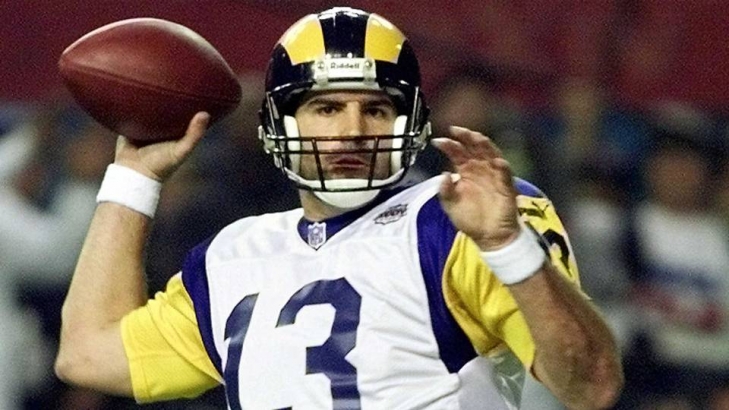
Kurt Warner’s path to the Rams was unlike almost anyone else’s. He went from Northern Iowa to stocking shelves, then the Arena League and NFL Europe before landing with St. Louis. When starter Trent Green went down in the 1999 preseason, Warner stepped in and never looked back. He became the starter that year and immediately looked comfortable in an offense built on timing, quick decisions, and downfield throws to Isaac Bruce, Torry Holt, and Marshall Faulk.
In 1999, he led the NFL in completion percentage and touchdown passes while throwing for 4,353 yards and 41 scores. The Rams went 13-3, and Warner won the MVP. In the playoffs, he kept producing, including a Super Bowl XXXIV performance that set a then-record with 414 passing yards. He threw the game-winning touchdown to Isaac Bruce late in the fourth quarter as the Rams beat Tennessee 23-16. Warner also earned Super Bowl MVP, becoming one of the few players to win both the regular-season and Super Bowl MVP awards in the same year.
He stayed at a high level in 2000 even though the Rams fell short of another Super Bowl run. Warner earned another Pro Bowl selection and again led the league in completion percentage. The offense still scored at a historic rate, and he remained the clear starter despite some turnover issues that season.
The peak came in 2001. Warner led the NFL in completions, completion percentage (for the third straight year), passing yards (4,830), and touchdown passes (36). He won his second MVP as the Rams went 14-2 and returned to the Super Bowl. This time they lost to the Patriots, but Warner’s three-year stretch had established him as one of the best quarterbacks in the league. He was an accurate passer with a quick release who thrived in a system that asked him to get the ball out fast and hit receivers in stride.
Injuries limited him the next two seasons. He played only seven games in 2002 and two in 2003 before the Rams released him. His time in St. Louis was relatively short, but the peak production was unmatched.
With the Rams, he threw for 14,447 yards and 102 touchdowns in those six seasons. Those numbers, concentrated in the 1999-2001 window, still rank among the best stretches any quarterback has put together for the franchise.
Warner later took the Arizona Cardinals to their first Super Bowl appearance. The Pro Football Hall of Fame inducted him in 2017, recognition for the quarterback who went from an undrafted long shot to the engine of one of the most explosive offenses the league has ever seen.
All of the PFHOF Inductors have been announced

Sebastian Andersen will induct his father, former Place Kicker Morten Andersen.
Sports Agent Neil Schwartz will induct his client and friend, Terrell Davis.
Tommy Rhodes will induct Kenny Easley, who he coached in high school.
Gene Jones will induct her husband, Dallas Cowboys owner Jerry Jones.
Former Miami Dolphins Head Coach Jimmy Johnson will induct his former player Jason Taylor.
Lorenzo Neal will induct his former San Diego Charger teammate LaDainian Tomlinson.
Brenda Warner will induct her husband, Kurt Warner.
The Pro Football Hall of Fame festivities will take place the first weekend of August.
Once again we here at Notinhalloffame.com would like to congratulate the Pro Football Hall of Fame Class of 2017.
Kurt Warner's wife to induct him into the PFHOF

Former Quarterback, Kurt Warner has announced that his wife Brenda will be his inductor for this year’s Pro Football Hall of Fame ceremony. Brenda has famously (and at times infamously) been at his side long before he was famous, and they are still together today. Essentially, they have been inseparable.
The announcement was made on Warner’s Twitter page.
The Pro Football HOF Announces their 2017 Class
Let’s start with who got in.
Kurt Warner 2017 HOF Debate
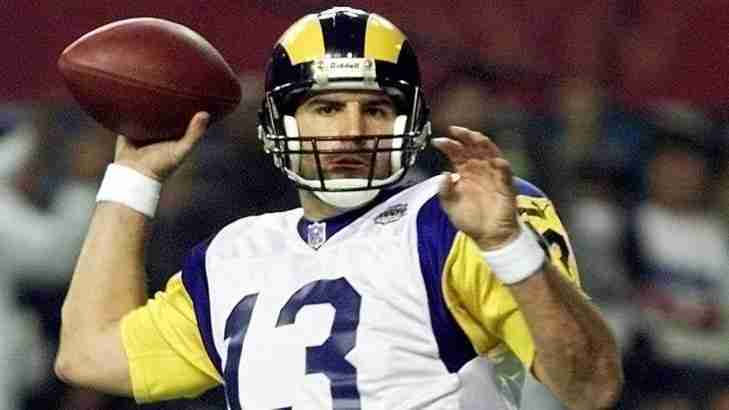
Committee Chairman: Spheniscus, this is the third time that Kurt Warner has made the Finalists but this time he is the best (and only Quarterback) in this group. His main target, Isaac Bruce is also here and as poetic as it is for them to both go in together, it won’t happen. There is an unspoken hierarchy here, and Warner has it over Bruce. My initial thought is one Ram going in and 18 camera shots at Brenda Warner during the induction ceremony.
Isaac Bruce 2017 HOF Debate
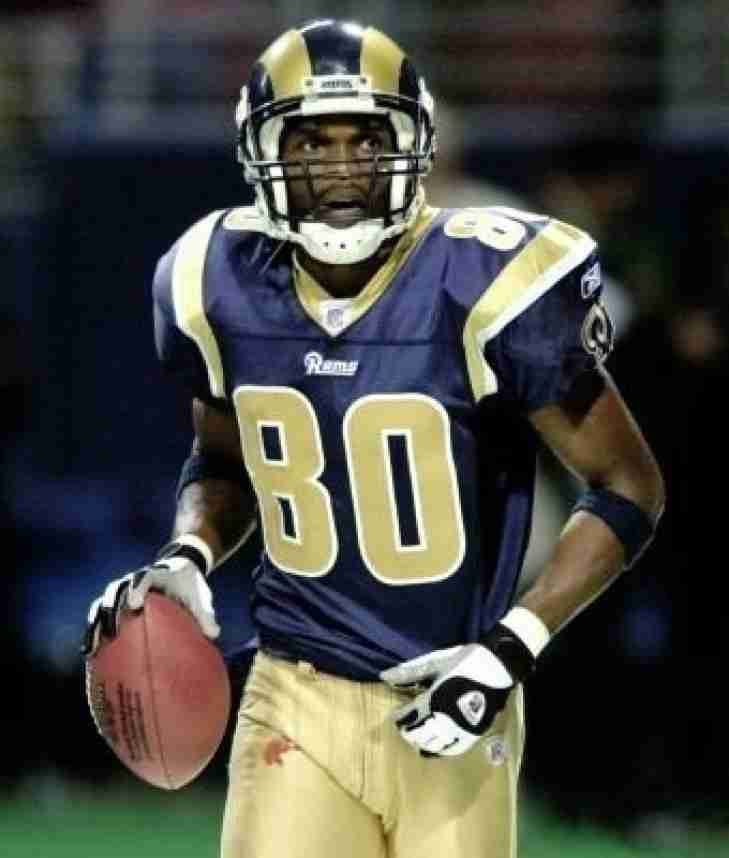
Committee Chairman: Spheniscus, we are turning our attention for the first of two times to the St. Louis Rams, specifically that “Greatest Show on Turf” team that was one of the most exciting squads to watch that I can remember. Now, I am going to try and talk about Wide Receiver, Isaac Bruce without moaning about how the great sports city of St. Louis got screwed for a city that just got another team that they won’t care about. Okay, I am going to try not to mention that again.
The Pro Football HOF Announces their Finalists
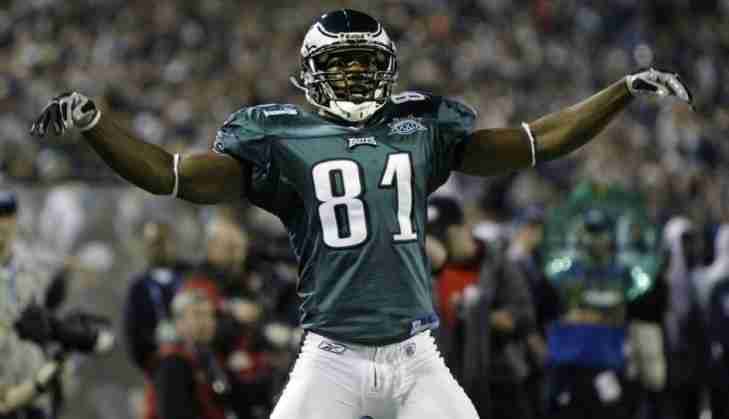
The Pro Football Hall of Fame has announced their Finalists for the Class of 2017, and as usual there are only moderate surprises.
The 15 finalists are as follows:
The Pro Football HOF Announces the Semi-Finalists
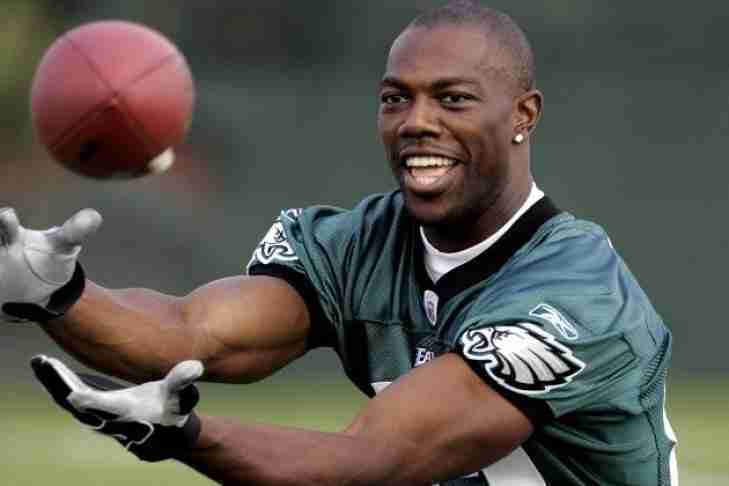
A look at the Preliminary Nominees for the PFHOF
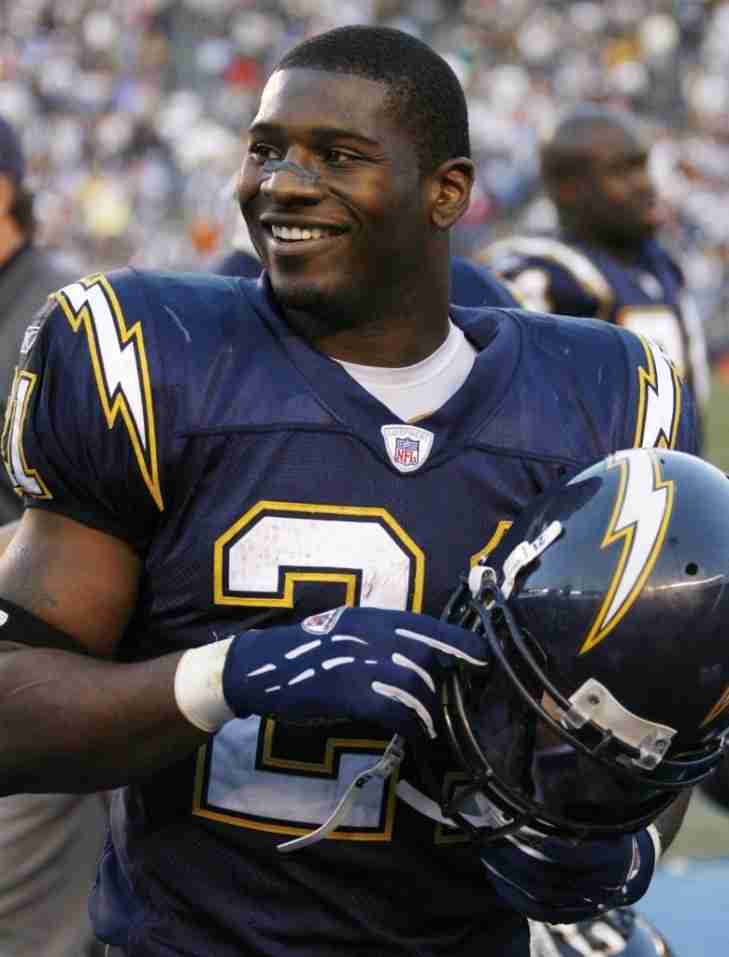
Let’s get right to it and take a look at the complete list.
* Denotes Finalist
+ Denotes First Year of Eligibility
Quarterbacks:
Drew Bledsoe: 1993-2006. New England Patriots, Buffalo Bills, Dallas Cowboys. 1 Super Bowl, 4 Pro Bowls, 44,611 Passing Yards, 251 TD Passes, 137 PFRAV. Ranked #72 on Notinhalloffame.com.
Randall Cunningham: 1985-2001. Philadelphia Eagles, Minnesota Vikings, Dallas Cowboys, Baltimore Ravens. 1 First Team All Pro, 4 Pro Bowls. 29,979 Passing Yards, 207 TD Passes, 134 PFRAV. Ranked #43 on Notinhalloffame.com.
Doug Flutie: 1986-2005. Chicago Bears, New England Patriots, San Diego Chargers. 1 Pro Bowl. 14,715 Passing Yards, 86 Touchdowns, 58 PFRAV.
+ Donovan McNabb: 1999-2011. Philadelphia Eagles, Washington Redskins, Minnesota Vikings. 6 Pro Bowls. 37,276 Passing Yards, 234 Touchdown Passes, 138 PFRAV. Ranked #30 on Notinhalloffame.com.
Steve McNair: 1995-2007. Houston Oilers/Tennessee Titans, Baltimore Ravens. 1 MVP, 3 Pro Bowls. 31,304 Passing Yards, 174 Touchdown Passes, 126 PFRAV. Ranked #89 on Notinhalloffame.com.
Phil Simms: 1979-1993. New York Giants. 2 Super Bowls, 2 Pro Bowls. 33,462 Passing Yards, 199 Touchdown Passes, 118 PFRAV. Ranked #46 on Notinhalloffame.com.
* Kurt Warner: 1998-2009. St. Louis Rams, New York Giants, Arizona Cardinals. 1 Super Bowl, 2 MVPs, 2 First Team All Pro Selections, 4 Pro Bowls. 32,344 Passing Yards, 208 Touchdown Passes, 113 PFRAV. Ranked #22 on Notinhalloffame.com.
Running Backs:
Shaun Alexander: 2000-2008. Seattle Seahawks, Washington Redskins. 1 MVP, 1 First Team All Pro Selection, 3 Pro Bowls. 9,453 Rushing Yards, 100 Rushing Touchdowns, 1,511 Receiving Yards, 12 Receiving Touchdowns, 79 PFRAV.
Ottis Anderson: 1979-1992. St. Louis Cardinals, New York Giants. 2 Super Bowls, 1 First Team All Pro Selection, 2 Pro Bowls. 10,272 Rushing Touchdowns, 81 Rushing Touchdowns, 3,062 Receiving Yards, 5 Receiving Touchdowns, 98 PFRAV. Ranked #51 on Notinhalloffame.com.
Tiki Barber: 1997-2006. New York Giants. 1 First Team All Pro Selection, 3 Pro Bowls. 10,449 Rushing Yards, 55 Rushing Touchdowns, 5,183 Receiving Touchdowns, 12 Receiving Touchdowns, 118 PFRAV. Ranked #77 on Notinhalloffame.com.
Roger Craig: 1983-93. San Francisco 49ers, Los Angeles Raiders, Minnesota Vikings. 3 Super Bowls, 1 First Team All Pro Selection, 4 Pro Bowls. 8,189 Rushing Yards, 56 Rushing Touchdowns, 4,911 Receiving Touchdowns, 17 Receiving Touchdowns, 115 PFRAV. Ranked #11 on Notinhalloffame.com.
* Terrell Davis: 1995-2001. Denver Broncos. 2 Super Bowls, 1 MVP, 3 First Team All Pro Selections, 3 Pro Bowls. 7,607 Rushing Yards, 60 Rushing Touchdowns, 1,280 Receiving Yards, Receiving Touchdowns, 78 PFRAV. Ranked #19 on Notinhalloffame.com.
Eddie George: 1996-2004. Houston Oilers/Tennessee Titans, Dallas Cowboys. 1 First Team All Pro Selection, 4 Pro Bowls. 10,441 Rushing Yards, 68 Rushing Touchdowns, 2,227 Receiving Yards, 10 Receiving Touchdowns, 91 PFRAV.
* Edgerrin James: 1999-2009. Indianapolis Colts, Arizona Cardinals, Seattle Seahawks. 1 First Team All Pro Selection, 4 Pro Bowls. 12,246 Rushing Yards, 80 Rushing Touchdowns, 3,364 Receiving Yards, 11 Receiving Touchdowns, 136 PFRAV. Ranked #14 on Notinhalloffame.com.
Eric Metcalf: 1989-2002. Cleveland Browns, Atlanta Falcons, San Diego Chargers, Arizona Cardinals, Carolina Panthers, Washington Redskins, Green Bay Packers. 2 First Team All Pro Selections, 3 Pro Bowls. 2,392 Rushing Yards, 12 Rushing Touchdowns, 5,572 Receiving Yards, 3 Receiving Touchdowns, 3,453 Punt Return Yards, 10 Punt Return Touchdowns, 5,813 Kick Returns Yards, 2 Kick Return Touchdowns, 77 PFRAV.
+ LaDainian Tomlinson: 2001-2011. San Diego Chargers, New York Jets. 1 MVP, 3 First Team All Pro Selections, 5 Pro Bowls. 13,684 Rushing Yards, 145 Rushing Touchdowns, 4,772 Rushing Yards, 17 Rushing Touchdowns, 157 PFRAV. Ranked #2 on Notinhalloffame.com.
Herschel Walker: 1986-1997. Dallas Cowboys, Minnesota Vikings, Philadelphia Eagles, New York Giants. 2 Pro Bowls. 8,225 Rushing Yards, 61 Rushing Touchdowns, 4,859 Receiving Yards, 2 Receiving Touchdowns, 5,084 Kick Return Yards, 2 Kick Return Touchdowns, 98 PFRAV. Ranked #36 on Notinhalloffame.com.
Ricky Watters: 1992-2001. San Francisco 49ers, Philadelphia Eagles, Seattle Seahawks. 1 Super Bowl, 5 Pro Bowls. 10,643 Rushing Yards, 68 Rushing Touchdowns, 4,248 Receiving Yards, 13 Receiving Touchdowns, 125 PFRAV. Ranked #38 on Notinhalloffame.com.
Fullbacks:
Larry Centers: 1990-2003. Phoenix/Arizona Cardinals, Washington Redskins, Buffalo Bills, New England Patriots. 1 Super Bowl, 3 Pro Bowls. 2,188 Rushing Touchdowns, 14 Rushing Touchdowns, 6,797 Receiving Yards, 28 Receiving Touchdowns, 67 PFRAV.
Daryl Johnston: 1989-1999. Dallas Cowboys. 3 Super Bowls, 2 Pro Bowls. 2,227 Rushing Yards, 14 Rushing Touchdowns, 753 Receiving Yards, 8 Receiving Touchdowns, 30 PFRAV.
Wide Receivers:
Isaac Bruce: 1994-2009. Los Angeles/St. Louis Rams, San Francisco 49ers. 1 Super Bowl, 4 Pro Bowls. 15,208 Receiving Yards, 91 Receiving Touchdowns, 137 PFRAV. Ranked #24 on Notinhalloffame.com.
Henry Ellard: 1983-1998. Los Angeles Rams, Washington Redskins, New England Patriots. 2 First Team All Pro Selections, 3 Pro Bowls. 13,777 Receiving Yards, 65 Receiving Touchdowns, 1,527 Punt Return Yards, 4 Punt Return Touchdowns, 364 Kick Return Yards, 133 PFRAV. Ranked #91 on Notinhalloffame.com.
Torry Holt: 1999-2009. St. Louis Rams, Jacksonville Jaguars. 1 Super Bowl, 1 First Team All Pro Selection, 7 Pro Bowls. 13,382 Receiving Yards, 74 Receiving Touchdowns, 123 PFRAV. Ranked #8 on Notinhalloffame.com.
+ Chad Johnson: 2001-2011. Cincinnati Bengals, New England Patriots. 2 First Team All Pro Selections, 6 Pro Bowls. 11,059 Receiving Yards, 67 Receiving Touchdowns, 104 PFRAV. Ranked #26 on Notinhalloffame.com.
+ Derrick Mason: 1997-2011. Tennessee Titans, Baltimore Ravens, New York Jets. 1 First Team All Pro Selection, 2 Pro Bowls. 12,061 Receiving Yards, 66 Receiving Touchdowns, 1,590 Punt Return Yards, 2 Punt Return Touchdowns, 3,496 Kick Return Yards, 1 Kick Return Touchdown, 114 PFRAV. Ranked #59 on Notinhalloffame.com.
* Terrell Owens: 1996-2010. San Francisco 49ers, Philadelphia Eagles, Dallas Cowboys, Buffalo Bills, Cincinnati Bengals. 4 First Team All Pro Selection, 6 Pro Bowls. 15,934 Receiving Yards, 153 Receiving Touchdowns, 165 PFRAV. Ranked #6 on Notinhalloffame.com.
Sterling Sharpe: 1988-1994. Green Bay Packers. 3 First Team All Pro Selection, 5 Pro Bowls. 8,134 Receiving Yards, 65 Receiving Touchdowns, 78 PFRAV. Ranked #47 on Notinhalloffame.com.
Jimmy Smith: 1992-2005. Dallas Cowboys, Jacksonville Jaguars. 5 Pro Bowls. 12,287 Receiving Yards, 67 Receiving Touchdowns, 135 PFRAV. Ranked #99 on Notinhalloffame.com.
Rod Smith: 1995-2006. Denver Broncos. 3 Pro Bowls. 11,389 Receiving Yards, 68 Receiving Touchdowns, 125 PFRAV. Ranked #60 on Notinhalloffame.com.
+ Hines Ward: 1998- 2011. Pittsburgh Steelers. 2 Super Bowls, 4 Pro Bowls. 12,083 Receiving Yards, 85 Receiving Touchdowns, 118 PFRAV. Ranked #21 on Notinhalloffame.com.
Tight Ends:
Mark Bavaro: 1985-1994. New York Giants, Cleveland Browns, Philadelphia Eagles. 2 Super Bowls, 2 First Team All Pro Selections, 2 Pro Bowls. 4,733 Receiving Yards, 39 Receiving Touchdowns, 45 PFRAV.
Offensive Lineman:
Tony Boselli: 1995-2001. Jacksonville Jaguars. 3 First Team All Pro Selections, 5 Pro Bowls. 70 PFRAV.
Ray Donaldson: 1980-1996. Baltimore/Indianapolis Colts, Seattle Seahawks, Dallas Cowboys. 1 Super Bowl, 6 Pro Bowls. 113 PFRAV.
* Alan Faneca: 1998-2010. Pittsburgh Steelers, New York Jets, Arizona Cardinals. 1 Super Bowl, 6 First Team All Pro Selections, 9 Pro Bowls. 148 PFRAV. Ranked #4 on Notinhalloffame.com.
Jay Hilgenberg: 1981-1993. Chicago Bears, New Orleans Saints. 1 Super Bowl, 7 Pro Bowls. 105 PFRAV. Ranked #73 on Notinhalloffame.com.
Chris Hinton: 1983-1995. Baltimore/Indianapolis Colts, Atlanta Falcons, Minnesota Vikings. 1 First Team All Pro Selection, 7 Pro Bowls. 101 PFRAV. Ranked #65 on Notinhalloffame.com.
Kent Hull: 1986-1996. Buffalo Bills. 2 First Team All Pro Selections, 3 Pro Bowls. 107 PFRAV.
* Joe Jacoby: 1981-1993. Washington Redskins. 3 Super Bowls, 2 First Team, All Pro Selections, 4 Pro Bowls. 103 PFRAV. Ranked #56 on Notinhalloffame.com.
Mike Kenn: 1978-1994. Atlanta Falcons. 2 First Team All Pro Selections. 5 Pro Bowls. 138 PFRAV. Ranked #100 on Notinhalloffame.com.
+ Olin Kreutz: 1998-2011. Chicago Bears, New Orleans Saints. 1 First Team All Pro Selections, 6 Pro Bowls, 96 PFRAV. Ranked #69 on Notinhalloffame.com.
Jim Lachey: 1985-1995. San Diego Chargers, Los Angeles Raiders, Washington Redskins, 1 Super Bowl, 3 First Team All Pro Selections, 3 Pro Bowls. 92 PFRAV.
Kevin Mawae: 1994-2009. Seattle Seahawks, New York Jets, Tennessee Titans. 3 First Team All Pro Selections, 8 Pro Bowls. 154 PFRAV. Ranked #18 on Notinhalloffame.com.
Tom Nalen: 1994-2007. Denver Broncos. 2 Super Bowls, 2 First Team All Pro Selections, 5 Pro Bowls. 131 PFRAV.
Nate Newton: 1986-1999. Dallas Cowboys, Carolina Panthers. 3 Super Bowls, 2 First Team All Pro Selections, 6 Pro Bowls. 105 PFRAV.
Steve Wisniewski: 1989-2001. Los Angeles/Oakland Raiders. 2 First Team All Pro Selections, 8 Pro Bowls. 140 PFRAV. Ranked #29 on Notinhalloffame.com.
Defensive Lineman:
Leslie O’Neal: 1986-1999. San Diego Chargers, St. Louis Rams, Kansas City Chiefs. 6 Pro Bowls. 3 Interceptions, 132.5 Quarterback Sacks, 115 PFRAV.
Simeon Rice: 1996-2007. Arizona Cardinals, Tampa Bay Buccaneers, Denver Broncos, Indianapolis Colts. 1 Super Bowl, 1 First Team All Pro Selection, 3 Pro Bowls. 5 Interceptions, 122 Quarterback Sacks, 106 PFRAV.
Fred Smerlas: 1979-1992. Buffalo Bills, San Francisco 49ers, New England Patriots. 1 First Team All Pro Selection, 5 Pro Bowls. 2 Interceptions, 18.5 Quarterback Sacks, 101 PFRAV.
+ Jason Taylor: 1997-2011. Miami Dolphins, Washington Redskins, New York Jets. 3 First Team All Pro Selections, 6 Pro Bowls. 8 Interceptions, 139.5 Quarterback Sacks, 160 PFRAV. Ranked #10 on Notinhalloffame.com.
Bryant Young: 1994-2007. San Francisco 49ers, Washington Redskins, Cleveland Browns. 1 Super Bowl, 1 First Team All Pro Selection, 4 Pro Bowls. 3 Interceptions, 89.5 Quarterback Sacks, 118 PFRAV.
Linebackers:
Carl Banks: 1984-1995 New York Giants. 2 Super Bowls, 1 Pro Bowl. 39.5 Quarterback Sacks, 83 PFRAV.
Cornelius Bennett: 1987-2000. Buffalo Bills, Atlanta Falcons, Indianapolis Colts. 7 Interceptions, 71.5 Quarterback Sacks, 121 PFRAV.
Tedy Bruschi: 1996 -2008. New England Patriots. 3 Super Bowls, 1 Pro Bowl. 12 Interceptions, 30.5 Quarterback Sacks, 89 PFRAV.
Seth Joyner: 1986-1998. Philadelphia Eagles, Arizona Cardinals, Green Bay Packers, Denver Broncos. 1 Super Bowl, 3 Pro Bowls. 24 Interceptions, 52 Quarterback Sacks, 108 PFRAV.
Levon Kirkland: 1992-2002. Pittsburgh Steelers, Seattle Seahawks, Philadelphia Eagles. 1 First Team All Pro Selection, 2 Pro Bowls. 19.5 Quarterback Sacks, 104 PFRAV.
Clay Matthews: 1978-1996. Cleveland Browns, Atlanta Falcons. 4 Pro Bowls. 16 Interceptions, 69.5 Quarterback Sacks, 137 PFRAV.
Willie McGinest: 1994-2008. New England Patriots, Cleveland Browns. 3 Super Bowls, 2 Pro Bowls. 5 Interceptions, 86 Quarterback Sacks 106 PFRAV.
Karl Mecklenburg: 1983-1994. Denver Broncos. 3 First Team All Pro Selections, 6 Pro Bowls. 5 Interceptions, 79 Quarterback Sacks, 113 PFRAV. Ranked #64 on Notinhalloffame.com.
Sam Mills: 1986-1997. New Orleans Saints, Carolina Panthers. 1 First Team All Pro Selection, 5 Pro Bowls. 11 Interceptions, 20.5 Quarterback Sacks, 126 PFRAV. Ranked #84 on Notinhalloffame.com.
+ Joey Porter: 1999-2011. Pittsburgh Steelers, Miami Dolphins, Arizona Cardinals. 1 Super Bowl, 4 Pro Bowls. 12 Interceptions, 98 Quarterback Sacks, 111 PFRAV. Ranked #96 on Notinhalloffame.com.
Zach Thomas: 1996-2008. 5 First Team All Pro Selections, 6 Pro Bowls. 17 Interceptions, 20.5 Quarterback Sacks, 152 PFRAV.
Defensive Backs:
Eric Allen: 1988-2001. Philadelphia Eagles, New Orleans Saints, Oakland Raiders. 1 First Team All Pro Selection, 6 Pro Bowls 54 Interceptions, 3 Quarterback Sacks, 132 PFRAV. Ranked #45 on Notinhalloffame.com.
Steve Atwater: 1989-1999. Denver Broncos, New York Jets. 2 Super Bowls, 2 First Team All Pro Selections, 8 Pro Bowls. 24 Interceptions, 5 Quarterback Sacks, 99 PFRAV. Ranked #17 on Notinhalloffame.com.
Joey Browner: 1983-1992. Minnesota Vikings, Tampa Bay Buccaneers. 3 First Team All Pro Selections, 6 Pro Bowls. 37 Interceptions, 9.5 Quarterback Sacks, 85 PFRAV.
LeRoy Butler: 1990-2001. Green Bay Packers. 1 Super Bowl, 4 First Team All Pro Selections, 4 Pro Bowls. 38 Interceptions, 20.5 Quarterback Sacks, 111 PFRAV. Ranked #83 on Notinhalloffame.com.
+ Brian Dawkins: 1996-2011. Philadelphia Eagles, Denver Broncos. 4 First Team All Pro Selections, 9 Pro Bowls. 37 Interceptions, 26 Quarterback Sacks, 140 PFRAV. Ranked #7 on Notinhalloffame.com.
Rodney Harrison: 1994-2008. San Diego Chargers, New England Patriots. 2 Super Bowls, 2 First Team All Pro Selections, 2 Pro Bowls. 34 Interceptions, 30.5 Quarterback Sacks, 92 PFRAV.
Ty Law: 1995-2009. New England Patriots, New York Jets, Kansas City Chiefs, Denver Broncos. 3 Super Bowls, 5 Pro Bowls. 53 Interceptions, 5 Quarterback Sacks, 113 PFRAV. Ranked #48 on Notinhalloffame.com.
Albert Lewis: 1983-1998. Kansas City Chiefs, Los Angeles/Oakland Raiders. 2 First Team All Pro Selections, 4 Pro Bowls. 42 Interceptions, 12.5 Quarterback Sacks, 108 PFRAV.
* John Lynch: 1993-2007. Tampa Bay Buccaneers, Denver Broncos. 1 Super Bowl, 9 Pro Bowls. 26 Interceptions, 13 Quarterback Sacks, 118 PFRAV. Ranked #42 on Notinhalloffame.com.
Frank Minnifield: 1984-1992. Cleveland Browns. 1 First Team All Pro Selection, 4 Pro Bowls. 20 Interceptions, 71 PFRAV.
+ Bob Sanders: 2004-2011. Indianapolis Colts, Dan Diego Chargers. 1 Super Bowl, 2 First Team All Pro Selections, 2 Pro Bowls. 6 Interceptions, 34 PFRAV.
Darren Sharper: 1997-2010. Green Bay Packers, Minnesota Vikings, New Orleans Saints 63 Interceptions, 7.5 Quarterback Sacks, 118 PFRAV. 1 Super Bowl, 2 First Team All Pro Selections, 5 Pro Bowls. Ranked #79 on Notinhalloffame.com.
Dennis Smith: 1981-1994. Denver Broncos. 6 Pro Bowls. 30 Interceptions, 15 Quarterback Sacks, 98 PFRAV.
Troy Vincent: 1992-2006. Miami Dolphins, Philadelphia Eagles, Buffalo Bills, Washington Redskins. 1 First Team All Pro Selection, 5 Pro Bowls. 47 Interceptions, 5.5 Quarterback Sacks, 118 PFRAV.
Everson Walls: 1981-1993. Dallas Cowboys, New York Giants, Cleveland Browns. 1 Super Bowl, 1 First Team All Pro Selection, 4 Pro Bowls. 57 Interceptions, 3 Quarterback Sacks, 105 PFRAV.
Darren Woodson: 1992-2003. Dallas Cowboys. 3 Super Bowls, 3 First Team All Pro Selections, 5 Pro Bowls. 23 Interceptions, 11 Quarterback Sacks, 96 PFRAV.
Kickers/Punters:
Morten Andersen: 1982-2007. New Orleans Saints, Atlanta Falcons, New York Giants, Kansas City Chiefs, Minnesota Vikings. 2 First Team All Pro Selections, 7 Pro Bowls. 565 Field Goals Made, 849 Extra Points Made, 97 PFRAV. Ranked #62 on Notinhalloffame.com.
Gary Anderson: 1982-2004. Pittsburgh Steelers, San Francisco 49ers, Minnesota Vikings, Tennessee Titans. 1 First Team All Pro Selection, 4 Pro Bowls. 538 Field Goals Made, 820 Extra Points Made, 91 PFRAV.
Sean Landeta: 1985-2005. New York Giants, Los Angeles/St. Louis Rams, Tampa Bay Buccaneers, Green Bay Packers, Philadelphia Eagles. 2 Super Bowls, 3 First Team All Pro Selections, 2 Pro Bowls. 1,401 Punts, 50 PFRAV.
Nick Lowery: 1978-1994. New England Patriots, Kansas City Chiefs, New York Jets. 2 First Team All Pro Selections, 3 Pro Bowls. 383 Field Goals Made, 562 Extra Points Made, 81 PFRAV.
Special Teams:
Brian Mitchell: 1990-2003. Washington Redskins, Philadelphia Eagles, New York Giants. 1 Super Bowl, 1 Pro Bowl. 4,999 Punt Return Yards, 9 Punt Return Touchdowns, 14,014 Kick Return Yards, 4 Kick Return Touchdowns, 1,967 Rushing Yards, 12 Rushing Touchdowns, 2,336 Receiving Yards, 4 Receiving Touchdowns, 49 PFRAV.
Steve Tasker: 1985-1997. Houston Oilers, Buffalo Bills. 779 Receiving Yards, 9 Receiving Touchdowns, 7 PFRAV. Ranked #86 on Notinhalloffame.com.
Coaches:
Don Coryell: 1973-1986. St. Louis Cardinals, San Diego Chargers. 111-83-1 Record, 3-6 Playoff Record.
Bill Cowher: 1992-2006. Pittsburgh Steelers. 161-99-1 Record, 12-9 Playoff Record, 1 Super Bowl.
Tom Flores: 1979-1987, 1992-1994. Oakland/Los Angeles Raiders, Seattle Seahawks. 97-87 Record, 8-3 Playoff Record, 2 Super Bowls.
Mike Holmgren: 1992-2008. Green Bay Packers, Seattle Seahawks. 161-111 Record, 13-11 Playoff Record, 1 Super Bowl.
Jimmy Johnson: 1989-1999. Dallas Cowboys, Miami Dolphins. 80-64 Record, 9-4 Playoff Record, 2 Super Bowls.
Chuck Knox: 1973-1994. Los Angels Rams, Buffalo Bills, Seattle Seahawks. 186-147-1 Record, 7-11 Playoff Record.
Buddy Parker: 1949-1964. Chicago Cardinals, Detroit Lions, Pittsburgh Steelers. 104-75-9 Record, 3-1 Playoff Record.
Richie Petitbon: 1981-1992. Washington Redskins (Defensive Coordinator)
Dan Reeves: 1981-2003. Denver Broncos, New York Giants, Atlanta Falcons. 190-165-2 Record. 11-9 Playoff Record.
Clark Shaughnessy: 1948-1949. Los Angeles Rams. 1951-1962. Chicago Bears (Defensive Coordinator)
Dick Vermeil: 1976-1982, 1997-1999, 2001-2005. Philadelphia Eagles, St. Louis Cardinals, Kansas City Chiefs. 120-109 Record, 6-5 Playoff Record, 1 Super Bowl.
Please note that we do not rank Coaches.
With the large amount of players it is hard to perceive that there are any snubs, which there isn’t.
In November this group of 97 Modern Era Nominees will be reduced to 18. In January of 2017, it will be shrunk to 15. They will join the Senior Finalist and Contributor Finalists and on February 4, the day before the Super Bowl, the respective committees will decide the Pro Football Hall of Fame Class of 2017.
You know we will be paying attention!
Mike Martz upset that T.O. is a HOF Finalist
Former St. Louis Rams Head Coach, Mike Martz, spoke with the St. Louis Post-Dispatch and was very candid about he felt about Owens being a Finalist, while his former receivers, Isaac Bruce and Torry Holt were not.
"You can't print how I felt when T.O. leapfrogged those two. That's just plain out-and-out ridiculous. If they big-timed it and did all that dumb stuff, they'd get in probably earlier. I think they'll eventually get in. I don't think that's an issue, but it's tragic that people think of them like that. If Marvin Harrison gets in, how could they not get in?
Look at their production. More importantly, look at their yards per catch. And then look at it consistently over a long period of time -- it'll compare to anybody. In some cases, nobody comes close. I mean nobody's even come close to what Torry did."
Along with Owens, Marvin Harrison is one of two Wide Receivers who made the Finalists for the Hall of Fame. Bruce and Holt did not make that cut this year.
For reference here are the key statistics for all four players:
| Receptions |
Receiving Yards |
Touchdowns |
Yards/Rec |
All-Purpose Yards |
|
| Owens |
1,087 |
15,934 |
156 |
14.8 |
16,276 |
| Harrison |
1,102 |
14,580 |
128 |
13.2 |
14,805 |
| Bruce |
1,024 |
15,208 |
91 |
14.9 |
15,347 |
| Holt |
920 |
13,382 |
74 |
14.5 |
13,456 |
While T.O. does seem to have the greater overall statistics, all four are Hall of Fame caliber and it is worth noting however that Owens is the only one without a Super Bowl Ring.
Martz might be upset over the perceived snub of his Wide Receivers, he does have two players, Quarterback, Kurt Warner and Offensive Lineman, Orlando Pace have made the final round.
On Saturday, the next class of the Pro Football Hall of Fame will be announced, and you can believe we will be watching intensely!
The 2016 Pro Football HOF Finalists are out

The Pro Football Hall of Fame has announced their Finalists, and there is no major surprise, which is usually the norm.
The headliner for most people (and for us) is former Quarterback, Brett Favre who two months ago had his number retired by the Green Bay Packers. Favre is entering his first year of eligibility and is ranked #1 by us.
Favre is not the only first year eligible player to make the list of Finalists as Wide Receiver, Terrell Owens and Offensive Guard, Alan Faneca have also made the cut. They are ranked and #7 and #5 respectively on our Notinhalloffame football list.
The remaining Finalists (with their Notinhalloffame rank in parenthesis) are Steve Atwater (#19), Don Coryell, Terrell Davis (#21), Tony Dungy, Kevin Greene (#37), Marvin Harrison (#3), Joe Jacoby (#62), Edgerrin James (#17), John Lynch (#57), Orlando Pace (#15) and Kurt Warner (#28).
This group joins the automatic Senior Finalists, Ken Stabler (#6) and Dick Stanfel (#30), along with Contributing Finalist, Eddie DeBartolo Jr.
To enter the Pro Football Hall of Fame must receive 80 percent of the votes. A maximum of eight inductees can be chosen per year.
Like the Baseball Hall of Fame, We will be debating each Pro Football Finalist.
The Pro Football Semi-Finalists Are Announced.
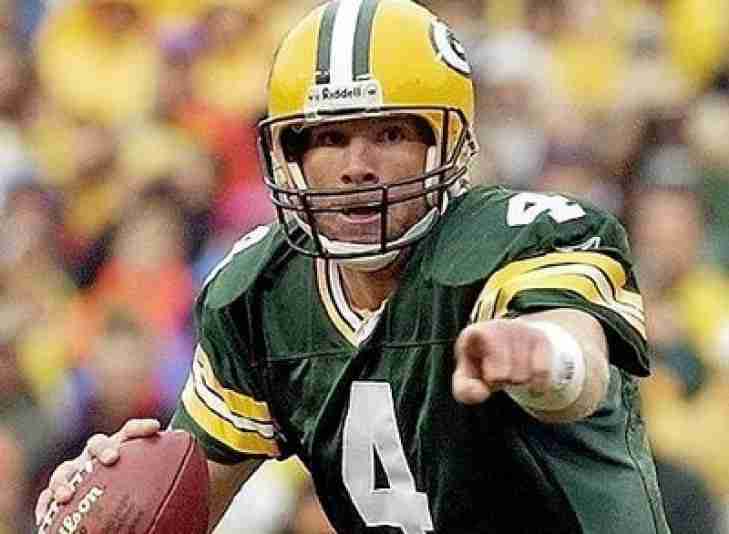
Let’s take a quick look shall we?
1. Morten Andersen, Place Kicker. Fourth Time as a Semi-Finalist: Ranked #83 on Notinhalloffame.com.
2. Steve Atwater, Safety. Fifth Time as a Semi-Finalist: Ranked #19 on Notinhalloffame.com.
3. Tony Boselli, Offensive Tackle, First Time as a Semi-Finalist: Unranked on Notinhalloffame.com
4. Isaac Bruce, Wide Receiver. Second Time as a Semi-Finalist: Ranked #23 on Notinhalloffame.com.
5. Don Coryell, Coach. Eighth Time as a Semi-Finalist.
6. Roger Craig, Running Back. Eighth Time as a Semi-Finalist: Ranked #11 on Notinhalloffame.com.
7. Terrell Davis, Running Back. Tenth Time as a Semi-Finalist: Ranked #21 on Notinhalloffame.com.
8. Tony Dungy, Coach. Third Time as a Semi-Finalist.
9. Alan Faneca, Offensive Guard: First Time as a Semi-Finalist: Ranked #5 on Notinhalloffame.com.
10. Brett Favre, Quarterback: First Time as Semi-Finalist: Ranked #1 on Notinhalloffame.com.
11. Kevin Greene, Linebacker/Defensive End: Tenth Time as a Semi-Finalist. Ranked #37 on Notinhalloffame.com.
12. Marvin Harrison, Wide Receiver, Third Time as a Semi-Finalist. Ranked #3 on Notinhalloffame.com.
13. Torry Holt, Wide Receiver, Second Time as a Semi-Finalist. Ranked #9 on Notinhalloffame.com.
14. Joe Jacoby, Offensive Tackle, Sixth Time as a Semi-Finalist. Ranked #62 on Notinhalloffame.com.
15. Edgerrin James, Running Back, Second Time as a Semi-Finalist. Ranked #17 on Notinhalloffame.com.
16. Jimmy Johnson, Coach, Third Time as a Semi-Finalist.
17. Mike Kenn, Offensive Tackle, Second Time as a Semi-Finalist. Ranked #99 on Notinhalloffame.com.
18. Ty Law, Cornerbck, Second Time as a Semi-Finalist. Ranked #60 on Notinhalloffame.com.
19. John Lynch, Free Safety, Fourth Time as a Semi-Finalist. Ranked #57 on Notinhalloffame.com
20. Kevin Mawae, Center/Offensive Guard. Second Time as a Semi-Finalist. Ranked #16 on Notinhalloffame.com.
21. Karl Mecklenburg, Linebacker. Fifth Time as a Semi-Finalist. Ranked #65 on Notinhalloffame.com.
22. Sam Mills, Linebacker. First time as a Semi-Finalist. Ranked #85 on Notinhalloffame.com.
23. Terrell Owens, Wide Receiver, First Time as a Semi-Finalist. Ranked #7 on Notinhalloffame.com.
24. Orlando Pace, Offensive Tackle, Second Time as a Semi-Finalist. Ranked #15 on Notinhalloffame.com.
25. Kurt Warner, Quarterback, Second Time as a Semi-Finalist. Ranked #28 on Notinhalloffame.com.
The Football Hall of Fame will announce the Finalists in January.
Which ones will make it to next round?
Awards = HOF? Part Four: The Super Bowl MVP (NFL)
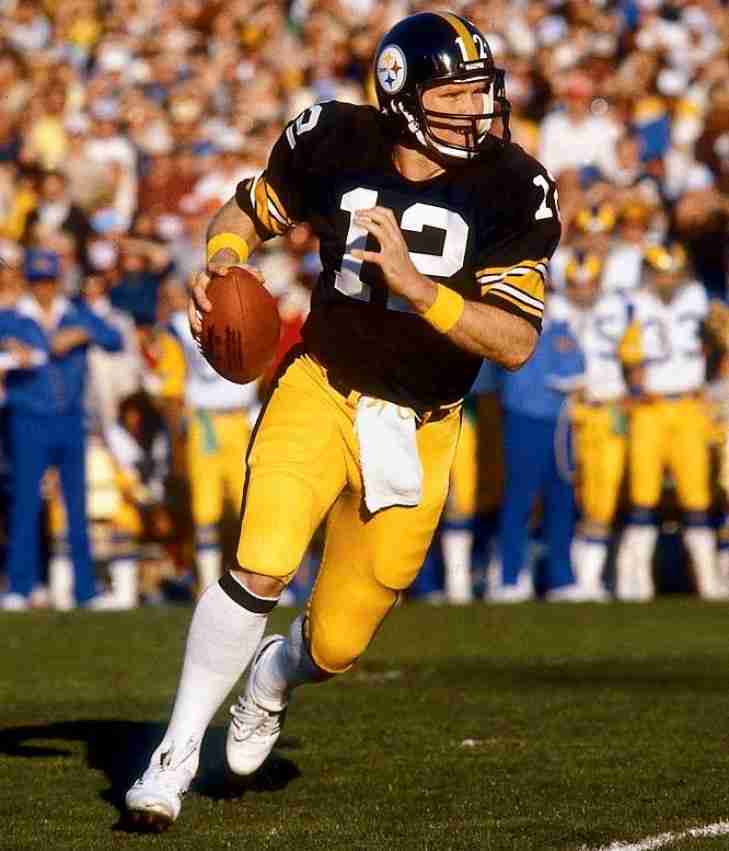
Needless to say, different awards in different sports yield hall of fame potential. In basketball, the team sport with the least amount of players on a roster, the dividend for greatness much higher. In baseball, it is not as much as a great individual season does not have the same impact.
2016 Football Preliminary Nominees Announced

The nominees (and the respective ranking they have if they are on the Notinhalloffame.com Football list) are below.
An “x” denotes that he is a returning Finalist, a “y” that he is a first year nominee.
Quarterbacks:
Drew Bledsoe (#77)
y-Brett Favre (#1)
Steve McNair (#94)
Phil Simms (#48)
Vinny Testaverde
x-Kurt Warner (#28)
Running Backs:
Shaun Alexander
Ottis Anderson (#50)
Tiki Barber (#67)
Roger Craig (#11)
Stephen Davis
x-Terrell Davis (#21)
Eddie George
Priest Holmes
Edgerrin James (#17)
Daryl Johnston
Jamal Lewis
y-Clinton Portis
Herschel Walker (#35)
Ricky Watters (#36)
y-Brian Westbrook
Wide Receivers:
Isaac Bruce (#23)
Gary Clark (#53)
Henry Ellard (#76)
x-Marvin Harrison (#3)
Torry Holt (#9)
y-Terrell Owens (#7)
Sterling Sharpe (#46)
Jimmy Smith (#100)
Rod Smith (#54)
Tight Ends:
Mark Bavaro (#98)
Jay Novacek (#89)
Offensive Tackles:
Tony Boselli
Jim Covert
Joe Jacoby (#62)
Jon Jansen
Mike Kenn (#99)
Jim Lachey
x-Orlando Pace (#15)
Chris Samuels
Offensive Guards:
y-Alan Faneca (#5)
Chris Hinton (#68)
Kevin Mawae (#16)
Mark May
Nate Newton
Mark Schlereth
Steve Wisniewski (#26)
Centers:
Jeff Bostic
Jay Hilgenberg (#71)
Kent Hull
Tom Nalen
Defensive Ends:
Dexter Manley
Charles Mann
Leslie O’Neal
Simeon Rice
Defensive Tackles:
Fred Smerlas
Bryant Young
Linebackers:
Cornelius Bennett
Tedy Bruschi
y-Keith Bulluck
x-Kevin Greene (#37)
Ken Harvey
Levon Kirkland
Clay Matthews
Willie McGinest
Karl Mecklenburg (#65)
Matt Millen
Sam Mills (#85)
Zach Thomas
y-Mike Vrabel
Cornerbacks:
Eric Allen (#44)
Ty Law (#60)
Albert Lewis
Shawn Springs
Troy Vincent
Everson Walls
Safeties:
Steve Atwater (#19)
Joey Browner
LeRoy Butler (#79)
Rodney Harrison (#96)
x-John Lynch (#57)
Lawyer Milloy
y-Darren Sharper (#66)
Darren Woodson
Kickers:
x-Morten Andersen (#83)
Gary Anderson
y-John Carney
Jason Elam
Nick Lowery
Punters:
Sean Landeta
Special Teams:
y-Ethan Albright
Brian Mitchell
Steve Tasker
Coaches:
x-Don Coryell
Bill Cowher
x-Tony Dungy
Tom Flores
Mike Holmgren
x-Jimmy Johnson
Chuck Knox
Buddy Parker
Richie Petitbon
Dan Reeves
Pete Rodriguez
Lou Saban
Marty Schottenheimer
Clark Shaughnessy
Dick Vermeil
The Semi-Finalists will be announced in November following an announcement for the Finalists prior to the NFL Playoffs. The day before the Super Bowl, the full Class of 2016 will be unveiled.
Any surprises? Any glaring ommisions?
As always, we here at Notinhalloffame.com will be keeping our eyes on this one!
