

23. Maurice Williams
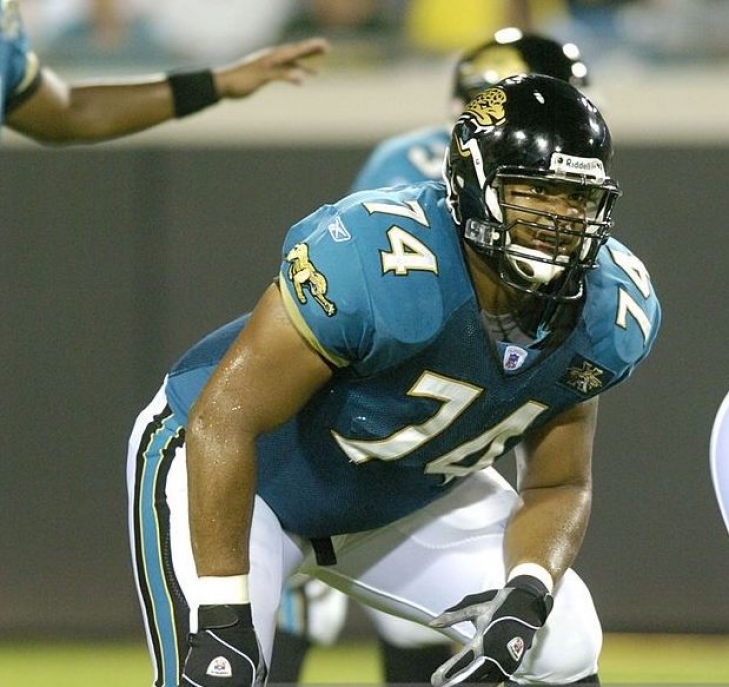
Fresh off a 1997 national championship season at Michigan, offensive tackle Maurice Williams was selected by Jacksonville in the second round (43rd overall) of the 2001 NFL Draft. Placed right into the fire, the 6-foot-5 lineman claimed the starting right tackle spot in training camp and went on to start all 16 games as a rookie.
Williams became a bedrock piece of Jacksonville's offensive line throughout the 2000s, forming a crushing right side alongside interior guard Vince Manuwai. Though quietly effective away from national media headlines, Williams' mobility and strength were vital in opening lanes for tailback Fred Taylor during peak rushing seasons, including the 2006 team that piled up a franchise-record 2,541 rushing yards. Demonstrated by his willingness to shift to right guard or step in at left tackle when injuries struck the unit, his versatility kept him in the starting lineup across nine seasons in North Florida. Compounding bicep and knee injuries eventually hampered his durability toward the end of his run, but his near-decade of work on the line remains one of the longest tenures by a tackle in franchise history.
He started 100 of his 105 games.
22. Vince Manuwai
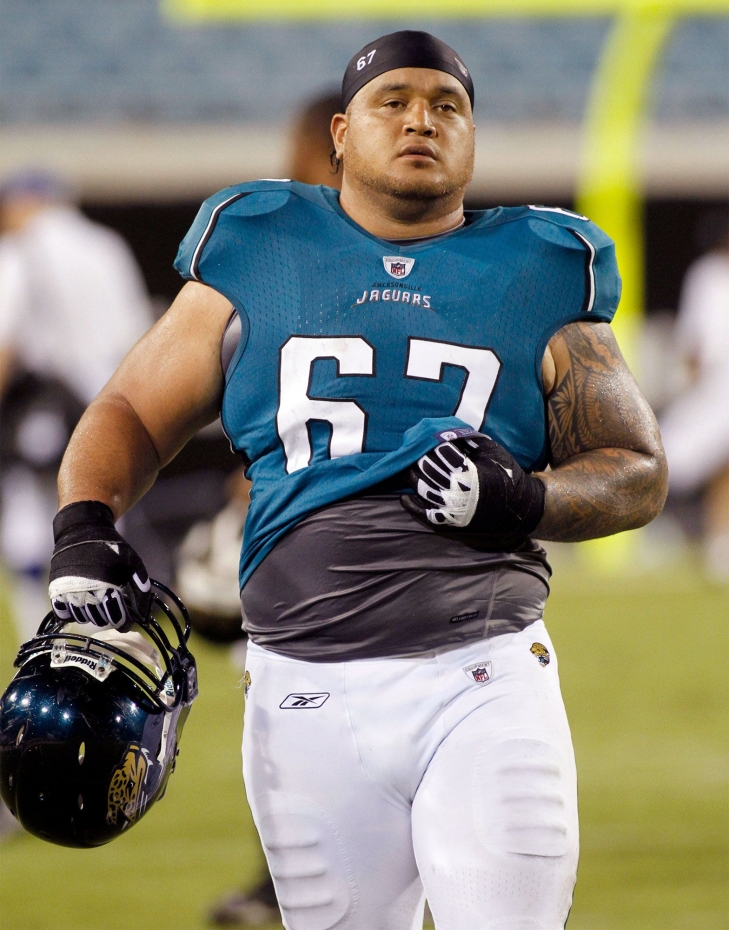
Before the 2003 NFL Draft, Vince Manuwai made headlines at the combine by bench-pressing 225 pounds 35 times, signaling the sheer functional strength he brought from Hawaii to North Florida. Placed into the starting lineup at left guard as a third-round pick (72nd overall), he adapted instantly to the speed of the professional game, starting 12 contests as a rookie and claiming a spot on the PFWA All-Rookie Team.
Manuwai quickly emerged as the bone-crushing engine behind Jacksonville's premier rushing attack. Playing alongside center Brad Meester, his aggressive, physical blocking at the point of attack regularly cleared wide lanes for Fred Taylor and Maurice Jones-Drew during the team's most potent mid-2000s offensive campaigns. Manuwai produced his finest football during the 2006 and 2007 seasons, serving as the lead interior blocker for back-to-back top-three NFL rushing offenses—including a franchise-record 2,541 rushing yards in 2006. Though a torn ACL interrupted his momentum in 2008, he battled back to reclaim his starting job and anchor the line for two more seasons before concluding his eight-year playing career spent entirely in Jacksonville.
He would make 105 starts in 111 games over his career.
12. Tony Brackens
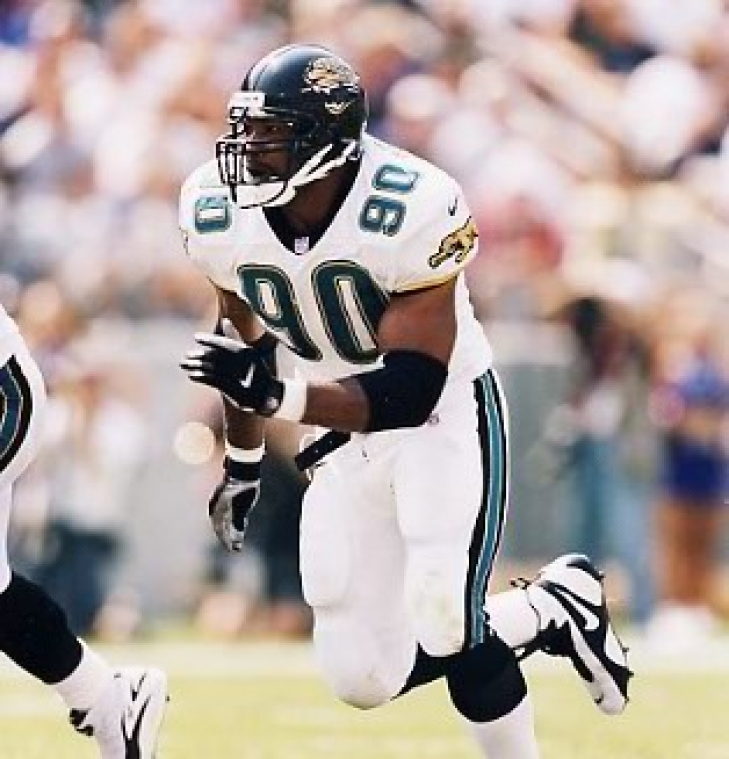
Drafted 33rd overall in the second round out of Texas in the 1996 NFL Draft, Tony Brackens wasted no time establishing himself as an absolute menace on the edge for Jacksonville. Despite starting just one game as a rookie, he generated instant backfield chaos, putting up 7.0 sacks and co-leading the NFL with five forced fumbles to earn a spot on the PFWA All-Rookie Team. He followed that up in 1997 by again co-leading the league in forced fumbles (6), quickly developing a reputation as one of the game's most lethal strip-sacking defenders.
Brackens put together his finest professional campaign during Jacksonville's historic 1999 run. As the premier edge threat on a squad that stormed to a league-best 14–2 record, he registered a career-high 12.0 sacks, two interceptions, and an NFL-leading eight forced fumbles. That dominant performance earned him Pro Bowl honors and a Second-Team AP All-Pro selection, solidifying his role as the franchise’s defensive heartbeat. He elevated his play even further in the postseason, racking up 3.0 sacks, a forced fumble, and a fumble recovery returned for a touchdown across two playoff starts.
Though persistent injuries hampered his availability after another double-digit sack year in 2001 (11.0 sacks), Brackens spent all eight of his NFL seasons terrorizing quarterbacks in North Florida before retiring after the 2003 season.
In Duval County, Brackens recorded 55.0 sacks, 362 tackles (304 solo, 58 assists), 27 forced fumbles, 13 recoveries, and five interceptions.
11. John Henderson
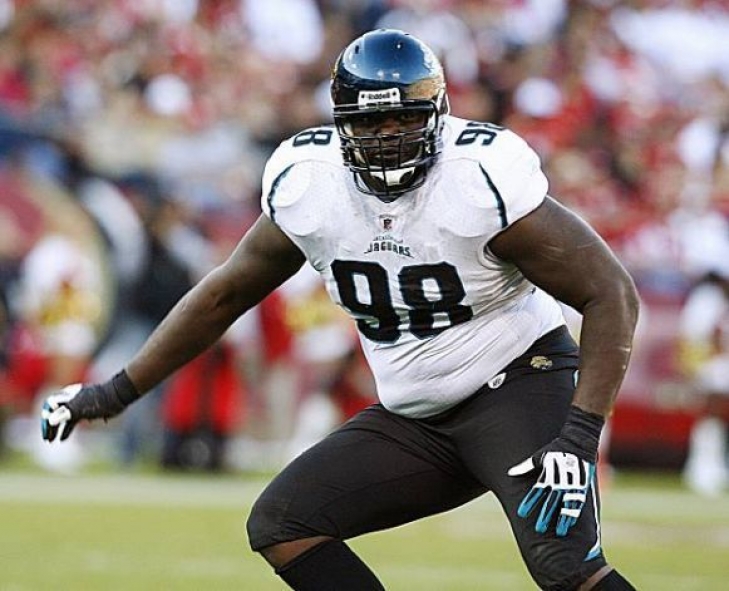
Long before a sideline video went viral of a Jacksonville athletic trainer slapping him across the face to stoke his pregame fury, John Henderson had already made a career out of punishing opposing offensive lines. Selected ninth overall out of Tennessee in the 2002 NFL Draft, Henderson entered the league with immense expectations and immediately established himself as a dominant, long-term anchor in the heart of the Jaguars' defense.
Paired alongside Marcus Stroud to create "Hurricane & Stroud," Henderson gave North Florida the most physically daunting interior tackle duo in football. Using explosive power off the snap and heavy hands at the point of attack, he routinely blew up interior run schemes and collapsed pockets from the middle. After earning PFWA All-Rookie Team recognition in 2002, Henderson developed into a two-time Pro Bowler (2004, 2006). His peak performance arrived in 2006, when he posted 3.5 sacks, 51 combined tackles, and a Second-Team AP All-Pro selection while leading Jacksonville's defense to elite league standings.
An indispensable pillar in the trenches, Henderson logged 120 starts over eight seasons in teal and black, driving playoff runs in 2005 and 2007. He concluded his 10-year NFL career with a two-season stretch in Oakland, but his prime years in Jacksonville defined an entire defensive era for the organization.
With the Jags, Henderson would have 29 sacks, 58 tackles for loss, and 426 combined tackles.
9. Marcus Stroud
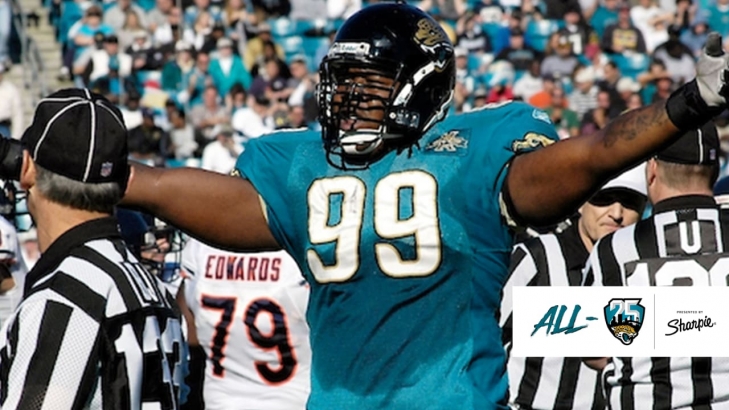
Selected 13th overall out of Georgia in the 2001 NFL Draft, Marcus Stroud arrived in North Florida as a cornerstone piece for a rebuilding defense. After spending his rookie campaign learning the speed of the professional game in a rotational role, Stroud became the full-time starting defensive tackle in 2002. From that point onward, he became a fixture in the middle, starting every single game he appeared in for Jacksonville over the next six seasons.
When the Jaguars drafted John Henderson in 2002, Stroud became part of "Hurricane & Stroud," arguably the most physically dominant interior defensive line duo of the 2000s. Playing mainly at left defensive tackle, Stroud used excellent leverage, raw strength, and quickness off the line to collapse pockets and close running lanes. His prime run lasted three seasons from 2003 to 2005, during which he earned three consecutive Pro Bowl selections and three straight Second-Team AP All-Pro honors (2003, 2004, 2005). With Stroud anchoring the interior line, Jacksonville built a top-tier defense that helped the franchise reach the playoffs in 2005 and 2007.
Injuries began catching up to Stroud during his final two campaigns in teal, limiting his availability before Jacksonville traded him to the Buffalo Bills in early 2008. Stroud spent three seasons in Buffalo before ending his career, but his prime years in Jacksonville made him one of the defining defensive players in Jaguars franchise history.
With the Jags, Stroud had 22 sacks, 43 tackles for loss, and 279 combined tackles.
19. Jalen Ramsey
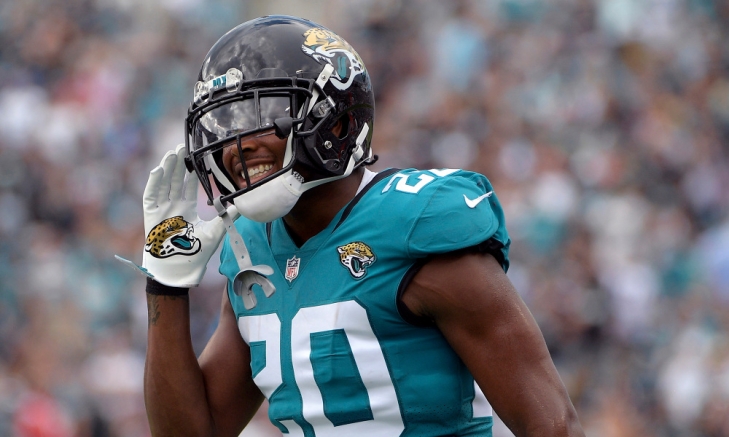
When Jacksonville selected Jalen Ramsey fifth overall out of Florida State in the 2016 NFL Draft, they were bringing in a consensus national champion and two-time All-American expected to instantly redefine their secondary. Ramsey met those towering expectations immediately, stepping onto the field with supreme swagger, elite physical coverage skills, and a willingness to tackle in space that earned him PFWA All-Rookie Team honors right out of the gate.
Ramsey quickly became the premier, vocal cornerstone of Jacksonville's formidable "Sacksonville" defense. His peak performance came during the historic 2017 campaign, when he erased opposing top receivers week after week, racking up 17 pass deflections and four interceptions—including a game-sealing interception late in the fourth quarter of the wild-card victory over Buffalo. That season earned him his first Pro Bowl selection and First-Team AP All-Pro honors while driving the Jaguars to the AFC Championship Game. He followed up with another Pro Bowl nod in 2018, routinely taking away half the field and asserting himself as arguably the best shutdown cornerback in professional football. However, his explosive tenure in North Florida collapsed early in the 2019 season following a heated sideline altercation with head coach Doug Marrone and a subsequent trade request. In October 2019, Jacksonville traded Ramsey to the Los Angeles Rams for a massive haul that included two first-round picks, and he later won Super Bowl LVI.
In Jacksonville, Ramsey had nine picks with 242 combined tackles.
20. Mike Peterson
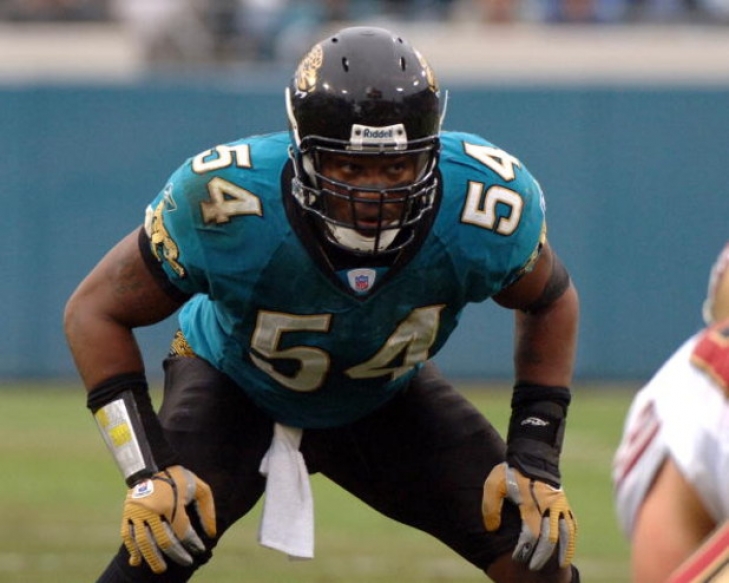
Signed as a marquee free agent in 2003, former Florida Gators standout Mike Peterson arrived in Jacksonville after four productive seasons with the rival Indianapolis Colts. Stepping straight into the middle linebacker spot, Peterson brought fiery leadership and sideline-to-sideline range to North Florida, immediately serving as the operational quarterback for defensive coordinator Mike Smith's unit.
Peterson wasted no time making an impact, surpassing 100 combined tackles in each of his first three seasons in teal and black. His peak performance came in a stellar 2005 campaign, when he recorded 132 combined tackles, 6.0 sacks, 10 tackles for loss, and three interceptions—including a 26-yard pick-six against the Bengals—earning him Second-Team AP All-Pro honors. Despite turning in a performance widely regarded as Pro Bowl-caliber, Peterson was inexplicably snubbed from the all-star roster.
Injuries and a midseason coaching dispute curtailed his final three years in Jacksonville, but he remained a crucial defensive anchor through 2008 before finishing his 14-year NFL career with the Atlanta Falcons. With the Jaguars, he had 15.0 sacks, 546 combined tackles (400 solo, 146 assists), 32 tackles for loss, 20 pass deflections, and eight interceptions.
10. Calais Campbell
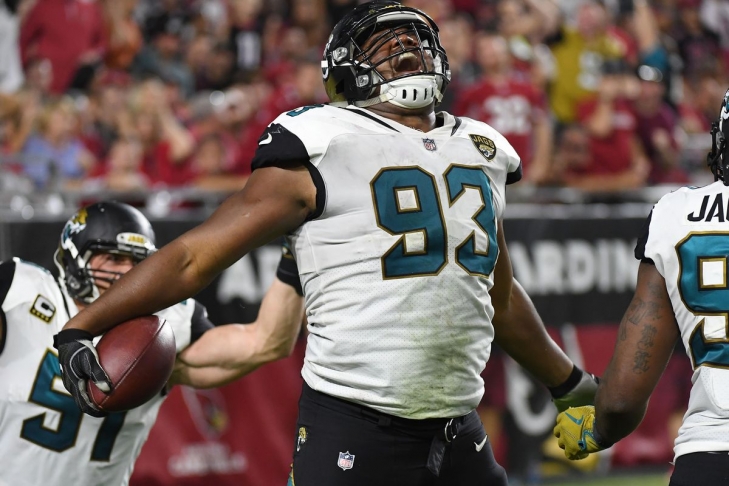
After spending the first nine seasons of his career establishing himself as a defensive force with the Arizona Cardinals, Calais Campbell signed with Jacksonville in the spring of 2017 as a 31-year-old free agent. Expectations were modest for a veteran entering his 10th season, but Campbell blew past every projection, unlocking the absolute peak of his career in teal and black and quickly earning the moniker "Mayor of Sacksonville".
Campbell’s impact was immediate, transformative, and ferocious. Operating as the vocal leader and physical focal point of a terrifying pass rush, he erupted in his very first game with the Jaguars by setting a franchise record with 4.0 sacks against Houston. He finished his inaugural 2017 campaign with a career-high 14.5 sacks, earning First-Team AP All-Pro honors and finishing as the runner-up for AP NFL Defensive Player of the Year. His dominant presence up front powered Jacksonville all the way to the AFC Championship Game, turning a former cellar-dweller into an elite defensive powerhouse.
His three-year run in North Florida was a masterclass in sustained excellence, as he earned Pro Bowl nods in all three seasons with the franchise (2017–2019) along with a First-Team AP All-Pro selection in 2017 and a Second-Team AP All-Pro choice in 2019. Beyond his elite backfield production, Campbell was a revered ambassador for the city and the league off the field, earning the prestigious Walter Payton NFL Man of the Year Award in 2019. His decade of dominance across the league culminated in a selection to the NFL 2010s All-Decade Team.
After three stellar campaigns, Campbell was traded to the Baltimore Ravens in 2020, eventually adding stops with Atlanta and Miami late in his career.
In his relatively brief stay in Jacksonville, Campbell recorded 31.5 sacks, 195 combined tackles (132 solo, 63 assists), 44 tackles for loss, 77 quarterback hits, and six forced fumbles.
7. Keenan McCardell
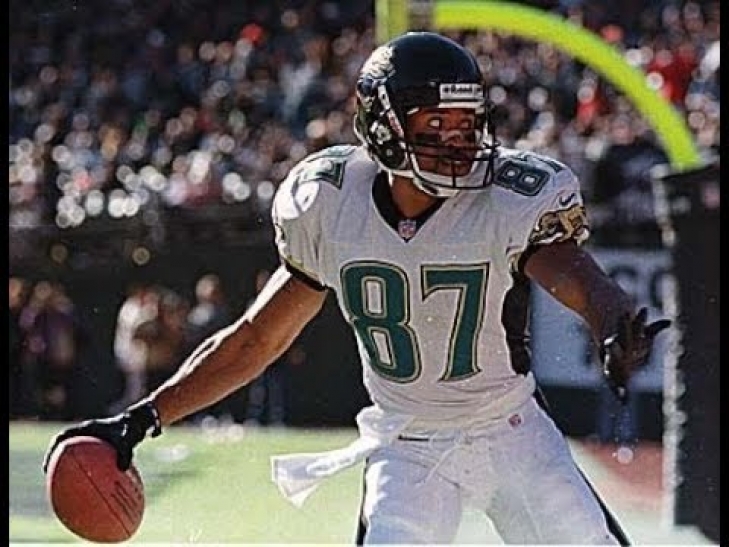
After grinding through four development seasons in Cleveland under Bill Belichick—culminating in a 56-catch campaign in 1995—Keenan McCardell hit free agency in 1996 and found his ideal football home. Landing in Northeast Florida on a three-year deal, he instantly became the missing piece for Tom Coughlin’s high-octane offense, transforming the young Jaguars into an immediate contender.
Operating as the tactical, possession-oriented counterpart to Jimmy Smith’s explosive deep game, McCardell brought elite route discipline and fearless toughness over the middle. He excelled at converting third downs, using crisp footwork and strong hands to haul in throws in heavy traffic. Opposite "Silk Lightning" Smith, McCardell earned the nickname "Velvet Thunder" for his ability to slice through secondary schemes and punishment-heavy coverage areas without flinching.
McCardell made an immediate impact during his inaugural 1996 season in Jacksonville, catching 85 passes for 1,129 yards to earn his first career Pro Bowl selection and propel the franchise to the AFC Championship Game. He proved remarkably consistent over the next five years, topping the 1,100-yard mark three more times (1997, 2000, 2001) and ranking among the top ten in league receiving yards during each of those stellar campaigns.
His reliability under pressure provided Mark Brunell with a trusted safety valve on every drive, ensuring Jacksonville boasted the most feared wideout tandem of the late 1990s. Though salary cap constraints forced the Jaguars to release McCardell after the 2001 season, he went on to win Super Bowl XXXVII with Tampa Bay—catching two touchdowns in the big game—and reached another Pro Bowl in San Diego.
With Jacksonville, he compiled 499 receptions, 6,393 receiving yards, and 30 receiving touchdowns.
4. Mark Brunell
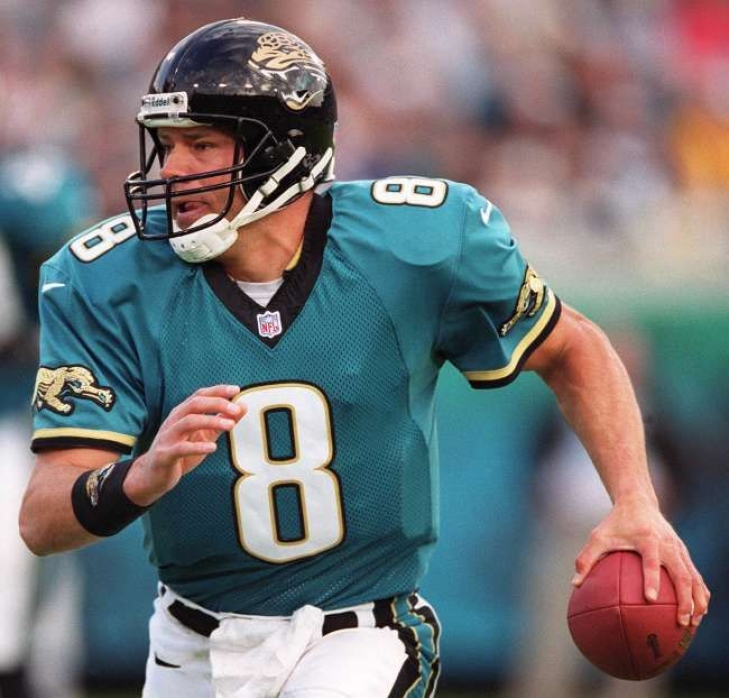
Stuck on the bench in Green Bay behind ironman Brett Favre, Mark Brunell faced an impossible bottleneck for playing time. That changed in April 1995 when the expansion Jacksonville Jaguars shipped third- and fifth-round picks to the Packers, instantly handing the young left-hander the keys to a brand-new franchise. Brunell seized the opportunity, becoming the charismatic, dual-threat leader who put Jacksonville on the NFL map.
Armed with a strong, accurate left arm and deceptive scramble ability, Brunell brought playmaking flair to Tom Coughlin’s offense. He possessed an uncanny ability to evade oncoming pass rushers, extend broken plays, and throw with pinpoint precision on the move. His dual-threat versatility opened up massive passing lanes for Jimmy Smith and Keenan McCardell, transforming a fledgling expansion outfit into a feared, high-scoring AFC contender in record time.
After taking over the starting role midway through Jacksonville's inaugural 1995 season, Brunell put together a historic 1996 campaign. He led the entire NFL with 4,367 passing yards, threw 19 touchdowns, and added 396 rushing yards to earn his first Pro Bowl selection. In just the franchise's second year of existence, Brunell orchestrated a stunning playoff upset over John Elway's Denver Broncos, driving the Jaguars all the way to the AFC Championship Game.
Brunell continued his steady leadership through the turn of the century, earning two additional Pro Bowl nods (1997, 1999) and guiding Jacksonville back to the AFC title game during a franchise-best 14–2 run in 1999. Across his nine years in Teal and Black, he logged four 3,000-yard passing seasons and served as the steady operational hand during the greatest era in franchise history before being traded to Washington in early 2004.
He compiled 25,698 passing yards, 144 passing touchdowns, 86 interceptions, and 2,219 rushing yards with 14 rushing touchdowns for the Jaguars. Brunell was inducted into the Pride of the Jaguars in 2013.
3. Tony Boselli
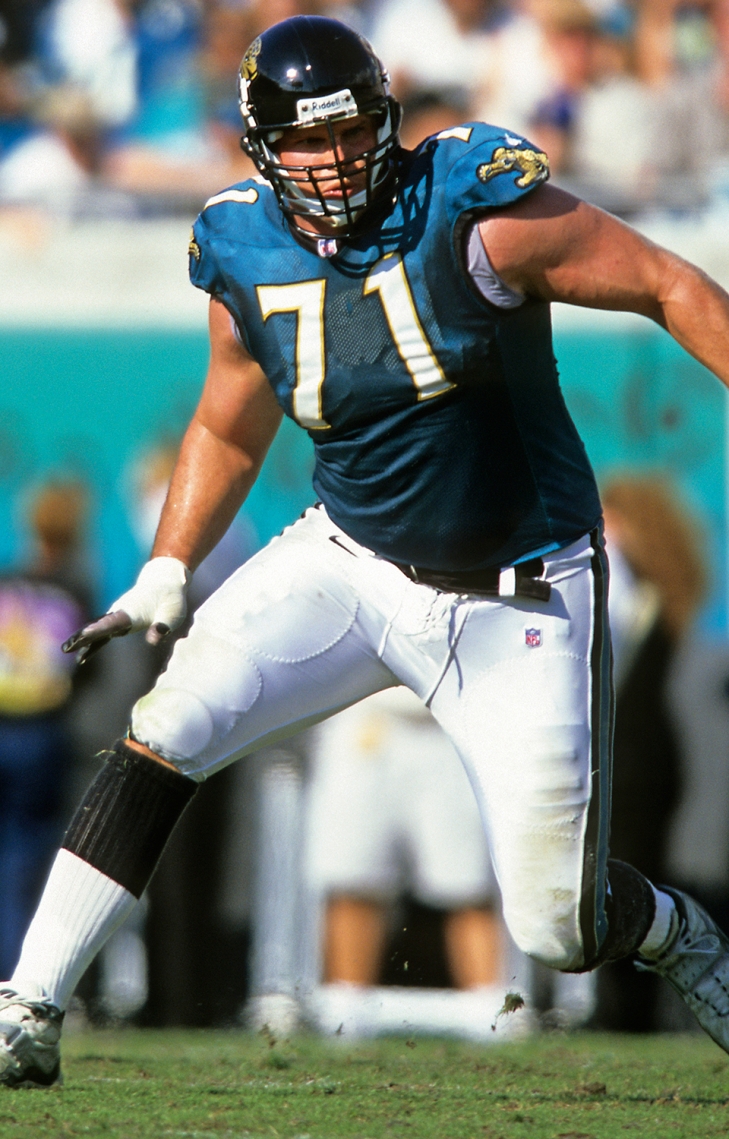
When the Jacksonville Jaguars submitted the second overall pick in the 1995 draft, they weren't just picking an offensive tackle out of USC—they were taking the initial, defining step of their franchise identity. Tony Boselli was the organization’s first-ever draft selection, arriving in Northeast Florida with elite 6-foot-7, 324-pound size, light footwork, and a mean streak. Though teammates like Jimmy Smith and Fred Taylor ultimately posted longer careers, Boselli's prime represented the highest level of individual execution in Jaguars history.
Operating at left tackle, Boselli turned Mark Brunell's blind side into an impenetrable fortress. He paired smooth pass-protection sets with crushing run-blocking power, single-handedly erasing elite pass rushers like Bruce Smith and Derrick Thomas while opening massive holes for Jacksonville's rushing attack. During his dominant peak, he surrendered a meager 15.5 total sacks across seven seasons, serving as the undisputed engine behind Jacksonville's astonishing run to two AFC Championship Games in their first five years of existence.
His peak years yielded an elite run of individual accolades. From 1996 through 2000, Boselli earned five consecutive Pro Bowl selections, headlined by three straight First-Team All-Pro honors (1997–1999). Widely regarded as the premier left tackle in all of pro football during this span, he captured NFL Alumni Offensive Lineman of the Year honors in 1998 and earned a spot on the NFL’s 1990s All-Decade Team despite having his career cut short by injuries.
The franchise reluctantly allowed the Houston Texans to select Boselli first overall in the 2002 Expansion Draft due to severe shoulder concerns. He never played a single snap for Houston, retiring shortly thereafter to ensure every live down of his legendary career took place exclusively in Jacksonville.
Boselli played in 91 regular-season games with 90 starts, plus six postseason contests. A five-time Pro Bowler, three-time First-Team All-Pro, and member of the NFL’s 1990s All-Decade Team, Boselli was the inaugural inductee into the Pride of the Jaguars in 2006, had his No. 71 retired by the team, and was enshrined in the Pro Football Hall of Fame in 2022.
6. Brad Meester
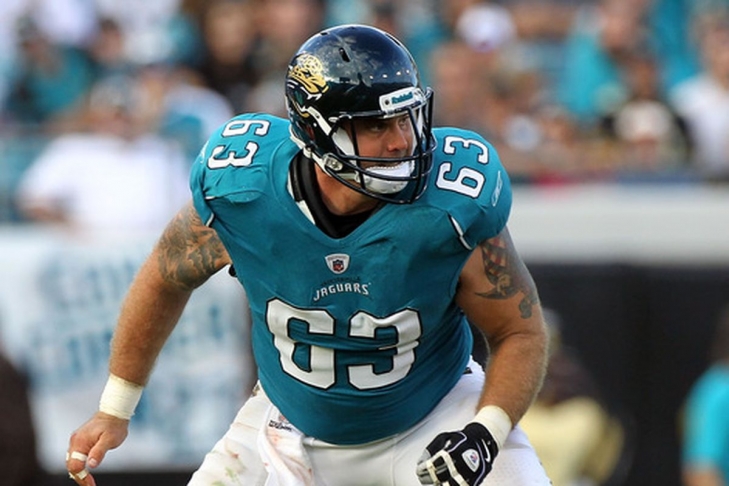
Selected in the second round (60th overall) out of Northern Iowa in 2000, Brad Meester quietly arrived in Jacksonville and went on to set the ultimate gold standard for durability and longevity in franchise history. While small-school offensive linemen often face a steep learning curve in the NFL, Meester stepped straight into the starting lineup as a rookie, immediately anchoring the interior of the line and never looking back.
For his first three seasons in Duval County, Meester served as the team's reliable starting left guard, using exceptional leverage, smart footwork, and a lunch-pail work ethic to pave lanes for Fred Taylor. In 2003, the coaching staff moved him to center—a transition that unlocked his true calling. Operating as the offensive line's cerebral anchor, Meester took over pre-snap line calls and blitz identification, providing a steadying presence for four different starting quarterbacks across multiple coaching regimes.
Meester may have been overlooked for national honors like Pro Bowl rosters, but his value to Jacksonville was immeasurable. He was the constant physical link between the Jaguars' early-2000s playoff squads and the Maurice Jones-Drew era, famously blocking for both of the franchise's 1,000-yard rushing icons. His reliability became legendary; across 14 grueling seasons in the trenches, Meester missed only a handful of games, establishing an indestructible iron-man reputation in the Jacksonville locker room.
His storied career reached a fitting, fan-favorite crescendo in his final home game in December 2013 against Tennessee. In a heartwarming tribute to his 14 years of service, the Jaguars called a screen pass specifically for the retiring center, resulting in a memorable 19-yard reception—the only catch of his entire NFL career—to a roaring standing ovation.
He retired shortly after, standing far and away as the franchise’s undisputed all-time leader in games played and games started, leaving a legacy of quiet, unyielding excellence. He started all of his 209 Games, and in 2021, he was inducted into the Pride of the Jaguars.
1. Jimmy Smith
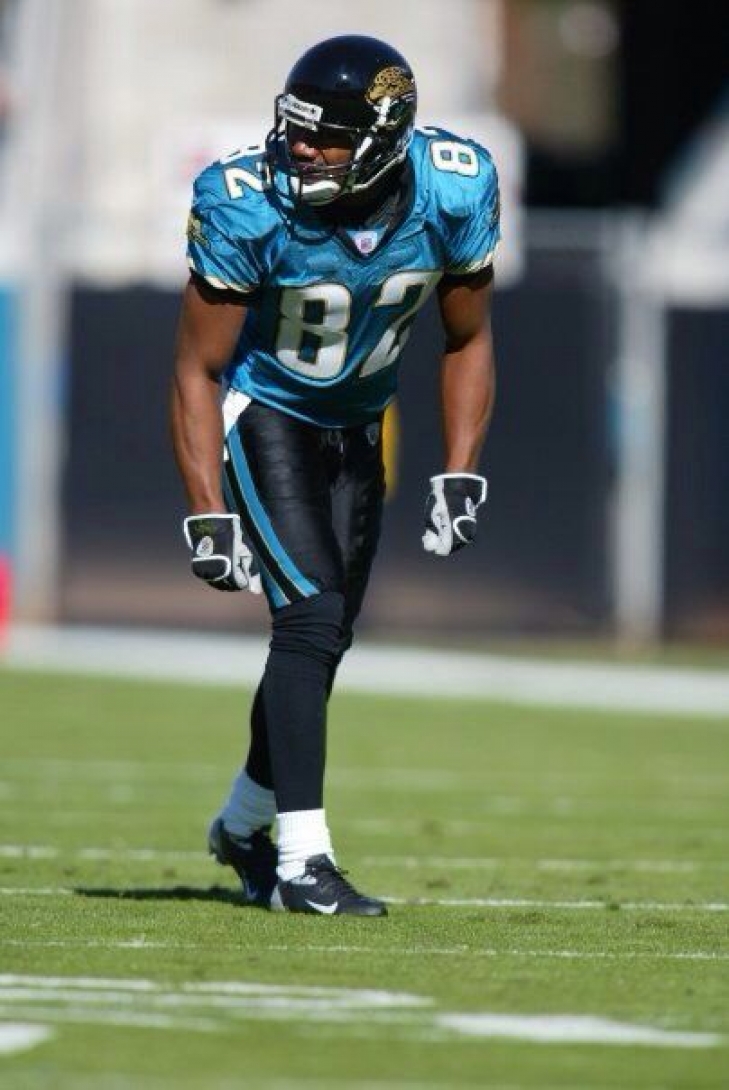
When the Jacksonville Jaguars spent their inaugural 1995 draft building a franchise foundation, nobody expected the cornerstone of their offense to arrive via a tryout for a former castoff. Drafted out of Jackson State by Dallas in 1992, Jimmy Smith spent his early years enduring severe abdominal illness, an appendectomy, and a year out of football entirely after brief pitstops with the Cowboys and Eagles yielded zero catches. Jacksonville handed him a second chance, and Smith turned it into one of the most remarkable career-resurrecting acts in NFL history.
Smith demonstrated a silky smooth stride, explosive vertical speed, and remarkable body control on deep boundary routes. He formed the renowned "Thunder and Lightning" duo with Keenan McCardell. Opposing cornerbacks struggled to handle his releases and cover his range along the sidelines. Together with Mark Brunell, Smith quickly became a matchup nightmare, turning Jacksonville from a new expansion team into a consistent AFC contender that made it to two conference title games in its first five years.
After a quiet 22-catch introduction during the Jaguars' maiden 1995 season, Smith broke out in 1996 with 83 receptions for 1,244 yards, kicking off an absolute reign of terror. Over the next nine seasons, he breached the 1,000-yard receiving mark eight times. His best season came in 1999, when he led the NFL with 116 receptions for a career-high 1,636 yards and six touchdowns, leading Jacksonville to a league-best 14–2 regular-season record.
While debate often swirled between Smith and franchise icon Tony Boselli, the statistics are undeniable. Smith ranks first in franchise history by a massive margin in Approximate Value (135), providing elite production and incredible longevity across 11 seasons. Even in his final NFL season at age 36 in 2005, Smith showed zero signs of regression, racking up 1,023 yards and six touchdowns before abruptly stepping away on his own terms.
Though secondary struggles after his retirement and a lack of early-career fanfare have kept him outside Canton's gates, Smith remains the undisputed offensive king of Duval County.
As a Jaguar, Smith compiled 862 receptions, 12,287 receiving yards, and 67 receiving touchdowns in Teal and Black—all franchise records that still stand today—alongside two early ring credentials from his inactive Dallas tenure. A five-time Pro Bowler (1997–2001), two-time Second-Team All-Pro, 1999 NFL receptions leader, and member of the Pride of the Jaguars (2016), Smith stands as the ultimate icon of Jaguars football.
8. Rashean Mathis
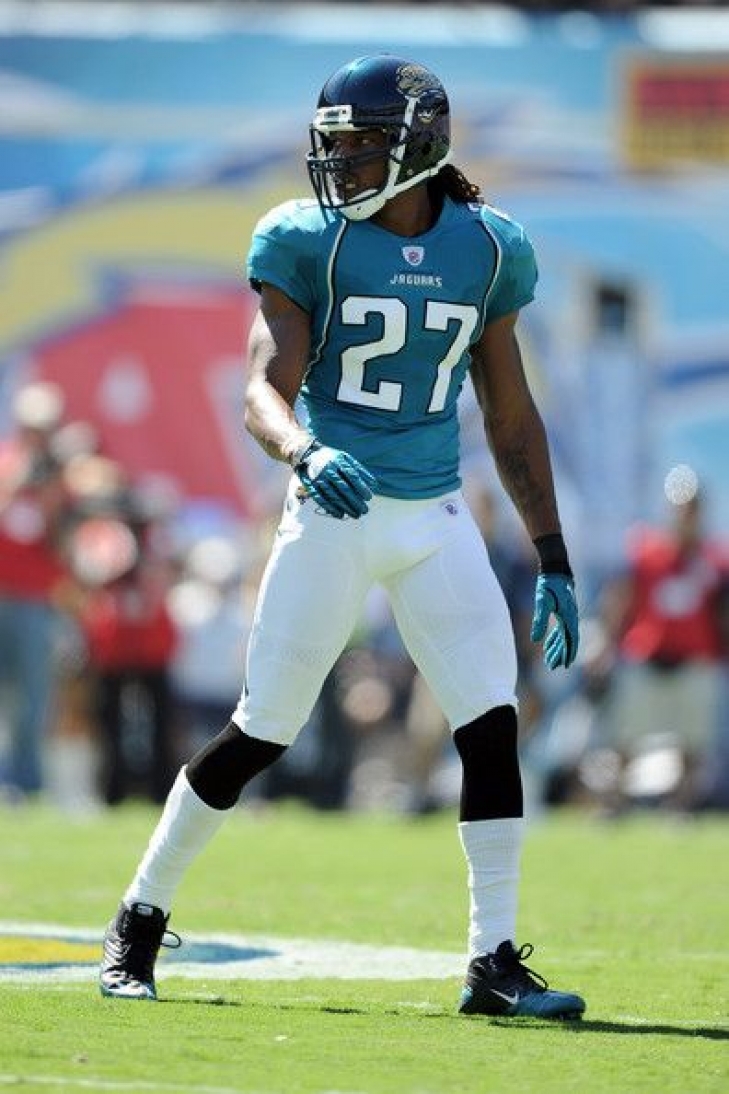
From a local high school standout at Englewood to an FCS consensus All-American at Bethune-Cookman, Rashean Mathis didn't have to leave the 904 area code to build a legend. Drafted 39th overall in 2003, the Jacksonville native brought rare length, sub-4.4 speed, and elite ball-hawking instincts to his hometown secondary, turning a gamble on an FCS powerhouse prospect into a foundational decade for the Jaguars' defense.
Mathis endured an up-and-down rookie campaign while bouncing between free safety and cornerback, but once he settled permanently into the left cornerback spot, his career took off. Standing 6-foot-1 with long arms and elite closing speed, he weaponized his background as a college interception machine to bait quarterbacks into dangerous throws. He possessed phenomenal route-recognition skills, jumping slants and boundary routes with ruthless efficiency to turn turnover opportunities into instant points for Jack Del Rio’s defense.
His peak came in 2006. Mathis completely locked down his side of the field, snatching a career-high eight interceptions—tied for the league lead—to earn First-Team All-Pro honors and his first Pro Bowl selection. Opposing offensive coordinators routinely abandoned their game plans against his boundary, solidifying Mathis as one of the game's most dangerous opportunistic corners.
Beyond his regular-season brilliance, Mathis produced legendary postseason moments for the franchise. His iconic two-interception performance against Ben Roethlisberger in the 2007 AFC Wild Card game—including a game-changing 63-yard pick-six—propelled Jacksonville to a thrilling playoff victory over Pittsburgh, cementing his status as a big-game hunter.
After a decade of stellar service in Duval County, Mathis spent his final three seasons in Detroit before returning home to sign a ceremonial contract and retire where it all began. With the Jaguars, he accumulated 30 interceptions, 520 combined tackles, 99 pass deflections, and three defensive touchdowns. He entered the Pride of the Jaguars in 2021.
5. Maurice Jones-Drew
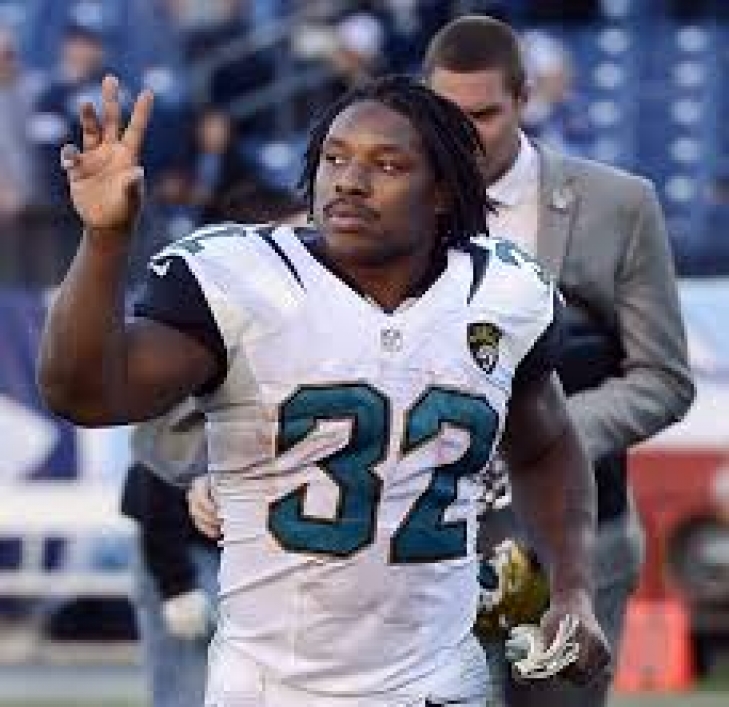
Drafted in the second round (60th overall) out of UCLA in 2006, Maurice Jones-Drew walked into Jacksonville measuring just 5-foot-7, but he instantly packed 210 pounds of pure dynamite. What NFL scouts foolishly miscalculated as a size handicap turned out to be his ultimate weapon; "MJD" hid behind giant offensive linemen before exploding into secondary lanes with low center-of-gravity power, deceptive speed, and leg drive that turned arm tackles into highlight-reel collisions.
During his first three seasons, Jones-Drew served as the lethal lightning to Fred Taylor's thunder in one of the league's most feared backfield tandems. Though sharing carries kept him just under the 1,000-yard mark annually, his nose for the goal line was unmatched. He racked up an astonishing 34 rushing touchdowns over that opening three-year span, cementing his status as a premier red-zone finisher while contributing heavily as a pass-catcher and kickoff returner.
When Taylor left in 2009, Jones-Drew took on the lead role, beginning an impressive three-year streak as a Pro Bowler. Between 2009 and 2011, he consistently gained at least 1,300 rushing yards each season, effectively carrying Jacksonville's offense during its rebuilding phase. His standout season was in 2011, when he challenged stacked defensive fronts to lead the NFL with 1,606 rushing yards, scoring eight touchdowns. This performance earned him his first First-Team All-Pro nod and the franchise's second rushing title.
Following two more seasons in Duval County plagued by a foot injury, Jones-Drew joined Oakland in 2014 before signing a ceremonial contract to retire as a Jaguar. He departed as the franchise's undisputed touchdown king, leaving behind a legacy as one of the most explosive and fan-favorite playmakers to ever wear Teal and Black.
He compiled 8,071 rushing yards, 335 receptions for 2,873 receiving yards, and 81 total touchdowns (68 rushing, 11 receiving, 2 kickoff return) for the Jaguars, departing with the franchise record for career rushing touchdowns. He was inducted as a member of the Pride of the Jaguars in 2024.
2. Fred Taylor
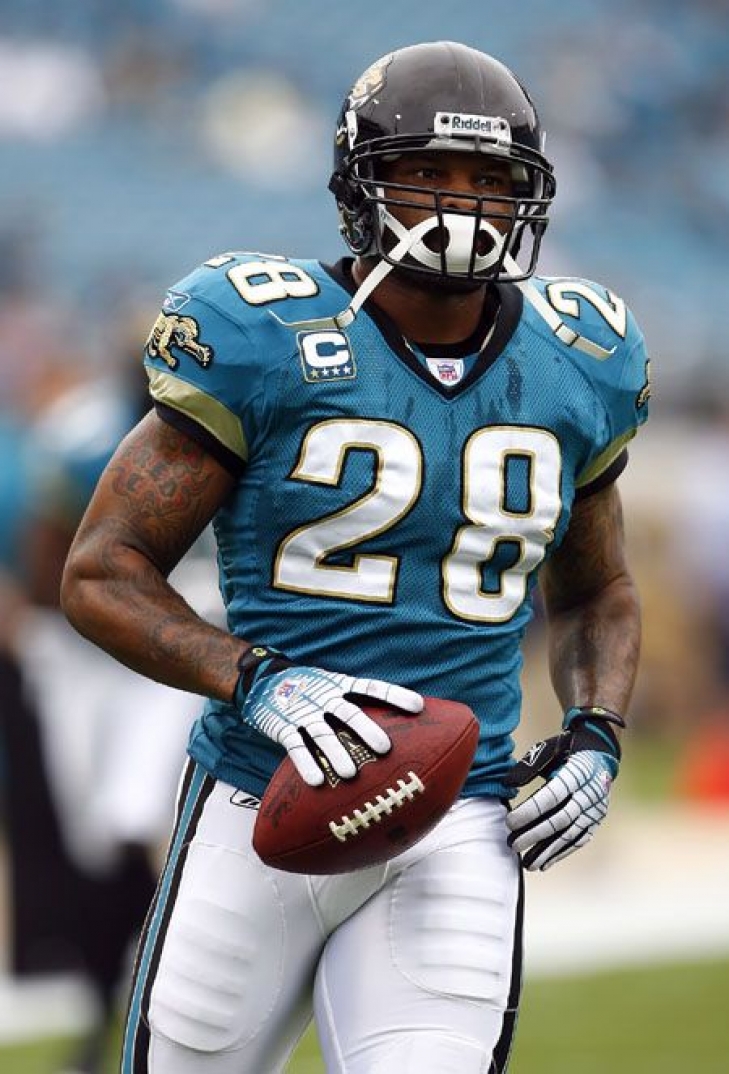
When the Jacksonville Jaguars acquired the ninth overall pick in the 1998 draft by shipping backup quarterback Rob Johnson to Buffalo, nobody envisioned they were executing one of the greatest trade thefts in modern NFL history. By selecting Florida star Fred Taylor, the Jaguars secured a local hero whose electrifying size-speed combination instantly gave Jacksonville a homegrown superstar capable of taking any touch the distance.
Standing 6-foot-1 and 228 pounds, Taylor ran with an unmatched blend of violent power, delicate footwork, and runaway track speed. Rather than barreling mindlessly into defenders, he used a signature dead-leg hesitation move in the open field, leaving linebackers grasping at air before accelerating away from secondary defenders. Though early-career soft-tissue injuries earned him an unfair label, Taylor completely erased that narrative through pure resilience, becoming one of the most punishing and durable workhorse backs of his era.
Taylor made a splash with his impressive 1998 rookie season, rushing for 1,223 yards and 14 touchdowns, along with 421 receiving yards, totaling 1,644 yards from scrimmage. His best statistical season came in 2000 when he led the NFL with an average of 107.6 rushing yards per game, achieving 1,399 yards and 12 touchdowns in just 13 games. That year featured a standout 234-yard, three-touchdown game against Pittsburgh, solidifying his reputation as a big-game performer.
He backed up that dominance in 2003 by rushing for a career-high 1,572 yards and leading Jacksonville to multiple playoff runs. Over a stellar six-year stretch from 2002 through 2007, Taylor recorded five 1,000-yard seasons, routinely ranking among the league's leaders in efficiency and yards per carry. Despite being one of the most feared runners of his generation, Taylor was notoriously overlooked by national voters, earning his lone, long-overdue Pro Bowl nod in 2007 after rushing for 1,202 yards at age 31.
He surpassed 1,000 rushing yards seven times, serving as the physical heartbeat of the offense through multiple coaching regimes. After concluding his career with a brief two-year stint in New England, Taylor signed a ceremonial one-day contract in 2011 to officially retire where his legendary journey began.
Over his 140 regular-season games for the Jags, he compiled 11,271 rushing yards, 286 receptions for 2,361 receiving yards, and 70 total touchdowns (62 rushing, 8 receiving), departing as the franchise’s all-time leading rusher. A 2007 Pro Bowler, 2007 Second-Team All-Pro, member of the 10,000-Rushing-Yard Club, and inductee into the Pride of the Jaguars (2012), Taylor stands as pure Jacksonville royalty.
135. Fred Taylor
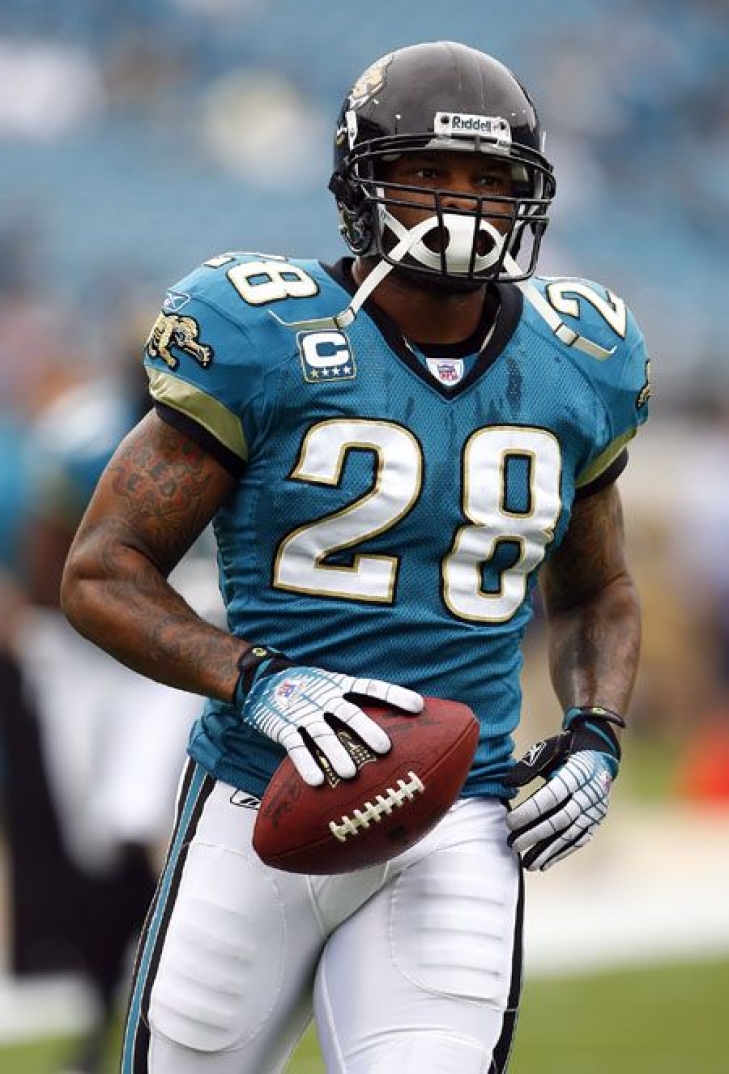
When you think of the state of Florida and the game of football, Fred Taylor is one of those names that should come up in the conversation. He is from the state; he played his college ball at the University of Florida (where he helped them win the National Championship), and he played professionally for the Jacksonville Jaguars for the first 11 years of his career.
Taylor made the All-Rookie team with a career-high 14 Rushing Touchdowns and 1,223 Yards on the ground, and provided he was healthy, he was going to get you at least 1,000 Rushing Yards. He did that six more times in his career, peaking at 1,572 in 2003 and earning a Pro Bowl in 2007. He played with the Jags until 2008, then finished his career in New England for two years. He retired with 11,695 Rushing Yards.
While Taylor never finished higher than sixth in Rushing Yards in a season, he was in the top ten in Yards per Attempt eight times, which is an impressive feat indeed.
Branden Albert Retires
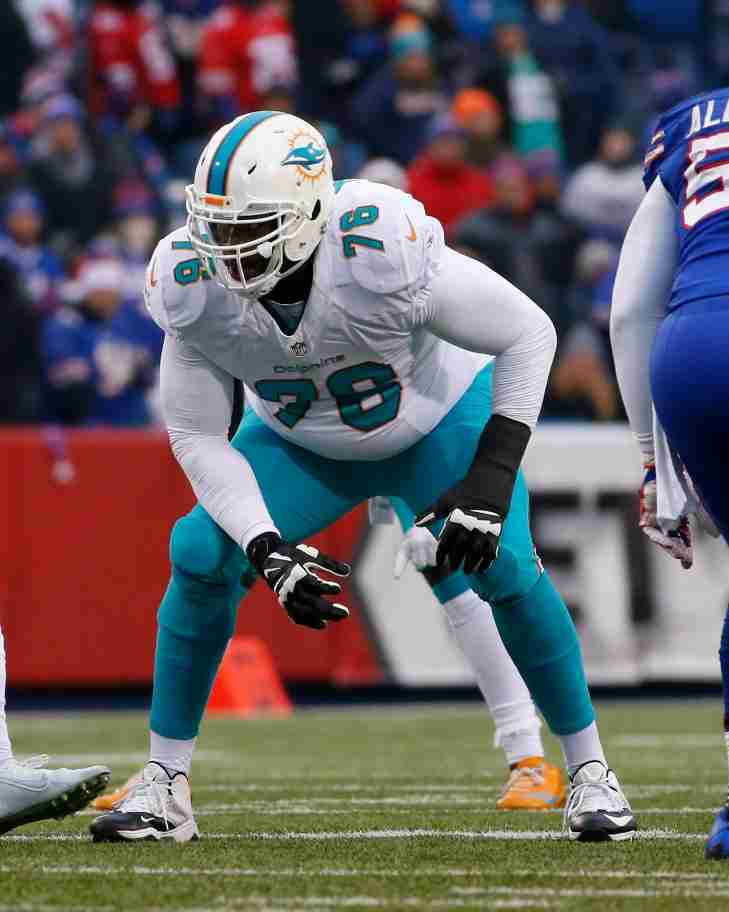
On March 9 of this year Offensive Tackle Branden Albert was traded from the Miami Dolphins to the Jags, but three months later before playing a game for the team he abruptly announced his retirement from the National Football League.
Again only the Jaguars.
Saying that, this raises our usual question, which is do we have a Hall of Famer on our hands.
Albert played 120 Games in the NFL with Kansas City and Miami and started all but two of them. He would achieve two Pro Bowl selections, one in 2013 and again in 2015 and his career, a respectable number but not one that is typical of a Canton bust.
We here at Notinhalloffame.com would like to congratulate Branden Albert on his successful career in the NFL and we wish him the best in his post playing career.
Tony Boselli 2017 HOF Debate
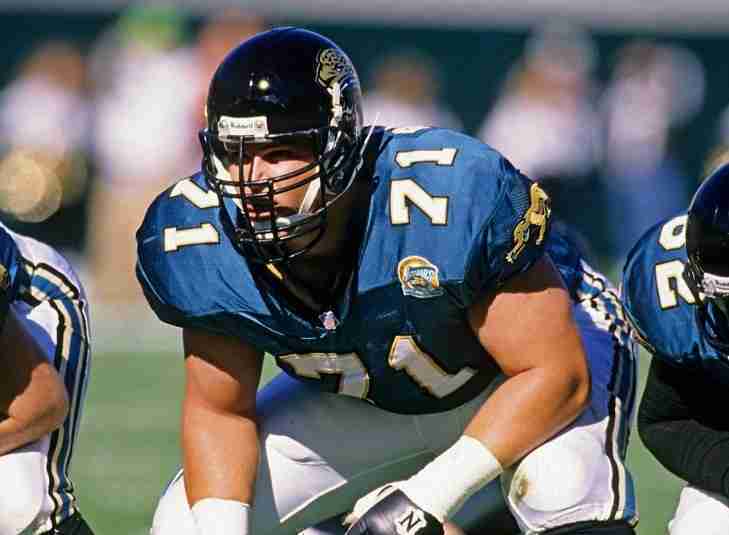
Committee Chairman: Spheniscus, do we have our first Pro Football Hall of Famer to represent the Jacksonville Jaguars? Tony Boselli was a hell of a player, but do we have the Terrell Davis of Offensive Linemen here? Boselli was only in the league for seven years, had three great ones and two good ones, but is this enough?
172. Jimmy Smith
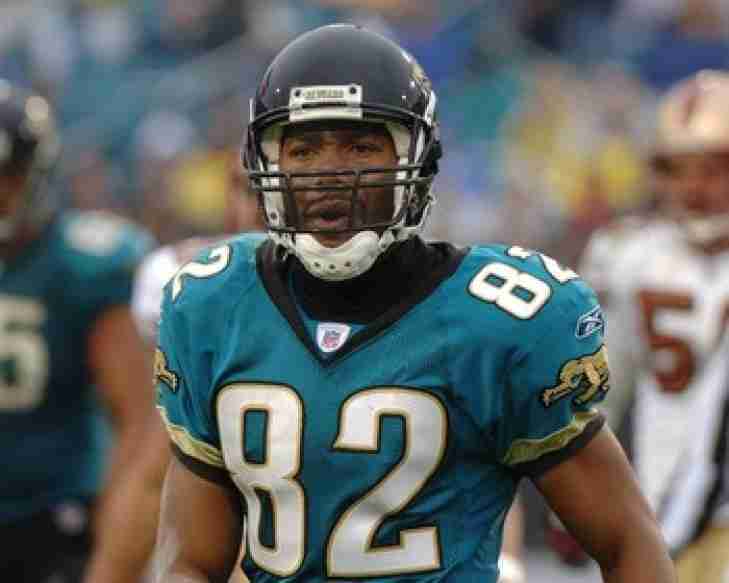
Jimmy Smith was a great Wide Receiver, but is he truly one of the elite, or is he just one of many in an inflated offensive age of Football? The answer to that question will determine whether he will get into the Hall of Fame.
Jimmy Smith may have accrued two Super Bowl Rings with Dallas, but he was basically a bust there as major injuries prevented him from being in the lineup for the bulk of his stint there. After being released by the Cowboys, his career was resurrected in Jacksonville, where he became one of the top wideouts in the game. Smith would catch for 1,000 yards nine times and twice top the 100-catch mark. Nobody can argue that those totals were not impressive (as they most certainly were), but a lot of other players were doing the same thing, and Smith never made a First Team All-Pro Team.
Jimmy Smith was very good for a long time, but sadly, if there is an eligible player with impressive stats who could be dismissed easily, it could be Jimmy Smith. We will find out very soon what the initial verdict will be.
