

205. Claude Passeau
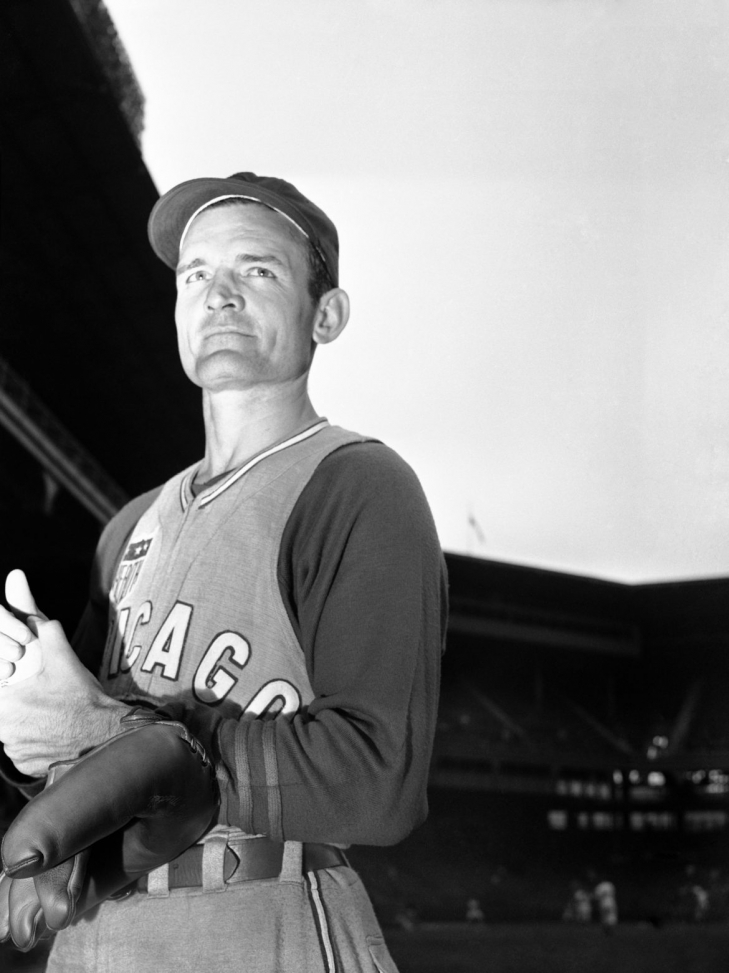
Claude Passeau appeared in one game in 1935 for the Pittsburgh Pirates, and the three innings he had shown nothing that would make you think he would be a future All-Star.
Passeau won a regular role with the Philadelphia Phillies, where he lost more games than he won, but he was a serviceable Pitcher and worthy of a Major League roster spot, and his advanced metrics were very good.
During the 1939 season, Passeau was traded to the Chicago Cubs, and his fortunes changed. Passeau was second that season in bWAR for Pitchers (6.0) and eighth in ERA (3.28), and in 1940, his first full year as a Cub, he was first in bWAR for Pitchers (6.9) and second in ERA (2.50). He won 20 Games that year and was named an All-Star five of the next six years; except for the last year of that run (1946), he always had at least 14 Wins and had four years with a sub-3 ERA.
Passeau was a vital cog in the Cubs team that won the 1945 National League Pennant. In the World Series, he pitched a one-hitter, but the Cubs lost the series to the Detroit Tigers.
154. Hippo Vaughn
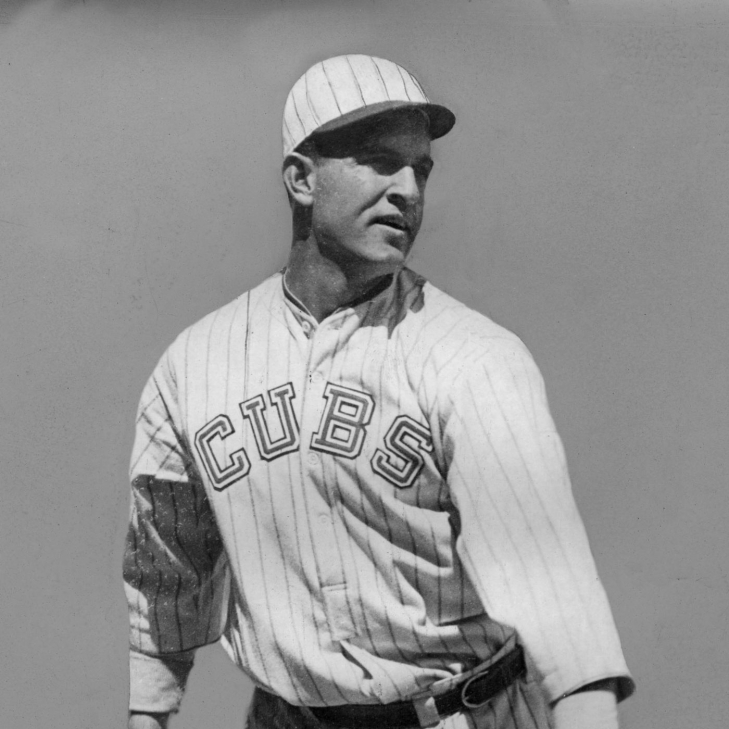
James Leslie “Hippo” Vaughn appeared in two games for the New York Highlanders (later to be the Yankees) in 1908, and after a full year in the minors, he had a promising 1910 campaign with a 13-11 record and an ERA of 1.83. It wasn’t quite the springboard to greatness, as he struggled over the next three seasons, going back and forth from the minors, and bouncing to the Washington Senators and then the Chicago Cubs. In the Windy City, he would live up to that potential that New York fans saw in 1910.
From 1914 to 1920, Vaughn was one of the best left-handers in the National League, and there were times when he certainly was. In that seven-year run, Vaughn was a 20 Game winner five times, was always in the top five in Strikeouts, and was in the top five in bWAR for Pitchers in five seasons. Had there been a Pitcher of the Year, Vaughn would have captured it in 1918, as that season he won the ERA Title (1.74), Wins (22), WHIP (1.006), SO/BB (1.947), ERA+ (159), and FIP (2.25).
Vaughn’s skills eroded significantly in 1921, and he was out of the Majors the year after. He retired with a healthy record of 178-137.
191. Lon Warneke
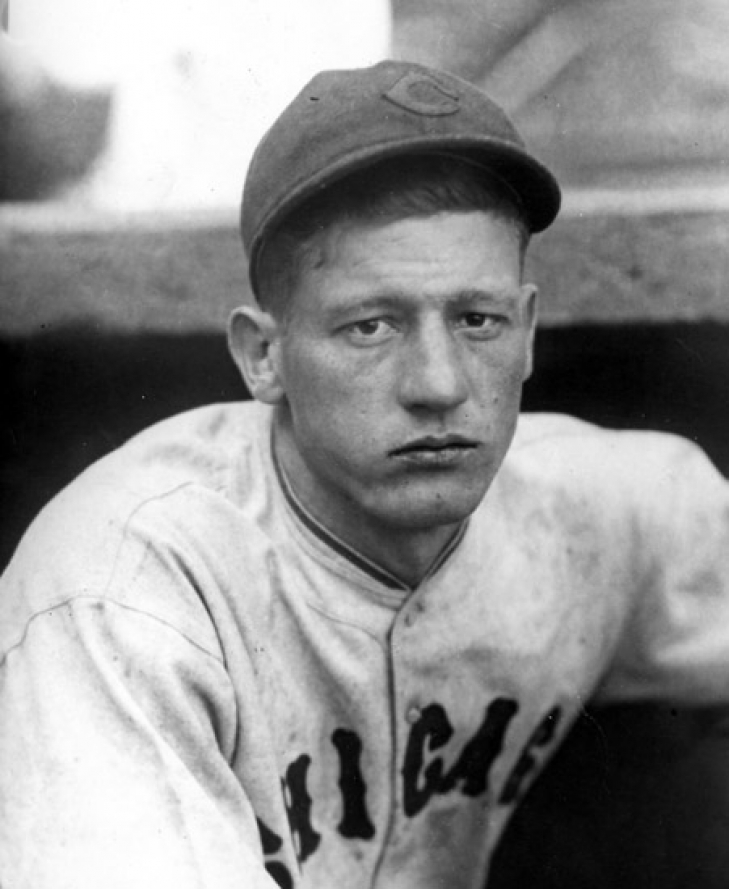
Lon Warneke played his entire career in the National League, splitting his run with rivals Chicago and St. Louis.
Warneke had one game in 1930 and 20 in 1931 for the Cubs, and while some scouts viewed him as a future star, they were likely surprised by what he accomplished in 1932. That year, “The Arkansas Hummingbird” led the NL in Wins (22), ERA (2.37), and he was second in MVP voting. He helped the Cubs win the Pennant, though they would lose the World Series to the New York Yankees.
Warneke proved he was not a one-year wonder: he went to three All-Star Games with Chicago and had three more top-20 MVP finishes, along with two more 20-win seasons. The Cubs angered their fans when they traded him to their sworn enemy, St. Louis, after the 1936 season.
Warneke played for the Redbirds for five and a half years, earning another two All-Star nods, and he always posted a winning record. That half-year was 1942, when he was dealt back to the Cubs, playing for them (save for a year in the military) until 1945. He left the game with a record of 192-121
180. Phil Cavarretta
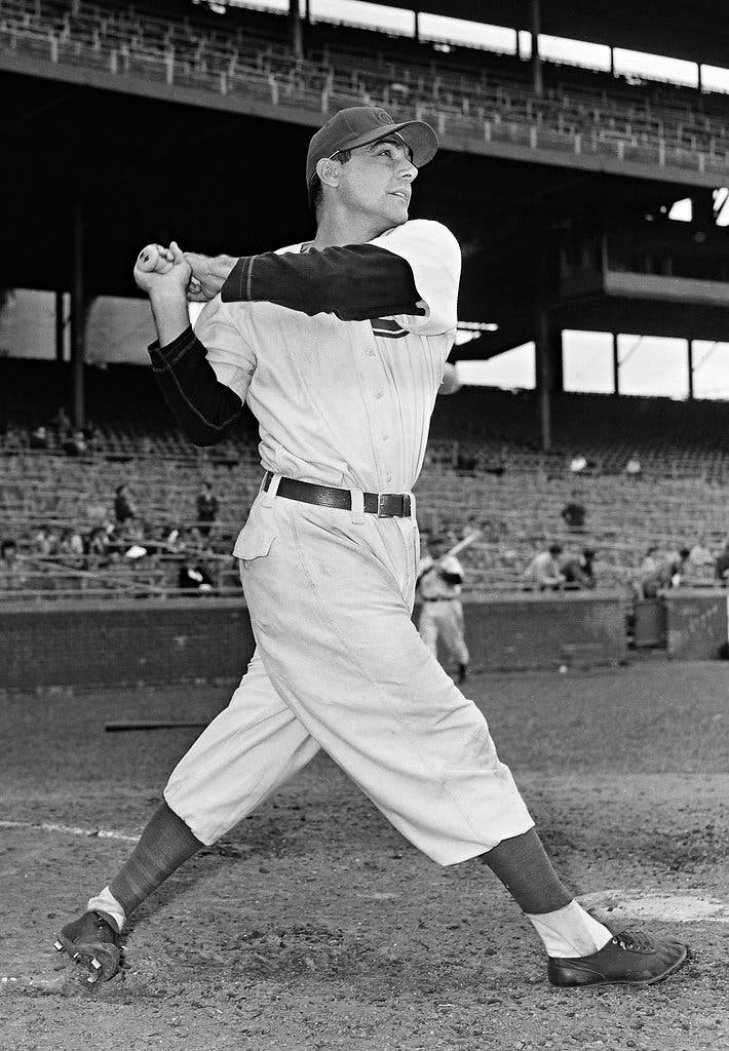
Before there was Ernie Banks, there was Phil Cavarretta, who many in Chicago referred to as "Mr. Cub," before that was universally bestowed upon Banks.
Cavarretta was exceptionally popular in Chicago, and how could he not be? He was from Chicago, and he was the type of player who gave everything he had on every play.
He first saw Major League action at 17 with the Cubs in 1935. The following season, he was their starting First Baseman, and he batted over .270 the next two years. Cavarretta suffered a plethora of injuries over the next five years, and he was not playing full-time, but he was healthy by 1942, and he was one of the few stars to stay stateside as his hearing problem kept him from being drafted to serve in the American military in World War II.
From 1944 to 1947, Cavarretta was an All-Star, winning the National League MVP in 1945. In that season, he won the Batting Title (.355), the OBP Title (.449), and he had a .500 Slugging Percentage. He had helped the Cubs reach the World Series that year, where he batted .423, similar to the .462 he batted in the 1938 World Series. The Cubs did not win either of them, but he proved he was a clutch player, which only added to his legacy.
Cavarretta suffered more injuries from 1948 on, and he played less and less. He became the Cubs Player/Manager in 1951, but he was fired before the 1954 season began. The crosstown White Sox signed him, and he played two final years there before retiring.
While Cavarretta was not statistically at the level of others on this list, his desire to play and effort on the field had few equals. That latter fact is why he once had 35.6% of the Hall of Fame ballot.
Our All-Time Top 50 Chicago Cubs have been revised
Yes, we know that this is taking a while!
As many of you know, we here at Notinhalloffame.com are slowly generating the 50 of each major North American sports team. That being said, we have existing Top 50 lists out and we always consistently look to update them when we can and based on necessity. As such, we are very happy to present the pre-2021 update of our top 50 Chicago Cubs of all-time.
As for all of our top 50 players in baseball we look at the following:
1. Advanced Statistics.
2. Traditional statistics and how they finished in the National League.
3. Playoff accomplishments.
4. Their overall impact on the team and other intangibles not reflected in a stat sheet.
There is only one new addition, but he is not an active player. As always, we announce our top five immediately, but out full list can be found here.
1. Cap Anson
2. Ernie Banks
4. Ron Santo
There was some minor tinkering on the list due to the changing values from Baseball Reference. This led to former Infielder, Woody English,replacing Hall of Fame closer, Lee Smith at #50.
We welcome your input and commentsand as always, we thank you for your support.
47. Woody English

English joined the Cubs in 1927 and bypassed the usual maturation process, quickly maturing into a versatile defensive standout who split his time between shortstop and third base. He arrived with a vacuum glove and a rare internal clock, consistently shrinking the diamond against opposing hitters. He was an efficiency machine on the dirt, finishing in the top five in defensive bWAR five different times during his stay in Chicago. This defensive reliability provided the stability that allowed the organization to capture National League Pennants in 1929 and 1932.
The absolute pinnacle of his offensive career arrived during a blistering two-year stretch at the dawn of the 1930s. English was a model of consistency at the plate, eclipsing the .300 mark in back-to-back seasons (1930–1931) and remarkably reaching the 200-hit plateau in both campaigns. He wasn't just a slap hitter; he was a sophisticated, high-leverage producer who finished fourth in the National League MVP voting in 1931. He served as the disciplined engine at the top of the order, accumulating 1,248 hits and maintaining a career .291 average with the club, proving that his value was rooted in a rare balance of run production and elite run prevention.
His identity was synonymous with a blue-collar durability and a tactical flexibility that resonated with the Chicago faithful. English was a fixture in the lineup for nearly a decade, providing a level of professional calm that made him the emotional heartbeat of the infield. Whether he was turning a crucial double play or lacing a line drive into the gap to spark a rally, he played with a technical grace that defined the Cubs' success during the "Live-ball" era. He proved that a player could be a star through sheer defensive excellence and a high-contact bat, serving as the steady pulse of a championship-caliber team.
Our All-Time Top 50 Chicago Cubs are now up
Yes, we know that this is taking a while!
As many of you know, we here at Notinhalloffame.com are slowly generating the 50 of each major North American sports team. We have a new one to unveil today, that of the Chicago Cubs.
When it comes to iconic sports teams in North America, few can come close to the Chicago Cubs.
The Cubs first came into existence in 1870 as the Chicago White Stockings would join the National League in 1876. Before 1900, Chicago was one of the most successful teams. Led by Cap Anson, Chicago would win the National League Pennant in 1876, 1880, 1881, 1882, 1885 & 1886. They would go through a couple of name changes to the Colts, Orphans and would officially adopt the name of the Cubs in 1903.
The Cubs did well in the first decade of the 1900s where with stars like Joe Tinker, Johnny Evers, Frank Chance, and Three Finger Brown and would win the World Series in 1907 and 1908. That would begin the longest championship drought in sports.
You know the story. The alleged curse of the goat. Steve Bartman.
It would take until 2016 when they would win the World Series again, although they did win the National League Pennant multiple times between them (1910, 1918, 1929, 1932, 1935, 1938 & 1945). They also had Hall of Famers at that time, like Ernie Banks and Ryne Sandberg.
As of this writing, three World Series Championships is not very many for a team that has been around since the beginning, but again, how many organizations are as well-known as the Cubbies!
As for all of our top 50 players in baseball we look at the following:
1. Advanced Statistics.
2. Traditional statistics and how they finished in the National League.
3. Playoff accomplishments.
4. Their overall impact on the team and other intangibles not reflected in a stat sheet.
Remember, this is ONLY based on what a player does on that particular team and not what he accomplished elsewhere and also note that we have placed an increased importance on the first two categories.
This list is updated up until the end of the 2018-19 Season.
The complete list can be found here, but as always we announce our top five in this article. They are:
1. Cap Anson
2. Ernie Banks
4. Ron Santo
We will continue our adjustments on our existing lists and will continue developing our new lists.
Look for our All-Time Top 50 Oakland Athletics coming next!
As always we thank you for your support.
35. King Kelly
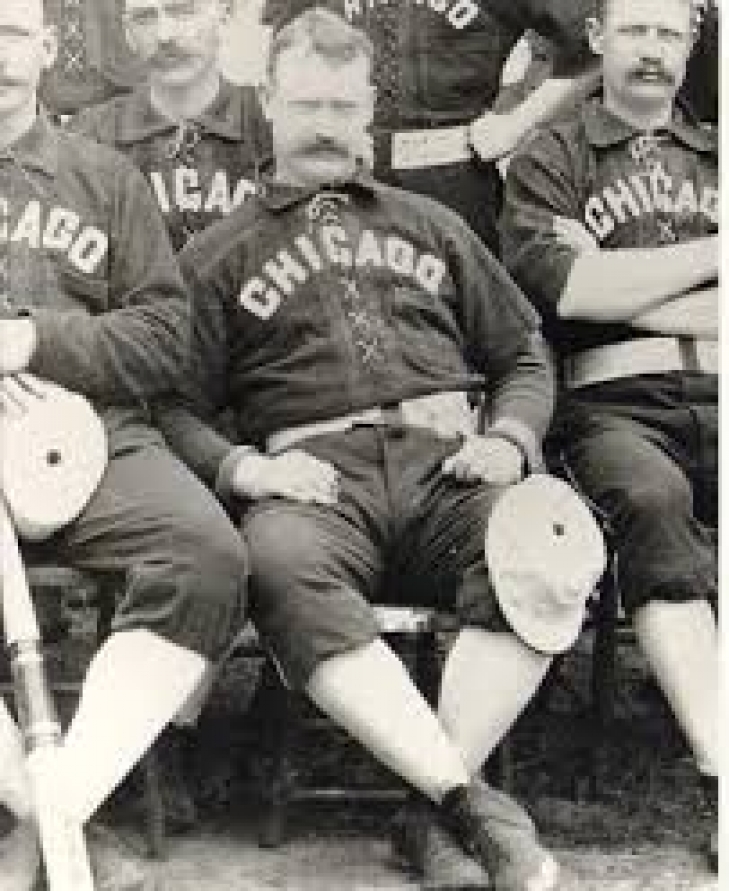
Chicago’s offense in the 1880s operated with a swagger that began and ended with the man they called "The King." Kelly brought a cerebral, almost mischievous quality to the plate, maturing into a hitter who understood how to manipulate the rules and the opposition to his advantage. His tenure reached a historic peak in 1884 and again in 1886, seasons of undeniable dominance where he captured the National League batting title and led the circuit in on-base percentage. He wasn't just a contact hitter; he was a run-scoring machine who led the league in that category three times, finishing his Chicago stay with a robust .316 average.
The weight of his Chicago stint was measured in pennants. With Kelly anchoring the lineup and the clubhouse, the White Stockings captured five championships, a run of success that many historians believe would have been impossible without his innovative baserunning and situational hitting. He was a two-time leader in doubles, proving he could drive the ball into the gaps of the early parks with ease. He arrived as a versatile talent and quickly became the emotional heartbeat of a city that was falling in love with the game, famously inspiring the hit song "Slide, Kelly, Slide."
Despite his massive popularity and production, the organization shocked the baseball world following the 1886 campaign by selling his contract to the Boston Beaneaters for the then-unheard-of sum of $10,000. This "$10,000 Beauty" trademarked the conclusion of his Chicago chapter, though his impact on the franchise's record books remained indelible. He left the city as a folk hero, a man who had proven that personality and performance could combine to create a legitimate cultural icon.
Recognition for his status as a pioneer of the professional game arrived in 1945, when the Old Timers’ Committee elected him to the Baseball Hall of Fame. Decades later, the Cubs solidified his place in the pantheon of North Side greats by naming him an inaugural member of the team Hall of Fame in 2021. He remains the gold standard for the "showman" archetype, a player who showed that you could be the most entertaining man on the field while simultaneously being the most dangerous.
38. Bill Lee
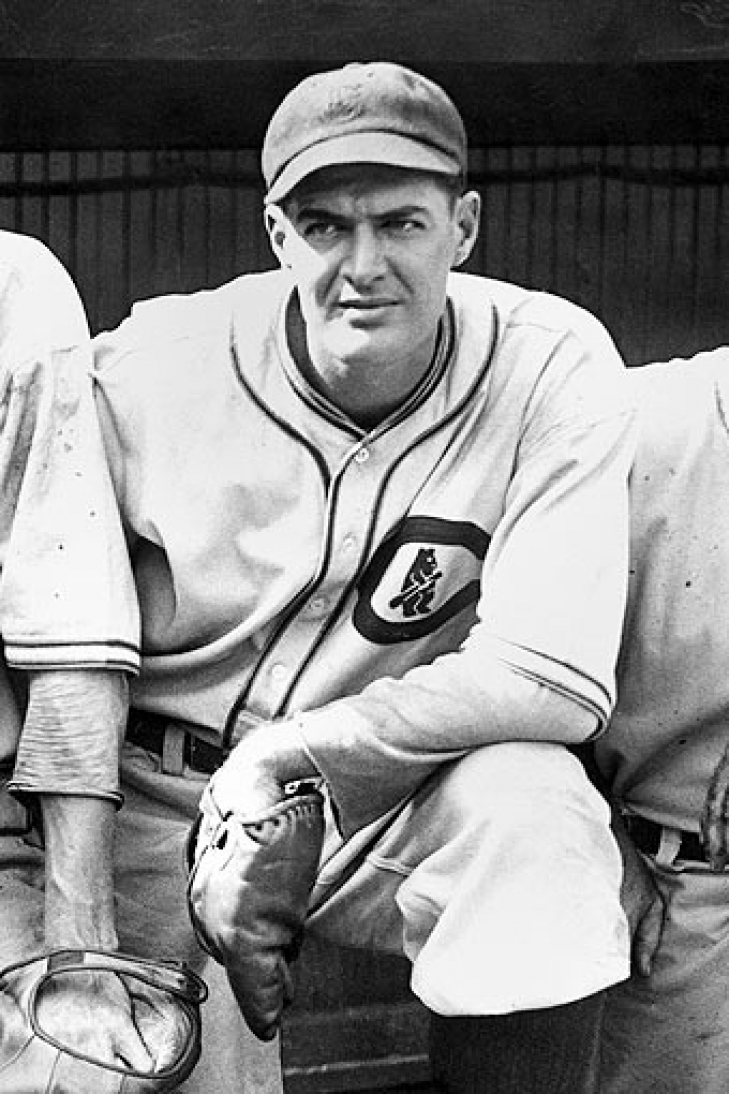
A trade with the Cardinals in 1933 brought the Louisiana right-hander to Chicago, and he wasted no time maturing into a cornerstone of the staff. Lee quickly shed any "prospect" labels by establishing a baseline that the North Side hadn't seen in years. From 1935 to 1939, he was a metronome of productivity, rattling off four separate seasons with at least 18 wins. He arrived as a young arm with a "jug-handle" curve and immediately became the stabilizing force for a roster that captured the 1935 pennant behind a historic 21-game winning streak.
The absolute pinnacle of his residency arrived in 1938, a season so profound that he was the consensus choice for the best pitcher in the game. That year, Lee led the National League in wins (22), ERA (2.66), shutouts (9), and ERA+ (144). and 8.0 bWAR—the highest for any pitcher in the league, and a second-place finish in the MVP voting. He was the primary architect of the "Homer in the Gloamin'" pennant race, at one point hurling four consecutive shutouts to tie a league record and drag the Cubs back into the thick of the race.
Consistency remained his trademark even as the decade turned. Lee was a two-time All-Star who was a quiet, durable workhorse. He was the rare pitcher who could bridge the gap between high-volume innings and elite run suppression, ultimately winning 139 games in a Cubs uniform, a total that still ranks among the top ten in the long history of the organization. Whether he was saving games in the 1935 World Series or leading the league in starts, he was the arm the organization leaned on when the stakes were highest.
The final chapters of his Chicago story were written during a brief return in 1947, following stints in Philadelphia and Boston. He left the city as a beloved figure of the pre-war era, a man whose 1938 campaign remains one of the most statistically perfect seasons in the annals of Wrigley Field.
33. Ed Williamson
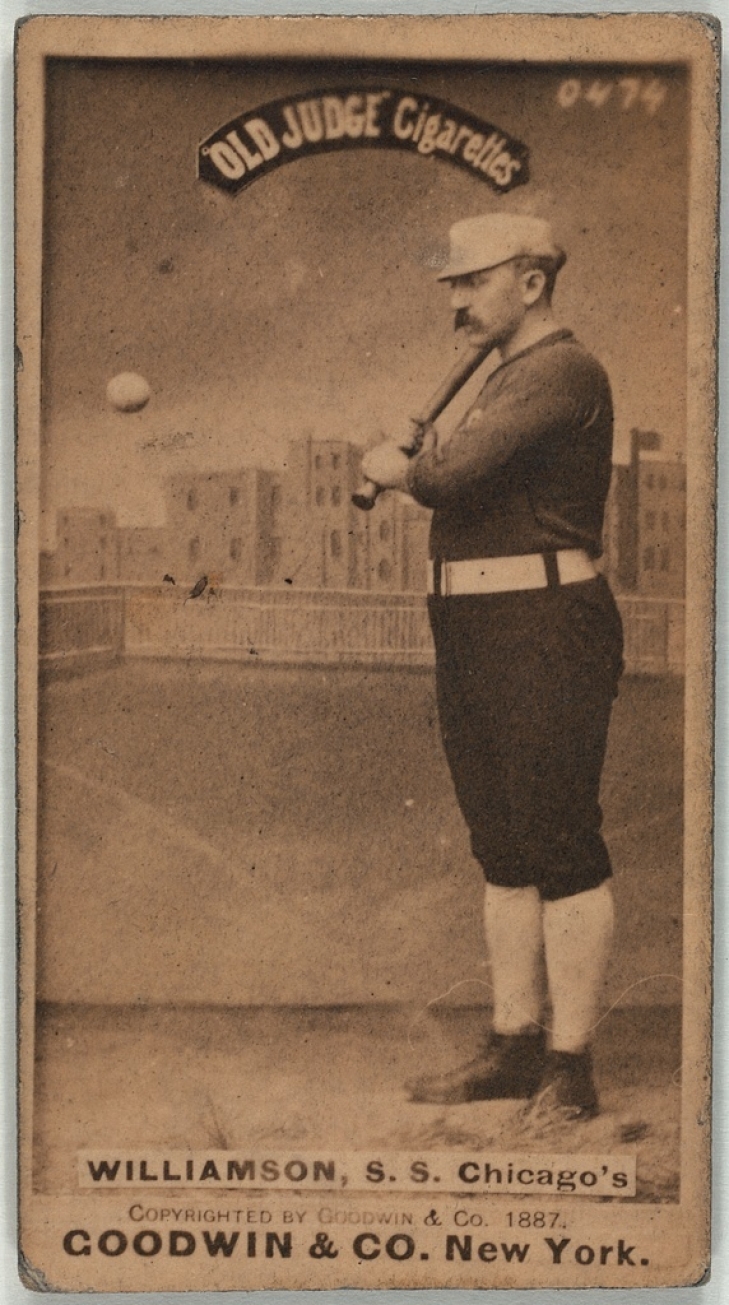
Chicago’s 1880s dynasty derived its defensive spine from a man whose reflexes were considered supernatural by his peers. Williamson established himself as a tactical anchor almost immediately, shifting between third base and shortstop without losing a step of his elite efficiency. His impact in the field was statistically staggering; he twice led the National League in defensive bWAR and consistently ranked among the top five throughout his decade-long stay. Had the Gold Glove existed in the age of the horse and buggy, his trophy case would have been overflowing, as he led the league in assists six times and double plays turned on five occasions.
Reliability remained his calling card at the plate, even if his glove was his primary tool. His offensive output reached a historic crescendo in 1884 when he benefited from a temporary ground-rule change at Chicago's home park to blast 27 home runs. That total was so massive for the era that it stood as the single-season major league record for 35 years until it was finally eclipsed by Babe Ruth. Beyond that power surge, he was a disciplined hitter who finished in the top ten in on-base percentage five different times. He provided the identity of a high-IQ contributor who understood that a walk was just as lethal as a long ball when it came to fueling a championship rally.
Williamson was the rare player who could dominate a game without ever picking up a bat, using his defensive range to kill rallies before they could even begin. He concluded his Chicago residency with over 1,000 hits and a reputation as the most complete infielder of his generation. While his 27-homer season remains a fascinating historical outlier, the true weight of his legacy was found in the thousands of outs he recorded with a glove that seemed to have its own gravitational pull.
The curtain came down on his time in Chicago following the 1889 season, marking the end of an era for the most successful infield in early baseball history.
45. Kerry Wood
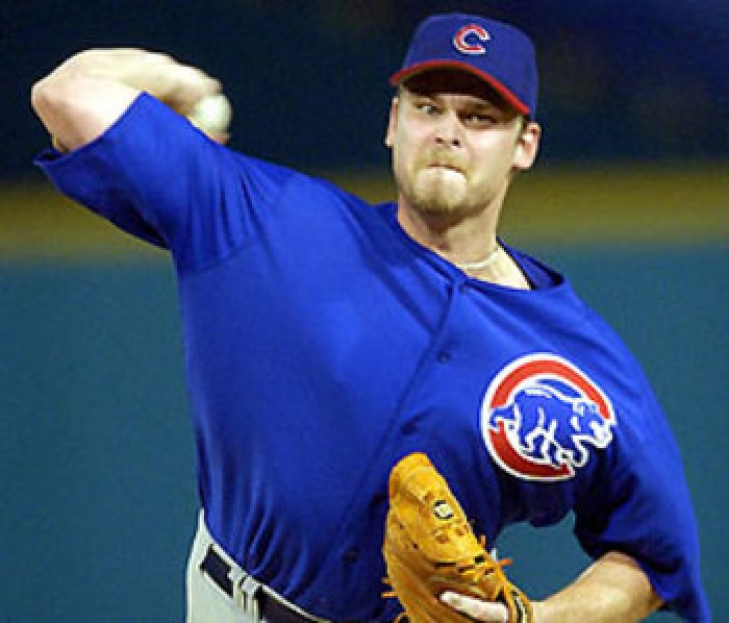
Kerry Wood’s journey in Chicago began with the most explosive entrance in baseball history. In 1998, as a 21-year-old rookie, he instantly matured into a national phenomenon by striking out 20 Houston Astros in a single game, a masterpiece of power pitching that many still consider the greatest individual performance ever on a mound. He arrived with a "flamethrower" reputation and quickly evolved into a statistical titan, proving that his raw velocity was matched only by his competitive fire. Despite a career that was later reshaped by injuries, he remained the primary engine of the Cubs' pitching staff during their most competitive runs of the early 2000s.
The absolute pinnacle of his efficiency arrived in 2003, a season in which he stood as the undisputed strikeout king of the National League. Wood led the senior circuit with 266 punchouts that year, earning an All-Star nod and serving as the co-ace of a rotation that marched to within five outs of a World Series berth. He wasn't just a volume-dense starter; he was a high-leverage nightmare who averaged well over a strikeout per inning throughout his entire tenure. He concluded his primary stay with 1,470 strikeouts in just 1,278 innings, a ratio of run suppression that remains a benchmark for power pitchers in the modern era.
48. Derrek Lee
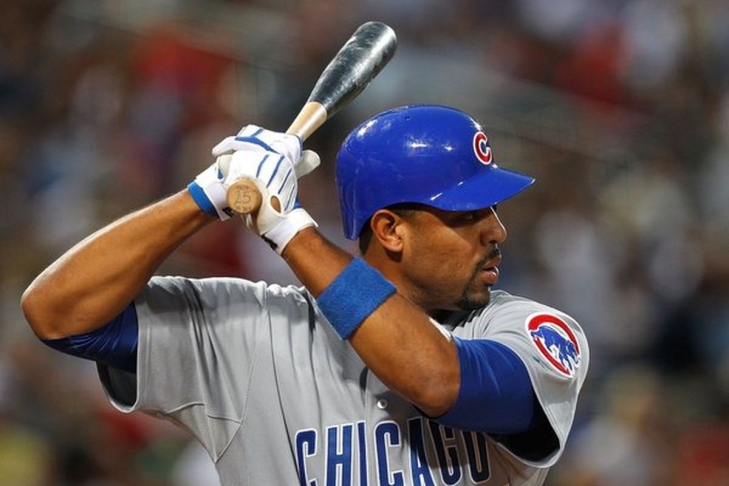
Derrek Lee joined the Cubs in 2004 and bypassed any adjustment period, maturing instantly into a cornerstone of the franchise. He arrived with a World Series ring and a refined approach at the plate, and he wasted no time validating the trade. His tenure was a masterclass in professional consistency, as he maintained a beautiful .298/.378/.524 slash line over his stay. He wasn't just a slugger; he was a sophisticated, high-volume producer who provided the defensive and offensive stability that allowed the organization to capture back-to-back division titles later in the decade.
The absolute pinnacle of his career, and one of the greatest individual offensive seasons in Cubs history, arrived in 2005. That year, Lee was a statistical outlier, capturing the National League Batting Title (.335), Slugging Title (.662), and the OPS Title (1.080). He blasted a career-high 46 home runs, proving that he could provide elite power without sacrificing his technical approach. Despite this historic "triple crown" of efficiency, he famously finished third in a crowded MVP race. a season that remains the gold standard for run production on the North Side in the 21st century.
His identity was synonymous with a quiet, graceful dominance both at the plate and in the field. Lee was an efficiency machine, accumulating 1,046 hits in a Cubs uniform while remaining a perennial threat for both the Silver Slugger and the Gold Glove. He was a master of the high-leverage moment, serving as the tactical anchor of the 2007 and 2008 playoff teams and finishing ninth in the MVP voting during a resurgent 2009 campaign. Whether he was stretching to save an errant throw or lacing a double into the gap to spark a rally, he played with a technical precision that made the game look effortless.
The Cubs chapter eventually came to an end in the summer of 2010, when he was traded to the Atlanta Braves.
40. Bill Dahlen
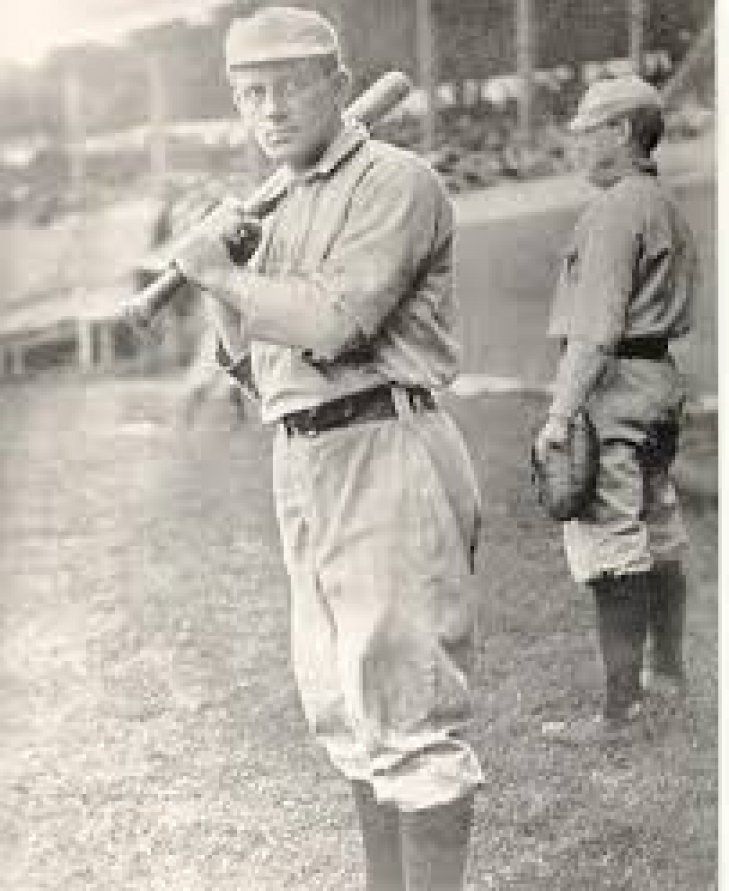
Dahlen arrived in Chicago in 1891 and quickly became a cornerstone of the lineup, offering a level of offensive production that was rare for a shortstop in the pre-modern era. He was a model of consistency at the plate, surpassing the .300 mark in three different seasons and maintaining a remarkable .299 average over his eight-year tenure with the team. His game was built on a rare blend of discipline and extra-base power; he started as a raw talent and rapidly evolved into a strategic threat capable of driving in runs as effectively as manufacturing them with his legs.
The peak of his time in Chicago featured one of the most legendary hitting streaks in baseball history. In 1894, Dahlen recorded a 42-game hitting streak, a feat that stood as the Major League record for years and remains the longest in the franchise's history. This wasn't just a hot streak; it was a sign of his elite efficiency and his ability to perform under the pressure of the era's rough-and-tumble style of play. He was a high-volume producer, tallying 1,170 hits and 561 RBIs, providing the offensive backbone for a team in constant flux.
His identity was defined by his work at shortstop, where he was a defensive standout. Dahlen had an exceptional glove and a strong arm, consistently ranking among the league leaders in putouts and assists. During his time in Chicago, he amassed a total of 34.0 bWAR, a number that emphasized his value as a true two-way star who influenced the outcome of the game on every pitch. Whether he was sparking a rally or preventing a certain base hit in the hole, "Bad Bill" was the heartbeat of the Chicago infield.
Dahlen’s chapter in the Windy City ended after the 1898 season, when he was traded to the Brooklyn Bridegrooms. He left the organization as a statistical titan, having established himself as the greatest shortstop in the early history of the club.
37. Frank Schulte
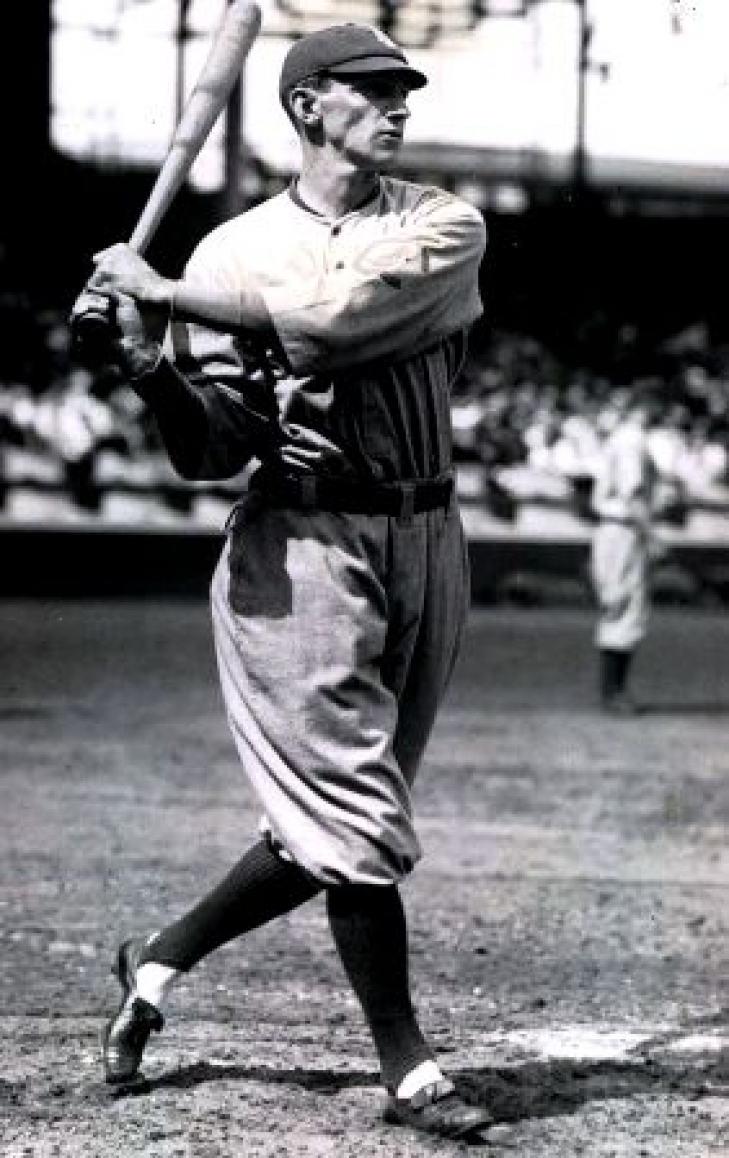
Chicago’s early 20th-century dominance relied on a core of legendary infielders, but it was Schulte who provided the stability from the grass of the West Side Grounds. He settled into the Cubs' starting lineup during the historic 1906 campaign and quickly matured into a vital postseason performer. During the franchise's run of four pennants in five years, Schulte was a model under pressure, batting a collective .321 across four World Series appearances. He arrived as a young outfielder and immediately became a championship-caliber contributor to the 1907 and 1908 world titles.
The absolute pinnacle of his career, and a milestone for the sport, arrived in 1911. In an era where power was a rare commodity, Schulte authored a season of such profound that he was named the National League’s Most Valuable Player. He led the circuit in home runs (21), RBIs (107), and slugging percentage (.534), but his most enduring achievement was becoming the first player in baseball history to join the "20-20-20-20" club. By recording at least 20 doubles, triples, home runs, and stolen bases in a single summer, he proved he was the most dynamic all-around threat of his generation.
Consistency defined the remainder of his thirteen-year tenure on the North Side. While he never replicated the triple-slash explosion of his MVP campaign, he remained a high-volume producer, accumulating 1,590 hits and maintaining a respectable .272 career average in a Cubs uniform. In Chicago, he was regarded as a hard-nosed veteran who could impact the game in every phase, serving as the bridge between the Tinker-to-Evers-to-Chance era and the years that followed. He wasn't just a part of the dynasty; he was the player who ensured the Cubs remained the class of the league well into the next decade.
The conclusion of his storied Chicago journey came in 1916 when he was traded to the Pittsburgh Pirates.
34. Bob Rush
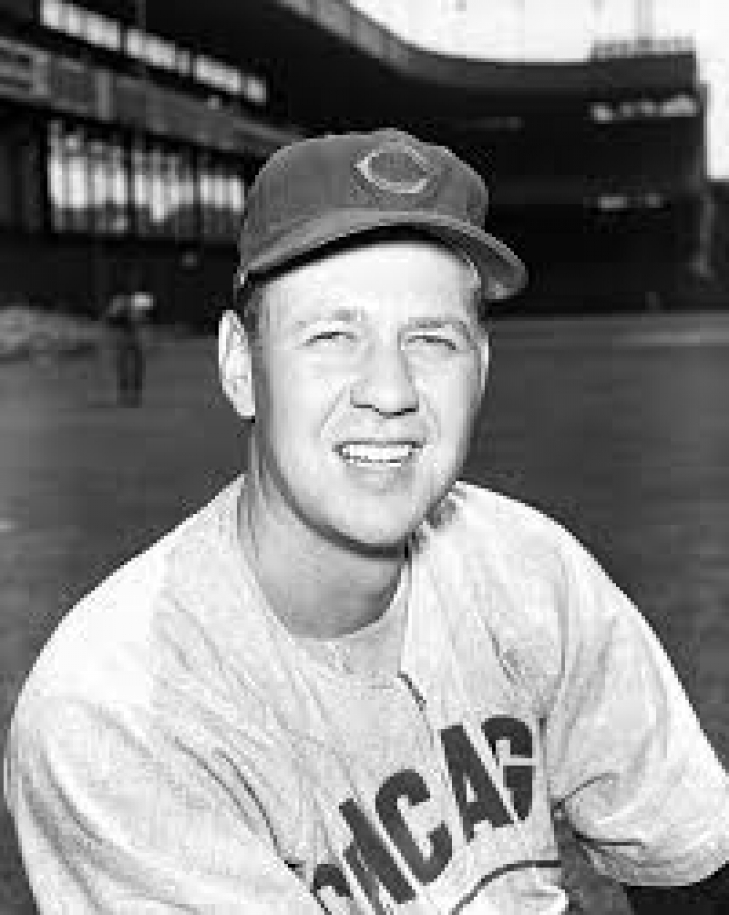
Wrigley Field in the early 1950s was often a place of individual brilliance set against a backdrop of collective struggle, and no player embodied that reality more than Rush. He surfaced as the undisputed ace of a staff that desperately needed a stabilizing force, maturing into a threat despite a lack of run support. His career record of 110-140 is a classic example of how a box score can mask true value; a deeper look at his advanced stats reveals a pitcher who finished in the top ten in bWAR for pitchers four different times during his Chicago residency.
The peak of his efficiency was marked by a relentless ability to miss bats. Rush was a strikeout artist in a decade when contact was king, ranking among the league's top 10 in punchouts four times. He surpassed the 1,000-strikeout milestone in a Cubs uniform, finishing with 1,076 and earning two All-Star selections as a testament to the respect he commanded from his peers. He brought a workhorse approach to every start, frequently leading the team in innings pitched and complete games, serving as the rare player who could keep the North Side competitive on any given afternoon.
Rush was defined by a quiet, professional resilience. He never complained about the lack of offensive help; he simply took the ball every fourth day and provided a level of stability that stood out as a beacon of quality in the 1950s. Whether he was baffling hitters with his hard stuff or laboring through a deep count to secure a victory, he was the gold standard for Cubs pitching for a decade. He proved that greatness isn't always reflected in a winning percentage, but in the consistency of the effort and the quality of the stuff.
The final chapter of his Chicago tenure came in 1957, when he was traded to the Milwaukee Braves. He left the city as one of the most respected right-handers of his generation, a man who had authored a statistical resume that stood up to the scrutiny of the most advanced modern metrics.
46. Heinie Zimmerman
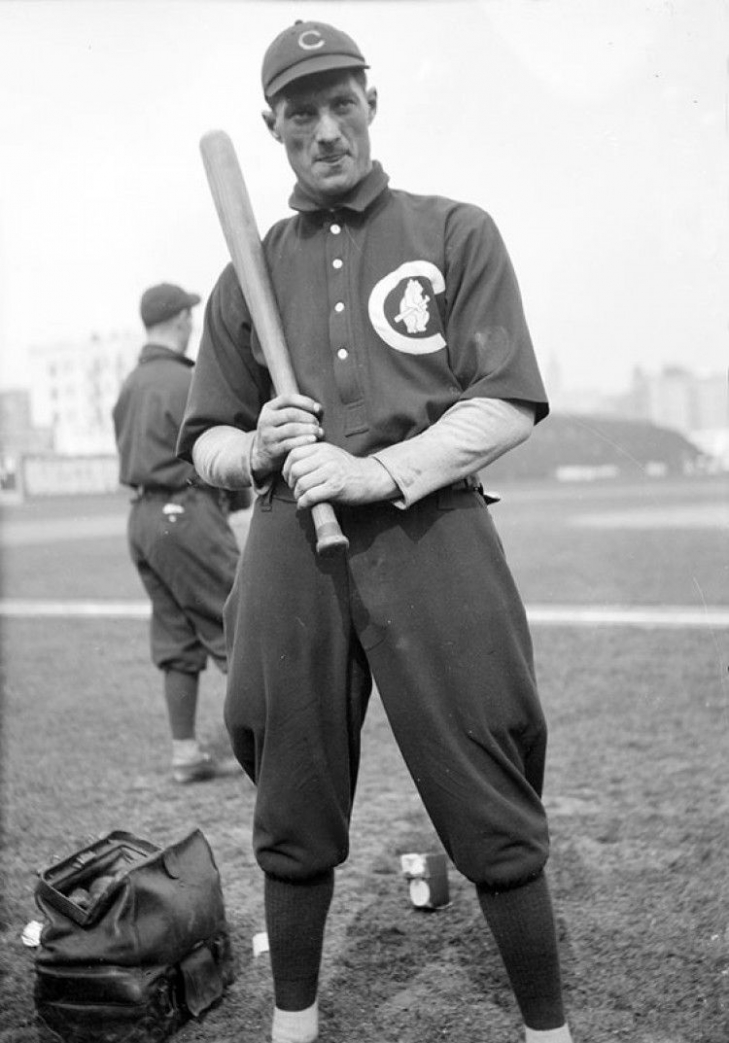
Heinie Zimmerman’s journey began as a young utility man on the legendary 1907 and 1908 World Series championship teams. During those early years, he matured slowly in the shadow of established icons, waiting for the path to clear at third base. He arrived with a raw, aggressive hitting style and eventually evolved into a statistical titan as the new decade dawned. By the early 1910s, he had transformed from a bench option into the primary force of the Cubs' lineup, a high-volume producer who could change the complexion of a game with a single swing.
The absolute pinnacle of his career arrived in 1912, a season of such profound dominance that it remains a benchmark in franchise history. That year, Zimmerman authored a Triple Crown masterpiece, leading the National League in batting average (.372), home runs (14), and RBIs (103). He was an efficiency machine, also leading the league in hits (207), doubles (41), and slugging percentage (.571). Despite this historic run of run production, he famously finished only sixth in the MVP voting—a curious footnote to a season where he was clearly the league's most feared offensive threat.
His identity was synonymous with a high-contact, "swing-at-everything" mentality that made him a fascinating outlier of his era. While he lacked the patient eye of some contemporaries, evidenced by a more modest .343 on-base percentage, he was a master of the "Live-ball" approach before the era even truly began. He rattled off two other .300 seasons during his Chicago stay, accumulating 1,112 hits and maintaining a robust .304 career average with the club. Whether he was vacuuming up grounders at the "hot corner" or lacing a double into the gap, he played with a fiery, high-stakes energy that defined the Cubs' transition into the modern age.
42. Andre Dawson
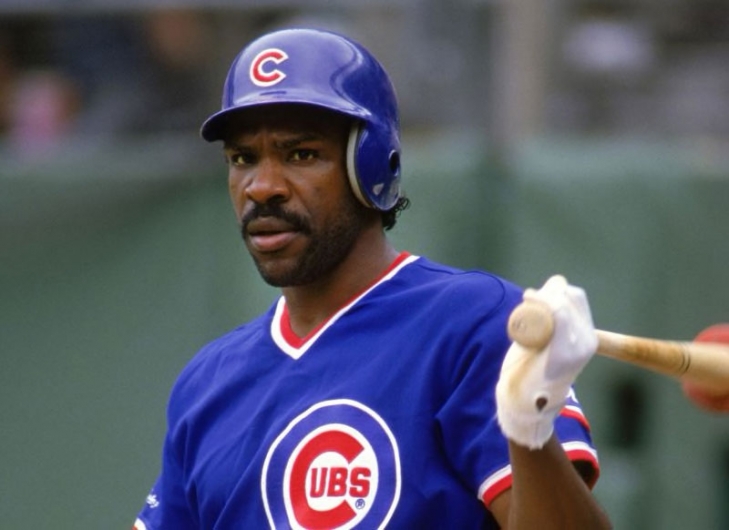
The legend of Dawson’s arrival in 1987 is etched into baseball lore, a victim of "collusion" who famously presented the Cubs management with a signed, blank contract, essentially daring them to name a price for his services. They settled on a half-million dollars, a bargain that matured instantly into a championship-caliber investment. Despite the heavy physical toll of a decade on artificial turf, "The Hawk" thrived on the natural grass of Wrigley Field. He arrived as a man with something to prove and evolved into a statistical titan, authoring a breakout campaign for the ages in his very first summer in Chicago.
The absolute pinnacle of his career arrived that same year. In a feat of pure run-production dominance, Dawson led the National League with 49 home runs and 137 RBIs, a performance so profound that he was named the National League MVP despite playing for a last-place club. He wasn't just a volume-dense slugger; he was a high-leverage force who commanded respect in every at-bat. While he never quite touched those 1987 heights again, his efficiency remained elite; he rattled off five more consecutive seasons with at least 20 "taters," providing a reliable source of thunder in the heart of the Cubs' order.
His identity was synonymous with a quiet, stoic professionalism and a defensive grace that persisted despite his dwindling mobility. During his six-year stay, Dawson powered out 174 home runs and maintained a robust .507 slugging percentage, serving as the primary engine for the 1989 division-winning squad. Whether he was launching a moonshot onto Waveland Avenue or gunning down a runner with his signature arm, he played with a focused intensity that made him a local immortal. He proved that a veteran with a "warrior" mentality could defy the aging process and remain a cornerstone of a major market franchise.
The chapter of his time in Chicago eventually transitioned into a legacy of undisputed greatness. The baseball world officially recognized his impact in 2010 when he was inducted into the National Baseball Hall of Fame in Cooperstown. Locally, the organization ensured his immortality by naming him to the inaugural class of the Chicago Cubs Hall of Fame in 2021.
36. Kris Bryant
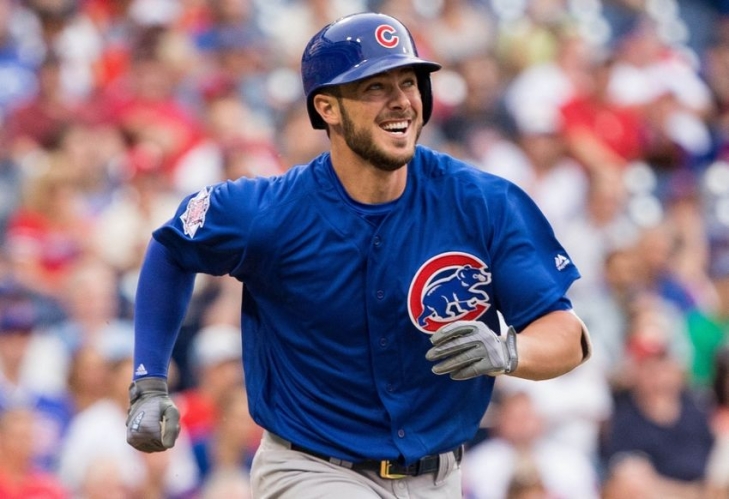
Expectations reached a fever pitch in 2015 when the former Golden Spikes winner made his highly anticipated debut. Bryant bypassed the traditional learning curve, maturing instantly into the National League Rookie of the Year by batting .279 with 26 home runs. He secured an All-Star nod in his very first summer, embodying the figure of a poised, elite talent built for the brightest lights. He wasn't just a prospect; he was the tactical engine that signaled the "Cubs Way" had finally arrived.
The pinnacle of his residency, and arguably the most significant individual season in modern Chicago history, arrived in 2016. Bryant authored a stellar campaign, leading the National League in runs scored (121) and bWAR (7.3) while launching 39 home runs. He became the rare player to follow a Rookie of the Year trophy with an MVP award in successive seasons, a feat that culminated in the historic defensive play to record the final out of the World Series. During this stretch, Bryant was defined by his versatility and high-leverage production, making him the undisputed star of a championship drought-breaking squad.
Consistency remained his hallmark even as the "World Series hangover" affected the rest of the roster. In 2017, he showcased his elite discipline by posting a career-high .409 on-base percentage and finishing seventh in the MVP voting. Even as injuries began to test his durability, he continued to deliver a steady presence at the plate, evidenced by a 31-home run campaign in 2019 and a fourth All-Star selection in 2021. He left the organization with 160 home runs and a reputation as a player who could impact the game with his legs, his glove, and his iconic right-handed stroke.
The conclusion of his Chicago journey came mid-way through the 2021 season, as the organization transitioned into a new era and traded their superstar to the San Francisco Giants. Bryant departed as more than just a statistical titan; he left as a hero who had successfully carried the burden of the "curse" and emerged victorious on the other side.
43. Larry Corcoran
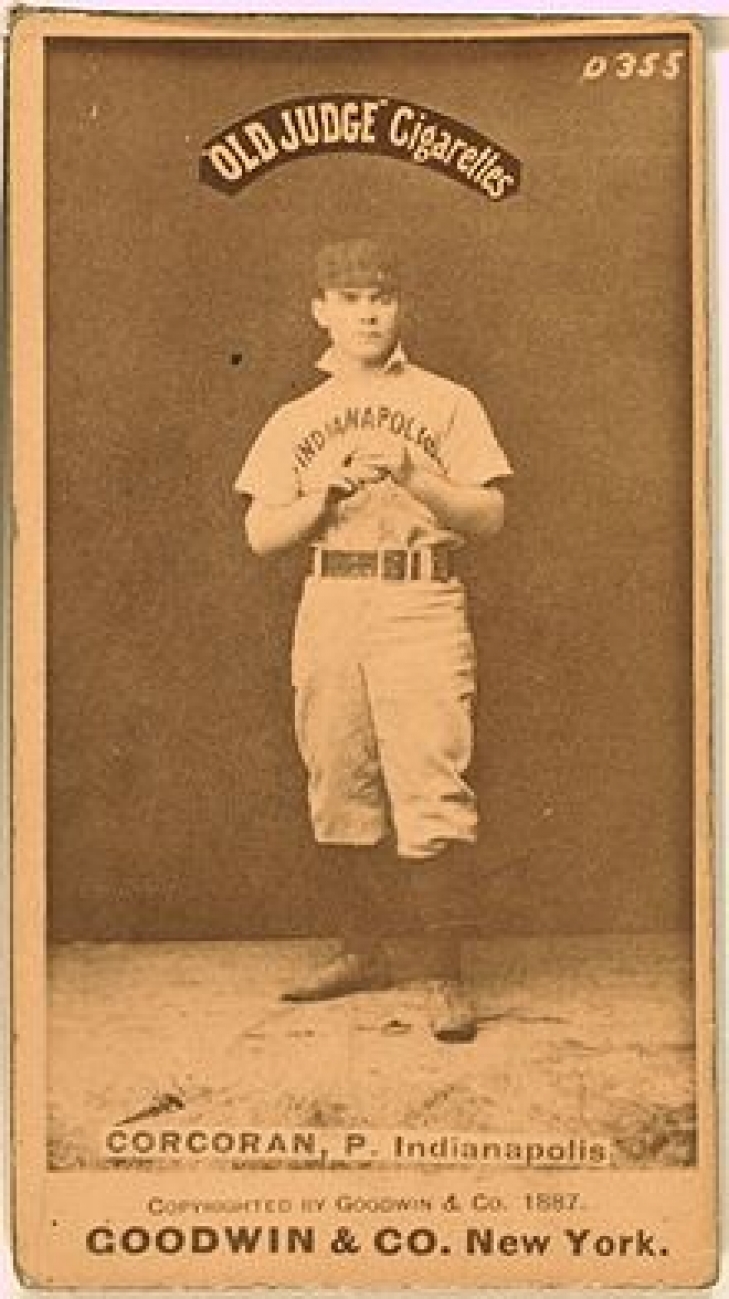
Corcoran debuted in 1880 and bypassed the usual maturation process, maturing instantly into the most feared right-hander (and occasional left-hander) in the National League. He was the definition of a workhorse for a White Stockings club that terrorized the league during the early 1880s. Between 1880 and 1884, Corcoran amassed a staggering 170 wins, a total that speaks to a level of durability that is almost incomprehensible by modern standards. He relied on a rare, "switch-pitching" ability that allowed him to alternate arms to combat fatigue or exploit a hitter's weakness, a tactical outlier in an era of iron-man rotations.
The absolute pinnacle of his career arrived in 1882, a season in which he stood as the undisputed king of the mound. Corcoran was an efficiency machine that summer, capturing the National League ERA title and leading the circuit in WHIP and hits per nine innings. Most notably, he made history by becoming the first pitcher in the history of the sport to throw a second career no-hitter. He wasn't just piling up wins; he was suppressing runs at a rate that made him a statistical titan, serving as the cornerstone for a championship-caliber roster.
His identity was synonymous with the high-stakes, high-workload environment of the early professional game. Corcoran was a master of the "Deadball" tactical battle, using his unique arm flexibility to navigate the grueling schedules of the 1880s. However, the sheer volume of his production eventually demanded a toll. By 1885, the arm that had carried the franchise to multiple titles was effectively "dead," the victim of a workload that saw him average nearly 400 innings a season during his prime. Whether he was baffling hitters with a side-arm curve or making history with his second no-no, he played with a focused intensity that made him a local immortal.
The chapter reached a sudden and quiet conclusion in 1887, just two years after his effectiveness vanished.
26. Anthony Rizzo
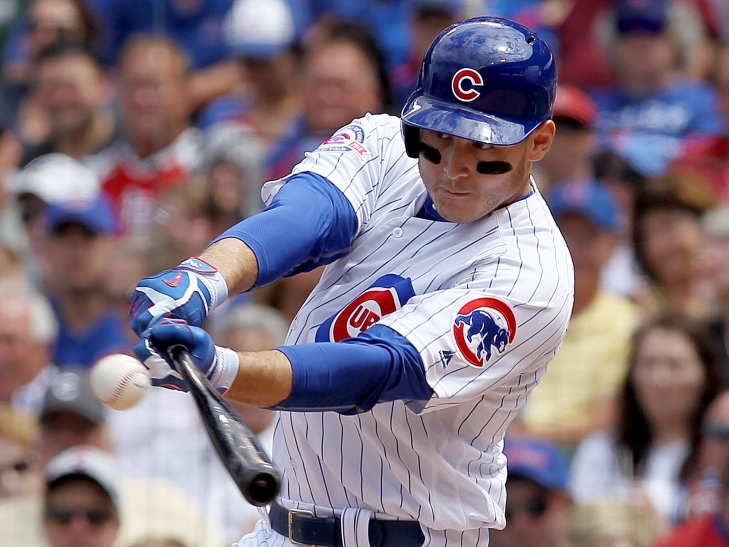
When Anthony Rizzo arrived in Chicago via a low-profile trade in 2012, he was a prospect with high potential but limited major-league experience. He spent a brief period in Triple-A before being called up, and he immediately signaled that the renovation of Wrigley Field had found its cornerstone. He arrived as a young hitter searching for a foothold and quickly matured into an upper-echelon producer, launching 15 home runs in his partial debut season. By 2013, he had locked down first base for the long haul, proving that his left-handed power and high-character leadership were exactly what a rebuilding franchise required.
The middle of his Chicago residency was a showcase of remarkable durability. Between 2014 and 2017, Rizzo was a model of consistency, rattling off four consecutive seasons of at least 30 home runs and driving in over 100 runs in four straight years from 2015 to 2018. A three-time All-Star in a Cubs uniform, he combined a "crowd-the-plate" toughness with a refined hitting approach that made him a nightmare for opposing pitchers. He wasn't just a volume producer; he was an elite defender, capturing four Gold Gloves with a surgical ability to pick throws out of the dirt and a high-IQ awareness that often saw him involved in unorthodox defensive shifts.
The high-leverage pinnacle of his tenure was, without question, the historic 2016 campaign. Rizzo didn't just participate in the World Series run; he willed the team through it, batting .320 in both the NLCS and the World Series. His resilience and his ability to keep the clubhouse loose, famously playing through the "glass case of emotion" during Game 7, cemented his legacy as the heartbeat of the championship squad. Beyond the box score, his character was defined by his philanthropy and his leadership, earning him the prestigious Roberto Clemente Award in 2017 for his work off the diamond.
To be direct about his departure, the final walk toward the exit in 2021 was a difficult moment for the Wrigley faithful. As the organization shifted into restructuring mode, Rizzo was traded to the New York Yankees, ending a ten-season residency that saw him belt 242 home runs and collect 1,311 hits as a Cub. He left Chicago as a permanent hero, the man who caught the final ball of the 108-year drought and tucked it into his back pocket—a symbolic gesture for a city that had finally reached the summit.
