


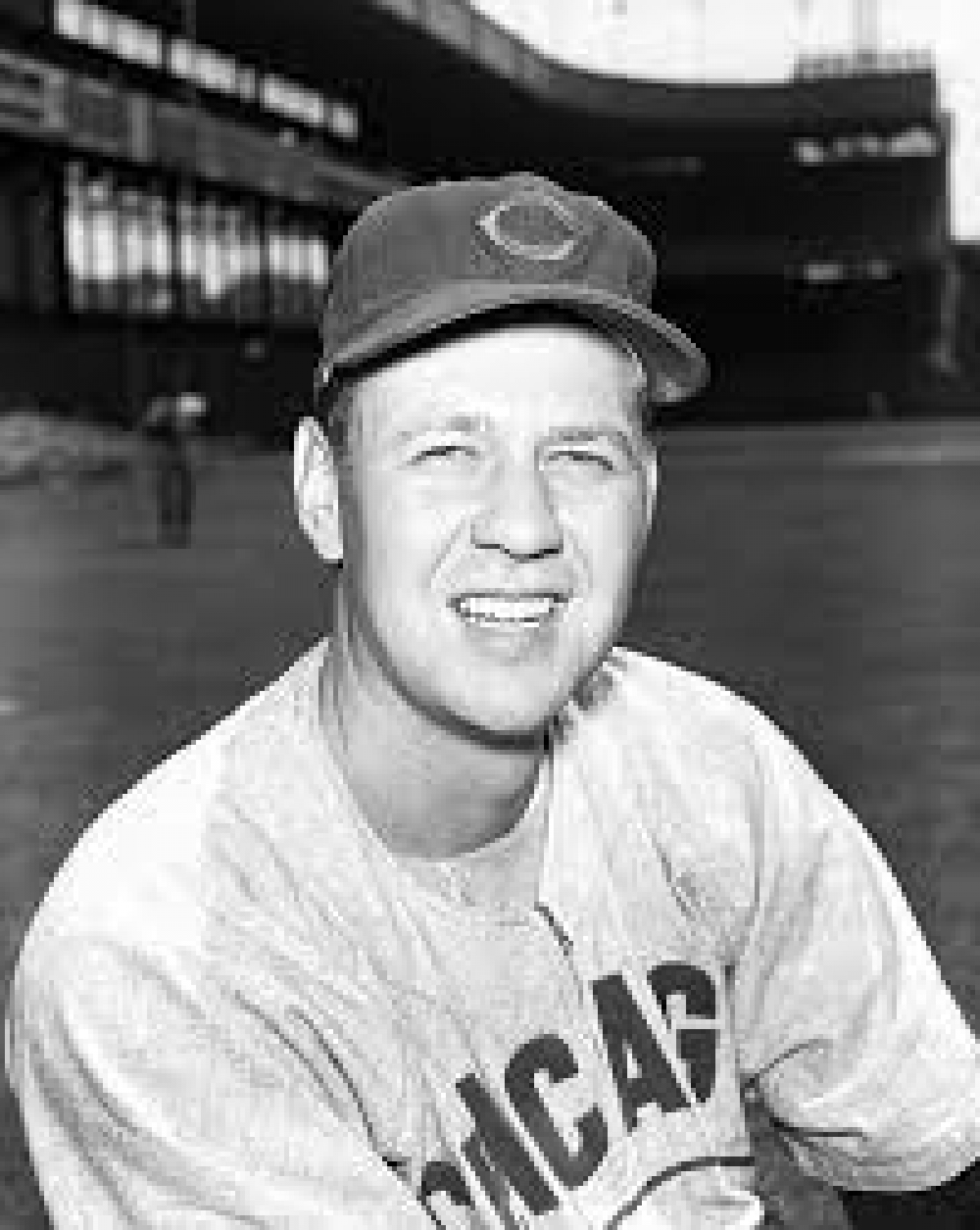
Wrigley Field in the early 1950s was often a place of individual brilliance set against a backdrop of collective struggle, and no player embodied that reality more than Rush. He surfaced as the undisputed ace of a staff that desperately needed a stabilizing force, maturing into a threat despite a lack of run support. His career record of 110-140 is a classic example of how a box score can mask true value; a deeper look at his advanced stats reveals a pitcher who finished in the top ten in bWAR for pitchers four different times during his Chicago residency.
The peak of his efficiency was marked by a relentless ability to miss bats. Rush was a strikeout artist in a decade when contact was king, ranking among the league's top 10 in punchouts four times. He surpassed the 1,000-strikeout milestone in a Cubs uniform, finishing with 1,076 and earning two All-Star selections as a testament to the respect he commanded from his peers. He brought a workhorse approach to every start, frequently leading the team in innings pitched and complete games, serving as the rare player who could keep the North Side competitive on any given afternoon.
Rush was defined by a quiet, professional resilience. He never complained about the lack of offensive help; he simply took the ball every fourth day and provided a level of stability that stood out as a beacon of quality in the 1950s. Whether he was baffling hitters with his hard stuff or laboring through a deep count to secure a victory, he was the gold standard for Cubs pitching for a decade. He proved that greatness isn't always reflected in a winning percentage, but in the consistency of the effort and the quality of the stuff.
The final chapter of his Chicago tenure came in 1957, when he was traded to the Milwaukee Braves. He left the city as one of the most respected right-handers of his generation, a man who had authored a statistical resume that stood up to the scrutiny of the most advanced modern metrics.

Comments powered by CComment