



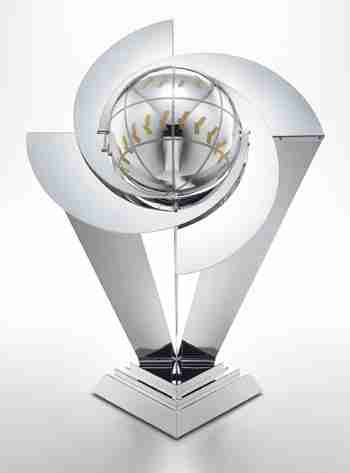
gold star for USAHOF
 

2. Ernie Banks

2. Ernie Banks
  1. General
  2. Awards
  3. Career Stats
  • Born: January 31, 1931 in Dallas, TX USA
  • Weight: 180 lbs.
  • Height: 6'1"
  • Bats: R
  • Throws: R
  • Debut: September 17, 1953
  • Final Game: September 26, 1971
  • TSN All-Star - 1955
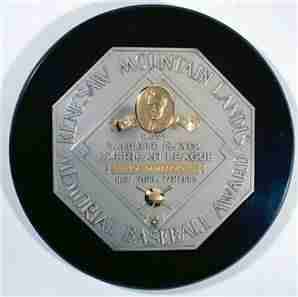
  • Most Valuable Player - 1958
  • TSN All-Star - 1958
  • TSN Player of the Year - 1958
  • Most Valuable Player - 1959
  • TSN All-Star - 1959
  • TSN Player of the Year - 1959
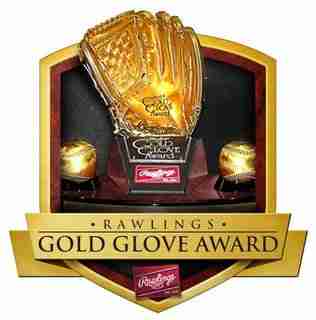
  • Gold Glove - 1960
  • TSN All-Star - 1960
  • Lou Gehrig Memorial Award - 1967
  • MVP - 1954
  • MVP - 1955
  • MVP - 1956
  • MVP - 1957
  • MVP - 1958
  • MVP - 1959
  • MVP - 1960
  • MVP - 1962
  • MVP - 1967
  • MVP - 1968
  • MVP - 1969
  • Rookie of the Year - 1954
 
ABRHHRRBISBAVG
188422610516610243272100 0.274
 

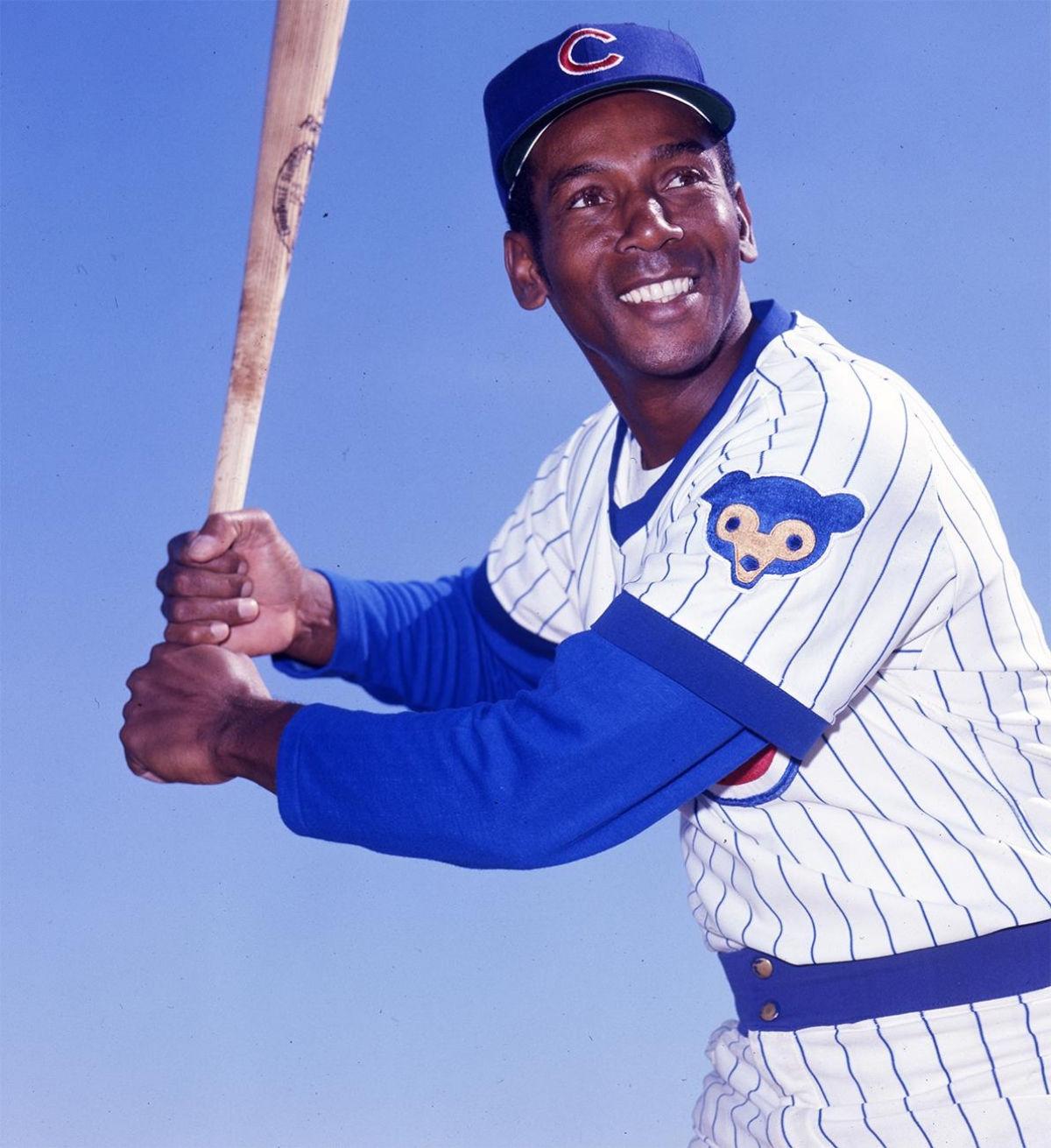
In the long, often heartbreaking history of the Chicago Cubs, there is one name that serves as a permanent northern star: Ernie Banks. He didn't just play for the Cubs; he became the personification of the "Friendly Confines." Arriving late in 1953 as the franchise's first Black player, Banks didn't just break a barrier, he built a monument. His story is one of pure, unadulterated joy, famously captured in his "Let’s play two!" mantra, even as the team around him struggled to find its footing.

His first act was a masterclass in power that redefined the shortstop position. By 1955, Banks had hit 44 home runs, signaling the arrival of the most potent middle-infield bat the National League had ever seen. The peak of this "Shortstop Era" arrived in 1958 and 1959, a back-to-back MVP tour de force where he launched 47 and 45 home runs, respectively. In those years, Banks wasn't just an All-Star; he was the most dangerous man in baseball, leading the league in RBIs twice and proving that a shortstop could carry an entire offense on his back.

As the 1960s began, the physical toll of the "six-hole" forced a move to first base, but the legend only grew. While he traded some of that historic power for veteran stability, he remained a metronome of production, churning out seven more seasons of 20-plus homers. When he finally hung up the cleats in 1971, he had amassed 512 home runs, all in a Cubs uniform, and 2,583 hits. He joined the elite 500-home run club not as a mercenary, but as a "Lifer" who never entertained the idea of playing anywhere else.

The final chapters of his story were written in bronze and retired jerseys. Elected to Cooperstown on his first ballot in 1977, Banks became the first Cub to have his number (14) hoisted onto the left-field foul pole. When the team finally inaugurated its own Hall of Fame in 2021, his inclusion was the easiest decision in the history of the front office. He arrived as a pioneer in a divided city and left as "Mr. Cub," the man who taught generations of fans that regardless of the score, it was always a beautiful day for a ballgame.

The Bullet Points

  • Position: First Base, Short Stop
  • Acquired: Signed as a Free Agent 9/8/53.
  • Departed: Released 12/1/71.
  • Games Played: 2528
  • Notable Statistics: 1,305 Runs
    2,583 Hits
    407 Doubles
    90 Triples
    512 Home Runs
    1,636 Runs Batted In
    50 Stolen Bases
    .274/.330/.500 Slash Line
    67.8 bWAR

    No Playoff Games
  • Major Accolades and Awards:

    MVP (1958 & 1959)
    All-Star (1955, 1956, 1957, 1958, 1959, 1960, 1961, 1962, 1965, 1967 & 1969)
    Lou Gehrig Award (1967)
    Gold Glove (1960)
    Highest bWAR for Position Players (1959)
    Highest Defensive bWAR (1959)
    Highest Slugging Percentage (1958)
    Most At Bats (1958)
    Most Total Bases (1958)
    Most Home Runs (1958 & 1960)
    Most Runs Batted In (1958 & 1959)
    Most Extra Base Hits (1955, 1957, 1958 & 1960)
    Most Intentional Walks (1959 & 1960)
    Most Total Zone Runs (1959)
    Most Putouts (1962, 1964, 1965, 1967 & 1969)
    Most Assists (1959 & 1960)
    Most Putouts by a First Baseman (1962, 1964, 1965, 1967 & 1969)
    Most Assists by a First Baseman (1962, 1964 & 1967)
    Most Double Plays Turned by a First Baseman (1962)
    Most Putouts by a Shortstop (1960)
    Most Assists by a Shortstop (1959 & 1960)
    Most Double Plays Turned by a Shortstop (1960)
    Most Total Zone Runs by a First Baseman (1964)
    Highest Range Factor per Game by a First Baseman (1962, 1964 & 1965)
    Highest Fielding Percentage by a First Baseman (1969)
    Most Total Zone Runs by a Shortstop (1959)
    Highest Range Factor per Game by a Shortstop (1961)
    Highest Fielding Percentage by a Shortstop (1955, 1959 & 1960)

  • Other Points of Note: Top Ten MVP Finishes:
    3rd in 1955, 6th in 1957, 1st in 1958, 1st in 1959 & 4th in 1960 

    Finished 2nd in Rookie of the Year Voting in 1954
Tagged under

Comments powered by CComment