


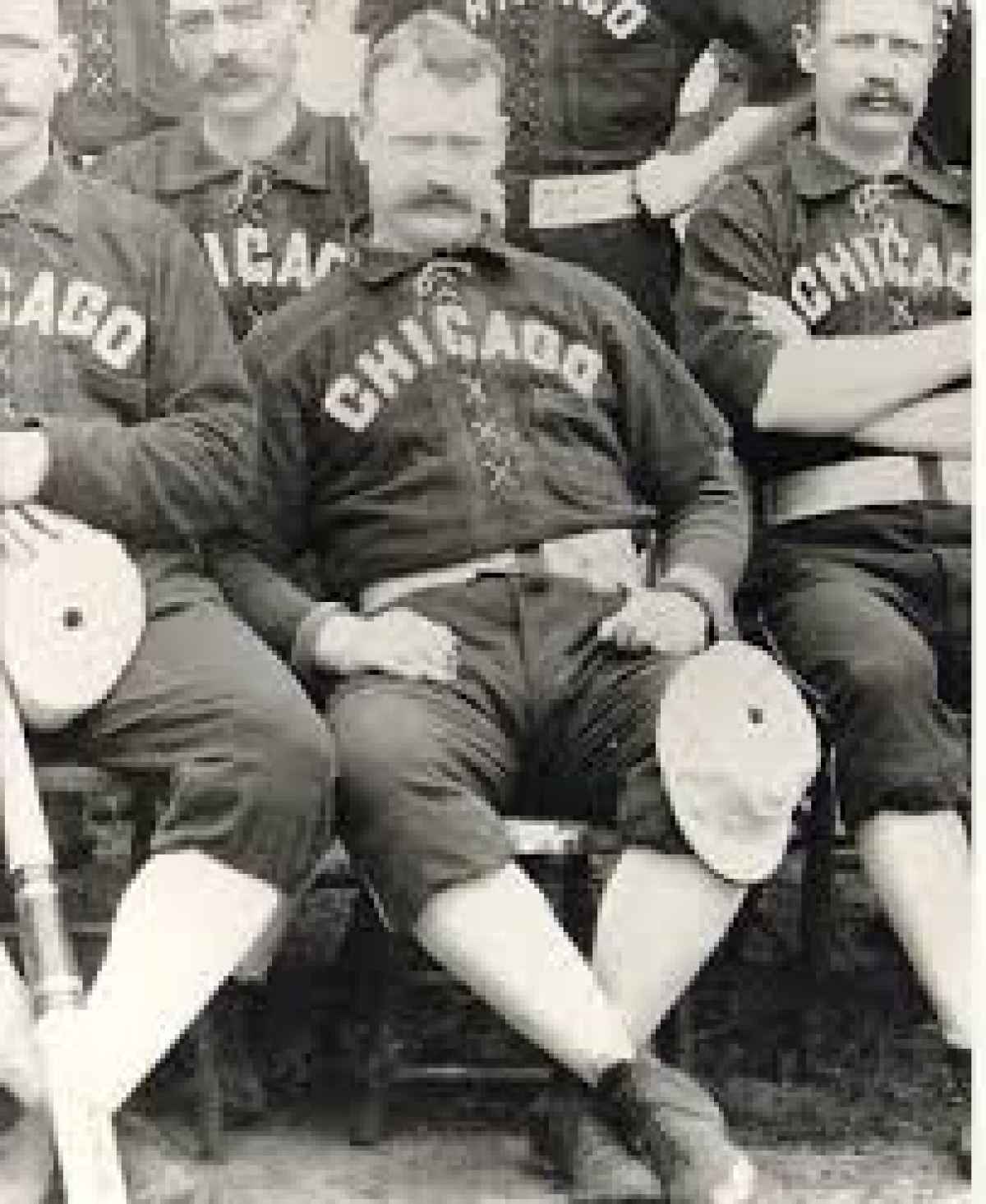
Chicago’s offense in the 1880s operated with a swagger that began and ended with the man they called "The King." Kelly brought a cerebral, almost mischievous quality to the plate, maturing into a hitter who understood how to manipulate the rules and the opposition to his advantage. His tenure reached a historic peak in 1884 and again in 1886, seasons of undeniable dominance where he captured the National League batting title and led the circuit in on-base percentage. He wasn't just a contact hitter; he was a run-scoring machine who led the league in that category three times, finishing his Chicago stay with a robust .316 average.
The weight of his Chicago stint was measured in pennants. With Kelly anchoring the lineup and the clubhouse, the White Stockings captured five championships, a run of success that many historians believe would have been impossible without his innovative baserunning and situational hitting. He was a two-time leader in doubles, proving he could drive the ball into the gaps of the early parks with ease. He arrived as a versatile talent and quickly became the emotional heartbeat of a city that was falling in love with the game, famously inspiring the hit song "Slide, Kelly, Slide."
Despite his massive popularity and production, the organization shocked the baseball world following the 1886 campaign by selling his contract to the Boston Beaneaters for the then-unheard-of sum of $10,000. This "$10,000 Beauty" trademarked the conclusion of his Chicago chapter, though his impact on the franchise's record books remained indelible. He left the city as a folk hero, a man who had proven that personality and performance could combine to create a legitimate cultural icon.
Recognition for his status as a pioneer of the professional game arrived in 1945, when the Old Timers’ Committee elected him to the Baseball Hall of Fame. Decades later, the Cubs solidified his place in the pantheon of North Side greats by naming him an inaugural member of the team Hall of Fame in 2021. He remains the gold standard for the "showman" archetype, a player who showed that you could be the most entertaining man on the field while simultaneously being the most dangerous.

Comments powered by CComment