

16. Rick Reuschel
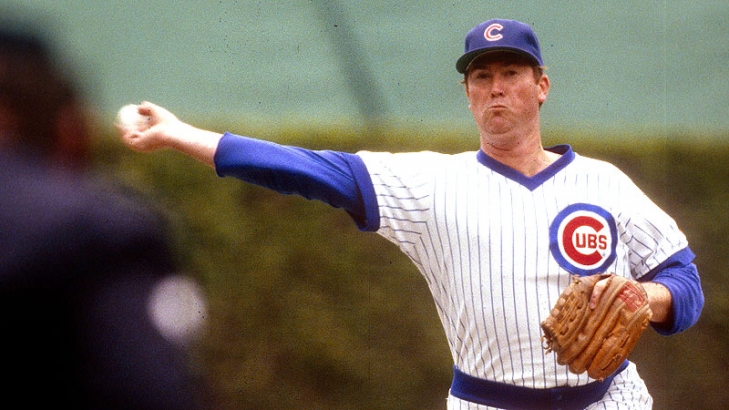
Listed at 6'3" and well over 220 pounds, the man they called "Big Daddy" looked more like a neighborhood plumber than a premier athlete. But that portly physique masked a startlingly athletic pitcher who could move off the mound with a cat’s grace and run the bases well enough to be used as a pinch-runner. He didn't overpower hitters with heat; he dismantled them with a sinking fastball and a relentless refusal to give away free passes.
His run in Chicago was defined by a quiet, high-level competence that was frequently wasted on mediocre teams. While he amassed 135 wins in a Cubs uniform, his value was often obscured by a lack of run support and a shaky defense behind him. The singular, traditional peak of his tenure arrived in 1977, a season where everything finally aligned. Reuschel captured 20 wins, earned his first All-Star nod, and finished third in the Cy Young voting, leading the league in home-runs-per-nine innings. It was the year the old-school stats caught up to his actual talent.
However, the real story of Reuschel’s tenure is found in the numbers that weren't sexy at the time. Modern metrics reveal that he was a sabermetric titan hiding in plain sight. He led the Cubs in bWAR seven times, including a five-year streak from 1976 to 1980. He was a workhorse who specialized in the unseen skills, inducing ground balls, limiting damage, and keeping the ball in the park, that wouldn't be fully appreciated until the 21st century.
After a brief, injury-plagued exit and return in the early 80s, Reuschel eventually found his second act elsewhere, but his identity remained rooted in Chicago. He left the franchise with 49.1 bWAR, a total that places him among the most effective players to ever call Wrigley home. When the Cubs inaugurated their Hall of Fame in 2021, "Big Daddy" was an automatic selection for the first class. He arrived as a deceptive rookie and left as a retroactive superstar, the man who proved that you don't have to look the part to dominate the game.
15. Frank Chance
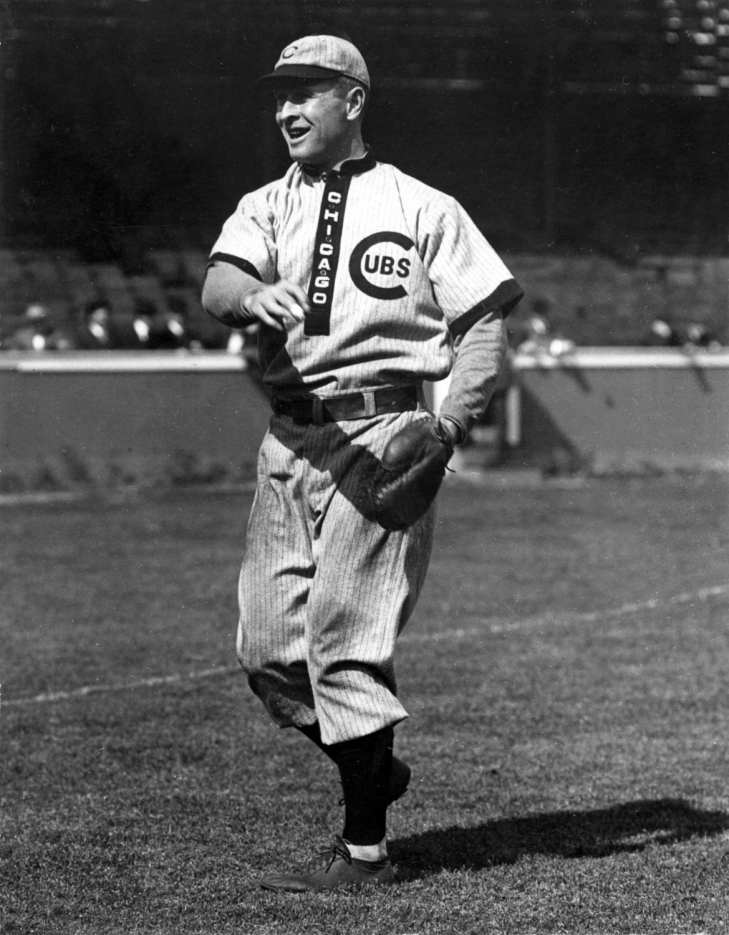
When Frank Chance joined the Chicago roster in 1898, he arrived as a catcher, but his destiny lay at the opposite end of the infield. By the time he transitioned to first base, he had become the heartbeat of a Chicago squad that would soon terrorize the National League. Chance was the rare thinker of the Deadball Era, a man who combined a sophisticated understanding of the game’s nuances with a raw, aggressive playing style. He didn't just inhabit the bag at first; he patrolled it like a commanding officer, serving as the final, reliable destination for the throws coming from Tinker and Evers.
His offensive presence was a nightmare for opposing pitchers who were used to easy outs at the bottom of the order. From 1903 to 1906, Chance put together a run of four consecutive seasons batting over .300, but his true genius lay in his ability to reach base by any means necessary. In 1905, he paced the league with an extraordinary .450 On-Base Percentage, a figure that underscored his elite discipline and refusal to give away an out. Once he was on, he was even more dangerous; a two-time stolen base king, he eventually swiped 402 bags in a Chicago uniform, blending the power of a first baseman with the speed of a pure leadoff threat.
The defining arc of Chance’s tenure was his dual role as player-manager. Under his leadership, the Cubs reached the summit of the baseball world, capturing four pennants and back-to-back World Series titles in 1907 and 1908. He was the "Peerless Leader" because he demanded the same relentless excellence from his teammates that he himself showed on the field, finishing in the top seven in bWAR for five straight years during the team's most fertile era.
By the time his run concluded in 1912, Chance had amassed a .394 OBP and a legacy that was inseparable from the city's first golden age. He arrived as a versatile prospect and left as the architect of a championship culture. The Old Timers Committee rightfully ushered him into Cooperstown in 1946, and when the Cubs finally built their own Hall of Fame in 2021, the man who provided the "Chance" in the game’s most famous trio was one of the first names carved into the stone.
23. Carlos Zambrano
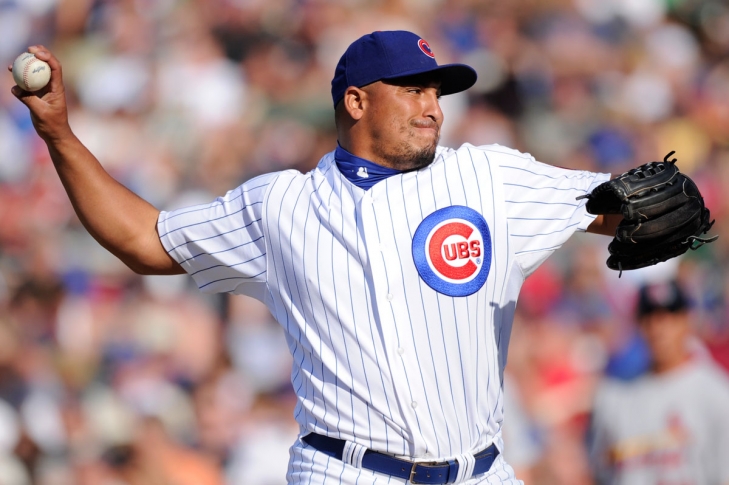
When Carlos Zambrano arrived in Chicago as an 18-year-old signee from Venezuela, he brought a physical presence and a raw intensity that the franchise hadn't seen in years. By 2003, he had locked down a spot in the rotation, helping lead the Cubs to within one win of the World Series. He emerged as a high-velocity prospect and quickly matured into the most durable starter of his era on the North Side. From 2003 to 2008, Zambrano was a model of productivity, standing as the only National League pitcher to record at least 13 wins in six consecutive seasons. He provided the stability of a workhorse for a team that leaned heavily on his arm.
The high-water mark of his residency, and a historic moment for his homeland, arrived in 2006. That season, Zambrano became the first Venezuelan pitcher to lead the National League in wins, a feat that solidified his status as a premier force of the decade. He was a perennial Cy Young contender, finishing in the top five of the voting three times in a Cubs uniform. His top-tier quality was best displayed on a September night in 2008 when, amidst the chaos of a neutral-site game in Milwaukee, he tossed the first Cubs no-hitter in 36 years. He thrived when the lights were brightest and the stakes were at their peak.
What truly separated Zambrano from his peers, however, was his prowess in the batter’s box. He was a legitimate dual-threat asset, batting .241 with 23 home runs during his time in Chicago. A three-time Silver Slugger winner, Zambrano treated his trips to the plate with the same ferocity he brought to the rubber. He holds the franchise record for home runs by a pitcher, famously switch-hitting his way into the highlight reels and often providing his own run support in low-scoring affairs. He was the rare player who could win a game with his arm in the first inning and his bat in the ninth.
To be direct about his tenure, one must acknowledge the emotional volatility that came with his performance. Zambrano played with his heart on his sleeve, a trait that led to famous dugout skirmishes and a reputation for being a challenge to manage. Yet, for the fans at Wrigley Field, that fire was exactly what defined his identity. He spent eleven of his twelve professional seasons anchored to the Cubs, accumulating 125 wins and 1,542 strikeouts before a final, brief chapter in Miami.
13. Charlie Root
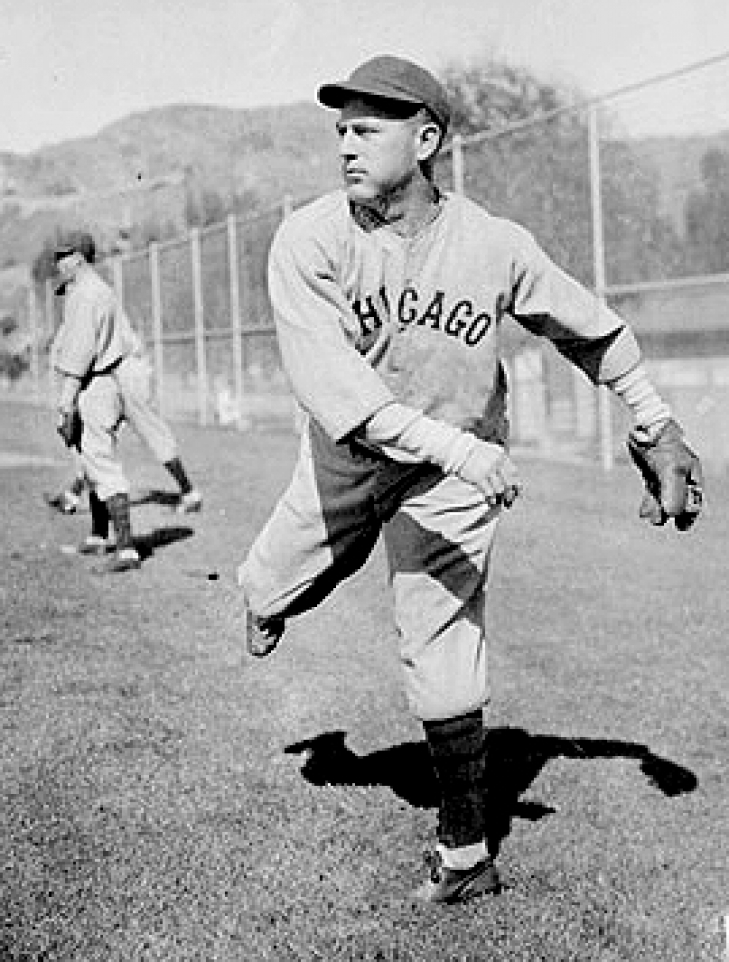
In the long, star-studded history of Chicago Cubs pitching, there are bigger names and flashier legends, but there is only one man at the top of the mountain when it comes to the "W." Charlie Root arrived in Chicago in 1926 as a castoff from the St. Louis Browns, and he spent the next 16 seasons proving that the Browns had made a historic mistake. His story is one of pure, unadulterated durability, who in every sense of the word took the ball more often, threw more innings, and walked off the mound a winner more times than any other pitcher to ever wear the blue pinstripes.
His arrival was a baptism by fire. In his first full season in 1926, Root led the league in losses, but he also showed flashes of the brilliance to come with 18 wins. The true breakout, the moment he became the undisputed ace of the staff, arrived in 1927. In a performance that earned him a fourth-place finish in the MVP voting, Root led the National League with 26 wins, serving as the high-velocity engine for a Cubs team that was suddenly a perennial contender. For the next six years, Root was the model of metronomic consistency, never dipping below 14 wins and serving as the foundational piece of the rotation.
As the 1930s progressed, Root’s play evolved. He transitioned from the young firebrand at the top of the rotation to the veteran stabilizer in the bullpen, proving that his value to the franchise was immune to the passing of time. By the time he threw his final pitch in 1941, he had amassed a franchise-record 201 wins and tossed an incredible 3,137 innings. He left the game as the Cubs' all-time leader in games pitched and Win Probability Added, a statistical titan whose legacy was built on showing up, every single day, for nearly two decades.
The story reached its permanent acknowledgment in 2021. When the Cubs finally opened the doors to their own Hall of Fame, Charlie Root was an automatic selection for the inaugural class. He arrived as a young pitcher with a point to prove and left as the winningest hurler in the franchise's history, the man who defined what it meant to be a Chicago Cub on the mound.
12. Hippo Vaughn
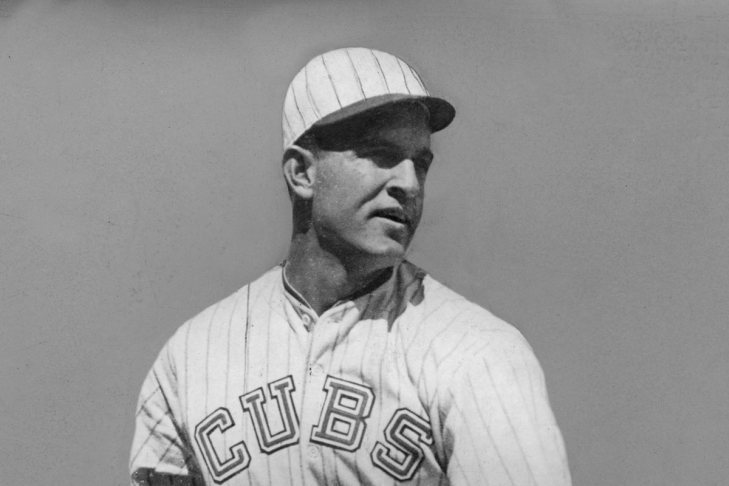
Before he arrived in Chicago in 1913, James “Hippo” Vaughn was the definition of a baseball nomad. He had bounced through the minors and struggled to stick with the Yankees or Senators, looking like a massive talent that simply couldn't find its rhythm. But when he stepped onto the mound at West Side Park, something clicked. The journeyman vanished, and in his place stood the most formidable left-hander in the senior circuit. By 1914, he was a 21-win powerhouse, beginning a run where his sheer bulk and deceptive speed became the nightmare of every hitter from New York to St. Louis.
The climax of Hippo’s Chicago story arrived in 1918, a season where he didn't just lead the league, he suffocated it. In a display of mound mastery that remains a benchmark for Cubs hurlers, Vaughn captured the Triple Crown of pitching, leading the National League in Wins (18), ERA (1.74), and Strikeouts (148). He was the undisputed engine of a Cubs team that marched to the pennant, and while the World Series against Boston ended in heartbreak, Vaughn was blameless. He turned in a heroic 1.00 ERA over three starts in that Fall Classic, proving that when the stakes were highest, the big man was immovable.
However, the run with the team ended abruptly. After two more seasons of elite production in 1919 and 1920, the wheels came off in 1921. Following a string of poor performances and a reported clash with management, Vaughn was unceremoniously released. But his story didn't end with a quiet retirement; driven by a pure, unyielding love for the game, he spent the next 15 years pitching in the minor leagues, a legendary figure of the bushes who simply refused to put the ball down.
Vaughn left Chicago with a legacy built on five 20-win seasons and a 1918 campaign that stands as one of the greatest single-season pitching performances in franchise history. When the Cubs finally looked back at their roots to inaugurate their Hall of Fame in 2021, the big left-hander was an automatic choice for the first class. He arrived as a wandering journeyman and left as a Triple Crown immortal, the man who carried a dynasty on his broad shoulders.
9. Stan Hack
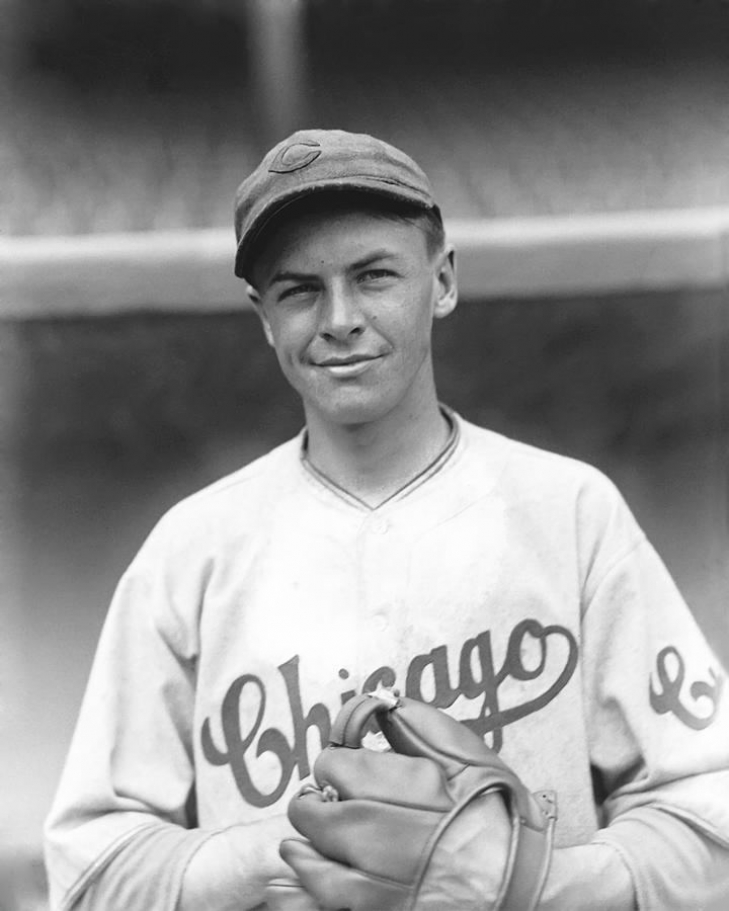
In an era of baseball defined by rugged toughness and loud personalities, Stan Hack was a different kind of weapon. He arrived in Chicago in 1932 and quickly made the "hot corner" his permanent residence, but it wasn't just his glove that made him indispensable. As the Cubs' permanent leadoff man, Hack brought a scientific approach to the top of the order. While others were swinging for the fences, Hack was busy mastering the art of the professional plate appearance. He didn't just hit his way on base; he haunted pitchers by working the count, finishing his career with a .394 On-Base Percentage, a number that would make a modern sabermetrician weep with joy.
His run with the team was defined by a metronomic, "smiling" consistency. From 1934 until his final game in 1947, Hack was the engine that powered the Chicago offense. He was a two-time hits leader and a perennial .300 hitter, but his true value emerged when the lights were brightest. Hack helped lead the Cubs to four National League pennants, and while the franchise famously fell short in those World Series appearances, it was never for a lack of effort from their third baseman. Hack was a postseason revelation, batting a scorching .348 in October and proving that his patient approach was immune to the pressure of the Fall Classic.
Hack was the rare superstar who never felt the need to raise his voice or change his uniform. He played all 1,938 of his Major League games in a Cubs jersey, amassing 2,193 hits and serving as the bridge between the glory days of the late 20s and the post-war era. He was the "Lifer" before the term was even popularized, a man whose loyalty to the North Side was as unwavering as his batting eye.
The story reached its formal acknowledgement in 2021 when the Cubs inaugurated their own Hall of Fame. Hack was an easy, unanimous choice for the first class, a permanent tribute to the man who proved that you could dominate a game with a smile and a walk as easily as a home run. He arrived as a young prospect and left as a franchise institution, the gold standard for what a leadoff man should be.
25. Hack Wilson
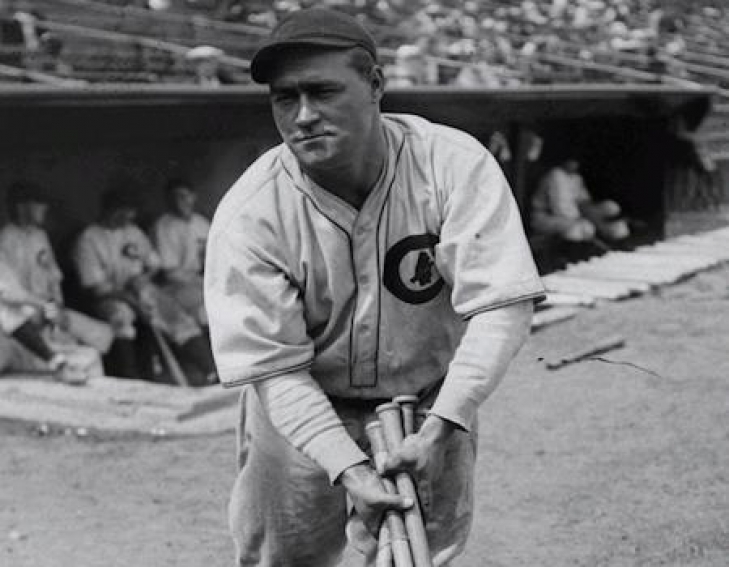
When Hack Wilson arrived in Chicago late in 1925, he was essentially a gift from the heavens, or more accurately, a gift from a New York Giants front-office oversight. Left unprotected in the minor league draft, the Cubs swooped in to claim him, and the move immediately altered the trajectory of the franchise. Wilson arrived as a player looking to reclaim his reputation and left his debut season as the National League Home Run king. From 1926 to 1928, he rattled off three consecutive home run titles, proving that his compact, powerful frame was perfectly engineered for the dimensions of Wrigley Field.
The peak of his tenure, and a season that remains a statistical outlier in the history of the sport, arrived in 1930. During that summer, Wilson was a force of nature, establishing a single-season RBI record of 191 that has never been seriously challenged since. He blasted 56 home runs and posted a staggering slash line of .356/.454/.723. He wasn't just a slugger in the modern sense; he possessed an elite batting eye, twice leading the league in walks. His skills during this stretch were undeniable, as he anchored a Cubs lineup that was a nightmare for opposing pitchers, leading the team to a pennant in 1929 and keeping them in the hunt throughout his stay.
However, to be direct about his journey, the intensity of his on-field performance was matched by a turbulent life off the diamond. Wilson was a heavy drinker whose conditioning eventually began to erode under the weight of his lifestyle. By 1931, the production that had seemed so effortless just a year prior began to dip, and the club made the difficult decision to ship him to the St. Louis Cardinals. He left the Cubs with an incredible franchise slash line of .322/.412/.590, a volume of production that earned him a place among the elite figures of the pre-war era.
The final walk toward the exit for Wilson came much sooner than his talent suggested it should, and he passed away in 1948 before he could see his legacy fully restored. It wasn't until 1979 that the Veterans Committee ushered him into Cooperstown, recognizing that his peak was simply too high to ignore. In 2021, the Cubs rightfully included him in their inaugural Hall of Fame class, a permanent tribute to the man who drove in runs at a pace the world had never seen before and hasn't seen since.
29. John Clarkson
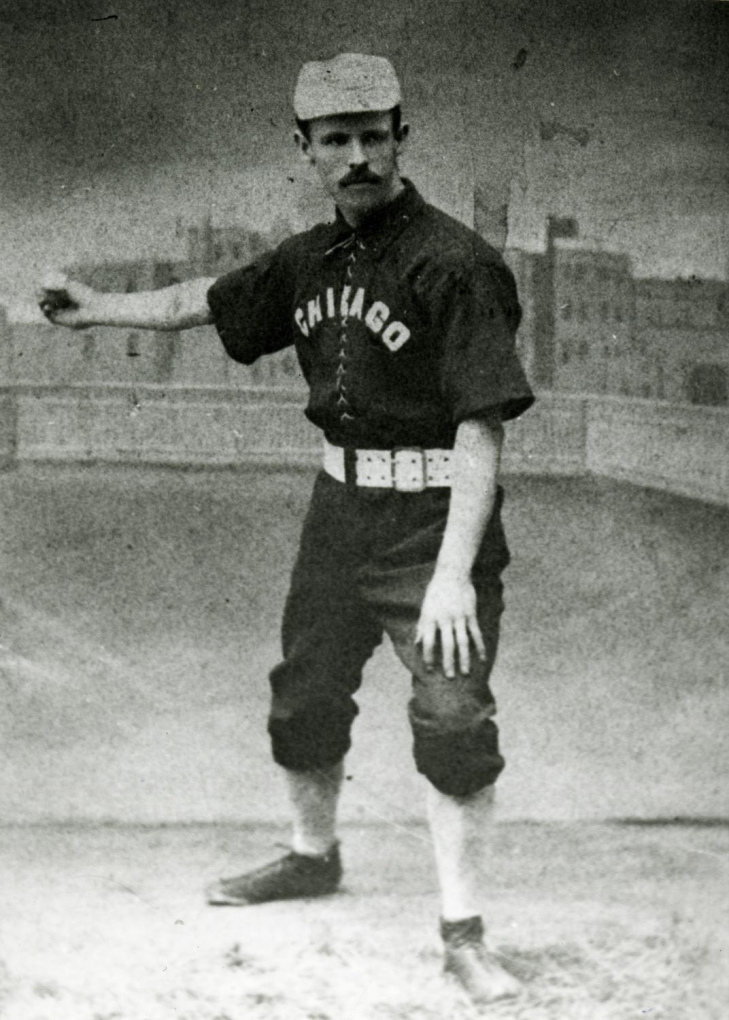
Cap Anson’s insistence that Chicago purchase Clarkson’s contract from Saginaw in 1884 proved to be one of the most astute front-office moves of the decade. After a brief 10-win introduction, Clarkson transitioned into a gear rarely seen in the history of the sport. The 1885 campaign remains a statistical outlier of the highest order, as he led the National League with a mind-boggling 53 wins and 623 innings pitched. That year was best illustrated by a league-leading 12.9 bWAR and a microscopic 1.85 ERA, a combination of volume and efficiency that cemented his status as the premier arm in the game.
Dominance of the era became his trademark as the mid-1880s progressed. He followed his 53-win season with 36 victories in 1886 and surged again in 1887, leading the National League with 38 wins and an incredible 14.9 bWAR. He was the definitive high-volume pitcher, routinely finishing what he started and carrying the rotation on his shoulders. However, his legacywas a complex one; despite his brilliance on the mound, he was known among teammates and management as a player who required constant emotional support and "coddling" to maintain his focus.
The organization eventually reached a crossroads with their temperamental ace, opting to sell his contract to the Boston Beaneaters for the then-record sum of $10,000. This blockbuster transaction marked the conclusion of a Chicago residency during which he accumulated 149 wins in just four full seasons. While he continued his Hall of Fame trajectory in Boston, his time in Chicago was when he proved he could anchor a dynasty through sheer, consistent excellence.
Recognition of his historic contributions came in 1963, when the Veterans Committee inducted him into the Baseball Hall of Fame. Decades later, the Cubs solidified his place in team history by inducting him as part of the 2021 Hall of Fame class. He left the franchise as a pioneer of the pitching craft, a man who showed that even the most "high-maintenance" talent is worth the investment when it produces over 50 wins in a single summer.
11. Grover Cleveland Alexander
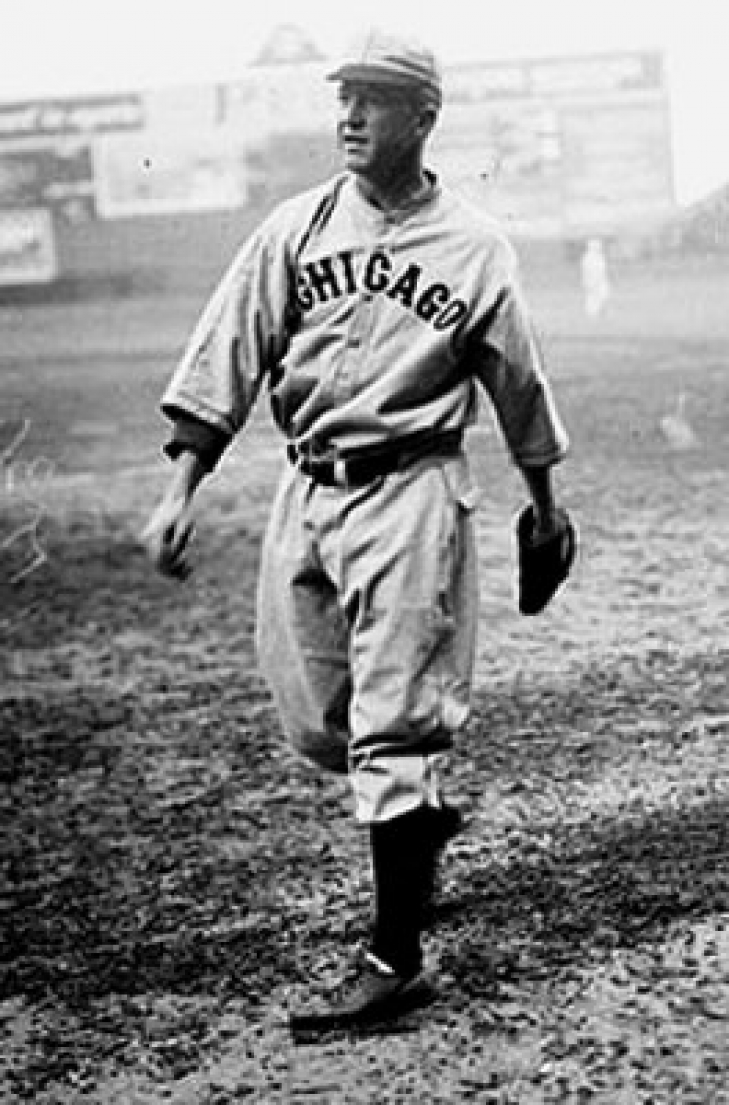
When Grover Cleveland Alexander arrived in Chicago in 1918, he didn't come by choice, and he didn't come whole. The Philadelphia Phillies, desperate for cash, had sold the greatest pitcher of the era to the Cubs just as the shadow of World War I loomed over the sport. Before he could throw a meaningful pitch for Chicago, Alexander was shipped to the front lines of France. He returned a year later, physically alive but mentally scarred—suffering from shell shock, partial deafness from the artillery fire, and a growing dependency on alcohol to quiet the ringing in his ears. It was a tragic transformation for a man who had already won two Triple Crowns.
But even a broken "Old Pete" was a marvel of the mound. His run with the Cubs from 1919 to 1920 remains one of the most improbable displays of pure, localized dominance in the history of the game. Despite the trauma and the seizures that began to plague him, he captured back-to-back ERA titles in his first two full seasons at Wrigley. In 1920, he authored a masterpiece: a 27-win season with a 1.91 ERA that secured his third career Triple Crown. It was a defiant statement from a veteran who was supposed to be washed up, a performance that proved his control and pinpoint accuracy were immune to the ghosts of the war.
The middle chapters of his Chicago story were defined by a steady, professional decline. While he never again touched the heights of 1920, he remained a formidable force for the next five years, anchoring a Cubs rotation that relied on his veteran savvy. However, his off-field struggles eventually wore thin with the front office. Midway through the 1926 season, he was unceremoniously waived and claimed by the St. Louis Cardinals, where, in a bit of poetic justice, he would go on to win the World Series that very autumn.
Alexander left Chicago with a sterling 128-83 record and a 2.84 ERA, marks that would be career-defining for any other pitcher but were merely a second act for him. His legacy was officially set in stone when he entered Cooperstown in 1938 as part of the Hall's third-ever class. Decades later, when the Cubs finally inaugurated their own Hall of Fame in 2021, "Old Pete" was an automatic selection for the first class. He arrived as a broken soldier and left as a testament to the enduring power of a master at work.
10. Gabby Hartnett
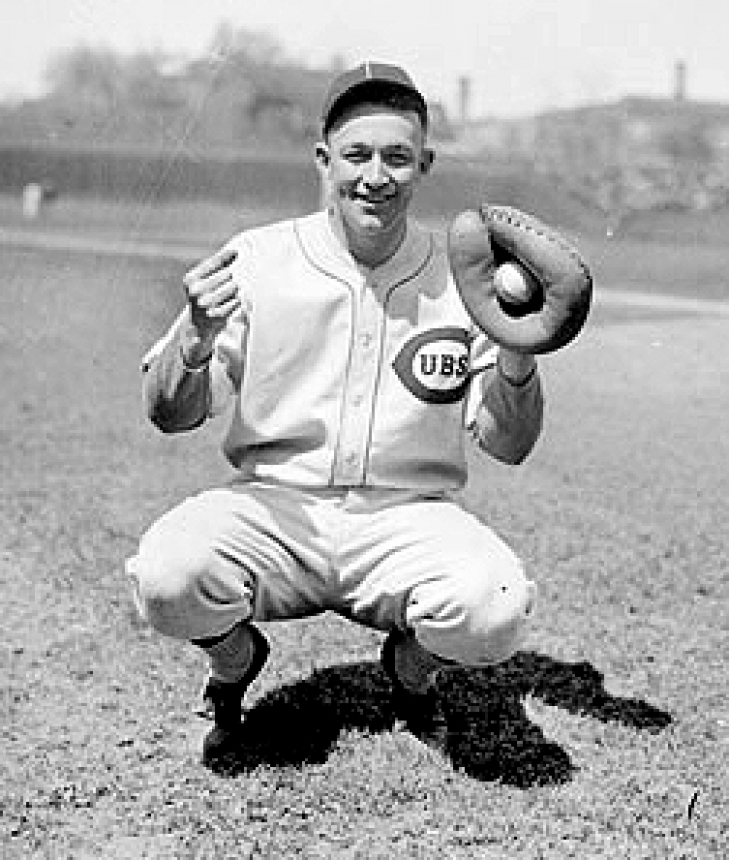
For nearly two decades, the heartbeat of the Chicago Cubs lived behind a chest protector. Gabby Hartnett didn’t just play catcher; he revolutionized it. Arriving in Chicago in 1922, he spent the next 19 seasons proving that the man calling the game could also be the one to end it. In 1925, he became the first catcher in baseball history to launch 20 home runs in a season, a feat that, at the time, felt like a glitch in the game’s logic. By the time he hung up the mask, his 236 home runs stood as a record for the position, a benchmark that would last for decades.
Hartnett’s run was a perfect marriage of offensive thunder and defensive authority. While he hit for a career .297 average, including a career-high .344 that secured him the 1935 National League MVP, he was just as dangerous with his right arm. He led the league in Caught Stealing Percentage six times, effectively shutting down the running games of every rival in the circuit. He was the field general for four different pennant-winning teams, a consistent, vocal leader whose durability at the most grueling position in sports became the stuff of legend.
But the defining chapter of Hartnett's Chicago story arrived in the fading light of September 28, 1938. In a neck-and-neck pennant race against the Pittsburgh Pirates, with the game tied in the bottom of the ninth and darkness literally swallowing Wrigley Field, Hartnett stepped to the plate. In what became known as the "Homer in the Gloamin’," he launched a ball into the shadows that didn't just win the game; it broke the Pirates' spirits and delivered the pennant to Chicago. It remains the most cinematic moment in the franchise's history.
The story of "Old Tomato Face" concluded with a series of well-earned honors. Inducted into Cooperstown in 1955, Hartnett’s status as the premier catcher of the pre-war era was set in stone. When the Cubs finally launched their own Hall of Fame in 2021, he was an automatic inaugural inductee. He arrived as a young backstop in a different era of baseball and left as a franchise titan, the man who proved that a catcher could be the greatest hitter on the field.
8. Ferguson Jenkins
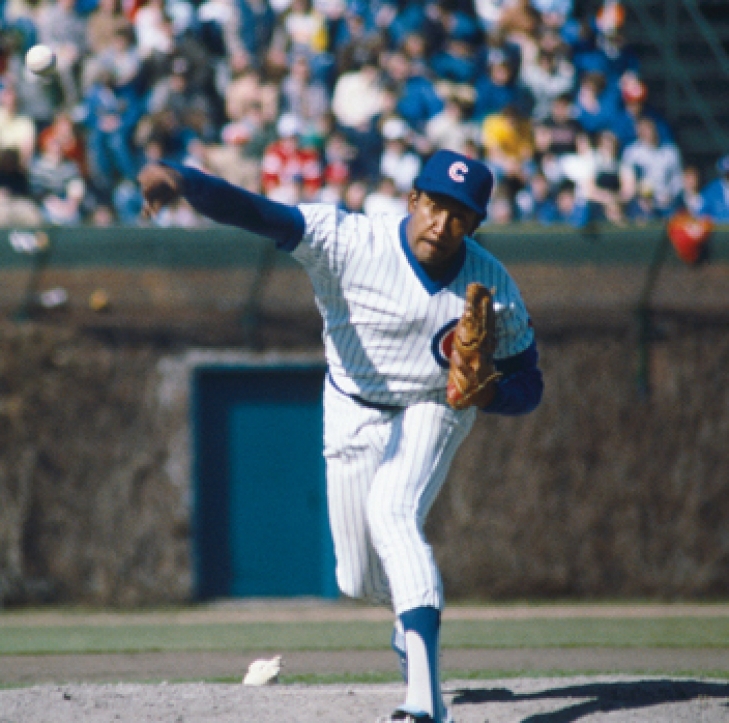
When Ferguson Jenkins arrived in Chicago in 1966, the Philadelphia Phillies thought they were trading away a spare part. Instead, they handed the Cubs the greatest pitcher in the history of the franchise. Jenkins didn’t just break out in 1967; he detonated, winning 20 games and signaling the start of a six-year reign of durability that has few parallels in the modern game. For a generation of Cubs fans, a Jenkins start meant one thing: the bullpen could take the afternoon off.
His run was defined by a surgical, almost defiant precision. In an era of flamethrowers, Fergie was a master of command. From 1967 to 1972, he rattled off six consecutive 20-win seasons, a feat of pure stamina that seems impossible by today’s standards. The apex of this "Workhorse Era" arrived in 1971, a season in which he led the league with 24 wins and 30 complete games, capturing the National League Cy Young Award. He wasn't just winning; he was embarrassing hitters with his control, leading the league in strikeout-to-walk ratio for three straight years. While he was occasionally susceptible to the long ball at Wrigley, it was a byproduct of his aggression; he challenged every hitter, every time, and more often than not, he won.
After a productive detour in Texas and Boston, the story came full circle in 1982. Jenkins returned to the North Side for a two-season encore, a veteran "statesman" run that allowed a new generation of fans to witness the tail end of his brilliance. He retired in 1983 as the franchise leader in strikeouts (2,038) and WHIP (1.123), a testament to his refusal to give away free passes.
The final chapters of the Jenkins epic were written in gold. He became the first Canadian-born player inducted into Cooperstown in 1991, and in 2009, the Cubs finally hoisted his number 31 to the foul pole, sharing the honor with fellow legend Greg Maddux. When the team unveiled a statue of him outside Wrigley Field in 2022, it was the final, permanent acknowledgement of what the record books already showed: Ferguson Jenkins was the standard by which all other Chicago hurlers are measured. He arrived as a trade-market afterthought and left as onr the finest hurlers in club history.
4. Ron Santo
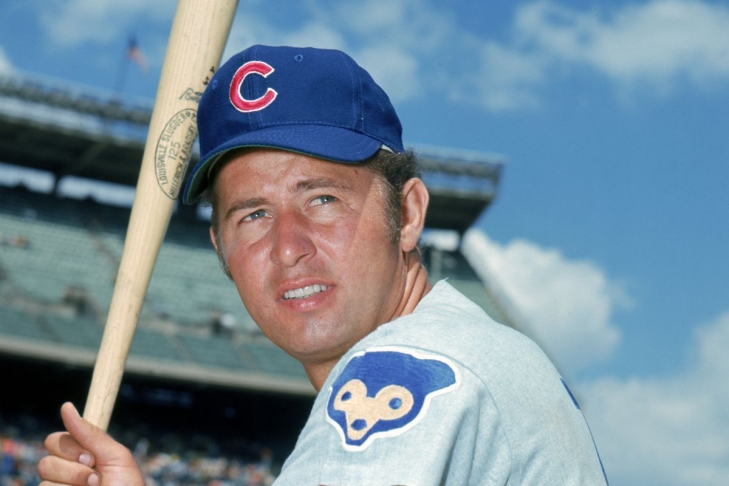
Ron Santo didn’t just play third base for the Chicago Cubs; he anchored it with a grit that defined an entire generation of North Side baseball.
Arriving as a rookie in 1960, he quickly evolved into the gold standard for the "hot corner." For over a decade, Santo was the rare triple-threat: a defensive vacuum, a disciplined on-base machine, and a middle-of-the-order slugger. What the fans didn't know at the time was that Santo was achieving all of this while privately managing Type 1 diabetes, a battle that makes his durability and production seem less like sports and more like a miracle.
His peak was a masterclass in professional hitting. Santo wasn't just a "swing for the fences" type; he was a scientist at the plate, leading the National League in walks four times and twice topping the league in On-Base Percentage. But when the situation called for thunder, he delivered, launching 337 home runs in a Cubs uniform and driving in over 100 runs in four different seasons. Defensively, he was virtually untouchable, sweeping five consecutive Gold Gloves and leading the league in Total Zone Runs for four straight years. He was the complete package, the kind of player who could win a game with a diving stop in the ninth just as easily as a three-run blast in the first.
The final chapter of his playing days provided a legendary moment of franchise loyalty. In 1973, Santo became the first player to ever exercise his "10-and-5" rights, famously vetoing a trade to California because he simply couldn't imagine himself anywhere else. While he eventually accepted a move across town to the White Sox for a final season, his heart never left Wrigley. He spent the rest of his life as the team’s most boisterous ambassador and broadcaster, the self-proclaimed "biggest Cubs fan ever."
The ending of the Santo story is tinged with bittersweetness. While the Cubs rightfully retired his number 10 in 2003, the Hall of Fame in Cooperstown infamously waited until 2012, two years after his passing, to finally induct him. It remains a sore spot for the Chicago faithful, a "travesty" that took far too long to correct. But when the Cubs Hall of Fame opened its doors in 2021, Santo was an automatic first-ballot choice. He arrived as a young man with a secret struggle and left as a permanent monument to what it means to love a team with everything you've got.
2. Ernie Banks
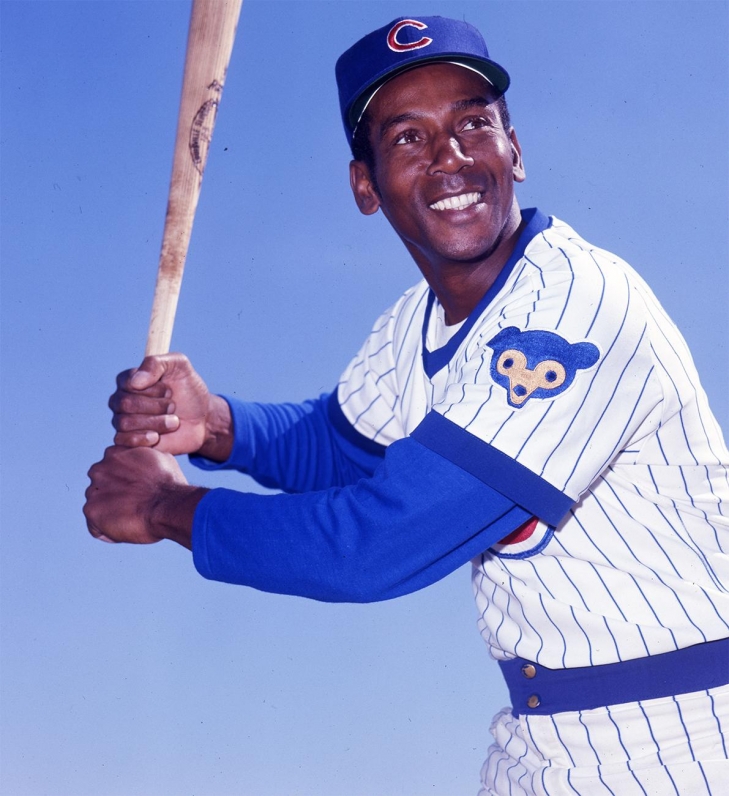
In the long, often heartbreaking history of the Chicago Cubs, there is one name that serves as a permanent northern star: Ernie Banks. He didn't just play for the Cubs; he became the personification of the "Friendly Confines." Arriving late in 1953 as the franchise's first Black player, Banks didn't just break a barrier, he built a monument. His story is one of pure, unadulterated joy, famously captured in his "Let’s play two!" mantra, even as the team around him struggled to find its footing.
His first act was a masterclass in power that redefined the shortstop position. By 1955, Banks had hit 44 home runs, signaling the arrival of the most potent middle-infield bat the National League had ever seen. The peak of this "Shortstop Era" arrived in 1958 and 1959, a back-to-back MVP tour de force where he launched 47 and 45 home runs, respectively. In those years, Banks wasn't just an All-Star; he was the most dangerous man in baseball, leading the league in RBIs twice and proving that a shortstop could carry an entire offense on his back.
As the 1960s began, the physical toll of the "six-hole" forced a move to first base, but the legend only grew. While he traded some of that historic power for veteran stability, he remained a metronome of production, churning out seven more seasons of 20-plus homers. When he finally hung up the cleats in 1971, he had amassed 512 home runs, all in a Cubs uniform, and 2,583 hits. He joined the elite 500-home run club not as a mercenary, but as a "Lifer" who never entertained the idea of playing anywhere else.
The final chapters of his story were written in bronze and retired jerseys. Elected to Cooperstown on his first ballot in 1977, Banks became the first Cub to have his number (14) hoisted onto the left-field foul pole. When the team finally inaugurated its own Hall of Fame in 2021, his inclusion was the easiest decision in the history of the front office. He arrived as a pioneer in a divided city and left as "Mr. Cub," the man who taught generations of fans that regardless of the score, it was always a beautiful day for a ballgame.
1. Cap Anson
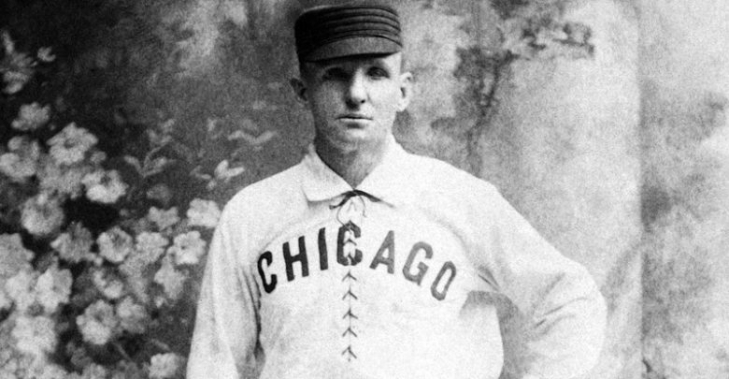
When Cap Anson joined the Chicago White Stockings in 1876, the National League was in its infancy. Over the next 22 years, Anson didn’t just play for Chicago; he was Chicago baseball. He arrived as a cornerstone and left as the most statistically dominant force the 19th century ever saw. His run was a relentless, two-decade march of production that defined the "Old Eight" era, including a staggering 15-year streak of batting over .300.
Anson was the game’s first true "accumulator" and its first "clutch" icon. He captured three batting titles and led the league in RBIs eight times—a total that keeps him 4th on the all-time list over a century after his retirement. But his impact went beyond the batter’s box. As a player-manager, he led Chicago to six National League pennants, essentially building the winning culture that would eventually become the Cubs' identity. He was the first player to reach 3,000 hits, and he did it while playing a defensively sound first base that anchored the best teams of the 1880s.
However, the story of Cap Anson’s run with the team is inseparable from a legacy of exclusion. While he was building a Hall of Fame resume on the field, he used his massive influence as the game’s biggest star to enforce a "color line" that would last for 60 years. His refusal to take the field against teams with Black players was not just a personal prejudice; it was a systemic weapon that reshaped the history of the sport.
By the time his Chicago tenure ended in 1897, Anson had amassed 3,012 hits and a .331 average, numbers that would make him the undisputed greatest of his age. When the "Old Timers" committee sent him to Cooperstown in 1939, they were honoring the statistical titan who built the Chicago dynasty. But in the modern audit, Anson remains a haunting figure: the man who showed us how high a player could climb, and how low a leader could stoop. He arrived as a pioneer and left as a monument, both to the game’s incredible growth and its most profound moral failures.
5. Billy Williams
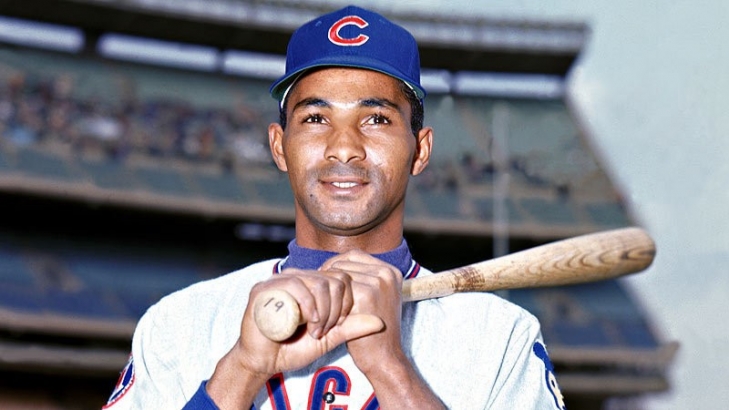
When Billy Williams arrived at Wrigley Field, he brought with him a left-handed stroke so smooth and effortless that it earned him a nickname for the ages: "Sweet-Swinging Billy." But behind that picturesque mechanics was a player carved out of granite. Williams didn't just play for the Cubs; he was their heartbeat, a fixture in the lineup so dependable that manager Leo Durocher famously said he didn't pencil Billy’s name in—he wrote it in ink.
His journey began with a bang in 1961, when he captured the National League Rookie of the Year Award with a 25-homer campaign. It was the start of a historic run of consistency that saw him blast at least 20 home runs for 13 consecutive seasons. The pinnacle arrived in 1970, an "Iron Man" year where he led the NL in hits (205) and runs (137) while launching a career-high 42 home runs. He finished as the MVP runner-up that year, a feat he would repeat in 1972 when he claimed the National League Batting Title with a .333 average and led the circuit in slugging. In any other era, Williams would have walked away with a shelf full of trophies; instead, he frequently found himself as the "best in the world,” standing just a half-step behind Johnny Bench.
Perhaps most remarkably, Williams set a National League record by playing in 1,117 consecutive games between 1963 and 1970. He didn't just show up; he produced at an elite level while refusing to take a day off, a streak that showcased mental toughness often overlooked because of his soft-spoken nature. He was the quiet engine of a legendary core that included Banks, Santo, and Jenkins, a team that flirted with greatness but never quite reached the October summit.
In late 1974, with the Cubs looking to rebuild, Williams was traded to the Oakland Athletics in a deal that finally gave the veteran a taste of the postseason. He left Chicago with 392 home runs and 2,510 hits, a statistical titan who never lost his humble edge. The franchise rightfully hoisted his number 26 to the foul pole in 1987, the same year he took his place in Cooperstown. He arrived as a rookie sensation and left as "Mr. Consistency," the man who proved that being "sweet-swinging" didn't mean you weren't as tough as they come.
3. Ryne Sandberg
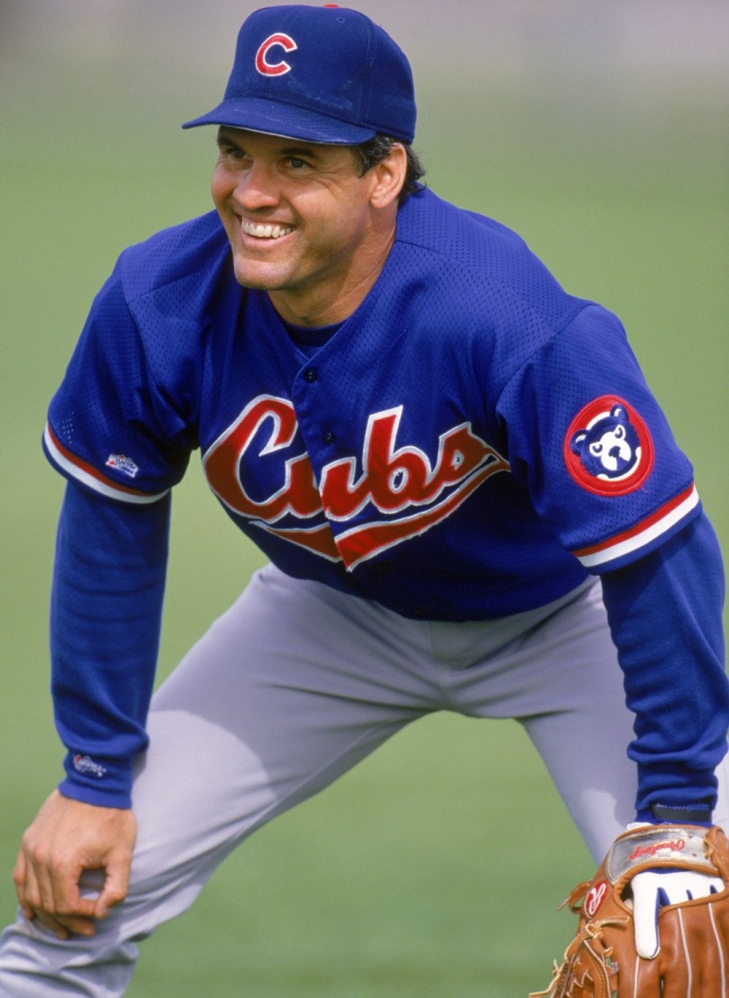
Ryne Sandberg’s journey to Wrigley Field began as a footnote in what would become one of the most lopsided trades in baseball history. When the Cubs sent Ivan DeJesus to Philadelphia in 1982, they weren't just looking for veteran shortstop Larry Bowa; they were secretly eyeing the young, versatile outfielder the Phillies were willing to throw in. That "extra" player, Ryne Sandberg, arrived in Chicago as a man without a fixed position, bouncing from the outfield to third base before finally finding his permanent home at second. It was a move that didn't just solidify the Cubs' infield; it altered the trajectory of the franchise.
The transformation was immediate. By 1983, Sandberg had secured the first of nine consecutive Gold Gloves, proving that his defensive range was as elite as his instincts. But the true arrival, the moment "Ryno" became a household name, was the legendary "Sandberg Game" in June 1984. On a national stage, he launched two game-tying home runs off Hall of Fame closer Bruce Sutter, a performance that served as the engine for his National League MVP campaign. He finished that year leading the league in triples and runs scored, beginning a streak of ten consecutive All-Star appearances and proving that the "lovable losers" era was officially over.
Sandberg was the heartbeat of the North Side for over a decade. While his early years were defined by speed and defensive brilliance, he evolved into a premier power threat at the turn of the decade, launching 40 home runs in 1990 to lead the National League. He was the rare second baseman who could beat a team with a glove, a stolen base, or a walk-off blast.
Then came the unexpected detour. Feeling he could no longer meet his own high standards, Sandberg abruptly retired in 1994. But the pull of Wrigley was too strong; he returned for a final two-season encore in 1996, proving he could still compete at the highest level before retiring for good in 1997. He left the game with 282 home runs, at the time, a record for his position, and 2,385 hits. His number 23 was hoisted onto the foul pole in 2005, the same year he entered Cooperstown, and in 2024, the team unveiled a statue of the man who started as a "throw-in" and ended as an immortal. He arrived as a question mark from Philadelphia and left as a cornerstone of Chicago history.
32. Stan Hack
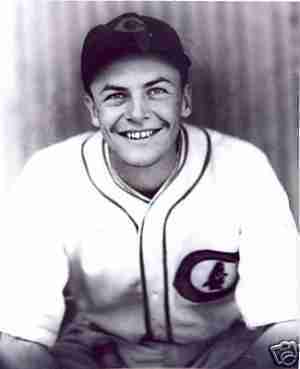
Stan Hack played his entire 16-season career with the Chicago Cubs. He was one of the Cubbies most popular players as “Smilin” Stan’s sunny disposition made him a fan favorite among players, fans, and journalists alike. It also didn’t hurt that he was one hell of a hitter.
Hack hit over 2,100 hits batting first for Chicago, but like any true good leadoff hitter, he found a way to get on base. Hack knew how to draw the free pass and was constantly among league leaders in On Base Percentage. Once on the base paths, Hack was an intelligent base runner, making few mistakes. He made even fewer mistakes at third, where he would have likely won multiple Gold Gloves had they been implemented at the time.
Hack had no significant slugging numbers, but that was not what he was paid to do. His main goals were to get on base and defend the hot corner, and he did both very well. He did accumulate some of his numbers during a weakened league (during World War II), but he was a consistent performer who should have gotten more Hall of Fame votes than he did.
Should Stan Hack be in the Hall of Fame?
Aramis Ramirez Retires
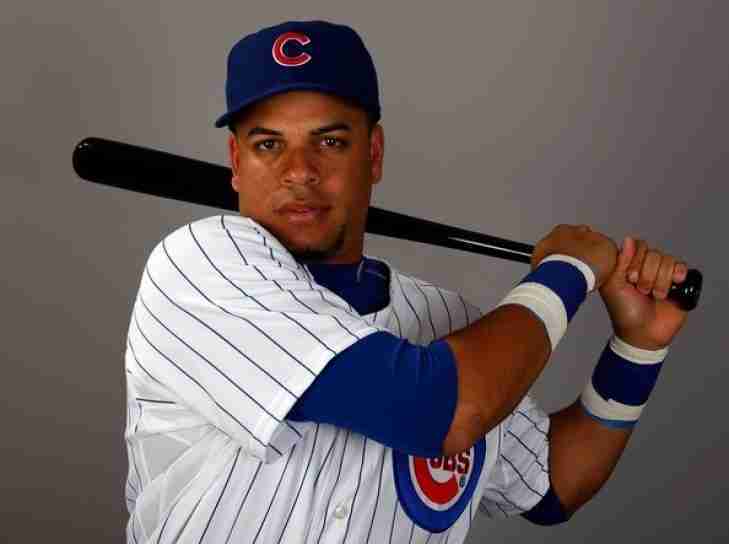
Ramirez leaves the game with some impressive accolades. He was a three time All Star, a one time Silver Slugger and would finish in the top ten in MVP voting three times. Statistically, he leaves the game with 386 Home Runs and 2,303 Hits and led the National League in Doubles in 2012. He would play his entire career in the National League, beginning (and ending) his career with the Pittsburgh Pirates with lengthy stints with the Chicago Cubs and Milwaukee Brewers along the way.
We always ask the question here at Notinhalloffame.com when we have a retirement as to whether that said player is HOF caliber. While Ramirez had a very good career, his numbers, especially poor defense resulting in a career bWAR of 32.1 isn’t one that will cut it in the modern thought process, and he will struggle to gain more than a handful of votes in 2021, the first year that he becomes Hall of Fame eligible.
While Aramis Ramirez has completed his service to Major League Baseball, he will do a farewell tour in his native Dominican Republic playing for Tigres del Licey in the Dominican Winter League.
We here at Notinhalloffame.com would like to wish Aramis Ramirez the best of luck in his post-MLB career.
293. Derrek Lee
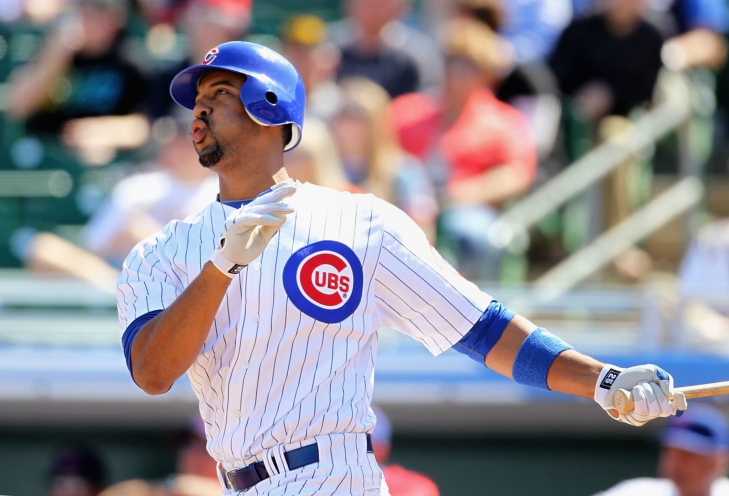
Derrek Lee is an underrated offensive player who has a phenomenal offensive year in 2005 but is not remembered for much else.
Lee was briefly a San Diego Padre before he was traded to the Florida Marlins in 1998. With Florida, the First Baseman had four 20 Home Run years, peaking with a 31-HR season in 2003, which coincided with him leading the Marlins to a World Series Title. As most of you know, Lee (along with everyone else who was talented) was packaged away in a disgusting cost-cutting move, and Lee wound up with the Chicago Cubs.
It was with Chicago where Lee had his best years, specifically in 2005, where he led the National League in Hits (199), Doubles (50), Batting Average (.335), Slugging (.662), and OPS (1.080). Lee was an All-Star, Gold Glove winner, and Silver Slugger and third in MVP voting. He could not build on that as injuries held him to 50 Games in 2006, but he was an All-Star and Gold Glove winner in 2007, and was ninth in MVP voting in 2009. With the Cubs, Lee had five 20-plus Home Run years, with three exceeding 30.
Lee finished his career with Atlanta, Baltimore, and Pittsburgh, retiring in 2011 with 1,951 Hits, 331 Home Runs, 1,078 RBIs, and a .495 Slugging Percentage.
None
Should Derrek Lee be in the Hall of Fame?
161. Larry Jackson
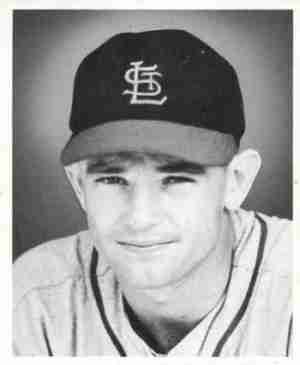
Larry Jackson played for some good teams, but never any great ones (he never played in the postseason). As such, Jackson never made the 200 Win club, but his value as an innings eater was essential to the success of many of his teams.
Once Larry Jackson worked his way permanently into the Cardinals’ rotation, he seemingly never left. Jackson would become the ace of many average teams and would go on to set the modern record for right-handers in Wins without winning a pennant. Still, he parlayed his famous slider to a Cy Young runner-up in 1964, and though this was the closest he would come to a big award, he was one of the most respected starting pitchers in the National League. Larry Jackson never received a vote for the Hall of Fame, but a look at his career sabremetrics has given us cause to wonder why.
