

 Not in Hall of Fame News
Yes, we know that this is taking a while! As many of…
 Not in Hall of Fame News
Yes, we know that this is taking a while! As many of…
 Not in Hall of Fame News
2002 SEMI-FINAL RESULTS: Thank you for your participation in the Pro Football…
 Not in Hall of Fame News
Yes, we know that this is taking a while! As many of…
 Not in Hall of Fame News
We are diligently working away at Notinhalloffame on revising our Football lists…
 Not in Hall of Fame News
We are diligently working away at Notinhalloffame on revising our Football lists…
 From the Desk of the Chairman
October baseball often turns individual pitching performances into lasting postseason memories. Strikeout…
 From the Desk of the Chairman
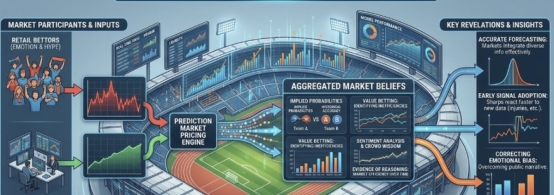
For decades, the sports debate ran on gut feeling. Barstool arguments, call-in…
 From the Desk of the Chairman
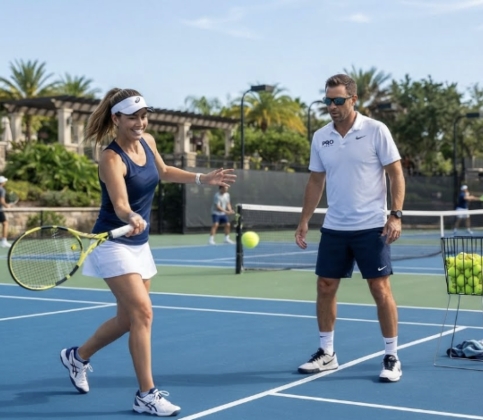
Introduction to Private Adult Tennis Camps in Prague Adult club players increasingly…
 From the Desk of the Chairman
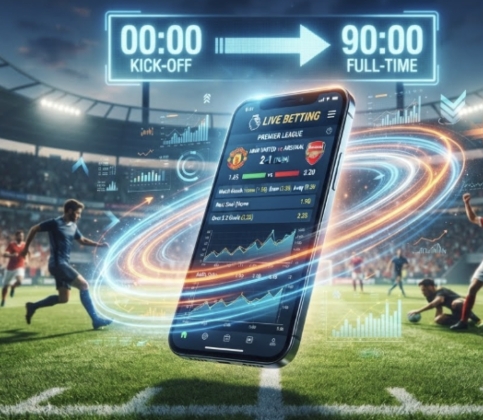
Unlike in the case of pre-match betting, where you have to pick…
 From the Desk of the Chairman
Kupu178 builds trust with people by using top-end end-to-end encryption. It checks…
 From the Desk of the Chairman
Sports fans thrive on calculating strategy, reading momentum, and maximizing every tactical…
100 Active Potential Football Hall of Famers
-
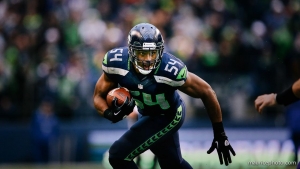 #3 Overall, Bobby Wagner: Free Agent Linebacker, #1 Defensive Lineman/Linebacker: Interior Lineman2025 Pre-Season Rank #2, 2024 Pre-Season Rank #3, 2023 Pre-Season Rank #3, 2022 Pre-Season Rank #6, 2021 Pre-Season Rank #10, 2020 Pre-Season Rank…
 -
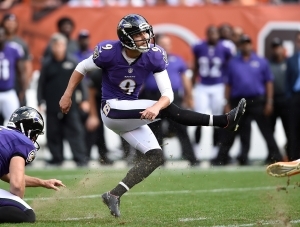 #36 Overall, Justin Tucker: Free Agent, Place Kicker, #1 Kickers & Special Teams2025 Pre-Season Rank #29, 2024 Pre-Season Rank #26, 2023 Pre-Season Rank #22, 2022 Pre-Season Rank #28, 2021 Pre-Season Rank #42, 2020 Pre-Season Rank…
 -
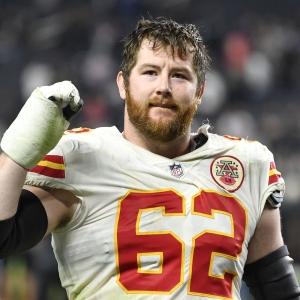 #41 Overall, Joe Thuney, Chicago Bears, Left Guard, #5 Offensive Lineman2025 Pre-Season Rank #64, 2024 Pre-Season Rank #75, 2023 Pre-Season Rank #120, 2022 Pre-Season Rank: #140. Peak Period: 2021-25 Over the last few…
 -
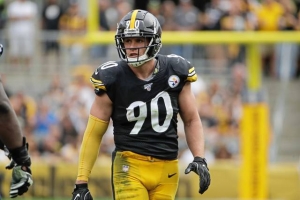 #10 Overall, T.J. Watt, Pittsburgh Steelers, #4 Defensive Lineman/Linebacker Pass Rusher2025 Pre-Season Rank #7, 2024 Pre-Season Rank #11: 2023 Pre-Season Rank #15, 2022 Pre-Season Rank #24, 2021 Pre-Season Rank #68, 2020 Pre-Season Rank…
Visit the Fictitious Halls of Fame!

You May Also Like...
EDITOR’S CHOICE
 DDT's Pop Flies
When the veterans committee (VC), officially convening as the Contemporary Baseball Era…
 Live Music Head
Project/Objectan interview with André Cholmondeleyby Live Music HeadOriginally published at timessquare.com on…

LATEST RANKINGS
MOST POPULAR RANKINGS

Committee Chairman
42. Leon Gray
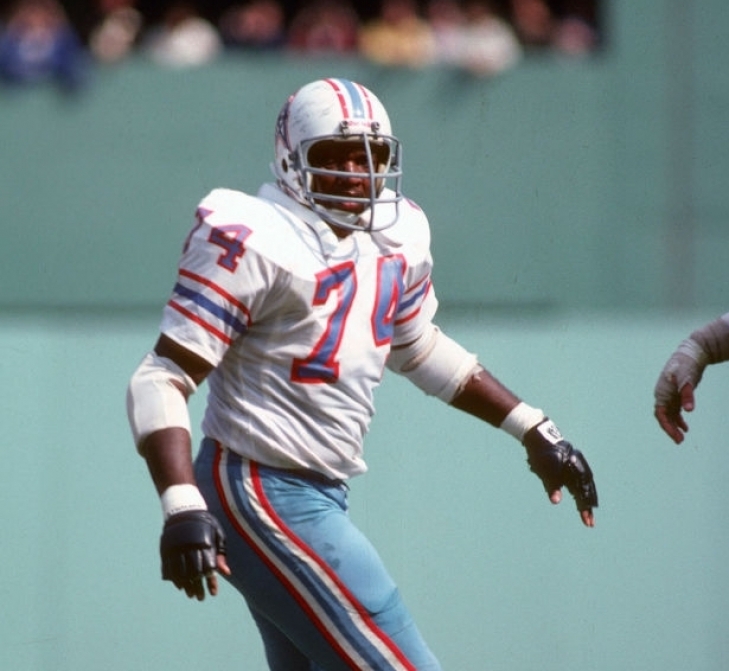
When the New England Patriots traded Leon Gray to the Houston Oilers in 1979 for a pair of Draft Picks, Gray’s linemate, John Hannah, famously quipped, "There goes our Super Bowl."
The Patriots did not win one until the next millennium, though to be fair, neither did the Oilers. Gray was only with Houston for three seasons, but he was the same dominating presence at Left Tackle that he was in New England. Gray helped the Oilers reach the 1979 AFC Championship, and he went to his third Pro Bowl and second First Team All-Pro. Gray remained spectacular over the next two seasons, collecting another Pro Bowl and a First Team All-Pro, and the Oilers brass never had to worry about that position while he was there.
Before the 1982 Season, Gray was part of another curious trade when he was sent to New Orleans for Archie Manning.
41. Ed Husmann
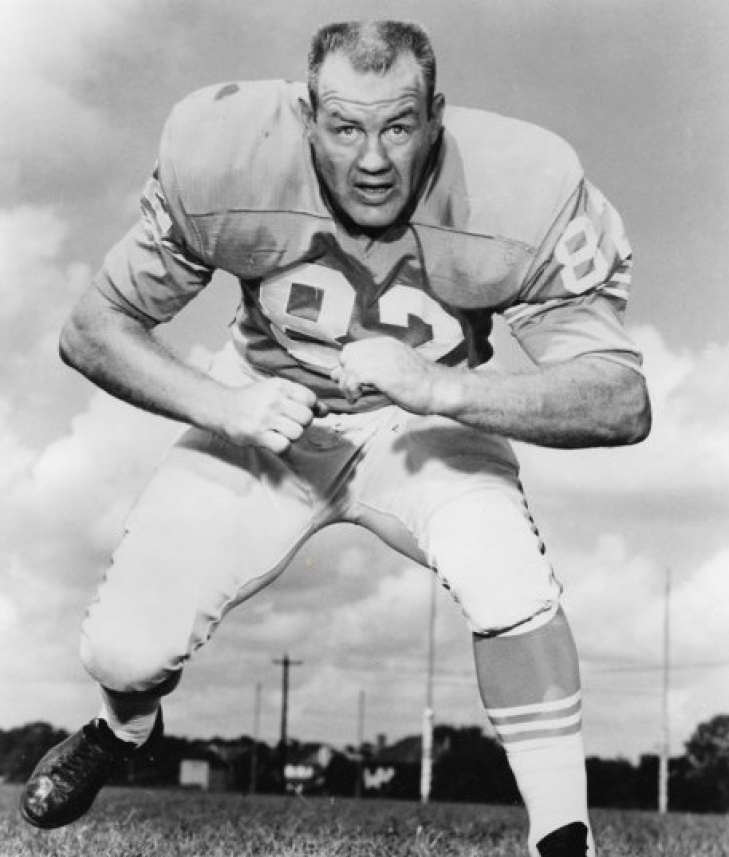
Ed Husmann was a seven-year NFL vet (six with the Chicago Cardinals and one with Dallas), with his last year coming in 1960. After the Cowboys released him, Husmann found a new life in the AFL with the Oilers, and it would be the best run of his career.
Husmann aided the Oilers in retaining their AFL Title, and in the process, he was named to the All-Star Team and led the league in Sacks (8). The Defensive Tackle was again an All-Star the next two seasons, with a First Team All-Pro coming in 1962 with a second Sack title (10) occurring.
He played until 1965, finishing out his career with a season in Edmonton of the Canadian Football League. Husmann had 33 Sacks for the Oilers.
39. Don Floyd
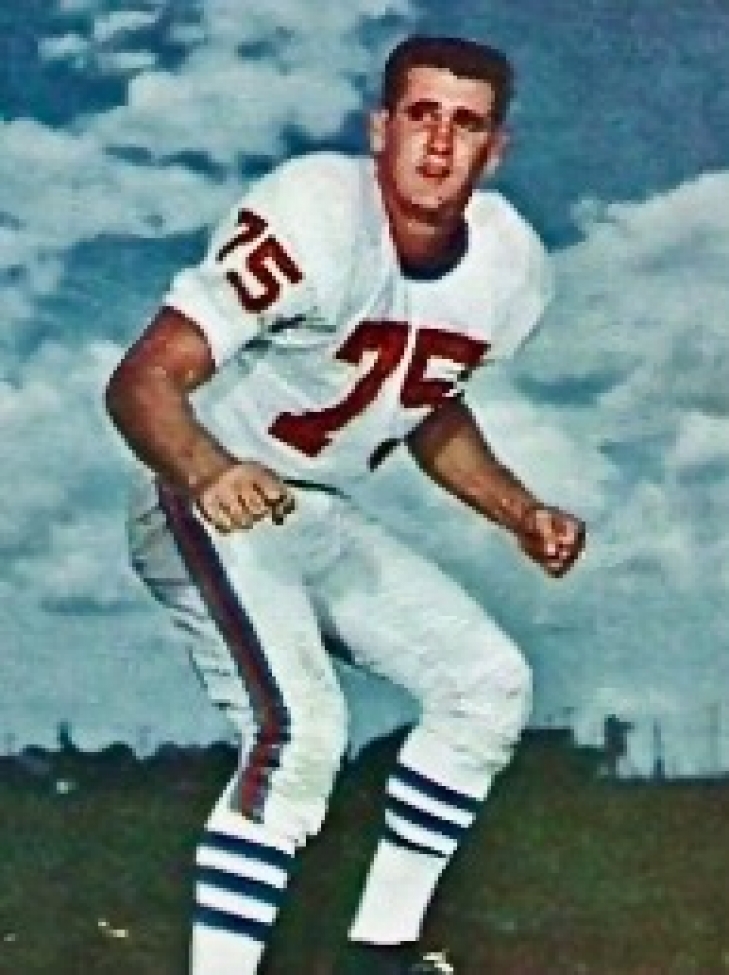
From Texas, and a product of TCU, Don Floyd was a Second Round Pick in both the NFL and AFL, and he opted to go to the AFL when the team that selected him, the New York Titans, traded him to the Houston Oilers.
Floyd was not a player who would dazzle you, but he was sound fundamentally in all aspects of defensive football. The Defensive End was exceptionally agile, and in addition to his defensive duties, he was a great blocker on kicks. Floyd was a key figure in Houston's two AFL Championship (1960 & 1961) and was twice named an AFL All-Star (1961 & 1962).
Injuries piled up in 1966, and two years later, he was forced to retire.
38. Cris Dishman
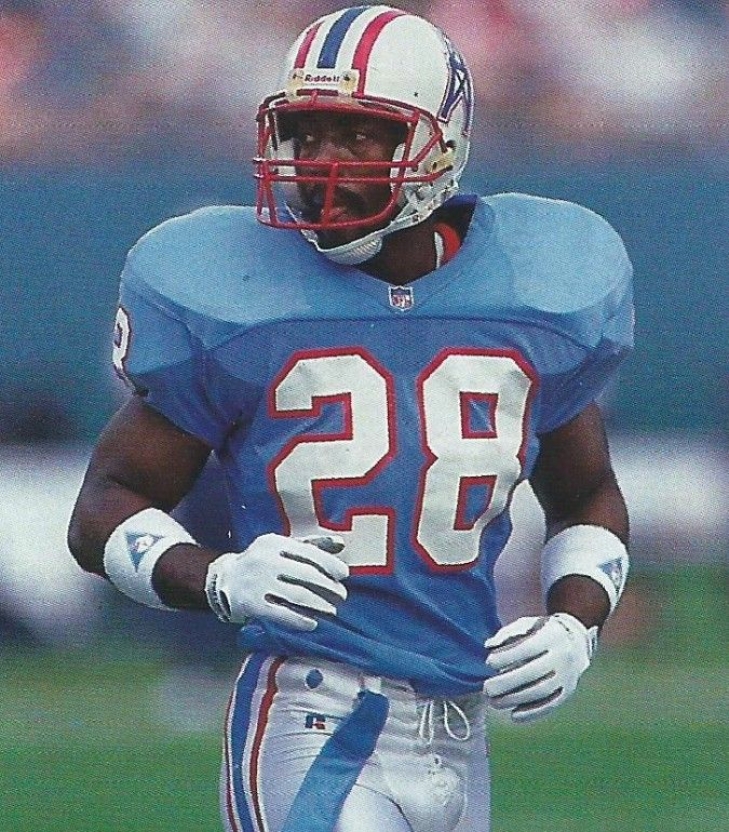
From Purdue, Cris Dishman did not play much as a starter in his first two years after being drafted in the Fifth Round in 1988, but the Cornerback became a starter on the left side in 1990, where he became one of the better Defensive Backs in franchise history.
Dishman had a spectacular campaign in 1991, where he had six picks and was a Pro Bowl and First Team All-Pro. Analytically, Dishman had a 16 in Approximate Value, one of the best in franchise history for a Defensive Back. Dishman continued to run the Secondary for Houston for years until he joined Washington as a Free Agent in 1997.
He recorded 31 Interceptions for Houston.
