

 Not in Hall of Fame News
Yes, we know that this is taking a while! As many of…
 Not in Hall of Fame News
Yes, we know that this is taking a while! As many of…
 Not in Hall of Fame News
2002 SEMI-FINAL RESULTS: Thank you for your participation in the Pro Football…
 Not in Hall of Fame News
Yes, we know that this is taking a while! As many of…
 Not in Hall of Fame News
We are diligently working away at Notinhalloffame on revising our Football lists…
 Not in Hall of Fame News
We are diligently working away at Notinhalloffame on revising our Football lists…
 From the Desk of the Chairman
October baseball often turns individual pitching performances into lasting postseason memories. Strikeout…
 From the Desk of the Chairman
For decades, the sports debate ran on gut feeling. Barstool arguments, call-in…
 From the Desk of the Chairman
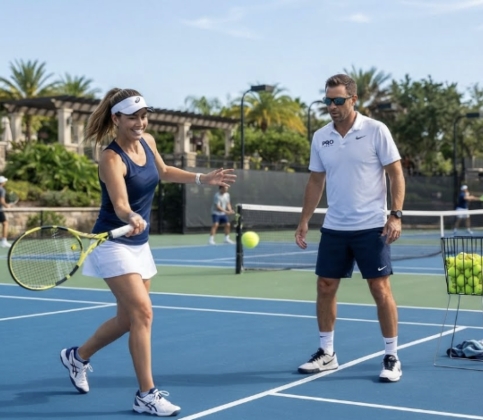
Introduction to Private Adult Tennis Camps in Prague Adult club players increasingly…
 From the Desk of the Chairman
Unlike in the case of pre-match betting, where you have to pick…
 From the Desk of the Chairman
Kupu178 builds trust with people by using top-end end-to-end encryption. It checks…
 From the Desk of the Chairman
Sports fans thrive on calculating strategy, reading momentum, and maximizing every tactical…






100 Active Potential Football Hall of Famers
-
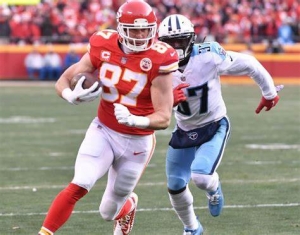 #5 Overall, Travis Kelce: Kansas City Chiefs, #1 Tight End2025 Pre-Season Rank #4, 2024 Pre-Season Rank #5, 2023 Pre-Season Rank #7, 2022 Pre-Season Rank #12, 2021 Pre-Season Rank: #20, 2020 Pre-Season Rank…in Tight Ends
 -
 #45 Overall, Jared Goff, Detroit Lions, #8 Quarterback2025 Pre-Season Rank #46, pSeason 2024 Pre-Season Rank #89, 2023 Pre-Season Rank #100, 2022 Pre-Season Rank #112. 2021 Pre-Season Rank #106, 2020 Pre-Season…in Quarterbacks
 -
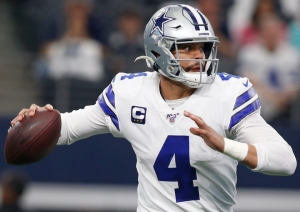 #37 Overall, Dak Prescott, Dallas Cowboys, #7 Quarterback2025 Pre-Season Rank #40, 2024 Pre-Season Rank #32, 2023 Pre-Season Rank #44, 2022 Pre-Season Rank #55, 2021 Pre-Season Rank #63, 2020 Pre-Season Rank…in Quarterbacks
 -
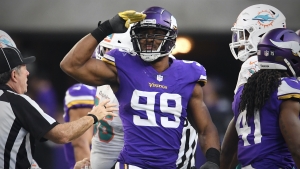 #36 Overall, Danielle Hunter, Houston Texans, #11 Defensive End: Defensive Linemen/Linebackers: Pass Rushers2025 Pre-Season Rank #44, 2024 Pre-Season Rank #57, 2023 Pre-Season Rank #87, 2022 Pre-Season Rank #102 2021 Pre-Season Rank #102, 2020 Pre-Season Rank…
Visit the Fictitious Halls of Fame!


You May Also Like...
EDITOR’S CHOICE

 DDT's Pop Flies
When the veterans committee (VC), officially convening as the Contemporary Baseball Era…

 Live Music Head
Project/Objectan interview with André Cholmondeleyby Live Music HeadOriginally published at timessquare.com on…

LATEST RANKINGS





MOST POPULAR RANKINGS
















Committee Chairman
34. George Webster
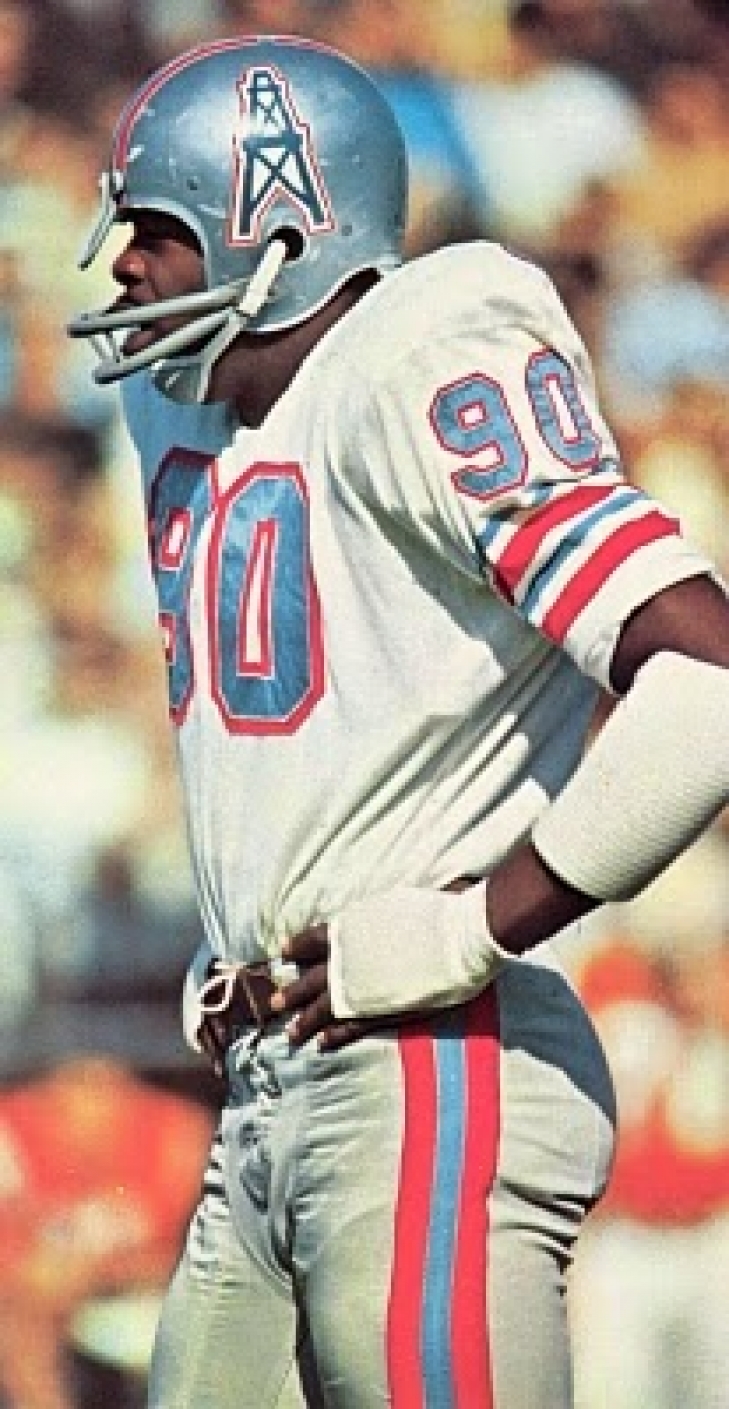
George Webster was a beast at Michigan State, earning two All-Americans and a trip to the College Football Hall of Fame. The Houston Oilers grabbed him Fifth Overall in the first ever Common Draft between the AFL and NFL, and for the first three seasons, he was incredible as a pro.
In the aforementioned time frame, Webster was named a First Team All-Pro and an AFL-All Star. Webster, who UPI named the Rookie of the Year (1967), controlled the middle of the field expertly and was go good in those three seasons, that he was named to the AFL All-Time Team.
After 1969, a barrage of injuries beset Webster, and he was never close to being the same player. His role diminished, as did his health, and he was released during the 1972 Season.
Webster's peak pro period was brief but was impactful.
33. Albert Haynesworth
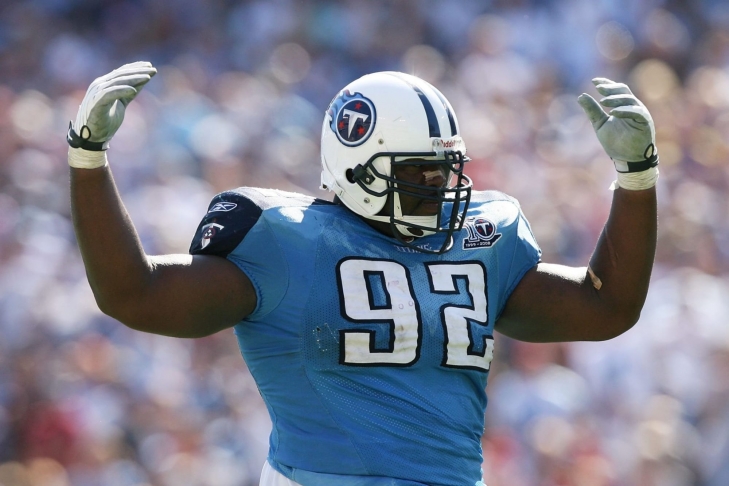
There is a lot to unpack with Albert Haynesworth, but for a two-year period, he was in the conversation as the best defensive player in football.
Haynesworth's ascendence to the upper rung of Defensive Tackles seemingly came out of nowhere despite being a First Round Pick (2002). Haynesworth only started five Games as a rookie, and while he became a starter as a sophomore, he was not considered one of the top players at his position, nor would he be until 2007, though the year before he became infamous when he stomped on the face of Dallas’ Center, Andre Gurode.
Haynesworth’s game shot up in 2007, where he put up then career-highs in Sacks (8.5) and had 12 Tackles for Loss. His skill caught up with his ferocity, and he had an even better 2008, where he had 8.5 Sacks, 51 Combined Tackles, and 15 Tackles for Loss. Haynesworth was a First Team All-Pro both of those seasons, was the runner-up in 2007 for the Defensive Player of the Year, and was fourth in 2008. It was Haynesworth’s last year as a Titan, and as it would turn out, his last good year in football.
Haynesworth signed with the Washington Redskins as a Free Agent, and he was out of the game three years later. He might have been a controversial figure at one time, but his peak period in Tennessee has few equals.
32. Gregg Bingham
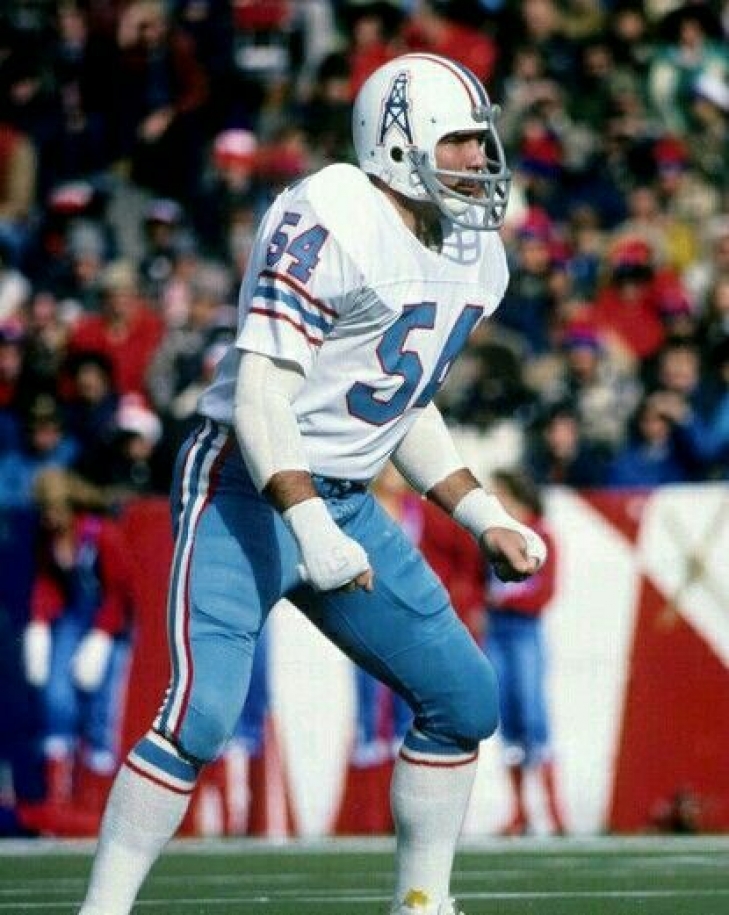
From Purdue, the Houston Oilers drafted Greg Bingham in the Fourth Round of the 1973 Draft, which would be the only pro team that the Linebacker played for.
Bingham started all 173 of his Games for the Oilers, recording 21 Interceptions with 14.5 Quarterback Sacks. Known for his all-out effort in every play, Bingham gave everything he had and was known as a cerebral defensive player.
9. Marion Motley
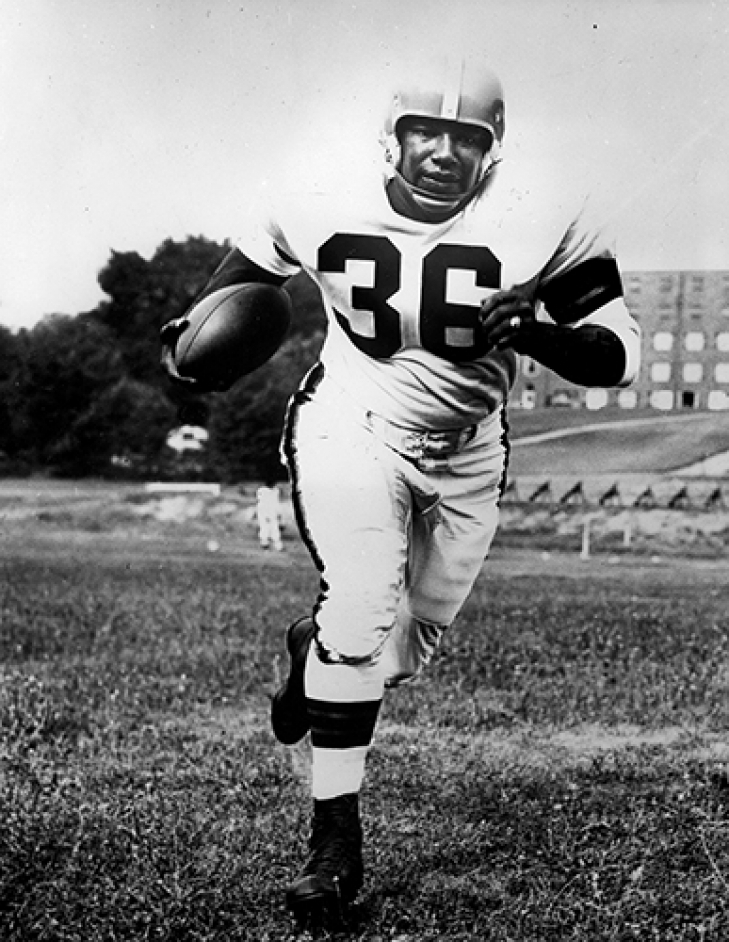
In 1946, Marion Motley signed with the Cleveland Browns, joining his teammate Bill Willis, and reentered professional football. Despite facing significant racial hostility, he emerged as one of the most formidable athletes of his time. During his eight-season tenure with Cleveland, Motley was recognized as an indomitable power runner and an elite pass protector, functioning as the key physical force within Paul Brown's offensive success.
Motley was constructed with the physique of a contemporary interior lineman, yet he played in a manner reminiscent of a backfield player from the 1940s. He exhibited a rare blend of raw power, lateral agility, and explosive speed. Employing the trap-draw formations pioneered by Paul Brown, Motley overwhelmed interior defensive lines through vigorous leg drive and second-level acceleration. In addition to his running capabilities, his blitz pickup was renowned for its physicality, effectively neutralizing rushing linebackers and providing Otto Graham with the unobstructed pocket necessary to execute down-the-seam passes.
Motley assumed leadership of the All-America Football Conference (AAFC) immediately upon entering the field. He secured the 1948 AAFC rushing title with 964 yards, significantly contributing to Cleveland's undefeated season. Throughout the Browns' four-year participation in the AAFC, Motley led the league in career rushing yards with a total of 3,024 yards, while Cleveland secured all four AAFC Championships.
When critics questioned whether the Browns could compete against the established NFL in 1950, Motley responded by securing the NFL rushing title with 810 yards on an impressive 5.8 yards per carry. His notable single-game performance occurred that season against Pittsburgh, where he rushed for 188 yards on only 11 carries (17.1 YPC). Cleveland concluded its inaugural NFL season by winning the 1950 NFL Championship, thereby establishing their position as the preeminent football team of the period.
Motley received his only Pro Bowl selection in 1950 and was honored with two First-Team All-Pro distinctions in 1950 and 1951. He concluded his tenure with Cleveland after the 1953 season, having accumulated 4,712 rushing yards and 31 rushing touchdowns, with an impressive average of 5.7 yards per carry—a record that continues to rank among the highest in the history of professional football.
In 1968, Motley became the second African American in the Pro Football Hall of Fame. In 2010, the Browns honored his groundbreaking career by naming him to the inaugural Cleveland Browns Ring of Honor.
