

 Not in Hall of Fame News
Yes, we know that this is taking a while! As many of…
 Not in Hall of Fame News
Yes, we know that this is taking a while! As many of…
 Not in Hall of Fame News
2002 SEMI-FINAL RESULTS: Thank you for your participation in the Pro Football…
 Not in Hall of Fame News
Yes, we know that this is taking a while! As many of…
 Not in Hall of Fame News
We are diligently working away at Notinhalloffame on revising our Football lists…
 Not in Hall of Fame News
We are diligently working away at Notinhalloffame on revising our Football lists…
 From the Desk of the Chairman
October baseball often turns individual pitching performances into lasting postseason memories. Strikeout…
 From the Desk of the Chairman
For decades, the sports debate ran on gut feeling. Barstool arguments, call-in…
 From the Desk of the Chairman
Introduction to Private Adult Tennis Camps in Prague Adult club players increasingly…
 From the Desk of the Chairman
Unlike in the case of pre-match betting, where you have to pick…
 From the Desk of the Chairman
Kupu178 builds trust with people by using top-end end-to-end encryption. It checks…
 From the Desk of the Chairman
Sports fans thrive on calculating strategy, reading momentum, and maximizing every tactical…

100 Active Potential Football Hall of Famers
-
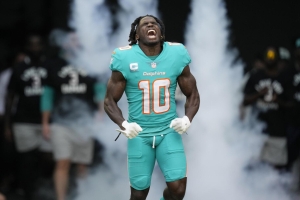 #25 Overall, Tyreek Hill, Free Agent, #3 Wide Receiver2025 Pre-Season Rank #18, 2024 Pre-Season Rank #8, 2023 Pre-Season Rank #28, 2022 Pre-Season Rank #35, 2021 Pre-Season Rank #53. Peak Period: 2019-23…
 -
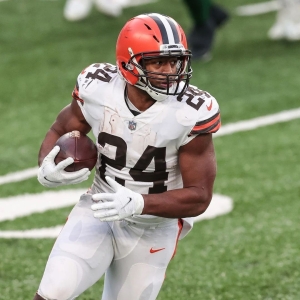 #40 Overall, Justin Jefferson, Minnesota Vikings, #5 Wide Receiver2025 Pre-Season Rank #38, 2024 Pre-Season Rank #50, 2023 Pre-Season Rank #101, 2022 Pre-Season Rank #130. Peak Period: 2020-24 Since he debuted in…
 -
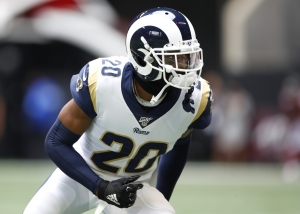 #23 Overall, Jalen Ramsey, Pittsburgh Steelers, #1 Cornerback2025 Pre-Season Rank #20, 2024 Pre-Season Rank #20, 2023 Pre-Season Rank #23, 2022 Pre-Season Rank #35, 2021 Pre-Season Rank #54, 2020 Pre-Season Rank…in Cornerbacks
 -
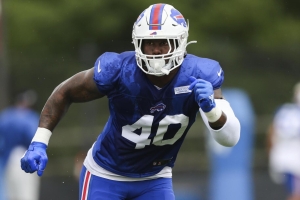 #8 Overall, Von Miller, Dallas Cowboys, #3 Defensive Lineman/Linebackers: Pass Rushers2025 Pre-Season Rank #6, 2024 Pre-Season Rank #7, 2023 Pre-Season Rank #4, 2022 Pre-Season Rank #7, 2021 Pre-Season Rank #8, 2020 Pre-Season Rank…
Visit the Fictitious Halls of Fame!
You May Also Like...
EDITOR’S CHOICE
 DDT's Pop Flies
When the veterans committee (VC), officially convening as the Contemporary Baseball Era…



 Live Music Head
Project/Objectan interview with André Cholmondeleyby Live Music HeadOriginally published at timessquare.com on…

LATEST RANKINGS

MOST POPULAR RANKINGS



Committee Chairman
17. Earl Thomas Conley
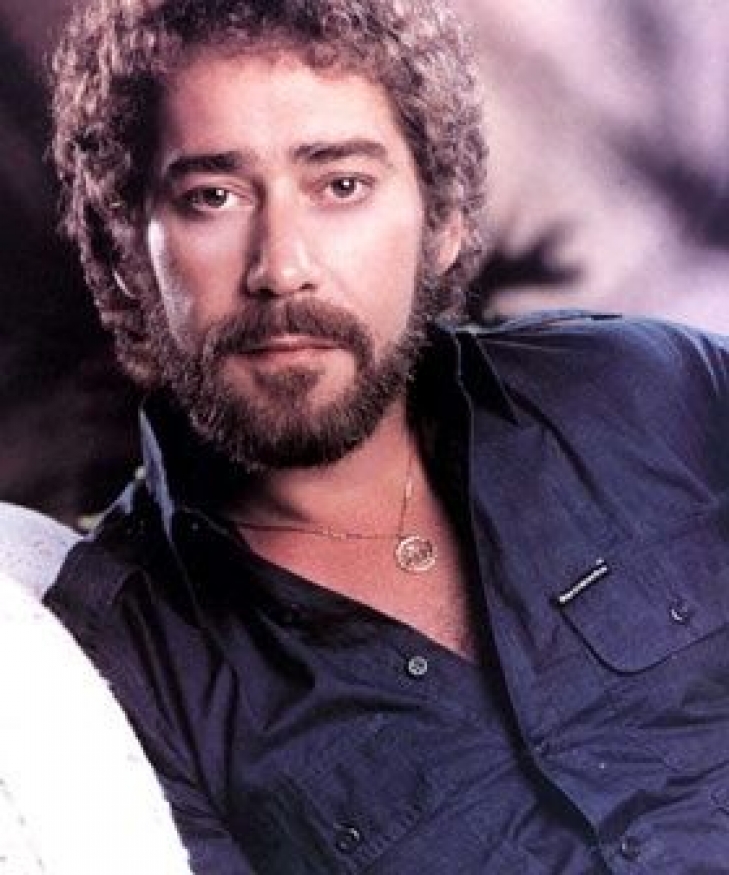
Coming onto the country scene in 1980, Earl became popular for his “thinking man’s country” style of country music that he recorded throughout his career; his songs involved characters, well written stories and heartbreak. He started out in the business as a songwriter, getting some hits for country artists Mel Street and Conway Twitty. Spending those years just writing songs allowed him to hone his skills for when he got his own recording contract. His well written tunes were hits and helped get him what is a celebrated career. He had at least one number one song every year from 1981-1989, and (thanks to a duet with Anita Pointer) was the only country artist to sing on the show “Soul Train”. In fact, he had the third most number one songs of any singer in the 1980’s. Unfortunately, his radio career basically came to a grinding halt when the “Class of ‘89” came in, signalling a new generation of country singers coming in. Today, his catalogue of songs isn’t as respected as it should be, but he left a legacy of brilliant storytelling that is still a height the songwriters of the present day try to live up to.
15. Rosanne Cash
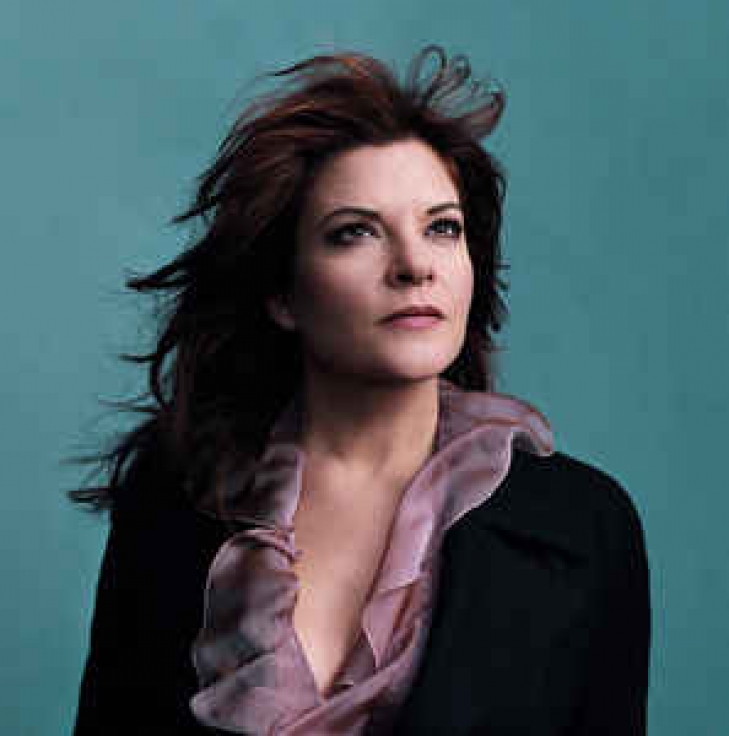
I’m sure growing up as one of the children of an astronomical musical force like Johnny Cash could bring about a fair share of difficulties, but having the most popular singers coming in and out of your house as a teenager also helps to get you a foot in the door. Connecting up with some of those singers and a lot of hard work lead to her record contract. In the early 1980s, her signature song “Seven Year Ache” helped put her on the map for critics and audiences. This started a string of hits and acclaim for her throughout the 80s. Once her radio career ended, she took the acclaim and audience she had built up and created another successful chapter of her career in the independent/Americana field. Without radio support, she certainly doesn’t come anywhere close to the sales she had before. But with the fans that still stick by her, and the consistently great critical reviews (including 16 Grammy award nominations), she can smoothly ride this wave for as long as she wants to. Hopefully, that wave takes her all the way to the Hall Of Fame someday.
5. Clint Black
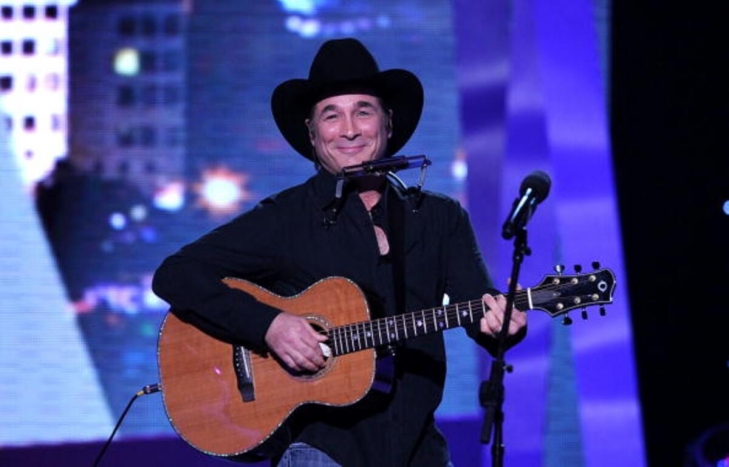
Clint Black is another artist who got his start singing in a band with his brothers as a child. Eventually, he went solo and got a record contract with RCA. His first single was released in 1989, placing him in country music’s legendary “Class Of ‘89” which also included Garth Brooks (2012 Hall Of Fame inductee), Alan Jackson (2017 inductee), Travis Tritt, and Mary Chapin Carpenter. Clint went pretty traditional with his music throughout his career, so he was never going to have the crossover success of Garth Brooks or Shania Twain. But even without being a crossover star, Clint ended up being one of the big country stars of the 1990s. He wrote all of his own songs, played guitar on all of his tracks, 11 Grammy nominations, won 2 CMA awards, won 5 ACM awards, didn’t miss the top ten for an entire decade, and sold over 20 million albums. By the year 2000, he was ready to get out of the tough cycle of the Nashville industry, essentially ending his run at radio. But by that point he already built up an impressive resume. Today, his songs may not have held up as much as other ’90s hit-makers but he still was able to make an important legacy with country music.
8. Larry Gatlin and the Gatlin Brothers
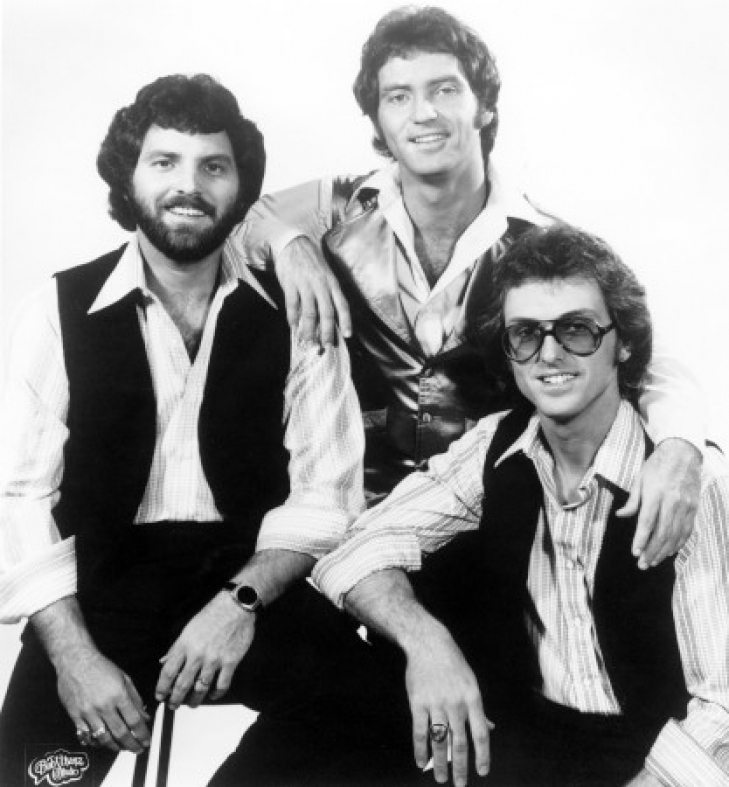
As children, Larry and his brothers (Steve and Rudy) performed for local radio stations and their church. Once he finished school, he joined a gospel group until being spotted by 2018 Hall Of Fame inductee Dottie West. She helped him push his career forward, and he eventually ended up as a background singer for 2004 Hall of Fame inductee Kris Kristofferson. In 1973, Larry was offered a solo recording contract. Larry was beginning to get country hits in 1974 with a song called “Delta Dirt”, which also became his only entry on the Billboard pop chart. Then over the next few years, he collected up some hits and even won a Grammy award before deciding to get his brothers in on the act. Starting in 1979, they became Larry Gatlin and The Gatlin Brothers. They kicked off this new group with one of their biggest hits “All The Gold In California”. From there, the brothers used their popularity and their gospel-like harmonies to get more hit songs for another decade or so. With that combination of awards, hits, and career length, adds up to a musical act that would be a respected addition to the Hall Of Fame.
