

 Not in Hall of Fame News
Yes, we know that this is taking a while! As many of…
 Not in Hall of Fame News
Yes, we know that this is taking a while! As many of…
 Not in Hall of Fame News
2002 SEMI-FINAL RESULTS: Thank you for your participation in the Pro Football…
 Not in Hall of Fame News
Yes, we know that this is taking a while! As many of…
 Not in Hall of Fame News
We are diligently working away at Notinhalloffame on revising our Football lists…
 Not in Hall of Fame News
We are diligently working away at Notinhalloffame on revising our Football lists…
 From the Desk of the Chairman
October baseball often turns individual pitching performances into lasting postseason memories. Strikeout…
 From the Desk of the Chairman
For decades, the sports debate ran on gut feeling. Barstool arguments, call-in…
 From the Desk of the Chairman
Introduction to Private Adult Tennis Camps in Prague Adult club players increasingly…
 From the Desk of the Chairman
Unlike in the case of pre-match betting, where you have to pick…
 From the Desk of the Chairman
Kupu178 builds trust with people by using top-end end-to-end encryption. It checks…
 From the Desk of the Chairman
Sports fans thrive on calculating strategy, reading momentum, and maximizing every tactical…



100 Active Potential Football Hall of Famers
-
 #3 Overall, Bobby Wagner: Free Agent Linebacker, #1 Defensive Lineman/Linebacker: Interior Lineman2025 Pre-Season Rank #2, 2024 Pre-Season Rank #3, 2023 Pre-Season Rank #3, 2022 Pre-Season Rank #6, 2021 Pre-Season Rank #10, 2020 Pre-Season Rank…
 -
 #4 Overall, Patrick Mahomes: Kansas City Chiefs, #2 Quarterback2025 Pre-Season Rank #4, 2024 Pre-Season Rank #2, 2023 Pre-Season Rank #10, 2022 Pre-Season Rank #21, 2021 Pre-Season Rank #31, 2020 Pre-Season Rank…in Quarterbacks
 -
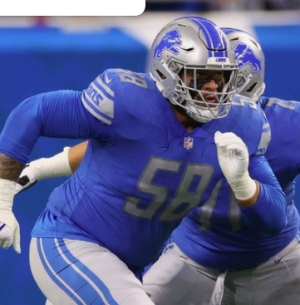 #38 Overall, Penei Sewell, Detroit Lions, Tackle, #4 Offensive Lineman2025 Pre-Season Rank #68, 2024: Pre-Season Rank: #121. Peak Period: 2021-25*Standing at 6'5” and 330 pounds, Penei Sewell can state that going into…
 -
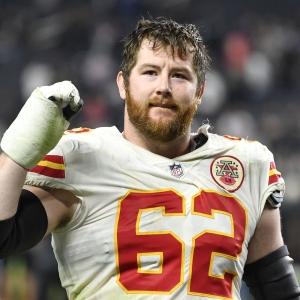 #41 Overall, Joe Thuney, Chicago Bears, Left Guard, #5 Offensive Lineman2025 Pre-Season Rank #64, 2024 Pre-Season Rank #75, 2023 Pre-Season Rank #120, 2022 Pre-Season Rank: #140. Peak Period: 2021-25 Over the last few…
Visit the Fictitious Halls of Fame!


You May Also Like...
EDITOR’S CHOICE

 DDT's Pop Flies
When the veterans committee (VC), officially convening as the Contemporary Baseball Era…



 Live Music Head
Project/Objectan interview with André Cholmondeleyby Live Music HeadOriginally published at timessquare.com on…

LATEST RANKINGS



MOST POPULAR RANKINGS









Committee Chairman
13. Steve Wariner
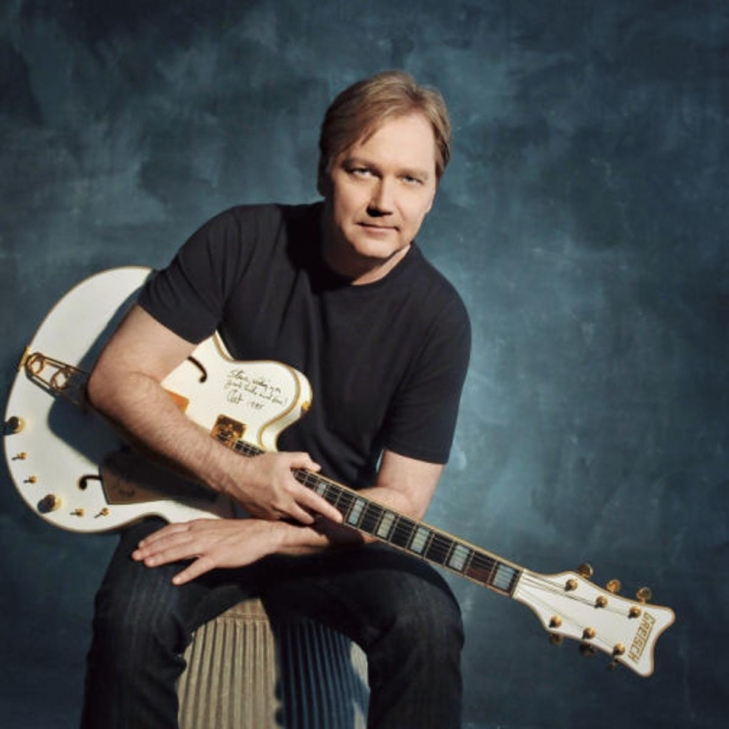
Steve Wariner is a country music guitar hero who worked his way to a hall worthy resume. As a teen, Steve learned how to play guitar (as well as various other instruments) and played with his father’s band in local clubs. Then, one day, Hall-Of-Famer Dottie West walked in to the club him and his Dad were playing. She drafted Steve into her road band while he was still in high school. After 3 years, he left West’s band to join Bob Luman’s band after Bob recorded some of the songs Steve wrote. From there, he met up with country legend Roy Acuff, where Acuff got him a recording contract at RCA. After that he jumped around to various different labels, but along the way he got two decades worth of a radio career, 11 Grammy nominations, 8 Academy Of Country Music nominations, 4 Country Music Association nominations and became one of the most respected guitar players in the history of country music.
J.J. Redick retires
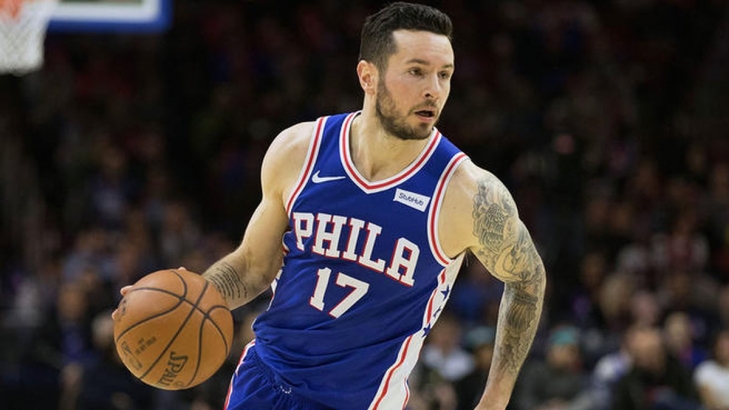
A significant retirement has taken place in the world of Basketball, with the retirement of J.J. Redick who ended his 15-year NBA career today.
After establishing himself as one of the top college players in Duke history, Redick was taken by the Orlando Magic with the 11th Overall Pick. The Shooting Guard would become known for his skills from behind the arc, and in 2015-16, when he was with the Los Angeles Clippers, he led the NBA in Three-Point Percentage (.475). Redick would have seven seasons where he cracked the 15 Points per game mark, and would retire with a career 12.8 PPG.
Redick also played for Milwaukee, Philadelphia, New Orleans and Dallas.
While Redick’s NBA career does not scream Hall of Fame, the institution does recognize collegiate accomplishments, of which Redick has in spades. Playing at Duke, the sharpshooter won the AP Player of the Year in 2006, as well as capturing the John R. Wooden Player of the Year, Naismith College Player of the Year and the Sporting News Player of the Year. He also won the ACC Player of the Year twice and the Rupp Trophy twice. The Blue Devils also retired his #4.
Redick is Hall of Fame eligible in 2025, but we expect that he is more likely to get into the College Basketball Hall of Fame.
We here at Notinhalloffame.com would like to wish J.J. Redick the best in his post-playing career.
12. Lorrie Morgan

Here we are with another husband and wife couple in the country music industry. This is Lorrie Morgan, former wife of the late Keith Whitley (2022 Hall Of Fame inductee). And in another family connection, Lorrie is the daughter of country legend (and 1998 Hall Of Fame inductee) George Morgan. George had her singing on the Grand Ole Opry stage by the time she was 13. The next decade and a half after that were spent touring and performing, and going from failed recording contract to failed recording contract. It wasn’t until 1988 that she signed with RCA records and got the ball rolling on her radio career. Now, in the years since that point, Lorrie has struggled with a turbulent personal life, going through five different marriages and filing for bankruptcy. But these issues did not prevent her from putting together a respected resume of classic songs, a good radio career, and 3 Grammy award nominations. Maybe a plaque in the Hall’s famed rotunda is next?
8. Faith Hill

When Ted and Edna Perry adopted a small infant girl in 1967, they probably did not guess that she would grow up to be one of the most successful country artists of all time. Her singing talent was noticed early on, and she was up on stage by the time she was 7 years old. At 19, she quit her college course to follow her dreams in Nashville. She became a secretary at a music publishing firm and spent some of her extra time being a backup singer for live performances at the famous Bluebird Café. That’s where a Warner Brothers executive found and signed her to their label. From there, the music world was her’s. Starting out with a pretty traditional sound, her music eventually went to a more pop style which led her to be one of the biggest cross-over artists around. Over the course of her career, she married and had 3 daughters with fellow soon-to-be-inductee Tim McGraw. They became a power couple in the genre for a few years, allowing them to head out on majorly successful tours together. As their children grew, Faith made the decision to step away from the business to look after them. She has tried to come back to the industry since then but has not gotten back to the same level she was at when she left. But that does not take away from her success, awards, and broken records that she achieved over the course of her career.
