

 Not in Hall of Fame News
Yes, we know that this is taking a while! As many of…
 Not in Hall of Fame News
Yes, we know that this is taking a while! As many of…
 Not in Hall of Fame News
2002 SEMI-FINAL RESULTS: Thank you for your participation in the Pro Football…
 Not in Hall of Fame News
Yes, we know that this is taking a while! As many of…
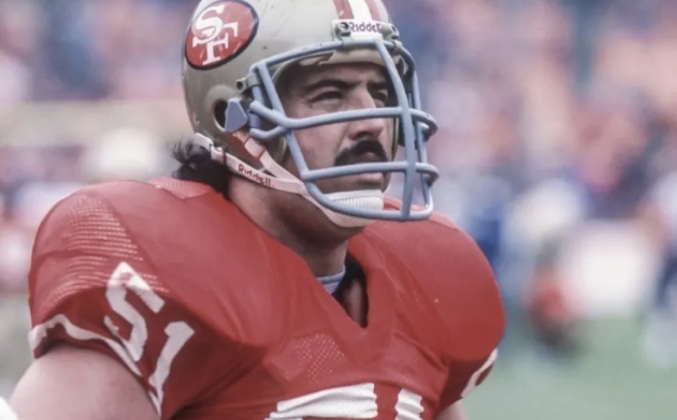 Not in Hall of Fame News
We are diligently working away at Notinhalloffame on revising our Football lists…
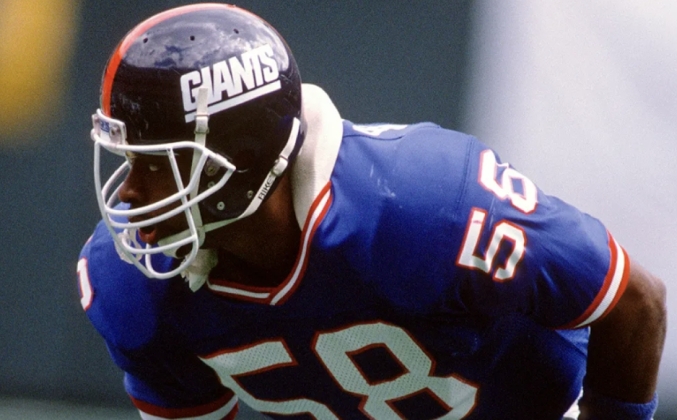 Not in Hall of Fame News
We are diligently working away at Notinhalloffame on revising our Football lists…
 From the Desk of the Chairman
October baseball often turns individual pitching performances into lasting postseason memories. Strikeout…
 From the Desk of the Chairman
For decades, the sports debate ran on gut feeling. Barstool arguments, call-in…
 From the Desk of the Chairman
Introduction to Private Adult Tennis Camps in Prague Adult club players increasingly…
 From the Desk of the Chairman
Unlike in the case of pre-match betting, where you have to pick…
 From the Desk of the Chairman
Kupu178 builds trust with people by using top-end end-to-end encryption. It checks…
 From the Desk of the Chairman
Sports fans thrive on calculating strategy, reading momentum, and maximizing every tactical…





100 Active Potential Football Hall of Famers
-
 #49 Overall, Keenan Allen, Indianapolis Colts, #8 Wide Receiver2025 Pre-Season Rank #46, 2024 Pre-Season Rank #41, 2023 Pre-Season Rank #45, 2022 Pre-Season Rank #48, 2021 Pre-Season Rank #66, 2020 Pre-Season Rank…
 -
 #18 Overall, Mike Evans, San Francisco 49ers, #1 Wide Receiver2025 Pre-Season Rank #13, 2024 Pre-Season Rank #18, 2023 Pre-Season Rank #35, 2022 Pre-Season Rank #58, 2021 Pre-Season Rank #73. Peak 2020-24 How…
 -
 #21 Overall, Davante Adams, Los Angeles Rams, #2 Wide Receiver2025 Pre-Season Rank #23, 2024 Pre-Season Rank #27, 2023 Pre-Season Rank #24, 2022 Pre-Season Rank #43, 2021 Pre-Season Rank #67, 2020 Pre-Season Rank…
 -
 #19 Overall, Chris Jones, Kansas City Chiefs, Defensive Tackle, #8 Defensive Lineman/Linebacker: Pass Rusher2025 Pre-Season Rank #15, 2024 Pre-Season Rank #15, 2023 Pre-Season Rank #58, 2022 Pre-Season Rank #100. Peak Period 2020-24. When you think of…
Visit the Fictitious Halls of Fame!

You May Also Like...
EDITOR’S CHOICE

 DDT's Pop Flies
When the veterans committee (VC), officially convening as the Contemporary Baseball Era…



 Live Music Head
Project/Objectan interview with André Cholmondeleyby Live Music HeadOriginally published at timessquare.com on…

LATEST RANKINGS



MOST POPULAR RANKINGS









Committee Chairman
18. Pam Tillis

As with a few others on these lists, Pam Tillis already had a connection to the industry before she even started singing: Pam was the daughter of country hit-maker Mel Tillis (who himself is a 2007 inductee). From the age of 8 through all of young-adulthood, she performed shows, was in various bands, joined and left a label, and released a failed album. After all of that, she signed a record contract in her early 30’s. From there, she would have a stretch of hits throughout all of the 1990’s, and also earn 5 Grammy nominations and 13 CMA award nominations within that time. . She has also tried her hand at acting, appearing on Broadway and in a few drama series. Although her level of industry success didn’t match up with many of her contemporaries of the time, she still gathered a nice career resume and recorded some memorable/important songs that still get played today.
15. John Michael Montgomery
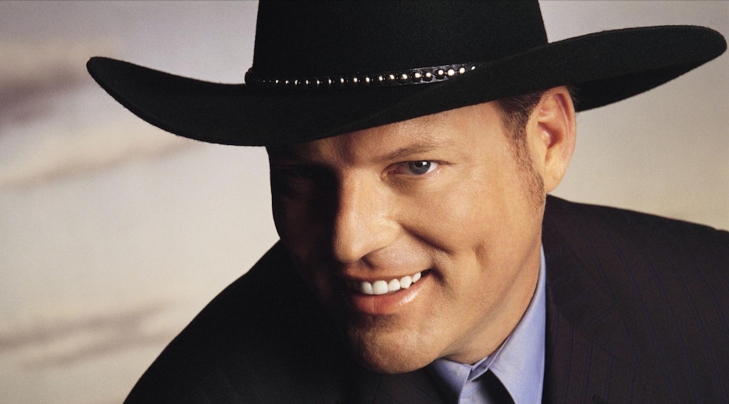
Born in 1965, John had a leg-up on his quest to be a popular singer as he was born into a musical family. He, his parents, and his brother had a family band together that toured local clubs around Lexington, Kentucky. Once John graduated high school, he began solo touring the local honky tonk circuit. At one of the popular venues in Lexington, he was discovered and signed to Atlantic Records. (John’s brother Eddie Montgomery would eventually sign with Columbia Records as half of the popular country duo Montgomery Gentry). Being blessed by starting his country music career when the genre itself was on an upswing, John had hits from the beginning and continued that streak for a decade-long radio career. John’s songs could sometimes slip into adult contemporary material (with 2 of his songs becoming huge successes for R&B group All-4-One) but his instrumentation always went more traditional. A number of John’s most popular tunes are still played on the radio and in honky-tonk bars to this day.
7. The Dixie Chicks/The Chicks

Laura Lynch, Robin Lynn Macy, and sisters Martie and Emily Erwin came together in 1989 to form a bluegrass band named the “Dixie Chicks”. From 1989-1995, they released three independent albums, got awards at bluegrass festivals and gathered a small fan base together. Also in that time, Lynch and Macy departed the group. Their steel guitar player Lloyd introduced Martie and Emily to his daughter Natalie Maines because he thought she would be good for the group. With these changes in the group, also came changes in their sound; they still kept their traditional up beat bluegrass-type sound, but with some pop sensibilities thrown in to connect with a more modern crowd. Once they signed with Sony, they were good from there. Their debut became the biggest-selling group album in country music history. Their second album sold at those levels as well. Their third album was also a big seller. They were on the top of the world, with millions in sales, lots of hits, and Grammy awards continuing to come their way. Then in 2003, while performing in England, Natalie made a comment about being “ashamed” that President George W. Bush was from Texas. The backlash in the U.S. was swift. Their latest radio single was pulled, very few people went to their following tour, and lots of former fans burned their albums in trash barrels. A few years later, the Chicks put out one more album. It didn’t sell as big as their other albums, but still sold well. They got a big hit single from it (which barely got play on country radio, but pop stations played it), some critical success and swept the Grammy awards that year. After that, they put a hiatus to the group until 2020. They dropped the “Dixie” from their name (feeling it to be too controversial in 2020) and put out another album. Nobody knows what the future holds for The Chicks, but they have already solidified a chapter in the country music history books.
4. Alison Krauss

This angelic voiced bluegrass prodigy may not have charted huge hits, but she has become a legend all her own. With her mother being a banjo player, Alison grew up around bluegrass music. She learned the style well enough that she was winning contests by the time she was 10 and recording her first album at the age of 14 (in 1985). Starting at the age of 12, she connected up with a band that would later be known as Union Station and become her backing band. Union Station was made up of players who were also travelling the music festival circuit and would get accolades all their own through the years. Since that point Alison has recorded whatever she wants, which means lots of quality music without the worry of the radio system (this includes a critically acclaimed 2007 duets album with Led Zeppelin lead singer Robert Plant). This has allowed her to rack up endless acclaim including the National Medal Of Arts, 9 ACM nominations, 27 CMA nominations, and 46 Grammy nominations. Those 46 Grammy nominations led to 27 Grammy wins, which is the second most wins by a female artist and the fourth most wins of anyone in Grammy history.
