


Site Admin
27. Willie McGee
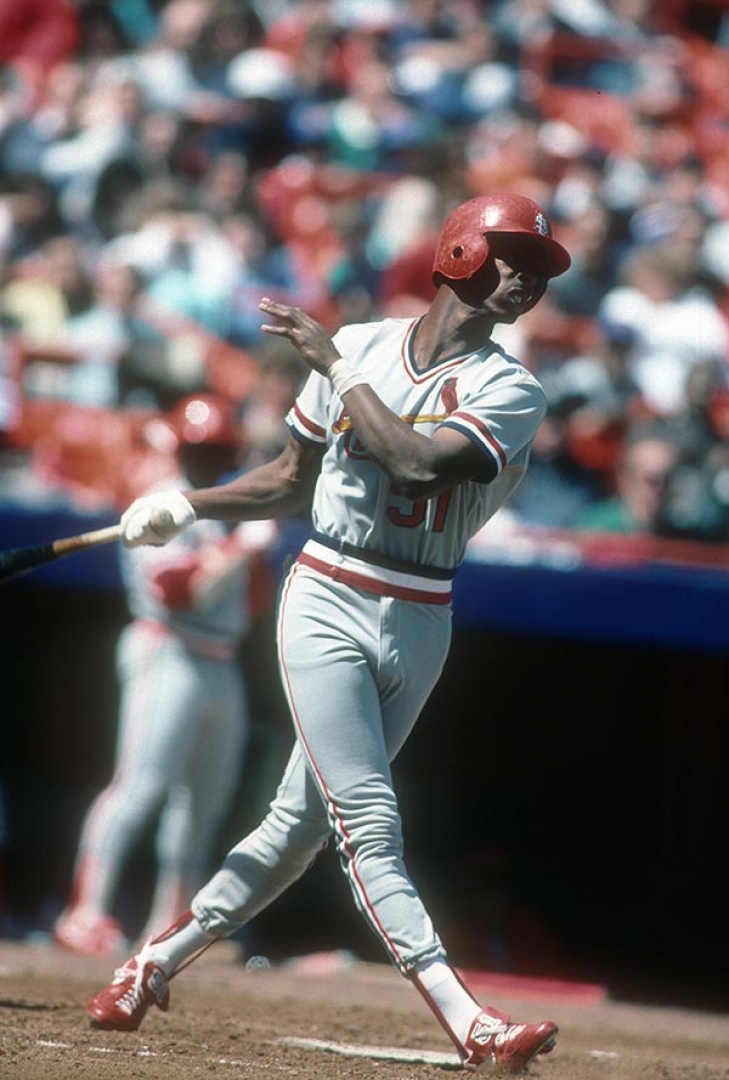
The foundation of the 1980s "Whiteyball" era in St. Louis was built on a fierce commitment to speed, turf coverage, and putting the ball in play. No one embodied this identity more than Willie McGee. Originally a first-round pick by the New York Yankees in the 1977 January draft, the slim, soft-spoken center fielder faced obstacles in reaching the Bronx due to a crowded roster of veteran stars. Sensing an opening, St. Louis general manager Whitey Herzog executed a discreet, seemingly minor trade in October 1981, sending left-handed pitcher Bob Sykes to New York in exchange for an unproven minor leaguer. This deal turned out to be one of the most lopsided in baseball history; although a damaged Sykes never pitched in the majors again, McGee arrived in St. Louis and immediately transformed the franchise.
McGee's rise from an overlooked prospect to a postseason hero happened remarkably fast. Stepping into the starting center field position in 1982, his long, smooth strides effortlessly covered the expansive Busch Memorial Stadium. He gained national fame during Game 3 of the 1982 World Series against the Milwaukee Brewers, delivering a legendary performance by hitting two home runs and making a spectacular leaping catch at the wall to deny Gorman Thomas a crucial late-inning fly. His heroic plays helped lead the Redbirds to a world championship, establishing him as a beloved figure in eastern Missouri.
Instead of leveling off, McGee achieved a huge professional breakthrough in the 1985 season. As the key, high-speed force at the top of Herzog's lineup, he challenged National League pitchers with a league-leading .353 batting average. He also led the Senior Circuit with 216 hits and 18 triples. His dominance was clear. With a career-high 56 stolen bases and 114 runs scored, McGee used a powerful Silver Slugger season to lead the Cardinals to the Fall Classic, ultimately earning the 1985 National League Most Valuable Player Award.
McGee’s legacy presents a fascinating analytical dichotomy. While his classic counting numbers and triple-digit run production are legendary, his aggressive, free-swinging style produced a weak .329 on-base percentage that caps his overall efficiency. Furthermore, while his speed earned him a trio of Rawlings Gold Gloves, modern defensive tracking suggests his overall routes and range efficiency were closer to a steady, average baseline rather than a historic positional outlier.
Despite his analytical limits, his pure, bat-to-ball utility was an elite regular-season constant. He proved his hitting value in 1990, earning his second Senior Circuit batting title with a sharp .335 average after being traded to the Oakland Athletics in late August for pitching depth. Later chapters in San Francisco and Boston followed, and a poetic late-career reunion brought him back to St. Louis from 1996-1999, where he was a beloved reserve and clubhouse mentor.
As a Cardinal, he had 1,683 hits, 83 triples, 301 steals, and a.294 average in 1,664 games. In 2014, he was honored as part of the Cardinals' first Hall of Fame class.
30. Max Lanier
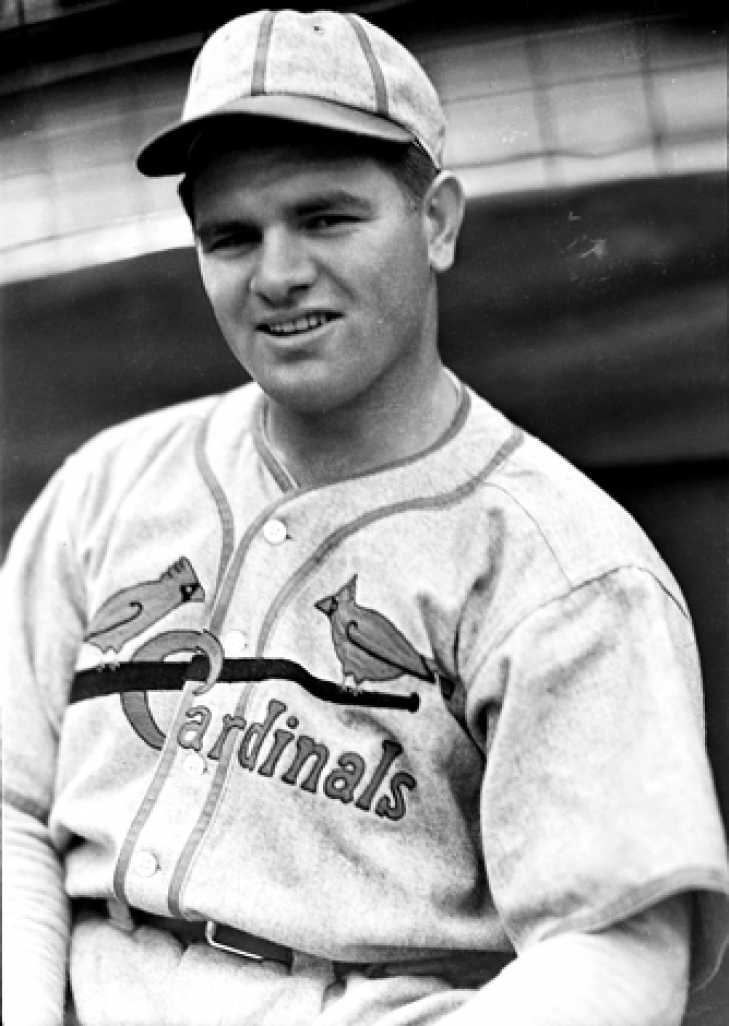
The story of Max Lanier is one of the more interesting ones on this list, which certainly says something considering the colorful characters that have populated the St. Louis Cardinals!
34. Silver King
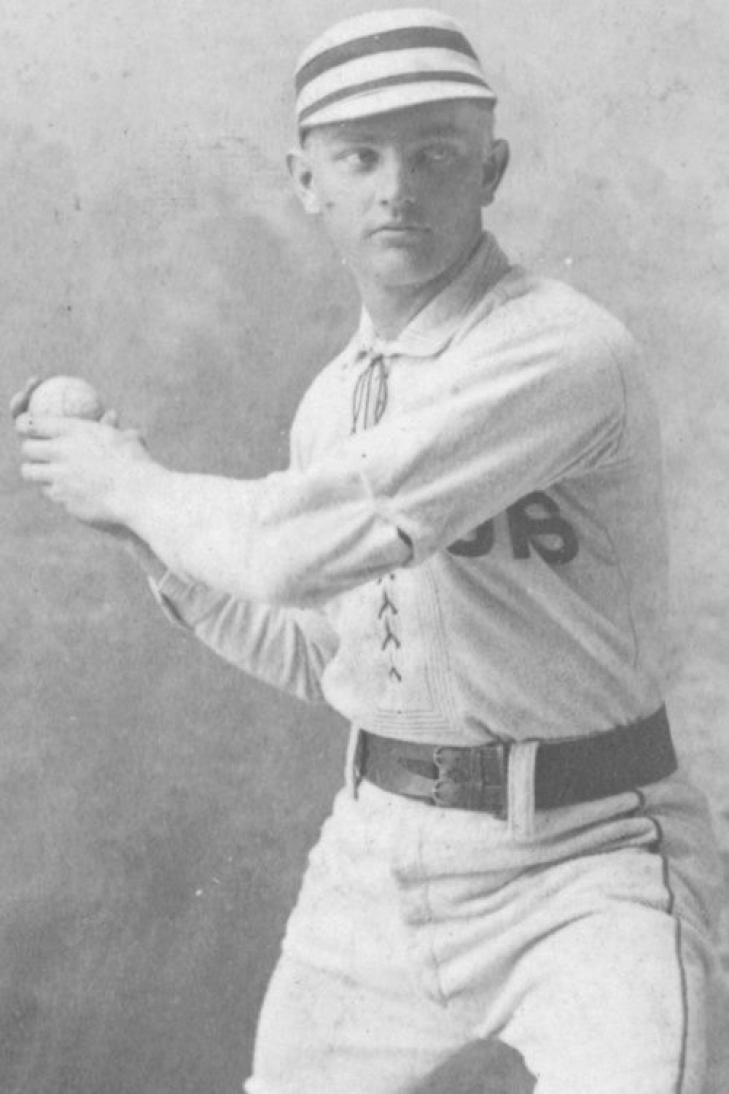
The 19th-century American Association was a highly experimental and turbulent era of professional baseball, and few players took full advantage of its unique opportunities like Charles Frederick Koenig. Known by the theatrical nickname "Silver King," this strong right-hander had an unconventional pitching style that baffled hitters of his time. He threw the ball with a sweeping sidearm motion, skipping the windup, creating a fast, deceptive delivery that helped him dominate the league. Although he only played three summers with the St. Louis Browns, his intense pitching style and peak performance are remembered as some of the most remarkable in early baseball history.
King’s 1987 campaign in St. Louis laid a strong foundation, as he endured 44 starts to amass an impressive 34–10 record, leading Chris von der Ahe's team to a league pennant. Yet, no standard baseball metrics could have prepared the sport for the extraordinary personal performance he was about to deliver the next summer.
The 1888 campaign is one of the most dominant single-season performances ever, showcasing extraordinary endurance. King appeared on the mound 66 times, with 64 complete games, significantly impacting league competitiveness. He led the American Association in nearly every key pitching category, posting a 45–20 record and a low 1.63 ERA over 584.2 innings. His advanced metrics were equally impressive: a 2.38 FIP, a 0.874 WHIP, and a 3.39 strikeout-to-walk ratio, exemplifying incredible efficiency.
He maintained that elite performance peak during the 1889 season, posting a high-volume effort of 33–18 with a 3.14 ERA over 453 innings. Realizing his strongest bargaining position, King moved to the new Players' League in 1890, achieving another impressive 30-win season with the Chicago Pirates before continuing his major-league career with teams in Pittsburgh, New York, and Cincinnati.
King completed his brief but breathtaking three-year St. Louis residency, compiling an astonishing 112–48 record and finishing 153 of his 157 starts with a sharp 2.26 ERA over 1,418.1 innings.
26. Tip O'Neill
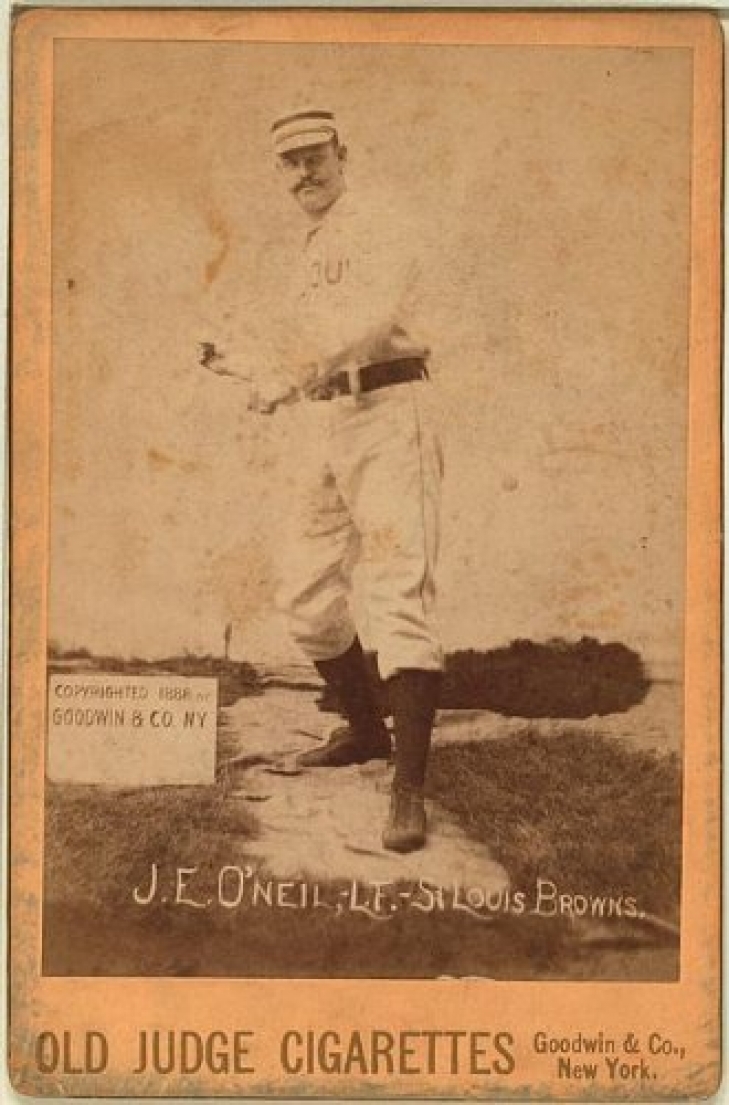
Arguably the first really good player to come from Canada, Tip O’Neill was a star for the St. Louis Browns (renamed the Cardinals) in the mid 1880’s and was a large factor in the team winning four American Association Pennants and the 1886 World Series.
