


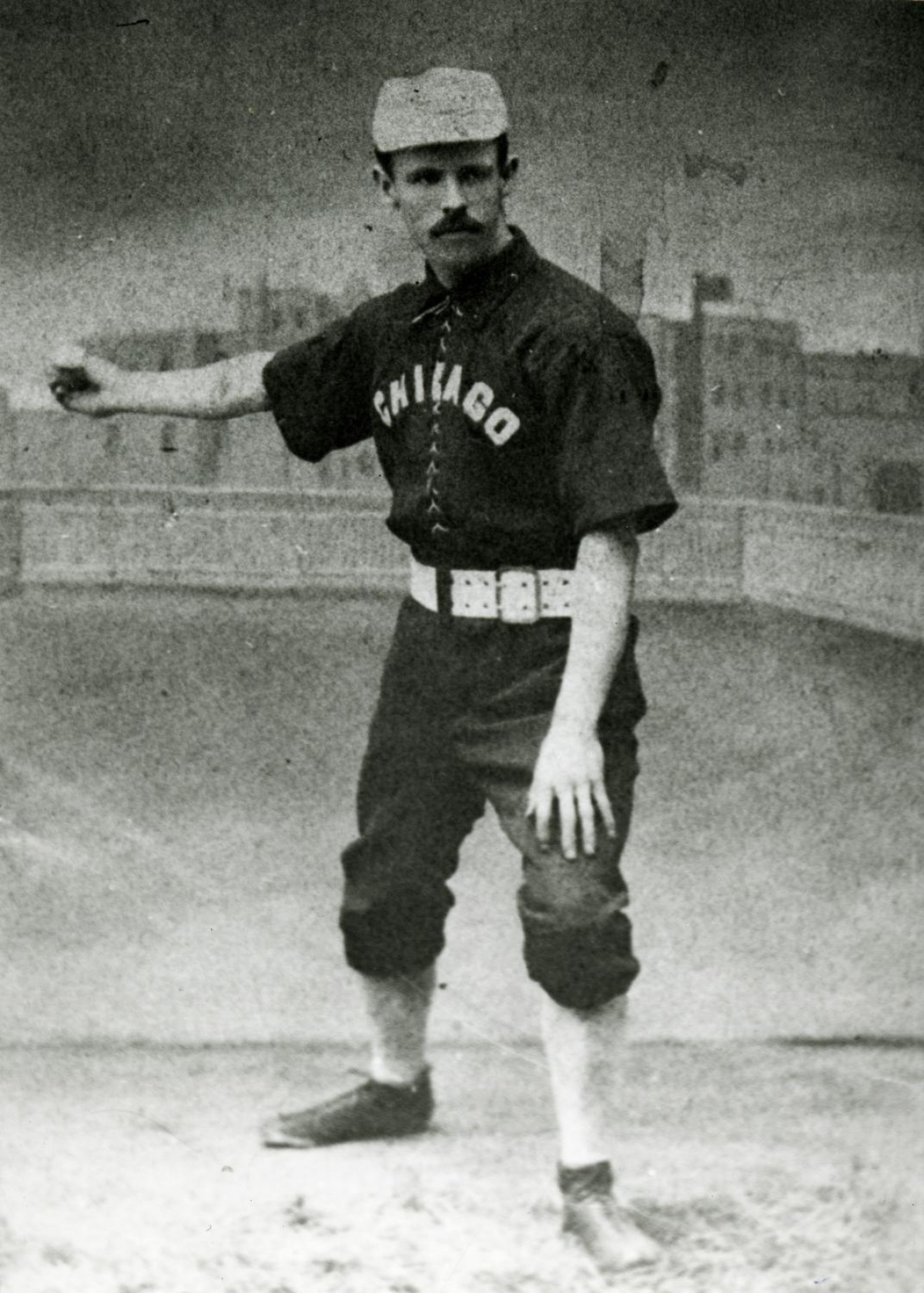

Cap Anson’s insistence that Chicago purchase Clarkson’s contract from Saginaw in 1884 proved to be one of the most astute front-office moves of the decade. After a brief 10-win introduction, Clarkson transitioned into a gear rarely seen in the history of the sport. The 1885 campaign remains a statistical outlier of the highest order, as he led the National League with a mind-boggling 53 wins and 623 innings pitched. That year was best illustrated by a league-leading 12.9 bWAR and a microscopic 1.85 ERA, a combination of volume and efficiency that cemented his status as the premier arm in the game.
Dominance of the era became his trademark as the mid-1880s progressed. He followed his 53-win season with 36 victories in 1886 and surged again in 1887, leading the National League with 38 wins and an incredible 14.9 bWAR. He was the definitive high-volume pitcher, routinely finishing what he started and carrying the rotation on his shoulders. However, his legacywas a complex one; despite his brilliance on the mound, he was known among teammates and management as a player who required constant emotional support and "coddling" to maintain his focus.
The organization eventually reached a crossroads with their temperamental ace, opting to sell his contract to the Boston Beaneaters for the then-record sum of $10,000. This blockbuster transaction marked the conclusion of a Chicago residency during which he accumulated 149 wins in just four full seasons. While he continued his Hall of Fame trajectory in Boston, his time in Chicago was when he proved he could anchor a dynasty through sheer, consistent excellence.
Recognition of his historic contributions came in 1963, when the Veterans Committee inducted him into the Baseball Hall of Fame. Decades later, the Cubs solidified his place in team history by inducting him as part of the 2021 Hall of Fame class. He left the franchise as a pioneer of the pitching craft, a man who showed that even the most "high-maintenance" talent is worth the investment when it produces over 50 wins in a single summer.

Comments powered by CComment