

Andre Dawson's Cooperstown Plaque Changed

Andre Dawson is getting his wish…sort of.
When Dawson was elected to the Baseball Hall of Fame in 2010, he requested that the hat on his plaque be the Chicago Cubs’ “C”. The Hall nixed the request and enshrined him with the Montreal Expos hat instead. Dawson played 11 seasons, compared to six in Chicago, but it was at Wrigley Field where he won the 1987 MVP and felt most at home. Dawson again requested in 2023 that the hat be changed, but instead, the Hall compromised by making his hat have no logo at all.
This reflects the Hall’s 2014 decision to allow players with identities across multiple teams to enter with a blank cap; had that rule been in place when Dawson was elected, it would have been his choice.
With the Cubs, Dawson was a five-time All-Star and blasted 174 Home Runs.
Our All Time Top 50 Chicago Cubs have been revised to reflect the 2025 Season

Yes, we know that this is taking a while!
As many of you know, we at Notinhalloffame.com are slowly generating the top 50 of each major North American sports team. That being said, we maintain and update our existing Top 50 lists annually. As such, we are delighted to present our pre-2026 revision of our top 50 Chicago Cubs.
As for all of our top 50 players in baseball, we look at the following:
1. Duration and Impact.
2. Traditional statistics and how they finished in the Major League Baseball.
3. Advanced Statistics.
4. Playoff performance.
5. Their respective legacy on the team.
6. How successful the team was when he was there.
7. Respecting the era in which they played.
Criteria 1-4 will make up the lion’s share of the algorithm. Please note that we have implemented this for the first time. This has changed the rankings all throughout the board.
Last year, the Cubs won 92 Games and went to the playoffs, though they fell to the Milwaukee Brewers in five Games in the Wild Card Series. As the team is over 100 years old but laden with young players, there were no new entrants and no movement among players who played at Wrigley last year.
As always, we present our top five, which saw a slight change.
1. Cap Anson
2. Ernie Banks
3. Ryne Sandberg
4. Ron Santo
5. Billy Williams
You can find the entire list https://www.notinhalloffame.com/baseball/top-50-baseball-players-by-franchise/top-50-chicago-cubs">here.
The new algorithm has led us to revise the list, with the most notable change in the top five, where Ernie Banks and Ryne Sandberg flipped spots.
We thank you for your continued support of our lists on Notinhalloffame.com.
How Chicago Cubs Lines Are Taking Shape Ahead of Opening Day

As Opening Day approaches, attention around Major League Baseball shifts toward roster construction, positional battles, and how teams are shaping up for the long season ahead.
Few teams are drawing as much discussion as the Chicago Cubs, who enter the year with an intriguing blend of established stars, emerging talent, and high-upside newcomers.
For sports fans across the United States, spring training offers the first clear glimpse of how a team’s lineup and pitching staff will look once the regular season begins. Decisions made during this period can influence everything from clubhouse chemistry to expectations surrounding the upcoming campaign.
The Cubs have much of their roster settled already, particularly on the infield and in the starting lineup. Still, a handful of key questions remain, and those answers will help determine how Chicago approaches Opening Day.
The Infield: Locked, Loaded, and Gold Glove-Caliber
The Cubs’ infield stands out as one of the most stable and talented units in the National League. With multiple players coming off strong seasons and a major offseason addition, this group forms the backbone of Chicago’s lineup entering Opening Day.
Nico Hoerner continues to anchor the middle of the infield after delivering his most complete season yet. His defensive excellence and all-around contributions make him one of the most reliable players on the roster. Meanwhile, Michael Busch’s breakout offensive production provides serious power potential from the corner infield.
The biggest offseason move was the addition of Alex Bregman, whose championship experience and consistent two-way play bring another level of stability to third base.
With those pieces firmly in place, the Cubs enter the season with an infield that appears set. This group not only strengthens the lineup but also contributes significantly to the team’s defensive identity.
Pete Crow-Armstrong and the Outfield Picture
The Cubs’ outfield features both star power and intriguing depth questions. At the center of the conversation is Pete Crow-Armstrong, whose dynamic performance last season firmly established him as one of the team’s most exciting young players.
Crow-Armstrong’s combination of power, speed, and elite defense gives Chicago a true difference-maker in center field. His ability to impact the game in multiple ways makes him a cornerstone of the lineup.
Alongside him, Ian Happ and Seiya Suzuki provide veteran consistency and offensive balance. Together, the trio forms a strong starting outfield capable of contributing across every aspect of the game.
However, the picture behind them remains less settled. Several non-roster invitees continue to compete for the final outfield spot on the bench, creating one of the more intriguing competitions as Opening Day approaches.
Moisés Ballesteros: The Wildcard in the Lineup
Few players generate more intrigue this spring than Moisés Ballesteros. The young prospect enters camp with a legitimate chance to carve out a meaningful role on the Opening Day roster.
Ballesteros impressed during his limited major league appearances last season, demonstrating strong contact skills and an advanced approach at the plate. Those traits have led some analysts to project him as a potential designated hitter option once the regular season begins.
His path to playing time, however, may depend on defensive development. While Ballesteros has experience behind the plate, questions remain about his consistency in controlling the running game and limiting passed balls.
If he proves capable of contributing both offensively and defensively, the Cubs could gain additional lineup flexibility. That versatility could allow the coaching staff to rotate players more effectively across multiple positions.
The Rotation: Strength at the Top, Questions in the Middle
Chicago’s starting rotation enters the season with a blend of proven ability and emerging uncertainty. At the top of the staff, several pitchers provide the foundation for what the Cubs hope will be a competitive pitching unit.
Matthew Boyd and Shōta Imanaga headline the rotation alongside veterans who bring valuable experience to the group. Their presence helps establish stability as the season begins.
However, the middle portion of the rotation presents more questions. Young arms and newer additions must demonstrate consistency against major league lineups over an extended schedule.
Complicating matters further is the anticipated absence of Justin Steele early in the season as he continues to recover from injury.
These pitching dynamics play an important role in shaping expectations around the team. Observers following early-season projections often note how Chicago Cubs lines reflect both the rotation’s top-end talent and the uncertainty surrounding the remaining spots.
The Bullpen Battle: One Spot Remains Up for Grabs
While much of the Cubs’ roster appears settled, the bullpen still features one of the final competitions of spring training. Only a single relief spot remains undecided, creating an intense battle among several candidates.
Pitchers such as Ryan Rolison, Luke Little, Ben Brown, and Javier Assad all enter camp with legitimate cases for inclusion. Each brings a different skill set to the bullpen mix, from power arms to pitchers capable of multiple innings.
MLB narratives point out that performance during spring games will certainly matter, but roster flexibility also plays a role in the decision-making process. Minor-league option status and long-term development plans can influence which pitcher ultimately secures the final spot.
Despite this remaining uncertainty, the Cubs’ core bullpen structure appears largely intact. That stability allows the coaching staff to focus on refining roles rather than rebuilding the entire relief corps.
A Roster Taking Shape for Opening Day
As the regular season approaches, the Chicago Cubs appear closer to finalizing a roster capable of competing across a demanding schedule. The infield provides a strong defensive and offensive core, while the outfield combines established veterans with emerging talent.
Young players such as Moisés Ballesteros add unpredictability, potentially enhancing the lineup’s versatility. Meanwhile, the starting rotation continues to develop its identity as pitchers settle into defined roles.
Even the remaining roster competitions highlight the organization’s growing depth. From bullpen battles to bench positions, the Cubs possess multiple players capable of contributing throughout the season.
For fans following the team closely, the picture coming into focus suggests a club with both stability and upside as Opening Day draws near.
*Content reflects information available as of 2026/03/09; subject to change.*
RIP: Ryne Sandberg

Baseball lost one of its all-time greats today.
Hall of Fame Second Baseman, Ryne Sandberg, passed away today after a long battle with cancer.
He was 65.
Ryne Sandberg arrived in Chicago via one of the most lopsided trades in baseball history as the future Hall of Fame arrived with Larry Bowa for Ivan DeJesus. Sandberg was converted to an infielder, and after playing only six games in the Majors with Philadelphia, he would be converted from Outfield to Third Base (he would then move to Second a year after)
As a rookie, Sandberg collected 172 Hits, and in 1983 he maintained that solid hitting and would win the first of his nine straight Gold Gloves at Second. "Ryno” would win the National League MVP in 1984 when he batted .314 (his first of what would be five .300 seasons), and he would lead the NL in Runs Scored (114) and Triples (19) and was a Home Run away from 20. He was also an All-Star for the first time, which began a streak of ten straight.
Sandberg was the heart of the Cubs for over a decade, and while he had moderate power numbers in the first half of his career but he went yard at least 26 times in four straight years (1989-1992), including a National League leading 40 in 1990. He would retire early in 1994 and came back to play two more seasons before retiring permanently after 1997.
He would accumulate 2,385 Hits with 282 Home Runs and 1,061 Runs Batted In as a Chicago Cub, and he would enter the Baseball Hall of Fame in 2005.
We here at notinhalloffame.com would like to extend our condolences to the fans, friends, and family of Ryne Sandberg.
Sammy Sosa and Derrek Lee named to the Chicago Cubs Hall of Fame
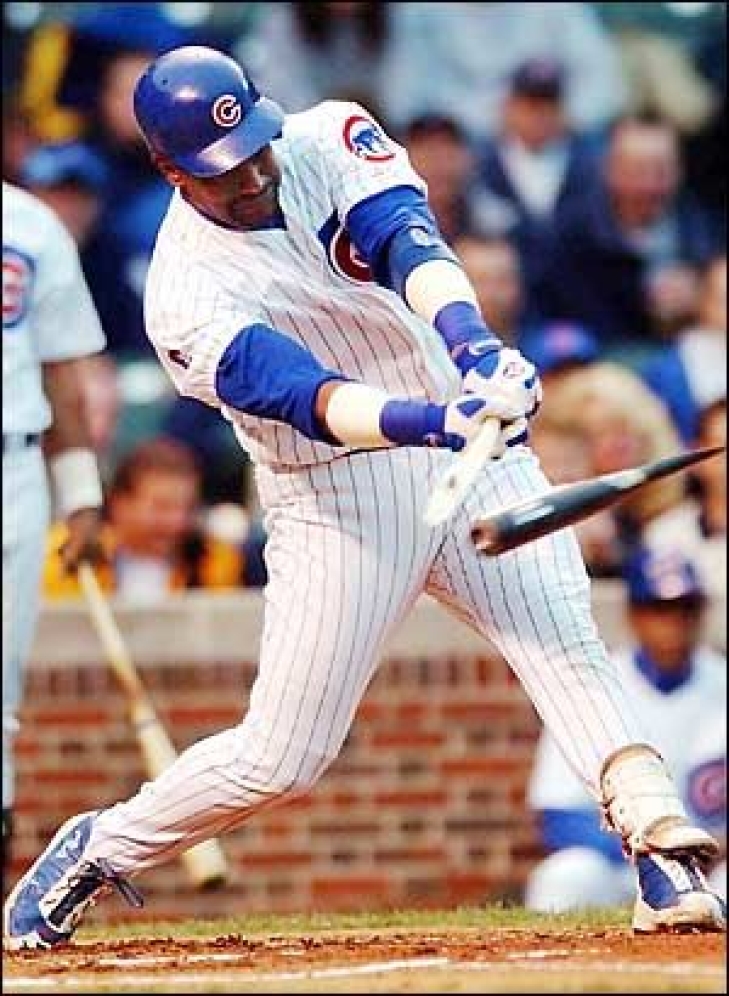
Regular visitors of Notinhalloffame.com know that we are slowly working on the top 50 of every major team in the NHL, NBA, NFL, and MLB. Once that is done, we will examine how each team honors its past players, coaches, and executives. As such, it is important to us that the Chicago Cubs will induct Sammy Sosa and Derrek Lee to their franchise Hall of Fame this year.
The induction of Sosa is the culmination of two decades of acrimony between Sosa and the Cubs. Sosa, who was a beloved figure in Chicago in the 90s as he was going deep at an astronomical level saw the tide turn against him when it was believed that he took PEDs. The last days of his run at Wrigley saw him leave early in the 2004 Season Finale. The Cubs had stated that Sosa would not be welcomed back to the organization unless an apology occurred, which happened, albeit cryptically last December.
“There were times I did whatever I could to recovery from injuries in an effort to keep my strength up to perform over 162 games. I never broke any laws. But in hindsight, I made mistakes and I apologize.”
Sosa joined the Cubs in 1992 in what turned out to be one of the most lopsided trades in team history. By the mid-90s, Sosa had at least 35 Home Runs from 1995 to 2004, winning two Home Run Titles (2000 & 2002), two RBI Titles (1997 & 2001) and won the 1998 MVP. Sosa also won six Silver Sluggers, and as a Cub would compile 545 Home Runs, 1414 RBIs and a .928 OPS.
Derrek Lee played for the Cubs from 2004 to 2010 amassing 179 Home Runs, 1,046 Hits with two All-Star Games. His best season was in 2005, where he led the National League in Hits (199) and Doubles (50) and was third in MVP voting. He also won two Gold Gloves and two Silver Sluggers as a Cub.
We here at Notinhalloffame.com would like to congratulate the impending members of the Chicago Cubs Hall of Fame.
Our All Time Top 50 Chicago Cubs have been revised to reflect the 2024 Season

Jake Arrieta

Jake Arrieta played for four different teams during his career in Major League Baseball, but he is most famously known for his time with the Chicago Cubs. Arrieta started his career with the Baltimore Orioles but struggled to perform consistently, moving back and forth between the minor and major leagues. Over the course of 69 games with the Orioles, Arrieta had an unimpressive 5.46 ERA and 1.472 WHIP.
In 2013, Baltimore traded Arrieta to the Cubs, where he initially played in the minor leagues but finished the year with a 4-2 record and a 3.66 ERA. This was just the start of Arrieta's success with the Cubs.
Arrieta's best year came in 2015, where he led the National League in Wins (22), Games Started (33), Complete Games (4), Shutouts (3), and H/9 (5.9). He also boasted a 1.77 ERA, a 0.865 WHIP, and 236 Strikeouts. Arrieta won the Cy Young award that year and even finished sixth in MVP voting.
In 2016, Arrieta had another solid season, going 18-8 with a 3.10 ERA and 190 strikeouts. He was also an All-Star for the first and only time. Arrieta won the Silver Slugger award that year and helped lead the Cubs to their first World Series victory in 108 years.
Arrieta played one more season with the Cubs before signing with the Philadelphia Phillies. However, injuries began to take their toll, and his performances declined quickly. He played again for the Cubs and then the Padres before retiring after the 2021 season. Overall, he had a record of 115-93 with 1,433 strikeouts.
Dexter Fowler

Fowler was traded to Houston in 2014 and subsequently dealt to the Chicago Cubs a year later. He was only there for two seasons, but the second one is what his career is most known for. The year in question was 2016 when Fowler went to his only All-Star Game and helped lead the Cubs to their first World Series in 108 Years. Notably, Fowler made history as the first player to lead off a game by hitting a Home Run.
Fowler left Chicago as a Free Agent and played for the St. Louis Cardinals for four seasons. While declining, he had his two best power years, with 18 Home Runs in 2017 and 19 in 2019. Fowler was traded to the Los Angeles Angels in 2021, but a torn ACL held him to 7 Games, and he could not make a comeback.
The Outfielder had 1,306 lifetime Hits.
Our All-Time Top 50 Chicago Cubs Have Been Revised to Reflect the 2023 Season
Yes, we know that this is taking a while!
As many of you know, we here at Notinhalloffame.com are slowly generating the 50 of each major North American sports team. That being said, we have existing Top 50 lists out and we always consistently look to update them when we can and based on necessity. As such, we are very happy to present our post 2022/23 revision of our top 50 Chicago Cubs.
As for all of our top 50 players in baseball we look at the following:
1. Advanced Statistics.
2. Traditional statistics and how they finished in Major League Baseball.
3. Playoff accomplishments.
4. Their overall impact on the team and other intangibles not reflected in a stat sheet.
Last year, the Cubs did not make the playoffs, but there was one new entrant in the top 50.
As always, we present our top five, which saw no changes:
1. Cap Anson
2. Ernie Banks
4. Ron Santo
You can find the entire list here.
The only addition was World Series Champion Pitcher, Kyle Hendricks, who edged in at #48.
We thank you for your continued support for our lists on Notinhalloffame.com.
Andre Dawson still hopes to have his hat changed on his HOF plaque
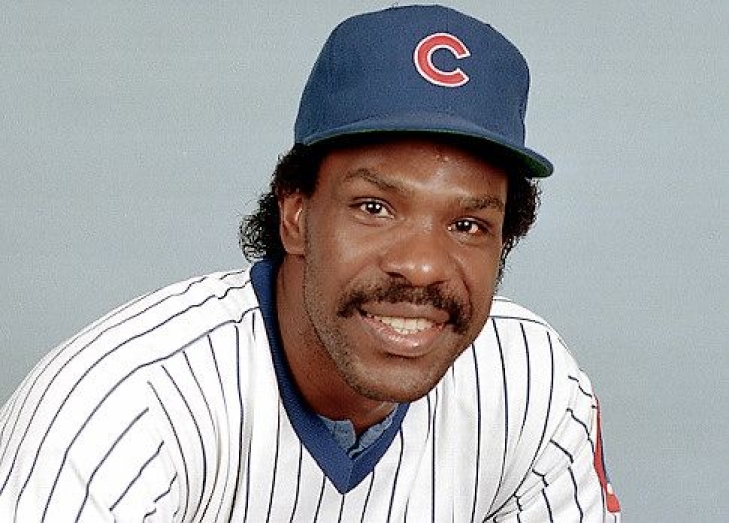
As we are deep into the Baseball Hall of Fame season, one of the inductees is hopeful to get the logo on his plaque changed from the Montreal Expos to the Chicago Cubs.
Andre Dawson, who was inducted into the Hall in 2010, was enshrined with the Expos cap, but stated all along that he wanted to go in as a Cub. He is still hopeful of changing it to the iconic Cubs “C”, as reported by the Chicago Tribune, and he has sent letters to the chairman of the Hall of Fame Board of Directors in another effort. Dawson has long since said that he wanted to go in as a Cub, the team he won his only MVP (1987), despite the longer and more successful statistical tenure with Montreal.
The Hall of Fame rarely makes changes to plaques, and as the Cooperstown-based institution has not corresponded with Dawson, it is unlikely that we will see any changes in bronze.
Our All-Time Top 50 Chicago Cubs have been revised to reflect the 2022 Season
Yes, we know that this is taking a while!
As many of you know, we here at Notinhalloffame.com are slowly generating the 50 of each major North American sports team. That being said, we have existing Top 50 lists out and we always consistently look to update them when we can and based on necessity. As such, we are very happy to present our post 2022 revision of our top Chicago Cubs.
As for all of our top 50 players in baseball we look at the following:
1. Advanced Statistics.
2. Traditional statistics and how they finished in the National League.
3. Playoff accomplishments.
4. Their overall impact on the team and other intangibles not reflected in a stat sheet.
Last year, the Cubs had a poor season, and were unable to make the playoffs. There were no changes to the Top 50, but we have to acknowledge that we looked at the past year.
As always, we present our top five, which was not affected by the last season:
1. Cap Anson
2. Ernie Banks
4. Ron Santo
You can find the entire list here.
We welcome your input and comments and as always, we thank you for your support.
Our All-Time Top 50 Chicago Cubs have been revised to reflect the 2021 Season
Yes, we know that this is taking a while!
As many of you know, we here at Notinhalloffame.com are slowly generating the 50 of each major North American sports team. That being said, we have existing Top 50 lists out and we always consistently look to update them when we can and based on necessity. As such, we are very happy to present our pre-2022 revision of our top 50 Chicago Cubs.
As for all of our top 50 players in baseball we look at the following:
1. Advanced Statistics.
2. Traditional statistics and how they finished in the National League.
3. Playoff accomplishments.
4. Their overall impact on the team and other intangibles not reflected in a stat sheet.
The Cubs 2021 Season put an end to their recent success, and the 2016 World Series seems so long ago. Chicago traded some of their best players during the summer, some of which are on this list.
As always, we present our top five, though there were no changes, and there are no new additions overall.
1. Cap Anson
2. Ernie Banks
4. Ron Santo
You can find the entire list here.
Anthony Rizzo, who was traded last July to the Yankees, moved up one spot to #31.
Kris Bryant, who was sent to San Francisco last year in July, moved up three to #38.
Pitcher, Jake Arietta who resigned last year, but was released in August, had such a mediocre return, that he dropped two to #49.
It is worth noting that Pitcher, Kyle Hendricks, came close to making our top 50.
We welcome your input and comments and as always, we thank you for your support.
222. Jimmy Ryan
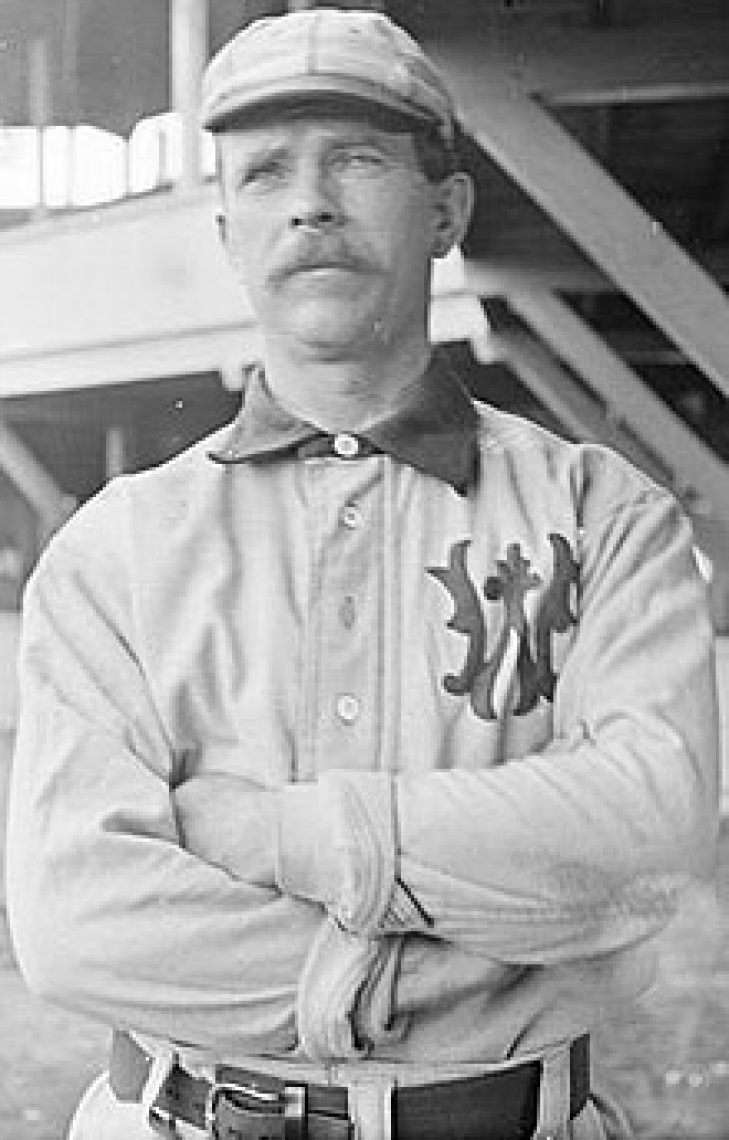
One of the early stars of Chicago baseball was Outfielder Jimmy Ryan, who played for the Cubs back when they were called the White Stockings and the Colts. Oh, and also when they were the Orphans. He was also with the Chicago Pirates of the Players’ League. Simply put, if you went to a professional baseball game in Chicago from 1885 to 1900, you saw Jimmy Ryan play.
Ryan was a consistent hitter throughout his career, and in this dead-ball era, he had quite a bit of power. The Outfielder led the National League in Home Runs in 1888 (16), and he was also the league-leader in Hits (182), Doubles (33), and Slugging Percentage (.515). Ryan batted .332 that year, and he would surpass the .300 mark nine other years. He was also very good on the basepaths, with Ryan swiping over 25 Bases nine times.
While we can't say that his overall stats scream a Hall of Famer, Ryan has 1,643 Runs, 2,513 Hits, and a lifetime Batting Average of .308. You would think he would at least have appeared on a ballot, but that never happened for Ryan. Maybe because he allegedly punched reporters (more than once), but writers never hold grudges over decades, do they?
249. Larry French
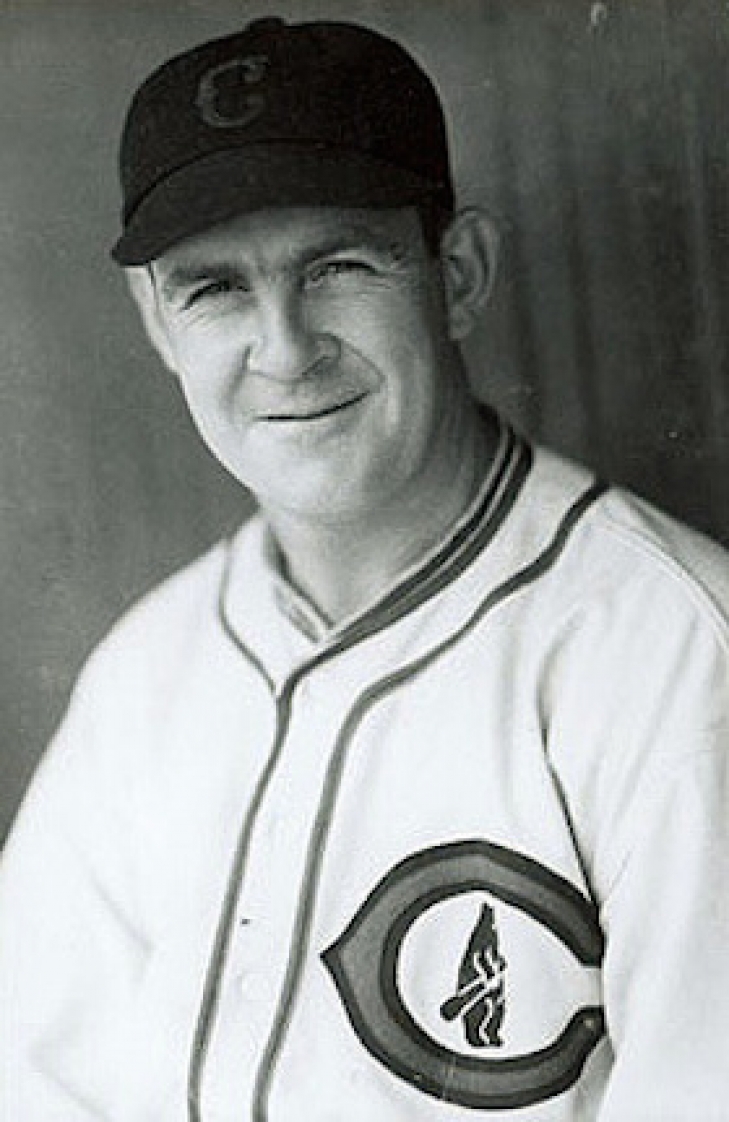
Debuting for the Pittsburgh Pirates in 1929, Larry French was a top knuckleball pitcher of the 1930s.
294. Bill Hutchinson
Technically not eligible for the Baseball Hall of Fame as he didn’t play ten years in the Majors, Bill Hutchinson lands on this list based on the strength of three incredible years with the Chicago Colts.
145. Jimmy Sheckard
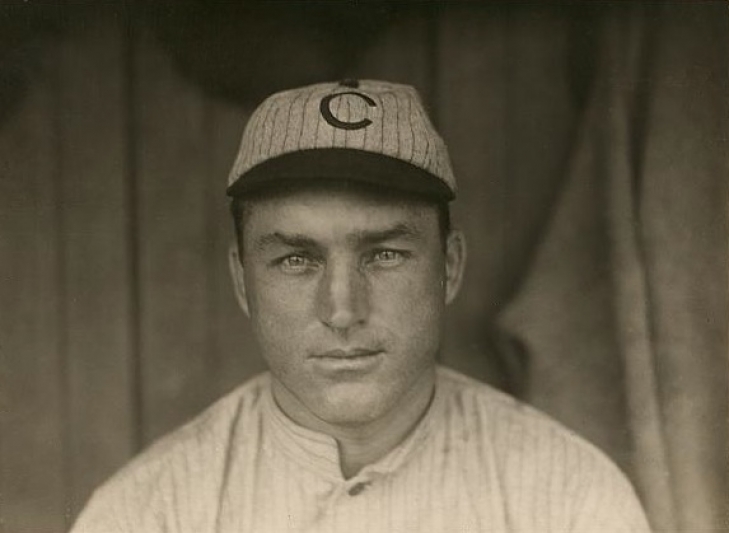
Jimmy Sheckard spent most of his career with either the Brooklyn Dodgers or the Chicago Cubs, and while they were both high-profile teams, He is one of the most undervalued players in history.
The Outfielder proved to be a good hitter throughout his career, batting at least .300 twice. In 1901, as a Brooklyn Superba, he led the National League in Triples (19) and Slugging Percentage (.534), and two years later, Sheckard’s nine Home Runs were enough to lead the NL.
Sheckard later played for the Cubs, where he helped Chicago win four National League Pennants, two of which they won. The speedy Outfielder also had a keen batting eye, leading the NL in Walks in 1911 and 1912, and he was first in OBP in 1911 (.434). Sheckard swiped 465 bases over his career and tallied 2,084 Hits.
244. Charlie Root
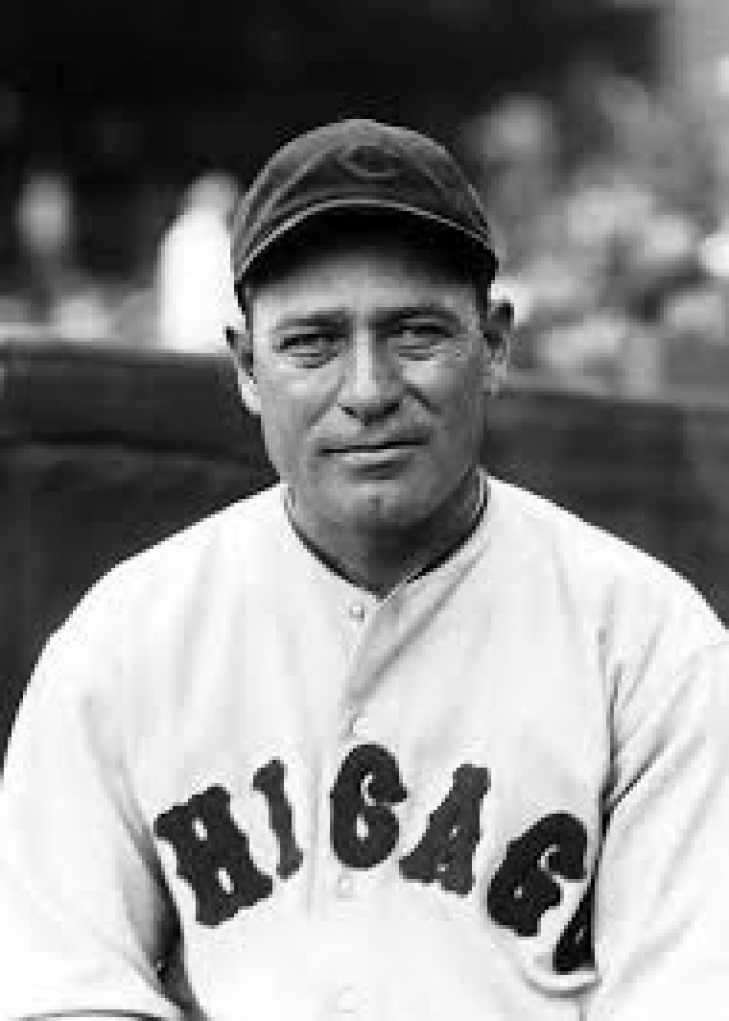
Charlie Root played 27 Games for the St. Louis Brown in 1923, but it was not impressive, as he had a record of 0-4 with a 5.70 ERA. It was three seasons later before Root made the Majors again, but when he did, he made it count.
199. Bill Nicholson
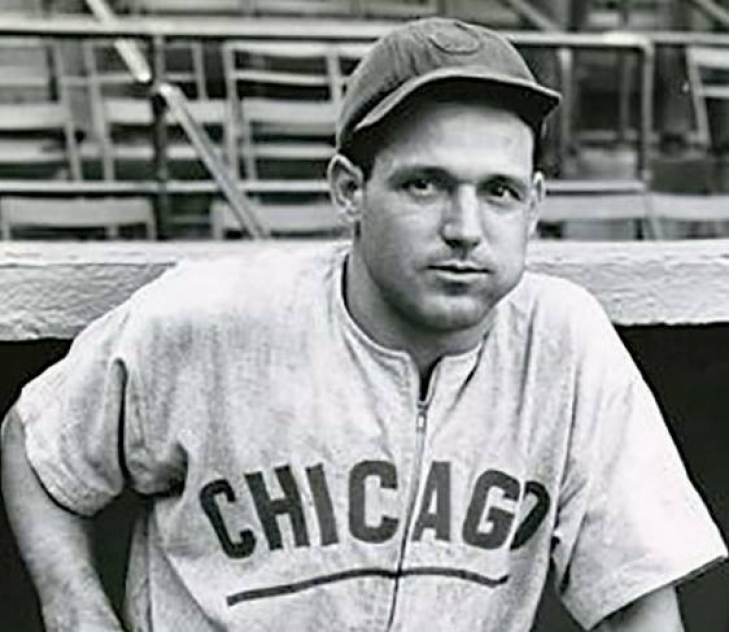
Bill Nicholson had a cup of coffee with the Philadelphia Athletics in 1936, but it was with the Chicago Cubs, a team he returned to the Majors with in 1939, where he became a star in baseball.
Nicholson was an All-Star in both 1940 and 1941, as the Cubs’ starting Rightfielder, and his powerful swing (he was nicknamed "Swish") generated fear from National League Pitchers. Nicholson belted at least 20 or more Home Runs annually from 1940 to 1944, and in those last two seasons, he was the NL leader in Home Runs and Runs Batted In.
Nicholson did not receive full credit during his two Home Run Title years (1943 & 1944) as World War II had taken many baseball players away from the game. Nevertheless, he was the leader in those metrics, which are the sexiest in Baseball.
In 1945, he was injured for most of the year but still helped the Cubs win the National League Pennant. He returned to have two more good power years (26 and 19 HR, respectively), but Nicholson was traded to Philadelphia afterward, where he finished his career over five years in a bench role.
Nicholson exited the game with 235 career Home Runs.
210. Cy Williams
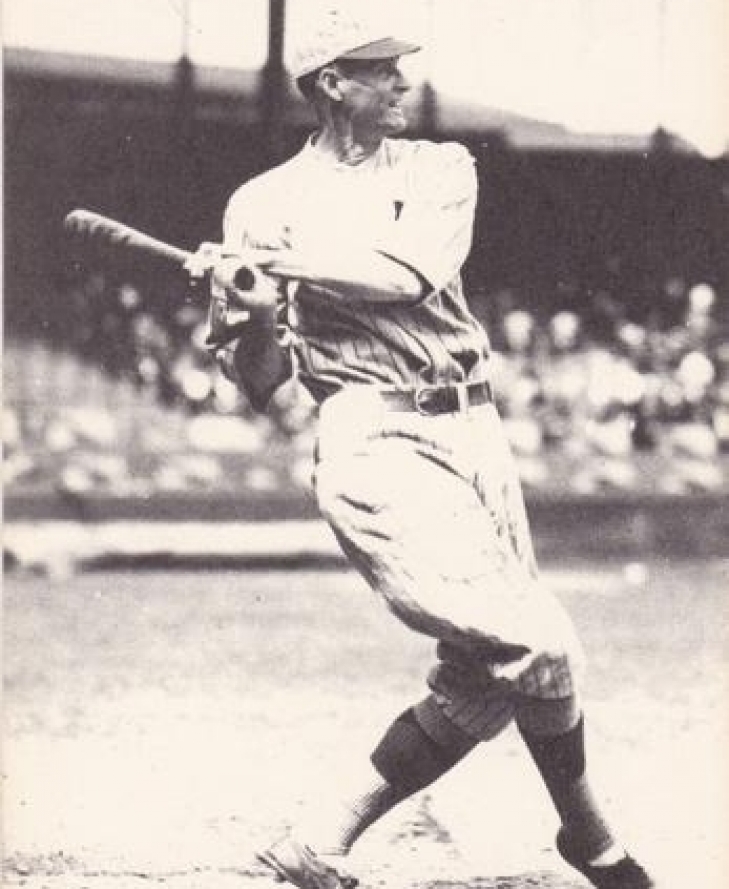
Cy Williams entered Notre Dame, having only played in a handful of baseball games. He left them as an accomplished player whom the Chicago Cubs signed after he finished school.
Williams joined the Cubs right away (1912), and a few years later, he was a regular in the Outfield. Williams won the Home Run Title in 1916 (12), but he was a defensive liability and was viewed as expendable. He was traded to the Philadelphia Phillies in 1918, and it turned out to be a lopsided transaction in the Phillies' favor.
The Baker Bowl, where the Phillies played, fit the strength of Williams, and as the ball started flying out of the park in the 1920s, he was one of those who perfected the art of the long ball. Williams led the NL in Home Runs in 1920 (15), 1923 (41), and 1927 (30), and he was also the leader in Slugging in 1926 (.568). Williams would also have six .300 seasons for Philadelphia.
At the time of his retirement in 1930, Williams was the all-time Home Run leader in the National League (251).
152. Mark Grace
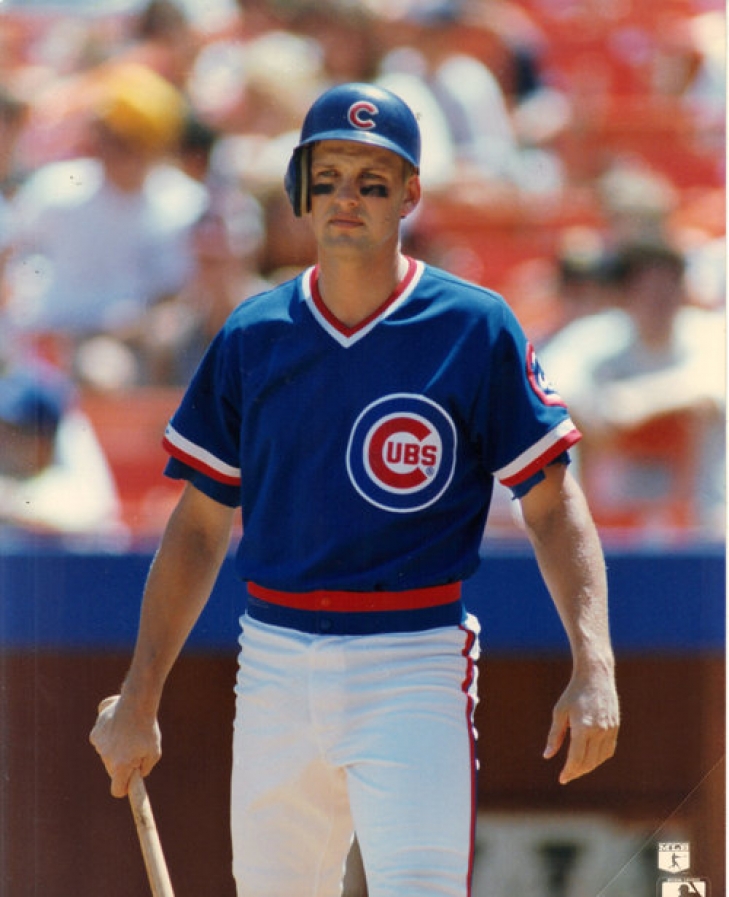
Mark Grace is the answer to the question of the trivia question; Who had the most Hits in the 1990s?
