

 Not in Hall of Fame News
Yes, we know that this is taking a while! As many of…
 Not in Hall of Fame News
Yes, we know that this is taking a while! As many of…
 Not in Hall of Fame News
2002 SEMI-FINAL RESULTS: Thank you for your participation in the Pro Football…
 Not in Hall of Fame News
Yes, we know that this is taking a while! As many of…
 Not in Hall of Fame News
We are diligently working away at Notinhalloffame on revising our Football lists…
 Not in Hall of Fame News
We are diligently working away at Notinhalloffame on revising our Football lists…
 From the Desk of the Chairman
October baseball often turns individual pitching performances into lasting postseason memories. Strikeout…
 From the Desk of the Chairman
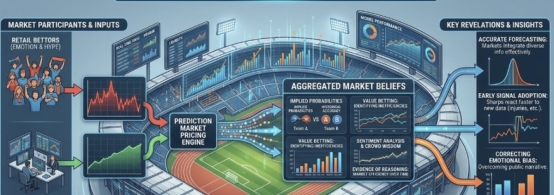
For decades, the sports debate ran on gut feeling. Barstool arguments, call-in…
 From the Desk of the Chairman
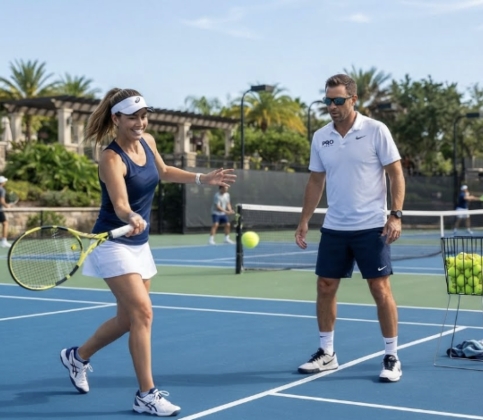
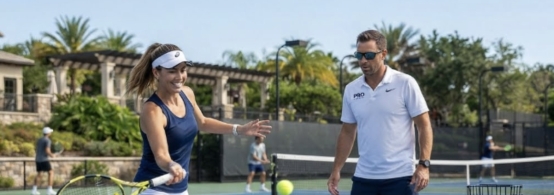
Introduction to Private Adult Tennis Camps in Prague Adult club players increasingly…
 From the Desk of the Chairman
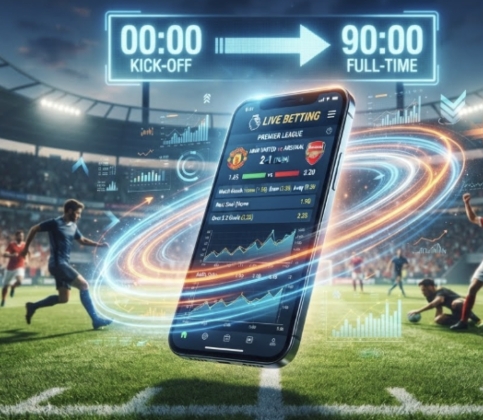
Unlike in the case of pre-match betting, where you have to pick…
 From the Desk of the Chairman
Kupu178 builds trust with people by using top-end end-to-end encryption. It checks…
 From the Desk of the Chairman
Sports fans thrive on calculating strategy, reading momentum, and maximizing every tactical…
100 Active Potential Football Hall of Famers
-
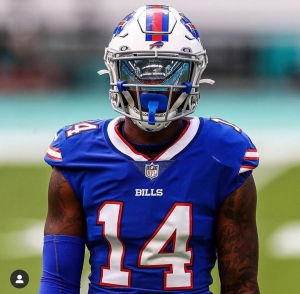 #43 Overall, Stefon Diggs, Washington Commanders, #7 Wide Receiver2025 Pre-Season Rank #40, 2024 Pre-Season Rank #38, 2023 Pre-Season Rank #48, 2022 Pre-Season Rank #57, 2021 Pre-Season Rank #118. Peak Period 2019-23…
 -
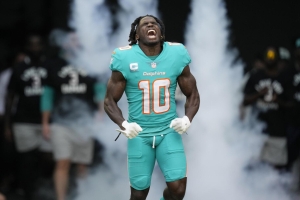 #25 Overall, Tyreek Hill, Free Agent, #3 Wide Receiver2025 Pre-Season Rank #18, 2024 Pre-Season Rank #8, 2023 Pre-Season Rank #28, 2022 Pre-Season Rank #35, 2021 Pre-Season Rank #53. Peak Period: 2019-23…
 -
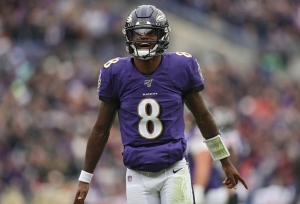 #12 Overall, Lamar Jackson, Baltimore Ravens, #4 Quarterback2025 Pre-Season Rank #10, 2024 Pre-Season Rank #14, 2023 Pre-Season Rank #30, 2022 Pre-Season Rank #38, 2021 Pre-Season Rank #46, 2020 Pre-Season Rank…in Quarterbacks
 -
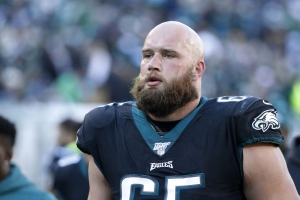 #34 Overall, Lane Johnson, Philadelphia Eagles, Right Tackle, #3 Offensive LinemanPre-Season Rank #27, 2024 Pre-Season Rank #40, 2023 Pre-Season Rank #57, 2022 Pre-Season Rank #107, 2021 Pre-Season Rank #143. Peak Period 2017-18/2022-24 When…
Visit the Fictitious Halls of Fame!

You May Also Like...
EDITOR’S CHOICE
 DDT's Pop Flies
When the veterans committee (VC), officially convening as the Contemporary Baseball Era…
 Live Music Head
Project/Objectan interview with André Cholmondeleyby Live Music HeadOriginally published at timessquare.com on…

LATEST RANKINGS


MOST POPULAR RANKINGS

Committee Chairman
46. Don Cockroft
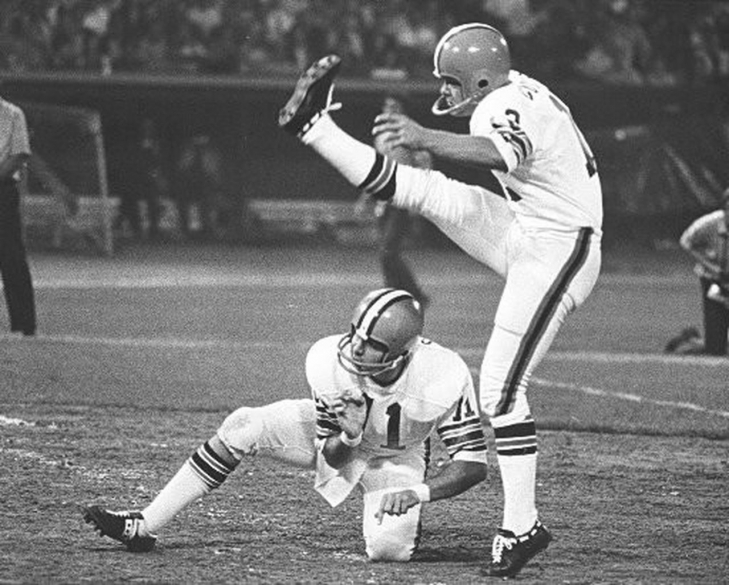
Selected in the third round of the 1968 NFL Draft out of NAIA power Adams State, Don Cockroft arrived in Cleveland as a versatile specialist with a big leg. He immediately secured both kicking and punting duties as a rookie, launching a 13-year career spent entirely in orange and brown.
For his first nine seasons (1968–1976), Cockroft pulled rare double duty as the franchise’s full-time placekicker and punter. He excelled at both disciplines, combining directional placement on punts with accuracy on field goals. Though he was frequently overlooked for Pro Bowl honors, Cockroft was undeniably one of the league's top specialists, leading the NFL in Field Goal Percentage three times (1968, 1972, and 1974) and topping the league in Punting Yards in 1972.
Cockroft relinquished punting duties in 1977 to focus solely on placekicking for the final four years of his career. That move paid off during the iconic 1980 "Kardiac Kids" campaign, where his veteran presence and clutch late-game kicks helped propel Cleveland to the AFC Central title. His final professional action came during the 1980 divisional playoff game against Oakland, bringing a memorable close to a long career in Northeast Ohio.
Across 13 seasons in Cleveland (1968–1980), Cockroft appeared in 178 regular-season games, converting 216 field goals and 432 extra points for 1,080 total points, while also booming 651 punts for 26,262 yards. The team inducted him into the Cleveland Browns Legends in 2007.
45. Don Colo
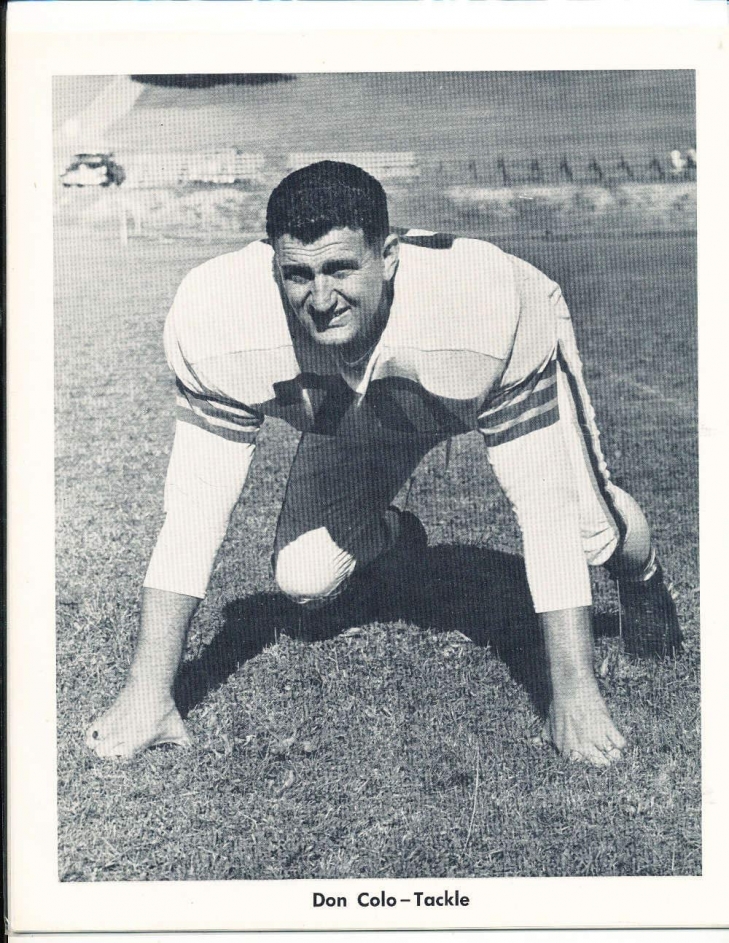
Acquired in 1953 after initial stops in Baltimore, New York, and Dallas, Don Colo finally found the ideal environment for his talents in Cleveland. Paul Brown immediately installed the powerful tackle into the starting lineup, where Colo became a cornerstone of one of the most stingy defensive fronts of the 1950s.
Colo's rare combination of size, leverage, and interior agility made him a matchup nightmare for opposing guards and centers. He served as an immovable force against the run while routinely collapsing pocket boundaries from the inside. His presence proved vital during back-to-back championship runs, as Cleveland’s defense suffocated opponents en route to dominant NFL Championship victories in 1954 and 1955.
His peak individual stretch arrived in the mid-1950s, when league-wide recognition matched his on-field impact. From 1954 through 1958, Colo earned three Pro Bowl nods (1954, 1955, and 1958) and was named a Second-Team All-Pro selection three times. Operating alongside line mates like Len Ford and Bill Willis, he helped maintain the high defensive standards that defined the peak of the Paul Brown dynasty.
Colo remained a durable, steady presence through the 1958 season before calling an end to his professional playing career. Many decades later, in 2015, Cleveland named Colo as one of its Legends.
43. Bill Glass
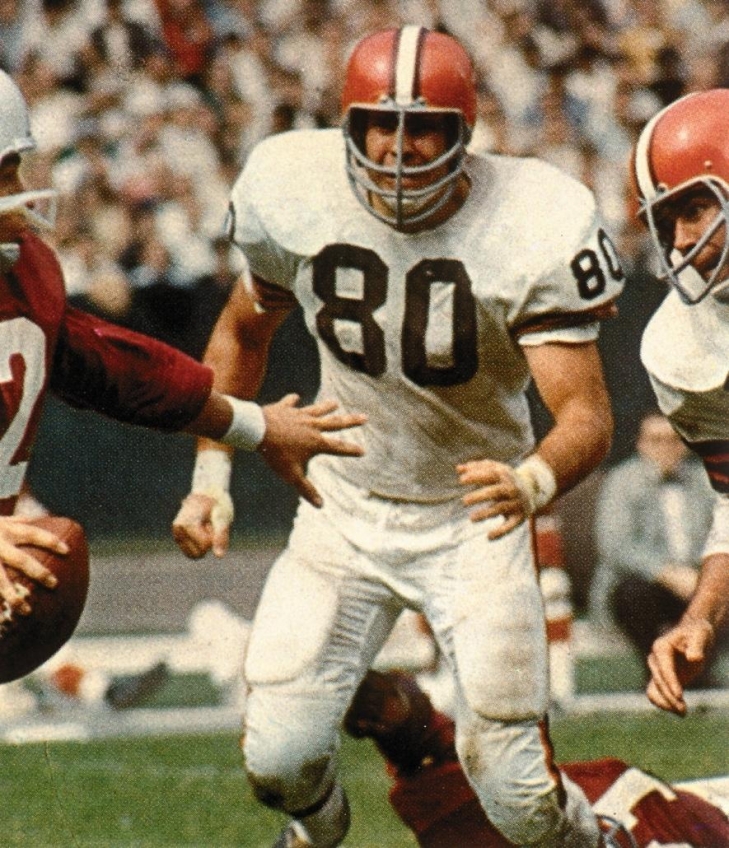
Acquired from the Detroit Lions before the 1962 season, Bill Glass arrived in Cleveland as a proven talent looking for the right system to unlock his game. The former Baylor All-American and future College Football Hall of Famer made an immediate impact along the defensive line, quickly cementing himself as the team's undisputed premier pass-rushing threat.
In his inaugural campaign in orange and brown, Glass terrorized opposing passers from the defensive end spot. Though sacks were not officially tracked during his era, retroactive film analysis credits him with a dominant 15.5 sacks in 1962, earning him his first career Pro Bowl selection. His relentless edge pressure gave Cleveland a ferocious pass rush that transformed the entire defense.
Glass remained the focal point of the front four over the next several seasons. He earned back-to-back Pro Bowl honors in 1963 and 1964, serving as a core starter on the iconic 1964 squad that shut out the Baltimore Colts 27–0 to capture the NFL Championship. His individual production hit its peak in 1965 with a career-high 16.5 sacks, followed by a 15-sack campaign in 1966. He added a fourth Pro Bowl nod in 1967 after logging another 10.5 sacks, bringing his streak to five double-digit sack seasons in six years.
Glass retired after the 1968 season and compiled 77.5 sacks for the squad. He was named a Cleveland Browns Legend in 2007.
42. Abe Gibron
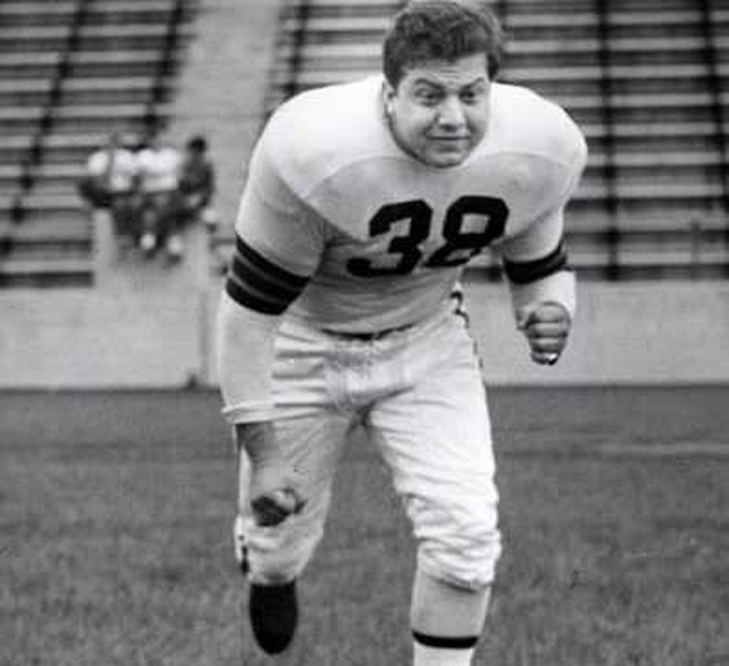
Acquired through a unique transaction following the collapse of the AAFC, Abe Gibron arrived in Cleveland in 1950 after spending his rookie year with the original Buffalo Bills. With the Bills left out of the NFL-AAFC merger, Buffalo ownership traded Gibron and two teammates to Paul Brown in exchange for a minority stake in the Browns franchise—a deal that quickly yielded immense dividends on the field.
Gibron spent his first two years in Cleveland as a high-value backup, learning Paul Brown's system while helping the team capture the 1950 NFL Championship in its inaugural NFL season. By 1952, his rare combination of low-center-of-gravity strength, explosive pull-blocking, and fiery leadership earned him the starting guard spot, instantly elevating the interior of the Browns' offensive line.
What followed was an elite four-year stretch of personal and team dominance. From 1952 through 1955, Gibron earned four consecutive Pro Bowl selections, establishing himself as one of professional football's premier interior blockers. He served as a crucial lead blocker for Otto Graham and the running game, helping power Cleveland to back-to-back NFL Championships in 1954 and 1955. He also earned First-Team All-Pro honors in 1955, cementing his place among the league's elite.
After a decline in playing time led to his release in 1956, Gibron extended his playing career with multi-year stops in Philadelphia and Chicago before later transitioning into a prominent coaching career, including a head coaching tenure with the Bears.
In 2015, Gibron was inducted into the Browns Legends.
