

 Not in Hall of Fame News
Yes, we know that this is taking a while! As many of…
 Not in Hall of Fame News
Yes, we know that this is taking a while! As many of…
 Not in Hall of Fame News
2002 SEMI-FINAL RESULTS: Thank you for your participation in the Pro Football…
 Not in Hall of Fame News
Yes, we know that this is taking a while! As many of…
 Not in Hall of Fame News
We are diligently working away at Notinhalloffame on revising our Football lists…
 Not in Hall of Fame News
We are diligently working away at Notinhalloffame on revising our Football lists…
 From the Desk of the Chairman
October baseball often turns individual pitching performances into lasting postseason memories. Strikeout…
 From the Desk of the Chairman
For decades, the sports debate ran on gut feeling. Barstool arguments, call-in…
 From the Desk of the Chairman
Introduction to Private Adult Tennis Camps in Prague Adult club players increasingly…
 From the Desk of the Chairman
Unlike in the case of pre-match betting, where you have to pick…
 From the Desk of the Chairman
Kupu178 builds trust with people by using top-end end-to-end encryption. It checks…
 From the Desk of the Chairman
Sports fans thrive on calculating strategy, reading momentum, and maximizing every tactical…






100 Active Potential Football Hall of Famers
-
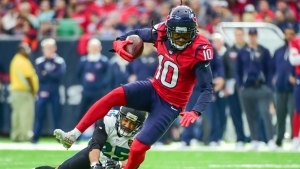 #27 Overall, DeAndre Hopkins, Free Agent, #4 Wide Receiver2025 Pre-Season Rank, #24, 2024 Pre-Season Rank #24, 2023 Pre-Season Rank #20, 2022 Pre-Season Rank #28, 2021 Pre-Season Rank #30, 2020 Pre-Season Rank…
 -
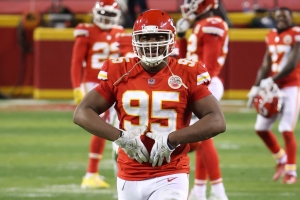 #19 Overall, Chris Jones, Kansas City Chiefs, Defensive Tackle, #8 Defensive Lineman/Linebacker: Pass Rusher2025 Pre-Season Rank #15, 2024 Pre-Season Rank #15, 2023 Pre-Season Rank #58, 2022 Pre-Season Rank #100. Peak Period 2020-24. When you think of…
 -
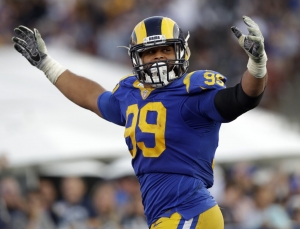 #1 Overall, Aaron Donald: Los Angeles Rams, Defensive End, #1 Defensive Lineman/Linebackers/Pass Rushers2020 Pre-Season Rank #15, 2021 Pre-Season Rank #5, 2022 Pre-Season Rank #3, 2023 Pre-Season Rank #2. PEAK 2017-21 Well, look who’s back! When…
 -
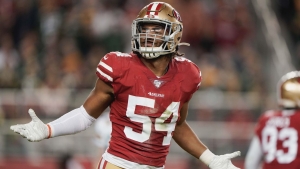 #30 Overall, Fred Warner, San Francisco 49ers Linebacker, #2 Defensive Lineman/Linebacker: Interior Lineman2025 Pre-Season Ranking #22, 2024 Pre-Season Rank #49, 2023 Pre-Season Rank #79, 2022 Pre-Season Rank #118, 2021 Pre-Season Rank #142. Peak Period: 2020-24…
Visit the Fictitious Halls of Fame!


You May Also Like...
EDITOR’S CHOICE

 DDT's Pop Flies
When the veterans committee (VC), officially convening as the Contemporary Baseball Era…



 Live Music Head
Project/Objectan interview with André Cholmondeleyby Live Music HeadOriginally published at timessquare.com on…

LATEST RANKINGS





MOST POPULAR RANKINGS
















Committee Chairman
18. Eddie Rabbitt
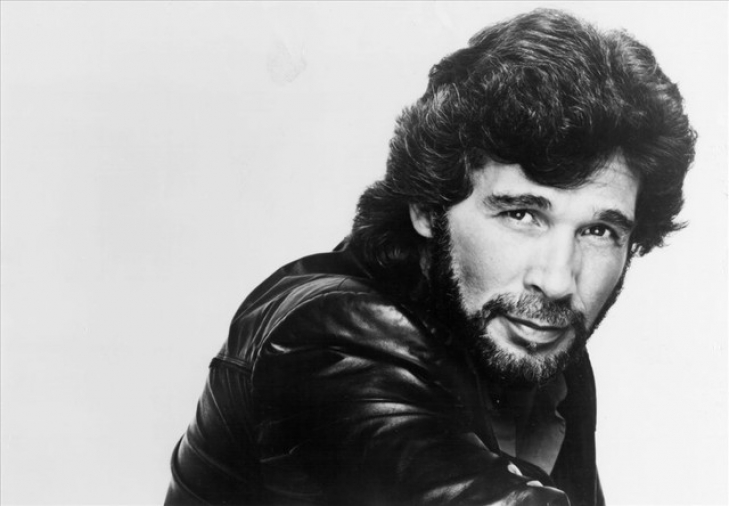
Eddie was deep into music very early. He was proficient on the guitar by 12, and was considered a “walking encyclopedia of country music” as a child. Once he was an adult he moved to Nashville, where he worked as a truck driver, soda jerk, fruit picker, but most importantly: a songwriter. Eddie ended up writing songs for George Morgan, Tom Jones and Elvis Presley, but it was a number one song he wrote for Ronnie Milsap that eventually got him his own recording contract. Starting off in his radio career, he had a distinctly traditional country sound to his songs. Then as he made his way into the 80’s, his songs got increasingly pop-sounding in ways that challenged what was commonly thought of as country music. Although this turned off some traditionalists, the move to pop sounds increased his audience and allowed him a long stretch of huge smash songs. Like a lot of other 1980’s country artists, Eddie got quickly faded from radio in the early 1990’s by a new class of singers coming in. Today, his songs are thought of as fun country-pop fluff, but no one seems to remember just how creative and innovative Eddie Rabbitt was at the time. Even though he passed away too early from lung cancer in 1998, his catalogue of songs should eventually earn him a place in the Hall Of Fame.
23. Jack Greene
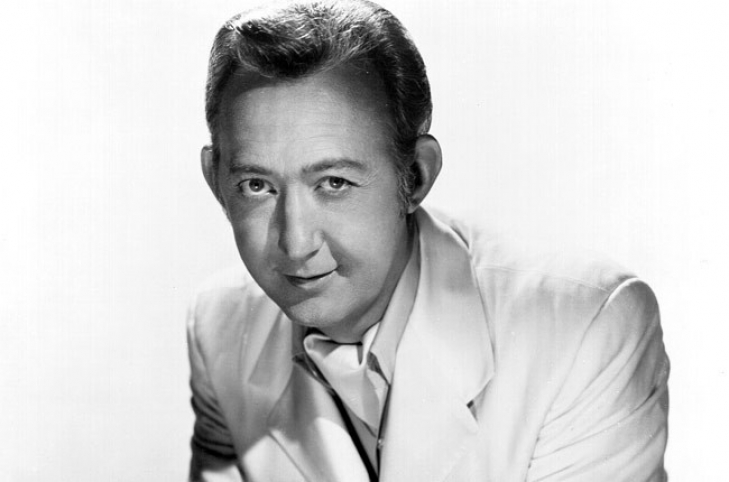
Since he was a young teen, Jack was able to slowly move up in the industry, step by step. Starting as a teenage disc jockey, by 18 he was working on the “Tennessee Barn Dance” show. Then he moved to Atlanta to form his own band, which lasted for 8 years. Moving back to Tennessee, he headed to Nashville this time and eventually ended up joining the backing band of country legend Ernest Tubb (1965 Hall Of Fame inductee). After a few years with them, Tubb told him to try for his own solo career. His first hit song (“There Goes My Everything”) became a country music standard, a pop hit, helped Jack get 4 CMA award wins, 4 Grammy nominations, and began a string of hit songs that would make Jack one of the biggest artists in the genre at the time. Jack’s career didn’t end up lasting for decades, but with hit songs, awards, and being an all-around well-liked guy, that sounds like a recipe for making it in the Hall one of these days.
26. Slim Whitman
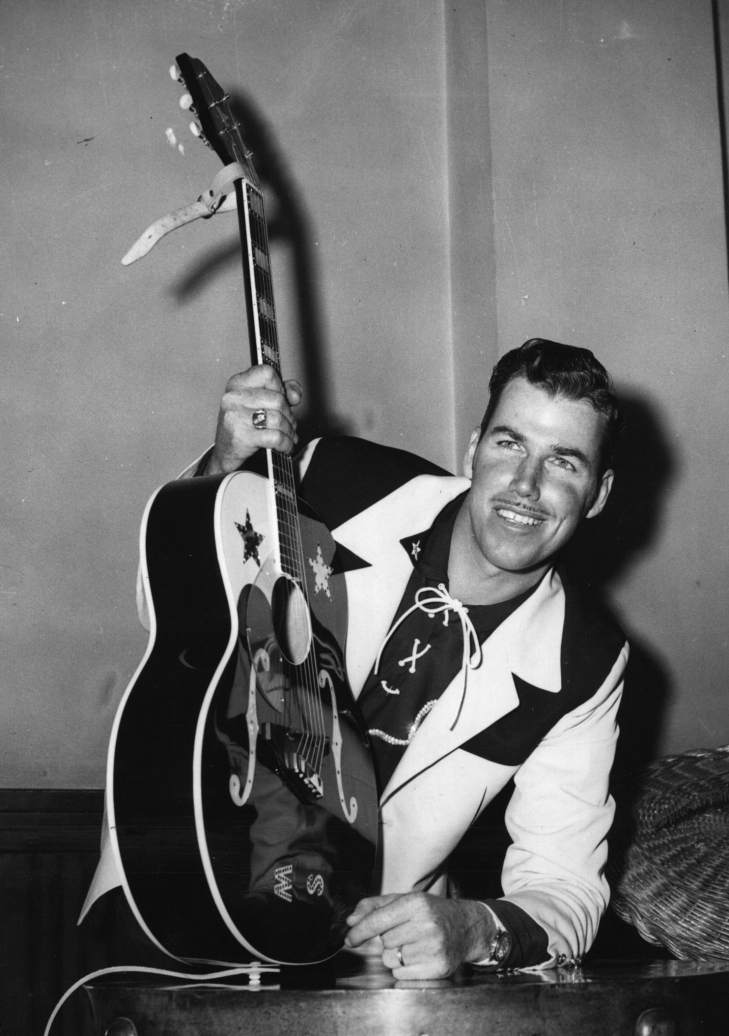
As a child, Slim enjoyed the country music he heard on the radio but didn’t even think of a musical career for himself. Singing only came up while he was in the Navy. He’d sing to entertain the members of his own ship. His singing was so well received that his captain blocked his transfer to another boat (this saved his life as the boat he would’ve been going to ended up sinking). After World War II, he did odd jobs around Tampa while working on his music career. A talent manager heard him sing on the radio and he got signed to RCA records. He was never big on singing depressing country tunes, and always preferred soft, romantic songs that allowed him to show off his smooth, three-octave falsetto and yodeling abilities. His style was called “countrypolitan”. Whitman was never as big in the U.S. as he was in Europe and Australia, but he did have a solid number of hit songs on the U.S. charts. He also got a resurgence in the late 1970’s and 80’s when television ads for his albums began coming out. One of his albums became the biggest-selling tv advertised album in history, and he was in the public eye again for a little while. With his excellent voice, millions sold and worldwide fame, there should be a plaque with his name on it at some point in the future.
25. Tompall Glaser & The Glaser Brothers
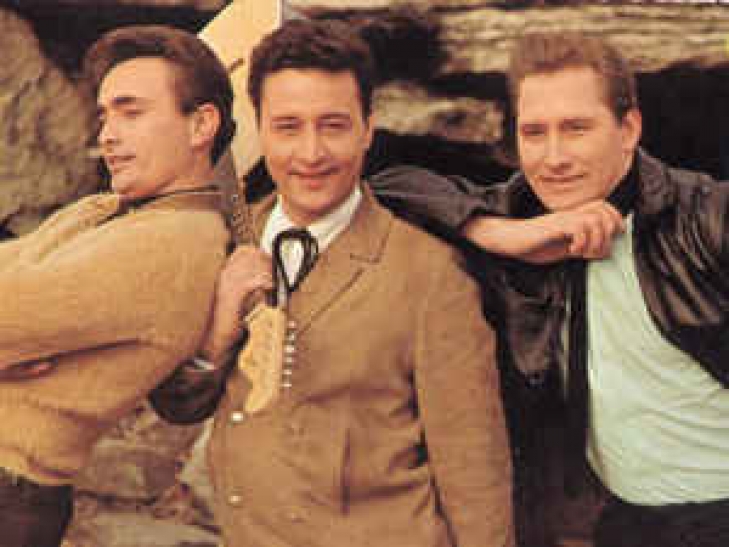
Being the 3 youngest of six children, Tompall, Jim and Chuck Glaser began singing together and were playing county fairs when they were just preteens. From a modern perspective, their radio career was never one that set the charts on fire, but they were always firmly planted in the ‘outlaw scene’ of the 1970’s country music industry. Their harmonies were considered some of the best in the genre, so when they were starting out they got most of their work as background singers, singing on records for Marty Robbins and Johnny Cash among other people. Always knowing that they wanted to do their own thing outside of the Nashville machine, the brothers formed a publishing company in 1962. They were signing on songwriters that other studios were ignoring, including John Hartford (Hartford would go on to write “Gentle On My Mind”, a signature song for Glen Campbell and one that has been recorded by over 300 other artists). Then, after charting a few of their own songs in the late 1960’s, the Glaser brothers opened their own full studio. It housed a publishing company, a production company, a talent agency and design services for album covers. This place was a haven for artists as it allowed them to have more creative control over their music and their music careers. Artists like Mel Tillis, Jimmy Buffett and Kenny Rogers all recorded there. When Chuck had a stroke in 1975, Tompall and Jim went off for solo careers for a few years before the trio came back together in 1980. To summarize, Tompall Glaser & the Glaser Brothers never got a number one song (though they got a couple top tens), but what they were able to do was open up avenues in country music for other artists to flourish. For that, they are deserving
