

Current Hockey Hall of Fame Inductees (383)
Outside of the province of Ontario, how many people are aware of the city of Kingston? Let’s take that a step further. How many outside of Canada know about this place? We will wager that it isn’t a lot, and those that answer that they heard of it, probably are thinking of the version in Jamaica instead. Now had this city on the Northeastern corner of Lake Ontario remained the home of the Hockey Hall of Fame would it have developed a bit of an international flair or enhanced reputation? Maybe it would have been more of a staple of “Canadiana”, as Kingston is the home of the First Canadian Prime Minister, and the unofficial band of Canada, The Tragically Hip. Stands to reason that it would have been a great fit for the unofficial sport of Canada (it is actually lacrosse) and the official passion of the country.With the launch of the Baseball Hall of Fame, the sport of hockey looked to follow suit. Its biggest league, The National Hockey League had a core of seven teams (which was pared down to six in 1942, when the New York Americans suspended operations) was a healthy organization, and though it was only relevant in cold weather climates, it was a sport that already had a long history, and the coveted Stanley Cup; which was then (and still is) the most impressive trophy in the entire sporting world.
The biggest proponent of an institution recognizing hockey excellence was a Canadian named James T. Sutherland. Born in 1870 (in Kingston naturally), Sutherland played as much hockey as he could and was a member of the Athletic Club of Kingston which was part of what was believed to be the first organized league the sport had. He would later form the Kingston Frontenacs, who would participate in the Ontario Hockey Association and would eventually become the Leagues president. Captain Sutherland (a rank he would achieve serving for Canada in World War I) would create the Memorial Cup; a trophy honoring those who fought in the Great War and to be given to the top Junior team in Canada. Incidentally, this is still the same trophy given to the team that wins the post season tournament in the Juniors in Canada.
Once the National Hockey League and the Canadian Amateur Hockey Association agreed to mutually put together a Hall, Sutherland (who had also served as the President of the CAHA) fought for Kingston to be its home. It was not just because he was a native of the city, but because he legitimately believed that Kingston was the rightful birth of modern hockey (which is near impossible to prove). Regardless of where hockey began, Kingston was to be pegged as its home.
Although construction had yet to begin on the facility, the first class was selected in 1945 which inducted nine players. It also had a “Builders” category which honored those who helped develop the game. As we look at those who are inducted to this institution, we will do so chronologically. Let’s take a ride on Hockey’s highway shall we?
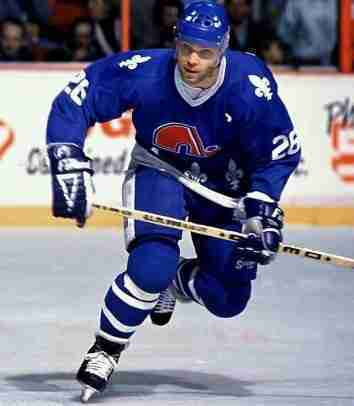
When the Stastny brothers defected from Czechoslovakia to play in the National Hockey League it became one of the most important moments in the sport. He (along with his brothers, Anton and Marian) would take over the city of Quebec City and light up the stat sheet. Peter Stastny would hit the 100 point mark seven times and become one of the top stars in…
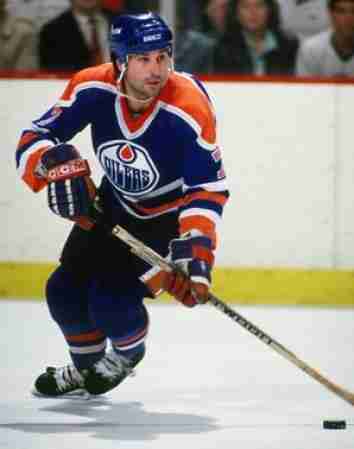
Paul Coffey was the most gifted offensive Defenseman of the 1980’s. Five times that decade, he would hit the 100 point mark, including four 30 goal seasons. His dominance would show in his trophy room with a pair of Norris Trophies (he would win a third in 1995) and seven All Star Team selections, with again another in that 94-95 campaign. Coffey was most known…
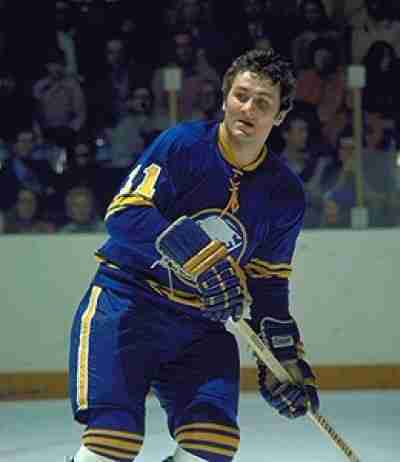
Arguable the greatest Buffalo Sabre in that franchise’s history, Gilbert Perreault still holds many records for that team. He played his entire professional career in Western New York, and was the leader of its most famous hockey line, The French Connection, that also had Rick Martin and Rene Robert. He dazzled the Buffalo faithful with his offensive skills and brought excitement to the team. Perreault…
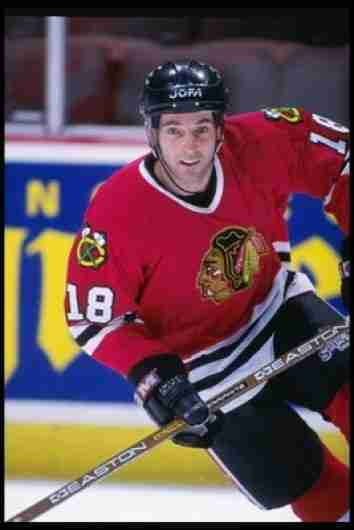
A brilliant playmaking Centre, Denis Savard was an over a point per game player throughout his career. He had his best efforts while playing with the Chicago Blackhawks in the 1980’s and would hit the 100 point mark on five occasions. The gifted forward would often find unique way to get the puck to his teammates, or put it in the net. Basically, this was…
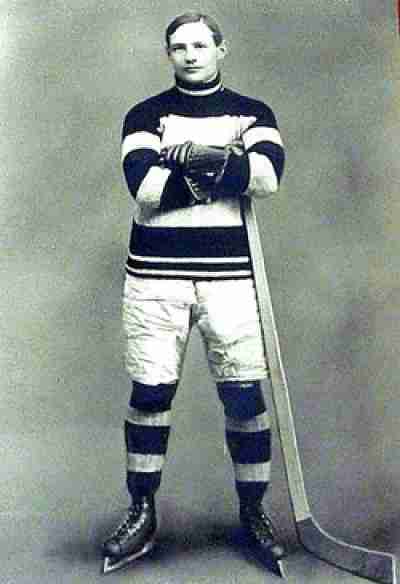
Considered one of the first power forwards in Hockey, Bruce Stuart was another turn of the century star that emerged from the Ottawa Valley. Stuart used his size to bully opponents and score goals and as such was rewarded with multiple Stanley Cups. Stuart joined his brother Hod (who was inducted in the first HOF Class in 1945) into the Hall of Fame in 1961.
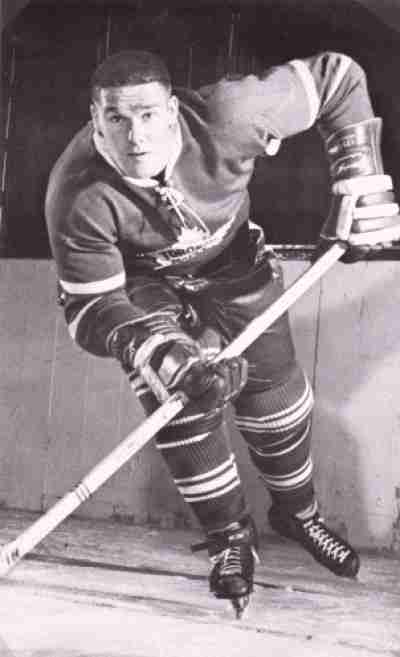
At the risk of breaking the illusion to many young donut fans, there really WAS a Tim Horton, and he was one hell of a Hockey player. Horton entered the NHL in the mid 50’s and immediately made an impact being named to the Second Team All Star squad in his second full season. A devastating collision with the New York Rangers’ Bill Gadsby slowed…
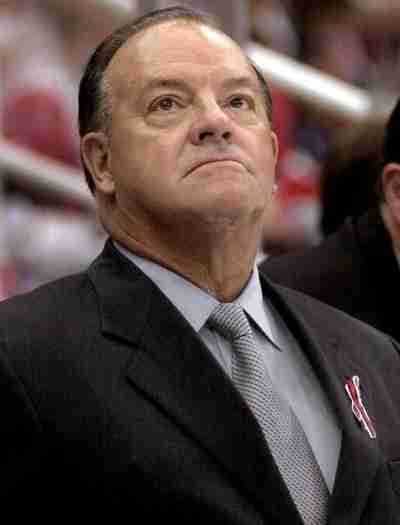
Although we have covered players who returned to the ice after they were inducted into the Hockey Hall of Fame, and owners who completely should have been kicked out after they were inducted, we now have a builder who continued to have a Hall of Fame career AFTER he was inducted.
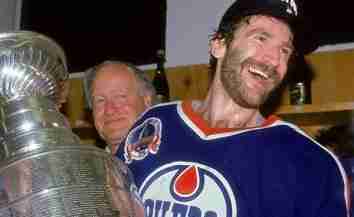
A career point per game player in his lengthy NHL career, Glenn Anderson had the fortune of playing for some excellent Edmonton Oilers teams and won five Stanley Cups as a result. Anderson may not have been as heralded as Messier, Coffey, Kurri and Gretzky, but he was a solid contributor in his own right, topping the 100 point mark three times and finishing two…
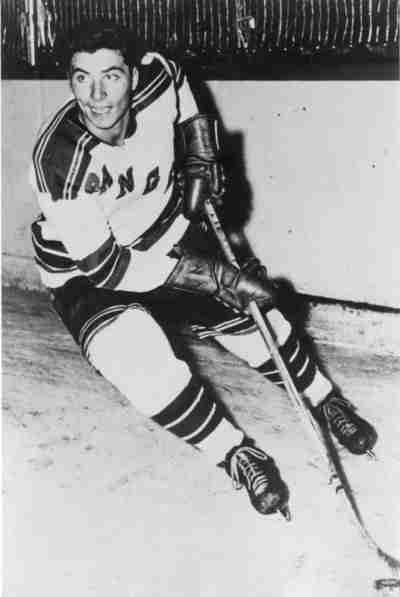
The winner of the 1959 Hart Trophy winner was one of the most complete forwards of his era, though had the misfortune of playing of having his peak while playing with below average New York Rangers squads. Bathgate was constantly in the top ten in scoring and did tie for the lead in 1962, losing out on the Art Ross to Bobby Hull who had…
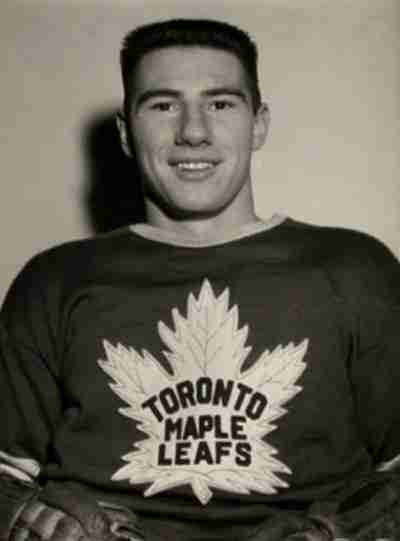
It is not so much that we have an issue with the induction with Bob Pulford, but couldn’t the Hockey Hall of Fame just admit the induction of Pulford was a combination of what he did on the ice and off of it, as frankly he probably is not a Hall of Fame entry without the sum of all of the parts. As a player,…
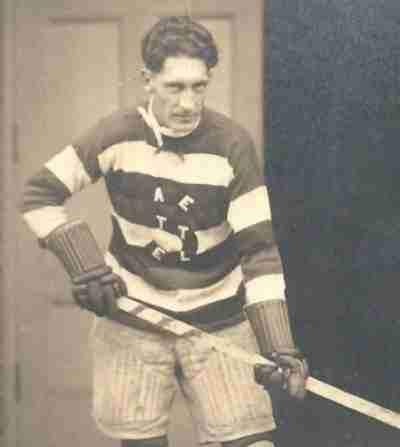
A very good player in his own right, Lester Patrick entered the Hockey Hall of Fame for a lot more than his prowess with a stick. Granted, he was a very good offensive minded defenseman, but may not have been good enough to become a Hall of Famer on his on ice skills alone. Along with his brother, he founded the Pacific Coast Hockey Association (later…
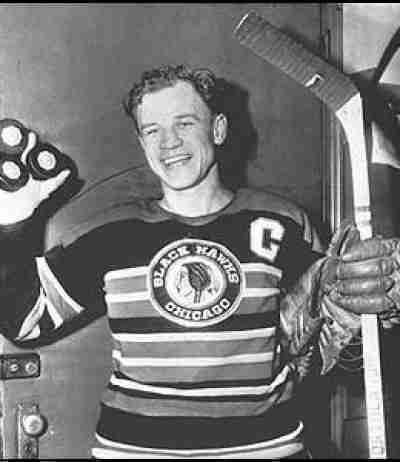
A career professional with the Chicago Black Hawks, Bill Mosienko may not have won a Stanley Cup in Chi-town, but he was an excellent forward who played in multiple All Star games. Mosienko was also a very classy player (he only ever had one fight in his NHL career and was rewarded with the Lady Byng Trophy in 1945. Winning that accolade was nice, but he…
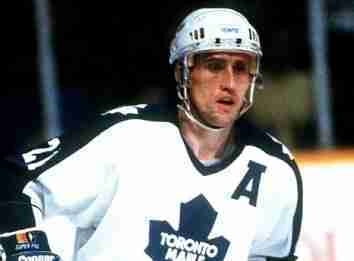
Borje Salming not only was the first Swedish player to enter the Hockey Hall of Fame, but was the man who paved the way for Swedish players to enter the National Hockey League and prove that the Scandinavian nation belonged on the world stage. Salming would join the Toronto Maple Leafs in 1973 and he immediately made an impact on their blue line. The Swedish…
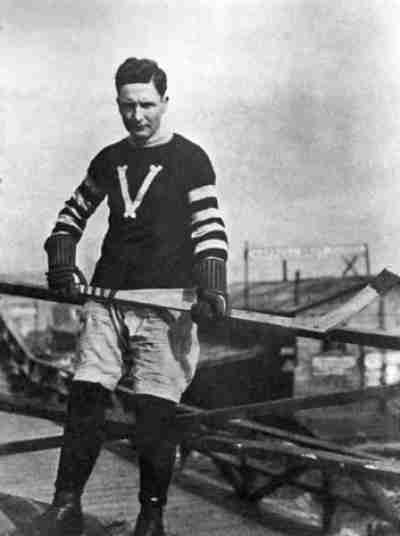
Like his brother Lester, Frank Patrick was a decent player who became more famous in hockey for his off ice contributions than what he did on it. Along with his brother, he founded the Pacific Coast Hockey Association (later renamed the Western Canada Hockey League) and it was many of his initiatives while there that shaped the game as we know it today.
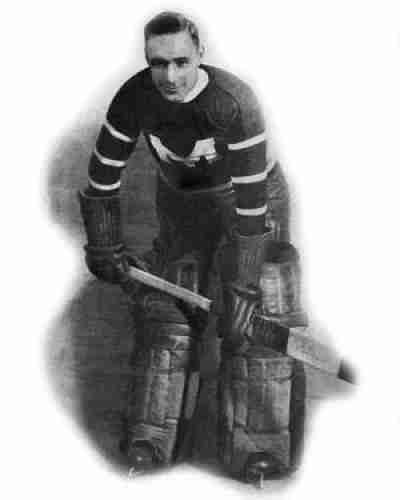
The real answer to the trivia question of who was the first Goalie to wear a mask (he wore a leather mask for five games in the 1929-30 season), Clint Benedict was the man whose style caused the NHL to allow goaltenders to not have to remain standing. Benedict would often “accidentally” fall to his knees to stop a puck, so much so, that he was…
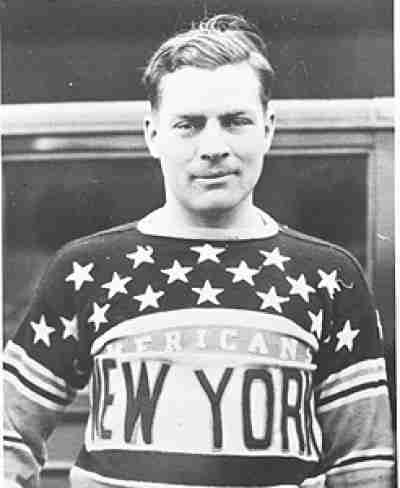
American born, yet Canadian raised, Billy Burch was the second ever Hart Trophy winner and the second ever (though in the third year of its existence as Frank Nighbor won the first two) Lady Byng Trophy winner. Burch would become a consistent producer, primarily for the New York Americans where they marketed to the hilt his American birth certificate. However, as Burch never won a Stanley…
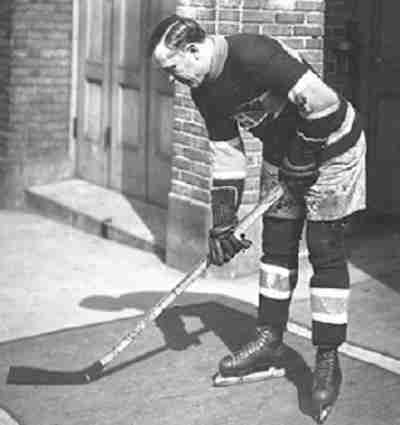
Called the “Cannonball” because of his powerful shot, Didier Pitre was one of the more versatile and durable players of his or any time. The speedy skater started off as a Rover, later a Forward and as his skills naturally declined he transferred to Defence where his Hockey IQ was still serviceable in the professional ranks. Despite playing for multiple teams, Pitre was with the Habs…
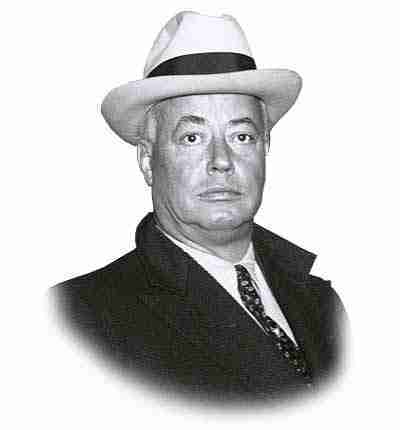
We are not sure that we completely agree with the Builder’s Category selection of Jack Bickell. He came into Hockey with an investment to stabilize the Toronto St. Pats and was essentially the silent partner. Later, the team was purchased by Conn Smythe and rechristened the Toronto Maple Leafs, and Bickell was convinced by Smythe to still serve in the same capacity. He was not…
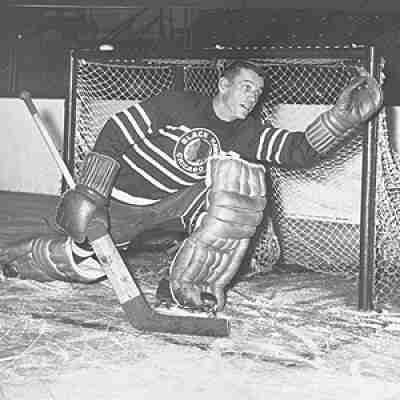
One of the greatest goaltenders of hockey’s early era, Charlie Gardiner’s greatness was curtailed at the age of 29 by a brain hemorrhage that took him away only weeks after his greatest triumph.
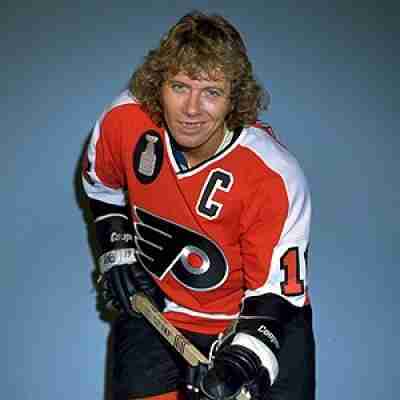
A severe diabetic, many thought for certain that Bobby Clarke would not have much of a career in the National Hockey League. Clarke won the Bill Masteron Trophy in 1972 for his perseverance in becoming a star for the Philadelphia Flyers. Often though, the awarding of the Masterton Trophy usually caps a career; for Bobby Clarke it was just the beginning.