

Current Hockey Hall of Fame Inductees (383)
Outside of the province of Ontario, how many people are aware of the city of Kingston? Let’s take that a step further. How many outside of Canada know about this place? We will wager that it isn’t a lot, and those that answer that they heard of it, probably are thinking of the version in Jamaica instead. Now had this city on the Northeastern corner of Lake Ontario remained the home of the Hockey Hall of Fame would it have developed a bit of an international flair or enhanced reputation? Maybe it would have been more of a staple of “Canadiana”, as Kingston is the home of the First Canadian Prime Minister, and the unofficial band of Canada, The Tragically Hip. Stands to reason that it would have been a great fit for the unofficial sport of Canada (it is actually lacrosse) and the official passion of the country.With the launch of the Baseball Hall of Fame, the sport of hockey looked to follow suit. Its biggest league, The National Hockey League had a core of seven teams (which was pared down to six in 1942, when the New York Americans suspended operations) was a healthy organization, and though it was only relevant in cold weather climates, it was a sport that already had a long history, and the coveted Stanley Cup; which was then (and still is) the most impressive trophy in the entire sporting world.
The biggest proponent of an institution recognizing hockey excellence was a Canadian named James T. Sutherland. Born in 1870 (in Kingston naturally), Sutherland played as much hockey as he could and was a member of the Athletic Club of Kingston which was part of what was believed to be the first organized league the sport had. He would later form the Kingston Frontenacs, who would participate in the Ontario Hockey Association and would eventually become the Leagues president. Captain Sutherland (a rank he would achieve serving for Canada in World War I) would create the Memorial Cup; a trophy honoring those who fought in the Great War and to be given to the top Junior team in Canada. Incidentally, this is still the same trophy given to the team that wins the post season tournament in the Juniors in Canada.
Once the National Hockey League and the Canadian Amateur Hockey Association agreed to mutually put together a Hall, Sutherland (who had also served as the President of the CAHA) fought for Kingston to be its home. It was not just because he was a native of the city, but because he legitimately believed that Kingston was the rightful birth of modern hockey (which is near impossible to prove). Regardless of where hockey began, Kingston was to be pegged as its home.
Although construction had yet to begin on the facility, the first class was selected in 1945 which inducted nine players. It also had a “Builders” category which honored those who helped develop the game. As we look at those who are inducted to this institution, we will do so chronologically. Let’s take a ride on Hockey’s highway shall we?
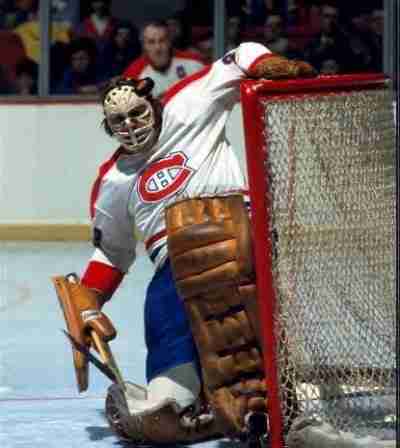
On a hunch, the Montreal Canadians started Ken Dryden in the 1970/71 playoffs. Dryden is now known as one of the best goalies ever, and easily the best of the 1970’s, but prior to those playoffs, he only had played in six regular season NHL games and was not known much at all. Dryden not only played well, but won the Conn Smythe Award as the…
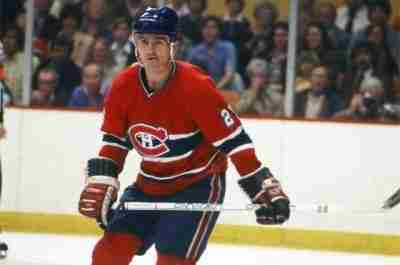
An eight time Stanley Cup Champion with the Montreal Canadians, Jacques Lemaire was a Centre who may not have led his team in scoring, but was a vital part of the championships that his team accrued. Lemaire was a point per game player, and played in two All Star games, but he was always at his best in clutch situations and shone brightest during the NHL…
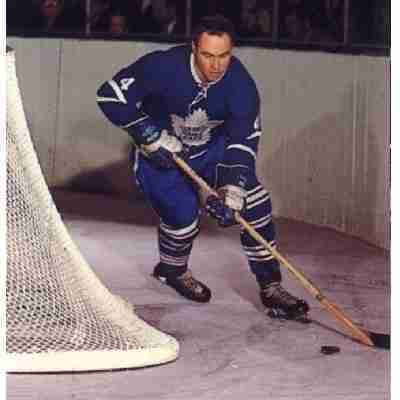
Although there may have been other NHL players who have excelled at two different positions, perhaps nobody did it better than Red Kelly. Certainly, no other was as successful.
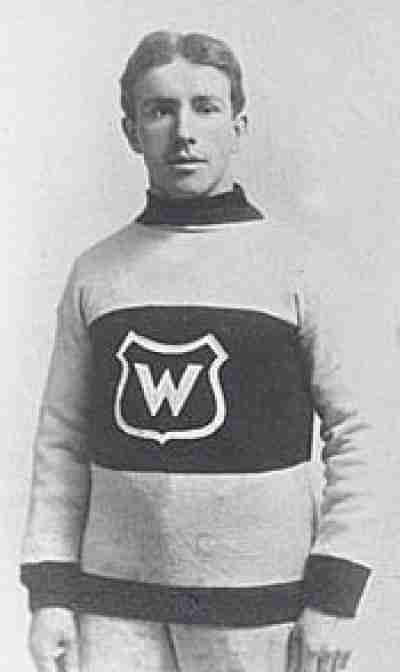
Another one of the game’s early heroes, Harry Hyland was a very good scorer and had his best efforts with the Montreal Wanderers. Hyland was a very good goal scorer (he once scored eight goals in a game) and was one of the better players for the Montreal Wanderers, but was he a Hall of Famer? Frankly, we have our doubts.
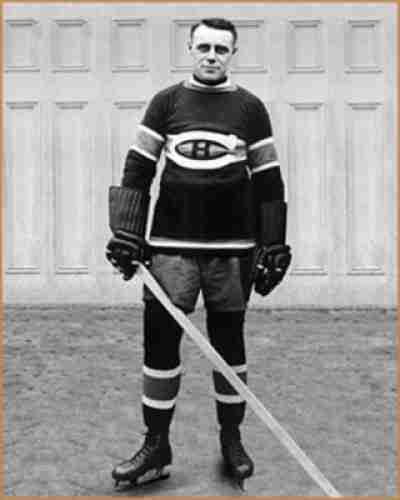
A goal scoring machine (his 44 goals in 20 games remains the highest GPG average ever), Joe Malone would twice lead the National Hockey League in goals and points. As part of the powerful line with Newsy Lalonde and Didier Pitre, Malone was the goal scorer of the first great line of the National Hockey League. Overall, Malone would average well over a goal a game…
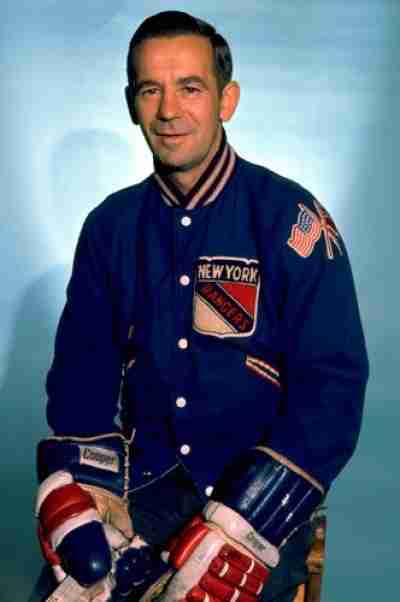
A former backup NHL Goaltender (he played in 95 games), Emile Francis played in the minors before moving on to coaching. Francis would work his way to the New York Rangers system and eventually took over the helm for New York and coached that team to their best record in decades. He would also take over as the team’s General Manager and would follow suit with…
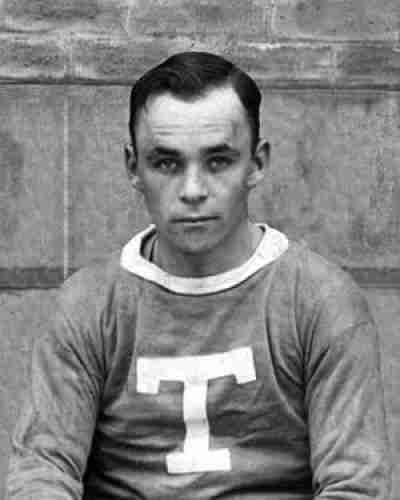
Considered the first player to develop a curved shot (with a straight stick no less!), Harry Cameron was a brilliant rushing Defenseman who won three Stanley Cups. Cameron would twice lead the league in assists and was credited for the first ever “Gordie Howe Hat Trick” in the NHL, which is indicative of scoring a goal, an assist and a getting into a fight. How this…
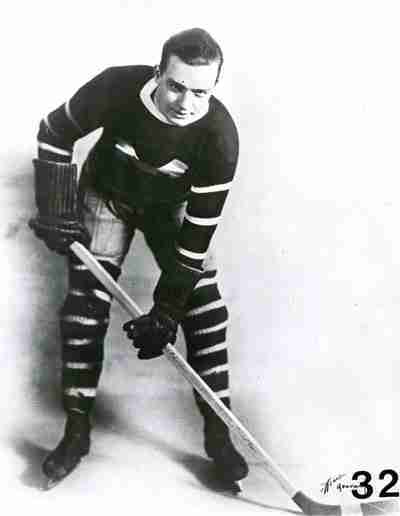
The man nicknamed “Old Poison” (and isn’t that one of the coolest nicknames you ever heard), retired as the NHL’s leading goal scorer in 1940 and held that status for twelve years. Nels Stewart was not just a great scorer, but an overall talented tough guy who was a physical presence everywhere on the ice. Stewart won the Hart Trophy twice as the league’s Most Valuable…
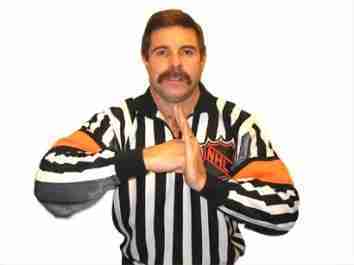
Bill McCreary refereed 1,700 NHL Games and 282 NHL Playoff Games, including thirteen Stanley Cup Finals in a row. You don’t get those opportunities because you have a bias or are bad at your job! McCreary also officiated the Gold Medal Game in the 2010 Winter Olympics.
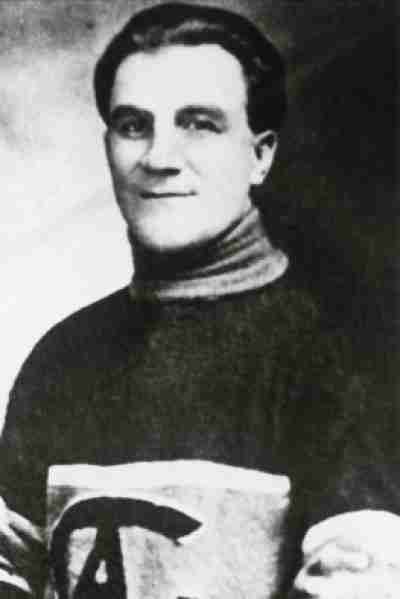
Although he was born in Ontario, Jack Laviolette moved to Quebec at a young age and became one of the first true French Canadian stars in Hockey. His first taste of pro hockey was in Michigan, but he returned to Montreal and was a long time player with the Shamrocks and later the fabled Montreal Canadians. He was a decent Defenseman, a good leader and a…
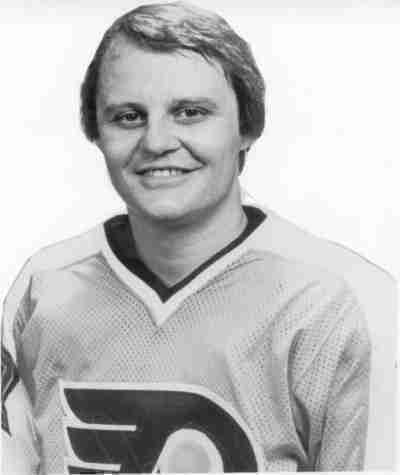
Bill Barber was converted to Left Wing from his Center position by Philadelphia Flyers Head Coach, Fred Shero. As it turned out, the move put him on a first line with Bobby Clarke, and Barber never looked back. He was a strong player who was punishing when he needed to be (he was a member of the Broad Street Bullies after all), was offensively skilled…
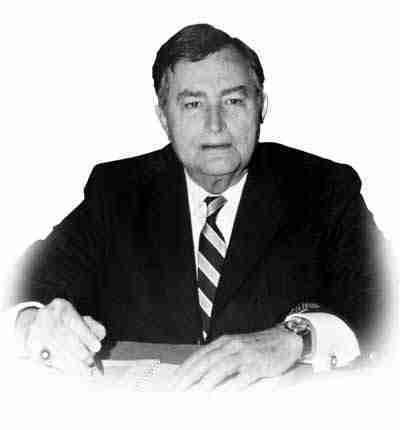
The son of Hockey Hall of Fame inductee, Charles Adams, Weston Adams took over from his father as the President of the Boston Bruins in 1936 and oversaw the team’s two Stanley Cup wins in 1939 and 1941. Adams served his country in World War II, and his franchise’s fortunes were not the same without Adams at the helm. He would reclaim his spot as team…
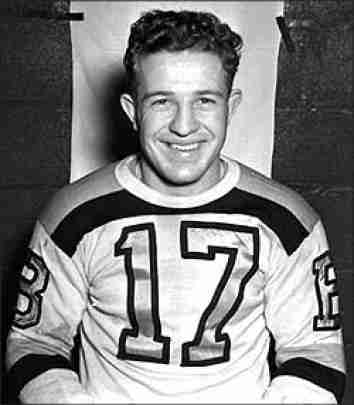
Despite his relatively short NHL career, we like the Veteran’s Committee induction of Bobby Bauer. He only had seven complete seasons in the National Hockey League, but his prime was taken away from his as he participated in World War II. He spent his professional career with the Boston Bruins, and was a member of the famed “Kraut Line” with Woody Dumart & Milt Schmidt…
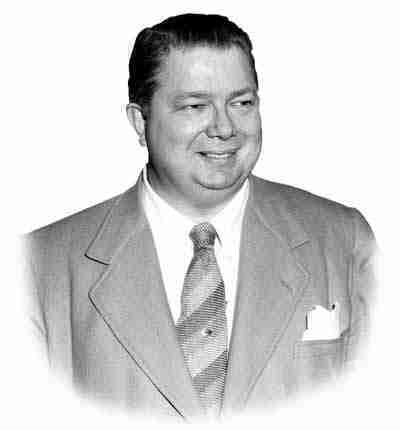
More than anything, we get a kick out of an entry to the Hockey Hall of Fame being born in the West Indies. That selection, Jim Hendy also stands out in the Hall, as his Hockey related work did not happen on the ice, or behind a bench. It took place mostly with his pen and a calculator.
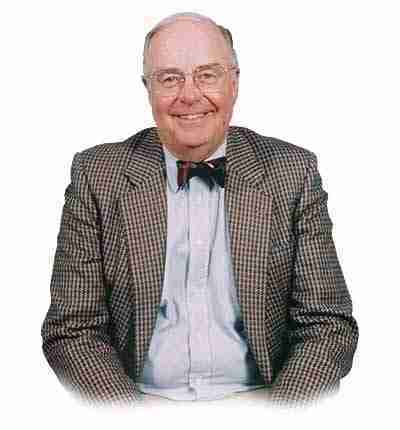
Bill Torrey brought the expansion New York Islanders to prominence far faster than anyone would have thought. The former GM of the Oakland Seals, found a real home on Long Island and methodically built a team from the draft and acquired young talent who would grow into a dynasty. It is not a misrepresentation to say that Torrey built the team from scratch. He was…
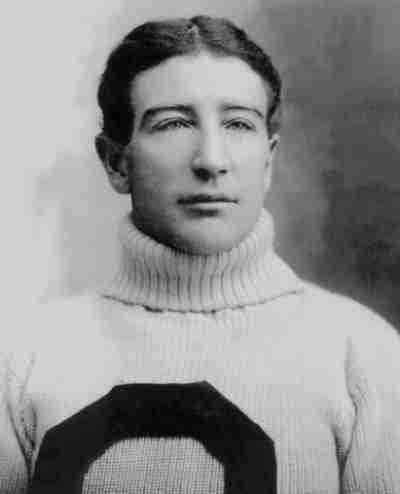
As the eldest of the Smith family of Hockey players from Ottawa, Alf Smith had a bit of a rough road to the Hall of Fame. Smith started his career in the 1890’s but was declared ineligible for amateur contests and did not play in what was likely his prime. He would however reclaim his eligibility and had his most famed years as the Player/Coach of…
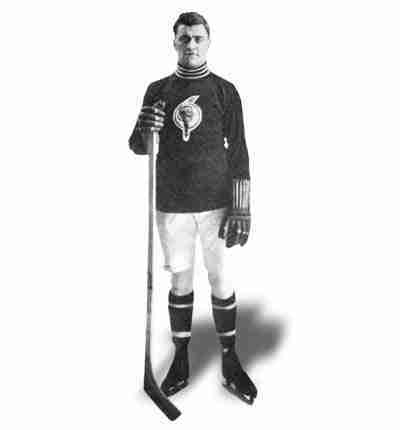
A large and rugged defenseman, George McNamara bounced around many teams pounding down offensive threats in his end. McNamara helped the Toronto Blueshirts win the Stanley Cup in 1914 and had it not been for his participation in World War I, may have won more. With that said, and with all due respect to McNamara, his induction would not have been missed had it not occurred.
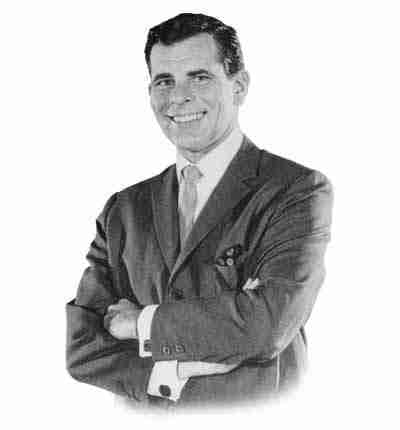
Let’s talk about the good first. Bill Wirtz took over a lot of the operations of the Chicago Blackhawks in the late 50’s and the Hawks won a Stanley Cup in 1961. He would become the team President, and though Chicago did not win another Cup that decade, they remained a competitive and stacked franchise. Wirtz also served on numerous committees including the NHL Expansion, the…
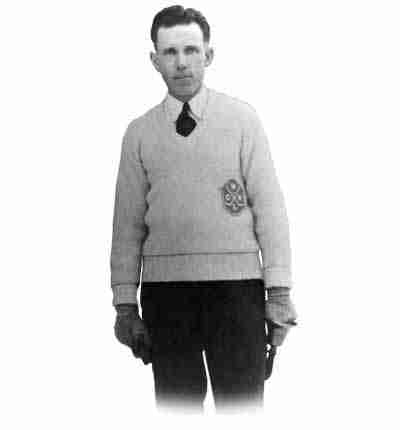
Angus Daniel Campbell was the founder of the Northern Ontario Hockey Association which helped to grow the sport in the region. He would branch it with the Ontario Hockey Association and he would serve as an executive with both organizations. Many future hockey players from the Northern Ontario region owe a debt to Campbell.
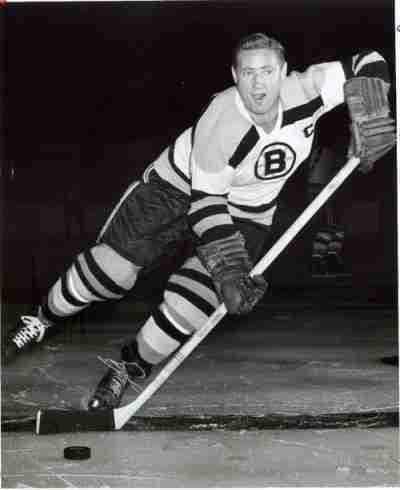
This is actually the first Veteran Category induction we like. Fern Flaman was a rough and tumble Defenceman with hard hitting acumen that made him one of the better blueliners of the 1950’s. Flaman entered the NHL early at the age of 18 when World War II thinned the ranks, but he proved he was there to stay when the big boys returned. He was…