

The Pro Football Hall of Fame Revisited Project: 1987 Final VOTE

1987 Pro Football Hall of Fame Revisited Project Class.
Here we are! Again!!
If you have been following our Pro Football Hall of Fame Revisited Project, you know we have asked the question: What if the PFHOF had begun in January 1946?
After soliciting and obtaining a passionate group of football fans and historians, we sent out a ballot for a Preliminary Vote, in which each voter selected 25 names as their semi-finalists and 5 names for the Senior Pool. We then asked the group to vote for their 15 Finalists in the Modern Era and 3 in the Senior Category. The final stage was to vote for their five Modern Era inductee and one Senior inductee.
This is the result of the 42nd official class.
Below are the final results of this project based on 35 votes.
Remember that we have reverted back to the top five candidates entering the Hall in the Modern Era
This is for the “Modern Era”
*Bold indicates they have been elected to the Pro Football Hall of Fame Revisited Class of 1987:
|
Player |
Year of Eligibility |
Vote Total |
|
Joe Greene DT |
1 |
30 |
|
Alan Page DT |
1 |
29 |
|
Mick Tingelhoff C |
4 |
19 |
|
Gene Upshaw G |
1 |
18 |
|
Nick Buoniconti LB |
6 |
12 |
|
Ken Houston DB |
2 |
11 |
|
Bob Hayes SE-WR |
7 |
9 |
|
Tommy Nobis LB |
6 |
8 |
|
Rayfield Wright T-TE |
3 |
8 |
|
Larry Csonka FB |
3 |
7 |
|
Bob Griese QB |
2 |
7 |
|
Jackie Smith TE |
4 |
5 |
|
Larry Little FB |
2 |
5 |
|
Jim Langer C |
1 |
4 |
|
Dave Robinson LB |
8 |
3 |
|
Tom Mack G |
4 |
3 |
This is for the “Senior Era”,
*Bold indicates they have been elected to the Pro Football Hall of Fame Revisited Class of 1987.
|
Buckets Goldenberg G-BB |
17 |
12 |
|
Charlie Conerly QB |
1 |
8 |
|
Pat Harder FB |
9 |
7 |
|
None of the Above |
N/A |
8 |
This is for the “Coaches/Contributors”,
*Bold indicates they have been elected to the Pro Football Hall of Fame Revisited Class of 1987.
|
George Allen (Coach) |
8 |
16 |
|
Ed Sabol (Filmmaker) |
4 |
14 |
|
Wellington Mara (Owner) |
1 |
4 |
|
None of the Above |
|
1 |
About the 1987 Inductees:
Joe Greene, DT, PIT 1969-81: Inducted in the Pro Football Hall of Fame Revisited Project in 1987 on his 1st Ballot. Inducted into the actual Pro Football Hall of Fame in 1987.
Playing his college ball at North Texas, the Steelers drafted Joe Greene with the number 4 pick, and he was the player around whom the Steel Curtain was built. You can take it a step further and say that everything changed when Greene and Head Coach Chuck Noll arrived in 1969, as, despite the Steelers' longevity, they had never won a Championship.
The Steelers had no winning culture, and Greene had said in past interviews that he was not happy to have been drafted by Pittsburgh. The wins did not come in his rookie year, as Pittsburgh had only one "W," but Greene was a bright spot, named to the Pro Bowl and the Defensive Rookie of the Year.
The Steelers acquired more talent through the draft, and by 1972, they assembled one of the most dominating defensive lines ever. The Steel Curtain had arrived, and they were now Super Bowl contenders. Greene won the 1972 Defensive Player of the Year Award, and two years later, he did so again, but it was a far more special year for Mean Joe.
The Steelers lived up to their promise by winning the Super Bowl that year, and they did so again the season after. The Steelers' defense remained the most vaunted unit in football, and with Greene as their leader, they won two more Super Bowls before the decade closed out.
Injuries compiled on the Defensive Tackle, and he retired after the 1981 season with 78.5 "unofficial tackles" and 10 Pro Bowl Selections. Greene led by example, often without saying a word, and it is not without merit to say that, if it were not for Greene, the Steelers wouldn't be the Steelers.
Greene entered the Pro Football Hall of Fame in his first year on the ballot, and 30 years later was named to the Steelers Hall of Honor. Greene is also one of two legendary Steelers whose numbers have been retired.
Alan Page, DT, MIN 1967-78 & CHI 1978-81: Inducted in the Pro Football Hall of Fame Revisited Project in 1987 on his 1st Ballot. Inducted into the actual Pro Football Hall of Fame in 1988.
Alan Page was a National Champion and Consensus All-American at Notre Dame and achieved a level of collegiate success that places him in the top 1%. He breached the same level as an NFL Player.
The Minnesota Vikings chose Page with the 15th Overall Pick in 1967, and the Defensive Tackle began a nine-year run of Pro Bowls as a sophomore. Page became the heart of the Vikings’ “Purple People Eaters” Defense and their top pass rusher. Leading his team to four Super Bowl appearances, Page was a six-time First Team All-Pro, and in 1971, he made history as the first defensive player to win the MVP. He also led the NFL in Approximate Value three years in a row (1969-71).
Page would close his career with three-and-a-half seasons with the Chicago Bears.
Mick Tingelhoff, C, MIN 1962-78. Inducted in the Pro Football Hall of Fame Revisited Project in 1987 on his 4th Ballot. Inducted into the actual Pro Football Hall of Fame in 2015.
Undrafted in 1962 from Nebraska, Tingelhoff took over as the Vikings' starting center and never missed a game in 240 contests, starting every one. The former Cornhusker began a six-year streak of Pro Bowls in 1964, with five of them earning him a First Team All-Pro Selection. With Tingelhoff anchoring the Vikings' line, Minnesota won ten Division Titles and made it to four Super Bowls
Minnesota retired his number 53 and named him to their Ring of Honor.
Gene Upshaw, G, OAK, 1967-81. Inducted in the Pro Football Hall of Fame Revisited Project in 1987 on his 1st Ballot. Inducted into the actual Pro Football Hall of Fame in 1987.
One of the greatest Offensive Guards in Football history, Gene Upshaw, was the first player in football history to appear in Super Bowls in three different decades.
A First Round Pick from Texas A&M in 1967, Upshaw immediately became the Raiders' starting Left Guard, and he remained so until he retired after the 1981 Season. Upshaw was a dominating presence in the Raiders’ Offensive Line, starting a whopping 207 Games, and for a decade-plus in the conversation for the NFL’s best blocker. The Raiders went to three Super Bowls with Upshaw, winning two (XI & XV), and the lineman won five First Team All-Pro honors.
Nick Buoniconti, TE, DET 1968-77. Inducted in the Pro Football Hall of Fame Revisited Project in 1987 on his 6th Ballot. Inducted into the actual Pro Football Hall of Fame in 2001.
Very few Linebackers owned Nick Buoniconti’s combination of intensity, instinct, and football I-Q, and it was all completed in an undersized 5-foot-11, 220 Pound package.
Drafted by the Boston Patriots in the 13th round of the 1962 AFL draft. During his seven seasons with the Patriots, he quickly became a star, earning six AFL All-Star selections and recording 24 interceptions. He was traded to the Miami Dolphins in 1969, where he became the captain and emotional leader of the legendary "No-Name Defense." Buoniconti anchored the Dolphins' defense during their dominant run, which included three consecutive Super Bowl appearances and the NFL's only perfect 17-0 season in 1972. He retired in 1976 as an eight-time Pro Bowler and a two-time Super Bowl champion.
George Allen, Coach, RAM 1966-70 & WAS 1971-77. Inducted in the Pro Football Hall of Fame Revisited Project in 1987 on his 8th Coach/Contributor Ballot. Inducted into the actual Pro Football Hall of Fame in 2002.
George Allen was a transformative NFL head coach best known for his ability to immediately turn struggling franchises into contenders through his "The Future Is Now" philosophy, which prioritized trading draft picks for experienced veterans. Over a 12-season head coaching career with the Los Angeles Rams (1966–1970) and Washington Redskins (1971–1977), Allen never suffered a losing season, compiling a formidable regular-season record of 116–47–5. His intense, detail-oriented approach—which included a defensive background and pioneering emphasis on special teams—led Washington to an appearance in Super Bowl VI.
Our All Time Top 50 Pittsburgh Steelers have been revised to reflect the 2025 Season

Yes, we know that this is taking a while!
As many of you know, we at Notinhalloffame.com are slowly generating the top 50 of each major North American sports team. That being said, we maintain and update our existing Top 50 lists annually. As such, we are delighted to present our post-2024 revision of our top 50 Pittsburgh Steelers.
As for all of our top 50 players in football, we look at the following:
1. Advanced Statistics.
2. Traditional statistics and how they finished in the National Football League.
3. Playoff accomplishments.
4. Their overall impact on the team and other intangibles that are not reflected in a stat sheet.
Last year, the Steelers had a good season, finishing 10-7, but were taken out in the opening round by the Buffalo Bills. There were two elevations on our Top 50.
As always, we present our top five, which remain unchanged.
1. Joe Greene
2. Jack Lambert
3. Mike Webster
4. Franco Harris
5. Jack Ham
You can find the entire list here.
Superstar T.J. Watt moved up one spot to #12.
The second elevation was Cameron Heyward, who moved to #15 from #19.
We thank you for your continued support of our lists on Notinhalloffame.com.
Our All-Time Top 50 Pittsburgh Steelers Have Been Revised to Reflect the 2023 Season
Yes, we know that this is taking a while!
As many of you know, we at Notinhalloffame.com are slowly generating the top 50 of each major North American sports team. That being said, we have existing Top 50 lists and consistently look to update them when necessary and based on necessity. As such, we are delighted to present our post-2023 revision of our top 50 Pittsburgh Steelers.
As for all of our top 50 players in football, we look at the following:
1. Advanced Statistics.
2. Traditional statistics and how they finished in the National Football League.
3. Playoff accomplishments.
4. Their overall impact on the team and other intangibles that are not reflected in a stat sheet.
Last year, the Steelers made the playoffs but were eliminated in the first round. They had no new entrants in the Top 50 but two major elevations.
As always, we present our top five, which saw no changes:
1. Joe Greene
2. Jack Lambert
3. Mike Webster
4. Franco Harris
5. Jack Ham
You can find the entire list here.
T.J. Watt, the Former Defensive Player of the Year, last year’s runner-up, and Sack Leader rocketed to #12 from #28.
Cameron Heyward, a six-time Pro Bowl Defensive End moved to #19 from #22.
We thank you for your continued support of our lists on Notinhalloffame.com.
Our All-Time Top 50 Pittsburgh Steelers have been revised to reflect the 2022 Season

Yes, we know that this is taking a while!
As many of you know, we here at Notinhalloffame.com are slowly generating the 50 of each major North American sports team. That being said, we have existing Top 50 lists out and we always consistently look to update them when we can and based on necessity. As such, we are very happy to present our post 2022 revision of our top 50 Pittsburgh Steelers.
As for all of our top 50 players in football we look at the following:
1. Advanced Statistics.
2. Traditional statistics and how they finished in the National Football League.
3. Playoff accomplishments.
4. Their overall impact on the team and other intangibles not reflected in a stat sheet.
Last year, the Steelers were unable to make the playoffs, but they had two defensive players that made significant jumps on the list.
As always, we present our top five, which was not affected by the last season:
1. Joe Greene
2. Jack Lambert
3. Mike Webster
5. Jack Ham
You can find the entire list here.
Defensive End, Cameron Hayward, advances six spots to #22. He enters 2023 on a six-year Pro Bowl streak.
Former Defensive Player of the Year, T.J. Watt, moved to #28 from #33. He added another Pro Bowl last season.
We welcome your input and comments and as always, we thank you for your support.
Our All-Time Top 50 Pittsburgh Steelers are now up
Yes, we know that this is taking a while!
As many of you know, we here at Notinhalloffame.com are slowly generating the 50 of each major North American sports team. We have a new one to unveil today, that of the Pittsburgh Steelers.
There are many that feel that the Pittsburgh Steelers really did not begin until the 1970s, but of course, that isn't true.
The origin of the Steelers dates all the way back in 1933, and they are the seventh oldest NFL franchise in existence. They made the playoffs in 1947, but that was the only time they made it to a post-season from 1933 to 1971. The Steelers would then become the power of the AFC, winning four Super Bowls in the 1970s, primarily on the strength of their potent "Steel Curtain" defense.
Their 70s success made them one of the most popular teams in the game, a status that they maintain today. Pittsburgh never had another dynasty, but they did have success winning two more Super Bowls this millennium, giving them six, which is tied with the New England Patriots for the most.
1. Advanced Statistics.
2. Traditional statistics and how they finished in the NFL.
3. Playoff accomplishments.
4. Their overall impact on the team and other intangibles not reflected in a stat sheet.
Remember, this is ONLY based on what a player does on that particular team and not what he accomplished elsewhere and also note that we have placed an increased importance on the first two categories.
This list is updated up until the end of the 2019 Season.
The complete list can be found here, but as always, we announce our top five in this article. They are:
1. Joe Greene
2. Jack Lambert
3. Mike Webster
5. Jack Ham
We will continue our adjustments on our existing lists and will continue developing our new lists.
Look for our more material coming soon!
As always, we thank you for your support.
1. Joe Greene
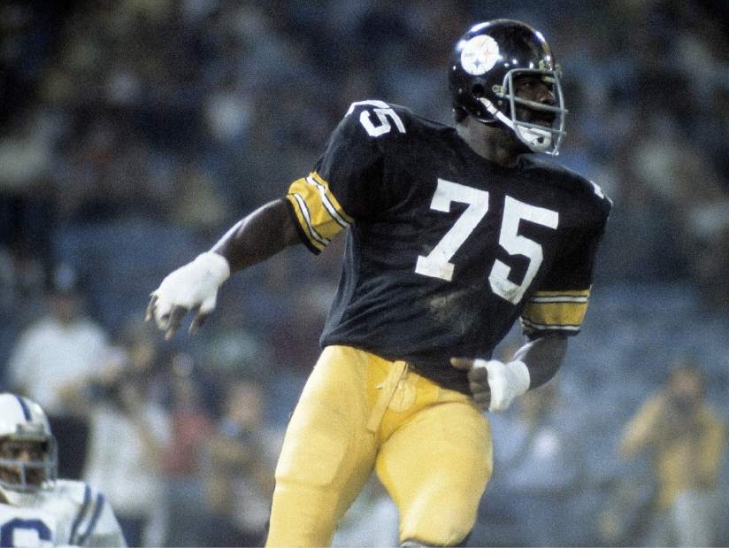
When many publications or blogs come up with "Mean" Joe Greene as the greatest Pittsburgh Steeler of all-time, they seem to make the selection seem so any. We came up with Greene as our top player in franchise history, but it was a struggle with many legends who could have easily been placed at number one. One thing above all else, though, is when you think of what embodies a Steeler, it is hard to come up with a better man than Greene.
The Missouri Valley Conference announces their 2021 Class
Regular visitors of Notinhalloffame.com know that we are slowly working on the top 50 of every major team in the NHL, NBA, NFL and MLB. Once that is done, we intend to look at how each team honor their past players, coaches and executives. Eventually, we are going to get to that of the Division I schools, and conferences. As such, it is news to us that the Missouri Valley Conference has announced their Hall of Fame Class of 2021.
This is the 24thHall of Fame Class for the Conference, and due to COVID-19, there will be no physical ceremony, nor any modern candidate, as all of these inductees are classified as “Veteran Candidates”.
The eight new members are:
Maurice Cheeks, West Texas State, Men’s Basketball, 1974-78: Cheeks started all four years at West Texas State, and was an All-MVC player three times. He tallied 1,127 Points, and averaged 16.8 Points per Game as a Senior. Cheeks later had a successful career in the NBA where he was a four-time All-Star, four-time First Team All-Defensive player and was a champion with the Philadelphia 76ers in 1983. His number was retired by the Sixers and he was named to the Naismith Basketball Hall of Fame in 2018.
Joe Greene, North Texas, Football, 1966-68: Greene was a three-time All-MVC Selection and his squad went a combined 23-5-1 with him on the field. An All-American in 1968, Greene went on to play professionally for the Pittsburgh Steelers where he was a Rookie of the Year, two-time Defensive Player of the Year, 10-time All-Pro and four-time Super Bowl winner. Greene is also a member of both the College and Pro Football Hall of Fame.
Clark W. Hetherington, Missouri, Administrator: Hetherington was the Missouri’s Athletic Director from 1900 to 1910, and helped broker what is now the MVC.
James Naismith, Kansas, Administrator: Yes, that James Naismith. Naismith is the man who invented basketball, and was the first coach of the Jayhawks program (1898-1907), and he would later be a Professor at Kansas. Following his tenure as a Professor, Naismith became their Athletic Director from 1919 to 1937.
Tara Oltman, Creighton, Softball, 2007-10: Oltman was an All-MVC in all four of her years, and was a three-time MVC Pitcher of the Year. She holds the conference records for Wins (118), Strikeouts (1,086) and Innings (1,064), and she led the Blue Jays to three NCAA Tournament Appearances.
F. Morgan Taylor, Grinnell, Track & Field, 1926: Taylor was also an Olympian who won the Gold Medal in the 400-meter hurdles at the 1924 Games in Paris. Taylor still holds the school record in the long jump.
Tom Thacker, Cincinnati, Men’s Basketball, 1960-63: Thacker was a starter on Cincinnati’s 1961 and 1962 NCAA Championship Teams, and he was a three-time All-Conference Selection and a Second Team All-American. He would later have a seven-year pro career, winning an NBA Title with Boston and an ABA Title with Indiana. Those titles made Thacker the only player to win a title in the NCAA, NBA and ABA.
Connie Yori, Creighton, Women’s Basketball, 1982-86 & Coach (1992-02): Yori scored 2,010 career Points and would later be the MVC Coach of the Year in 2002. She would later have her number retired.
The MVC is currently comprised of Bradley, Drake, Evansville, Illinois State, Indiana State, Loyola, Missouri State, Northern Illinois, Southern Illinois and Valparaiso.
We here at Notinhalloffame.com would like to congratulate the eight new members of the Missouri Valley Conference Hall o Fame.
Awards=HOF? Part Thirty-EIght: The NFL Defensive Player of the Year
We here at Notinhalloffame.com thought it would be fun to take a look at the major awards in North American team sports and see how it translates into Hall of Fame potential.
Needless to say, different awards in different sports yield hall of fame potential. In basketball, the team sport with the least number of players on a roster, the dividend for greatness much higher. In baseball, it is not as much as a great individual season does not have the same impact.
Since we just did the NFL Offensive Player of the Year, the natural for us to look the Defensive Player of the Year Award. Unlike the OPOY, this was created a year earlier in 1971, but it will it generate the same level of Hall of Famers?
Let’s find out!
The following are the past players who have won the AP Defensive Player of the Year in the NFL who are eligible for the Pro Football Hall of Fame and have been enshrined.
Alan Page, Minnesota Vikings, Defensive Tackle(1971)
A great place to start for this award is the “Purple People Eaters”, so this begins with Alan Page. Playing at Defensive Tackle, 1971 was the third of three straight First Team All-Pro Selections and league lead in Approximate Value. As the first AP Defensive Player of the Year, he also became the first to win both the DPOY and the AP MVP Award. Afterwards, Page began another three-year run of First Team All-Pro Selections in 1973. Inducted into the Hall of Fame in 1988.
Joe Greene, Pittsburgh Steelers, Defensive Tackle (1972)
“Mean” Joe Greene was going to his fourth Pro Bowl in 1972 and this year he began his first of three consecutive First Team All-Pros. He had 11 “unofficial” Sacks and this was also the season that the Steelers had truly established themselves as Super Bowl contenders. That doesn’t happen without Greene. Inducted into the Hall of Fame in 1987.
Joe Greene, Pittsburgh Steelers, Defensive Tackle (2) (1974)
Greene becomes the first repeat winner of the Defensive Player of the Year and it was also his third of three consecutive First Team All-Pro Selections. “Mean” Joe and the Steelers dynasty would also win the first of what would be four Super Bowls in the 1970s. Inducted into the Hall of Fame in 1987.
Mel Blount, Pittsburgh Steelers, Cornerback (1975)
A Steeler wins this for the second year in a row, and you can see how the “Steel Curtain” defense was the best in football. This year’s winner was Mel Blount, who at Cornerback had a league leading 11 Interceptions and would be named a First Team All-Pro. He would earn that honor again in 1981. Blount and the Steelers won their second Super Bowl that year. Inducted into the Hall of Fame in 1989.
Jack Lambert, Pittsburgh Steelers, Linebacker (1976)
You know that you had one of the greatest defensive corps ever when you win the DPOY in three different seasons with three different players! Oh, and all of them went to the Pro Football Hall of Fame! The third straight Steeler was Jack Lambert, who was a six-time First Team All-Pro and this was his first one. Like Greene and Blount, Lambert would help Pittsburgh win four Super Bowls. Inducted into the Hall of Fame in 1989.
Lee Roy Selmon, Tampa Bay Buccaneers, Defensive End (1979)
Lee Roy Selmon was one of the only things that the Bucs had in their early days. Drafted 1stOverall in 1976, Selmon broke out in 1979 with his DPOY year and would begin a sting of six straight Pro Bowls. Selmon was forced to retire in 1984 due to back issues. Inducted into the Hall of Fame in 1995.
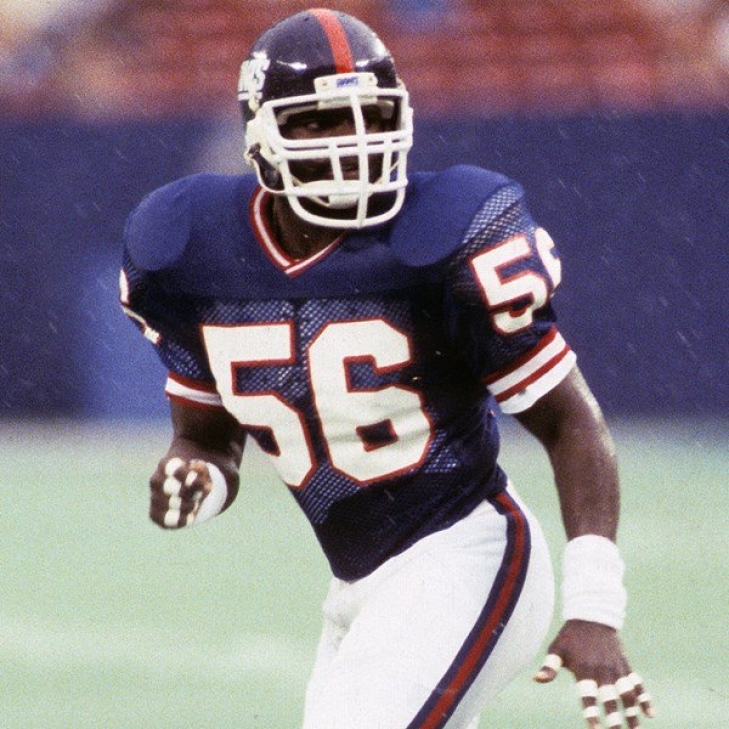
Lawrence Taylor, New York Giants, Linebacker (1981)
Lawrence Taylor changed Linebacking forever and he was by far the most dominating defensive player of the 1980s. L.T. became the first player to win the Defensive Rookie of the Year in the same season as winning the DPOY. He would also begin his streak of 10 straight Pro Bowls. Inducted into the Hall of Fame in 1999.
Lawrence Taylor, New York Giants, Linebacker (2) (1982)
Taylor repeated winning the DPOY, making him the first player to win the award twice in his first two years. The Linebacker was also named a First Team All-Pro for the second of what would be eight times. Inducted into the Hall of Fame in 1999.
Kenny Easley, Seattle Seahawks, Strong Safety (1984)
The career of Kenny Easley spanned only seven seasons and this was right smack dab in the middle of it. Easley was on his second of three straight First Team All-Pros and this was also his third of five Pro Bowls. He would finish first in Interceptions with 10 this year. Inducted into the Hall of Fame in 2017.
Mike Singletary, Chicago Bears, Linebacker (1985)
Mike Singletary was an absolute star on the Bears Defense and this was the year of the “Super Bowl Shuffle”. Singletary was in his third of what would be ten consecutive Pro Bowls and he was also awarded his second of six straight First Team All-Pros. Inducted into the Hall of Fame in 1998.
Lawrence Taylor, New York Giants, Linebacker (3) (1986)
This is arguably the greatest defensive season by any player in the history of the National Football League. Taylor would also win the AP MVP, PFWA MVP and the Bert Bell Award. He would lead the league in Sacks with 20.5 and this was his sixth of eight First Team All-Pro Selections. The Giants would win Super Bowl XXI that year. Taylor would become the first player to win the DPOY three times. Inducted into the Hall of Fame in 1999.
Reggie White, Philadelphia Eagles, Defensive End (1987)
The “Minister of Defense” was on year two of his six-year run as a First Team All-Pro. White was a beast on the pass rush where he would have a career-high of 21.0 Quarterback Sacks, which led the NFL. White’s 21 Sacks were especially impressive considering he did that in 12 Games. Inducted into the Hall of Fame in 2006.
Mike Singletary, Chicago Bears, Linebacker (2)(1988)
Singletary’s run of dominance continues with his fifth of seven First Team All-Pros, and his sixth of ten straight Pro Bowls. He would equal his career-high of 18 in Approximate Value. Inducted into the Hall of Fame in 1998.
Bruce Smith, Buffalo Bills, Defensive End (1990)
This was Smith’s third First Team All-Pro Selection and he was also coming off of his fourth Pro Bowl. Smith secured 19.0 Sacks for the Bills and this was the year that began four consecutive trips to the Super Bowl. Inducted into the Hall of Fame in 2009.
Cortez Kennedy, Seattle Seahawks, Defensive Tackle (1992)
Kennedy’s DPOY win came early in his career and it began a three-year streak of First Team All-Pro Selections. The Defensive Tackle would spend his entire career with the Seattle Seahawks and would go to eight Pro Bowls, this being his second. He would have a career-high 14.0 Sacks this year. Inducted into the Hall of Fame in 2012.
Rod Woodson, Pittsburgh Steelers, Cornerback (1993)
Woodson was on year five of a six-year stretch of consecutive Pro Bowls and he would go to 11 in total. The Cornerback was also chosen for his fourth of what turned out to be six First Team All Pros. Eight of his 71 Interceptions would happen in 1993. Woodson would later win a Super Bowl with the Baltimore Ravens. Inducted into the Hall of Fame in 2009.
Deion Sanders, San Francisco 49ers, Cornerback(1994)
After five years with the Atlanta Falcons, Deion Sanders signed with the San Francisco 49ers and would play there for only one season, and what a year it was! Sanders secured his third straight First Team All-Pro, fourth consecutive Pro Bowls and would lead the NFL in Interception Return Yards (303). He also helped San Francisco win the Super Bowl. Following this, Sanders won another Super Bowl with Dallas and went to another four Pro Bowls and as chosen for three more First Team All-Pros. Inducted into the Hall of Fame in 2011.
Bruce Smith, Buffalo Bills, Defensive End (2) (1996)
The Bills were no longer the AFC kings, but were still a playoff team, much of which could be attributed to Bruce Smith. The Defensive End would be named to his fourth of five straight First Team All-Pros and this was his eighth of none. He would have 13.5 Sacks and would lead the NFL in Forced Fumbles with five. Smith also went to 10 Pro Bowls over his career. Inducted into the Hall of Fame in 2009.
Reggie White, Green Bay Packers, Defensive End (2) (1998)
Reggie White won his second Defensive of Player of the Year 11 years after he won his first one making this the largest gap for this award. White was a great player in between those two wins. White won his Super Bowl with Green Bay two years prior and 1998 was the end of an era as this ended his run of 13 straight Pro Bowls and this was his eighth and final First Team All-Pro. White retired after but returned for one more year with the Carolina Panthers. Inducted into the Hall of Fame in 2006.
Warren Sapp, Tampa Bay Buccaneers, Defensive Tackle (1999)
1999 would usher in a four-year run of First Team All-Pros and this was year three of seven consecutive Pro Bowls. He would record 12.5 Quarterback Sacks this year. Sapp would later anchor the Bucs to a win at Super Bowl XXXVII. Inducted into the Hall of Fame in 2013.
Ray Lewis, Baltimore Ravens, Defensive Tackle (2000)
This was an incredible year for Ray Lewis who would lead the NFL in Approximate Value (23) and led the potent Ravens defense to their Super Bowl win. Lewis was untouchable this year. Inducted into the Hall of Fame in 2018.
Michael Strahan, New York Giants, Defensive End (2001)
Michael Strahan would set the single season Sack record of 22.5 and he also led the NFL in Forced Fumbles (6). This was his third of four First Team All-Pros for Strahan who would play his entire career with the Giants. He would later win the Super Bowl in the 2007 season. Inducted into the Hall of Fame in 2014.
Derrick Brooks, Tampa Bay Buccaneers, Linebacker(2002)
Derrick Brooks went to 11 Pro Bowls and this year was his sixth. In terms of First Team All-Pro Selections, this was number three of five. The powerful Linebacker led the Bucs to a Super Bowl this year. Inducted into the Hall of Fame in 2014.
Ray Lewis, Baltimore Ravens, Defensive Tackle (2) (2003)
This was the second and last DPOY win for Ray Lewis but he had a lot left to accomplish in a career spent exclusively with Baltimore. 2003 would see Lewis go to his fourth of seven First Team All-Pros and it was also his sixth of 13 Pro Bowls. He would win another Super Bowl with the Ravens in his final year in 2012. Inducted into the Hall of Fame in 2018.
Ed Reed, Baltimore Ravens, Free Safety (2004)
For the second straight year, the Baltimore Ravens had a Defensive Player of the Year winner, and following Ray Lewis we have Ed Reed. Reed would lead the NFL in Interceptions three times, this being the first one and he would also finish first in Interception Return Yards. This was Reed’s first of what would be five First Team All-Pros and he would also go to nine Pro Bowls over his career. Inducted into the Hall of Fame in 2019.
Brian Urlacher, Chicago Bears, Linebacker (2005)
Brian Urlacher was selected for four First Team All-Pros with 2005 being his third. The Linebacker had 6.0 Sacks and 121 Tackles and was a Pro Bowler for the fifth time. He would be chosen for three more after in a career that remained in Chicago. Inducted into the Hall of Fame in 2018.
Jason Taylor, Miami Dolphins, Defensive End (2006)
Jason Taylor went to three First Team All-Pros and this was his third year. He would also be a six-time Pro Bowl Selection and would have 139.5 Sacks in his career. He would have 13.5 of them this year. Inducted into the Hall of Fame in 2017.
The following are the players who have won the AP Defensive Player of the Year in the NFL who are eligible for the Pro Football Hall of Fame and have not been selected:
Dick Anderson, Miami Dolphins, Free Safety (1973)
This was the third time that Anderson would have a season of 8 Interceptions, but the first time that he led the NFL in that category. The Free Safety and member of Miami’s “No Name Defense” has won their second straight Super Bowl this year, and this was also his second straight First Team All-Pro Selection. Unrankedon Notinhalloffame.com.
Harvey Martin, Dallas Cowboys, Defensive End (1977)
Harvey Martin went to four straight Pro Bowls, and 1977 was the best of that stretch (1976-79). The Defensive End would earn First Team All-Pro accolades. That year was magical for Martin as he would help Dallas win the Super Bowl and was the Co-MVP with Randy White. Unrankedon Notinhalloffame.com.
Randy Gradishar, Denver Broncos, Linebacker (1978)
Randy Gradishar was the leader of the “Orange Crush” Defense of the Broncos and he was on his second straight First Team All-Pro Selection. This would be the third of seven Pro Bowl Selections for Gradishar. Ranked #4 on Notinhalloffame.com.
Lester Hayes, Oakland Raiders, Cornerback (1980)
Hayes was in his fourth year with the Raiders, and this was his first of five straight Pro Bowls. Hates, who was also a First Team All-Pro also led the league in Interceptions (13) and Interception Return Yards (273). The Raiders would win the Super Bowl that year, and three years later he helped them win it all again. Ranked #25 on Notinhalloffame.com.
Doug Betters, Miami Dolphins, Defensive End (1983)
Doug Betters is the unlikeliest Defensive Player of the Year winner ever. This is not because he the career Miami Dolphin didn’t earn it. He did, it is just that he never played nearly as good before or after in 1983. This was the only season where he went to the Pro Bowl, was an All-Pro and had an Approximate Value that was higher than 8. It was 20 by the way in 1983! He recorded 16.0 Sacks that year. Unrankedon Notinhalloffame.com.
Keith Millard, Minnesota Vikings, Defensive Tackle (1989)
Millard would have two great years in his career (the second in 1988) and this was the first of them. Millard would have 18.0 Sacks and would lead the league in Approximate Value the season before with 20. This would be also one of two seasons where he was a First Team All-Pro. Unrankedon Notinhalloffame.com.
Pat Swilling, New Orleans Saints, Linebacker (1991)
Swilling was a First Team All-Pro this year and would be again the year after. This was his third of five Pro Bowls and in 1991 he would lead the NFL in Quarterback Sacks (17.0) and Approximate Value (23). Ranked #77 on Notinhalloffame.com.
Bryce Paup, Buffalo Bills, Linebacker (1995)
Paup was in his first season in Buffalo, and it was easily his best one. The Outside Linebacker led the NFL in Quarterback Sacks with 17.5 and he was a Pro Bowl Selection four times. This was his only First Team All-Pro nod. Unranked on Notinhalloffame.com.
Dana Stubblefield, San Francisco 49ers, Defensive Tackle (1997)
Stubblefield was the Defensive Rookie of the Year in 1993, won the Super Bowl in 1994 and won the DPOY in 1997. This year, he would earn his only First Team All-Pro and land his third Pro Bowl. Stubblefield would play six more seasons in the NFL but never had a season close to this again. Unranked on Notinhalloffame.com.
Bob Sanders, Indianapolis Colts, Strong Safety(2007)
When you look at the career of Bob Sanders, you would see that he had only two full seasons; this was the second of them. The Strong Safety was a First Team All-Pro for the second and last time in his career and he would be a Super Bowl Champion in 2005. Overall, his career was inconsistent, and he will go down as one of the more unlikely winners of the Defensive Player of the Year Award. Unranked on Notinhalloffame.com.
Troy Polamalu, Pittsburgh Steelers, Strong Safety (2010)
By 2010, Polamalu had already helped the Steelers win two Super Bowls. The Strong Safety would go his third First Team All-Pro of what would be four, and this would be also his seventh of eight Pro Bowls. He would have seven Interceptions with 63 Tackles this year. Ranked #8 on Notinhalloffame.com.
Let’s update our tally, shall we?
|
Award in Question |
Percentage of recipients who have entered the HOF |
Percentage of recipients by year who have entered the HOF. |
|
NBA MVP |
100% |
100% |
|
NHL Norris |
90.5% |
96.4% |
|
NBA All Star Game MVP |
89.5% |
91.7% |
|
NHL Conn Smythe |
74.2% |
85.4% |
|
NFL AP Offensive Player of the Year |
73.1% |
79.4% |
|
NHL Lady Byng |
63.8% |
76.0% |
|
NFL Defensive Player of the Year |
60.8% |
71.1% |
|
NFL Super Bowl MVP |
60.6% |
64.9% |
|
NBA Defensive Player of the Year |
58.3% |
56.5% |
|
NBA Rookie of the Year |
56.5% |
56.5% |
|
NFL Pro Bowl MVP |
52.3% |
54.8% |
|
MLB Lou Gehrig Award |
51.9% |
51.9% |
|
MLB Roberto Clemente Award |
47.4% |
47.4% |
|
MLB/NL/AL Cy Young Award |
44.4% |
55.4% |
|
MLB Babe Ruth Award |
37.0% |
39.3% |
|
NHL Frank J. Selke Trophy |
33.3% |
36.7% |
|
MLB Hutch Award |
33.1% |
33.1% |
|
NFL Offensive Rookie of the Year |
28.6% |
28.6% |
|
MLB Edgar Martinez Award |
26.7% |
17.2% |
|
MLB (NL/AL) Silver Slugger (Designated Hitter) |
25.0% |
30.8% |
|
MLB (NL/AL) Silver Slugger (Shortstop) |
23.5% |
52.6% |
|
MLB (NL/AL) Gold Glove |
21.7% |
36.8% |
|
NFL Defensive Rookie of the Year |
20.6% |
20.6% |
|
MLB (NL/AL) Silver Slugger (Catcher) |
20.0% |
22.5% |
|
MLB (NL/AL) Gold Glove (Second Base) |
18.8% |
39.8% |
|
MLB (NL/AL) Gold Glove (Shortstop) |
18.2% |
35.1% |
|
MLB (NL/AL) Silver Slugger (Pitcher) |
18.2% |
20.1% |
|
MLB (NL/AL) Silver Slugger (Second Base) |
16.7% |
32.7% |
|
MLB (NL/AL) Gold Glove (Outfield) |
16.7% |
30.1% |
|
MLB (NL/AL) Silver Slugger (Outfield) |
15.7% |
25.2% |
|
MLB (NL/AL) Gold Glove (Third Base) |
14.3% |
14.3% |
|
MLB (NL/AL) Silver Slugger (Third Base) |
13.6% |
14.3% |
|
MLB (NL/AL) Silver Slugger (First Base) |
13.6% |
13.3% |
|
MLB (NL/AL) Rookie of the Year |
13.3% |
13.3% |
|
MLB (NL/AL) Gold Glove (Catcher) |
10.3% |
15.2% |
|
NBA Most Improved Player of the Year |
5.3% |
3.2% |
|
MLB (NL/AL) Gold Glove (First Base) |
3.8% |
3.2% |
So, who is up next?
The following are the players who have won the Defensive Player of the Year Award in the National Football League who have retired but have not met the mandatory years out of the game to qualify for the Pro Football Hall of Fame:
James Harrison, Pittsburgh Steelers, Linebacker(2008)
The Linebacker they call “Deebo” had his first of two First Team All-Pro Selections in 2008. He would lead the NFL in Forced Fumbles (7) and Approximate Value (19). Harrison would secure 16.0 Sacks this year and would win his second Super Bowl Ring the following season. Harrison is eligible for the Hall of Fame in 2023.
Charles Woodson, Green Bay Packers, Cornerback(2009)
Woodson had two streaks of greatness, and this was in his second run. 2009 saw Woodson secure his sixth of eight Pro Bowls and second of third First Team All-Pros and he was the NFL leader in Interceptions with nine. Woodson is eligible for the Hall of Fame in 2021.
The following are the players who have won the Defensive Player of the Year Award who are still active.
Terrell Suggs, Baltimore Ravens, Linebacker (2011)
Suggs was the third Raven in a ten-year period to win the Defensive Player of the Year Award. This was the first time that Suggs was a First Team All-Pro and he would record a career-high 14.0 Sacks. He would also lead the NFL with seven Forced Fumbles. 36 Years Old, Playing for the Arizona Cardinals.
J.J. Watt, Houston Texans, Defensive End (2012)
This was Watt’s second season in the NFL and he would lead the NFL in Quarterback Sacks with 20.5 and Tackles for Loss (39). The Defensive End would also finish first in Approximate Value (19). This season would begin a four-year run of Pro Bowls and First Team All-Pros and the establishment of one of the most dominating defensive players of the modern era. 30 Years Old, Playing for the Arizona Cardinals.
Luke Kuechly, Carolina Panthers, Linebacker (2013)
Luke Kuechly was the Defensive Rookie of the Year in 2012, would become the Defensive Player of the Year in the season that followed. The Middle Linebacker would be chosen for his first First Team All-Pro and Pro Bowl, the latter being a current seven-year streak. 28 Years Old, Playing for the Carolina Panthers.
J.J. Watt, Houston Texans, Defensive End (2) (2014)
2014 was year three of his four year run of dominance and this was the best of them all. Watt repeated his 20.5 Sack performance of 2012 (though he did not lead the NFL) and he would again finish atop the leaderboard in Forced Fumbles (29) and Approximate Value (22). Watt was so good that he would win the AP MVP and the Bert Bell Award. 30 Years Old, Playing for the Arizona Cardinals.
J.J. Watt, Houston Texans, Defensive End (3) (2015)
Watt reached rarified air with his third DPOY as he joined Lawrence Taylor as the second player to win this award a third time. The Texan would again lead the NFL in Sacks (17.5), Tackles for Loss (29) and Approximate Value (21). When looking at those three DPOY wins, how many overall Wins by the Texans do not occur if J.J. Watt doesn’t exist? 30 Years Old, Playing for the Arizona Cardinals.
Khalil Mack, Oakland Raiders, Linebacker (2016)
Mack was chosen for his second First Team All Pro and Pro Bowl in 2016. He would net 11.0 Sacks this season. 28 Years Old, Playing for the Chicago Bears.
Aaron Donald, Los Angeles Rams, Defensive Tackle (2017)
Aaron Donald was the 2014 Defensive Rookie of the Year, and he just built right upon it. In 2017, Donald was chosen for his third straight First Team All-Pro and fourth consecutive Pro Bowl. He would have 10.5 Sacks this year. 28 Years Old, Playing for the Los Angeles Rams.
Aaron Donald, Los Angeles Rams, Defensive Tackle (2) (2018)
Donald had an even better DPOY than his win in the year previous as he would lead the NFL in Sacks (20.5) and Tackles for Loss (25). 28 Years Old, Playing for the Los Angeles Rams.
It certainly appears that like the OPOY, the Defensive Player of the Year Award is a huge springboard to Canton immortality.
We are stick with the gridiron and look at the AP Comeback Player of the Year.
As always, we thank you for that support and look for that soon!
Awards = HOF? Part Fourteen: The Defensive Rookie of the Year
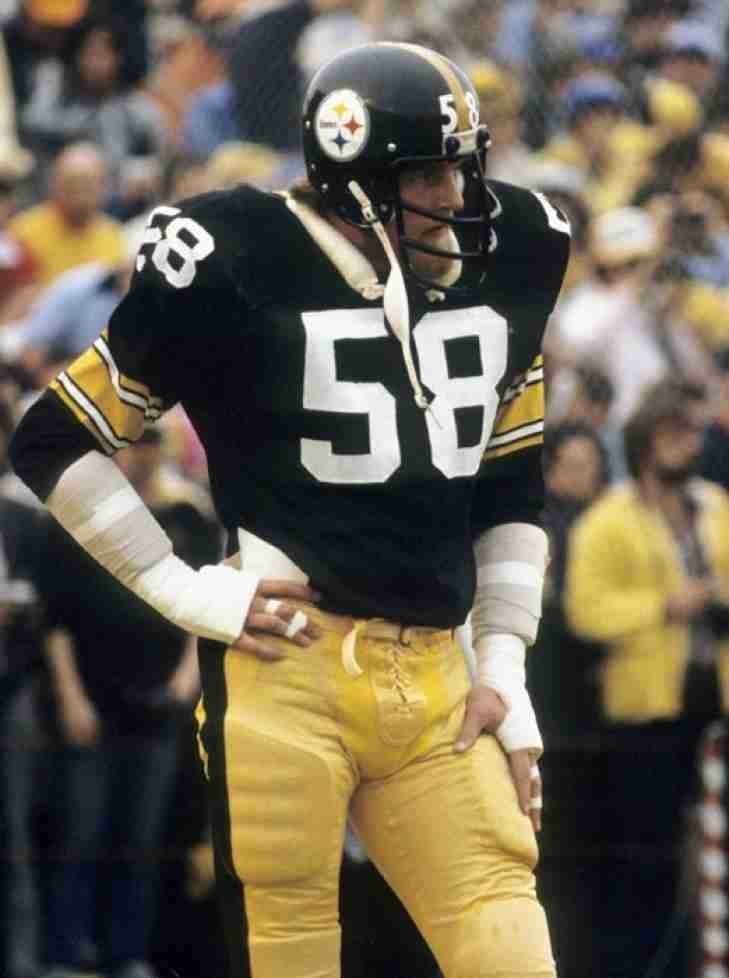
Needless to say, different awards in different sports yield hall of fame potential. In basketball, the team sport with the least amount of players on a roster, the dividend for greatness much higher. In baseball, it is not as much as a great individual season does not have the same impact.
