

11. Wilbur Wood
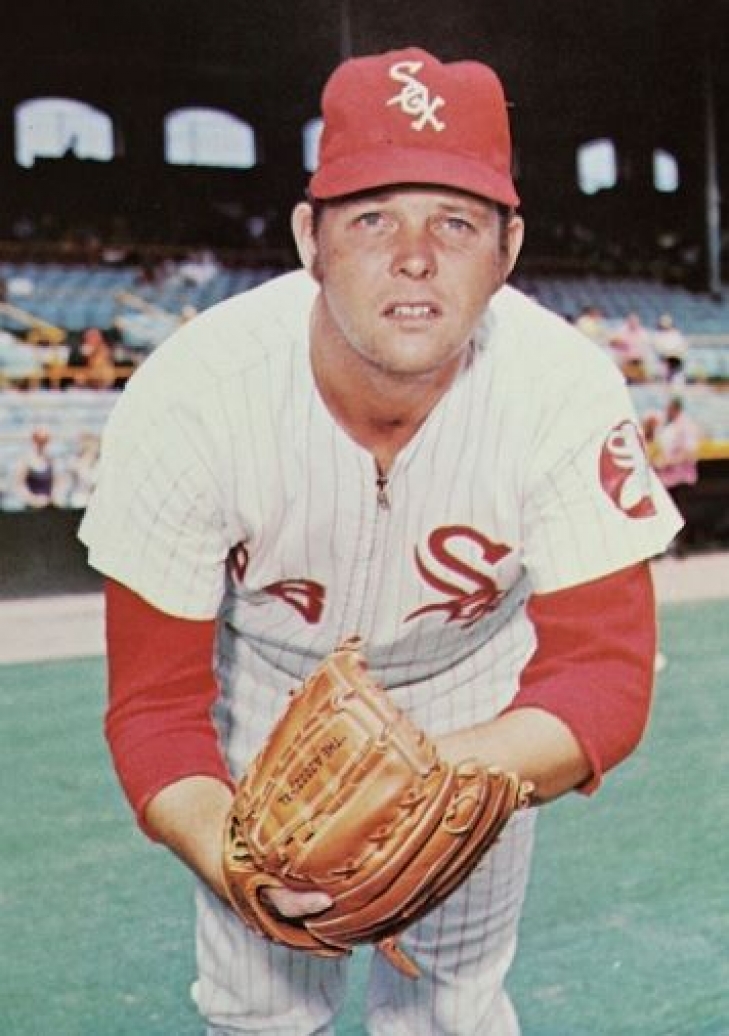
When Wilbur Wood was acquired from the Pittsburgh Pirates in 1966 for a player to be named later, the transaction barely registered as a footnote in the local papers. He arrived as a 25-year-old who had spent years oscillating between the majors and minors, unable to find a permanent home or a consistent out-pitch. However, the trajectory of his career changed forever when he crossed paths with the legendary Hoyt Wilhelm. Under Wilhelm’s tutelage, Wood fully committed to the knuckleball, a decision that would transform him from a roster afterthought into the busiest man in baseball.
His initial residency in Chicago was defined by a record-breaking stint in the bullpen. Starting in 1968, Wood became the league’s most frequent visitor to the mound, leading the American League in appearances for three consecutive seasons. In '68 alone, he set a then-Major League record by pitching in 88 games, proving that his knuckleball didn't just dance, it allowed him to throw nearly every other day without the typical wear and tear of a power pitcher. He was the ultimate safety net for the South Side pitching staff, a man who arrived as a specialist and left the bullpen as a statistical outlier.
The middle chapter of Wood’s tenure saw a daring transition as the White Sox moved their relief ace into the starting rotation in 1971. The results were immediate and historic. Over the next four years, Wood embarked on a run of durability that feels like a relic from the Deadball Era. He rattled off four consecutive 20-win seasons, twice leading the league in victories with 24. In 1972 and 1973, he eclipsed 350 innings pitched in each campaign—numbers that are virtually extinct in the modern game. He was an All-Star fixture and a perennial Cy Young contender, peaking as the runner-up in 1972, serving as the stoic anchor for a franchise that relied on his ability to take the ball every three days.
The final walk toward the exit was dictated not by a fading arm, but by a freak accident. In May of 1976, a screaming line drive off the bat of Ron LeFlore shattered Wood’s kneecap, an injury that robbed him of the stability required to drive his signature pitch. While he showed immense grit by returning to the mound, the magic of the knuckleball had lost its edge. He retired after the 1978 season with 163 wins and over 2,500 innings in a White Sox uniform. He arrived as an anonymous trade piece and left as one of the most prolific hurlers in franchise history, the man who proved that a dancing pitch could carry an entire organization on its back.
41. Alexei Ramirez
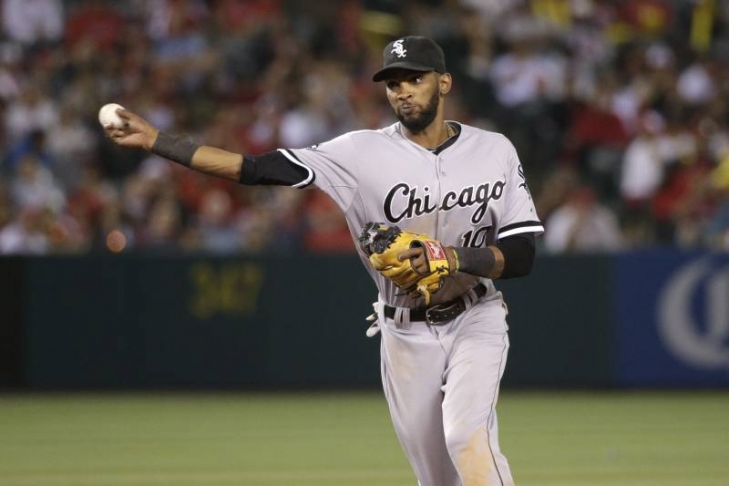
Alexei Ramirez surfaced in the Chicago lineup in 2008 and matured instantly into a premier threat at the plate. He emerged as a versatile standout, initially taking over at second base and providing an immediate spark for a division-winning squad. That summer, he showcased a rare blend of contact and power, batting .290 with 21 home runs—including a franchise-record four grand slams- on his way to a runner-up finish in the American League Rookie of the Year voting. He was a model of consistency from the jump, proving that his game could translate to the highest level of professional competition without hesitation.
The most impressive aspect of his tenure was the technical evolution he displayed after shifting to his natural position at shortstop. Ramirez was a master of range and agility, consistently shrinking the infield for opposing hitters and finishing in the top ten in defensive bWAR multiple times. His craftsmanship on the dirt was officially recognized in 2012 when he secured the Wilson Defensive Player of the Year Award for his position. He wasn't just a defensive specialist, though; he remained a high-frequency producer at the plate, never recording fewer than 145 hits in a single season during his stay and earning two Silver Slugger Awards along with an All-Star nod in 2014.
Ramirez was a fixture of the South Side infield for eight seasons, using a sophisticated approach to remain productive even as the league's pitching grew increasingly specialized. Whether he was turning a spectacular double play to save a game or lacing a line drive into the gap to spark a rally, he competed with a focused intensity that made him a local favorite.
As a member of the White Sox, Ramirez compiled 1,272 hits, 109 home runs, and 542 RBIs with a .273 batting average.
28. Sherm Lollar
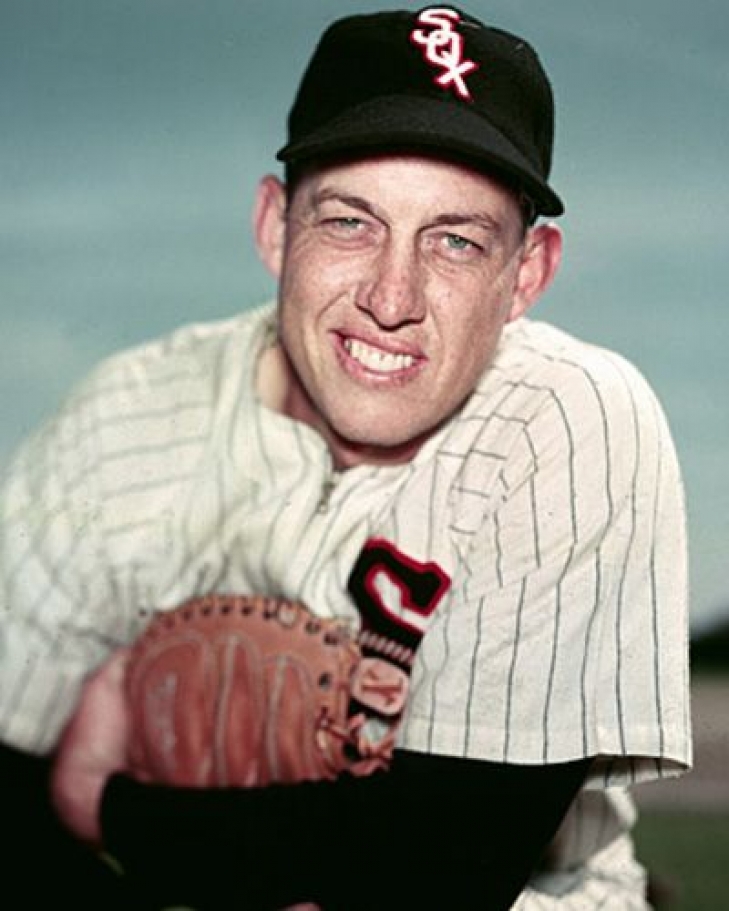
Chicago’s defensive identity in the 1950s was anchored by a man whose preparation and poise made him the envy of every pitching staff in the junior circuit. Lollar arrived in 1952 via a trade with the Browns and matured instantly into the undisputed leader of the clubhouse. His ability to handle a staff and his individual brilliance were officially recognized in 1957, when he became the inaugural winner of the Gold Glove Award, a single honor for both leagues, and followed it up by capturing the first two Gold Gloves ever awarded specifically to American League catchers.
Reliability at the plate provided a vital secondary layer as a player. While Berra garnered the headlines for his power, Lollar held his own as a productive offensive force, rattling off five seasons of at least 100 hits and twice eclipsing the 20-home run mark for the White Sox. He was a six-time All-Star in Chicago, providing a high-leverage bat in a lineup that prioritized speed and defense. He arrived as a respected veteran and finished his South Side tenure with 1,122 hits and 124 home runs, a volume of production that made him the premier two-way catcher in the franchise's modern history.
The peak of his baseball career arrived in 1959, as he guided the White Sox to their first pennant in forty years. Lollar’s ability to navigate a diverse pitching staff was the primary engine of that championship run, proving that a catcher's true value is often found in the runs he prevents rather than the ones he drives in. He was the quintessential "field general," a player who understood the psychological nuances of the mound as well as he understood the mechanics of the swing.
Consistency remained his hallmark until the conclusion of his career following the 1963 season.
23. Harold Baines
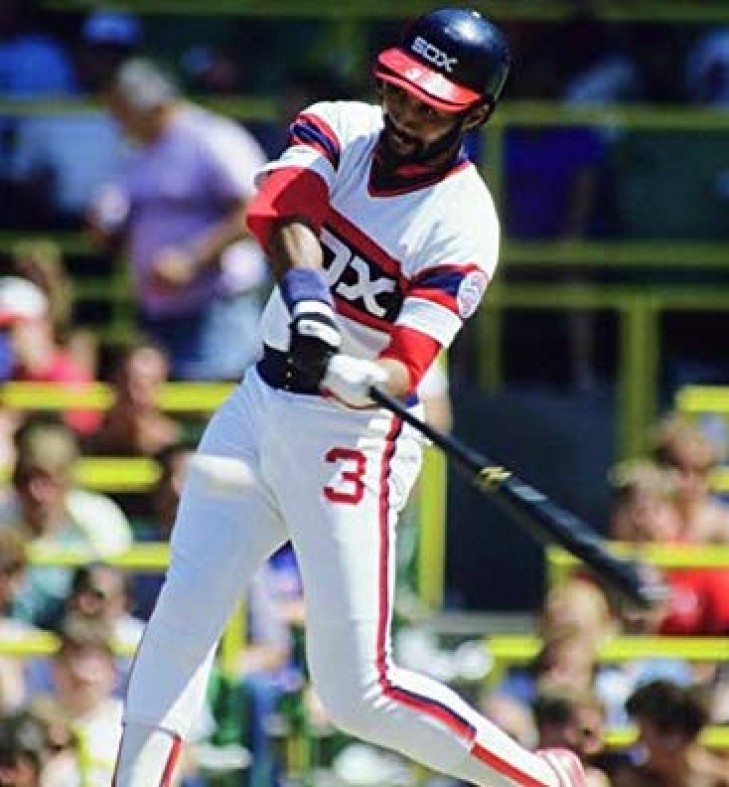
When Harold Baines arrived in Chicago in 1980, the expectations were sky-high for the former number-one overall pick. He didn't disappoint. By 1982, he had settled into a rhythm that would define his residency: a calm, left-handed stroke that produced line drives with relentless frequency. He arrived as a "can't-miss" prospect and quickly matured into the most reliable offensive engine in the White Sox lineup. He wasn't the type to provide vocal fireworks in the clubhouse, but his bat provided all the thunder necessary, beginning a streak of six consecutive seasons with at least 20 home runs.
The peak of his initial tenure in Chicago was a showcase of sweet hitting in the middle of the 1980s. From 1984 to 1987, Baines was a fixture in the All-Star Game and a terror for American League pitchers, twice eclipsing the 100-RBI plateau and posting back-to-back .300 batting average seasons. Baineswas rooted in his ability to deliver in the clutch; he was the tactical heart of the 1983 "Winning Ugly" division champions. While he eventually transitioned fully to the designated hitter role to preserve his knees, his value remained elite, underscoring his mettle as a pure hitter.
The middle chapter of his journey was nomadic, marked by a series of high-profile trades that saw him depart and return to Chicago like a favorite son. After being dealt to Texas in 1989, a move so unpopular it famously led to his jersey being retired while he was still an active player, Baines made a triumphant return in 1996. He picked up exactly where he left off, batting .311 with 22 home runs and reminding the South Side faithful why he was the gold standard for the franchise. Even a brief final stint with Baltimore and Cleveland couldn't keep him away, and he ultimately returned to finish his career where it all began.
His final walk toward the exit came in 2001, concluding a three-stint Chicago career that saw him tally 1,773 hits, 221 home runs, and 981 RBIs for the club. He was a player defined by his work ethic and consistency rather than flashy highlights. While his defensive metrics were a non-factor, his 2,866 career hits league-wide eventually earned him a place in Cooperstown, a nod to the decades of professional hitting he provided.
Harold Baines entered the Baseball Hall of Fame in 2019, and his #3 was retired by the team.
24. Gary Peters
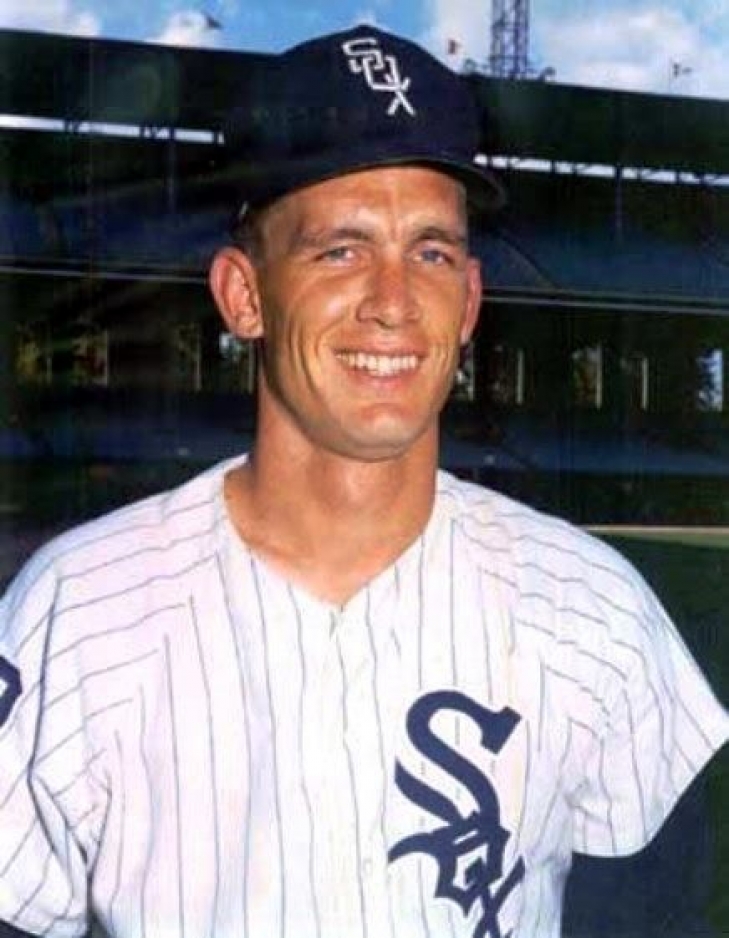
When Gary Peters finally secured a permanent spot in the White Sox rotation in 1963, he was already 26 years old and had spent four seasons tasting the big leagues in small, frustrating sips. He arrived at the "Go-Go" Sox era as a seasoned rookie with a live arm and an even sharper competitive edge. In that 1963 campaign, he went 19-8 and led the American League with a 2.33 ERA and an equally impressive 2.34 FIP. He was the runaway choice for Rookie of the Year and signaled the arrival of a new tactical anchor for the Chicago staff.
The peak of his tenure was defined by a blend of efficiency and volume that made him a perennial threat to any lineup. In 1964, he followed his rookie breakout by joining the elite 20-win club and earning his first All-Star nod. In 1966, Peters captured his second ERA title with an anemic 1.98 mark, proving that his ability to suppress runs was among the best in the sport. He was a two-time All-Star who thrived in the pitching-rich environment of the mid-60s, serving as a pillar for a staff that prided itself on surgical precision.
While the wins didn't always reflect the quality of his stuff due to the low-scoring era, his 1,098 strikeouts as a member of the White Sox tell the story of a pitcher who could miss bats when the stakes were high. He was the quintessential professional who turned years of minor-league frustration into a residency marked by hardware and league-leading metrics. Whether it was leading the league in wins or ERA, Peters was the left-handed hammer that the South Side relied on to keep them in contention.
The end came for Peters in Chicago after the 1969 season, when he was traded to the Boston Red Sox. He left Chicago with 91 wins and a legacy as one of the most efficient pitchers of his generation.
17. Paul Konerko
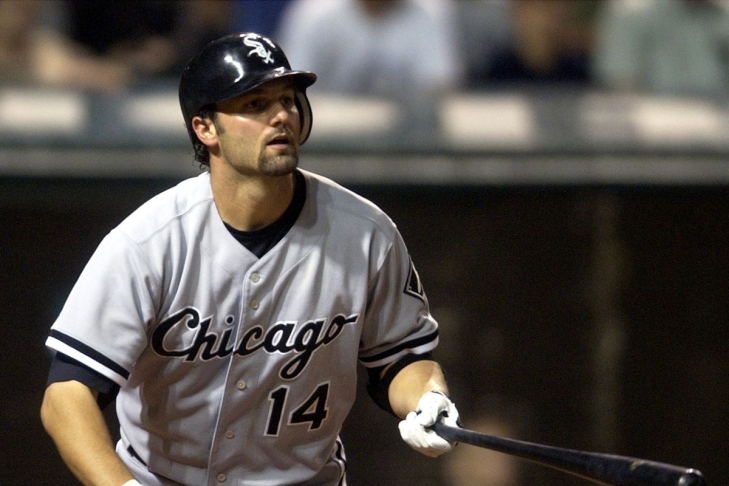
When Paul Konerko arrived in Chicago in 1999 via a trade with the Cincinnati Reds, he was a young hitter searching for a permanent home. The White Sox sent away a dynamic talent in Mike Cameron to get him, a move that initially raised eyebrows but quickly proved to be a stroke of genius. Konerko didn't waste time establishing his residency at first base, launching 24 home runs in his debut season and proving that his compact, powerful swing was perfectly suited for the South Side. He arrived as a promising trade piece and immediately began his transformation into the team’s identity that would define the organization for the next sixteen years.
The middle of his journey was highlighted by a level of power that peaked during the legendary 2004 and 2005 campaigns. Konerko rattled off back-to-back 40-home run seasons, earning his place among the elite power threats in the American League. The 2005 season, however, elevated him to the status of a permanent icon. Not only did he lead the team back to the postseason, but he also captured the ALCS MVP and provided the signature moment of the World Series with a thunderous grand slam in Game 2. He was the stoic leader of a squad that brought Chicago its first title since 1917, and carried the weight of a century-long wait on his shoulders.
However, calling a spade a spade requires acknowledging the limitations that came with his high-volume power. While he was a six-time All-Star, Konerko was often hindered by a lack of speed and a tendency to ground into double plays. His defensive range was limited, and he was never considered a threat on the basepaths. Yet, these negative attributes were largely overshadowed by his staggering moon shots from the plate. He amassed four more 30-home run seasons after the championship run and maintained a career slash line of .281/.356/.491 in a White Sox uniform. Fans were more than happy to overlook a few double plays in exchange for 432 home runs and 2,292 hits.
The final walk toward the exit came in 2014, concluding a nearly two-decade-long residency that had made him the emotional heartbeat of the franchise. He retired as one of the most beloved figures in Chicago sports history, a man whose number 14 was swiftly hoisted to the rafters. The organization further immortalized his impact by erecting a statue in his likeness outside the stadium, a permanent tribute to the man who hit the most important home runs in the history of the South Side.
44. Ray Durham
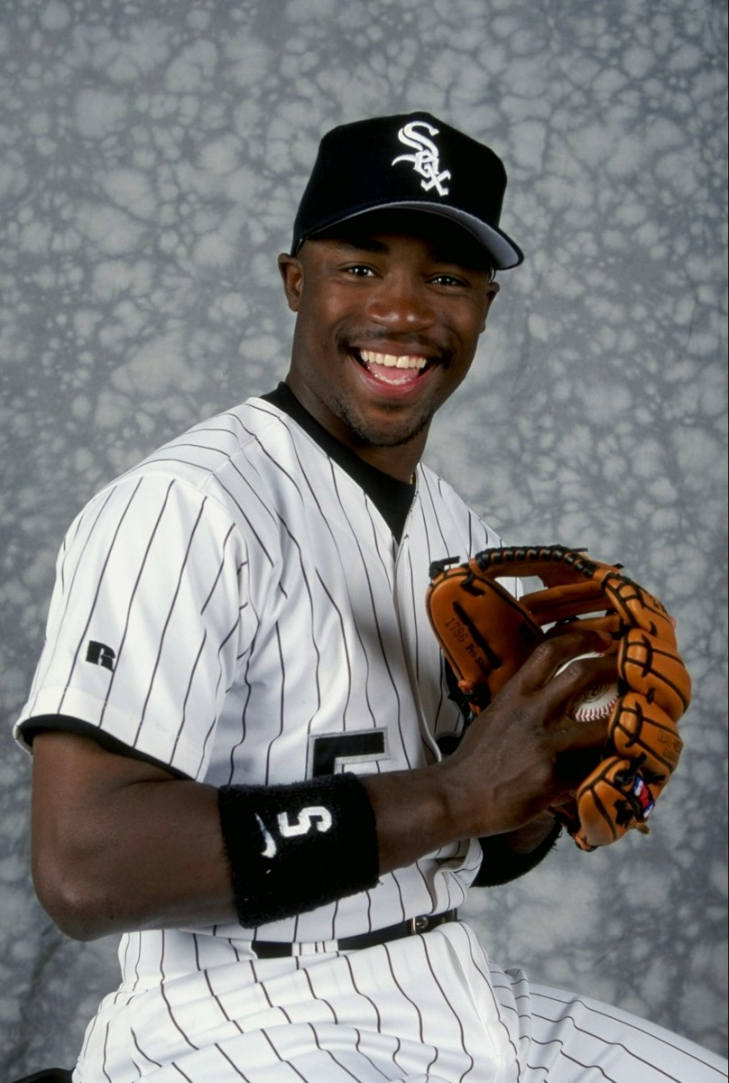
Ray Durham made it to the Chicago lineup in the mid-90s and matured instantly into a premier leadoff threat. He arrived with a "slash-and-dash" style that put immediate pressure on opposing batteries, utilizing a compact swing and aggressive baserunning to create scoring opportunities. Between 1996 and 2000, he authored a remarkably consistent stretch of production, batting at least .270 and launching double-digit home runs in five consecutive campaigns. He was a model of versatility from the leadoff spot, proving that a primary run-scorer could also provide the specialized power needed to turn a game around with one swing.
The most impressive aspect of his tenure was the rare balance of speed and durability he displayed as the club's everyday second baseman. Durham was a master of the basepaths, swiping 25 or more bags in each of those five standout seasons and serving as the tactical heartbeat of the 2000 division-winning squad. His craftsmanship at the top of the order was officially recognized with two All-Star selections during his stay in the Windy City. He wasn't just a traditional leadoff hitter, though; he remained a high-frequency producer who maintained a .278 career average with the club, consistently finding ways to get on base and navigate the challenges of a long American League season.
Durham was traded to the Oakland Athletics in 2002 during the final year of his contract. He left the organization as a statistical titan of his era, having established himself as one of the better leadoff hitters in White Sox history.
With the White Sox, Durham compiled 1,246 hits, 106 home runs, and 219 stolen bases with a .278 batting average.
42. Chet Lemon
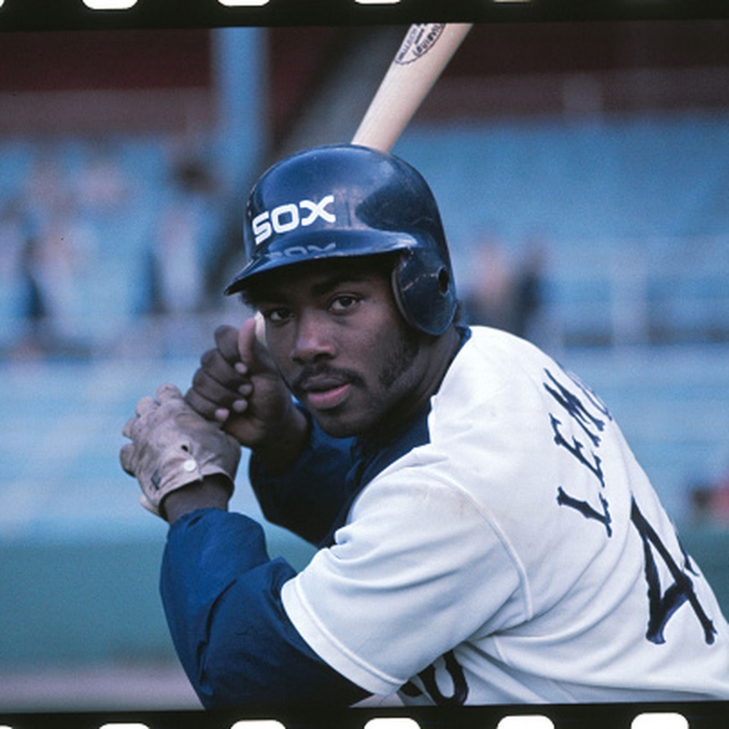
Chet Lemon debuted in the Chicago lineup in 1976 and matured instantly into a premier threat at the plate and in the field. He emerged as a versatile standout, taking over the starting center field job and providing an immediate defensive upgrade for the club. That summer, he showcased a rare blend of contact and power, batting over .300 for the first of three times in his Chicago stay. He was a model of consistency from the jump, proving that his game was built on a sophisticated balance of offensive production and elite run prevention.
The most impressive aspect of his tenure was the technical brilliance he displayed in the outfield. Lemon was a master of range and positioning, consistently shrinking the gaps for opposing hitters and finishing with a defensive bWAR over 1.0 in three separate campaigns. His craftsmanship on the grass was officially recognized with two consecutive All-Star selections in 1978 and 1979. He wasn't just a defensive specialist, though; he remained a high-frequency producer at the plate, leading the American League in doubles in 1979 with 44 and recording four seasons with double-digit home run totals.
His time with the club was defined by a quiet, professional durability and a high-leverage bat that seemed to surface in the biggest moments. Lemon was a fixture of the South Side outfield for six seasons, using a specialized approach to remain productive even as the league's pitching grew increasingly difficult to navigate. Whether he was making a diving catch to save a game or lacing a line drive into the gap to spark a rally, he competed with a focused intensity that made him a local favorite. He proved that a player could become the cornerstone of a franchise through a rare combination of defensive wizardry and offensive reliability.
After the 1981 season, Lemon was traded to the Detroit Tigers, where he would eventually capture a World Series title. With Chicago, Lemon compiled 804 hits, 74 home runs, and 338 RBIs with a .288 batting average.
39. Dick Allen
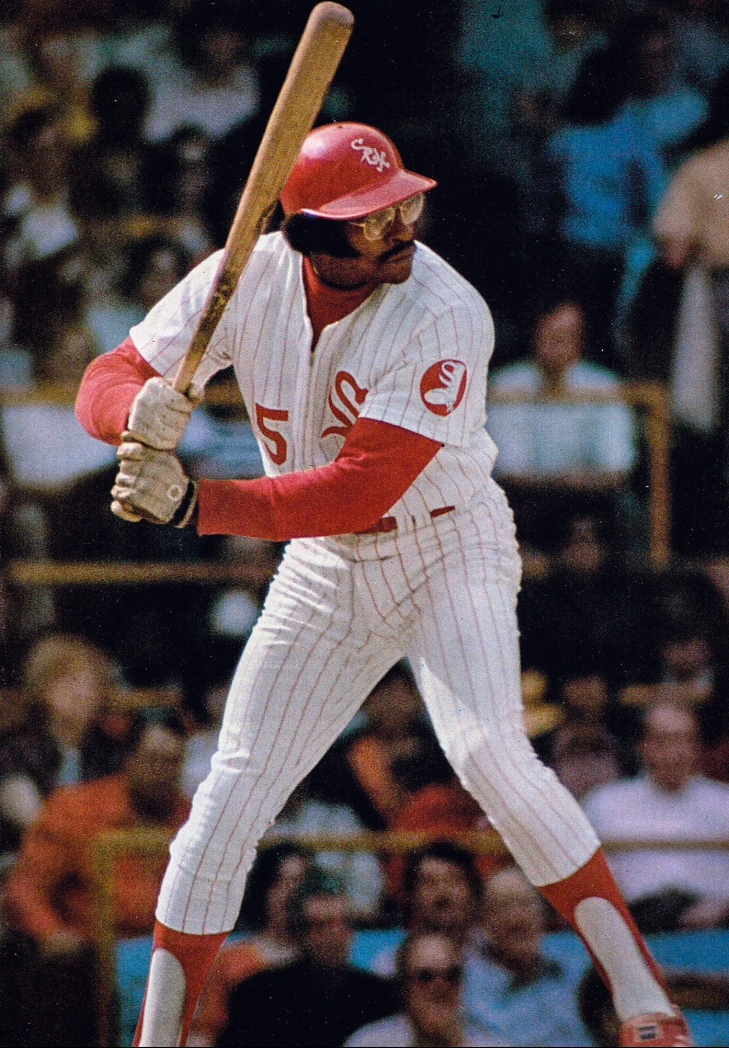
Allen’s journey in Chicago began with a franchise-altering trade from the Dodgers after the 1971 season. He matured instantly under the relaxed, player-first management of Chuck Tanner, shedding the "troublemaker" labels of his youth and emerging as the definitive statistical titan of the American League. He arrived with a "tree trunk" of a bat and a clinical approach to hitting, and he was rewarded immediately with the 1972 AL MVP award. That season was a masterclass in run production: Allen led the league in home runs (37), RBIs (113), walks (99), on-base percentage (.420), and slugging (.603). He was an efficiency outlier who missed the Triple Crown by just a few points in batting average, finishing with a staggering 1.023 OPS.
The absolute peak of his career was defined by a rare, high-leverage brilliance that galvanized the city. Allen followed his MVP campaign with two more All-Star selections in 1973 and 1974, continuing to rule the Junior Circuit with a blend of raw power and sophisticated plate discipline. In 1974, he captured his second home run title with 32 blasts, while again leading the league in slugging (.563) and OPS (.938). He wasn't just a volume-dense slugger; he was a tactical weapon who hit majestic, "laser shot" home runs to center field and famously once clubbed two inside-the-park homers in a single game. He played with a visible passion that turned Comiskey Park into a nightly destination.
His identity was synonymous with a quiet, steely resolve and a legendary status as the "Chili Dog MVP." Allen was the emotional heartbeat of the 1972 squad that finished second in the West, accumulating 85 home runs and a massive .307/.398/.589 slash line during his three-year stay. Whether he was launching a walk-off pinch-hit homer against Sparky Lyle or gliding from first to third on a single, he was the primary engine of a franchise resurgence.
The chapter of his playing days eventually gave way to a decades-long wait for the recognition his numbers demanded. While a 1974 trade eventually led him back to Philadelphia, his peak years remained anchored to the South Side. He left the organization as a statistical pillar, and though he passed away in 2020, his legacy culminated in 2025, when he was finally and rightfully inducted into the National Baseball Hall of Fame in Cooperstown.
36. Ozzie Guillen
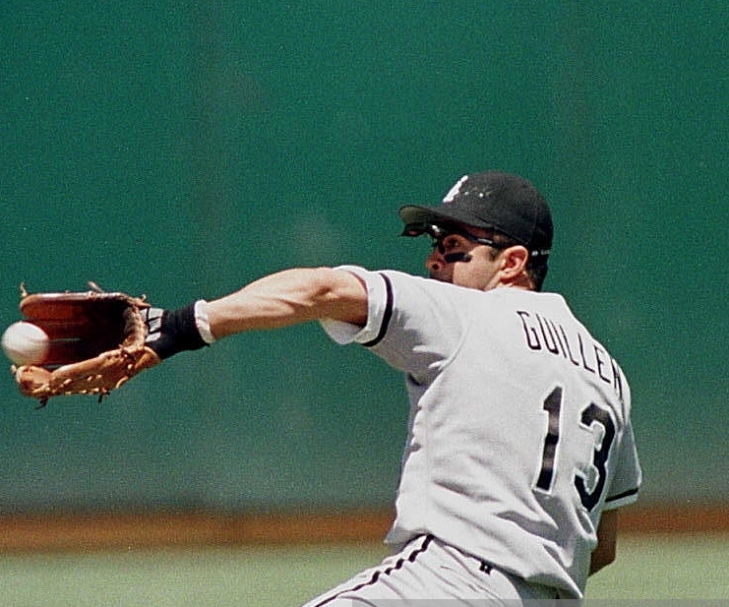
The journey in Chicago began with a bang in 1985, as Guillén matured instantly from a young prospect into the American League Rookie of the Year. He arrived with a flair for the dramatic and a glove that seemed to have a gravitational pull, anchoring the Chicago infield for thirteen consecutive seasons. He was a three-team All-Star during his tenure, providing defensive stability that kept the organization competitive amid roster transitions.
However, his offensive profile was an anomaly even in his own era. Guillén was a "put-the-ball-in-play" specialist who viewed the walk as a foreign concept. While he amassed a robust 1,608 hits for the franchise, his refusal to wait for a pitch resulted in a career .286 on-base percentage, a figure that remains a historical outlier for a player with such significant longevity. With an overall OPS of .625, Ozzie proved that a player could remain a vital, everyday starter through sheer defensive brilliance and a knack for timely contact, even while posting efficiency numbers that would sit many of his peers on the bench.
His identity was synonymous with a gritty, emotional style of play that resonated deeply with the fans at Comiskey Park. He swiped 163 bases during his Chicago stay, providing a spark of speed that complemented his aggressive mindset. Whether he was diving into the hole to take away a base hit or hacking at the first pitch to ignite a rally, Ozzie played with a visible passion that made him the emotional leader of the clubhouse. He showed that you could be a star through force of will and a vacuum for a glove, serving as the heartbeat of the team despite his statistical unorthodoxies.
The chapter eventually reached its conclusion after the 1997 season, but his legacy on the South Side was only half-written. While his playing career serves as a fascinating study in defensive value over traditional offensive metrics, his later return as the Manager of the Year and the tactical architect of the 2005 World Series championship cemented his White Sox legacy.
38. Tommy Thomas
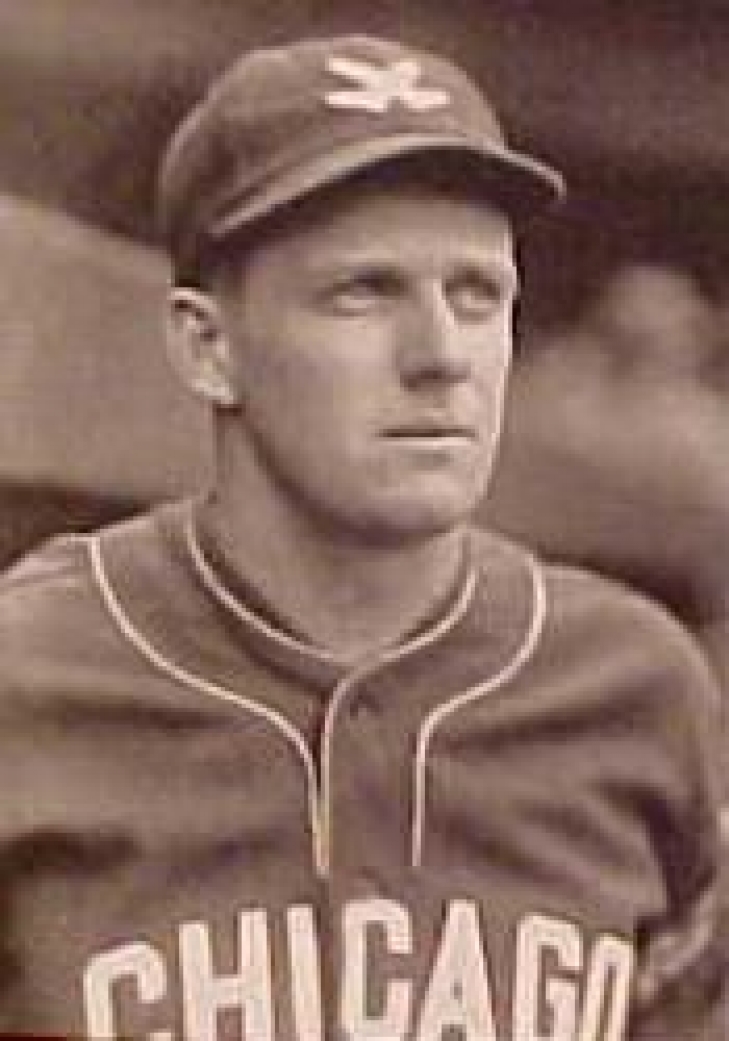
Thomas arrived in Chicago in 1926 and bypassed the usual maturation process, becoming a cornerstone of the franchise instantly. He debuted as a 26-year-old rookie and immediately validated the club’s investment, winning 15 games and holding opposing hitters to a league-best .244 batting average. He was a tactical technician from the jump, possessing a lively fastball and a sharp curve that helped him finish third in the American League in strikeouts in each of his first three seasons. He arrived with a reputation for durability and quickly evolved into a statistical titan who commanded the strike zone with professional poise.
The absolute pinnacle of his career arrived in 1927, a season in which he stood as the undisputed workhorse of the league. Thomas was an efficiency machine that summer, winning 19 games and posting a career-low 2.98 ERA. He led the American League in innings pitched with a staggering 307.2 and topped the leaderboard in bWAR for pitchers at 8.3, a total that underscored his value as a high-volume outlier. He followed this with a massive 6.6 bWAR in 1928, maintaining his status as a perennial leader in WHIP and run suppression while anchoring a White Sox staff that often struggled to provide him with adequate run support.
His identity was synonymous with a relentless, high-stakes durability. Thomas was an efficiency machine who led the league in complete games in 1929, but the sheer volume of his early-career workload eventually took its toll. By 1930, his production began to erode, and the misleading nature of his 83–92 record with the club took shape; the losses were often a byproduct of a diminishing supporting cast rather than a lack of competitive fire. He remained a high-leverage presence until his 1932 sale to the Washington Senators, concluding a stay on the South Side where he threw over 1,500 innings across 245 games.
34. Frank Smith
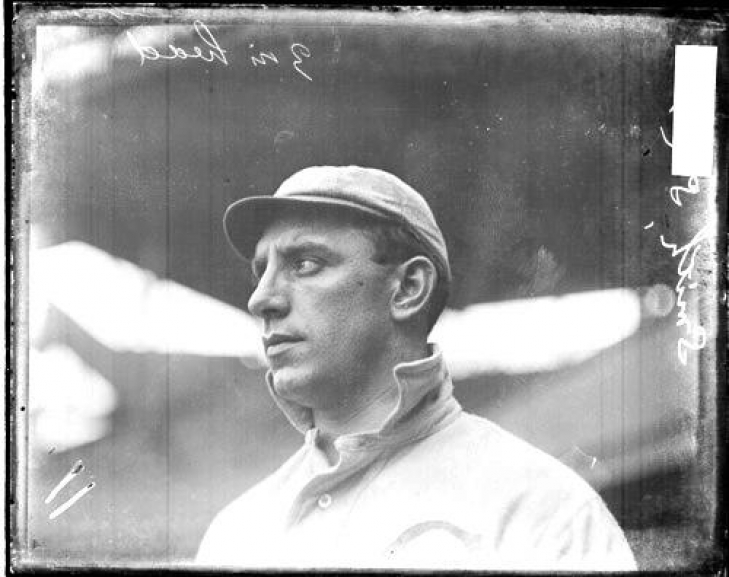
When Frank Smith debuted in 1904, he bypassed the usual maturation process, paying immediate dividends with 35 wins over his first two campaigns. He arrived with a "heavy" fastball that hitters struggled to lift, securing back-to-back top-ten finishes in ERA. However, the path to immortality wasn't a straight line. After an injury-plagued and ineffective 1906 season that saw his production crater, Smith authored one of the most resilient rebounds in franchise history. He returned in 1907 with a 23-10 record, proving that his earlier success was no fluke and that his arm was ready for the heavy lifting to come.
The absolute pinnacle of his career arrived in 1909, a season of such profound dominance that it remains a statistical masterpiece. That year, Smith was the definition of a workhorse, leading the American League in games pitched (51) and innings pitched (365.0). He wasn't just eating innings, though; he was an efficiency machine, posting a 1.80 ERA and a WHIP under 1.000. Had the Cy Young Award existed at the turn of the century, his trophy case would have been full; he led the league with a 7.1 bWAR, proving he was the most valuable player in the junior circuit that summer.
His identity was that of a complete ballplayer who helped his own cause at every turn. Smith was a legitimate threat in the batter's box, a rare hitting pitcher who batted .208 with 32 doubles and 69 RBIs during his Chicago stay. He was a high-volume producer who understood the tactical side of the game, using his immense physical strength to outlast opponents in the late innings. He concluded his journey with the White Sox with a sterling 108-80 record and a microscopic 2.18 ERA, numbers that cement his place as one of the primary architects of the team's early pitching pedigree.
The chapter reached an abrupt conclusion in 1910. After the immense physical toll of his 1909 workload, his game began to unravel, leading to a mid-season trade to the Boston Red Sox.
32. Johnny Mostil
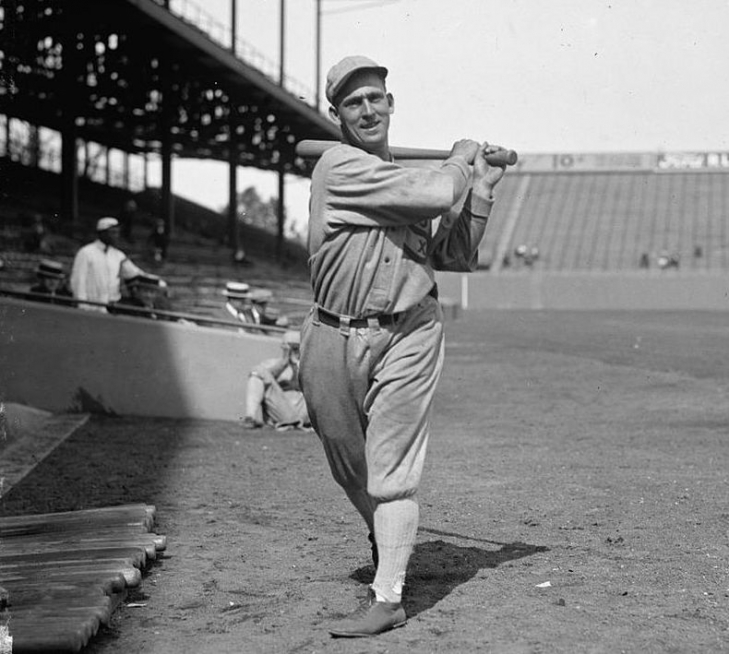
After a brief cup of coffee in 1918, Johnny Mostil spent several years refining his game in the minors before returning to Comiskey Park in 1921 as a fully formed catalyst. He matured instantly into a disciplined contact hitter with a vacuum for a glove, becoming a staple of the Chicago outfield. His peak was marked by a remarkable consistency at the plate, as he eclipsed the .300 mark in four separate seasons during the decade. He arrived as a raw speed prospect and evolved into a tactical weapon who understood that his primary job was to create chaos on the basepaths.
Mostil truly arrived in 1925, a season that ranks among the most complete by a leadoff hitter in franchise history. While he narrowly missed a .300 average, Mostil led the American League in runs scored (135), stolen bases (43), and walks (114), and this dynamic campaign earned him a second-place finish in the MVP voting, trailing only the legendary Roger Peckinpaugh. At that moment, he was the undisputed prototype for the modern center fielder.
Mostil was a defensive standout who used his elite quickness to shrink the massive dimensions of Comiskey Park, providing his pitchers with a sense of security rarely matched by his peers. He concluded his Chicago stay with 1,054 hits, 176 stolen bases, and a career .301 batting average, numbers that would have undoubtedly reached historic heights had his body not betrayed him.
The lights, unfortunately, began to dim on his career following that MVP-caliber peak. A harrowing combination of health problems and persistent injuries limited him to just 12 games in 1927. Although he showed immense grit by returning for a full campaign in 1928, the physical toll proved too great; injuries forced him out of the lineup early in 1929, and he would never again grace a Major League diamond.
31. Jack McDowell
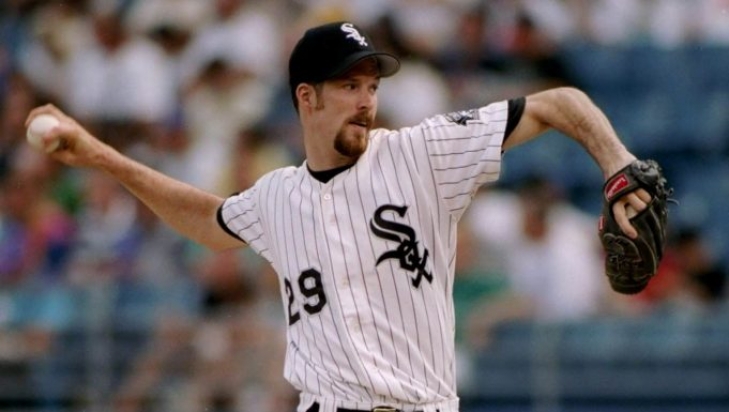
The fifth overall pick in 1987 didn't waste any time making his presence felt, debuting for four starts that same year. However, the path to greatness was briefly detoured by injury and a necessary 1989 rehab stint, forcing a maturation process that would eventually yield historic results. McDowell returned to the parent club in 1990 with a 14-win campaign that served as a loud harbinger for the decade to come. He arrived as a prospect with "stuff" and quickly evolved into a tactical leader who wanted the ball in every high-leverage situation.
The pinnacle of his career came in a three-year blitz from 1991 to 1993. During this stretch, "Black Jack" was a perennial All-Star and the defining workhorse of the American League, rattling off win totals of 17, 20, and a league-leading 22. After finishing as the Cy Young runner-up in 1992, he captured the trophy in 1993, anchoring an inspired Chicago staff that surged into the postseason. He showed off durability and an ability to finish what he started, leading the league in complete games and shutouts while providing a psychological edge that permeated the entire clubhouse.
Consistency and efficiency remained his hallmarks even as his pure velocity began to level off. In his final Chicago campaign in 1994, he still managed to lead the American League in strikeout-to-walk ratio, proving that his surgical control was as dangerous as his competitive fire. McDowell was a “big game” hunter, a pitcher who personified the gritty, blue-collar spirit of the South Side faithful.
The chapter finally closed on his South Side residency during the 1994 off-season, as the organization looked toward a future transition and dealt their Cy Young winner to the New York Yankees. He concluded his White Sox stay with a sterling 91-58 record and 918 strikeouts, a volume of production that firmly established him as the greatest right-handed ace of the New Comiskey era.
29. Fielder Jones
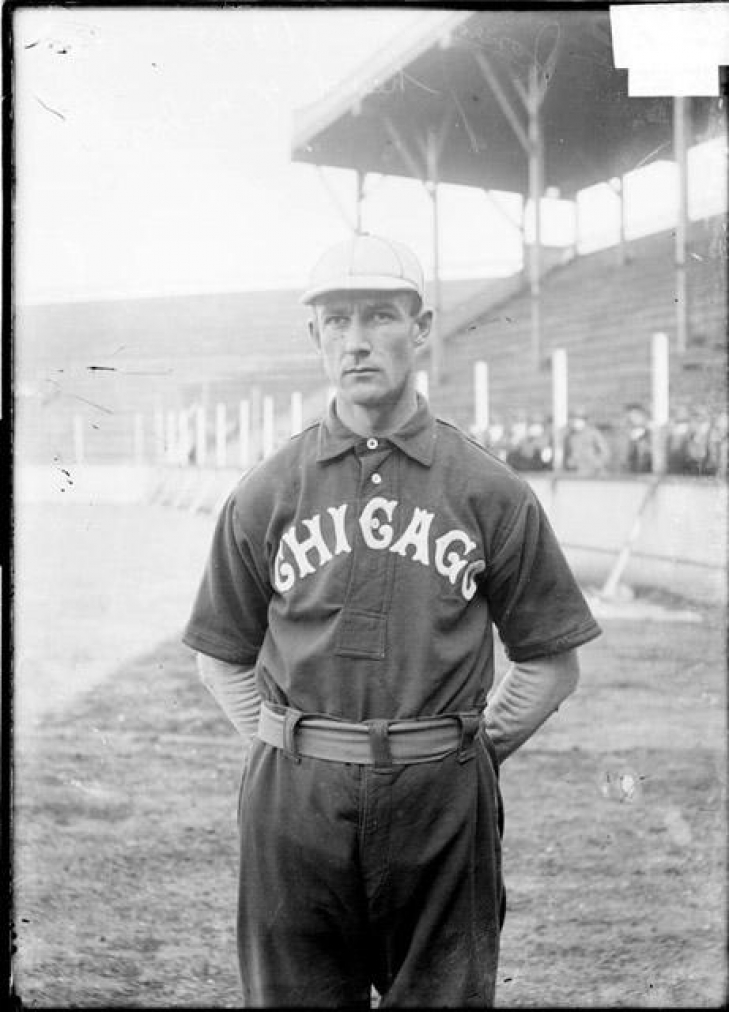
The landscape of Chicago baseball shifted in 1901 when Fielder Jones defected from Brooklyn to join the White Sox as a cornerstone of their inaugural American League roster. He arrived as a premier leadoff threat, maturing instantly into a force by batting over .300 in each of his first two seasons in the junior circuit. His combination of speed and on-base ability provided the spark for a team still searching for its identity, but his promotion to player-manager in 1904 truly transformed the franchise's trajectory.
Leadership and run prevention became his primary calling cards during the most successful stretch of his residency. While his individual batting average began to dip under the weight of his managerial duties, Jones remained a consistent producer, generating at least 110 hits in every season from 1904 to 1908. He understood that in the Deadball Era, the White Sox didn't need a juggernaut offense to win; they needed a team built on grit and defensive precision. Under his guidance, the 1906 squad earned the "Hitless Wonders" moniker, famously shocking the cross-town Cubs to capture the World Series title.
Reliability in the field was paired with an aggressive approach on the basepaths, as evidenced by his 206 stolen bases in a Chicago uniform. Jones was the rare manager who could lead by example, patrolling center field with a range that shortened the game for his pitching staff. His skills weren't found in a high slugging percentage, but in his ability to manufacture wins through tactical ingenuity and high-leverage decision-making. He concluded his Chicago stay with 1,151 hits, a total that reflects a decade of being the most influential figure on the South Side.
The conclusion of his time in Chicago was marked by a growing friction with owner Charles Comiskey. Exhausted by the internal politics of the front office, Jones abruptly walked away from the game following the 1908 season. Though he eventually resurfaced in the Federal League years later, his legacy was firmly rooted in the dirt of South Side Park.
22. Carlton Fisk
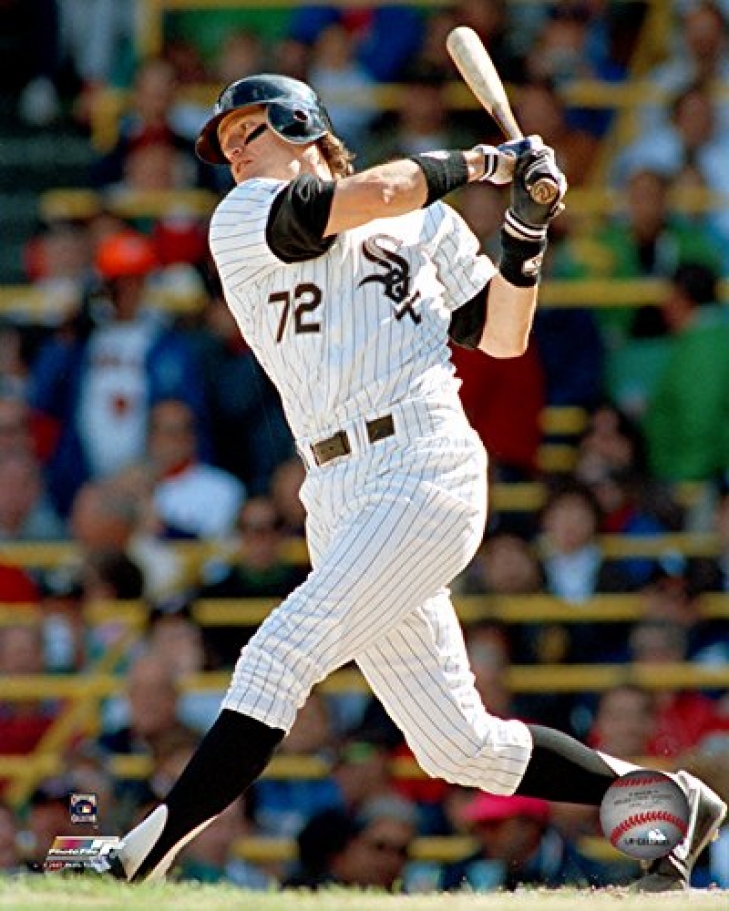
When Carlton Fisk arrived in Chicago in 1981, he was already 33 years old, an age at which most catchers are contemplating their retirement plans. Instead, Fisk signaled a fresh start by flipping his jersey number and asserting himself as the veteran gravity for a developing White Sox roster. He didn't just ease into the twilight of his career; he exploded into it, earning All-Star nods in his first two seasons. By 1983, he was the primary engine for the "Winning Ugly" squad that captured the AL West, finishing third in the MVP race with a blend of tactical leadership and a .289 average that proved his bat was as sharp as his legendary game-calling.
The middle chapter of his Chicago residency was a remarkable display of late-career power. In 1985, at the age of 37, Fisk posted some of the most staggering offensive metrics of his life, blasting 37 home runs and driving in 107 runs. He was a statistical outlier, a catcher who seemed to gain strength as the years piled up. FIskwas rooted in his ability to maintain elite production at a grueling position well past the point of physical reason. Even as he crossed into his 40s, he remained a legitimate threat, rattling off back-to-back 18-home run seasons in 1990 and 1991. He wasn't just "playing for his age"; he was an All-Star at 43, a feat that few in the history of the sport have ever replicated.
His ChiSox was built on a foundation of intense professionalism and a famously prickly competitive streak. He was the field general who wouldn't tolerate a lack of effort from his pitchers or his teammates. However, the final walk toward the exit in 1993 was a jarring contrast to the dignity of his career. Released mid-road trip without warning, Fisk’s twelve-season residency ended with a lack of ceremony that left a bitter taste for both the player and the fans. Despite that exit, his 214 home runs and 1,259 hits in a White Sox uniform ensured he would never be seen as just a "Boston transplant."
Carlton Fisk was a second-ballot immortal in 2000, and the White Sox wasted no time in honoring his longevity, retiring his number 72 in 1997.
21. Ray Schalk
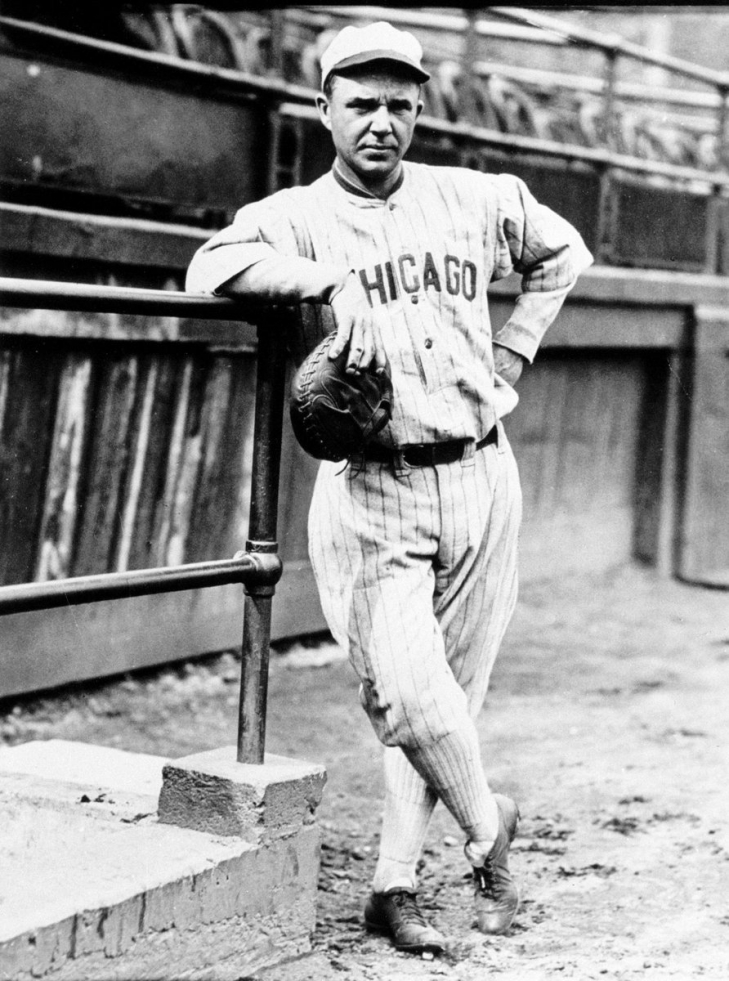
When Ray Schalk arrived in Chicago in 1912, the catcher's position was largely viewed as a stationary, grueling task of endurance. Schalk changed that narrative almost immediately. By 1913, he had secured the starting job, beginning a fifteen-season residency as the undisputed general of the White Sox infield. He didn't arrive with a thunderous bat, but he brought a level of defensive innovation that caught the league off guard. He was a pioneer of "active catching," famously becoming the first at his position to back up plays at first base and even third base, an athletic hustle that was revolutionary for the Deadball Era.
The peak of his career showcased skills that the box score alone struggles to capture. Schalk was a defensive titan who led the American League in Putouts nine times and Runners Caught Stealing on three occasions. His statistical outlier value reached its zenith in 1925 when he led the entire American League in defensive bWAR, not just among catchers, but across every position on the field. He was a five-time leader in fielding percentage, serving as the anchor for a pitching staff that relied on his cerebral game-calling and his lightning-quick release.
A defining chapter of his careerwas written during the darkest period in Chicago baseball history. During the 1919 "Black Sox" scandal, Schalk was one of the few players considered absolutely above reproach. His dedication to winning was so well-known that the conspirators didn't even dare approach him. He was the clean heart of a tainted era, a player who had already tasted championship glory in 1917 and refused to let the integrity of the game slip through his fingers. While his career average in Chicago sat at a quiet .254, his value was measured in the runs he prevented and the trust he inspired.
The final walk toward the exit for Schalk came after the 1928 season, following a tenure as a player-manager for the club. He left the South Side as a defensive legend, having caught more than 100 games in twelve different seasons, a staggering feat of durability for that era. His legacy was officially set in stone in 1955 when the Veterans Committee ushered him into Cooperstown, recognizing that his glove and his mind had influenced the game as much as any legendary slugger.
ittee.
18. Shoeless Joe Jackson
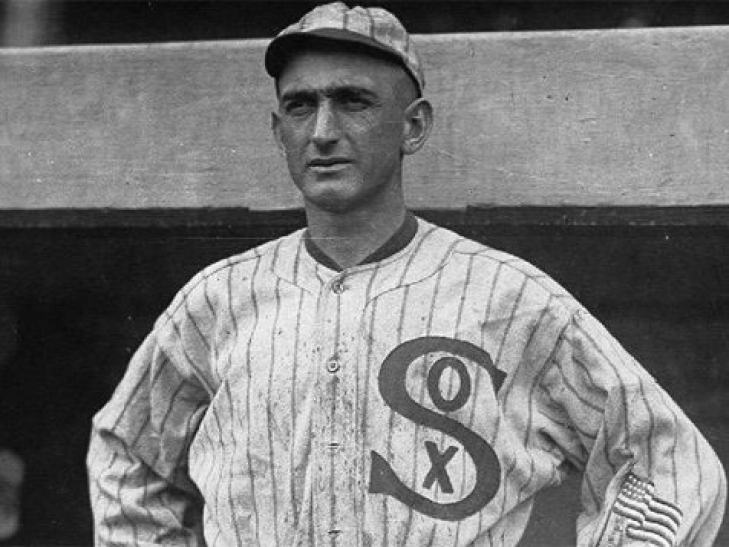
When Joe Jackson arrived in Chicago via a trade with Cleveland in 1915, he was already a certified legend of the diamond. A simple man from the South Carolina mills who never learned to read or write, he spoke through his legendary bat, "Black Betsy." His residency on the South Side began with the same relentless production that had defined his early years; he was a metronome of contact, never finishing a season with the White Sox with a batting average below .300. He arrived as the premier offensive force in the American League, a man whose .356 career average remains one of the highest in the history of the sport.
The peak of his Chicago tenure was marked by the 1917 championship. Jackson was a massive factor in the White Sox’s World Series victory over the Giants, batting .304 during the Fall Classic and providing the consistent, line-drive threat that anchored the heart of the lineup. By 1920, at the age of 32, he was arguably playing the best baseball of his life, leading the league in triples for the second time and setting career highs in home runs and RBIs. He was a superstar at the height of his craft, seemingly destined for a stroll into Cooperstown.
However, the narrative took a dark and permanent turn due to the infamous "Black Sox" scandal of 1919. While Jackson’s performance in the World Series against the Reds was statistically brilliant, he batted .375, collected a then-record 12 hits, and hit the Series' only home run, the cloud of the conspiracy hung over every play. Though he maintained his innocence and a jury eventually acquitted him, the damage to his reputation was irreparable. In 1921, Commissioner Kenesaw Mountain Landis issued the decree that would define Jackson's legacy: a lifetime ban from organized baseball for his alleged role in the fix.
The final walk toward the exit was not a voluntary retirement, but a forced exile. Jackson left the White Sox with 829 hits and a staggering slash line of .340/.407/.499, numbers that would be the envy of any Hall of Famer. For decades, he remained a ghost of the game, his name a shorthand for the loss of innocence in American sports. However, the story took a historic turn in 2025, when Commissioner Rob Manfred finally removed Jackson from the permanently ineligible list, making the legendary outfielder eligible for the Hall of Fame once again.
Joe Jackson arrived in Chicago as a "Natural" with a swing that sounded different from everyone else's and left as a cautionary tale of an era's corruption. He proved that while a ban can take a man off the field, it can never truly erase the brilliance of his numbers or the enduring mystery of his participation in the game's greatest scandal.
20. Thornton Lee
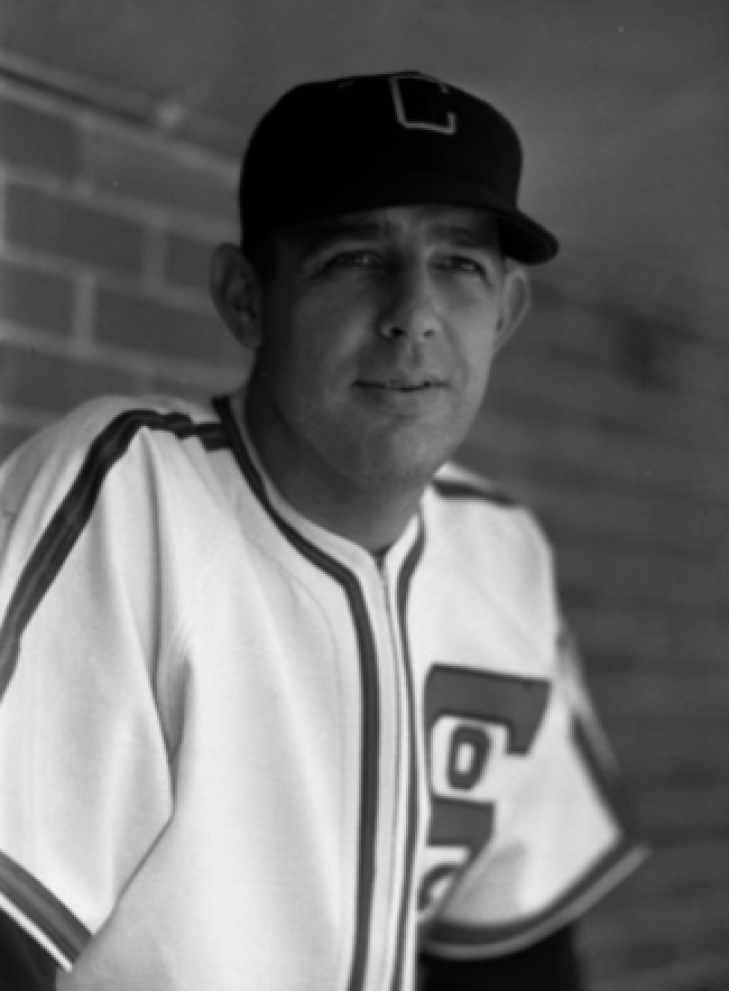
When Thornton Lee arrived in Chicago via a trade with Cleveland in 1937, he was already 30 years old and carried the label of a journeyman. His time with the Tribe had been largely forgettable, but the change of scenery to the "Pale Hose" acted as a catalyst for a mid-career evolution. He didn't just find a spot in the rotation; he became its primary engine. In his first full season in the Windy City, he posted a 12-10 record, and by 1938, his underlying value began to surface. While his traditional stats were respectable, he led all major league pitchers in bWAR (5.5) that season, proving he was doing more with less than any other arm in the game.
The peak of his residency, and one of the most dominant individual seasons in franchise history, arrived in 1941. At the age of 34, Lee staged a masterclass in efficiency that defied his age. He was an All-Star who once again paced the American League in bWAR with a staggering 8.6 mark, while capturing the ERA title (2.37) and leading the league in ERA+ (174) and WHIP (1.165). He finished fourth in the MVP voting and established himself as the premier left-hander in the junior circuit. He arrived as a cast-off and transformed into the most dangerous weapon in the Chicago arsenal.
However, the middle chapter of his journey was hampered by the onset of World War II and a mounting list of physical ailments. While Lee remained stateside during the conflict, his body began to betray the heavy workload of his peak years. He struggled with ineffectiveness for much of the early 40s, though he managed one final gasp of brilliance in 1945, grinding out a 15-win season at the age of 39. It was a final display that had made him so valuable, showing that even with diminished velocity, his tactical mind could still navigate a big-league lineup.
The final walk toward the exit came after the 1947 season. At the age of 41, the White Sox made the difficult decision to cut ties and release the veteran southpaw. He left Chicago with an even 104-104 record, a stat that serves as a reminder of how often he pitched brilliantly for teams that struggled to provide him with run support.
15. Luis Aparicio
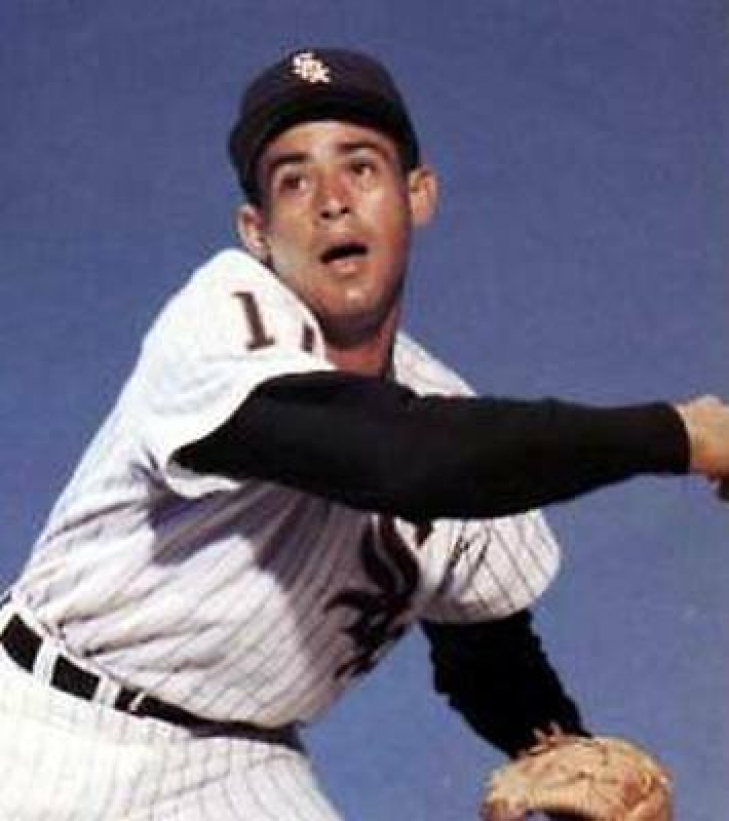
When Luis Aparicio arrived on the South Side in 1956, he didn't just fill a hole at shortstop; he ignited a revolution. As the first Latin American player to be named Rookie of the Year, he immediately signaled that the game was changing. He led the American League with 21 stolen bases in his debut season, a feat he would repeat for the next eight consecutive years. In an era where many teams were content to station stationary power hitters on the corners, Aparicio was a blur of motion, forcing pitchers into mistakes simply by his presence on the bag. He was the kinetic energy that powered the White Sox’s aggressive identity throughout the late 50s.
The middle of his Chicago residency was defined by a defensive masterclass that ranks among the very few in the history of the sport. Aparicio was a human highlight reel at shortstop, a six-time Gold Glove winner during his first stint with the Sox. His defensive bWAR of 20.7 in Chicago alone is a staggering figure, dwarfing those of contemporaries often cited for their gloves. He wasn't just flash; he was fundamental, leading the league in putouts, assists, and double plays turned with a regularity that became monotonous for opposing hitters. If the ball was hit toward the left side of the infield, the result was almost always an out.
However, calling a spade a spade requires looking at the other side of the ledger. While his glove and legs were elite, his bat lived in a different reality. Aparicio struggled to draw walks or drive the ball, posting a modest .319 on-base percentage and a .348 slugging clip during his peak Sox years. He was a high-volume hitter who relied on contact and speed to generate value, and while his 1,576 hits for the franchise are impressive, his lack of traditional statistical dominance at the plate is the reason his ranking often hits a ceiling. He was a specialist, perhaps the greatest defensive specialist of his generation, but he was never a middle-of-the-order threat.
The trajectory of his career took him to Baltimore in 1963, but the South Side wasn't finished with him. In a rare "return of the king" moment, he was traded back to Chicago in 1968 for three more seasons. While he wasn't as quick as the rookie who had taken the city by storm twelve years earlier, he remained an elite fielder and a cerebral leader, earning one final All-Star nod in 1970 before being dealt to Boston to finish his legendary career.
Luis Aparicio’s walk toward the exit concluded as the most decorated Venezuelan player in history. In 1984, the same year the White Sox hoisted his number 11 to the rafters, he became the first of his countrymen to be inducted into Cooperstown. He arrived as a skinny kid from Maracaibo and left as a global icon, the man who proved that a shortstop’s greatest weapon wasn't his bat, but his ability to make the field feel smaller for the opponent and larger for himself.
