


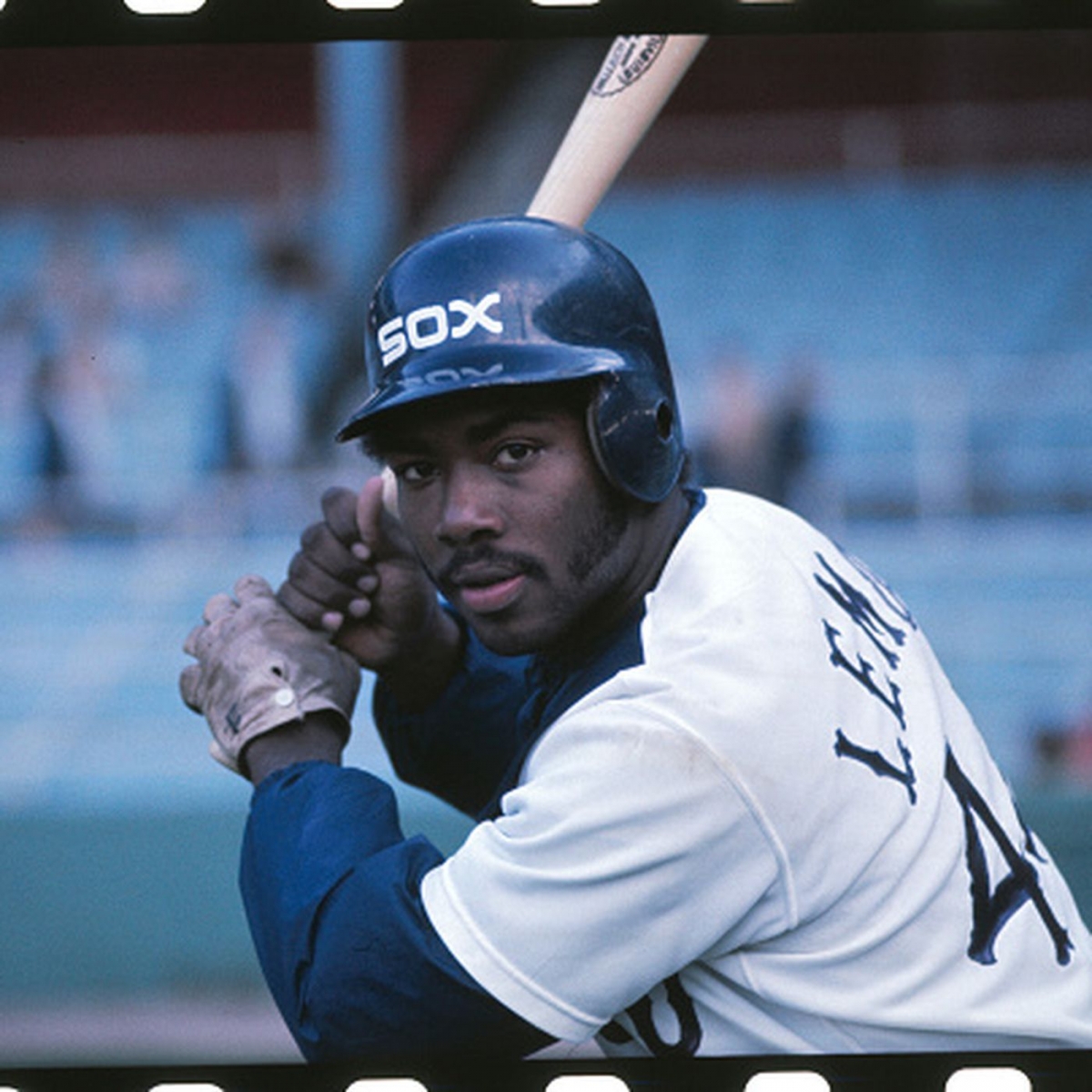
Chet Lemon debuted in the Chicago lineup in 1976 and matured instantly into a premier threat at the plate and in the field. He emerged as a versatile standout, taking over the starting center field job and providing an immediate defensive upgrade for the club. That summer, he showcased a rare blend of contact and power, batting over .300 for the first of three times in his Chicago stay. He was a model of consistency from the jump, proving that his game was built on a sophisticated balance of offensive production and elite run prevention.
The most impressive aspect of his tenure was the technical brilliance he displayed in the outfield. Lemon was a master of range and positioning, consistently shrinking the gaps for opposing hitters and finishing with a defensive bWAR over 1.0 in three separate campaigns. His craftsmanship on the grass was officially recognized with two consecutive All-Star selections in 1978 and 1979. He wasn't just a defensive specialist, though; he remained a high-frequency producer at the plate, leading the American League in doubles in 1979 with 44 and recording four seasons with double-digit home run totals.
His time with the club was defined by a quiet, professional durability and a high-leverage bat that seemed to surface in the biggest moments. Lemon was a fixture of the South Side outfield for six seasons, using a specialized approach to remain productive even as the league's pitching grew increasingly difficult to navigate. Whether he was making a diving catch to save a game or lacing a line drive into the gap to spark a rally, he competed with a focused intensity that made him a local favorite. He proved that a player could become the cornerstone of a franchise through a rare combination of defensive wizardry and offensive reliability.
After the 1981 season, Lemon was traded to the Detroit Tigers, where he would eventually capture a World Series title. With Chicago, Lemon compiled 804 hits, 74 home runs, and 338 RBIs with a .288 batting average.

Comments powered by CComment