


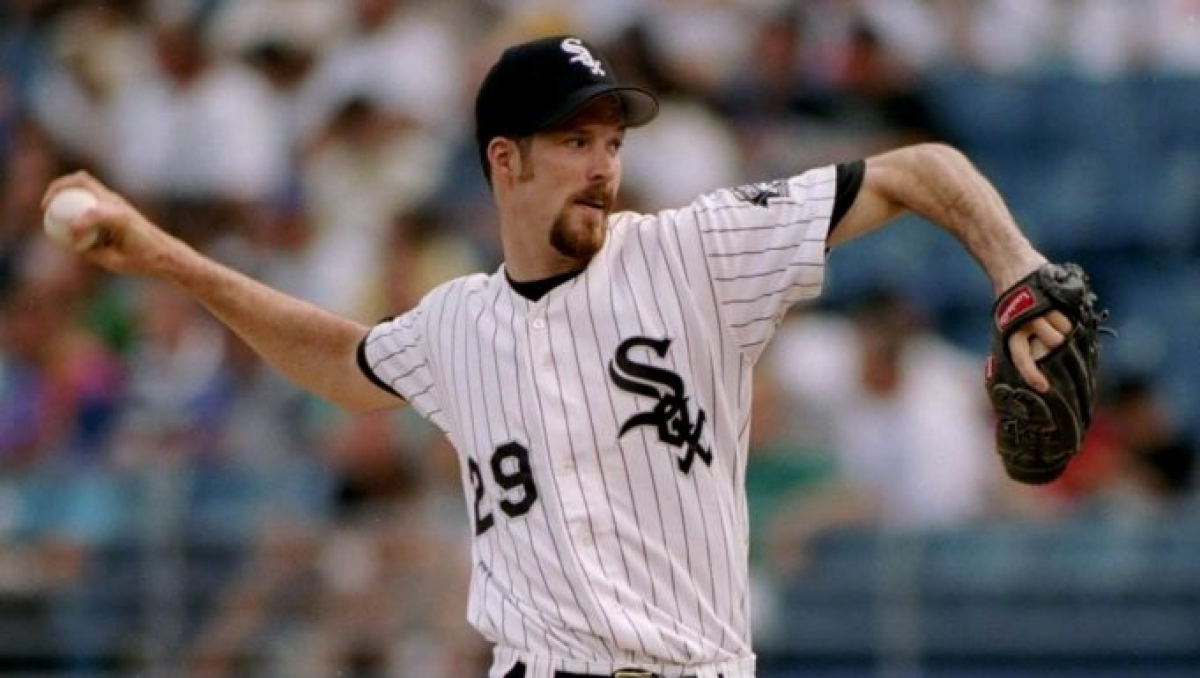



The fifth overall pick in 1987 didn't waste any time making his presence felt, debuting for four starts that same year. However, the path to greatness was briefly detoured by injury and a necessary 1989 rehab stint, forcing a maturation process that would eventually yield historic results. McDowell returned to the parent club in 1990 with a 14-win campaign that served as a loud harbinger for the decade to come. He arrived as a prospect with "stuff" and quickly evolved into a tactical leader who wanted the ball in every high-leverage situation.
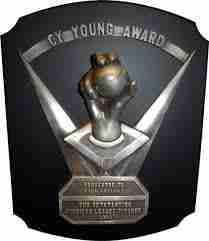
The pinnacle of his career came in a three-year blitz from 1991 to 1993. During this stretch, "Black Jack" was a perennial All-Star and the defining workhorse of the American League, rattling off win totals of 17, 20, and a league-leading 22. After finishing as the Cy Young runner-up in 1992, he captured the trophy in 1993, anchoring an inspired Chicago staff that surged into the postseason. He showed off durability and an ability to finish what he started, leading the league in complete games and shutouts while providing a psychological edge that permeated the entire clubhouse.
Consistency and efficiency remained his hallmarks even as his pure velocity began to level off. In his final Chicago campaign in 1994, he still managed to lead the American League in strikeout-to-walk ratio, proving that his surgical control was as dangerous as his competitive fire. McDowell was a “big game” hunter, a pitcher who personified the gritty, blue-collar spirit of the South Side faithful.
The chapter finally closed on his South Side residency during the 1994 off-season, as the organization looked toward a future transition and dealt their Cy Young winner to the New York Yankees. He concluded his White Sox stay with a sterling 91-58 record and 918 strikeouts, a volume of production that firmly established him as the greatest right-handed ace of the New Comiskey era.

Comments powered by CComment