


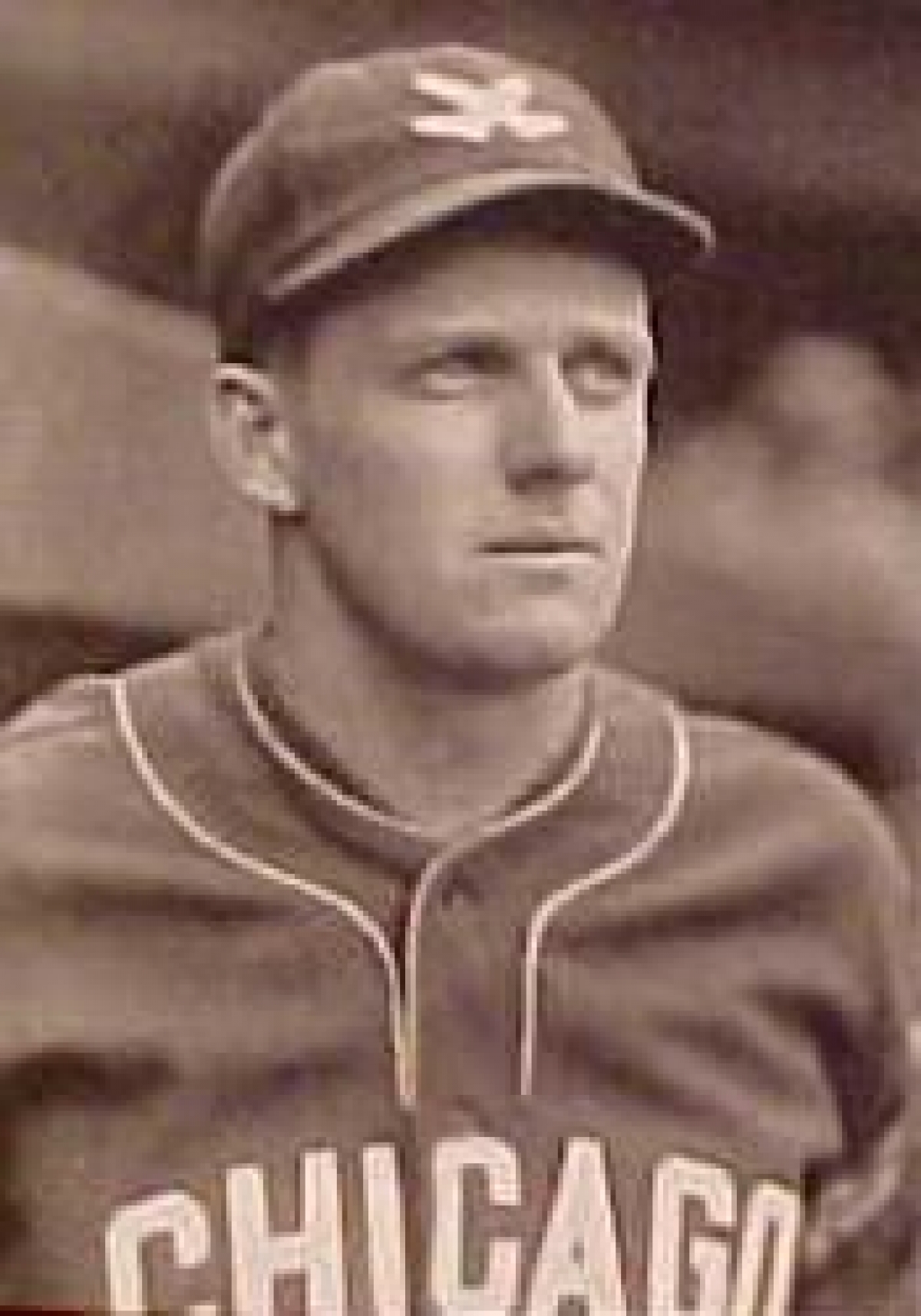


Thomas arrived in Chicago in 1926 and bypassed the usual maturation process, becoming a cornerstone of the franchise instantly. He debuted as a 26-year-old rookie and immediately validated the club’s investment, winning 15 games and holding opposing hitters to a league-best .244 batting average. He was a tactical technician from the jump, possessing a lively fastball and a sharp curve that helped him finish third in the American League in strikeouts in each of his first three seasons. He arrived with a reputation for durability and quickly evolved into a statistical titan who commanded the strike zone with professional poise.
The absolute pinnacle of his career arrived in 1927, a season in which he stood as the undisputed workhorse of the league. Thomas was an efficiency machine that summer, winning 19 games and posting a career-low 2.98 ERA. He led the American League in innings pitched with a staggering 307.2 and topped the leaderboard in bWAR for pitchers at 8.3, a total that underscored his value as a high-volume outlier. He followed this with a massive 6.6 bWAR in 1928, maintaining his status as a perennial leader in WHIP and run suppression while anchoring a White Sox staff that often struggled to provide him with adequate run support.
His identity was synonymous with a relentless, high-stakes durability. Thomas was an efficiency machine who led the league in complete games in 1929, but the sheer volume of his early-career workload eventually took its toll. By 1930, his production began to erode, and the misleading nature of his 83–92 record with the club took shape; the losses were often a byproduct of a diminishing supporting cast rather than a lack of competitive fire. He remained a high-leverage presence until his 1932 sale to the Washington Senators, concluding a stay on the South Side where he threw over 1,500 innings across 245 games.

Comments powered by CComment