

33. Kyrie Irving
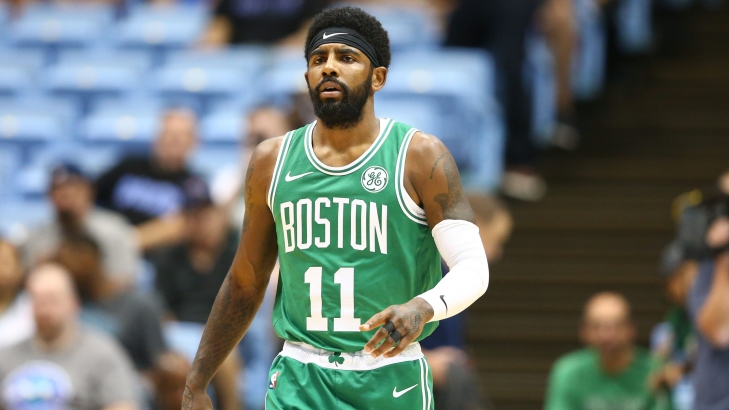
This one can be considered a little tricky.
When Kyrie Irving surprisingly requested a trade from Cleveland (to get away from LeBron, let's be honest!), Boston arguably stole him in the deal, considering that the best player that they gave up, Isaiah Thomas, was never the same after that hip injury that took him out during the previous playoffs. Irving wanted to prove he could lead a powerhouse team, and he did…sort of.
17. Frank Ramsey
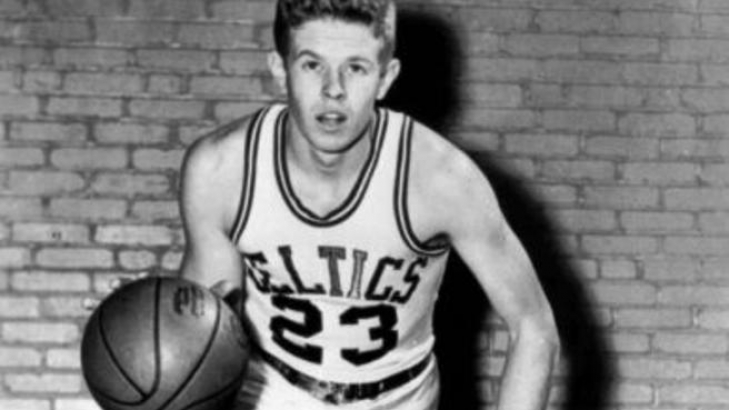
From Kentucky, and a former star at the University of Kentucky, the appropriately nicknamed "Kentucky Colonel," Frank Ramsey, was a champion in the NCAA and helped lay the groundwork for the Celtics dynasty that would begin in the second half of the 1950s. Ramsey was not the star of the team for Boston like he was as a Wildcat, but he was an efficient player with excellent court vision who was selfless, an essential attribute for those early Boston powerhouse teams. As such, he was an important piece to helping the Celtics win their first seven titles, and over his nine-year career (all with Boston), he would average 13.4 Points per Game.
12. Ed Macauley
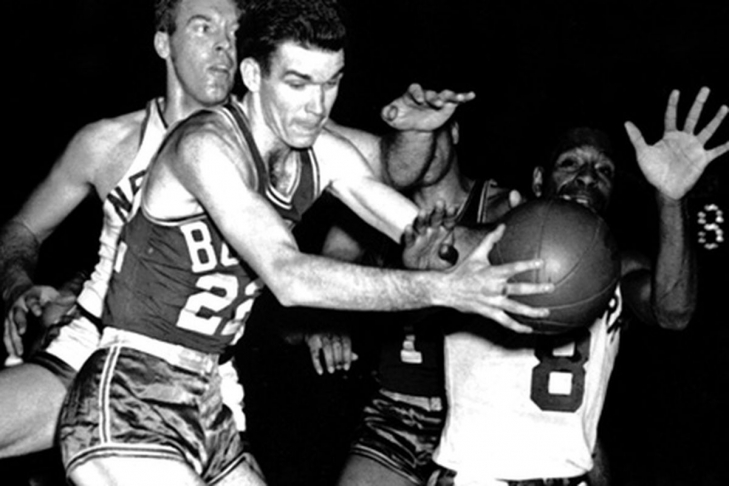
While this ranking might seem high considering that Ed Macauley did not win the NBA Championship with the Boston Celtics, this was a man who would become a Naismith Basketball Hall of Fame inductee primarily from what he did in Boston before they would become the franchise that we all know and (maybe) love.)
10. Dave Cowens
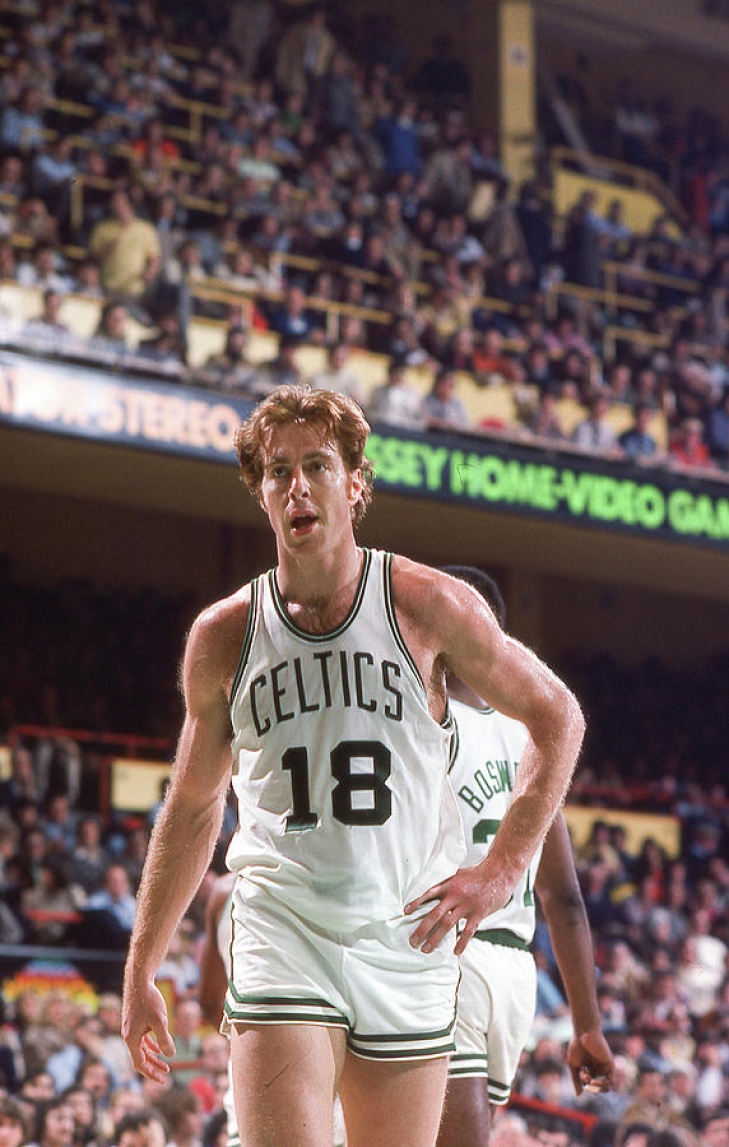
Dave Cowens stood at 6'9", which, while it is undoubtedly a tall frame, he played at Center, making him a little undersized for that position in the 1970s. Cowens made up for that with sheer determination, savvy, and every inch of his body to be one of the most complete players in the game, and this was showcased immediately, as he was the Rookie of the Year in 1970-71. Cowens would become a two-time NBA Champion with Boston in 1974 and 1976 and was a surprise MVP in 1973 (he was not a First Team All-Pro that year). An eight-time All-Star, Cowens holds the distinction of being one of the few players in NBA history to lead his team in all five major statistical categories (Points, Rebounds, Assists, Steals, and Blocks) in a season (1977-78). At the point of his retirement (he would come out of retirement and play with Milwaukee for half a season), he averaged 18.6 points and 14.0 Rebounds per Game.
9. Bill Sharman
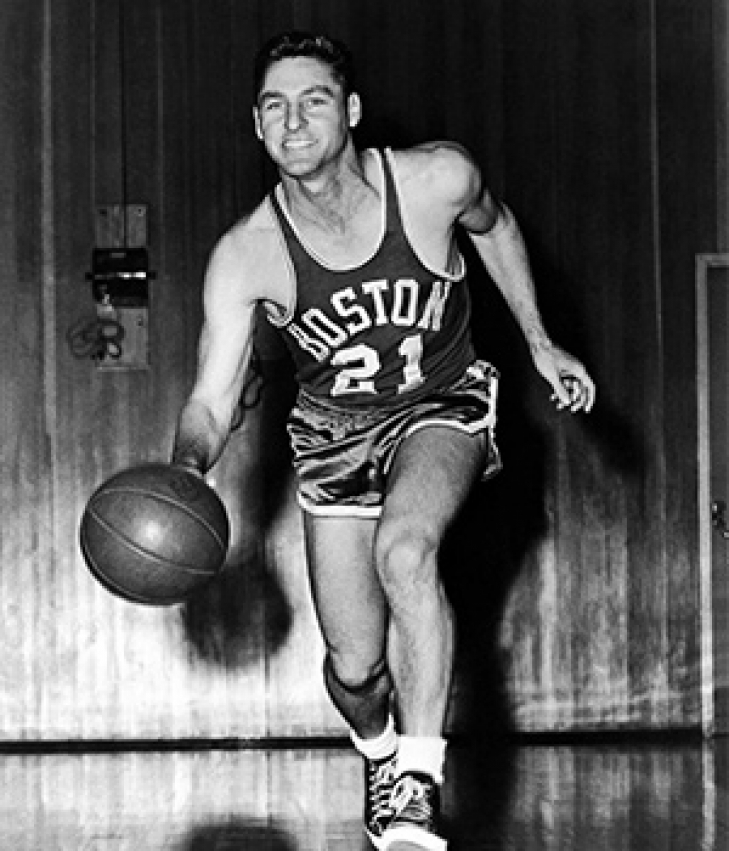
Bill Sharman's path to the Boston Celtics arrived when he was traded from the Fort Wayne Pistons, who acquired him in the dispersal draft of the Washington Cougars. It worked out well for Boston as Sharman entered his second year as a pro, and in his third season, he began an eight-year streak as an All-Star, including three First Team and four Second Team All-NBA Selections. Sharman, who would help the Celtics win four NBA Championships, would prove to be one of the most efficient shooters of his era and was in the top ten in Points per Game seven times and Field Goal Percentage six times. Sharman was deadly at the charity stripe as the Shooting Guard would lead the NBA in Free Throw Percentage seven seasons, which included a five-year consecutive streak from 1952-53 to 1956-57.
8. Sam Jones

Sam Jones played at North Carolina Central, not the University of North Carolina, so he was not highly recruited at the NBA level, but Red Auerbach took a chance on him after his scouts told him this was, in fact, the best player in the state. The gamble proved fruitful as the versatile Jones would prove to be one of the best clutch shooters of his era, so much so that he was nicknamed "Mr. Clutch."
7. Kevin McHale
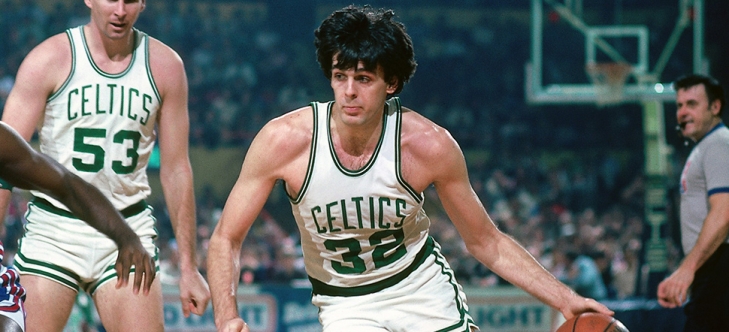
An occasional visitor at Cheers, Kevin McHale, would play his entire NBA career with the Boston Celtics, where he was as selfless as he was popular. McHale was drafted third overall in 1980, and he would become part of Boston's "Big 3" of the 1980s with Larry Bird and Robert Parish. McHale was excellent in the paint on both offense and defense, showing strong shooting skills and blocking ability. The quintessential Power Forward, McHale regularly abused his opponents, whether he was starting or coming off the bench —often the latter— and he rewarded the Celtics for that decision by winning the Sixth Man of the Year in both 1984 and 1985.
6. Robert Parish
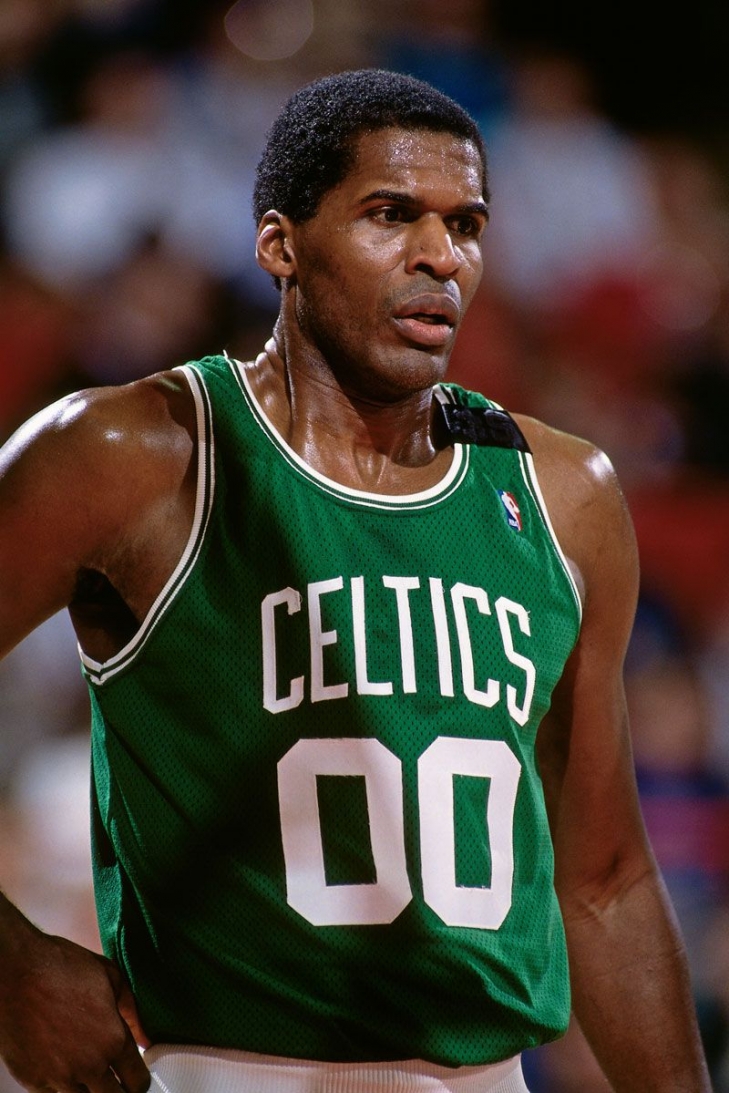
Think about this for a minute. Robert Parish logged 1,102 regular season games for the Boston Celtics, which is well more than most players do in their entire lifetime. That was only 1,102 of 1,611 that the Chief would play in the NBA!
5. Paul Pierce
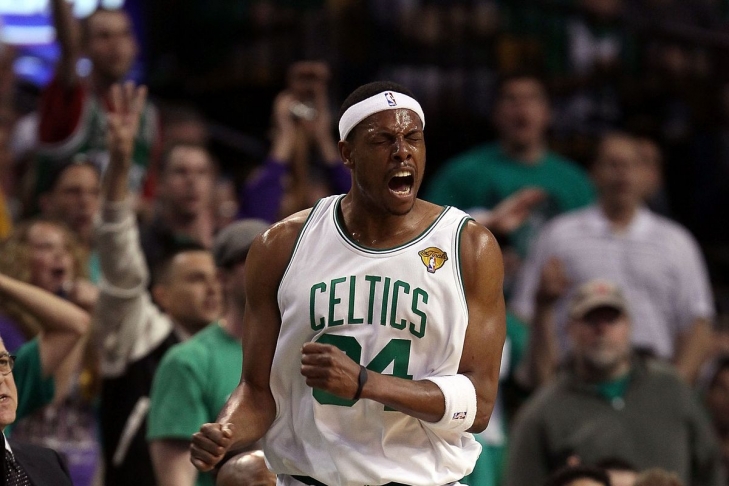
Paul Pierce had a good rookie season (1998-99), averaging just over 16 Points per Game, but it is unlikely that even the biggest diehard Celtic fan knew how good he would become. Pierce would explode two years later with a 25 PPG year, which was followed by five straight All-Star seasons that included a pair of Third Team All-NBA Selections. Nicknamed "The Truth", Pierce was an elite shooter and a more than competent court general, but the Celtics didn't have much around him. They couldn't escape the middle of the Eastern pack until the Boston management swung for the fences, landing Ray Allen and Kevin Garnett, and this version of the "Big 3" would win it all in 2008, and Pierce would begin a second five-year All-Star run. In those Finals, Pierce would win the MVP, which was so appropriate given how long he carried the team before he got the help he needed.
4. Bob Cousy
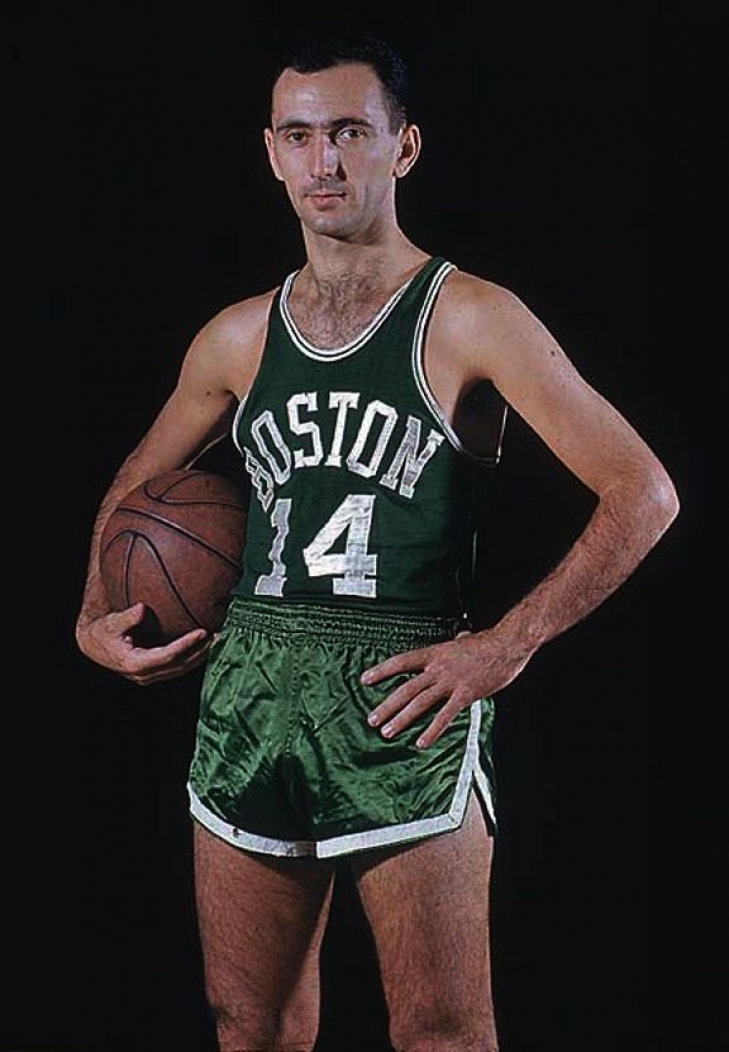
There aren’t too many times when a player becomes a Hall of Famer in a career with a team that never wanted him in the first place.
Serious. The Celtics had the number 1 pick in the 1950 Draft, but they passed on Cousy, a local kid and star at Holy Cross. The Tri-Cities Blackhawks chose the Point Guard at number 3, but Cousy refused to report, and the NBA brokered him to the Chicago Stags, who subsequently folded. Three Stags were made available for dispersal: Max Zaslofsky, Andy Phillip, and Cousy, and the Celtics landed Cousy, who again they didn’t want.
3. John Havlicek
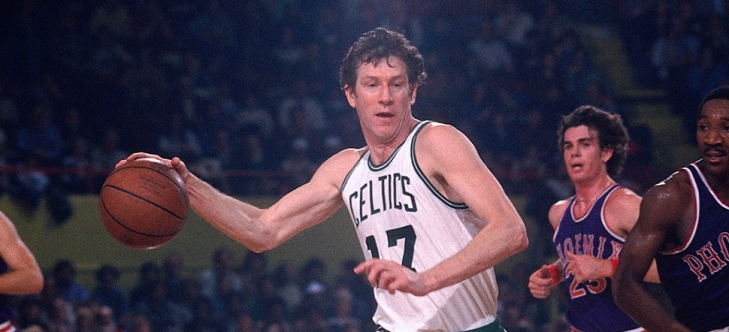
Before we begin, just being nicknamed “Hondo” is enough for us to put John Havlicek in our top five!
Havlicek was the 7th Overall Pick from the 1962 Draft, and he would go on to be the most tenured player in Celtics history with 16 seasons and 1,270 games under his belt. He rarely missed games, led by example and was a lethal weapon on both ends of the court. "Hondo" would develop into the game's first real swingman, moving effortlessly from guard to forward. From 1965-66 to his retirement, he was a perennial All-Star and would average 20.8 Points per Game. This is no surprise, which if you look at his overall tenure he is the Celtic's all-time leading scorer.
2. Larry Bird
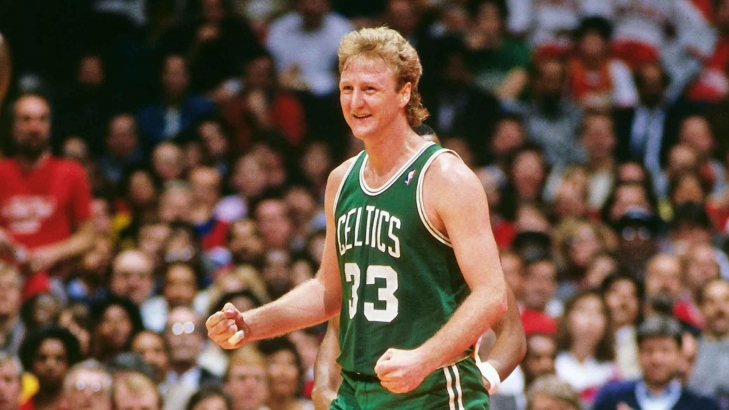
While we said that anointing Bill Russell was a lock as our top Boston Celtic of all-time, Larry Bird gave us pause.
Before Bird's arrival in Boston, the franchise was in disarray after being without question the most dominant franchise in the league. The city craved basketball greatness, and Bird gave them just that. Bird was the 6th overall pick in 1978 but joined a year later after staying at Indiana State for his senior year. As expected, Bird was an automatic superstar winning the Rookie of the Year and being named to his first of what would be 12 All-Star Games.
50. Brandon Bass
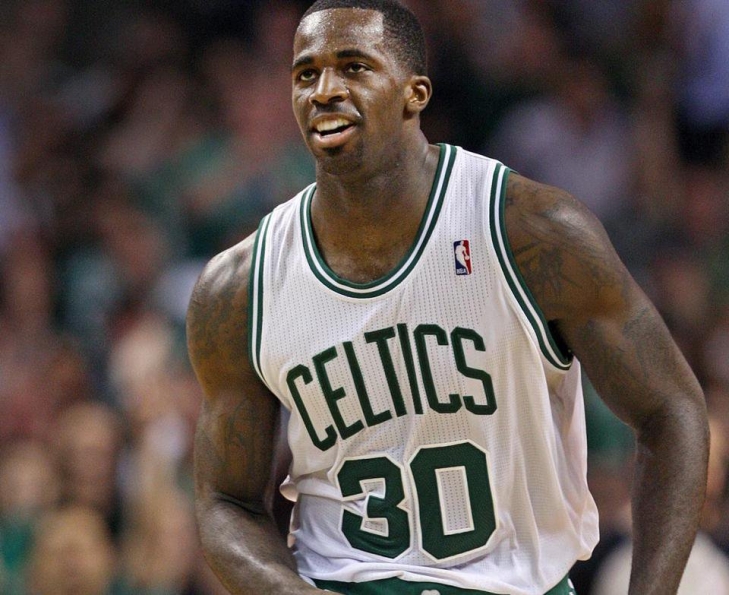
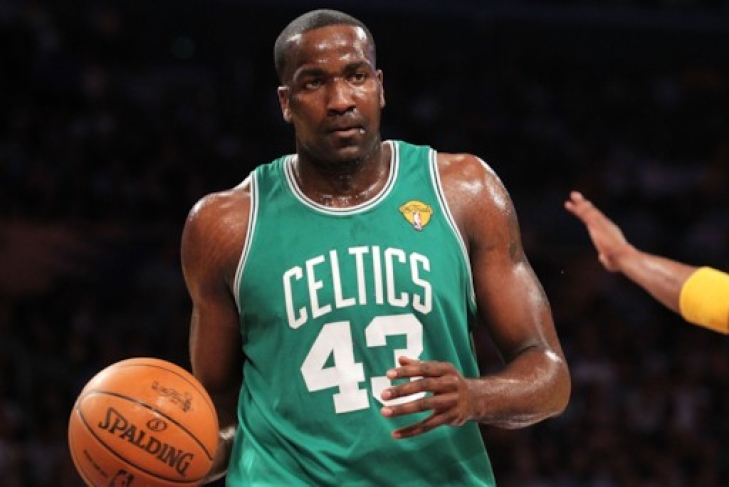
44. Kendrick Perkins
37. Nate Archibald
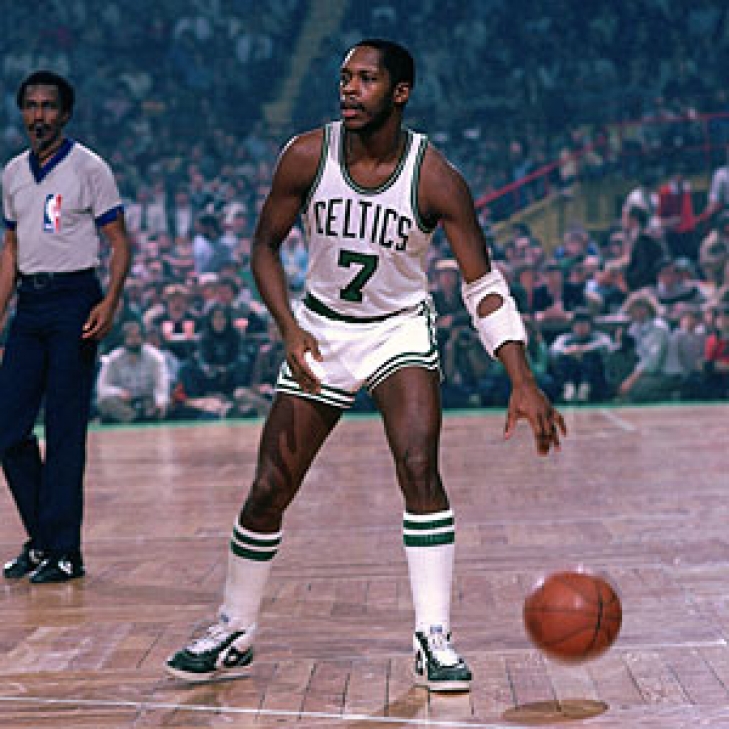
Nate “Tiny” Archibald was an absolute beast for the Kansas City Kings, and the stats he put up there can't be forgotten. When we reach an all-relocated team, we will set up a shrine for him. A torn Achilles would take him out of the 1977-78 Season (where he was with the Buffalo Braves), and he would be traded to Boston, where he would take over as their starting Point Guard.
32. Dee Brown
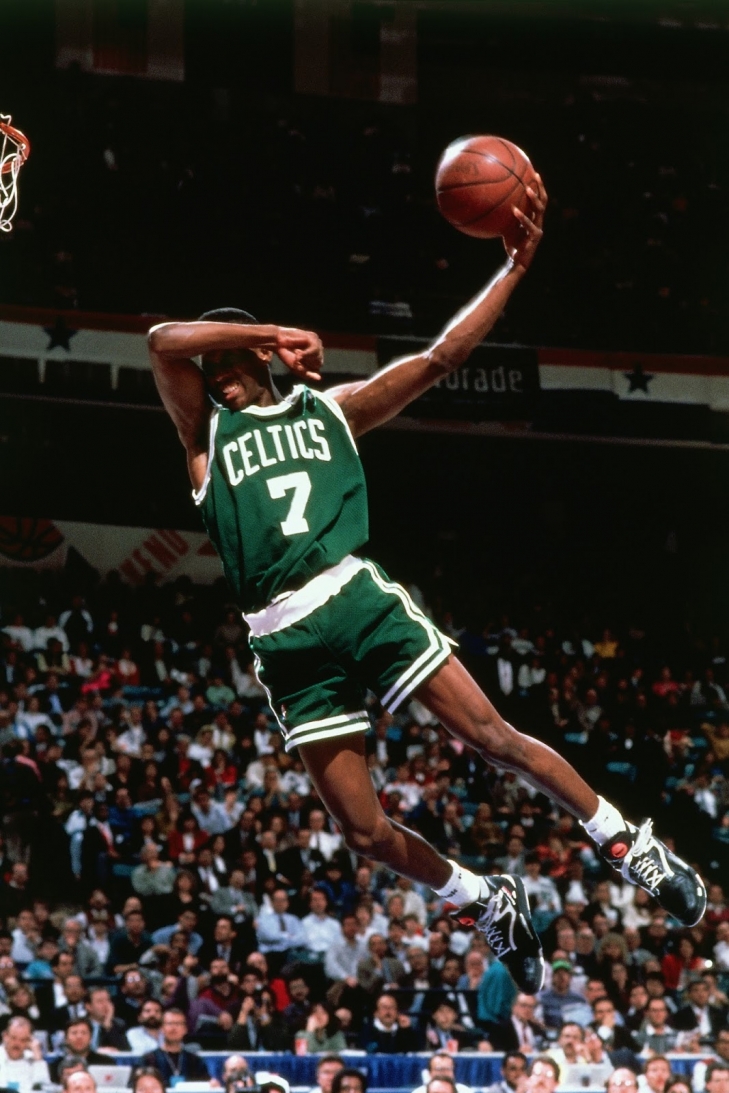
When you think of Dee Brown's career, most people point to his electrifying no-look slam dunk that won the competition in 1991. That is not a bad way to be remembered, but beyond that, you had a good player who split his time between Point and Shooting Guard who would have two straight years averaging over 15 Points per Game (1993-94 & 1994-95), the first of which would see him also finish 10th in the NBA in Steals per Game with 2.0.
30. Dennis Johnson
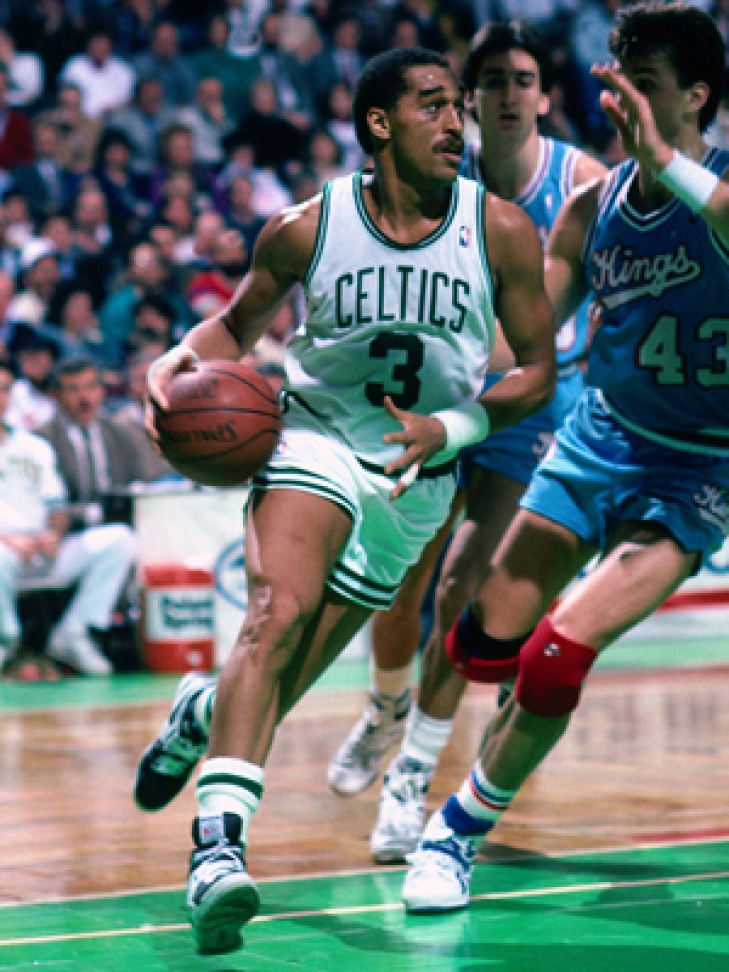
Dennis Johnson played the last half of his career (seven years) with the Boston Celtics after already playing in four All-Star Games and winning the NBA Championship in 1979 with the Seattle SuperSonics. "D.J." was already one of the best defensive guards, and as a Celtic, he would continue to provide that with four All-Defensive Selections (one First Team and three Second Teams). Johnson was scoring as much as he had before, but with Boston, he had switched to Point Guard, and it showed in higher assist numbers than the Shooting Guard ever had before.
31. Paul Silas
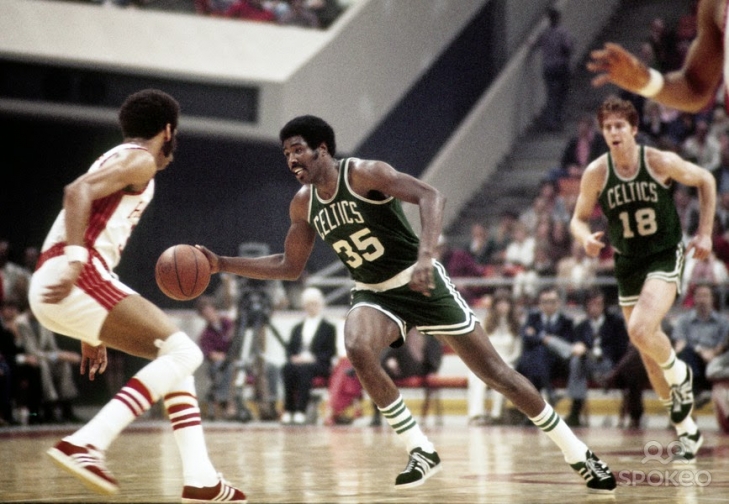
Paul Silas was with the Boston Celtics for four seasons, directly after he was chosen for his first All-Star Game with the Phoenix Suns. Silas was much happier in Boston, and every season he donned the green, he averaged a double-double, posting 11.5 Points and 12.3 Rebounds per Game as a Celtic. The Power Forward wasn't a great shooter, but his pay was based on his rebounding prowess, and Silas was damned good at it. He finished in the top 13 in Rebounds per Game every year he played in Boston, and in three seasons, he was named an All-Defensive Selection. Silas was chosen for the All-Star Game in 1975, and, most importantly, his defensive skills were a tremendous asset to Boston, helping the team win the 1974 and 1976 NBA Championships.
29. Isaiah Thomas
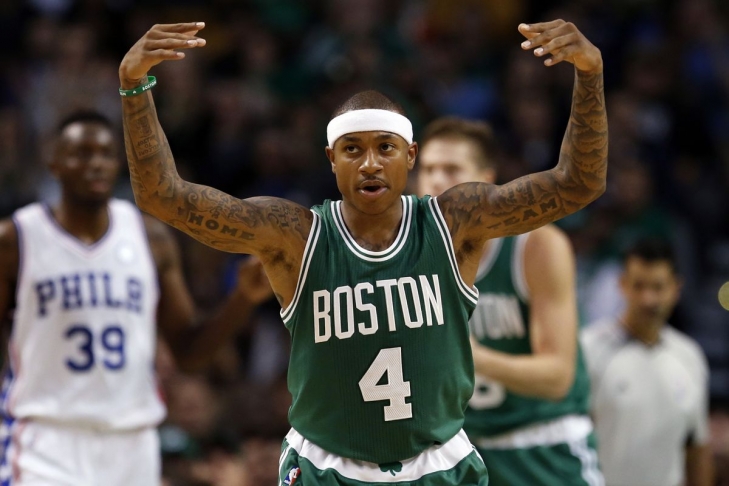
Yes, we know that Thomas's stay in Boston lasted only two years and change, but he was on fire, especially in his last year, and was the man who carried Boston further than they had any right to be at the time.
26. Bailey Howell
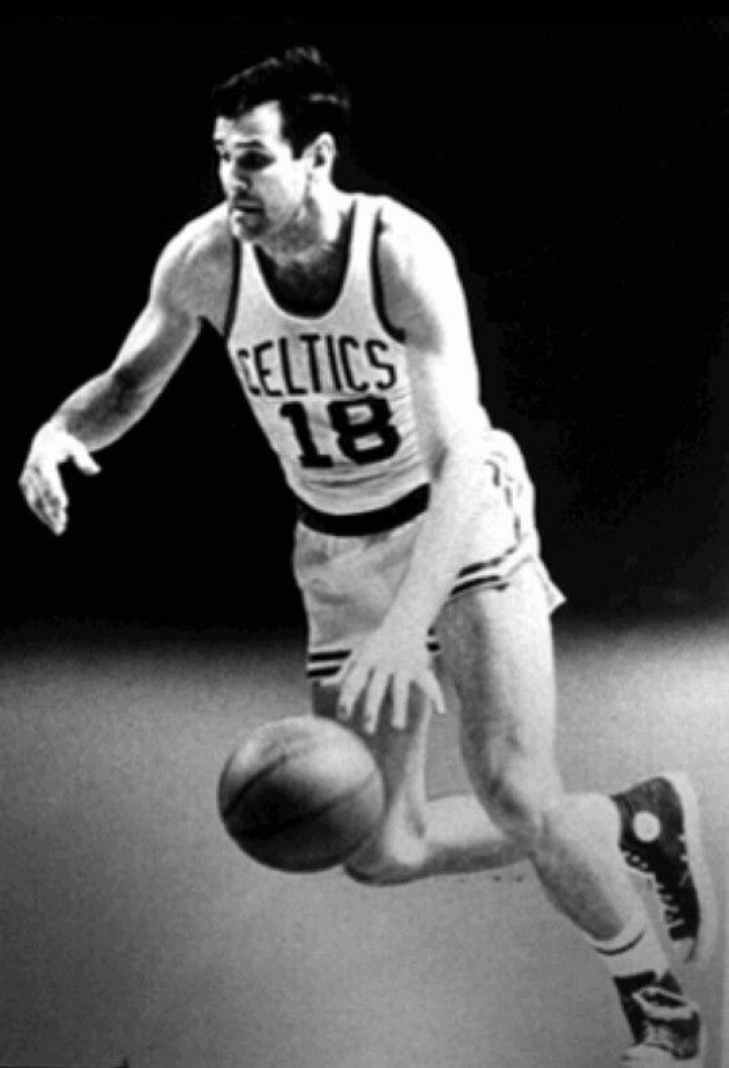
Bailey Howell had already been to five All-Star Games (four with Detroit and one with Baltimore) before he arrived in Boston for the back nine of his career. Howell wasn't putting up the exact numbers he had in Boston, but he was now on a more loaded team, and when you are a teammate of Bill Russell, you don't have to lead the team in boards. Howell was a strong presence during the NBA Championship wins in 1968 and 1969 and was chosen for his sixth All-Star team the year before he won his first title. Howell would average 18 Points and 8.4 Rebounds per Game with a 17.9 PER.
