

24. Antoine Walker
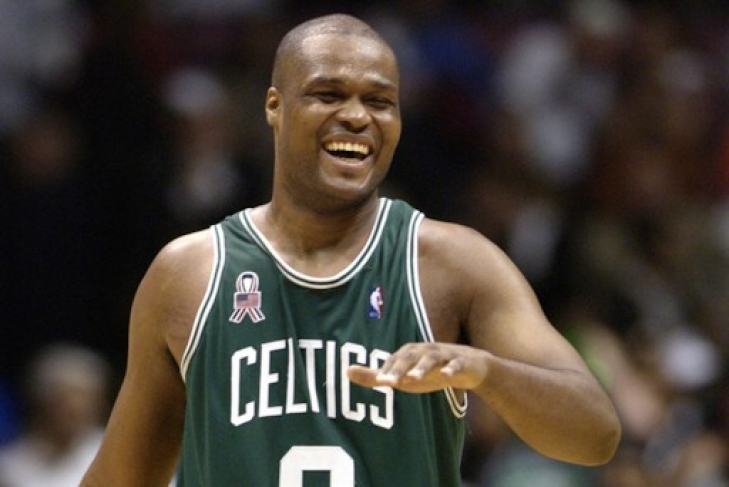
Antoine Walker was a champion at the University of Kentucky and was drafted 6th Overall by Boston in 1996, though the Celtics were no longer the dominant team they used to be. The Power Forward would be Boston's primary offensive weapon, and he would be named an All-Star in his sophomore season when he averaged 22.4 Points per Game. Walker would be a workhorse, and in 2001-02 he would lead the NBA in Minutes Played and Field Goal Attempts, and he would also make his second All-Star Game. Walker also had help with Paul Pierce, and the tandem took the Celtics to the Eastern Conference Finals that year. He would be with Boston one more season and would be chosen for his third and final All-Star Game.
20. Jo Jo White
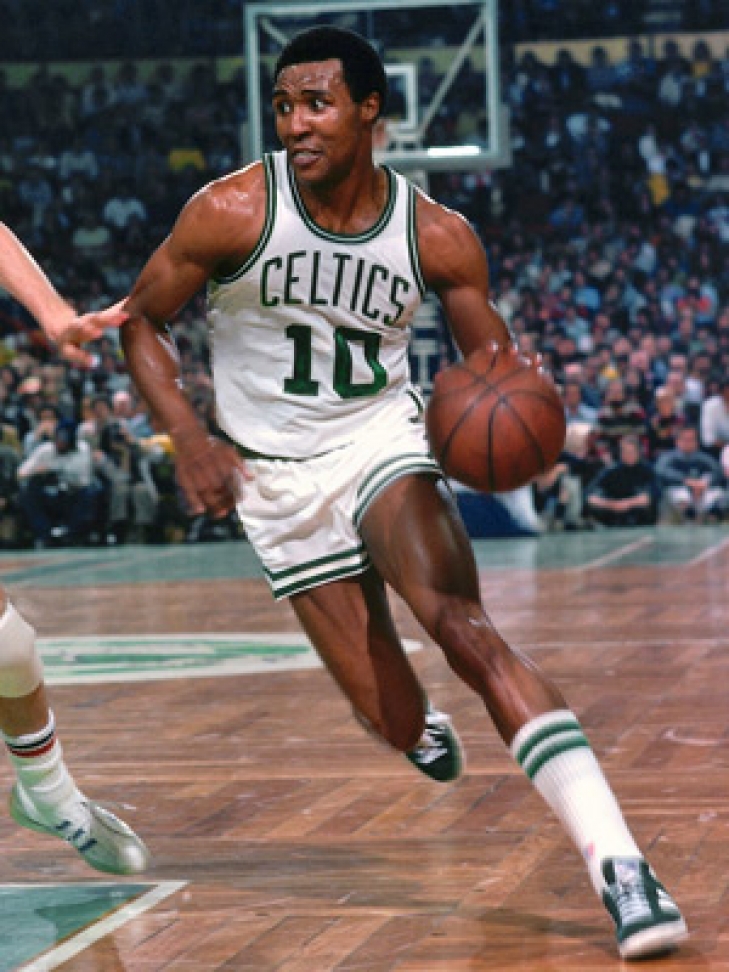
Initially, it seemed that Jo Jo White arrived a year too late, as after he was drafted, both Bill Russell and Sam Jones retired. That was not the case as they would rebuild with White running the Point. He wasn't alone as he had other stars with him, such as Dave Cowens, John Havlicek, and Paul Silas. White was an incredible ball-handler who would become the team's ironman, competing in 488 straight games. In his third season, he began another significant streak, being named to seven consecutive All-Star Games, including a pair of Second Team All-NBA Selections. Leading Boston to the NBA Championship in 1974, his best moment was two seasons later, when he was the Finals MVP, capturing his second Championship Ring, punctuated by a 33 Point performance in a triple-overtime Game 5 win.
16. Cedric Maxwell
15. Don Nelson
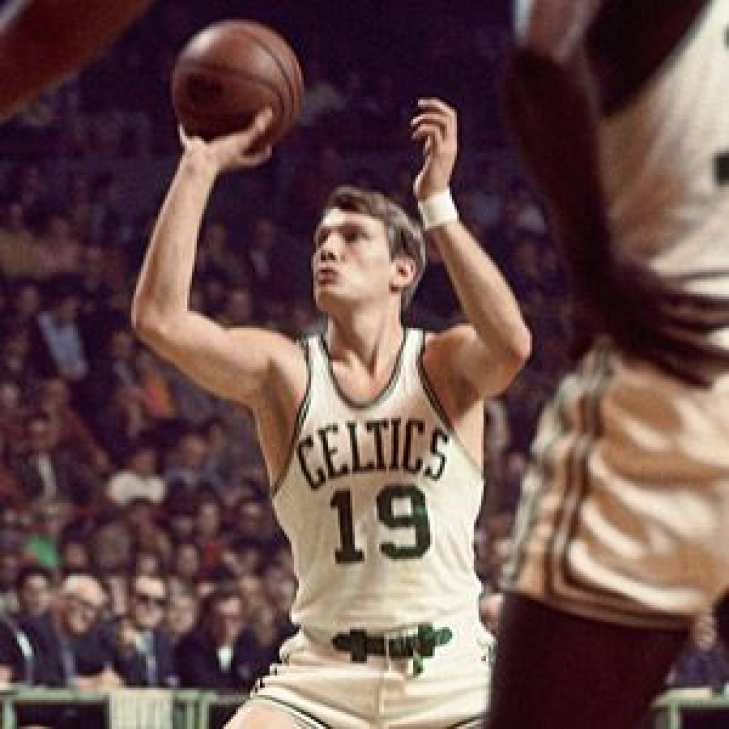
Don Nelson, without question, achieved more considerable notoriety as a coach than as a player, but it should never be discounted what he accomplished when he donned the shorts.
14. Kevin Garnett
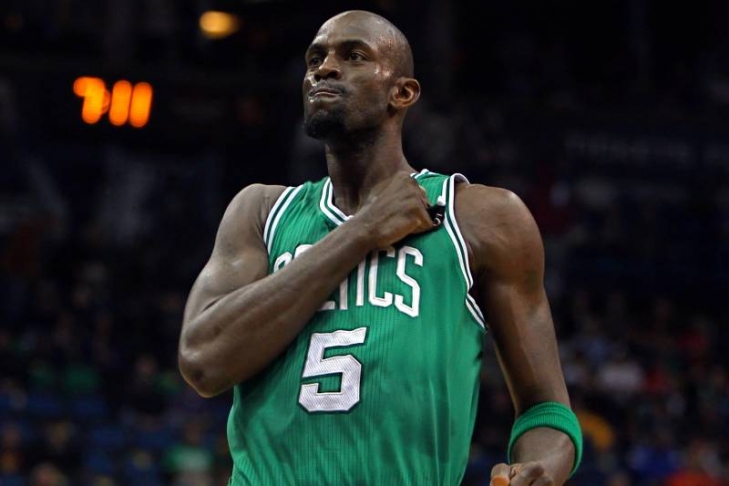
Kevin Garnett was one of the best players in the NBA, and he carried the Minnesota Timberwolves for years. But there was only so far he could take them without having any real star power around him. Garnett grew frustrated, and he was traded to the Boston Celtics, who gave up five players and two number one picks for the former MVP. The Celtics had also acquired Ray Allen, and along with incumbent Paul Pierce, Boston had a big three that could contend with anyone, and they did so immediately!
13. Tom Heinsohn
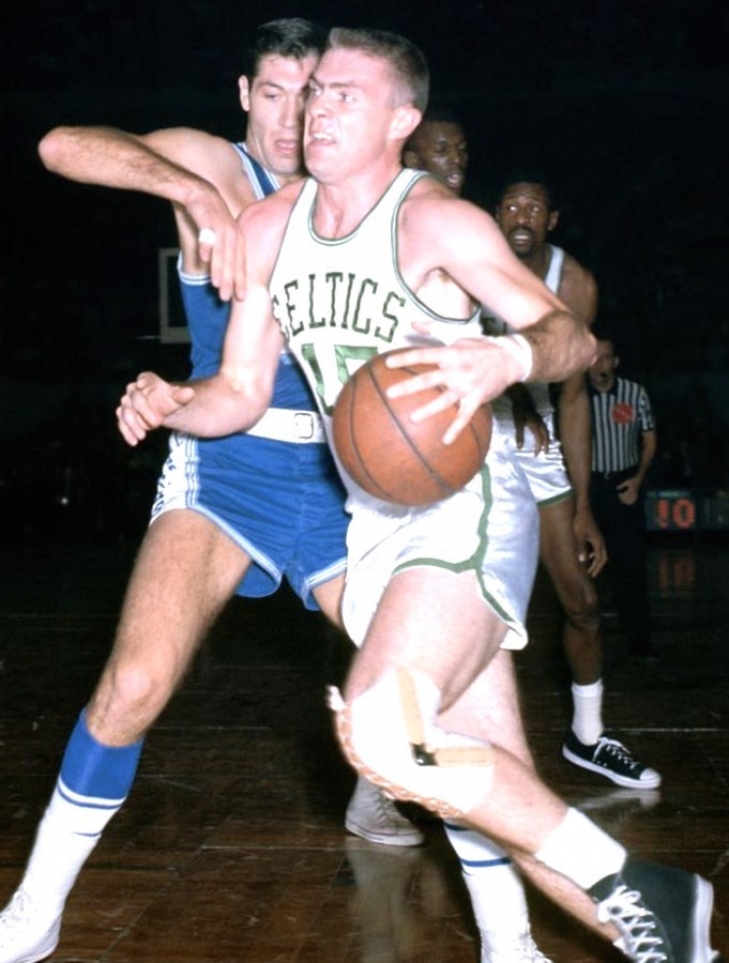
Tom Heinsohn would play his entire playing career with the Boston Celtics (1956 to 1965), but that was just the beginning of what he would do with the team. As a player, he would help Boston win eight titles while being named a Second Team All-NBA Selection at Power Forward for four straight years (1961-64). He wasn't the team's primary star, but he didn't have to be, as he provided Bill Russell, the perfect frontcourt partner, since he was more adept at scoring than Russell was. Heinsohn would average 18.6 Points per Game and had three 20 PPG years for Boston while also providing useful boarding metrics with an 8.8 average.
46. Jim Loscutoff
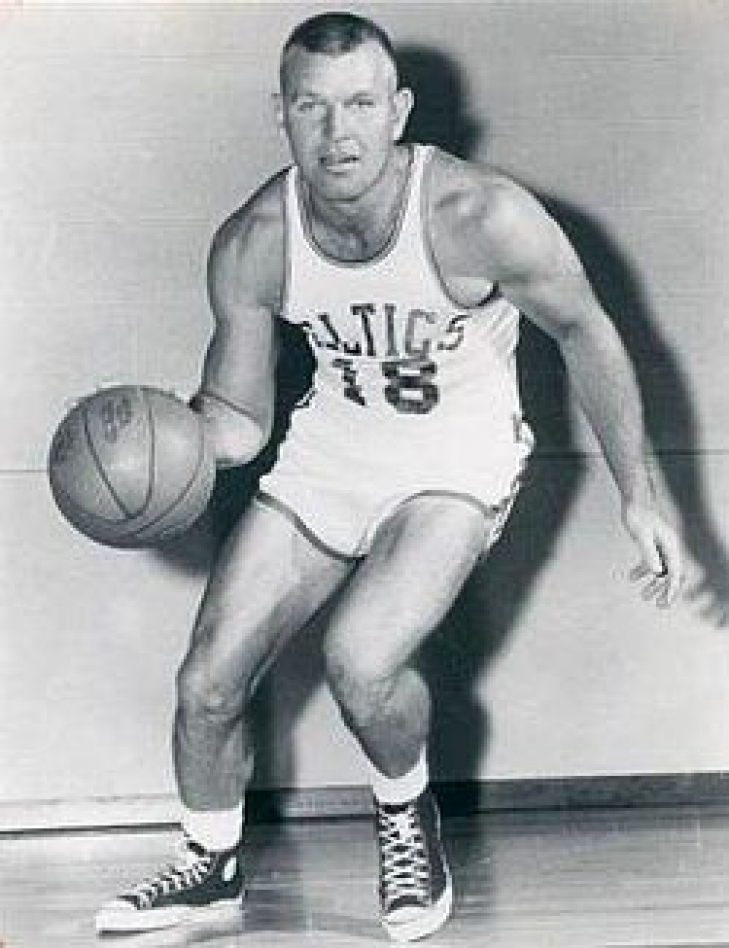
This one will take a while.
First off, we feel guilty ranking Jim Loscutoff so low. This man is iconic in Beantown and was one of the most popular players ever in the Celtics’ green. Saying that, let’s focus on the positive.
48. Kenny Anderson
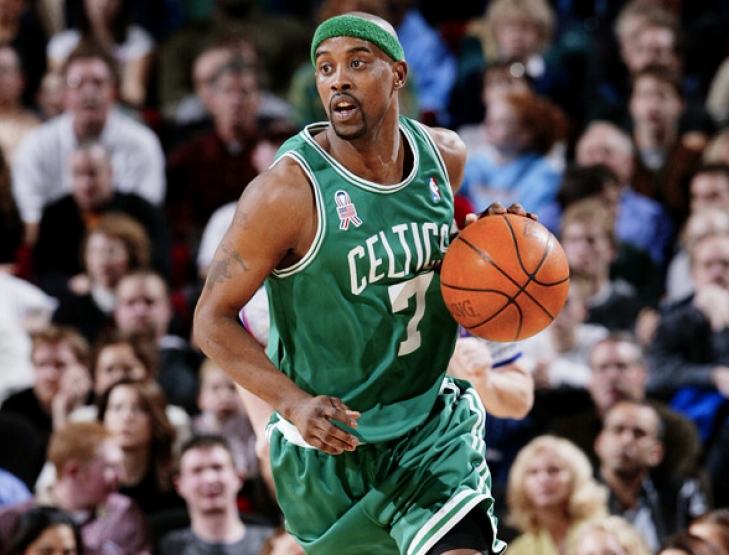
45. Tony Battie
42. Ed Pinckney
40. Rick Fox
39. Kevin Gamble
25. Reggie Lewis
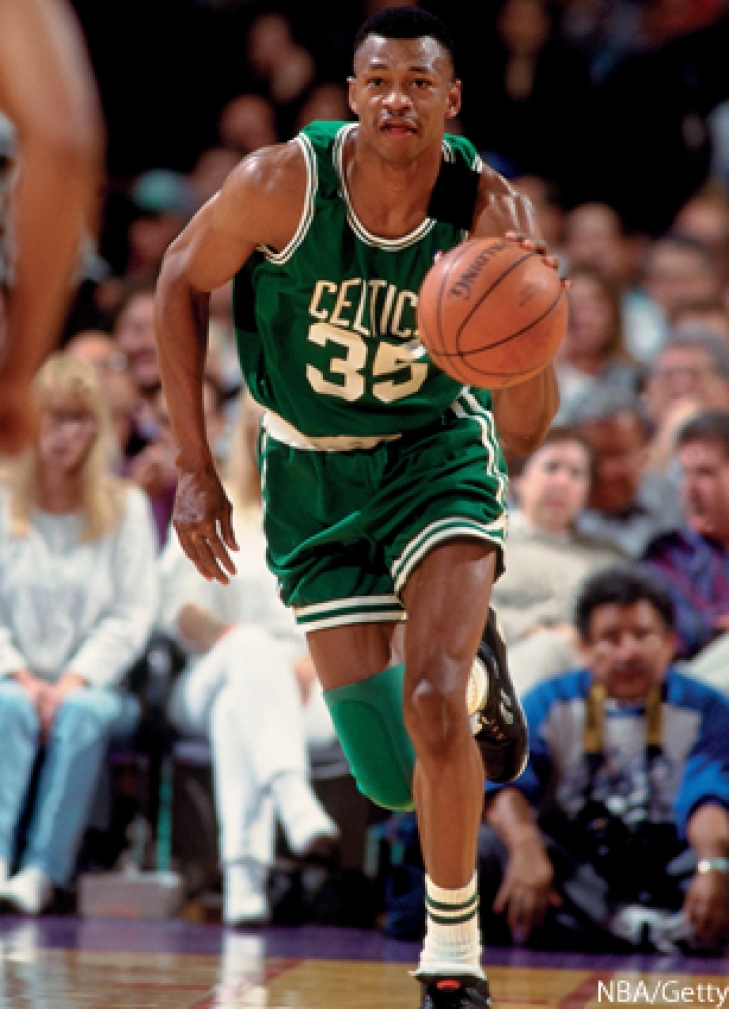
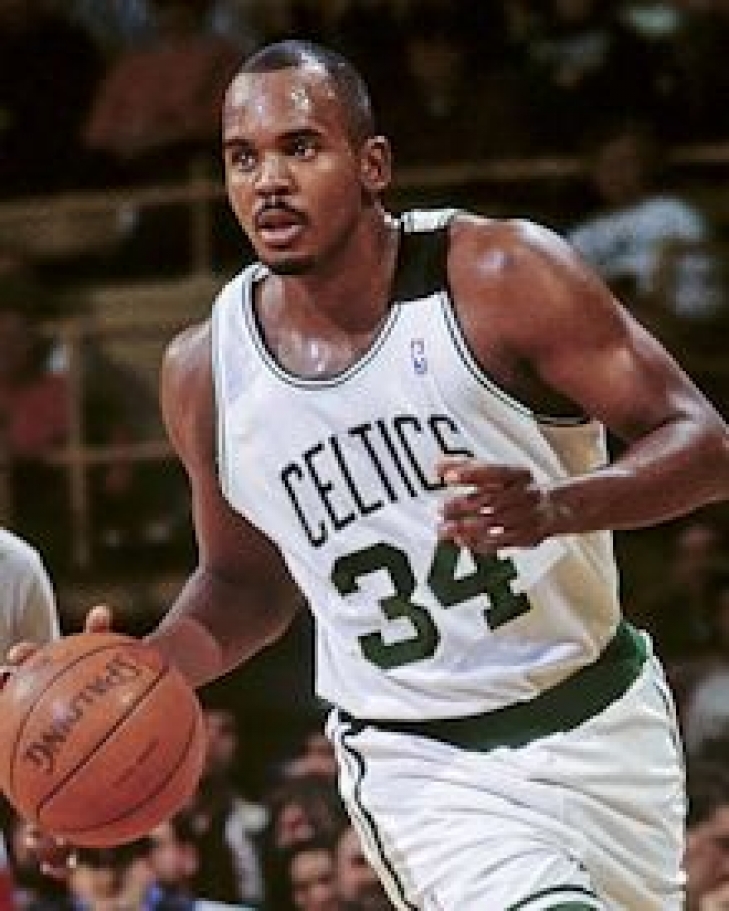
Reggie Lewis was a late-round draft pick in 1987 and the product of Northeastern University, playing less than ten minutes a game as a rookie, so it surprised some when he would blossom when gaining minutes due to Larry Bird's injury and had an 18.5 PPG season as a sophomore. Lewis would become the starting Shooting Guard, and in 1991/92 and 1992/93 he averaged just over 20 Points per Game, with the first of those seasons earning him All-Star recognition.
1. Bill Russell
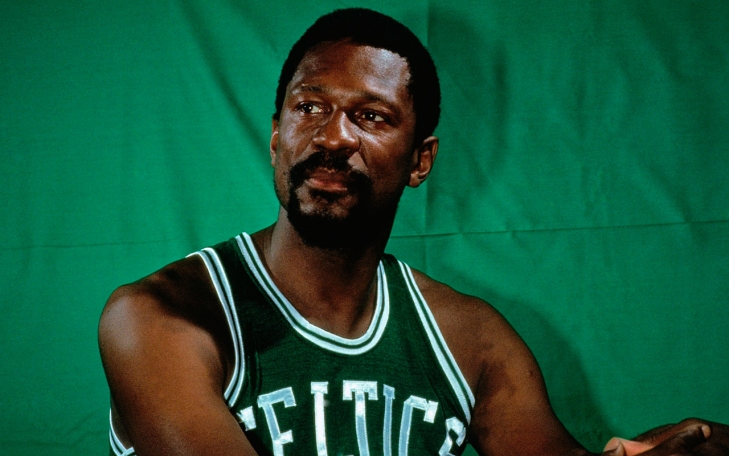
Despite the high amount of Hall of Famers that the Boston Celtics had and how many championships that they won, you would think that there would be a glut of top considerations for the spot of the best of all Celtics of all-time.
49. Dino Radja
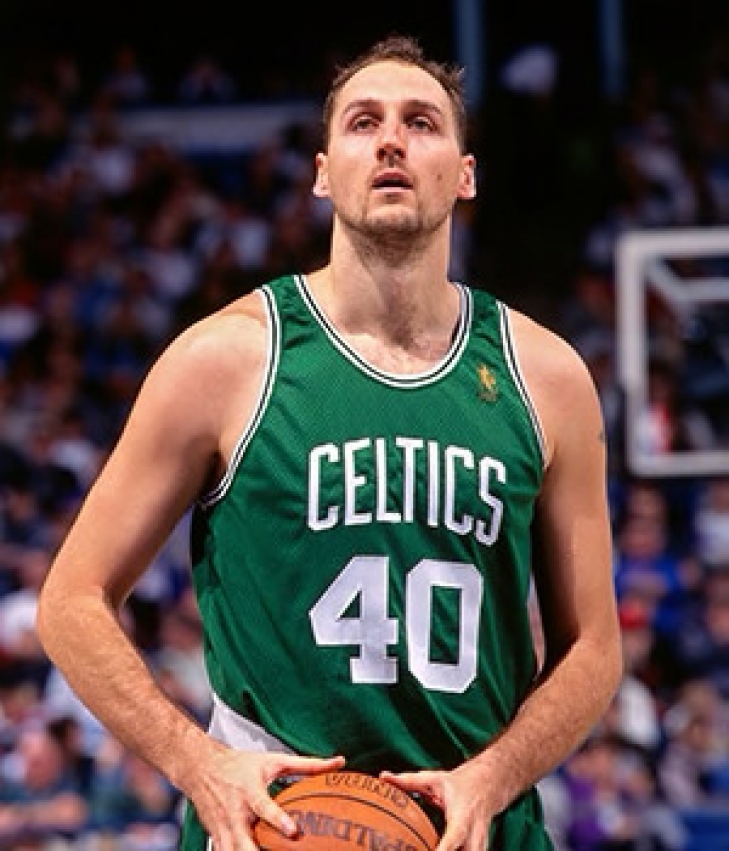
The Boston Celtics drafted the Yugoslavian-born Dino Radja in the 2nd Round of the 1989 Draft, but it took until the 1993-94 season for the Power Forward to elect to leave Europe to play in the United States.
36. Larry Siegfried
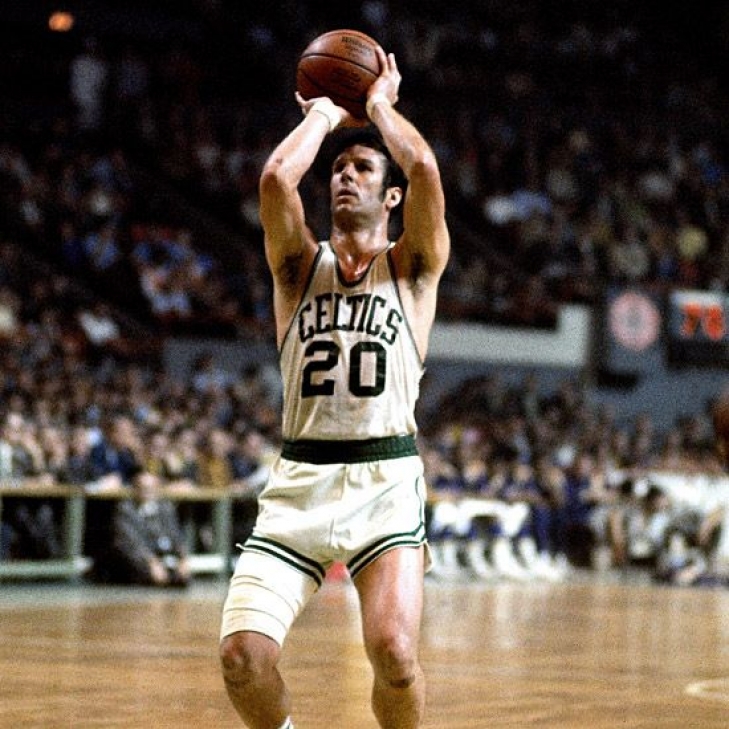
Larry Siegfried took a longer way than many to get to the Celtics, as he was drafted 3rd in the 1961 Draft by the Cincinnati Royals, a team the former Ohio State Buckeye surprisingly did not want to play for. Instead, he elected to play for the Cleveland Pipers of the American Basketball League and would win a title there. However, the league folded, and he would sign with the St. Louis Hawks, who bought his NBA rights from Cincinnati. The Hawks cut him, and, with his confidence low, he was picked up by Boston.
35. Don Chaney
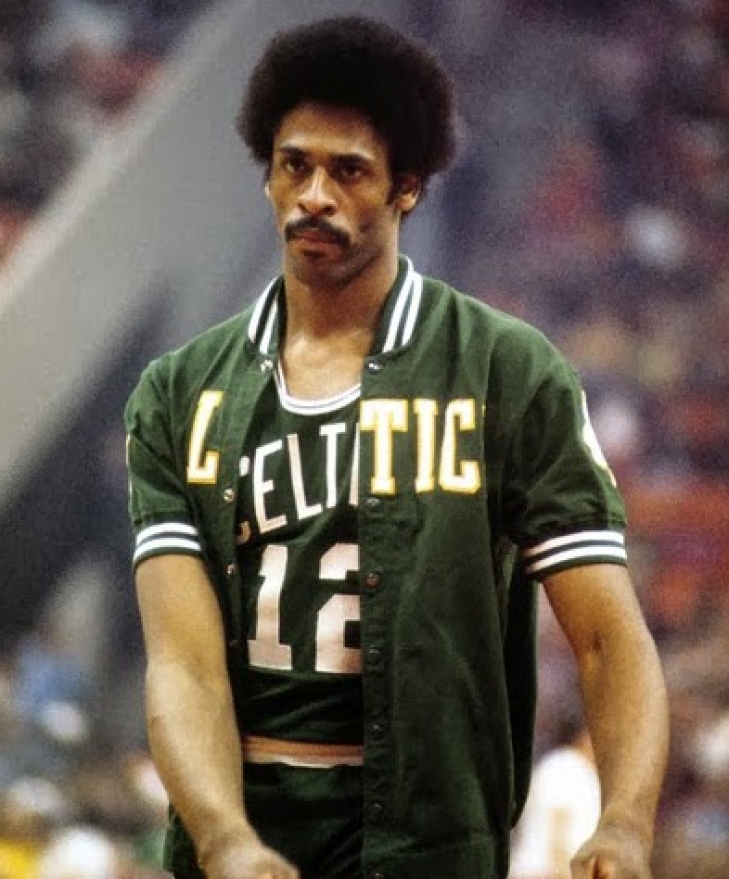
Chaney was the 12th overall pick from the University of Houston, where, as a rookie, he was part of the Celtics’ 1969 Championship win, the last of the ’60s dynasty. The Guard would star on the defensive side of the ball, earning Second Team All-Defensive Selection honors four times as a Celtic, and would have four seasons of 10-plus Points per Game. Chaney was with Boston for most of his career, save for a one-year stint in the ABA with St. Louis and a year and a half later with the Los Angeles Lakers, and he holds the distinction of being the only Celtic who at one time played with Bill Russell and Larry Bird.
27. Danny Ainge
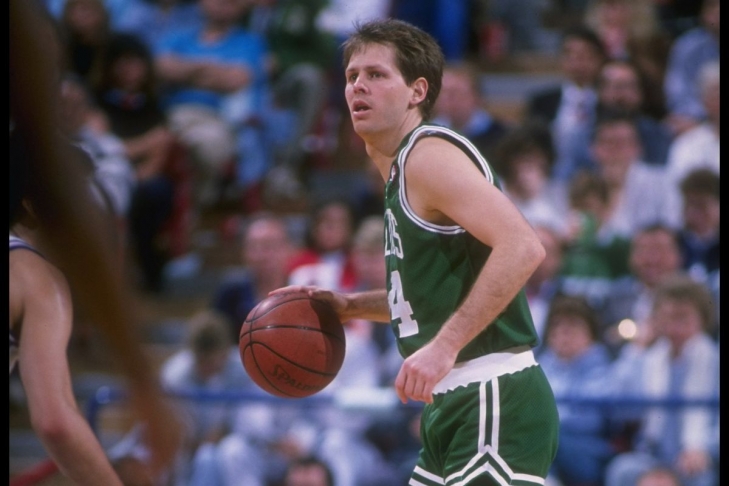
Ainge actually played for the Toronto Blue Jays before he was drafted by the Boston Celtics, who chose him 31st Overall in 1981. After a rocky start, he would find his role in professional basketball as a pesky agitator and occasional scorer. Ainge would help Boston win two titles (1984 & 1986) and was a bit of a surprise as an All-Star in 1988. The Guard averaged 11.3 Points per Game over the seven-and-a-half seasons he played for Boston.
21. Tom Sanders
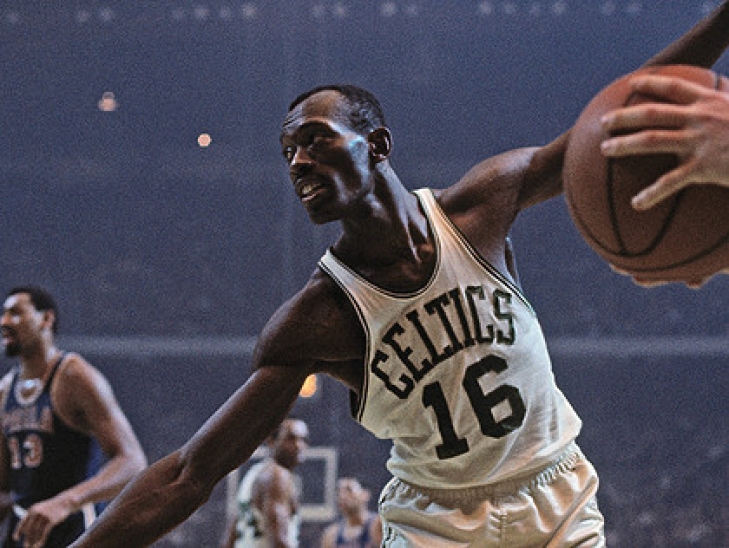
Tom “Satch” Sanders is one of only three players to appear in eight NBA Finals and win them all. To no surprise, the other two are also Celtics.
23. K.C. Jones
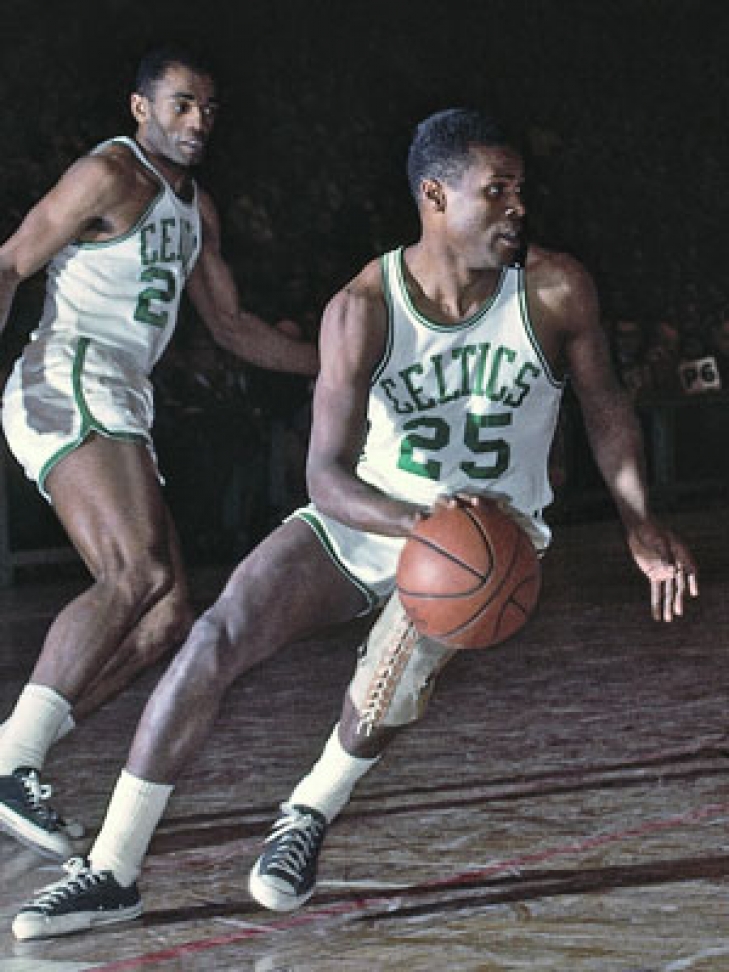
K.C. Jones played with the great Bill Russell at the University of San Francisco, where he would win two NCAA Championships. The duo would later join the Celtics, where Jones was not the same contributor that he was in college, but his role was to be a role player and distributor, which he did perfectly. Jones played all nine seasons in the NBA with Boston, wherein eight of them he would be an NBA Champion, and three would see him finish in the top five in Assists. While Jones was never an All-Star, he knew he didn't have to be, and his selflessness was one of the main reasons that made Boston so good for so long.
