


Site Admin
28. Robert Porcher
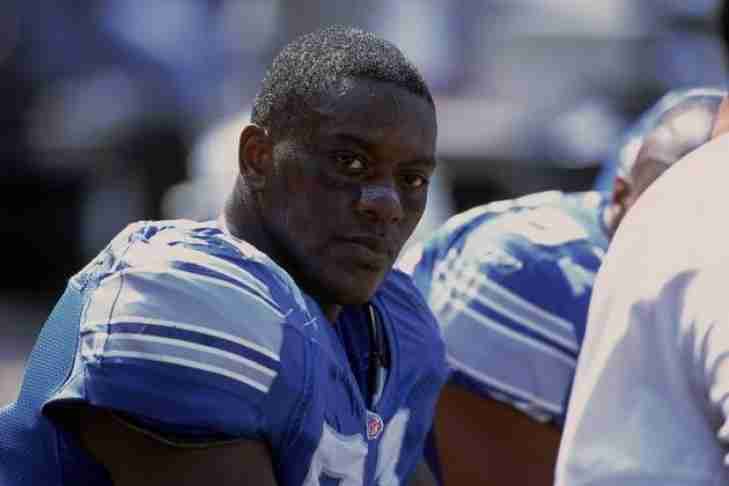
Arriving in Motown as a 26th overall pick out of South Carolina State in 1992, Robert Porcher possessed raw athleticism and length that needed only time and technique to turn into pure backfield destruction. He quickly became the undisputed anchor of Detroit's defensive line, spending twelve seasons torturing opposing quarterbacks.
Porcher hit his stride in 1996 with an 8.5-sack campaign, launching a dominant six-year run as one of the NFC's premier edge threats. He recorded double-digit sacks in five seasons, highlighted by a career-best 15.0 sacks in 1999. Combining exceptional closing speed with powerful hand use, Porcher earned three Pro Bowl selections (1997, 1999, 2001) and three AP Second-Team All-Pro honors, regularly collapsing the pocket and anchoring front-seven defenses that reached the postseason five times during his tenure.
Although opposing quarterbacks dreaded facing him on Sundays, the Detroit community highly valued his contributions beyond football. He is a key philanthropist in the region, having established the Robert Porcher Man of Rush Foundation, which has raised hundreds of thousands of dollars for cancer research and youth initiatives. His relentless civic efforts have led to multiple nominations for the team's Walter Payton Man of the Year award.
When Porcher retired following the 2003 season, he hung up his cleats as a lifelong Lion, having accumulated 95.5 official career sacks—falling just 4.5 sacks shy of the century mark while establishing a franchise record that still stands today. In September 2025, his towering legacy was immortalized at Ford Field when the organization officially inducted him into the Pride of the Lions ring of honor. He also had 602 tackles and 25 forced fumbles for the team.
All I Have To Do Is Dream
The Everly Brothers
All I Have To Do Is Dream
24. Kevin Glover
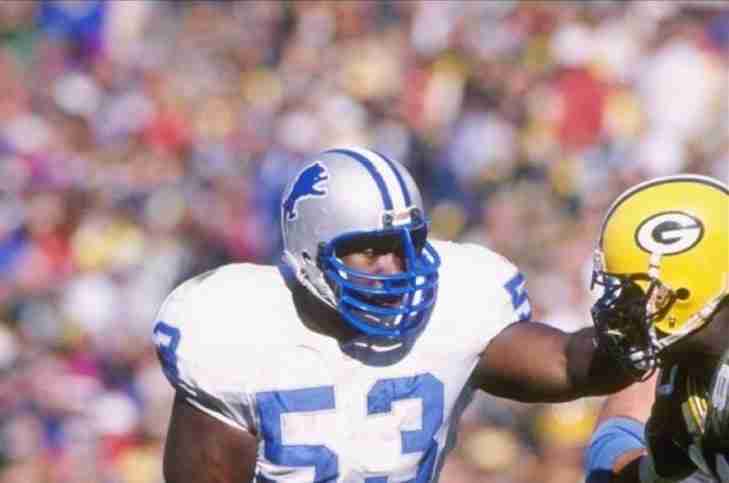
Selected in the second round out of Maryland in 1985, Kevin Glover worked his way into the lineup before taking full control of the center spot. Once entrenched, he provided the intelligent, athletic pivot that Detroit's front line needed during one of the most explosive offensive eras in franchise history.
Glover's tenure peaked alongside Hall of Fame running back Barry Sanders. Operating at center, Glover possessed the rare mobility needed to reach the second level, pull on perimeter sweeps, and make split-second adjustments against blitzing fronts. His chemistry with left tackle Lomas Brown formed the core of a front five that helped Sanders rack up historical rushing totals and powered Detroit to four playoff appearances, including a trip to the 1991 NFC Championship Game.
His national recognition came later in his career, but it reflected years of dominant technique. Glover earned three consecutive Pro Bowl selections from 1995 through 1997 and captured a Second-Team AP All-Pro nod in 1995. Known for his exceptional durability and leadership, he rarely missed a snap, serving as an offensive captain and one of the most respected locker-room voices in Motown.
After 13 seasons in Detroit, Glover finished his career with two years in Seattle before hanging up his cleats. His contributions were later recognized with selections to both the Detroit Lions 75th Anniversary Team and All-Time Team.
15. Wayne Walker
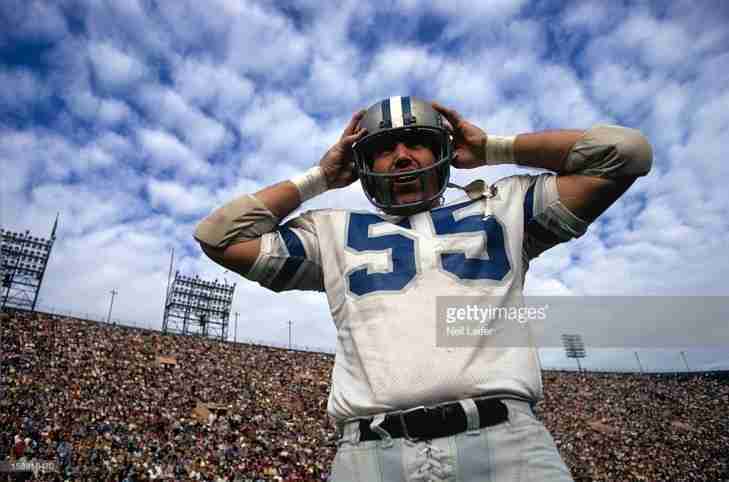
Chosen in the fourth round of the 1958 NFL Draft out of Idaho, Wayne Walker stepped into the Motor City and quietly built one of the most durable, versatile careers in franchise history. Holding down the outside linebacker spot while simultaneously pulling duty as the team's primary placekicker, Walker gave Detroit a two-way producer who rarely left the field for fifteen consecutive seasons.
As a core member of the formidable 1960s defense, Walker relied on textbook tackling and exceptional instincts against both the run and the pass. He earned three Pro Bowl nods (1963, 1964, 1965) and a First-Team All-Pro selection in 1965, constantly disrupting opposing offenses alongside Hall of Fame middle linebacker Joe Schmidt. In 1968, his leadership and playmaking earned him team Defensive MVP honors. Meanwhile, his right leg proved equally valuable; he led the Lions in scoring five times and booted 121 career field goals.
Walker's ironman longevity became the stuff of Lions legend. Between 1958 and 1972, he set a franchise record by playing in 200 regular-season games, a mark that stood for nearly four decades before kicker Jason Hanson surpassed it.
In his 15 seasons, Walker played in 200 regular-season games. He compiled 14 interceptions, 13 fumble recoveries, 121 field goals, 333 extra points, and 696 total points. Walker was elected into the Pride of the Lions in 2013.
