


Committee Chairman
The 2022 Fictitious Athlete Hall of Fame is announced!
One of our pet projects, the Fictitious Athlete Hall of Fame is pleased to announce the six new members comprising the Class of 2022, which is the 9th full class.
There are three wings in the Fictitious Athlete Hall of Fame:
The Fictitious Athlete wing, whose members are: Rocky Balboa (The Rocky series), Roy Hobbs (The Natural), Crash Avis (Bull Durham), Ricky “Wild Thing” Vaughn (Major League), Happy Gilmore (Happy Gilmore), Reggie Dunlop (Slap Shot), The Hanson Brothers (Slap Shot), Charlie Conway (The Mighty Ducks) Benny “The Jet” Rodriguez (The Sandlot), Apollo Creed (Rocky), Willie “Mays” Hayes (Major League), Forrest Gump (Forrest Gump), Bobby Boucher (The Waterboy), Paul “Wrecking” Crewe (The Longest Yard), Dottie Hinson (A League of Their Own), Daniel LaRusso (The Karate Kid), Clubber Lang (Rocky), Ivan Drago (Rocky), “Fast” Eddie Felson (The Hustler & The Color of Money, Al Bundy (Married...with Children), Homer Simpson (The Simpsons), Johnny Lawrence (The Karate Kid and Cobra Kai), Jake Taylor (Major League), Sam Malone (Cheers) and Jimmy Chitwood (Hoosiers).
The Fictitious Contributor Wing, whose members are: Harry Doyle (Major League), Carl Spackler (Caddyshack), Mr. Miyagi (The Karate Kid), Chubbs Peterson (Happy Gilmore), Gordon Bombay (The Mighty Ducks), Mickey Goldmill (Rocky), Morris Buttermaker (The Bad News Bears), Coach Ernie Pantusso (Cheers), Adrian Balboa (Rocky), Jimmy Dugan (A League of Their Own), The Gopher (Caddyshack), Paulie Pennino (Rocky) and Norman Dale (Hoosiers).
The Fictitious Veteran Wing, whose members are: Andy “Champ” Purcell (The Champ), Dennis Ryan (Take Me Out to the Ball Game), Guffy McGovern (Angels in the Outfield), Huxley College (Horse Feathers), Sport Goofy (Disney) and Joe Hardy/Joe Boyd (Damn Yankees) and Harold Lamb (The Freshman).
Who joins them? Let’s find out!
The Fictitious Athlete Class of 2023 are:
Adonis Creed (Creed and Creed II, portrayed by Michael B. Jordan). The son of former World Heavyweight Boxing Champion, Apollo Creed, Adonis became the World Heavyweight Champion himself. This is the most “recent” inductee, and the one with the greatest fictitious athlete pedigree.
Lee (Enter the Dragon, portrayed by Bruce Lee). Lee qualifies as he participated in what was the most unorganized martial arts tournament in memory; which considering he lived, he won? That being said, is there a more realistic combatant in any fictional contest?
Ricky Bobby (Talladega Nights: The Ballad of Ricky Bobby, Portrayed by Will Ferrell). NASCAR legend, Ricky Bobby finally enters the Fictitious Athlete Hall of Fame, and auto racing is well represented. He wasn’t “first” to get in, but despite his famous credo, is not “last”.
The Fictitious Athlete Contributors are:
Irv Blitzer (Cool Runnings, played by John Candy): While there was a Jamaican Bobsled Team at the 1988 Olympics, there was no Irv Blitzer. In Cool Runnings, he did exist, as a disgraced former American bobsledder who cheated in the 1960 Olympics. He found his redemption with the Jamaican bobsledders, and coached them to respectability in .
John Kreese (The Karate Kid & Cobra Kai, portrayed by Martin Kove): Johnny Lawrence swept the leg, but it was Sensei John Kreese who gave the order. The evil karate instructor corrupted many a young mind for Valley dominance amongst high school karate students, and decades later, he did it all again.
The Fictitious Athlete Veteran is:
Frank Capua (Winning, portrayed by Paul Newman): Capua long dreamt of capturing the checkered flag at the Indianapolis 500, but there are a lot of obstacles in the way to get it. Newman is now a three-time entrant following his “Fast” Eddie Felson and Reggie Dunlop induction.
This now means we are underway for voting on the Fictitious Athlete Hall of Fame Class of 2023.
You are voting for Semi-Finalists and can vote for them here:
When you can, please support our site and cast your vote for the Class of 2023!
As always, we here at Notinhalloffame.com thank you for your support.
Connor McDavid wins our third annual Notinhalloffame NHL Regular Season Cup
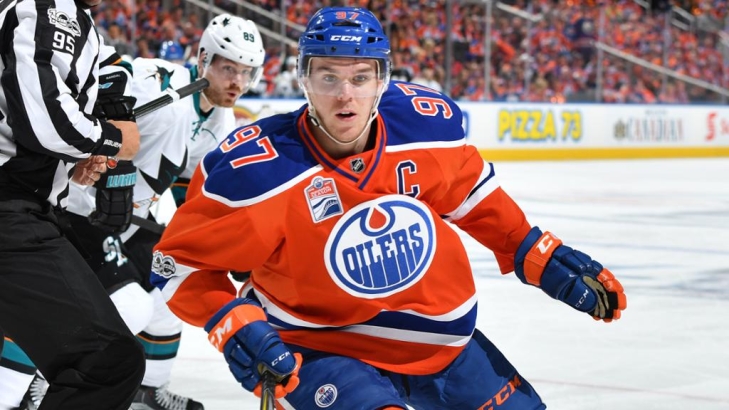
It is with great pleasure that we announce the third annual Notinhalloffame NHL Regular Season Cup, and let us explain how this works:
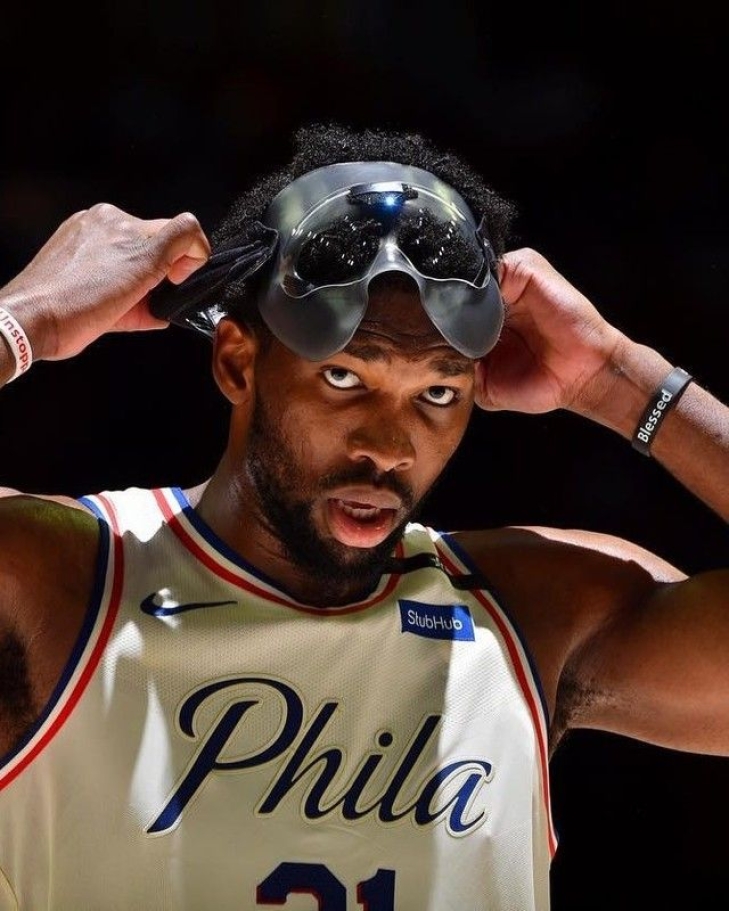
Joel Embiid wins our third annual Notinhalloffame Regular Season Cup
Two years ago, Notinhalloffame.com awarded the first ever NBA NIHOF Regular Season Cup, which was a mammoth undertaking.
Denver’s Nikola Jokic, who also won the MVP, was awarded the inaugural Cup. Last year, the multi-faceted European won it again, along with a second MVP.
The NIHOF NBA Cup is deduced by awarding the best five players in the game with descending points, 5-4-3-2-1. Obviously, we can’t watch all the games, but box scores and write ups give an approximate idea as to who were each game’s top five.
389 players received at least one point, with 68 cracking at least 100.
The top players for the NBA NIHOF Cup are not always the best in the league, as injuries keep players out of games, and a premium on staying healthy can help pile up points. It also does not hurt to be a top player on an average or mediocre team, as they can amass Cup points easier that elite players on loaded squads.
Please remember, that this is NOT necessarily who we think were the best players this year, and does not reflect overall consistency, but snapshots of each game.
Treat this the way did, as a fun process and more of a compilation of temporary statistical domination.
So, like we said the last two years, NBA players! Get your agents to work winning this into your contracts!
Last year, Nikola Jokic, the Denver Nuggets Center from Serbia won the first two cups. Did he three-repeat?
In a word, no; but he was close!
Here are the 2022/23 rankings for the NBA NIHOF CUP:
1. Joel Embiid: Philadelphia 76ers, Center:
284 PTS, 66 Games, 4.30 Cup Points per Game, 33.1 PPG, 10.2 RPG, 4.2 APG, 1.0 SPG, 1.7 BPG, 31.4 PER, 12.3 WS. (Last Year, #2, 292 Pts in 68 Games)
Embiid took over in the Cup Standing in the last two weeks, to capture his first NIHOF CUP, which will likely be joined by his first MVP. Also winning his second consecutive Scoring Title, Embiid added a sixth All-Star, won back-to-back Player of the Month Awards (December & January), four Player of the Weeks, and was eighth in both Rebounds and Blocks per Game. Embiid also led the NBA in Field Goals (728), 2-Point Field Goals (662) and in regards to advanced stats, was second in PER and Box Plus/Minus (9.2), third in VORP (6.4) and fourth in Win Shares. This is the best year of Embiid’s career, but not by much, as he has been fantastic for a long time.
2. Nikola Jokic: Denver Nuggets, Center:
273 PTS, 69 Games, 3.96 Cup Points per Game, 24.5 PPG, 11.8 RPG, 9.8 APG, 1.3 SPG, 0.7 BPG, 31.5 PER, 14.9 WS. (Last Year, #1, 331 Pts in 74 Games)
Jokic won the MVP and our Notinhalloffame NBA Cup the last two seasons, and up until two weeks before season’s end, was leading in Cup Points this year, although it was not until late in the season that he was at the top of the standings. This season, Jokic was .2 APG away from averaging a Triple-Double, which would have given him two in a row. Leading the Nuggets to the top seed in the West, Jokic is now a five-time All-Star, and captured two more Player of the Month awards, giving him six in total. The Serbian superstar was second in Rebounds per Game, third in Assists per Game, and would lead the NBA in True Shooting Percentage (.701), PER, Win Shares, VORP (8.8) and Box Plus/Minus (13.0).
3. Jayson Tatum: Boston Celtics, Power Forward:
266 PTS, 74 Games, 3.60 Cup Points per Game, 30.1 PPG, 8.8 RPG, 4.6 APG, 1.1 SPG, 0.7 BPG, 23.7 PER, 10.5 WS (Last Year, #4, 274 Points in 76 Games)
If we look at the primary advanced stats, Tatum’s numbers, while great, are visibly lower than the others in the top five. Nevertheless, Tatum’s traditional numbers are the best of his career, and for the first time he broke the 30 PPG, ending the year sixth in PPG and first in overall Points (2,225), which according to Jalen Rose, means he won the Scoring Title. Tatum won the inaugural Eastern Conference MVP last year, and could do so again on a contending Celtics squad.
4. Giannis Antetokounmpo: Milwaukee Bucks, Forward:
265 PTS, 63 Games, 4.20 Cup Points per Game, 29.9 PPG, 11.6 RPG, 5.8 APG, 1.1 SPG, 1.4 BPG, 32.1 PER (Last Year, #3, 289 Pts in 67 Games)
Antetokounmpo won the 2019 and 2020 MVP, and is still one of the best players in the NBA. The “Greek Freak” has no weakness in his game, and the Bucks will go as far as he can take him. Antetokounmpo was in the running for the Cup this year, but he missed considerable time. Averaging more Cup Points per Game than Embiid, Antetokounmpo also went to his seventh All-Star Game, added four Player of the Week Awards, and was fifth in Points per Game and third in Rebounds per Game. He was also third in PER this season.
5. Luka Doncic: Dallas Mavericks, Guard:
262 PTS, 66 Games, 3.97 Cup Points per Game, 32.4 PPG, 8.6 RPG, 8.0 APG, 1.4 SPG, 0.5 BPG, 28.7 PER, 10.2 WS (Last Year, #6, 262 Points in 65 Games)
Over the first half of the year, Doncic was often leading the Cup Standings, and we openly had him as the likely MVP. This changed when they traded for Kyrie Irving, and while the number two option on Dallas increased, the depth they did have was crushed and the chemistry was gone. Doncic, who had a few minor injuries in the second half, also grew visibly frustrated, and the Mavericks failed to make the playoffs, making Luka the highest ranked non-playoff player. Statistically, Doncic was great, finishing second in PPG, and posting a career-high PER and adding a fourth All-Star, a Player of the Month and two Player of the Weeks, but the way it ended for Doncic and Dallas was a colossal disappointment. Saying that, Doncic is still the best basketball player who is under 25.
6. Shai Gilgeous-Alexander: Oklahoma City Thunder, Point Guard
260 PTS, 68 Games, 3.82 Cup Points per Game, 31.4 PPG, 4.8 RPG, 5.5 APG, 1.6 SPG, 1.0 BPG, 27.2 PER, 11.4 WS (Last Year, #27, 160 Points in 56 Games)
This was the breakout year that many predicted for SGA, and he shattered last year’s numbers (24.5 to 31.4 PPG & 20.9 to 27.2 PER), most notably doubling his Win Shares (4.6 to 11.4) and VORP (2.7 to 5.6). Gilgeous-Alexander went to his first All-Star Game, was fourth in PPG and sixth in PER. No other top ten player on this list rose as much as SGA.
7. Trae Young: Atlanta Hawks, Point Guard:
241 PTS, 73 Games, 3.30 Cup Points per Game, 26.2 PPG, 3.0 RPG, 10.2 APG, 1.1 SPG, 0.1 BPG, 22.0 PER, 6.7 WS (Last Year, #5, 267 Points in 76 Games)
While Young was not considered the best player to have missed out on the 2023 All-Star Game, he is the highest in Cup Points to have this dubious distinction. Young is in his fifth year, the last four of which seeing the Point Guard eclipse 25 Points per Game. The Hawk was second in Assists and ninth in Points per Game, but Atlanta has not progressed, with Young needing to add more facets to his game for the squad to progress.
#8. Domantas Sabonis: Sacramento Kings, Center:
237 PTS, 79 Games, 3.00 Cup Points per Game, 19.1 PPG, 12.3 RPG, 7.3 APG, 1.0 SPG, 0.4 BPG, 23.5 PER, 12.6 (Last Year, #28, 159 Points in 62 Games)
Indiana traded Sabonis to the Kings, and it paid off...for the Sacramento. Sabonis, who went back to the top ten (he was #10 two years ago). Led by the second-generation NBA player, and now three-time All-Star, the Kings are in their first playoff in years, doing so on the strength of Sabonis’ first Rebounding Title. Sabonis also finished in the first time in the top ten in VORP (sixth, 5.4) and he had a career-high in Triple-Doubles (14), which placed him second.
9. Julius Randle: New York Knicks, Power Forward:
232 PTS, 77 Games, 3.01 Cup Points per Game, 25.1 PPG, 10.0 RPG, 4.1 APG, 0.6 SPG, 0.3 BPG, 20.3 PER, 8.1 WS (Last Year, #20, 177 Points in 72 Games)
Two years ago, Randle took his game to the next level, and brought New York to their first playoff in years. The Knicks and Randle regressed last year, but this season, Randle is back to the levels he had in 2020-21, and added a second All-Star to his ledger. Randle finished 13th in PPG, ninth in PPG and will return to the postseason.
10. Steph Curry: Golden State Warriors, Point Guard:
219 PTS, 56 Games, 3.91 Cup Points per Game, 29.4 PPG, 6.1 RPG, 6.3 APG, 1.3 SPG, 0.4 BPG, 24.1 PER, 7.8 WS (Last Year #12, 210 Points in 64 Games)
Curry was making a run for the top in Cup Points earlier in the season, but he lost a month-plus due to injury, which cost him over 20 Games. The former two-time MVP and four-time NBA Champion had a better Cup Point/per Game average this year, and had it translated over 70 Games, he might have added another MVP. Curry would however add a ninth All-Star and nineteenth Player of the Week nod this year.
11. Lauri Markkanen: Utah Jazz, Small Forward:
218 PTS, 66 Games, 3.30 Cup Points per Game, 25.6 PPG, 8.6 RPG, 1.9 APG, 0.6 SPG, 0.6 BP, 22.1 PER, 8.3 WS (Last Year, #120, 45 Points in 61 Games)
Did you see this coming? Did anyone? Did Lauri? Lauri Markkanen jumped over 100 spots in Cup Standings, and should be a lock for the Most Improved Player in the Year. Markkanen’s Jazz were expected to be basement dwellers, and we thought we already saw his apex. All of Markkanen’s numbers destroy anything he ever did previously, and his first year in Utah was magical. An All-Star for the first time, Markkanen might be on to something special.
12. Ja Morant: Memphis Grizzlies, Point Guard
217 PTS, 61 Games, 3.56 Cup Points per Game, 26.2 PPG, 5.9 RPG, 8.1 APG, 1.1 SPG, 0.3 BPG, 23.3 PER, 6.0 WS (Last Year, #17, 193 Points in 57 Games)
Hmmm. Okay. Ja Morant, the player, over the first two thirds of the season was spectacular, but then the wannabe gangster flashed a gun on Instagram, got suspended, and returned as a shell. He was in the top ten of Cup Points for most of the year, with Memphis as a contender, but we have a man with maturity issues and what could be (as of this writing) self-doubt. None of this changes that he is the face of a contender, but Morant would not be the first to crack under that. Beyond that, Morant went to his second All-Star Game this year, finishing eleventh in Points and fifth in Assists per Game.
13. Jaylen Brown: Boston Celtics, Small Forward
211 PTS, 67 Games, 3.15 Cup Points per Game, 26.6 PPG, 6.9 RPG, 3.5 APG, 1.1 SPG, 0.3 BPG, 19.1 PER, 5.0 WS (Last Year, #22, 175 Points in 66 Games)
There has to be a team that becomes the first to boast two players on a descending rank and it is the Boston Celtics, with Jayson Tatum and Jaylen Brown. Brown, who added a second All-Star appearance this year, also compile a third Player of the Week Award. He finished the season ninth in Points per Game.
14. Anthony Edwards: Minnesota Timberwolves, Shooting Guard
207 PTS, 72 Games, 2.88 Cup Points per Game, 24.4 PPG, 5.8 RPG, 4.4 APG, 1.6 SPG, 0.7 BPG, 17.4 PER, 3.8 WS (Last Year, #38, 135 Points in 72 Games)
Edwards missed out on the Rookie of the Year to Scottie Barnes, but in year three, it is Edwards who is ahead. The Guard improved all of his metrics, both traditional and advanced, and he went to his first All-Star Game. The Timberwolves disappointed, but Edwards did not, and is still on the rise.
15. Anthony Davis: Los Angeles Lakers, Center
203 PTS, 56 Games, 3.62 Cup Points per Game, 25.9 PPG, 12.5 RPG, 2.6 APG, 1.1 SPG, 2.0 BPG, 27.8 PER, 9.0 WS (Last Year, #52, 113 PTS, 40 Games)
It has felt for years that Davis has spent more time on IR than on the court, and this year was no exception, although his 56 Games was the most, he appeared in three years. “The Brow” had his highest RPG (12.5) of his career, and arguably carried Los Angeles this year more than LeBron did.
16. Damian Lillard: Portland Trail Blazers, Point Guard:
202 PTS, 58 Games, 3.48 Cup Points per Game, 32.2 PPG, 4.8 RPG, 7.3 APG, 0.9 SPG, 0.3 BPG, 26.7 PER, 9.0 WS (Last Year, #88, 70 Points in 29 Games)
Lillard only played 30 Games in 2021-22, and 58 this year, where he might be frustrated with the pieces around him, but the Blazers’ Guard is still a superstar, and statistically was phenomenal. Whether or not his career has been a waste in the Pacific Northwest is to be determined, but when he plays, he still dominates. Lillard also added All-Star number seven this year, and has his best per Game Averages of his career.
17. Donovan Mitchell: Cleveland Cavaliers, Guard
198 PTS, 68 Games, 2.91 Cup Points per Game, 28.3 PPG, 4.3 RPG, 4.4 APG, 1.5 SPG, 0.2 BPG, 22.9 PER, 8.9 (Last Year, #16, 197 Points in 67 Games)
Now a Cleveland Cavalier, Mitchell led the Cavs to a solid playoff spot and joined the 70 Points per Game club this year. Adding a fourth All-Star this year, Mitchell was seventh in PPG (28.3), added two Player of the Week Awards, and was in the top 20 in PER for the first time in his career. It is easy to see who has done better between Mitchell and his former teammate, Rudy Gobert.
18 (TIE). DeMar DeRozan: Chicago Bulls, Forward
193 PTS, 74 Games, 2.61 Cup Points per Game, 24.5 PPG, 4.6 RPG, 5.1 APG, 1.1 SPG, 0.5 BPG, 23.1 PER, 8.5 WS (Last year, #9, 239 Points in 76 Games).
DeRozan dd not match what he did in his first year in Chicago but was still good enough to make his sixth All-Star, and perhaps push himself on the other side of the Hall of Fame conversation. This may not be a great year for the Bulls, but history will paint it well for DeRozan on regards to Springfield.
18. (TIE) Bam Adebayo: Miami Heat, Center
193 PTS, 75 Games, 2.57 Cup Points per Game, 20.4 PPG, 9.2 RPG, 3.2 APG, 1.2 SPG, 0.8 BPG, 20.1 PER, 7.4 WS (Last Year, #30, 152 Points in 56 Games)
Adebayo was healthier this year and added a second All-Star Game to his resume, and he had his first 20-plus PPG year. He could potentially add a fourth straight All-Defensive Selection.
20. (TIE) LeBron James: Los Angeles Lakers, Forward
190 PTS, 55 Games, 3.46 Cup Points per Game, 28.9 PPG, 8.3 RPG, 6.8 APG, 0.9 SPG, 0.6 BPG, 23.9 PER, 5.6 WS (Last Year, #10, 225 Points in 56 Games)
James missed over 20 Games again, but when he was on the court, he was the same game-running LBJ. The Lakers superstar broke Kareem Abdul-Jabbar’s all-time Points record this year, and added his 19th All-Star Game, as well as two more Player of the Weeks, to give him a staggering 67. Father Time catches up to everyone, but it seems that he is waiting longer to meet James.
20 (TIE). Kyrie Irving: Brooklyn Nets & Dallas Mavericks, Point Guard
190 PTS, 60 Games, 3.17 Cup Points per Game, 27.1 PPG, 5.1 RPG, 5.5 APG, 1.1 SPG, 0.8 BPG, 22.4 PER, 7.4 WS (Last Year, #22, 88 Points in 29 Games)
Kyrie Irving is drama. We knew this from the COVID-19 Season, but this year he was labelled as anti-semetic, and feuded with Nets owner, Joe Tsai. He asked for a trade, and got one to Dallas, where he not only did not make them better, the Mavericks missed the playoffs. So, how is he ranked this high? Because when he plays he produces. Irving went to his eighth All-Star, and his 27.1 PPG was his second best. We know that we will see more of the same from Irving in 2023/24 regardless of what uniform he has on.
22. Pascal Siakam: Toronto Raptors, Center
187 PTS, 71 Games, 2.63 Cup Points per Game, 24.2 PPG, 7.8 RPG, 5.8 APG, 0.9 SPG, 0.5 BPG, 20.3 PER, 7.8 WS (Last Year, #14, 205 Points in 68 Games)
Siakim went to his second All-Star Game, and set a career-high PPG of 24.2. The big man from Cameroon led the NBA in Minutes per Game for the second year in a row (37.4).
23. Kristaps Porzingis: Washington Wizards, Center
185 PTS, 65 Games, 2.85 Cup Points per Game, 23.2 PPG, 8.4 RPG, 2.7 APG, 0.9 SPG, 1.5 BPG, 23.1 PER, 7.7 WS (Last Year, #36, 138 Points in 51 Games)
The Wizards might become something in the future, and Porzingis should be able to play a large part in that. This season, Porzingis had his highest PPG (23.2) and landed his third Player of the Week honor. He was also eighth in Blocks per Game (1.5) and for the first time in his career was in the top 20 in PER.
24. Zach LaVine: Chicago Bears, Shooting Guard:
183 PTS, 77 Games, 2.38 Cup Points per Game, 24.8 PPG, 4.5 RPG, 4.2 APG, 0.9 SPG, 0.2 BPG, 19.0 PER, 7.1 WS (Last Year, #21, 176 Points in 67 Games)
LaVine had another good year statistically, but the Bulls remain a mid-level squad with no depth. This marked the fifth straight season that LaVine had at least 23 Points per Game and he was 15th overall this year.
25. Nikola Vucevic: Chicago Culls, Center:
181 PTS, 82 Games, 2.21 Cup Points per Game, 17.6 PPG, 11.9 RPG, 3.9 APG, 0.7 SPG, 0.7 BPG, 19.1 PER, 8.3 WS (Last Year, #25, 222 Points in 70 Games)
Chicago is the first team to have three players on this list, but you will have to cross the Grand Canyon to find the fourth player. Vucevic, who is now 32, actually saw his stats decline, but when Bulls landed Cup Points it was always the same three (Vucevic, LaVine & DeRozan). He would have the most Defensive Rebounds (744), and was sixth in RPG (6.0)
26. Jimmy Butler: Miami Heat, Guard
179 PTS, 64 Games, 2.80 Cup Points per Game, 22.9 PPG, 5.9 RPG, 5.3 APG, 1.8 SPG, 0.3 BPG, 27.6 PER, 12.3 WS (Last Year, #29 158 Points in 57 Games)
Butler was unable to add a seventh All-Star Game, and it looked like he was in a bit of a decline, but his second half was much better, and his overall number remained consistent from previous campaigns. He had the highest PER of his career (27.6), and posted his seventh 20 PPG year.
27. Kevin Durant: Brooklyn Nets & Phoenix Suns, Small Forward
177 PTS, 47 Games, 3.77 Cup Points per Game, 29.1 PPG, 6.7 RPG, 5.0 APG, 0.7 SPG, 1.4 BPG, 25.9 PER, 6.8 WS (Last Year, #11, 217 Points in 55 Games.
Durant missed a lot of time again this year due to injury, but the drama was off the court when he forced a trade out of Brooklyn. Like so many other superstars on this list, when K.D. plays, he dominates, and early in the year he was the leader in Cup Points. The Suns are an excellent landing spot for Durant, and another championship ring could adorn his fingers.
28. De’Aaron Fox: Sacramento Kings, Point Guard
175 PTS, 73 Games, 2.40 Cup Points per Game, 25.0 PPG, 4.2 RPG, 6.1 APG, 1.1 SPG, 0.3 BPG, 21.8 PER, 7.4 WS (Last Year, #48, 117 Points in 59 Games)
Fox’ sixth year saw him land his first All-Star Game, and not-so-coincidentally Sacramento’s rise to Western Conference power. Fox posted career-bests in PER (21.8), Win Shares (7.4) and VORP (2.7), while adding his third Player of the Week accolade.
29. Jalen Brunson: New York Knicks, Guard
170 PTS, 68 Games, 2.50 Cup Points per Game, 24.0 PPG, 3.5 RPG, 6.2 APG, 0.8 SPG, 0.0 BPG, 21.2, 8.7 PER (Last Year, #50, 116 Points in 73 Games)
Is it a coincidence that the Mavericks failed to make the playoffs, and the New York Knicks did? Probably not. Jalen Brunson had a phenomenal year, rocketing his PPG nearly by eight, and cracking his first PER over 21. He collected his first Player of the Week Award this year.
30. (TIE) Mikal Bridges: Phoenix Suns & Brooklyn Nets, Small Forward:
158 PTS, 83 Games, 1.90 Cup Points per Game, 20.1 PPG, 4.4 RPG, 3.3 APG, 1.1 SPG, 0.7 BPG, 16.8 PER, 7.5 WS (Last Year, #91, 65 Points in 82 Games)
Bridges was traded during the season as part of the four-team transaction that sent Kevin Durant to the Suns, and he had a year that was overshadowed by the drama around him. He grew his PPG from 14.3 to 20.1, logging significant Cup Points as one of the now better players on his second club of the year.
30. (TIE) Devin Booker: Phoenix Suns, Shooting Guard:
158 PTS, 53 Games, 2.98 Cup Points per Game, 27.8 PPG, 4.5 RPG, 5.5 APG, 1.0 SPG, 0.3 BPG, 22.0 PER, 6.0 WSR (Last Year, #7, 240 Points in 68 Games)
Booker slipped from last year, mostly due to injury, but he is still the man who led the Suns last year to their first Finals in decades. The Guard missed an All-Star Game nod, but did add a Player of the Week (his seventh) to his trophy case.
32. Paul George: Los Angeles Clippers, Shooting Guard
155 PTS, 58 Games, 2.67 Cup Points per Game, 23.8 PPG, 6.1 RPG, 5.1 APG, 1.5 SPG, 0.4 BPG, 19.6 PER, 4.6 WS (Last Year, #75, 84 Points in 31 Games)
Paul George was a lot healthier than he was two years ago, though he still missed a lot of action. When he was on the court, George continued to score, adding an eighth consecutive 20-plus PPG year while adding his eighth All-Star Game and an eleventh Player of the Week Award.
33. James Harden: Philadelphia 76ers, Point Guard:
149 PTS, 58 Games, 2.57 Cup Points per Game, 21.0 PPG, 6.1 RPG, 10.7 APG, 0.3 SPG, 0. BPG, 21.6 PER, 8.4 (Last Year, #18, 179 Points in 65 Games)
Harden is the unquestioned number two behind Joel Embiid on the Sixers, but those that predicted a rapid decline this year for the Beard were proven incorrect. This is the 15th year in a row that Harden averaged more than 20 Points per Game.
34 (TIE). Tyrese Haliburton: Indiana Pacers, Point Guard
145 PTS, 56 Games, 2.59 Cup Points per Game, 20.7 PPG, 3.7 RPG, 10.4 APG, 1.6 SPG, 0.4 BPG, 23.6 PER, 7.6 WS (Last Year, #57, 101 Points in 77 Games)
Haliburton had a spectacular first half of the season where he earned his first trip to the All-Star Game. Injuries derailed his second half, but in his first full year as a Pacer, Haliburton averaged a double-double and led the NBA in Assist Percentage (47.6).
34 (TIE). Deandre Ayton: Phoenix Suns, Center
145 PTS, 67 Games, 2.16 Cup Points per Game, 18.0 PPG, 10.0 RPG, 1.7 APG, 0.6 SPG, 0.8 BPG, 19.9 PER, 6. (Last Year, #40, 134 Points in 58 Games)
For the first time in his five professional years, Ayton did not have a PER of at least 20 (it was 19.9), but he maintained his streak of averaging a double-double. For the second straight year, Ayton was tenth in Rebounds per Game.
36. Rudy Gobert: Minnesota Timberwolves, Center:
141 PTS, 70 Games, 2.01 Cup Points per Game, 13.4 PPG, 11.6 RPG, 1.2 APG, 0.8 SPG, 1.4 BPG, 18.9 PER, 7.8 WS (Last Year, #13, 209 Points in 66 Games)
For almost any other Center, these numbers would be really good, but this was his Rudy Gobert’s first year in Minnesota, who gave up a king’s ransom to obtain him. Issues with teammates, a lack of synergy within the Timberwolves and declining numbers could crush this team for years. With all of that said, Gobert still was fourth in RPG, and perhaps a full year with KAT and Anthony Edwards could fix him. Perhaps, it can’t.
37 (TIE). Kawhi Leonard: Los Angeles Clippers, Small Forward:
139 PTS, 52 Games, 2.67 Cup Points per Game, 23.8 PPG, 6.5 RPG, 3.9 APG, 1.4 SPG, 0.5 BPG, 23.9 PER, 7.1 WS (Last Year, Injured)
Leonard is back after missing the entire 2021-22 season with ACL issues. The two-time NBA Champion and Finals MVP only played 52 Games but it was the “Claw” of old when healthy.
37. (TIE) Keldon Johnson: San Antonio Spurs, Small Forward
139 PTS, 63 Games, 2.21 Cup Points per Game, 22.0 PPG, 5.0 RPG, 2.9 APG, 0.7 SPG, 0.2 BPG, 15.3 PER, 1.3 WS (Last Year, #105, 100 Points in 75 Games)
Keldon Johnson is now the top player for the Spurs, but that has not translated into many Wins. This is his best year to date, as Johnson elevated his PPG by five.
39. (TIE) Jamal Murray: Denver Nuggets, Point Guard:
137 PTS, 65 Games, 2.11 Cup Points per Game, 20.0 PPG, 4.0 RPG, 6.2 APG, 1.0 SPG, 0.2 BPG, 18.0 PER, 5.1 WS (Last Year, Unranked, Injured)
Murray missed all of last season due to a torn ACL, but he was back this year with an even 20.0 PPG. The Point Guard played a large part in the Nuggets going into the playoffs as the number one seed in the West.
39. (TIE) Franz Wagner: Orlando Magic, Small Forward:
137 PTS, 80 Games, 1.71 Cup Points per Game, 18.6 PPG, 4.1 RPG, 3.5 APG, 1.0 SPG, 0.2 BPG, 15.9 PER, 5.4 WS (Last Year #89, 69 Points in 79 Games)
Orlando was not very good, but there are some young International players to build on, ad Germany’s Franz Wagner is at the core. He enjoyed moderate statistical increases across the board.
41. (TIE) Jordan Poole: Golden State Warriors, Point Guard
135 PTS, 82 Games, 1.65 Cup Points per Game, 20.4 PPG, 2.7 RPG, 4.5 APG, 0.8 SPG, 0.3 BPG, 14.6 PER, 3.2 (Last Year, #30, 152 Points in 76 Games)
The return of Klay Thompson should have reduced Poole’s usage, but this was not the case, as it went up (26.0 to 29.2), as did his PPG by nearly 2 Points, but his overall efficiency dropped to under 15.0. Only a four-year vet, Poole still can add others dimensions to his game.
41 (TIE). Myles Turner: Indiana Pacers, Center
135 PTS, 62 Games, 2.17 Cup Points per Game, 18.0 PPG, 7.5 RPG, 1.4 APG, 0.9 SPG, 0.5 BPG, 20.0 PER, 5.4 WS (Last Year, #111, 50 Points in 42 Games)
Turner just had the best year of his life, putting up career-highs in Points (18.0) and Rebounds per Game (7.5) while finishing fifth in Blocks per Game (2.3).
43. C.J. McCollum: New Orleans Pelicans, Shooting Guard
134 PTS, 75 Games, 1.79 Cup Points per Game, 20.9 PPG, 4.4 RPG, 5.7 APG, 0.9 SPG, 0.5 BPG, 15.6 PER, 4.3 WS (Last Year, #34, 139 Points in 62 Games)
C.J. McCollum concluded his first full year as a Pelican, and did so with his eighth consecutive 20 PPG year. Over 30, McCollum has never been to an All-Star Game and we suspect that he will forever be doomed to a conversation as to was the best player to never be named an All-Star.
44. (TIE) Klay Thompson: Golden State Warriors, Shooting Guard
133 PTS, 69 Games, 1.93 Cup Points per Game, 21.9 PPG, 4.1 RPG, 2.4 APG, 0.7 SPG, 0.4 BPG, 14.7 PER, 3.1 WS (Last Year, #100, 60 Points in 32 Games)
Thompson is the healthiest has been in years, and the “Splash Brother” averaged over 20 Points per Game for the seventh year.
44 (TIE). Desmond Bane: Memphis Grizzlies, Shooting Guard
133 PTS, 56 Games, 2.38 Cup Points per Game, 21.5 PPG, 5.0 RPG, 4.4 APG, 1.0 SPG, 0.4 BPG, 19.1 PER, 5.8 (Last Year, #43, 129 Points in 76 Games)
After a significant improvement in his sophomore year, Bane’s game continued to grow. He posted his first 20-plus PPG, and elevated his PER from 17.6 to 19.1
46. Evan Mobley: Cleveland Cavaliers, Forward
131 PTS, 79 Games, 1.66 Cup Points per Game, 16.2 PPG, 9.0 RPG, 2.8 APG, 0.8 SPG, 1.7 BPG, 17.9 PER, 8.5 WS (Last Year, #71, 86 Points in 69 Games)
Mobley improved significantly this year, helping the Cavaliers make the playoffs. He could be a future All-Star.
47. Kyle Kuzma: Washington Wizards, Power Forward
130 PTS, 64 Games, 2.03 Cup Points per Game, 21.2 PPG, 7.2 RPG, 3.7 APG, 0.6 SPG, 0.5 BPG, 14.3 PER, 0.9 WS (Last Year, #47, 118 Points in 66 Games)
Finishing exactly where he was last year in Cup Standings, Kuzma elevated his PPG by four, although is advanced statistics dropped.
48 (TIE). Jalen Green: Houston Rockets, Shooting Guard
126 PTS, 76 Games, 1.66 Cup Points per Game, 22.1 PPG, 3.7 RPG, 3.7 APG, 1.8 SPG, 0.6 BPG, 14.5 PER, 1.8 WS (Last Year, #103, 58 Points in 67 Games)
Green was an All-Rookie last year, and as a sophomore, the Guard became Houston’s top scorer (22.1 PPG), and had the 18th most Points in the NBA (1,683).
48 (TIE). Fred VanVleet: Toronto Raptors, Point Guard
126 PTS, 69 Games, 1.83 Cup Points per Game, 19.3 PPG, 4.1 RPG, 7.2 APG, 1.8 SPG, 0.6 BPG, 17.0 PER, 6.5 WS (Last Year, #42, 131 Points in 65 Games)
An All-last year, VanVleet came close to last year’s numbers, falling just a Point per Game, while raising his APG by .5. The Raptors’ Guard was third in Steals per Game (1.8) and logged the fifth most Minutes per Game (36.7).
48 (TIE). Bradley Beal: Washington Wizards, Shooting Guard:
126 PTS, 50 Games, 2.52 Cup Points per Game, 23.2 PPG, 3.9 RPG, 5.4 APG, 0.9 SPG, 0.7 BPG, 19.7 PER, 3.4 WS (Last Year, #51, 115 Points in 40 Games)
Beal played more than he did last year, though that was still only 50 Games. His PPG (23.3), was identical to last year, but as he will be 30 next year, it is probable that we have seen his best.
51. Paolo Banchero: Orlando Magic, Power Forward
125 PTS, 72 Games, 1.73 Cup Points per Game, 20.0 PPG, 6.9 RPG, 3.7 APG, 1.2 SPG, 0.4 BPG, 14.9 PER, 2.4 WS (Last Year, Playing at Duke)
Banchero was the first overall pick in the 2022 Draft, and he did not disappoint, averaging an even 20 Points per Game. The Rookie of the Year also took home four Rookie of the Month Awards.
52. Jrue Holiday: Milwaukee Bucks, Point Guard
124 PTS, 67 Games, 1.85 Cup Points per Game, 19.3 PPG, 5.1 RPG, 7.4 APG, 1.2 SPG, 0.4 BPG, 19.2 PER, 6.7 WS (Last Year, #42, 130 Points in 67 Games)
Holiday became an NBA Champion and Olympic Gold Medalist two years ago, and he was named an All-Star for the second time. He finished ninth in Assists per Game (7.4).
53. Jonas Valancuinas: New Orleans Pelicans, Center:
121 PTS, 79 Games, 1.53 Cup Points per Game, 14.1 PPG, 10.2 RPG, 1.8 APG, 0.3 SPG, 0.7 BPG, 19.3 PER, 5.8 WS (Last Year, #18, 179 Points in 74 Games)
Valincuinas was one of the most underappreciated player in the last two seasons, and we argued that he was the best player on his respected teams (Memphis & New Orleans) over that period. His elite period might be over, as his metrics decreased from last year, but he still averaged a double-double.
54. Dejounte Murray: Atlanta Hawks, Shooting Guard
120 PTS, 74 Games, 1.62 Cup Points per Game, 20.5 PPG, 5.3 RPG, 6.1 APG, 1.5 SPG, 0.3 BPG, 17.0 PER, 4.7 (Last Year #15, 202 Points in 68 Games.
Murray gobbled up the Cup Points last year on a mediocre Spurs team, and he was traded to the Hawks, but while he averaged over 20 Points per Game (20.5), which was only a mild drop off, his other numbers dropped significantly: (22.3 to 17.0 PER, 4.4 to 2.1 VORP & 7.3 to 4.7 WS)
54 (TIE). Darius Garland: Cleveland Cavaliers, Point Guard
120 PTS, 69 Games, 1.74 Cup Points per Game, 21.6 PPG, 2.7 RPG, 7.8 APG, 1.2 SPG, 0.1 BPG, 18.8 PER, 7.6 WS (Last Year, #54, 166 Points in 68 Games)
The arrival of Donovan Mitchell meant that Darius Garland did not have to do as much, and settle into more of a supporting role, but his numbers did not change much from last year. He was seventh in Assists per Game (7.8).
56 (TIE). Tyler Herro: Miami Heat, Shooting Guard
117 PTS, 67 Games, 1.75 Cup Points per Game, 20.1 PPG, 5.4 RPG, 4.2 APG, 0.8 SPG, 0.1 BPG, 15.3 PER, 3.5 WS (Last Year, #33, 142 Points in 66 Games)
Last year’s Sixth Man of the Year can’t possibly repeat (he started all 67 Games) but still had a good year, though the luster is off of him somewhat. He just made it to over 20 Points per Game (20.1) and he led the NBA in Free Throw Percentage (.934).
56 (TIE). Josh Giddey: Oklahoma City Thunder, Shooting Guard
117 PTS, 76 Games, 1.72 Cup Points per Game, 16.6 PPG, 7.9 RPG, 6.2 APG, 0.8 SPG, 0.4 BPG, 17.1 PER. 4.0 WS (Last Year, #118, 47 Points in 54 Games)
SGA was the undisputed star of the Thunder, but they had a lot of contributions from their sophomore Center, who grew his PPG from 12.5 to 16.6.
58. Jarrett Allen: Cleveland Cavaliers, Center
111 PTS, 68 Games, 1.65 Cup Points per Game, 14.3 PPG, 9.8 RPG, 1.7 APG, 0.8 SPG, 1.2 BPG, 19.9 PER. 9.5 WS (Last Year, #45, 123 Points in 56 Games)
Allen’s stat line were down from last year, but the Cavaliers are a much more balanced team.
59. Terry Rozier: Charlotte Hornets, Shooting Guard
110 PTS, 63 Games, 1.75 Cup Points per Game, 21.1 PPG, 4.1 RPG, 5.1 APG, 1.2 SPG, 0.3 BPG, 14.7 PER, 1.7 WS (Last Year, #44, 127 Points in 73 Games)
The Hornets were awful this year, and with LaMelo Ball’s injuries, Rozier had to carry a heavier load. It resulted in his highest PPG to date (21.2), but he also had a sub-15 PER after going over 17 the last two years.
60. Brandon Ingram: New Orleans Pelicans, Small Forward
109 PTS, 45 Games, 2.42 Cup Points per Game, 24.7 PPG, 5.5 RPG, 5.8 APG, 0.6 SPG, 0.5 BPG, 19.2 PER, 3.5 WS (Last Year, #34, 139 Points in 55 Games)
Ingram missed a lot of time this year, but his PPG was the highest of his career. With the exception of his rookie year in 2016/17, Ingram has never played more than 62 Games in a year.
61. Jaren Jackson: Memphis Grizzlies, Center
107 PTS, 63 Games, 1.69 Cup Points per Game, 18.6 PPG, 6.8 RPG, 1.0 APG, 1.0 SPG, 3.0 BPG, 21.6 PER, 6.6 WS (Last Year, #51, 100 Points in 78 Games)
Jackson had another good campaign, again increasing his stats across the board. For the first time, the former Michigan State Spartan had a PER over 20. He also led the NBA in Blocks for the second straight year, and enjoyed his first trip to the All-Star Game.
62. (TIE) Alperen Sengun: Houston Rockets, Center
106 PTS, 75 Games, 1.41 Cup Points per Game, 14.8 PPG, 9.0 RPG, 3.9 APG, 0.9 SPG, 0.9 BPG, 19.7 PER, 5.2 WS (Last Year, #206, 18 Points in 72 Games)
This is Sengun’s second year, and the Turkish Center showed off the skills to be a future All-Star.
62. (TIE) Jerami Grant: Portland Trail Blazers, Power Forward
106 PTS, 63 Games, 1.68 Cup Points per Game, 20.5 PPG, 4.5 RPG, 2.4 APG, 0.9 SPG, 0.8 BPG, 16.0 PER, 4.1 WS (Last Year, #72, 85 Points in 47 Games
In Grant’s first year as a Trail Blazer, he accrued his second 20 PPG year in a career-high 35.7 MPG.
64. Jordan Clarkson: Utah Jazz, Shooting Guard
104 PTS, 61 Games, 1.70 Cup Points per Game, 20.8 PPG, 4.0 RPG, 4.4 APG, 0.5 SPG, 0.2 BPG, 14.7 PER, 1.7 WS (Last Year, #80, 78 Points in 79 Games)
The 2021 Sixth Man of the Year started all of his 61 Games with Utah and set personal bests in Points (20.8) and Minutes per Game (32.6).
65. R.J. Barrett: New York Knicks, Shooting Guard
102 PTS, 73 Games, 1.40 Cup Points per Game, 19.6 PPG, 5.0 RPG, 2.8 APG, 0.4 SPG, 0.2 BPG, 12.9 PER, 2.2 WS (Last Year, #47, 117 Points in 70 Games.)
Barrett finished his fourth season closing in on a 20 PPG, but there are still some deficiencies in his game that have to be addressed if he is going to take it to the next level.
66. D’Angelo Russell: Minnesota Timberwolves & Los Angeles Lakers, Point Guard
101 PTS, 71 Games, 1.40 Cup Points per Game, 17.8 PPG, 3.0 RPG, 6.2 APG, 1.0 SPG, 0.4 BPG, 16.3 PER, 5.1 WS (Last Year #63, 95 Points in 65 Games)
An All-Star in 2019 with Brooklyn, Russell was traded during this season from Minnesota to Los Angeles, his original team. His stats this year were nearly identical to last season’s output.
67. (TIE) Nic Claxton: Brooklyn Nets, Center
100 PTS, 76 Games, 1.32 Cup Points per Game, 12.6 PPG, 9.2 RPG, 1.9 APG, 0.9 SPG, 2.5 BPG, 20.8 PER, 9.2 WS (Last Year, #214, 17 Points in 69 Games)
Claxton became a starter in his fourth year, and was a consistent presence on a tumultuous squad. He led the NBA in Field Goal Percentage (.705), 2-Point Field Goal Percentage (.708) and Effective Field Goal Percentage (.705), and was also second in Blocks per Game (2.5).
67. (TIE) Bojan Bogdanovic: Detroit Pistons, Power Forward
100 PTS, 59 Games, 1.38 Cup Points per Game, 21.6 PPG, 3.8 RPG, 2.6 APG, 0.5 SPG, 0.0 BPG, 17.4 PER, 3.5 WS (Last Year, #63, 95 Points in 69 Games)
Bogdanovic is in his first season with the woeful Pistons and with Cade Cunningham going down to injury, he saw more of the rock. The Bosnian had his highest PPG (21.6)
69. Brook Lopez: Milwaukee Bucks, Center
98 PTS, 78 Games, 1.26 Cup Points per Game, 15.9 PPG, 6.7 RPG, 1.3 APG, 0.5 SPG, 2.5 BPG, 18.4 PER, 8.0 WS (Last Year, #297, 6 Points in 79 Games)
Lopez was injured through most of 2021/22 but was healthy throughout this campaign, and he had his best season in years. The 15-year veteran had the best Blocks per Game (2.5) of his career, ending the year third and finishing first and Total Blocks (193). He also averaged more than 30 Minutes per Game, the first time he did so since 2015-16.
70. Spencer Dinwiddie: Dallas Mavericks & Brooklyn Nets, Point Guard
97 PTS, 79 Games, 1.23 Cup Points per Game, 17.4 PPG, 3.4 RPG, 6.5 APG, 0.8 SPG, 0.3 BPG, 16.0 PER, 6.3 WS (Last Year, #83, 76 Points in 79 Games)
For the second year in a row, Dinwiddie was traded during the season, this time from Dallas to Brooklyn in a deal that brought Kyrie Irving. While Dinwiddie is not as good as Kyrie, it was Spencer who made it to the playoffs.
71. Tyrese Maxey: Philadelphia 76ers, Shooting Guard
95 PTS, 60 Games, 1.58 Cup Points per Game, 20.3 PPG, 2.9 RPG, 3.5 APG, 0.8 SPG, 0.1 BPG, 17.0 PER, 5.4 WS (Last Year, #53, 112 Points in 76 Games)
Maxey enjoyed his second full year as a started (third overall), though he did play five minutes less per game, though increased his PPG by two.
72. Anfernee Simons: Portland Trail Blazers, Shooting Guard
97 PTS, 62 Games, 1.56 Cup Points per Game, 21.1 PPG, 2.6 RPG, 4.1 APG, 0.7 SPG, 0.2 BPG, 14.8 PER, 2.5 WS (Last Year, #75, 86 Points in 57 Games)
Simons raised his PPG by nearly four Points, reflective of his increase of Minutes per Game by five. This season could start a lengthy run of 20-plus PPG years.
73. Kevin Porter Jr.: Houston Rockets, Point Guard
93 PTS, 59 Games, 1.58 Cup Points per Game, 19.2 PPG, 4.4 RPG, 6.2 APG, 1.4 SPG, 0.3 BPG, 13.5 PER (Last Year, #96, 62 Points in 61 Games)
Porter is in his fourth year, where he was able to increase his PPG by nearly four. The Rockets are not very good, but Porter could be a future 20 PPG player.
74. Aaron Gordon: Denver Nuggets, Power Forward
89 PTS, 68 Games, 1.31 Cup Points per Game, 16.3 PPG, 6.6 RPG, 3.0 APG, 0.8 SPG, 0.8 BPG, 19.5 PER, 6.8 WS (Last Year, #77, 82 Points in 75 Games)
Gordon showed mild improvement in all facets this year, with his 19.5 PER the best of his career. He also finished in the top 20 in Effective Field Goal Percentage (.603), the first time that Gordon has done so.
75. Buddy Hield: Indiana Pacers, Small Forward
88 PTS, 80 Games, 1.05 Cup Points per Game, 16.8 PPG, 5.0 RPG, 2.8 APG, 1.0 SPG, 0.4 BPG, 15.4 PER, 4.4 WS (Last Year, #72, 85 Points in 81 Games)
Hield completed his first full year in Indiana, and at age 30, the growth of his game is likely over.
76. LaMelo Ball: Charlotte Hornets, Guard
86 PTS, 36 Games, 2.39 Cup Points per Game, 23.3 PPG, 6.4 RPG, 8.4 APG, 1.3 SPG, 0.3 BPG, 17.9 PER, 1.8 WS. (Last Year, #32, 151 Points in 75 Games)
Ball’s Hornets were terrible last year, but a lot of that was because their best player (Ball) was injured through most of it. When he was on the court, he was great, and averaged better numbers than last year, but he was only active in less than half of Charlotte’s contests.
77. Michael Porter: Denver Nuggets, Power Forward:
83 PTS, 62 Games, 1.34 Cup Points per Game, 17.4 PPG, 5.5 RPG, 1.0 APG, 0.6 SPG, 0.5 BPG, 16.8 PER, 4.3 WS (Last Year, #329, 4 Points in 9 Games)
Porter only played nine Games last year, but he appeared in 62 Games and came close to matching his 2020-21 levels.
78. Ivica Zubac: Los Angeles Clippers, Center:
82 PTS, 76 Games, 1.08 Cup Points per Game, 10.8 PPG, 9.9 RPG, 1.0 APG, 0.4 SPG, 1.3 BPG, 16.7 PER, 6.7 WS (Last Year, #91, 65 Points in 76 Games)
Zubac was 0.1 Rebounds per Game away from a double-double average this year, though he was 11th in that stat. He was also eighth in Effective Field Goal Percentage (.634) and tenth in True Shooting Percentage (.661).
79 (TIE). Immanuel Quickly: New York Knicks, Point Guard
81 PTS, 81 Games, 1.00 Cup Points per Game, 14.9 PPG, 4.2 RPG, 3.4 APG, 1.5 SPG, 0.4 BPG, 16.3 PER, 6.7 WS (Last Year, #125, 44 Points in 78 Games)
Quickly’s third season saw his minutes increase from 23.1 to 28.9, and a rise in his Field Goal Percentage (.392 to .448) .
79 (TIE). Chris Paul: Phoenix Suns, Point Guard
81 PTS, 59 Games, 1.37 Cup Points per Game, 13.9 PPG, 4.3 RPG, 8.9 APG, 1.5 SPG, 0.4 BPG, 17.7 PER, 6.2 WS (Last Year, #36, 137 Points in 65 Games)
The decline of Chris Paul seems to be finally here, but his opportunity to win a title is also present. Paul is still a solid Point Guard, concluding the season fourth in Assists per Game.
79 (TIE). Christian Wood: Dallas Mavericks, Center
81 PTS, 67 Games, 1.21 Cup Points per Game, 16.6 PPG, 7.3 RPG, 1.8 APG, 0.8 SPG, 1.0 BPG, 20.6 PER, 4.8 WS (Last Year, #24, 168 Points in 68 Games)
Wood ate up a lot more minutes last year with the Rockets and was the best option on a dismal team. This year he played for a team with higher expectations (though did not make the playoffs) and was used off of the bench mostly. He played five minutes less per Game, though had a higher PER (20.6 from 19.1) than last year.
82. (TIE) Karl-Anthony Towns: Minnesota Timberwolves, Power Forward:
80 PTS, 29 Games, 2.75 Cup Points per Game, 20.8 PPG, 8.1 RPG, 4.8 APG, 0.7 SPG, 0.6 BPG, 18.8 PER, 2.7 WS (Last Year, #7, 240 Points in 74 Games)
KAT took a giant tumble since last year, but that was mostly due to missing a plethora of Games due to calf issues. When he did play, the duo along with the incoming Rudy Gobert saw mixed results, but that could change over a full season if they are both healthy. Bluntly, we are surprised that Towns hasn’t sought an exodus from Minnesota.
82. (Tie) Scottie Barnes: Toronto Raptors, Power Forward
95 PTS, 77 Games, 1.23 Cup Points per Game, 15.3 PPG, 6.6 RPG, 4.8 APG, 1.1 SPG, 0.8 BPG, 15.5 PER, 5.0 WS (Last Year, #63, 95 Points in 74 Games)
Barnes was the Rookie of the Year last season, but the sophomore progression was not there, as his PPG (15.3) remained the exact same, with a drop in PER (16.3 to 15.5).
84. Jalen Williams: Oklahoma City Thunder, Shooting Guard
78 PTS, 75 Games, 1.04 Cup Points per Game, 14.1 PPG, 4.5 RPG, 3.3 APG, 1.4 SPG, 0.5 BPG, 15.6 PER, 5.9 (Last Year, Santa Clara)
The 12th Overall Pick had a great rookie year and was twice named the Rookie of the Month. He was also 11th overall in Steals (103).
85 (TIE). Tobias Harris: Philadelphia 76ers, Power Forward
77 PTS, 74 Games, 1.04 Cup Points per Game, 14.7 PPG, 5.7 RPG, 2.5 APG, 0.9 SPG, 0.5 BPG, 14.8 PER, 5.9 (Last Year, #56, 106 Points in 73 Games)
The Sixers are Harris’ fifth team, but he has never been on a team this good. A solid fourth option for Philadelphia, Harris is beginning his decline.
85. (TIE) Gary Trent: Toronto Raptors, Shooting Guard
77 PTS, 66 Games, 1.15 Cup Points per Game, 17.4 PPG, 2.6 RPG, 1.6 APG, 1.7 SPG, 0.3 BPG, 15.0 PER, 4.5 WS (Last Year, #58, 100 Points in 75 Games)
Trent’s second full year in Toronto saw the Guard post similar stats, though he did have a significant jump in 2-Point Field Goal Percentage (.445 to .493).
87. Clint Capela: Atlanta Hawks, Center
85 PTS, 65 Games, 1.31 Cup Points per Game, 12.0 PPG, 11.0 RPG, 0.9 APG, 0.7 SPG, 1.2 BPG, 22.1 PER, 7.2 WS (Last Year, #72, 85 Points in 74 Games)
Capela averaged a double-double for the sixth season in a row, and his streak for double digits in boards have extended to seven. He was fifth in Rebounds per Game (11.0) and fourth in Field Goal Percentage (.653). Capela also had his seventh year of a 20-plus PER.
88. Wendell Carter: Orlando Magic, Center
74 PTS, 57 Games, 1.30 Cup Points per Game, 15.2 PPG, 8.7 RPG, 2.3 APG, 0.5 SPG, 0.6 BPG, 17.3 PER, 4.6 (Last Year, #62, 98 Points in 62 Games)
Carter did not progress the way Orlando fans would have hoped, as his rebounding metrics decreased from last year.
89 (TIE). Jakob Poeltl: San Antonio Spurs & Toronto Raptors, Center
73 PTS, 72 Games, 1.01 Cup Points per Game, 12.1 PPG, 2.7 RPG, 2.8 APG, 0.9 SPG, 1.2 BPG, 21.0 PER (Last Year, #79, 79 Points in 68 Games)
Poeltl returned to his original team, the Toronto Raptors during the season, where his play efficiency improved (23.1 PER in Toronto from 19.7 in San Antonio). This was the second year in a row that Poeltl had a PER over 20.
89. (TIE) O.G. Anunoby: Toronto Raptors, Small Forward:
73 PTS, 67 Games, 1.09 Cup Points per Game, 16.8 PPG, 5.0 RPG, 2.0 APG, 1.5 SPG, 0.5 BPG, 14.6 PER, 4.7 WS (Last Year, #91, 65 Points in 48 Games)
Anunoby completed his sixth regular season (all with Toronto), with the last three seeing the Forward average more than 15 Points per Game.
91. (TIE) P.J. Washington: Charlotte Hornets, Power Forward
71 PTS, 73 Games, 0.96 Cup Points per Game, 15.7 PPG, 4.9 RPG, 2.4 APG, 1.4 SPG, 0.4 BPG, 12.9 PER, 2.5 WS (Last Year, #206, 18 Points in 66 Games)
Washington started all 73 Games for the Hornets, and had his best PPG (17.5) to date.
91. (TIE) Bobby Portis: Milwaukee Bucks, Power Forward
71 PTS, 70 Games, 1.01 Cup Points per Game, 14.1 PPG, 9.6 RPG, 1.5 APG, 0.9 SPG, 1.1 BPG, 17.8 PER, 5.3 WS (Last Year, #83, 76 Points in 72 Games)
Portis was able to play more at Power Forward with Robin Lopez’ return from injury, but the numbers did not change much from last year despite averaging 2.2 Minutes per Game less. He was 13th in Rebounds per Game this season.
93. (TIE) Kelly Oubre Jr.: Charlotte Hornets, Small Forward
70 PTS, 48 Games, 1.48 Cup Points per Game, 20.3 PPG, 5.2 RPG, 1.1 APG, 1.4 SPG, 0.4 BPG, 14.8 PER, 1.7 WS (Last Year, #100, 60 Points in 76 Games)
Oubre Jr. lost significant time due to injury, but for the first time, he averaged over 20 Points per Game.
93 (TIE). Jusuf Nurkic: Portland Trail Blazers, Center
70 PTS, 52 Games, 1.35 Cup Points per Game, 13.3 PPG, 9.1 RPG, 2.9 APG, 0.8 SPG, 2.3 BPG, 17.3 PER, 2.7 WS (Last Year, #66, 94 Points in 56 Games)
Nurkic dealt with injuries again this year, and he has not played in at least 60 Games since the 2018-19 Season. This was the first time in four years that he did not break 20 in PER.
95. (TIE) Benedict Mathurin: Indiana Pacers, Small Forward:
68 PTS, 78 Games, 0.87 Cup Points per Game, 16.7 PPG, 4.1 RPG, 1.5 APG, 0.6 SPG, 0.3 BPG, 13.1 PER, 1.8 WS (Last Year, University of Arizona)
Mathurin is the third rookie ranked, and the former Arizona Wildcat had one of the better inaugural seasons in recent Pacers history.
95. (TIE) Russell Westbrook: Los Angeles Lakers & Los Angeles Clippers, Point Guard:
68 PTS, 73 Games, 0.93 Cup Points per Game, 15.9 PPG, 5.8 RPG, 7.5 APG, 1.0 SPG, 0.3 BPG, 16.1 PER, 1.9 WS (Last Year, #38, 136 Points in 65 Games)
The Westbrook as a Laker experiment is officially over, and after more games than good, his contract was bought out. Westbrook remained in the same arena, playing for the Clippers, where he has been more productive, but the All-Star years seem like such a distant memory.
96. Derrick White: Boston Celtics, Shooting Guard:
63 PTS, 82 Games, 0.77 Cup Points per Game, 12.4 PPG, 3.6 RPG, 7.5 APG, 0.7 SPG, 0.9 BPG, 15.4 PER, 7.4 WS (Last Year, #120, 46 Points in 67 Games)
White played in all 82 Games, starting 70 for the powerhouse Celtics. While he is not a star, he is consistent.
98. Jaden Ivey: Detroit Pistons, Shooting Guard
60 PTS, 74 Games, 0.81 Cup Points per Game, 16.3 PPG, 3.9 RPG, 5.2 APG, 0.8 SPG, 0.2 BPG, 12.1 PER, 0.0 WS (Last Year, Purdue)
Ivey gives the top 100 four rookies, and a lot to look forward to in Basketball’s future.
99. (TIE) Norman Powell: Los Angeles Clippers, Shooting Guard
59 PTS, 60 Games, 0.98 Cup Points per Game, 17.0 PPG, 2.9 RPG, 1.8 APG, 0.8 SPG, 0.3 BPG, 17.1 PER, 3.5 WS (Last Year, #94, 64 Points in 45 Games)
Powell played mostly off the bench this year (8 Starts in 60 Games), though still had solid scoring statistics.
99 (TIE). Harrison Barnes: Sacramento Kings, Power Forward
59 PTS, 82 Games, 0.72 Cup Points per Game, 15.0 PPG, 4.5 RPG, 1.6 APG, 0.7 SPG, 0.1 BPG, 14.1 PER, 6.5 WS (Last Year, #70, 87 Points in 77 Games)
Barnes completed eleven NBA seasons, roughly contributing at the same level for the past nine.
101 (TIE). Malcolm Brodgon: Boston Celtics, Point Guard
57 PTS, 67 Games, 0.85 Cup Points per Game, 14.9 PPG, 4.2 RPG, 3.7 APG, 0.7 SPG, 0.3 BPG, 18.2 PER, 5.8 WS
101 (TIE). Mason Plumlee: Charlotte Hornets & Los Angeles Clippers, Center
57 PTS, 79 Games, 0.72 Cup Points per Game, 10.8 PPG, 8.9 RPG, 3.1 APG, 0.6 SPG, 0.6 BPG, 19.6 PER, 7.9 WS
101 (TIE). Kevin Huerter: Sacramento Kings, Shooting Guard
57 PTS, 75 Games, 0.76 Cup Points per Game, 15.2 PPG, 3.3 RPG, 2.9 APG, 1.1 SPG, 0.3 BPG, 15.2 PER, 4.9 WS
104 (TIE). Saddiq Bey: Detroit Pistons & Atlanta Hawks, Small Forward
56 PTS, 77 Games, 0.73 Cup Points per Game, 13.8 PPG, 4.7 RPG, 1.5 APG, 0.9 SPG, 0.2 BPG, 14.6 PER, 3.9 WS
104 (TIE). Devin Vassell: San Antonio Spurs, Small Forward
56 PTS, 38 Games, 1.47 Cup Points per Game, 18.5 PPG, 3.9 RPG, 3.6 APG, 1.1 SPG, 0.4 BPG, 15.5 PER, 1.2 WS
104 (TIE). Walker Kessler: Utah Jazz, Center
56 PTS, 74 Games, 1.47 Cup Points per Game, 9.2 PPG, 8.4 RPG, 0.9 APG, 0.4 SPG, 2.3 BPG, 21.5 PER, 7.1 WS
107 (TIE). Dillon Brooks: Memphis Grizzlies, Small Forward
52 PTS, 73 Games, 0.71 Cup Points per Game, 14.3 PPG, 3.3 RPG, 2.6 APG, 0.9 SPG, 0.2 BPG, 9.4 PER, 1.6 WS
107 (TIE). Trey Murphy: Memphis Grizzlies, Small Forward
52 PTS, 79 Games, 0.66 Cup Points per Game, 14.5 PPG, 3.6 RPG, 1.4 APG, 1.1 SPG, 0.5 BPG, 15.2 PER, 7.6 WS
109. Kenyon Martin Jr.: Houston Rockets, Small Forward
51 PTS, 82 Games, 0.62 Cup Points per Game, 12.7 PPG, 5.5 RPG, 1.5 APG, 1.2 SPG, 0.8 BPG, 15.4 PER, 4.9 WS
110. Andrew Wiggins: Golden State Warriors, Small Forward
48 PTS, 37 Games, 1.30 Cup Points per Game, 17.1 PPG, 5.0 RPG, 2.3 APG, 0.5 SPG, 0.4 BPG, 14.7 PER, 2.3 WS
111 (TIE). Gordon Hayward: Charlotte Hornets, Small Forward
47 PTS, 50 Games, 0.94 Cup Points per Game, 14.7 PPG, 4.3 RPG, 4.1 APG, 0.8 SPG, 0.2 BPG, 13.5 PER, 2.0 WS
111 (TIE). Tim Hardaway Jr.: Dallas Mavericks, Shooting Guard
47 PTS, 71 Games, 0.66 Cup Points per Game, 14.4 PPG, 3.5 RPG, 1.8 APG, 0.7 SPG, 0.2 BPG, 12.1 PER, 2.3 WS
111 (TIE). Jalen Duren: Detroit Pistons, Center
47 PTS, 67 Games, 0.70 Cup Points per Game, 9.1 PPG, 8.9 RPG, 1.1 APG, 0.7 SPG, 0.9 BPG, 17.3 PER, 4.5 WS
111 (TIE). Jabari Smith: Houston Rockets, Power Forward
47 PTS, 79 Games, 0.60 Cup Points per Game, 12.8 PPG, 7.2 RPG, 1.3 APG, 0.5 SPG, 0.9 BPG, 11.2 PER, 1.9 WS
111 (TIE). Luguentz Dort: Oklahoma City Thunder, Shooting Guard
47 PTS, 74 Games, 0.60 Cup Points per Game, 13.7 PPG, 4.6 RPG, 2.1 APG, 1.0 SPG, 0.3 BPG, 11.3 PER, 2.9 WS
116 (TIE). Caris LeVert: Cleveland Cavaliers, Shooting Guard
45 PTS, 74 Games, 0.61 Cup Points per Game, 12.1 PPG, 3.8 RPG, 3.9 APG, 1.0 SPG, 0.3 BPG, 12.4 PER, 4.4 WS
116 (TIE). Max Strus: Miami Heat, Small Forward
45 PTS, 80 Games, 0.56 Cup Points per Game, 11.5 PPG, 3.2 RPG, 2.1 APG, 0.5 SPG, 0.2 BPG, 10.8 PER, 3.4 WS
118 (TIE). Bruce Brown: Denver Nuggets, Shooting Guard
44 PTS, 80 Games, 0.55 Cup Points per Game, 11.5 PPG, 4.1 RPG, 3.4 APG, 1.1 SPG, 0.6 BPG, 13.3 PER, 4.3 WS
118 (TIE). Draymond Green: Golden State Warriors, Power Forward
44 PTS, 73 Games, 0.60 Cup Points per Game, 8.5 PPG, 7.2 RPG, 6.8 APG, 1.0 SPG, 0.8 BPG, 12.2 PER, 4.7 WS
120 (TIE). Marcus Smart: Boston Celtics, Point Guard
43 PTS, 61 Games, 0.71 Cup Points per Game, 11.5 PPG, 3.1 RPG, 6.3 APG, 1.5 SPG, 0.4 BPG, 12.1 PER, 3.7 WS
120 (TIE). Austin Reaves: Los Angeles Lakers, Shooting Guard
43 PTS, 64 Games, 0.67 Cup Points per Game, 13.0 PPG, 3.0 RPG, 3.4 APG, 1.5 SPG, 0.4 BPG, 14.9 PER, 5.4 WS
120 (TIE). Malik Monk: Sacramento Kings, Shooting Guard
43 PTS, 77 Games, 0.56 Cup Points per Game, 13.5 PPG, 2.6 RPG, 3.9 APG, 0.9 SPG, 0.3 BPG, 16.6 PER, 3.2 WS
123. Markelle Fultz: Orlando Magic, Point Guard
42 PTS, 60 Games, 0.70 Cup Points per Game, 14.0 PPG, 3.9 RPG, 1.4 APG, 1.5 SPG, 0.4 BPG, 16.6 PER, 3.7 WS
124 (TIE). Killian Hayes: Detroit Pistons, Point Guard
41 PTS, 76 Games, 0.54 Cup Points per Game, 10.3 PPG, 2.9 RPG, 6.2 APG, 1.4 SPG, 0.4 BPG, 10.2 PER, -0.5 WS
124 (TIE). Keegan Murray: Sacramento Kings, Small Forward
41 PTS, 80 Games, 0.51 Cup Points per Game, 12.2 PPG, 4.6 RPG, 1.2 APG, 0.8 SPG, 0.5 BPG, 12.3 PER, 4.3 WS
124 (TIE). Malik Beasley: Utah Jazz & Los Angeles Lakers, Shooting Guard
41 PTS, 81 Games, 0.50 Cup Points per Game, 12.7 PPG, 3.5 RPG, 1.5 APG, 0.8 SPG, 0.1 BPG, 10.9 PER, 1.4 WS
127 (TIE). Tyus Jones: Memphis Grizzlies, Point Guard
40 PTS, 80 Games, 0.50 Cup Points per Game, 10.3 PPG, 2.5 RPG, 5.2 APG, 1.0 SPG, 0.1 BPG, 16.0 PER, 5.7 WS
127 (TIE). Cameron Johnson: Phoenix Suns & Brooklyn Nets, Power Forward
40 PTS, 42 Games, 0.95 Cup Points per Game, 15.5 PPG, 4.4 RPG, 1.9 APG, 0.8 SPG, 0.5 BPG, 17.1 PER, 3.5 WS
127 (TIE). Chris Boucher: Toronto Raptors, Power Forward
40 PTS, 76 Games, 0.53 Cup Points per Game, 9.4 PPG, 5.5 RPG, 0.4 APG, 0.6 SPG, 0.8 BPG, 18.0 PER, 5.0 WS
130. Cam Thomas: Brooklyn Nets, Shooting Guard
39 PTS, 57 Games, 0.68 Cup Points per Game, 10.6 PPG, 1.7 RPG, 1.4 APG, 0.4 SPG, 0.1 BPG, 14.7 PER, 1.0 WS
131 (TIE). De’Andre Hunter: Atlanta Hawks, Small Forward
38 PTS, 67 Games, 0.57 Cup Points per Game, 15.4 PPG, 4.2 RPG, 1.4 APG, 0.5 SPG, 0.3 BPG, 11.5 PER, 2.5 WS
131 (TIE). Naz Reid: Minnesota Timberwolves, Center
38 PTS, 68 Games, 0.56 Cup Points per Game, 11.5 PPG, 4.9 RPG, 1.1 APG, 1.1 SPG, 0.6 BPG, 18.5 PER, 3.0 WS
133 (TIE). Steven Adams: Memphis Grizzlies, Center
37 PTS, 42 Games, 0.88 Cup Points per Game, 8.6 PPG, 11.5 RPG, 2.3 APG, 0.9 SPG, 1.1 BPG, 17.5 PER, 3.4 WS
133 (TIE). Khris Middleton: Milwaukee Bucks, Small Forward
37 PTS, 33 Games, 1.12 Cup Points per Game, 15.1 PPG, 4.2 RPG, 4.9 APG, 0.7 SPG, 0.2 BPG, 17.4 PER, 1.9 WS
133 (TIE). Kelly Olynyk: Utah Jazz, Small Forward
37 PTS, 68 Games, 0.54 Cup Points per Game, 12.5 PPG, 6.2 RPG, 3.7 APG, 0.9 SPG, 0.5 BPG, 14.4 PER, 4.3 WS
136. Talen Horton-Tucker: Utah Jazz, Shooting Guard
36 PTS, 42 Games, 0.55 Cup Points per Game, 10.7 PPG, 3.2 RPG, 3.8 APG, 0.6 SPG, 0.4 BPG, 13.7 PER, 0.8 WS
137 (TIE). John Collins: Atlanta Hawks, Power Forward
35 PTS, 71 Games, 0.49 Cup Points per Game, 13.1 PPG, 6.5 RPG, 1.2 APG, 0.6 SPG, 0.1 BPG, 13.6 PER, 4.2 WS
137 (TIE). Quentin Grimes: New York Knicks, Shooting Guard
35 PTS, 71 Games, 0.49 Cup Points per Game, 11.3 PPG, 3.2 RPG, 2.1 APG, 0.7 SPG, 0.4 BPG, 11.7 PER, 4.8 WS
139 (TIE). Bogdan Bogdanovic: Atlanta Hawks, Shooting Guard
34 PTS, 54 Games, 0.63 Cup Points per Game, 14.0 PPG, 3.1 RPG, 2.8 APG, 0.8 SPG, 0.3 BPG, 14.2 PER, 2.8 WS
140 (TIE). Tari Eason: Houston Rockets, Power Forward
33 PTS, 82 Games, 0.40 Cup Points per Game, 9.3 PPG, 6.0 RPG, 1.1 APG, 1.1 SPG, 0.6 BPG, 15.2 PER, 2.6 WS
140 (TIE). Bol Bol: Orlando Magic, Power Forward
33 PTS, 70 Games, 0.47 Cup Points per Game, 9.1 PPG, 5.8 RPG, 1.0 APG, 0.4 SPG, 1.2 BPG, 14.4 PER, 2.3 WS
140 (TIE). Cole Anthony: Orlando Magic, Point Guard
33 PTS, 60 Games, 0.55 Cup Points per Game, 13.0 PPG, 4.8 RPG, 3.9 APG, 0.6 SPG, 0.5 BPG, 16.0 PER, 3.7 WS
140 (TIE). Collin Sexton: Utah Jazz, Shooting Guard
33 PTS, 48 Games, 0.69 Cup Points per Game, 14.3 PPG, 2.2 RPG, 2.9 APG, 0.6 SPG, 0.5 BPG, 15.9 PER, 2.5 WS
144. Naji Marshall: New Orleans Pelicans, Small Forward
32 PTS, 77 Games, 0.42 Cup Points per Game, 9.1 PPG, 3.6 RPG, 2.5 APG, 0.1 SPG, 0.4 BPG, 11.4 PER, 2.5 WS
145 (TIE). Thomas Bryant: Los Angeles Lakers & Denver Nuggets, Center
31 PTS, 59 Games, 0.53 Cup Points per Game, 9.8 PPG, 5.7 RPG, 0.5 APG, 0.1 SPG, 0.4 BPG, 19.7 PER, 4.1 WS
145 (TIE). Rui Hachimura: Washington Wizards & Los Angeles Lakers, Power Forward
31 PTS, 63 Games, 0.49 Cup Points per Game, 11.2 PPG, 4.5 RPG, 0.9 APG, 0.3 SPG, 0.4 BPG, 13.2 PER, 1.8 WS
145 (TIE). Deni Avdija: Washington Wizards, Small Forward
31 PTS, 76 Games, 0.41 Cup Points per Game, 9.2 PPG, 6.4 RPG, 2.8 APG, 0.9 SPG, 0.4 BPG, 11.2 PER, 2.3 WS
148 (TIE). Jonathan Kuminga: Golden State Warriors, Power Forward
30 PTS, 67 Games, 0.45 Cup Points per Game, 9.9 PPG, 3.4 RPG, 1.8 APG, 0.6 SPG, 0.4 BPG, 13.3 PER, 2.4 WS
148 (TIE). T.J. McConnell: Indiana Pacers, Point Guard
30 PTS, 76 Games, 0.40 Cup Points per Game, 8.7 PPG, 3.1 RPG, 5.3 APG, 1.1 SPG, 0.1 BPG, 16.8 PER, 3.1 WS
148 (TIE). Jaden McDaniels: Minnesota Timberwolves, Small Forward
30 PTS, 79 Games, 0.38 Cup Points per Game, 12.1 PPG, 3.9 RPG, 1.9 APG, 0.9 SPG, 1.0 BPG, 12.0 PER, 4.4 WS
151 (TIE). Dennis Schroeder: Los Angeles Lakers, Point Guard
29 PTS, 66 Games, 0.44 Cup Points per Game, 12.6 PPG, 2.5 RPG, 4.5 APG, 1.3 SPG, 0.1 BPG, 11.5 PER, 2.8 WS
151 (TIE). Jaylen Nowell: Minnesota Timberwolves, Shooting Guard
29 PTS, 65 Games, 0.47 Cup Points per Game, 10.8 PPG, 2.6 RPG, 2.0 APG, 0.6 SPG, 0.1 BPG, 13.7 PER, 1.2 WS
151 (TIE). Shaedon Sharpe: Portland Trail Blazers, Shooting Guard
29 PTS, 80 Games, 0.36 Cup Points per Game, 9.9 PPG, 3.0 RPG, 2.0 APG, 1.2 SPG, 0.5 BPG, 11.5 PER, 1.2 WS
154 (TIE). Donte DiVincenzo: Golden State Warriors, Shooting Guard
28 PTS, 72 Games, 0.39 Cup Points per Game, 9.4 PPG, 4.5 RPG, 3.5 APG, 1.3 SPG, 0.1 BPG, 12.8 PER, 4.2 WS
154 (TIE). Marcus Morris: Los Angeles Clippers, Power Forward
28 PTS, 65 Games, 0.43 Cup Points per Game, 11.2 PPG, 4.0 RPG, 1.8 APG, 0.6 SPG, 0.3 BPG, 10.5 PER, 2.0 WS
154 (TIE). Mitchell Robinson: New York Knicks, Center
28 PTS, 59 Games, 0.48 Cup Points per Game, 7.4 PPG, 9.4 RPG, 0.8 APG, 0.9 SPG, 1.8 BPG, 18.9 PER, 6.5 WS
154 (TIE). Shake Milton: Philadelphia 76ers, Shooting Guard
28 PTS, 76 Games, 0.37 Cup Points per Game, 8.4 PPG, 2.5 RPG, 3.2 APG, 0.3 SPG, 0.2 BPG, 12.7 PER, 2.9 WS
154 (TIE). Mike Conley: Utah Jazz & Los Angeles Clippers, Point Guard
28 PTS, 67 Games, 0.42 Cup Points per Game, 11.9 PPG, 2.7 RPG, 6.7 APG, 1.1 SPG, 0.2 BPG, 14.7 PER, 5.5 WS
159 (TIE). Cedi Osman: Cleveland Cavaliers, Small Forward
26 PTS, 77 Games, 0.34 Cup Points per Game, 8.7 PPG, 2.3 RPG, 1.5 APG, 0.5 SPG, 0.1 BPG, 12.0 PER, 3.3 WS
159 (TIE). Caleb Martin: Miami Heat, Power Forward
26 PTS, 71 Games, 0.37 Cup Points per Game, 9.6 PPG, 4.8 RPG, 1.6 APG, 1.0 SPG, 0.4 BPG, 11.4 PER, 3.7 WS
159 (TIE). Cameron Payne: Miami Heat, Point Guard
26 PTS, 48 Games, 0.54 Cup Points per Game, 10.3 PPG, 2.2 RPG, 4.5 APG, 0.7 SPG, 0.2 BPG, 13.2 PER, 1.1 WS
159 (TIE). Zach Collins: San Antonio Spurs, Center
26 PTS, 63 Games, 0.41 Cup Points per Game, 11.6 PPG, 6.4 RPG, 2.9 APG, 0.6 SPG, 0.8 BPG, 16.4 PER, 2.3 WS
159 (TIE). Tre Jones: San Antonio Spurs, Point Guard
26 PTS, 68 Games, 0.38 Cup Points per Game, 12.9 PPG, 3.6 RPG, 6.6 APG, 1.3 SPG, 0.1 BPG, 16.0 PER, 3.4 WS
164 (TIE). Mark Williams: Charlotte Hornets, Center
25 PTS, 43 Games, 0.58 Cup Points per Game, 9.0 PPG, 7.1 RPG, 0.4 APG, 0.7 SPG, 1.0 BPG, 19.8 PER, 2.8 WS
164 (TIE). Lonnie Walker IV: Los Angeles Lakers, Shooting Guard
25 PTS, 56 Games, 0.45 Cup Points per Game, 11.7 PPG, 1.9 RPG, 1.1 APG, 0.5 SPG, 0.3 BPG, 12.2 PER, 1.8 WS
164 (TIE). Jeremy Sochan: San Antonio Spurs, Power Forward
25 PTS, 56 Games, 0.45 Cup Points per Game, 11.0 PPG, 5.3 RPG, 2.5 APG, 0.8 SPG, 0.4 BPG, 11.4 PER, 0.2 WS
167 (TIE). Nick Richards: Charlotte Hornets, Center
24 PTS, 65 Games, 0.37 Cup Points per Game, 8.2 PPG, 6.4 RPG, 0.6 APG, 0.2 SPG, 1.1 BPG, 18.3 PER, 4.2 WS
167 (TIE). Cade Cunningham: Detroit Pistons, Point Guard
24 PTS, 12 Games, 2.00 Cup Points per Game, 19.9 PPG, 6.2 RPG, 6. APG, 0.8 SPG, 0.6 BPG, 18.3 PER, 4.2 WS
167 (TIE). Alec Burks: Detroit Pistons, Shooting Guard
24 PTS, 51 Games, 0.47 Cup Points per Game, 12.8 PPG, 3.1 RPG, 2.2 APG, 0.7 SPG, 0.2 BPG, 16.5 PER, 2.5 WS
167 (TIE). Marvin Bagley III: Detroit Pistons, Center
24 PTS, 42 Games, 0.57 Cup Points per Game, 12.0 PPG, 6.4 RPG, 0.9 APG, 0.7 SPG, 0.2 BPG, 17.2 PER, 2.0 WS
167 (TIE). Jalen Smith: Indiana Pacers, Power Forward
24 PTS, 68 Games, 0.35 Cup Points per Game, 9.4 PPG, 5.8 RPG, 1.0 APG, 0.3 SPG, 0.9 BPG, 15.9 PER, 2.3 WS
167 (TIE). Terance Mann: Los Angeles Clippers, Shooting Guard
24 PTS, 81 Games, 0.29 Cup Points per Game, 8.8 PPG, 3.4 RPG, 2.3 APG, 0.3 SPG, 0.9 BPG, 13.4 PER, 4.3 WS
167 (TIE). Kyle Lowry: Miami Heat, Point Guard
24 PTS, 55 Games, 0.44 Cup Points per Game, 11.2 PPG, 4.1 RPG, 5.1 APG, 1.0 SPG, 0.4 BPG, 12.6 PER, 3.4 WS
167 (TIE). Jalen Suggs: Orlando Magic, Point Guard
24 PTS, 53 Games, 0.45 Cup Points per Game, 9.9 PPG, 3.0 RPG, 2.9 APG, 1.3 SPG, 0.5 BPG, 12.5 PER, 1.4 WS
167 (TIE). Daniel Gafford: Washington Wizards, Center
24 PTS, 78 Games, 0.31 Cup Points per Game, 9.0 PPG, 5.6 RPG, 1.1 APG, 0.4 SPG, 1.3 BPG, 19.7 PER, 6.1 WS
176 (TIE). Ben Simmons: Brooklyn Nets, Point Guard
23 PTS, 42 Games, 0.55 Cup Points per Game, 6.9 PPG, 6.3 RPG, 6.1 APG, 1.3 SPG, 0.6 BPG, 13.4 PER, 2.2 WS
176 (TIE). Josh Green: Dallas Mavericks, Shooting Guard
23 PTS, 60 Games, 0.55 Cup Points per Game, 9.1 PPG, 3.0 RPG, 1.7 APG, 0.7 SPG, 0.1 BPG, 11.2 PER, 2.6 WS
176 (TIE). Andrew Nembhard: Indiana Pacers, Shooting Guard
23 PTS, 75 Games, 0.31 Cup Points per Game, 9.5 PPG, 2.7 RPG, 4.5 APG, 0.9 SPG, 0.2 BPG, 10.0 PER, 1.2 WS
176 (TIE). Reggie Jackson: Los Angeles Clippers & Denver Nuggets, Point Guard
23 PTS, 68 Games, 0.34 Cup Points per Game, 10.2 PPG, 2.1 RPG, 3.4 APG, 0.9 SPG, 0.2 BPG, 10.0 PER, 0.6 WS
176 (TIE). Luke Kennard: Los Angeles Clippers & Memphis Grizzlies, Shooting Guard
23 PTS, 59 Games, 0.39 Cup Points per Game, 9.3 PPG, 2.7 RPG, 1.5 APG, 0.5 SPG, 0.1 BPG, 13.0 PER, 3.4 WS
176 (TIE). Santi Aldama: Memphis Grizzlies, Power Forward
23 PTS, 77 Games, 0.30 Cup Points per Game, 9.0 PPG, 4.8 RPG, 1.3 APG, 0.6 SPG, 0.6 BPG, 13.9 PER, 4.6 WS
176 (TIE). Doug McDermott: San Antonio Spurs, Small Forward
23 PTS, 64 Games, 0.36 Cup Points per Game, 10.2 PPG, 2.2 RPG, 1.4 APG, 0.2 SPG, 0.1 BPG, 11.2 PER, 1.0 WS
183 (TIE). Onyeka Okongwu: Atlanta Hawks, Center
22 PTS, 80 Games, 0.28 Cup Points per Game, 9.9 PPG, 7.2 RPG, 1.0 APG, 0.7 SPG, 0.1 BPG, 19.4 PER, 7.1 WS
183 (TIE). Bones Hyland: Denver Nuggets & Los Angeles Clippers, Point Guard
22 PTS, 56 Games, 0.39 Cup Points per Game, 11.8 PPG, 2.4 RPG, 3.1 APG, 0.6 SPG, 0.4 BPG, 14.9 PER, 1.4 WS
183 (TIE). James Wiseman: Golden State Warriors & Detroit Pistons, Center
22 PTS, 45 Games, 0.49 Cup Points per Game, 10.0 PPG, 5.9 RPG, 0.7 APG, 0.2 SPG, 0.8 BPG, 15.6 PER, 1.4 WS
183 (TIE). Eric Gordon: Houston Rockets & Los Angeles Clippers, Shooting Guard
22 PTS, 69 Games, 0.32 Cup Points per Game, 12.4 PPG, 1.9 RPG, 2.7 APG, 0.6 SPG, 0.4 BPG, 11.8 PER, 2.3 WS
183 (TIE). Brandon Clarke: Memphis Grizzlies, Power Forward
22 PTS, 56 Games, 0.39 Cup Points per Game, 10.0 PPG, 5.5 RPG, 1.3 APG, 0.6 SPG, 0.4 BPG, 20.0 PER, 4.5 WS
188 (TIE). Gabe Vincent: Miami Heat, Point Guard
21 PTS, 68 Games, 0.31 Cup Points per Game, 9.4 PPG, 2.1 RPG, 2.5 APG, 0.9 SPG, 0.1 BPG, 9.0 PER, 1.4 WS
188 (TIE). Grayson Allen: Milwaukee Bucks, Shooting Guard
21 PTS, 72 Games, 0.26 Cup Points per Game, 10.4 PPG, 3.3 RPG, 2.3 APG, 0.9 SPG, 0.2 BPG, 12.3 PER, 5.1 WS
188 (TIE). Dario Saric: Phoenix Suns & Oklahoma City Thunder, Power Forward
21 PTS, 57 Games, 0.37 Cup Points per Game, 6.4 PPG, 3.6 RPG, 1.3 APG, 0.4 SPG, 0.1 BPG, 13.5 PER, 1.7 WS
188 (TIE). De’Anthony Melton: Philadelphia 76ers, Point Guard
21 PTS, 77 Games, 0.27 Cup Points per Game, 10.1 PPG, 4.1 RPG, 2.6 APG, 1.6 SPG, 0.5 BPG, 12.7 PER, 4.2 WS
192. (TIE). Al Horford: Boston Celtics, Center
20 PTS, 63 Games, 0.32 Cup Points per Game, 9.8 PPG, 6.2 RPG, 3.0 APG, 0.8 SPG, 1.2 BPG, 13.8 PER, 6.3 WS
192. (TIE). Patrick Williams: Chicago Bulls, Power Forward
20 PTS, 82 Games, 0.24 Cup Points per Game, 10.2 PPG, 4.0 RPG, 1.2 APG, 0.9 SPG, 0.9 BPG, 11.2 PER, 3.5 WS
192. (TIE). Isaiah Stewart: Detroit Pistons, Center
20 PTS, 50 Games, 0.40 Cup Points per Game, 10.2 PPG, 4.0 RPG, 1.2 APG, 1.4 SPG, 0.4 BPG, 13.1 PER, 2.0 WS
192. (TIE). Jevon Carter: Milwaukee Bucks, Point Guard
20 PTS, 81 Games, 0.25 Cup Points per Game, 8.0 PPG, 2.5 RPG, 2.4 APG, 0.8 SPG, 0.4 BPG, 10.9 PER, 3.5 WS
192. (TIE). Kyle Anderson: Minnesota Timberwolves, Power Forward
20 PTS, 69 Games, 0.29 Cup Points per Game, 9.4 PPG, 5.3 RPG, 4.9 APG, 1.1 SPG, 0.9 BPG, 14.8 PER, 5.1 WS
192. (TIE). Moritz Wagner: Orlando Magic, Center
20 PTS, 57 Games, 0.35 Cup Points per Game, 10.5 PPG, 4.5 RPG, 1.5 APG, 0.6 SPG, 0.2 BPG, 17.4 PER, 3.4 WS
192. (TIE). Josh Okogie: Phoenix Suns, Shooting Guard
20 PTS, 72 Games, 0.28 Cup Points per Game, 7.3 PPG, 3.5 RPG, 1.5 APG, 0.8 SPG, 0.5 BPG, 13.3 PER, 2.8 WS
200. (TIE). Robert Williams: Boston Celtics, Center
19 PTS, 35 Games, 0.54 Cup Points per Game, 8.0 PPG, 8.3 RPG, 1.4 APG, 0.6 SPG, 1.4 BPG, 19.8 PER, 3.8 WS
200. (TIE). Coby White: Chicago Bulls, Shooting Guard
19 PTS, 74 Games, 0.26 Cup Points per Game, 9.7 PPG, 2.9 RPG, 2.8 APG, 0.7 SPG, 0.1 BPG, 12.5 PER, 3.1 WS
200 (TIE). Kevin Love: Cleveland Cavaliers & Miami Heat, Power Forward
19 PTS, 62 Games, 0.31 Cup Points per Game, 8.2 PPG, 6.4 RPG, 1.9 APG, 0.3 SPG, 0.2 BPG, 13.1 PER, 2.6 WS
200 (TIE). Kentavious Caldwell-Pope: Denver Nuggets, Shooting Guard
19 PTS, 76 Games, 0.25 Cup Points per Game, 10.8 PPG, 2.7 RPG, 2.4 APG, 1.5 SPG, 0.5 BPG, 11.5 PER, 4.5 WS
200 (TIE). Victor Oladipo: Miami Heat, Shooting Guard
19 PTS, 42 Games, 0.45 Cup Points per Game, 10.7 PPG, 3.0 RPG, 3.5 APG, 1.4 SPG, 0.3 BPG, 10.6 PER, 0.6 WS
205 (TIE). Seth Curry: Brooklyn Nets, Shooting Guard
18 PTS, 61 Games, 0.30 Cup Points per Game, 9.2 PPG, 1.6 RPG, 1.6 APG, 0.6 SPG, 0.1 BPG, 12.3 PER, 1.8 WS
205 (TIE). Dorian Finney-Smith: Dallas Mavericks & Brooklyn Nets, Power Forward
18 PTS, 66 Games, 0.27 Cup Points per Game, 8.3 PPG, 4.8 RPG, 1.5 APG, 0.8 SPG, 0.5 BPG, 9.2 PER, 2.1 WS
207 (TIE). Ayo Dosunmu: Chicago Bulls, Shooting Guard
17 PTS, 80 Games, 0.30 Cup Points per Game, 8.6 PPG, 2.8 RPG, 2.6 APG, 0.8 SPG, 0.3 BPG, 10.2 PER, 2.9 WS
207 (TIE). Jaden Hardy: Dallas Mavericks, Shooting Guard
17 PTS, 48 Games, 0.38 Cup Points per Game, 8.8 PPG, 1.9 RPG, 1.4 APG, 0.4 SPG, 0.1 BPG, 14.6 PER, 0.7 WS
207 (TIE). Kevon Looney: Golden State Warriors, Center
17 PTS, 82 Games, 0.22 Cup Points per Game, 7.0 PPG, 9.3 RPG, 2.5 APG, 0.6 SPG, 0.6 BPG, 17.8 PER, 8.7 WS
207 (TIE). Larry Nance Jr.: New Orleans Pelicans, Power Forward
17 PTS, 65 Games, 0.26 Cup Points per Game, 6.8 PPG, 5.4 RPG, 1.8 APG, 0.9 SPG, 0.6 BPG, 16.0 PER, 4.9 WS
207 (TIE). Xavier Tillman: Memphis Grizzlies, Power Forward
17 PTS, 61 Games, 0.28 Cup Points per Game, 7.0 PPG, 5.0 RPG, 1.6 APG, 1.0 SPG, 0.5 BPG, 17.3 PER, 4.2 WS
207 (TIE). Herbert Jones: San Antonio Spurs, Small Forward
17 PTS, 66 Games, 0.26 Cup Points per Game, 9.8 PPG, 4.1 RPG, 2.5 APG, 1.5 SPG, 0.6 BPG, 12.1 PER, 4.2 WS
207 (TIE). Precious Achiuwa: Toronto Raptors, Center
17 PTS, 55 Games, 0.31 Cup Points per Game, 9.2 PPG, 6.0 RPG, 0.9 APG, 0.6 SPG, 0.5 BPG, 15.2 PER, 2.2 WS
207 (TIE). Corey Kispert: Washington Wizards, Small Forward
17 PTS, 74 Games, 0.23 Cup Points per Game, 11.1 PPG, 2.8 RPG, 1.2 APG, 0.4 SPG, 0.1 BPG, 11.5 PER, 3.8 WS
215 (TIE). Reggie Bullock: Dallas Mavericks, Small Forward
16 PTS, 78 Games, 0.21 Cup Points per Game, 7.2 PPG, 3.6 RPG, 1.4 APG, 0.7 SPG, 0.2 BPG, 7.7 PER, 2.8 WS
215 (TIE). Cory Joseph: Detroit Pistons, Small Forward
16 PTS, 62 Games, 0.26 Cup Points per Game, 6.9 PPG, 1.7 RPG, 3.5 APG, 0.5 SPG, 0.1 BPG, 12.1 PER, 1.8 WS
215 (TIE). Tre Mann: Oklahoma City Thunder, Point Guard
16 PTS, 67 Games, 0.24 Cup Points per Game, 7.7 PPG, 2.3 RPG, 1.8 APG, 0.6 SPG, 0.2 BPG, 10.0 PER, 0.5 WS
215 (TIE). Paul Reed: Philadelphia 76ers, Center
16 PTS, 69 Games, 0.23 Cup Points per Game, 4.2 PPG, 3.8 RPG, 0.4 APG, 0.5 SPG, 0.7 BPG, 19.2 PER, 2.8 WS
215 (TIE). Kris Dunn: Utah Jazz, Point Guard
16 PTS, 22 Games, 0.73 Cup Points per Game, 13.2 PPG, 4.5 RPG, 5.6 APG, 1.1 SPG, 0.1 BPG, 19.1 PER, 1.9 WS
220. Mike Muscala: Oklahoma City Thunder & Boston Celtics, Center
15 PTS, 63 Games, 0.24 Cup Points per Game, 6.1 PPG, 3.2 RPG, 0.8 APG, 0.2 SPG, 0.4 BPG, 13.0 PER, 2.5 WS
221 (TIE). Jalen McDaniels: Charlotte Hornets & Philadelphia 76ers, Small Forward
14 PTS, 80 Games, 0.18 Cup Points per Game, 9.4 PPG, 4.3 RPG, 1.6 APG, 1.0 SPG, 0.4 BPG, 11.8 PER, 2.7 WS
221 (TIE). Devonte’ Graham: New Orleans Pelicans & San Antonio Spurs, Point Guard
14 PTS, 73 Games, 0.19 Cup Points per Game, 7.4 PPG, 1.7 RPG, 2.7 APG, 1.2 SPG, 0.3 BPG, 12.5 PER, 2.5 WS
221 (TIE). Mo Bamba: Orlando Magic & Los Angeles Lakers, Center
14 PTS, 49 Games, 0.29 Cup Points per Game, 6.6 PPG, 4.6 RPG, 0.9 APG, 0.3 SPG, 0.9 BPG, 15.7 PER, 2.2 WS
221 (TIE). Terrence Ross: Orlando Magic & Phoenix Suns, Shooting Guard
14 PTS, 63 Games, 0.22 Cup Points per Game, 8.3 PPG, 2.4 RPG, 1.5 APG, 0.6 SPG, 0.2 BPG, 10.2 PER, 1.6 WS
221 (TIE). Josh Hart: Portland Trail Blazers & New York Knicks, Small Forward
14 PTS, 76 Games, 0.18 Cup Points per Game, 9.8 PPG, 7.8 RPG, 3.8 APG, 1.2 SPG, 0.3 BPG, 14.1 PER, 6.0 WS
221 (TIE). Jarred Vanderbilt: Utah Jazz & Los Angeles Lakers, Power Forward
14 PTS, 78 Games, 0.18 Cup Points per Game, 7.9 PPG, 7.5 RPG, 2.4 APG, 1.1 SPG, 0.3 BPG, 15.1 PER, 5.2 WS
221 (TIE). Jordan Goodwin: Washington Wizards, Point Guard
14 PTS, 62 Games, 0.23 Cup Points per Game, 6.6 PPG, 3.3 RPG, 2.7 APG, 1.1 SPG, 0.3 BPG, 14.8 PER, 2.2 WS
228 (TIE). Jose Alvarado: New Orleans Pelicans, Point Guard
13 PTS, 61 Games, 0.21 Cup Points per Game, 9.0 PPG, 2.3 RPG, 3.0 APG, 1.1 SPG, 0.1 BPG, 11.8 PER, 1.8 WS
228 (TIE). Terence Davis: Sacramento Kings, Shooting Guard
13 PTS, 66 Games, 0.20 Cup Points per Game, 6.7 PPG, 2.2 RPG, 1.0 APG, 0.7 SPG, 0.2 BPG, 12.9 PER, 0.9 WS
228 (TIE). Malaki Branham: San Antonio Spurs, Small Forward
13 PTS, 64 Games, 0.20 Cup Points per Game, 10.2 PPG, 2.7 RPG, 1.9 APG, 0.5 SPG, 0.1 BPG, 9.5 PER, -0.1 WS
231 (TIE). A.J. Griffin: Atlanta Hawks, Small Forward
12 PTS, 72 Games, 0.17 Cup Points per Game, 8.9 PPG, 2.1 RPG, 1.0 APG, 0.5 SPG, 0.4 BPG, 12.6 PER, 2.2 WS
231 (TIE). Andre Drummond: Chicago Bulls, Center
12 PTS, 67 Games, 0.18 Cup Points per Game, 6.0 PPG, 6.6 RPG, 0.5 APG, 0.7 SPG, 0.4 BPG, 20.8 PER, 2.8 WS
231 (TIE). Hamidou Diallo: Detroit Pistons, Shooting Guard
12 PTS, 56 Games, 0.21 Cup Points per Game, 9.3 PPG, 3.5 RPG, 1.0 APG, 0.9 SPG, 0.3 BPG, 15.7 PER, 1.3 WS
231 (TIE). Aaron Nesmith: Indiana Pacers, Small Forward
12 PTS, 73 Games, 0.16 Cup Points per Game, 10.1 PPG, 3.8 RPG, 1.3 APG, 0.8 SPG, 0.5 BPG, 10.5 PER, 2.0 WS
231 (TIE). Obi Toppin: New York Knicks, Power Forward
12 PTS, 67 Games, 0.18 Cup Points per Game, 7.4 PPG, 2.8 RPG, 1.0 APG, 0.3 SPG, 0.2 BPG, 13.6 PER, 2.1 WS
231 (TIE). Cam Reddish: New York Knicks & Portland Trail Blazers, Small Forward
12 PTS, 40 Games, 0.30 Cup Points per Game, 9.7 PPG, 2.2 RPG, 1.4 APG, 0.6 SPG, 0.2 BPG, 10.6 PER, 0.9 WS
231 (TIE). Aaron Nesmith: Oklahoma City Thunder, Shooting Guard
12 PTS, 70 Games, 0.17 Cup Points per Game, 6.8 PPG, 3.0 RPG, 1.1 APG, 0.6 SPG, 0.2 BPG, 12.2 PER, 2.6 WS
231 (TIE). Josh Richardson: San Antonio Spurs & New Orleans Hornets, Shooting Guard
12 PTS, 65 Games, 0.19 Cup Points per Game, 10.1 PPG, 2.7 RPG, 2.7 APG, 1.1 SPG, 0.3 BPG, 12.3 PER, 1.8 WS
240 (TIE). Grant Williams: Boston Celtics, Power Forward
11 PTS, 79 Games, 0.14 Cup Points per Game, 8.1 PPG, 4.6 RPG, 1.7 APG, 0.5 SPG, 0.4 BPG, 10.3 PER, 4.4 WS
240 (TIE). Kevin Knox: Detroit Pistons & Portland Trail Blazers, Power Forward
11 PTS, 63 Games, 0.17 Cup Points per Game, 6.6 PPG, 2.8 RPG, 0.5 APG, 0.4 SPG, 0.2 BPG, 11.1 PER, 0.7 WS.
240 (TIE). John Wall: Los Angeles Clippers, Point Guard
11 PTS, 34 Games, 0.33 Cup Points per Game, 11.4 PPG, 2.7 RPG, 5.2 APG, 0.8 SPG, 0.4 BPG, 13.6 PER, 0.3 WS.
240 (TIE). T.J. Warren: Phoenix Suns, Small Forward
11 PTS, 42 Games, 0.26 Cup Points per Game, 4.2 PPG, 3.1 RPG, 0.7 APG, 0.4 SPG, 0.3 BPG, 10.3 PER, 4.4 WS.
240 (TIE). Will Barton: Washington Wizards & Toronto Raptors, Shooting Guard
11 PTS, 56 Games, 0.20 Cup Points per Game, 6.6 PPG, 2.4 RPG, 2.0 APG, 0.5 SPG, 0.2 BPG, 10.0 PER, 0.4 WS.
240 (TIE). Monte Morris: Washington Wizards, Point Guard
11 PTS, 62 Games, 0.17 Cup Points per Game, 10.3 PPG, 3.4 RPG, 0.5 APG, 0.7 SPG, 0.2 BPG, 15.0 PER, 4.2 WS.
246 (TIE). Royce O’Neale: Brooklyn Nets, Small Forward
10 PTS, 78 Games, 0.13 Cup Points per Game, 8.8 PPG, 5.1 RPG, 3.7 APG, 0.9 SPG, 0.5 BPG, 9.2 PER, 2.9 WS.
246 (TIE). Dwight Powell: Dallas Mavericks, Center
10 PTS, 76 Games, 0.13 Cup Points per Game, 6.7 PPG, 4.1 RPG, 0.9 APG, 0.6 SPG, 0.3 BPG, 15.5 PER, 5.1 WS.
246 (TIE). Chris Duarte: Indiana Pacers, Small Forward
10 PTS, 46 Games, 0.22 Cup Points per Game, 7.9 PPG, 2.5 RPG, 1.4 APG, 0.5 SPG, 0.2 BPG, 8.6 PER, 0.0 WS.
246 (TIE). Nicolas Batum: Los Angeles Clippers, Center
10 PTS, 76 Games, 0.13 Cup Points per Game, 6.1 PPG, 3.8 RPG, 1.6 APG, 0.7 SPG, 0.6 BPG, 11.0 PER, 3.6 WS.
246 (TIE). Julian Champagnie: Philadelphia 76ers & San Antonio Spurs, Small Forward
10 PTS, 17 Games, 0.59 Cup Points per Game, 9.7 PPG, 3.5 RPG, 0.6 APG, 0.4 SPG, 0.3 BPG, 13.4 PER, 0.4 WS.
246 (TIE). Torrey Craig: Phoenix Suns, Small Forward
10 PTS, 79 Games, 0.12 Cup Points per Game, 7.4 PPG, 5.4 RPG, 1.5 APG, 0.6 SPG, 0.8 BPG, 11.6 PER, 4.0 WS.
246 (TIE). Keita Bates-Diop: San Antonio Spurs, Small Forward
10 PTS, 67 Games, 0.15 Cup Points per Game, 9.7 PPG, 3.7 RPG, 1.5 APG, 0.7 SPG, 0.3 BPG, 14.9 PER, 2.7 WS.
246 (TIE). Sandro Mamukelashvili: Milwaukee Bucks & San Antonio Spurs, Center
10 PTS, 43 Games, 0.23 Cup Points per Game, 6.1 PPG, 4.3 RPG, 1.4 APG, 0.4 SPG, 0.3 BPG, 13.4 PER, 0.9 WS
254 (TIE). Isaiah Jackson: Indiana Pacers, Center
9 PTS, 63 Games, 0.14 Cup Points per Game, 7.2 PPG, 4.5 RPG, 0.8 APG, 0.5 SPG, 1.5 BPG, 17.5 PER, 2.7 WS.
254 (TIE). Taurean Prince: Minnesota Timberwolves, Center
9 PTS, 54 Games, 0.17 Cup Points per Game, 9.1 PPG, 2.4 RPG, 1.6 APG, 0.5 SPG, 0.3 BPG, 10.0 PER, 1.3 WS.
254 (TIE). Gary Harris: Orlando Magic, Shooting Guard
9 PTS, 48 Games, 0.19 Cup Points per Game, 8.3 PPG, 2.0 RPG, 1.2 APG, 0.9 SPG, 0.3 BPG, 10.5 PER, 2.3 WS.
254 (TIE). Georges Niang: Philadelphia 76ers, Power Forward
9 PTS, 78 Games, 0.12 Cup Points per Game, 8.2 PPG, 2.4 RPG, 1.0 APG, 0.4 SPG, 0.2 BPG, 10.9 PER, 2.5 WS.
254 (TIE). Duane Washington Jr.: Phoenix Suns, Power Forward
9 PTS, 31 Games, 0.29 Cup Points per Game, 7.9 PPG, 1.2 RPG, 2.0 APG, 0.2 SPG, 0.1 BPG, 9.3 PER, -0.5 WS.
259 (TIE). Payton Pritchard: Boston Celtics, Point Guard
8 PTS, 48 Games, 0.17 Cup Points per Game, 5.6 PPG, 1.8 RPG, 1.3 APG, 0.3 SPG, 0.0 BPG, 10.3 PER, 0.6 WS.
259 (TIE). Patty Mills: Brooklyn Nets, Point Guard
8 PTS, 40 Games, 0.20 Cup Points per Game, 6.2 PPG, 1.1 RPG, 1.4 APG, 0.4 SPG, 0.1 BPG, 10.6 PER, 0.4 WS.
259 (TIE). Dean Wade: Cleveland Cavaliers, Power Forward
8 PTS, 44 Games, 0.18 Cup Points per Game, 4.7 PPG, 3.4 RPG, 0.8 APG, 0.6 SPG, 0.5 BPG, 8.5 PER, 1.8 WS.
259 (TIE). David Roddy: Dallas Mavericks, Power Forward
8 PTS, 70 Games, 0.11 Cup Points per Game, 6.7 PPG, 2.8 RPG, 0.8 APG, 0.4 SPG, 0.3 BPG, 8.8 PER, 1.1 WS.
259 (TIE). John Konchar: Memphis Grizzlies, Shooting Guard
8 PTS, 72 Games, 0.11 Cup Points per Game, 5.1 PPG, 4.3 RPG, 1.4 APG, 1.1 SPG, 0.3 BPG, 10.8 PER, 3.5 WS.
259 (TIE). Luka Garza: Minnesota Timberwolves, Center
8 PTS, 28 Games, 0.29 Cup Points per Game, 6.5 PPG, 2.3 RPG, 0.6 APG, 0.1 SPG, 0.1 BPG, 23.0 PER, 1.1 WS.
259 (TIE). Jaxson Hayes: New Orleans Pelicans, Center
8 PTS, 47 Games, 0.17 Cup Points per Game, 5.0 PPG, 2.8 RPG, 0.7 APG, 0.4 SPG, 0.4 BPG, 13.7 PER, 1.5 WS.
259 (TIE). Trendon Watford: Portland Trail Blazers, Center
8 PTS, 62 Games, 0.13 Cup Points per Game, 7.4 PPG, 3.8 RPG, 2.1 APG, 0.5 SPG, 0.0 BPG, 13.6 PER, 2.1 WS.
259 (TIE). Delon Wright: Washington Wizards, Point Guard
8 PTS, 50 Games, 0.16 Cup Points per Game, 7.4 PPG, 3.6 RPG, 3.9 APG, 1.8 SPG, 0.3 BPG, 13.6 PER, 2.1 WS.
268 (TIE). Edmond Summer: Brooklyn Nets, Shooting Guard
7 PTS, 53 Games, 0.13 Cup Points per Game, 7.1 PPG, 1.5 RPG, 1.3 APG, 0.6 SPG, 0.2 BPG, 14.0 PER, 1.3 WS.
268 (TIE). Joe Harris: Brooklyn Nets, Shooting Guard
7 PTS, 74 Games, 0.10 Cup Points per Game, 7.6 PPG, 2.2 RPG, 1.4 APG, 0.5 SPG, 0.2 BPG, 10.6 PER, 2.6 WS.
268 (TIE). Day’Ron Sharpe: Brooklyn Nets, Center
7 PTS, 48 Games, 0.15 Cup Points per Game, 4.7 PPG, 4.2 RPG, 0.8 APG, 0.3 SPG, 0.7 BPG, 17.8 PER, 1.6 WS.
268 (TIE). Theo Maledon: Charlotte Hornets, Point Guard
7 PTS, 44 Games, 0.16 Cup Points per Game, 6.7 PPG, 2.8 RPG, 3.5 APG, 0.8 SPG, 0.3 BPG, 11.6 PER, 0.8 WS.
268 (TIE). Zeke Nnaji: Denver Nuggets, Power Forward
7 PTS, 53 Games, 0.13 Cup Points per Game, 5.2 PPG, 2.6 RPG, 0.3 APG, 0.3 SPG, 0.4 BPG, 12.5 PER, 1.6 WS.
268 (TIE). Anthony Lamb: Golden State Warriors, Small Forward
7 PTS, 62 Games, 0.11 Cup Points per Game, 6.7 PPG, 3.5 RPG, 1.5 APG, 0.5 SPG, 0.2 BPG, 10.9 PER, 2.4 WS.
268 (TIE). Ty Jerome: Golden State Warriors, Shooting Guard
7 PTS, 45 Games, 0.16 Cup Points per Game, 6.9 PPG, 1.7 RPG, 3.0 APG, 0.5 SPG, 0.1 BPG, 12.8 PER, 2.1 WS.
268 (TIE). Moses Brown: Los Angeles Clippers & Brooklyn Nets, Center
7 PTS, 36 Games, 0.19 Cup Points per Game, 4.3 PPG, 3.9 RPG, 0.1 APG, 0.1 SPG, 0.4 BPG, 22.2 PER, 1.1 WS.
268 (TIE). Robert Covington: Los Angeles Clippers, Shooting Guard
7 PTS, 48 Games, 0.15 Cup Points per Game, 6.0 PPG, 3.5 RPG, 1.2 APG, 0.8 SPG, 0.7 BPG, 14.2 PER, 1.9 WS.
268 (TIE). Svi Mkihailiuk: New York Knicks & Charlotte Hornets, Point Guard
7 PTS, 32 Games, 0.22 Cup Points per Game, 6.9 PPG, 1.7 RPG, 1.7 APG, 0.5 SPG, 0.1 BPG, 14.0 PER, 0.8 WS.
268 (TIE). Willy Hernangomez: New Orleans Pelicans, Center
7 PTS, 38 Games, 0.18 Cup Points per Game, 6.9 PPG, 4.7 RPG, 0.9 APG, 0.4 SPG, 0.3 BPG, 20.7 PER, 1.6 WS.
268 (TIE). Eugene Omoruyi: Oklahoma City Thunder & Detroit Pistons, Small Forward
7 PTS, 40 Games, 0.18 Cup Points per Game, 7.0 PPG, 2.8 RPG, 0.7 APG, 0.8 SPG, 0.2 BPG, 10.9 PER, 0.6 WS.
268 (TIE). Aleksej Pokusevski: Oklahoma City Thunder, Power Forward
7 PTS, 34 Games, 0.21 Cup Points per Game, 8.1 PPG, 4.7 RPG, 1.9 APG, 0.6 SPG, 1.3 BPG, 13.4 PER, 1.0 WS.
268 (TIE). Trey Lyles: Sacramento Kings, Power Forward
7 PTS, 74 Games, 0.10 Cup Points per Game, 7.6 PPG, 4.1 RPG, 0.9 APG, 0.4 SPG, 0.4 BPG, 14.2 PER, 2.6 WS.
282 (TIE). Bryce McGowens: Charlotte Hornets, Shooting Guard
6 PTS, 46 Games, 0.13 Cup Points per Game, 5.3 PPG, 2.0 RPG, 1.2 APG, 0.3 SPG, 0.1 BPG, 7.2 PER, 0.1 WS.
282 (TIE). Joe Ingles: Milwaukee Bucks, Small Forward
6 PTS, 46 Games, 0.13 Cup Points per Game, 6.9 PPG, 2.8 RPG, 3.3 APG, 0.7 SPG, 0.1 BPG, 10.7 PER, 2.3 WS.
282 (TIE). Austin Rivers: Minnesota Timberwolves, Shooting Guard
6 PTS, 52 Games, 0.12 Cup Points per Game, 4.9 PPG, 1.6 RPG, 1.4 APG, 0.5 SPG, 0.1 BPG, 7.4 PER, 1.3 WS.
282 (TIE). Monrezl Harrell: Philadelphia 76ers, Center
6 PTS, 57 Games, 0.11 Cup Points per Game, 5.6 PPG, 2.8 RPG, 0.6 APG, 0.3 SPG, 0.4 BPG, 17.6 PER, 2.2 WS.
282 (TIE). Damion Lee: Phoenix Suns, Shooting Guard
6 PTS, 74 Games, 0.08 Cup Points per Game, 8.2 PPG, 3.0 RPG, 1.3 APG, 0.4 SPG, 0.1 BPG, 10.7 PER, 2.6 WS.
282 (TIE). Drew Eubanks: Portland Trail Blazers, Center
6 PTS, 78 Games, 0.08 Cup Points per Game, 6.6 PPG, 5.4 RPG, 1.3 APG, 0.4 SPG, 0.1 BPG, 16.2 PER, 4.4 WS.
282 (TIE). Romeo Langford: San Antonio Spurs, Shooting Guard
6 PTS, 43 Games, 0.14 Cup Points per Game, 6.9 PPG, 2.7 RPG, 1.2 APG, 0.6 SPG, 0.3 BPG, 10.4 PER, 0.5 WS.
282 (TIE). Malakai Flynn: Toronto Raptors, Point Guard
6 PTS, 53 Games, 0.11 Cup Points per Game, 4.6 PPG, 1.4 RPG, 1.3 APG, 0.4 SPG, 0.1 BPG, 8.7 PER, 0.5 WS.
282 (TIE). Ochai Agbaji: Utah Jazz, Shooting Guard
6 PTS, 59 Games, 0.10 Cup Points per Game, 7.9 PPG, 2.1 RPG, 1.1 APG, 0.3 SPG, 0.3 BPG, 9.5 PER, 1.3 WS.
291 (TIE). Javonte Green: Chicago Bulls, Shooting Guard:
5 PTS, 32 Games, 0.16 Cup Points per Game, 5.2 PPG, 2.8 RPG, 0.7 APG, 0.8 SPG, 0.7 BPG, 14.5 PER, 1.4 WS.
291 (TIE). Danny Green: Cleveland Cavaliers, Shooting Guard:
5 PTS, 32 Games, 0.16 Cup Points per Game, 5.5 PPG, 1.3 RPG, 0.5 APG, 0.5 SPG, 0.4 BPG, 10.8 PER, 0.2 WS.
291 (TIE). Vlatko Cancar: Denver Nuggets, Power Forward:
5 PTS, 50 Games, 0.10 Cup Points per Game, 5.0 PPG, 2.1 RPG, 1.3 APG, 0.4 SPG, 0.2 BPG, 11.0 PER, 1.7 WS.
291 (TIE). DeAndre Jordan: Denver Nuggets, Center:
5 PTS, 39 Games, 0.13 Cup Points per Game, 5.1 PPG, 5.2 RPG, 0.9 APG, 0.3 SPG, 0.6 BPG, 14.7 PER, 1.4 WS.
291 (TIE). Kenneth Lofton Jr.: Memphis Grizzlies, Power Forward:
5 PTS, 24 Games, 0.21 Cup Points per Game, 5.0 PPG, 2.1 RPG, 0.8 APG, 0.2 SPG, 0.1 BPG, 20.2 PER, 0.5 WS.
291 (TIE). Osmane Dieng: Oklahoma City Thunder, Small Forward:
5 PTS, 39 Games, 0.13 Cup Points per Game, 4.9 PPG, 2.7 RPG, 1.2 APG, 0.4 SPG, 0.2 BPG, 9.3 PER, 0.4 WS.
291 (TIE). Bismack Biyombo: Phoenix Suns, Center:
5 PTS, 61 Games, 0.08 Cup Points per Game, 4.3 PPG, 4.3 RPG, 0.9 APG, 0.3 SPG, 1.4 BPG, 14.4 PER, 0.9 WS.
291 (TIE). Matisse Thybulle: Philadelphia 76ers & Portland Trail Blazers, Small Forward:
5 PTS, 71 Games, 0.07 Cup Points per Game, 4.1 PPG, 2.0 RPG, 0.7 APG, 1.2 SPG, 0.5 BPG, 10.5 PER, 2.1 WS.
291 (TIE). Nassir Little: Portland Trail Blazers, Small Forward:
5 PTS, 54 Games, 0.09 Cup Points per Game, 6.8 PPG, 2.6 RPG, 0.9 APG, 0.4 SPG, 0.4 BPG, 10.2 PER, 0.7 WS.
291 (TIE). Davion Mitchell: Sacramento Kings, Point Guard:
5 PTS, 80 Games, 0.06 Cup Points per Game, 5.6 PPG, 1.3 RPG, 2.3 APG, 0.6 SPG, 0.2 BPG, 9.4 PER, 1.5 WS.
291 (TIE). Dominick Barlow: San Antonio Spurs, Small Forward:
5 PTS, 28 Games, 0.18 Cup Points per Game, 3.9 PPG, 3.6 RPG, 0.9 APG, 0.4 SPG, 0.7 BPG, 12.4 PER, 0.7 WS.
291 (TIE). Dalano Banton: Toronto Raptors, Point Guard:
5 PTS, 31 Games, 0.16 Cup Points per Game, 4.6 PPG, 1.5 RPG, 1.2 APG, 0.4 SPG, 0.4 BPG, 14.9 PER, 0.4 WS.
291 (TIE). Simone Fontechio: Utah Jazz, Small Forward:
5 PTS, 52 Games, 0.10 Cup Points per Game, 1.7 PPG, 0.8 RPG, 0.8 APG, 0.3 SPG, 0.2 BPG, 8.0 PER, -0.1 WS.
304 (TIE). James Bouknight: Charlotte Hornets, Shooting Guard:
4 PTS, 34 Games, 0.12 Cup Points per Game, 5.6 PPG, 2.1 RPG, 1.2 APG, 0.4 SPG, 0.1 BPG, 6.2 PER, -0.4 WS.
304 (TIE). Goran Dragic: Chicago Bulls & Milwaukee Bucks, Shooting Guard:
4 PTS, 58 Games, 0.07 Cup Points per Game, 6.3 PPG, 1.4 RPG, 2.6 APG, 0.2 SPG, 0.1 BPG, 10.3 PER, 0.4 WS.
304 (TIE). Lamar Stevens: Cleveland Cavaliers, Power Forward:
4 PTS, 62 Games, 0.07 Cup Points per Game, 5.3 PPG, 3.3 RPG, 0.5 APG, 0.4 SPG, 0.3 BPG, 9.5 PER, 1.9 WS.
304 (TIE). Theo Pinson: Dallas Mavericks, Power Forward:
4 PTS, 40 Games, 0.10 Cup Points per Game, 2.4 PPG, 1.6 RPG, 1.2 APG, 0.2 SPG, 0.0 BPG, 10.1 PER, 0.5 WS.
304 (TIE). Moses Moody: Golden State Warriors, Shooting Guard:
4 PTS, 63 Games, 0.06 Cup Points per Game, 4.8 PPG, 1.7 RPG, 0.8 APG, 0.3 SPG, 0.1 BPG, 10.3 PER, 1.3 WS.
304 (TIE). Brandon Boston Jr.: Los Angeles Clippers, Shooting Guard:
4 PTS, 22 Games, 0.18 Cup Points per Game, 6.5 PPG, 1.4 RPG, 0.9 APG, 0.4 SPG, 0.9 BPG, 13.4 PER, 0.2 WS.
304 (TIE). Haywood Highsmith: Miami Heat, Small Forward:
4 PTS, 54 Games, 0.07 Cup Points per Game, 4.4 PPG, 3.5 RPG, 0.8 APG, 0.7 SPG, 0.3 BPG, 8.5 PER, 0.9 WS.
304 (TIE). Udonis Haslem: Miami Heat, Center:
4 PTS, 7 Games, 0.57 Cup Points per Game, 3.9 PPG, 1.6 RPG, 0.0 APG, 0.1 SPG, 0.3 BPG, 6.2 PER, 0.0 WS.
304 (TIE). Duncan Robinson: Miami Heat, Small Forward:
4 PTS, 42 Games, 0.10 Cup Points per Game, 6.4 PPG, 1.6 RPG, 1.1 APG, 0.3 SPG, 0.0 BPG, 7.8 PER, 0.5 WS.
304 (TIE). MarJon Beauchamp: Milwaukee Bucks, Small Forward:
4 PTS, 52 Games, 0.07 Cup Points per Game, 5.1 PPG, 2.2 RPG, 0.7 APG, 0.4 SPG, 0.1 BPG, 8.2 PER, 0.4 WS.
304 (TIE). Pat Connaughton: Milwaukee Bucks, Shooting Guard:
4 PTS, 61 Games, 0.07 Cup Points per Game, 7.6 PPG, 4.6 RPG, 1.3 APG, 0.6 SPG, 0.2 BPG, 10.0 PER, 2.5 WS.
304 (TIE). Lindell Wigginton: Milwaukee Bucks, Point Guard:
4 PTS, 7 Games, 0.57 Cup Points per Game, 7.1 PPG, 1.0 RPG, 2.0 APG, 0.0 SPG, 0.3 BPG, 11.8 PER, 0.1 WS.
304 (TIE). Jeremiah Robinson-Earl: Oklahoma City Thunder, Power Forward:
4 PTS, 43 Games, 0.09 Cup Points per Game, 6.8 PPG, 4.2 RPG, 1.0 APG, 0.6 SPG, 0.3 BPG, 12.9 PER, 1.9 WS.
304 (TIE). Jaylin Williams: Oklahoma City Thunder, Power Forward:
4 PTS, 49 Games, 0.08 Cup Points per Game, 5.9 PPG, 4.9 RPG, 1.6 APG, 0.6 SPG, 0.2 BPG, 11.2 PER, 1.9 WS.
304 (TIE). Kenrich Williams: Oklahoma City Thunder, Power Forward:
4 PTS, 53 Games, 0.08 Cup Points per Game, 8.0 PPG, 4.9 RPG, 2.0 APG, 0.8 SPG, 0.3 BPG, 14.4 PER, 3.3 WS.
304 (TIE). Lindy Waters III: Oklahoma City Thunder, Shooting Guard:
4 PTS, 41 Games, 0.10 Cup Points per Game, 5.2 PPG, 1.8 RPG, 0.7 APG, 0.3 SPG, 0.3 BPG, 11.8 PER, 1.1 WS.
304 (TIE). Saben Lee: Philadelphia 76ers & Phoenix Suns, Point Guard:
4 PTS, 25 Games, 0.16 Cup Points per Game, 6.0 PPG, 1.8 RPG, 2.3 APG, 0.8 SPG, 0.0 BPG, 13.1 PER, 0.7 WS.
304 (TIE). Landry Shamet: Phoenix Suns, Shooting Guard:
4 PTS, 40 Games, 0.10 Cup Points per Game, 8.7 PPG, 1.7 RPG, 2.3 APG, 0.7 SPG, 0.1 BPG, 10.9 PER, 1.2 WS.
304 (TIE). Justise Winslow: Portland Trail Blazers, Small Forward:
4 PTS, 29 Games, 0.14 Cup Points per Game, 6.8 PPG, 5.0 RPG, 3.4 APG, 1.0 SPG, 0.4 BPG, 9.3 PER, 0.4 WS.
304 (TIE). Luka Samanic: Utah Jazz, Small Forward:
4 PTS, 7 Games, 0.57 Cup Points per Game, 9.9 PPG, 4.3 RPG, 2.1 APG, 0.9 SPG, 0.3 BPG, 11.0 PER, 0.2 WS.
324 (TIE). Dennis Smith Jr.: Charlotte Hornets, Point Guard:
3 PTS, 54 Games, 0.06 Cup Points per Game, 8.8 PPG, 3.1 RPG, 4.8 APG, 1.4 SPG, 0.5 BPG, 11.6 PER, 1.1 WS.
324 (TIE). Isaiah Mobley: Cleveland Cavaliers, Power Forward:
3 PTS, 13 Games, 0.23 Cup Points per Game, 2.4 PPG, 1.5 RPG, 0.2 APG, 0.3 SPG, 0.2 BPG, 14.1 PER, 0.2 WS.
324 (TIE). Oshae Brissett: Indiana Pacers, Small Forward:
3 PTS, 65 Games, 0.05 Cup Points per Game, 6.1 PPG, 3.4 RPG, 0.7 APG, 0.5 SPG, 0.2 BPG, 10.6 PER, 1.1 WS.
324 (TIE). Troy Brown Jr.: Los Angeles Lakers, Small Forward:
3 PTS, 76 Games, 0.04 Cup Points per Game, 7.1 PPG, 4.1 RPG, 1.3 APG, 0.8 SPG, 0.2 BPG, 9.6 PER, 2.9 WS.
324 (TIE). Orlando Robinson: Miami Heat, Center:
3 PTS, 31 Games, 0.10 Cup Points per Game, 3.7 PPG, 4.1 RPG, 0.8 APG, 0.4 SPG, 0.4 BPG, 13.4 PER, 1.1 WS.
324 (TIE). Jamal Cain: Miami Heat, Small Forward:
3 PTS, 18 Games, 0.07 Cup Points per Game, 5.4 PPG, 2.9 RPG, 0.7 APG, 0.6 SPG, 0.1 BPG, 16.5 PER, 0.8 WS.
324 (TIE). Jae Crowder: Milwaukee Bucks, Small Forward:
3 PTS, 18 Games, 0.07 Cup Points per Game, 6.9 PPG, 3.8 RPG, 1.5 APG, 0.7 SPG, 0.3 BPG, 14.6 PER, 1.2 WS.
324 (TIE). Evan Fournier: New York Knicks, Small Forward:
3 PTS, 27 Games, 0.11 Cup Points per Game, 6.1 PPG, 1.8 RPG, 1.3 APG, 0.6 SPG, 0.1 BPG, 6.9 PER, 0.1 WS.
324 (TIE). Isaiah Hartenstein: New York Knicks, Center:
3 PTS, 82 Games, 0.04 Cup Points per Game, 5.0 PPG, 6.5 RPG, 1.2 APG, 1.2 SPG, 0.6 BPG, 14.2 PER, 4.6 WS.
324 (TIE). Olivier Sarr: Oklahoma City Thunder, Center:
3 PTS, 9 Games, 0.33 Cup Points per Game, 4.0 PPG, 3.4 RPG, 0.4 APG, 0.1 SPG, 0.6 BPG, 11.5 PER, 0.2 WS.
324 (TIE). Goga Bitadze: Orlando Magic, Center:
3 PTS, 38 Games, 0.08 Cup Points per Game, 4.4 PPG, 3.6 RPG, 1.0 APG, 0.4 SPG, 0.9 BPG, 17.1 PER, 1.3 WS.
324 (TIE). Jock Landale: Phoenix Suns, Center:
3 PTS, 69 Games, 0.04 Cup Points per Game, 6.6 PPG, 4.1 RPG, 1.0 APG, 0.2 SPG, 0.4 BPG, 16.4 PER, 2.7 WS.
324 (TIE). Mac McClung: Philadelphia 76ers, Shooting Guard:
3 PTS, 2 Games, 1.50 Cup Points per Game, 12.5 PPG, 5.0 RPG, 4.5 APG, 0.0 SPG, 0.0 BPG, 19.2 PER, 0.1 WS.
324 (TIE). Richaun Holmes: Sacramento Kings, Center:
3 PTS, 42 Games, 0.07 Cup Points per Game, 3.1 PPG, 1.9 RPG, 0.2 APG, 0.1 SPG, 0.3 BPG, 12.9 PER, 0.8 WS.
324 (TIE). Nickeil Alexander-Walker: Utah Jazz & Minnesota Timberwolves, Shooting Guard:
3 PTS, 59 Games, 0.05 Cup Points per Game, 6.2 PPG, 1.7 RPG, 1.8 APG, 0.5 SPG, 0.4 BPG, 11.6 PER, 1.1 WS.
340 (TIE). Markieff Morris: Brooklyn Nets & Dallas Mavericks, Power Forward:
2 PTS, 35 Games, 0.06 Cup Points per Game, 3.8 PPG, 2.0 RPG, 0.9 APG, 0.3 SPG, 0.1 BPG, 11.6 PER, 1.1 WS.
340 (TIE). Raul Neto: Cleveland Cavaliers, Point Guard:
2 PTS, 48 Games, 0.04 Cup Points per Game, 3.3 PPG, 1.0 RPG, 1.6 APG, 0.4 SPG, 0.1 BPG, 12.6 PER, 0.5 WS.
340 (TIE). Maxi Kleber: Dallas Mavericks, Center:
2 PTS, 37 Games, 0.05 Cup Points per Game, 5.9 PPG, 3.6 RPG, 1.4 APG, 0.3 SPG, 0.8 BPG, 8.7 PER, 1.3 WS.
340 (TIE). Jeff Green: Denver Nuggets, Power Forward:
2 PTS, 56 Games, 0.04 Cup Points per Game, 7.8 PPG, 2.6 RPG, 1.2 APG, 0.3 SPG, 0.3 BPG, 11.0 PER, 1.7 WS.
340 (TIE). Christian Braun: Denver Nuggets, Shooting Guard:
2 PTS, 76 Games, 0.03 Cup Points per Game, 4.7 PPG, 2.4 RPG, 0.8 APG, 0.5 SPG, 0.2 BPG, 10.3 PER, 1.9 WS.
340 (TIE). Rodney McGruder: Detroit Pistons, Shooting Guard:
2 PTS, 32 Games, 0.06 Cup Points per Game, 5.7 PPG, 2.3 RPG, 0.9 APG, 0.5 SPG, 0.0 BPG, 10.7 PER, 0.7 WS.
340 (TIE). Usman Garuba: Houston Rockets, Power Forward:
2 PTS, 75 Games, 0.03 Cup Points per Game, 3.0 PPG, 4.1 RPG, 0.9 APG, 0.6 SPG, 0.4 BPG, 12.9 PER, 1.8 WS.
340 (TIE). Garrison Mathews: Houston Rockets & Atlanta Hawks, Shooting Guard:
2 PTS, 54 Games, 0.04 Cup Points per Game, 4.8 PPG, 1.4 RPG, 0.5 APG, 0.2 SPG, 0.9 BPG, 9.7 PER, 1.0 WS.
340 (TIE). Bruno Fernando: Houston Rockets & Atlanta Hawks, Center:
2 PTS, 39 Games, 0.05 Cup Points per Game, 3.9 PPG, 3.5 RPG, 0.8 APG, 0.2 SPG, 0.9 BPG, 16.6 PER, 0.9 WS.
363 (TIE). George Hill: Indiana Pacers, Point Guard:
2 PTS, 46 Games, 0.04 Cup Points per Game, 5.0 PPG, 1.8 RPG, 2.4 APG, 1.0 SPG, 0.3 BPG, 10.6 PER, 1.9 WS.
340 (TIE). Patrick Beverly: Los Angeles Lakers & Chicago Bulls, Point Guard:
2 PTS, 67 Games, 0.03 Cup Points per Game, 6.2 PPG, 3.7 RPG, 2.9 APG, 0.9 SPG, 0.6 BPG, 8.9 PER, 3.0 WS.
340 (TIE). Kendrick Nunn: Los Angeles Lakers & Washington Wizards, Guard:
2 PTS, 70 Games, 0.03 Cup Points per Game, 7.1 PPG, 1.6 RPG, 1.3 APG, 0.4 SPG, 0.1 BPG, 11.1 PER, 0.2 WS.
340 (TIE). Ziaire Williams: Memphis Grizzlies, Small Forward:
2 PTS, 37 Games, 0.05 Cup Points per Game, 5.7 PPG, 2.1 RPG, 0.9 APG, 0.4 SPG, 0.2 BPG, 7.4 PER, 0.1 WS.
340 (TIE). Dru Smith: Miami Heat & Brooklyn Nets, Shooting Guard:
2 PTS, 15 Games, 0.13 Cup Points per Game, 2.9 PPG, 1.6 RPG, 1.5 APG, 0.7 SPG, 0.3 BPG, 11.4 PER, 0.3 WS.
340 (TIE). Cody Zeller: Miami Heat, Center:
2 PTS, 15 Games, 0.13 Cup Points per Game, 6.5 PPG, 4.3 RPG, 0.7 APG, 0.2 SPG, 0.3 BPG, 16.4 PER, 0.7 WS.
340 (TIE). Nathan Knight: Minnesota Timberwolves, Power Forward:
2 PTS, 38 Games, 0.05 Cup Points per Game, 3.7 PPG, 1.5 RPG, 0.3 APG, 0.3 SPG, 0.2 BPG, 14.5 PER, 0.7 WS.
340 (TIE). Kira Lewis Jr.: New Orleans Pelicans, Point Guard:
2 PTS, 25 Games, 0.08 Cup Points per Game, 4.6 PPG, 1.3 RPG, 0.9 APG, 0.4 SPG, 0.1 BPG, 14.5 PER, 0.6 WS.
340 (TIE). Jericho Sims: New York Knicks, Center:
2 PTS, 52 Games, 0.04 Cup Points per Game, 3.4 PPG, 4.7 RPG, 0.5 APG, 0.3 SPG, 0.5 BPG, 13.8 PER, 2.6 WS.
340 (TIE). Chruma Okeke: Orlando Magic, Small Forward:
2 PTS, 27 Games, 0.07 Cup Points per Game, 4.7 PPG, 3.6 RPG, 1.4 APG, 0.7 SPG, 0.4 BPG, 9.1 PER, 0.7 WS.
340 (TIE). Furkan Korkmaz: Philadelphia 76ers, Shooting Guard:
2 PTS, 37 Games, 0.05 Cup Points per Game, 3.8 PPG, 1.1 RPG, 0.6 APG, 0.3 SPG, 0.1 BPG, 9.3 PER, 0.1 WS.
340 (TIE). Danuel House Jr.: Philadelphia 76ers, Small Forward:
2 PTS, 56 Games, 0.04 Cup Points per Game, 4.8 PPG, 1.7 RPG, 0.8 APG, 0.3 SPG, 0.2 BPG, 9.4 PER, 1.3 WS.
340 (TIE). Skylar Mays: Portland Trail Blazers, Shooting Guard:
2 PTS, 6 Games, 0.33 Cup Points per Game, 15.3 PPG, 3.2 RPG, 8.3 APG, 1.0 SPG, 0.2 BPG, 19.4 PER, 0.7 WS.
340 (TIE). Keon Johnson: San Antonio Spurs, Shooting Guard:
2 PTS, 40 Games, 0.05 Cup Points per Game, 4.7 PPG, 1.1 RPG, 1.5 APG, 0.5 SPG, 0.2 BPG, 9.0 PER, -0.5 WS.
340 (TIE). Xavier Cooks: Washington Wizards, Power Forward:
2 PTS, 10 Games, 0.10 Cup Points per Game, 3.8 PPG, 3.8 RPG, 0.6 APG, 0.6 SPG, 0.4 BPG, 14.3 PER, 0.2 WS.
362 (TIE). Frank Kaminsky: Atlanta Hawks & Houston Rockets, Center:
1 PT, 36 Games, 0.03 Cup Points per Game, 2.5 PPG, 1.4 RPG, 0.9 APG, 0.2 SPG, 0.1 BPG, 15.3 PER, 0.7 WS.
362 (TIE). Blake Griffin: Boston Celtics, Center:
1 PT, 41 Games, 0.02 Cup Points per Game, 4.1 PPG, 3.8 RPG, 1.5 APG, 0.3 SPG, 0.2 BPG, 13.1 PER, 1.8 WS.
362 (TIE). Kai Jones: Charlotte Hornets, Center:
1 PT, 46 Games, 0.02 Cup Points per Game, 3.4 PPG, 2.7 RPG, 0.3 APG, 0.4 SPG, 0.7 BPG, 10.8 PER, 0.7 WS.
362 (TIE). Dalen Terry: Chicago Bulls, Shooting Guard:
1 PT, 38 Games, 0.03 Cup Points per Game, 2.2 PPG, 1.0 RPG, 0.6 APG, 0.3 SPG, 0.1 BPG, 14.1 PER, 0.5 WS.
362 (TIE). Isaac Okoro: Cleveland Cavaliers, Shooting Guard:
1 PT, 76 Games, 0.01 Cup Points per Game, 6.4 PPG, 2.5 RPG, 1.1 APG, 0.7 SPG, 0.4 BPG, 10.7 PER, 4.2 WS.
362 (TIE). Sam Merrill: Cleveland Cavaliers, Shooting Guard:
1 PT, 5 Games, 0.20 Cup Points per Game, 5.0 PPG, 1.8 RPG, 1.0 APG, 0.8 SPG, 0.0 BPG, 15.5 PER, 0.2 WS.
362 (TIE). Davis Bertans: Dallas Mavericks, Power Forward:
1 PT, 45 Games, 0.02 Cup Points per Game, 4.6 PPG, 1.2 RPG, 0.5 APG, 0.2 SPG, 0.2 BPG, 11.9 PER, 0.9 WS.
362 (TIE). JaMychal Green: Golden State Warriors, Power Forward:
1 PT, 57 Games, 0.02 Cup Points per Game, 6.4 PPG, 3.6 RPG, 0.9 APG, 0.4 SPG, 0.4 BPG, 15.5 PER, 2.2 WS.
362 (TIE). Josh Christopher: Houston Rockets, Shooting Guard:
1 PT, 64 Games, 0.02 Cup Points per Game, 5.8 PPG, 1.1 RPG, 1.1 APG, 0.5 SPG, 0.2 BPG, 11.5 PER, 0.0 WS.
362 (TIE). TyTy Washington Jr.: Houston Rockets, Point Guard:
1 PT, 31 Games, 0.03 Cup Points per Game, 4.7 PPG, 1.5 RPG, 1.5 APG, 0.5 SPG, 0.1 BPG, 7.5 PER, -0.1 WS.
362 (TIE). Jae’Sean Tate: Houston Rockets, Small Forward:
1 PT, 31 Games, 0.03 Cup Points per Game, 9.1 PPG, 3.8 RPG, 2.7 APG, 1.1 SPG, 0.4 BPG, 12.2 PER, 0.7 WS.
362 (TIE). Wenyen Gabriel: Los Angeles Lakers, Power Forward:
1 PT, 68 Games, 0.01 Cup Points per Game, 5.5 PPG, 4.2 RPG, 0.5 APG, 0.4 SPG, 0.4 BPG, 14.4 PER, 2.8 WS.
362 (TIE). Damion Jones: Los Angeles Lakers & Utah Jazz, Center:
1 PT, 41 Games, 0.02 Cup Points per Game, 3.5 PPG, 3.0 RPG, 0.4 APG, 0.2 SPG, 0.5 BPG, 12.9 PER, 1.2 WS.
362 (TIE). Wesley Matthews: Milwaukee Bucks, Shooting Guard:
1 PT, 52 Games, 0.02 Cup Points per Game, 3.4 PPG, 2.2 RPG, 0.7 APG, 0.4 SPG, 0.3 BPG, 7.0 PER, 1.2 WS.
362 (TIE). Meyers Leonard: Milwaukee Bucks, Center:
1 PT, 9 Games, 0.11 Cup Points per Game, 4.8 PPG, 3.8 RPG, 0.1 APG, 0.2 SPG, 0.0 BPG, 12.0 PER, 0.3 WS.
362 (TIE). Derrick Rose: New York Knicks, Point Guard:
1 PT, 27 Games, 0.03 Cup Points per Game, 5.6 PPG, 1.5 RPG, 1.7 APG, 0.3 SPG, 0.2 BPG, 10.1 PER, 0.0 WS.
362 (TIE). Miles McBride: New York Knicks, Point Guard:
1 PT, 64 Games, 0.02 Cup Points per Game, 3.5 PPG, 0.8 RPG, 1.1 APG, 0.6 SPG, 0.1 BPG, 8.4 PER, 0.7 WS.
362 (TIE). Darius Bazley: Oklahoma City Thunder & Phoenix Suns, Power Forward:
1 PT, 43 Games, 0.02 Cup Points per Game, 5.2 PPG, 3.2 RPG, 0.9 APG, 0.5 SPG, 0.8 BPG, 8.4 PER, 0.7 WS.
362 (TIE). Jared Butler: Oklahoma City Thunder, Shooting Guard:
1 PT, 6 Games, 0.17 Cup Points per Game, 6.2 PPG, 0.7 RPG, 1.3 APG, 0.8 SPG, 0.0 BPG, 13.0 PER, 0.1 WS.
362 (TIE). Admiral Schofield: Orlando Magic, Power Forward:
1 PT, 37 Games, 0.03 Cup Points per Game, 4.2 PPG, 1.7 RPG, 0.8 APG, 0.2 SPG, 0.1 BPG, 10.1 PER, 0.8 WS.
362 (TIE). R.J. Hampton: Orlando Magic, Power Forward:
1 PT, 47 Games, 0.02 Cup Points per Game, 6.4 PPG, 1.9 RPG, 1.1 APG, 0.5 SPG, 0.2 BPG, 10.8 PER, 0.7 WS.
362 (TIE). Kevon Harris: Orlando Magic, Shooting Guard:
1 PT, 34 Games, 0.03 Cup Points per Game, 4.1 PPG, 2.1 RPG, 0.5 APG, 0.5 SPG, 0.1 BPG, 9.2 PER, 0.6 WS.
362 (TIE). Louis King: Philadelphia 76ers, Small Forward:
1 PT, 1 Game, 1.00 Cup Points per Game, 20.0 PPG, 4.0 RPG, 2.0 APG, 1.0 SPG, 0.0 BPG, 9.2 PER, 0.1 WS.
362 (TIE). Chimezie Metu: Sacramento Kings, Center:
1 PT, 66 Games, 0.02 Cup Points per Game, 4.9 PPG, 3.6 RPG, 0.6 APG, 0.3 SPG, 0.3 BPG, 17.3 PER, 2.6 WS.
362 (TIE). Alex Len: Sacramento Kings, Center:
1 PT, 26 Games, 0.04 Cup Points per Game, 1.7 PPG, 2.3 RPG, 0.5 APG, 0.2 SPG, 0.4 BPG, 12.8 PER, 0.3 WS.
362 (TIE). Charles Bassey: San Antonio Spurs, Center:
1 PT, 35 Games, 0.03 Cup Points per Game, 5.7 PPG, 5.5 RPG, 1.3 APG, 0.5 SPG, 0.9 BPG, 18.8 PER, 1.3 WS.
362 (TIE). Johnny Davis: Washington Wizards, Shooting Guard:
1 PT, 28 Games, 0.04 Cup Points per Game, 5.8 PPG, 2.3 RPG, 1.0 APG, 0.4 SPG, 0.3 BPG, 7.2 PER, -0.3 WS.
Phew!!! That took a while!
Thank you for reading, and look for more content like this in the future.
RIP: Dick Groat
Days after the Pittsburgh Pirates announced him as a member of their 2023 Hall of Fame Class, former Shortstop, Dick Groat, passed away at the age of 92.
Groat was one of the greatest college athletes ever at Duke University, where he was so good at both basketball and baseball that he is in both of those sports colligate Halls of Fame. Professionally, Groat opted to play baseball…well at first anyway.
Groat signed with the Pirates after his stint with the Blue Devils, and he went straight to the parent club as opposed to going to the minors. Groat was the second runner-up for the National League Rookie of the Year in 1952, but he missed all sports as he was in the military for the next two seasons. The Shortstop returned in 1955, and he proved to be one of the best defensive infielders in the National League, finishing in the top ten in Defensive bWAR seven times. Groat was a decent enough hitter, batting at least .300 three times with the Pirates, including a .325 season in 1960 where he won the Batting Title, but that would not be all he captured that season.
1960 was a dream season for Groat, who also was named the National League MVP, and had career-highs not only in Batting Average but in On Base Percentage (.371). The Shortstop helped lead the Pirates to win the World Series that year, capping off Groat's ultimate year.
After the 1962 Season, Groat was traded to the St. Louis Cardinals, and in his first year there, he had a personal best of 201 Hits with 43 Doubles, which led the NL. He batted .319 that year and was second in MVP voting. After two more good years in St. Louis, he was traded to Philadelphia and would close his career in 1967 with a brief stint with the San Francisco Giants.
Groat would accumulate 2,138 Hits with a .286 lifetime Batting Average, and was an All-Star in five of his seasons, three with Pittsburgh and two with St. Louis.
We here at Notinhalloffame.com would like to extend our condolences to the fans, family and friends of Dick Groat.
