

11. Vladimir Guerrero
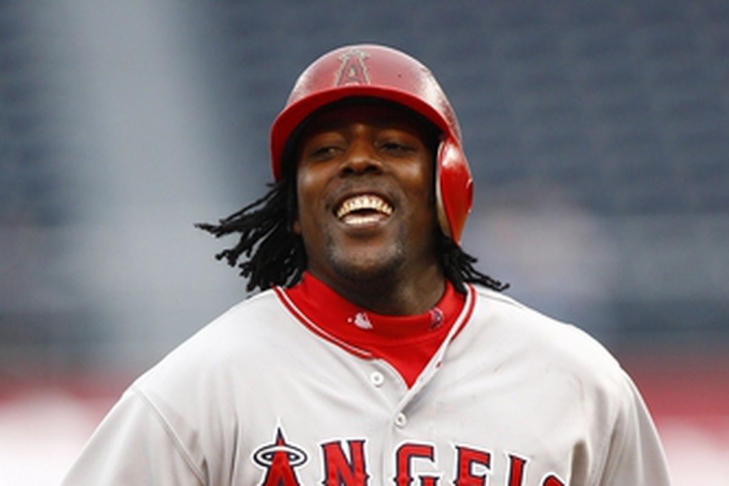
Vladimir Guerrero brought a rare, unbridled energy to Anaheim, joining the Angels in 2004 as the most coveted free agent in the game. His arrival was the result of a somber reality in Montreal, where a cash-strapped Expos franchise was tragically forced to watch its greatest superstar walk away because it simply could not afford to keep him. After establishing a Hall of Fame trajectory in Canada, the Dominican-born outfielder provided the Halos with a high-velocity offensive engine that redefined the organization's ceiling. For six seasons, he patrolled right field with a specialized ability to drive any pitch into the gaps of Angel Stadium, proving that a single superstar could transform a competitive roster into a perennial powerhouse.
Guerrero’s impact was immediate in his debut 2004 campaign. He secured the American League MVP award by batting .337 with 39 home runs and 126 RBIs, a high-frequency display of power and contact that carried the team to a division title. This initial splash signaled a transition from a National League star to the definitive face of the Angels' organization. He showed the front office that he was the foundational piece they had lacked, providing the veteran-like poise and game-breaking talent required to anchor the heart of the order.
The bulk of his Anaheim years were characterized by elite efficiency and a reputation for statistical dominance. Between 2004 and 2007, Guerrero was a statistical force of nature, earning four consecutive All-Star selections and finishing in the top ten of the MVP voting each year. He reached a career peak for reliability during this stretch, never falling below 27 home runs or 108 RBIs in a single season. Despite a free-swinging approach that defied traditional coaching, he remained a model of offensive precision, maintaining a .319 batting average in a Halo uniform. He possessed a focused intensity that made him a nightmare for opposing pitching staffs, famously hitting home runs on pitches that nearly bounced in the dirt.
Guerrero eventually signed with the Texas Rangers following the 2009 season. In 2017, when he was inducted into the Angels Hall of Fame, he was soon followed by his induction into the National Baseball Hall of Fame as the first player to represent the franchise.
Vladimir Guerrero will be inducted as an Angel
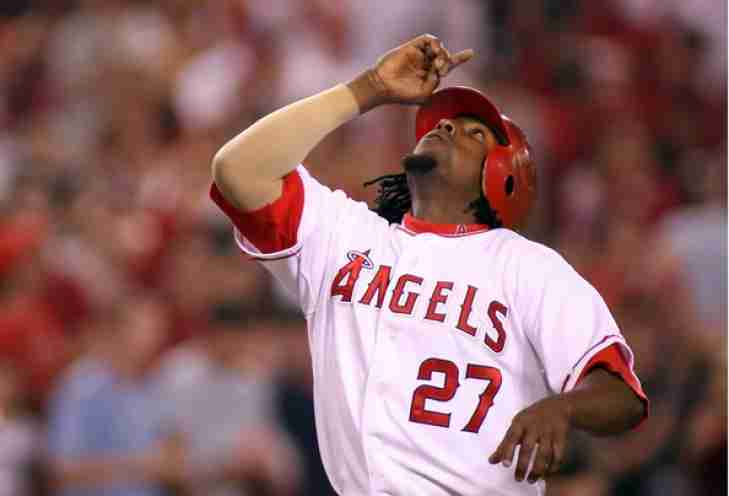
Guerrero actually had a longer run with the Montreal Expos, the team for which he debuted for in 1996. As an Expo, he played for eight seasons with four All Star Game appearances with 234 Home Runs, a Slash Line of .323/.390/.588 and a bWAR of 31.8. His tenure with the Angels was only six seasons with four All Star Games, 173 Home Runs, a Slash Line of .319/.381/.546 and a bWAR 24.3.
While his numbers accumulatively in Montreal exceed that of the Angels, Guerrero’s best individual years were with the Angels. In his first year with the then named Anaheim Angels, “The Impaler” was named the American League MVP. He was the second runner-up for the Award two other times.
This may make fans of the Montreal Expos sad but there is solace in that there are already three donning that chapeau in Gary Carter, Andre Dawson and last year’s inductee, Tim Raines.
We here at Notinhalloffame.com would like to congratulate the Angels organization for seeing one of their own in the Hall!
The Baseball Hall of Fame Class of 2018 is announced!
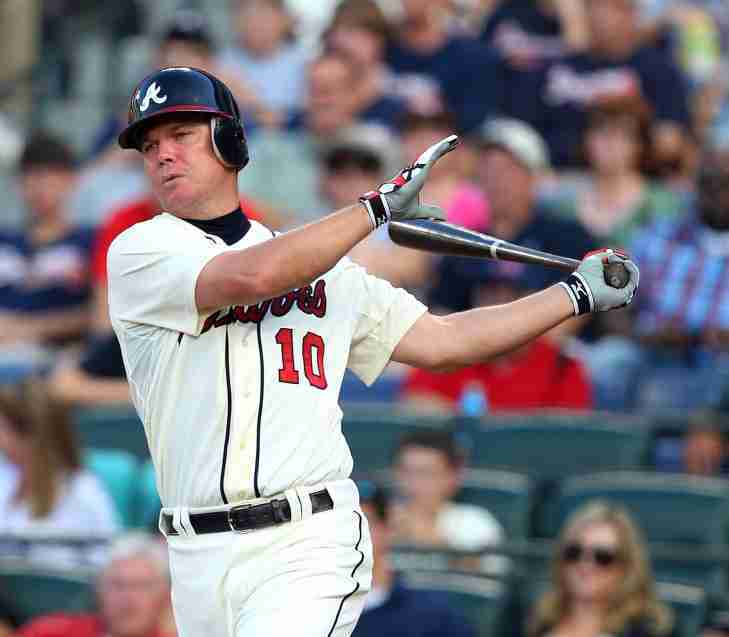
Chipper Jones, Jim Thome, Vladimir Guerrero and Trevor Hoffman have been chosen as all three received the necessary 75% of the vote from the Baseball Hall of Fame voters.
Jones, who played his entire career with the Atlanta Braves, is the highest vote getter this year with 97.2% of the ballot. Jones is one of the greatest hitting Third Basemen in history accumulating 2,726 Hits with a Slash Line of .303/.401/.529. The 1999 National League MVP also belted 468 Home Runs.
Vladimir Guerrero enters the Hall on his second try. The 2004 American League MVP and nine time All Star received 71.4% of the vote last season and easily cruised into the Hall this year with 92.9%.
Jim Thome also enters Cooperstown on his first try. In comparison to Jones, Thome was a vagabond playing for six different Major League teams, but his power prowess had few equals. The five time All Star blasted 612 Home Runs, which ranks him seventh all-time. Thome received 89.8% of the ballot
Trevor Hoffman enters the Baseball Hall of Fame on his third try and becomes the sixth Relief Pitcher to be inducted. Hoffman is second all-time in Saves and is a two time runner up to the National League Cy Young Award. Hoffman finished with 79.9% of the vote.
Now let’s take a look at those who were not chosen.
Edgar Martinez made another significant jump in the votes. He went from 43.4% to 58.6% and this year he went to 70.4%. This is the ninth year that the Designated Hitter was on the ballot and he is considered to be the best ever at that position. Martinez was tracking well and was projected to be inducted this year but he should be able to get in next year.
Mike Mussina saw his total rise from 51.8% to 63.5%. Sabremetrically speaking, Mussina remains one of the biggest snubs on the ballot, but he has only been on the ballot for five years. This increase could see him enter Cooperstown next year but this double digit rise will bring him induction eventually.
Barry Bonds remains a polarizing figure for the Baseball Hall of Fame, but PEDs or not, this was the best hitter of his era and arguably of all-time. The career Home Run Leader and seven time MVP received 56.4% up from 53.8% from last year.
Roger Clemens is in the exact same boat as Bonds. “The Rocket” was also the best of his generation and is a seven time Cy Young Award winner, though he is a two time World Series winner (unlike Bonds). His numbers increased to 54.1% last year and reached 57.3% this year.
The increase (albeit mild) of both Bonds and Clemens votes shows that the voters are becoming more forgiving of the PED era (with many citing the induction of Bud Selig as a catalyst for their change of heart) and it is also indicative of an influx of younger voters. This is the sixth year on the ballot for Bonds and Clemens and there is certainly hope on the horizon for both; something almost unthinkable three years ago.
Curt Schilling has Hall of Fame numbers but he did not exactly endear himself to voters with his anti-media stance and he was one of the few players to see his total decrease last year. He had 51.2% of the vote, which is up from last year’s 45.0% but down from 2016’s 52.3%. He may still need to grovel to the media for his upswing to resume.
Omar Vizquel is also on his first ballot and he received 37% of the vote. The Shortstop won eleven Gold Gloves and is regarded as one of the best defensive players ever. Vizquel also had 2,877 career Hits. He should be very happy with this debut number.
Larry Walker did see his total rise from to 34.1% but he is running out of time. The former National League MVP is still suffering from the Coors Field market and he has only two more years on the ballot.
Fred McGriff continues to tread water. “The Crime Dog” was only at 23.2% of the vote, which is his ninth year on the ballot. The First Baseman finished with 493 Home Runs but has never finished higher than 25%.
Manny Ramirez continues to struggle in his Hall of Fame voting. Ramirez has incredible career numbers, which are definitely Hall of Fame worthy but he was suspended twice for PEDs, something that did not happen to Bonds and Clemens. His tally was 22%, down slightly from last year.
Jeff Kent received 14.5% of the vote and with this being his sixth year on the ballot it is not looking good for the 2000 National League MVP.
Gary Sheffield received 11.1% in his fourth year of eligibility. “Shef” needs Bonds and Clemens to get in to have any real shot of getting into the Hall of Fame. He is a nine time All Star with 509 career Home Runs.
Billy Wagner received 11.1% in his third year of the ballot, which is enough to keep him on the ballot.
Scott Rolen only finished with10.2 on his first year of eligibility. Rolen’s biggest asset is his 70.0 bWAR but his traditional metrics will still give him a look for years to come. He should see his numbers rise in upcoming years.
Sammy Sosa held on with 7.8% of the vote. He is unlikely to make it to Cooperstown.
Andruw Jones received 7.3% on his first appearance on the ballot. The native of Curacao has over 400 Home Runs and is a four time league leader in Defensive bWAR.
Three notable first timers on ballot did not make it to 5%, that being Johan Santana, Jamie Moyer and Johnny Damon.
The others who did not earn enough votes were Chris Carpenter, Livan Hernandez, Orlando Hudson, Aubrey Huff, Jason Isringhausen, Carlos Lee, Brad Lidge, Hideki Matsui, Kevin Millwood, Kerry Wood and Carlos Zambrano.
These three will join previously chosen Veterans Committee Selections, Alan Trammell and Jack Morris and Ford C. Frick recipient, Bob Costas.
We will be revamping our Notinhallofame.com Baseball list shortly. Look for that in late February.
We here at Notinhalloffame.com would like to congratulate the newest members of the Baseball Hall of Fame. We don’t know about you but this is the most excited that we have been in years about a Hall of Fame Class!
If I Had a Vote in the 2018 Baseball Hall of Fame Election
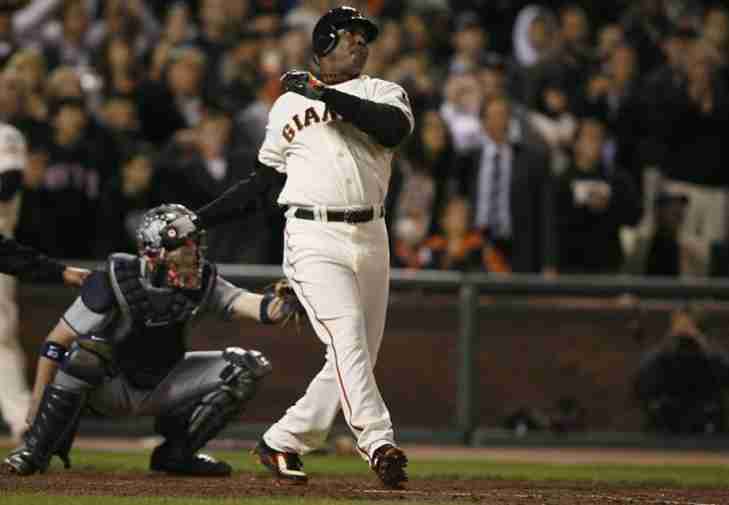
Sounds like voting for the Baseball Hall of Fame for the last few years, doesn't it?
The good news is that since the Shutout of 2013, when the eligible members of the Baseball Writers' Association of America (BBWAA) could not muster the 75 percent of the vote necessary to elect any one ballot candidate to the Hall of Fame despite a wealth of candidates from whom to choose (I counted 14), the BBWAA has sent a dozen players to Cooperstown. Based on that trend, and barring any unusual or unforeseen wrinkle, the writers are certain to elect at least one player for 2018.
The 2018 Baseball HOF Ballot is out
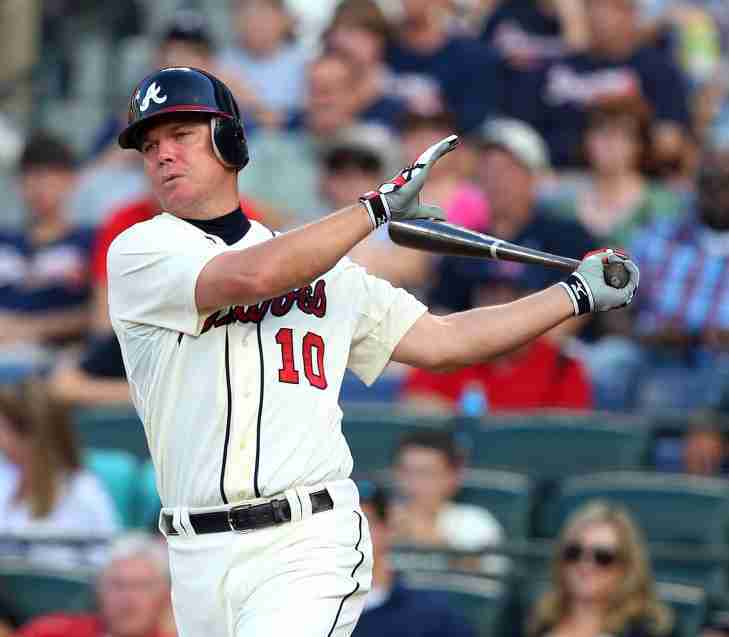
The candidates in alphabetical are:
Barry Bonds: Bonds is on his sixth ballot and enjoyed his biggest jump last year with a 53.8% finish. That increase gives a lot of hope to the PED associated players for Hall of Fame entry. He is ranked # 2 on Notinhalloffame.com.
Chris Carpenter: Carpenter is on his first ballot and the former Starting Pitcher went 144 and 94 and won the Cy Young Award in 2005. He was also a three time All Star.
Roger Clemens: Like Bonds, Clemens enjoyed a significant increase in his vote tally moving up to 54.1%. If the seven time Cy Young Award winner enjoys another gain in his sixth year on the ballot we could see him inducted before his time on the ballot ends. He is ranked #1C on Notinhalloffame.com.
Johnny Damon: Damon is on his first ballot and will struggle to make a second. He was a two time All Star and a two time World Series Champion. He is ranked #99 on Notinhalloffame.com.
Vladimir Guerrero: Guerrero is on his second year of eligibility and came off a 71.7% result. The 2004 American League MVP likely we will see enough of a rise to gain entry to Cooperstown. He is ranked #9 on Notinhalloffame.com.
Livan Hernandez: A two time All Star, Livan Hernandez had a career record of 178 and 177. This is his first time on the ballot
Trevor Hoffman: Hoffman was only one percentage point away from Cooperstown last year, thus only a marginal increase in his third year of eligibility should get him in. His 601 career Saves puts him second all-time and he is also a seven time All Star. He is ranked #20 on Notinhalloffame.com.
Orlando Hudson: Making his first appearance on the ballot, Hudson would go to two All Star Games and was a four time Gold Glove winner.
Aubrey Huff: Huff would accumulate 1,699 Hits and 242 Home Runs over his career. He is also a two time World Series Champion with the San Francisco Giants.
Jason Isringhausen: Isringhausen is also on his first year of eligibility and he was a two time All Star.
Andruw Jones: Jones is entering his first year of eligibility and brings a decent resume with eight All Star Games, ten Gold Gloves and 434 career Home Runs. He is ranked #47 on Notinhalloffame.com.
Chipper Jones: The career Atlanta Brave is debuting on the ballot and is the most likely newly eligible former player to get inducted immediately. Jones was the National League MVP in 1999 and is an eight time All Star. He won the Batting Title in 2008. He is ranked #3 on Notinhalloffame.com.
Jeff Kent: Kent is on his fifth year of eligibility and finished with 16.7% of the vote last year, his highest to date. The Third Baseman was the 2000 National League MVP and was a five time All Star. He is ranked #50 on Notinhalloffame.com.
Carlos Lee: Lee is making his first appearance on the ballot and was a two time All Star. He hit 358 Home Runs with 2,273 Hits.
Brad Lidge: The former Relief Pitcher recorded 225 Saves and was a two time All Star. He was also a World Series Champion with Philadelphia and he is entering his first year on the ballot.
Edgar Martinez: The former Designated Hitter is on his ninth try but his 58.6% gives him hope to possibly get in as it was a 15.2% increase from the previous vote. He is ranked #17 on Notinhalloffame.com.
Hideki Matsui: “Godzilla” was a two time All Star with the New York Yankees and was the 2009 World Series MVP.
Fred McGriff: It is not looking good for Fred McGriff who is on his ninth year of eligibility following a 21.7% vote tally last year. McGriff is a five time All Star with 493 career Home Runs. He is ranked #33 on Notinhalloffame.com.
Kevin Millwood: An All Star in 1999, Kevin Millwood is on the ballot for the first time. He went 169 and 152 with 2,083 Strikeouts.
Jamie Moyer: Playing almost to age of 50, Jamie Moyer makes his Hall of Fame ballot debut. Moyer was an All Star once and retired with a record of 269 and 209 with 2,441 Strikeouts. He is ranked #105 on Notinhalloffame.com.
Mike Mussina: Mussina is on his fifth year of eligibility and finished with a high of 51.8% of the vote. Mussina retired with 270 Wins against only 153 Losses. He would be named to five All Star Games. He is ranked #4 on Notinhalloffame.com.
Manny Ramirez: Manny debuted last year with only 23.8% of the ballot but the two time World Series Champion and 500 Home Run Club member should see an increase this year. He is ranked #7 on Notinhalloffame.com.
Scott Rolen: Rolen will be one of the most hotly debated new arrivals to the ballot as his sabremetric numbers far exceed his traditional ones. Still, this is a seven time All Star with a World Series Ring. He is ranked #17 on Notinhalloffame.com.
Johan Santana: Santana was a two time Cy Young Award winner and four time All Star. He is making his first appearance on the ballot. He is ranked #65 on Notinhalloffame.com.
Curt Schilling: Unlike many others who were on the ballot previously, Schilling actually trended downwards mostly due to his comments against the media finishing with 45% last year as opposed to the 52.3% he had the year before. Schilling is a three time Cy Young runner-up, two time World Series winner and a six time All Star. He is ranked #8 on Notinhalloffame.com.
Gary Sheffield: Sheffield is on his fourth year of eligibility and received 13.3% of the vote last year. He has 509 career Home Runs with nine All Star Game appearances. He is ranked #21 on Notinhalloffame.com.
Sammy Sosa: Sosa is entering his sixth year on the ballot following an 8.6% vote total. That is concerning as he has only finished in double digits on his first year of eligibility. He is ranked #30 on Notinhalloffame.com.
Jim Thome: Thome is on the ballot for the first time and brings five All Star Games and 612 Home Runs for consideration. He will likely get in but possibly not on his first try. He is ranked #6 on Notinhalloffame.com.
Omar Vizquel: Vizquel is also entering his first year of eligibility and the defensive specialist should receive enough ballots to remain on future ballots. He is ranked #76 on Notinhalloffame.com.
Billy Wagner: The seven time All Star is entering his third year on the ballot and he received 10.2% on the ballot last year.
Larry Walker: The 1997 National League MVP is running out of time. He is on his eight year of eligibility and he finished 21.9% last year. He is ranked #15 on Notinhalloffame.com.
Kerry Wood: The former flamethrower is on his first year of eligibility. Wood was a two time All Star and was the 1998 NL Rookie of the Year.
Carlos Zambrano: On his first year of eligibility, Zambrano was a three time All Star who finished with a career record of 132 and 91.
Not everyone who was Hall of Fame eligible for the first time made the ballot. This includes Miguel Batista,Francisco Cordero, Brian Fuentes, Adam Kennedy, Guillermo Mota, Carl Pavano, Scott Podsednik, J.C. Romero, Ben Sheets, Jeff Suppan and Jack Wilson.
As always, we here at Notinhalloffame.com will be very interested to see what will transpire with this latest ballot and we will love watching all of the debates begin!
Vladimir Guerrero to the Angels HOF
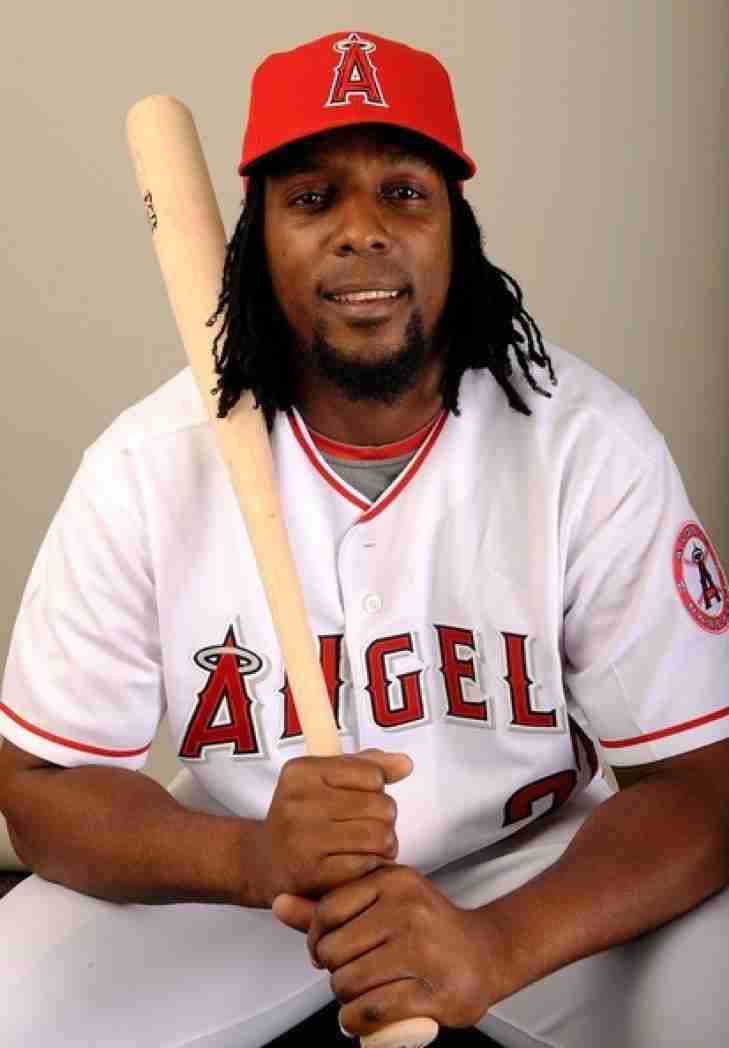
As such it is news to us that the Anaheim Angels have announced that Vladimir Guerrero will become the 15th member of the franchise’s Hall of Fame in a ceremony that will take place on August 26.
Guerrero was with the Angels for six seasons joining the Angels as a free agent prior to the 2004 season and Anaheim was rewarded immediately as “The Impaler” but forth the best season of his career winning the American League MVP Award with 206 Hits, 39 Home Runs, 126 RBI and a .337 Batting Average.
While this was the “only” MVP that Guerrero would win, he would finish third in voting twice more as an Angel. His overall tenure with Anaheim would see him collect 1,034 Hits with 173 Home Runs and a Slash Line of .319/.381/.546 and was an All Star and Silver Slugger four times.
We here at Notinhalloffame.com would like to congratulate Vladimir Guerrero for earning this honor.
We are announcing Baseball revisions for the 2018 Vote!
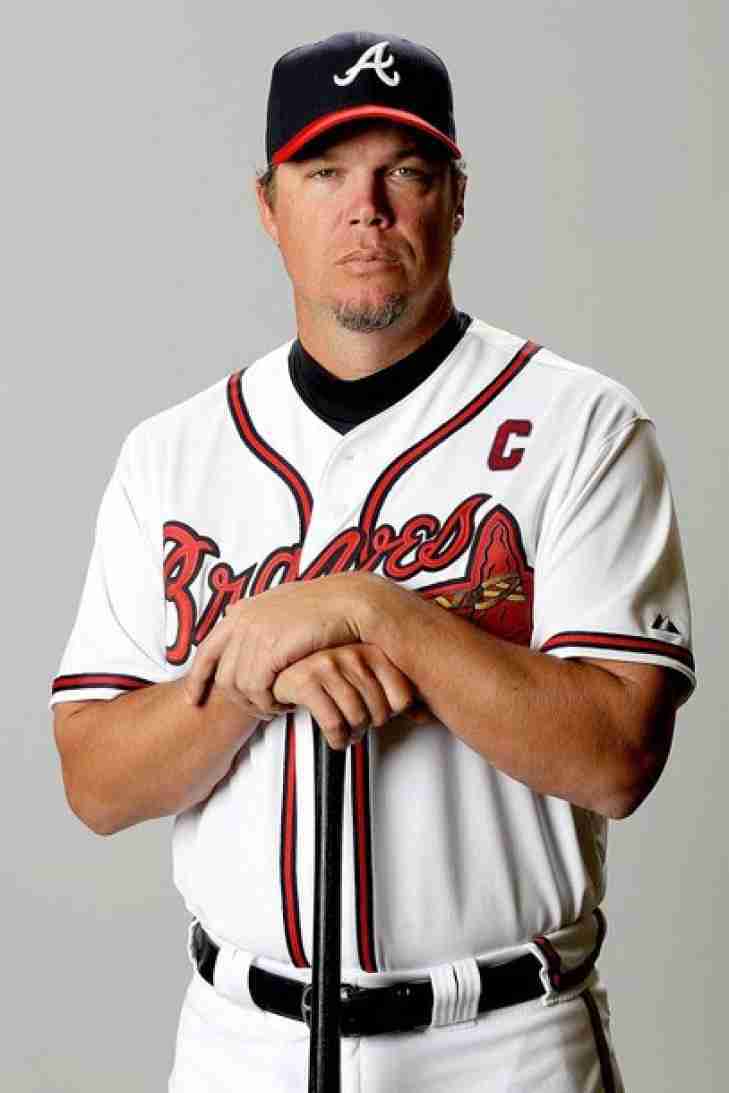
As such, we took into account the following when looking at our Baseball Revisions:
Ranking the now eligible former players. We already have them on our futures sections and your votes and comments have been taken into account.
The votes and opinions that all of you have given based on those who are already on the list.
Remember, we encourage you to keep giving us your opinions and comments as this does alter our rankings as we continue. Also, it is worth noting that we have expanded our 100 to 105.
So, let’s get right to the Top 10!
If you are a regular visitor here, you know that we have a 1A, 1B and 1C on our to accommodate:
1A. Pete Rose: The Hit King remains ineligible for the Hall of Fame due to gambling.
1B. “Shoeless” Joe Jackson: Jackson remains ineligible after nearly a century has passed following the Black Sox Scandal of 1919.
1C. Roger Clemens: It is either Clemens or Bonds in this spot. Rocket gets the duke only because he has a slightly higher vote tally from all of you who voted. Seriously though, can we get off the PED era already?
2. Barry Bonds: The All-Time leader in MLB Home Runs remains #2. While he does not have the vote total that others have who are ranked lower, like Clemens, this is as far as his (and Clemens) basement goes as far as Notinhalloffame.com is concerned, and yes, we know we said that we too take your votes into account! With these two, we re going to hold firm right now.
3. Chipper Jones: The career Atlanta Brave is considered by many to be a first ballot Hall of Fame inductee. Jones has the stats, both traditional and advanced, a World Series Ring and is very well liked. He is the highest rated new entry.
4. Mike Mussina: Mussina may have dropped one spot, but he is still a major snub in our eyes. The former Yankee and Oriole may have played in high profile markets but his profile is relatively low amongst those who think about Cooperstown. Apparently it is low with the Baseball Hall of Fame voters too.
5. Bill Dahlen: “Bad” Bill Dahlen also drops one spot. Dahlen is one of the few legitimate omissions from the game’s early days and was surly as he was good…and he was very good!
6. Jim Thome: Thome statistically should be a first ballot Hall of Famer, and probably will be, but for someone who smacked over 600 Home Runs with an OPS of .956, he is a player that could easily fall below the radars of voters on the first go around. He is the second highest ranked of the new entries.
7. Manny Ramirez. Manny is being Manny in Japan now, but he got a far higher vote in his first year of eligibility than many people thought he would.
8. Curt Schilling. Schilling took a tumble with the voters this year, the biggest drop of anyone who was on the ballot. It might be worth watching to see if he falls again.
9. Vladimir Guerrero. “Vlad, The Impaler” had the biggest jump in our Top 20, moving up from 14 to 9. Guerrero was very close to entering Cooperstown on his first try, and probably should get in on his second try.
10. Lou Whitaker. The sabremetric darling of the Detroit Tigers infield remains in the #10 spot.
Chipper Jones and Jim Thome are not the only new entries on this list.
Scott Rolen debuts at #18. The former infielder and seven time All Star brings a very interesting case to the Baseball Hall of Fame and we are very curious to see how his first vote goes.
Chipper Jones is not the only high profile former Atlanta Brave to make the top 50 as Andruw Jones debuts at #49.
Johan Santana debuts at #67 though we wonder how much higher he would be if he lasted just two more seasons.
Omar Vizquel is another new entry. The defensive star makes his first appearance at #76.
Johnny Damon and Jamie Moyer appear at #99 and #105 respectively.
You know what we want you to do!
If you haven’t cast your vote for these former baseball players on our list, please do so and offer your opinion!
As always, we here at Notinhalloffame.com thank you all for your support!
Roy Halladay and Vladimir Guerrero to go to the Canadian Baseball HOF
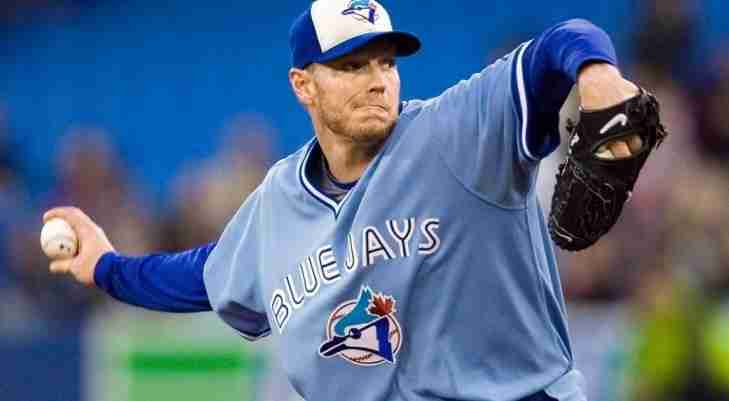
Roy Halladay was a star player with the Toronto Blue Jays and was with the team for twelve seasons, culminating in a Cy Young Award in 2003. Halladay, a potential future Baseball Hall of Famer, went 148 and 76 with a 3.43 ERA with 1,495 Strikeouts. He was a six time All Star as a Blue Jay.
Vladimir Guerrero began his career with the Montreal Expos, where he would make four trips to the All Star Game and earn three Silver Slugger Awards. As an Expo, Guerrero accumulated 1,215 His with 234 Home Runs and a .323/.390/.588 Slash Line.
Halladay and Guerrero are joined by Ray Carter, who was the President of the Baseball Canada from 2000 to 2016 and longtime Umpire, Doug Hudlin.
The Induction Ceremony will take place on June 24 in St. Marys, Ontario.
The Baseball HOF will induct Jeff Bagwell, Tim Raines and Ivan Rodriguez
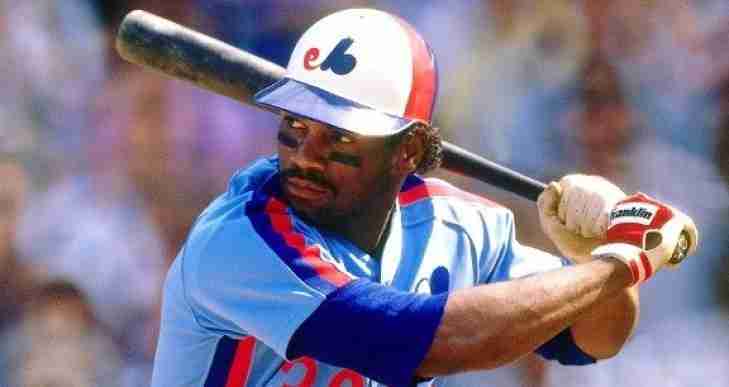
That second day is here.
The Baseball Hall of Fame Class of 2017 has been announced and let’s get right to it as we have three new Baseball Hall of Famers
The highest vote getter this year is Jeff Bagwell who is selected on his 7th year of eligibility. Bagwell received 86.2% of the vote, well up from his 71.6% last year. It has been believed that his delay into getting into the Baseball Hall has been due to PED suspicion, but that is all there was in his case.
Finishing second on the ballot is Tim Raines, who was on his last year of eligibility. “Rock” had 86.0% and like Bagwell received a more than 15% jump. For many Baseball fans, this is long overdue and many are thrilled to see him get his due.
Perhaps a bit of a surprise is that Ivan Rodriguez entered on his first ballot with 76.0%. Statistically, I-Rod is Cooperstown worthy but he has a direct PED accusation from Jose Canseco though was never named in the Mitchell Report.
Overall, the PED users/suspected players have seen a rise in the totals, a lot of which can be attributed with the elimination of older and inactive baseball writers from the process and the induction of Bud Selig, who presided over the time that PED use arose in the game.
Let’s look at those who didn’t make the cut:
Trevor Hoffman: 2nd Year on the ballot, 74.0%
The prolific reliever did not make this year, but he was only a handful of votes away. He finished with 67.3% last year and should get in next year.
Vladimir Guerrero: 1st Year on the ballot, 71.7%
“Vlad the Impaler” was pegged by some as a first ballot inductee but it won’t take him long to get in. He should be a lock next year.
Edgar Martinez: 8th Year on the ballot, 58.6%
Edgar has only two years left but this was a huge jump from the 43.4% he had last year. Martinez was a Designated Hitter, a position that has hurt him in the past and the fact that three people got in to help thin the ballot somewhat does not hurt his cause.
Roger Clemens: 5th Year on the ballot, 54.1%
This was a huge jump for Clemens and the first time he eclipsed 50 percent. This is up 8.9% from last year and perhaps for the first time we have a strong reason to think that the Rocket could get in.
Barry Bonds: 5th Year on the ballot, 53.8%
See above. Could we see in the future a year where both Barry Bonds and Roger Clemens enters Cooperstown together? A few years ago we wouldn’t have thought so, but now that seems like a possibility.
Mike Mussina: 4th Year on the ballot, 51.8%
Mussina doesn’t get a lot of attention as he is not a controversial choice, nor is he one that plays to the media. He did however jump up past the 50% mark for the first time and is going in the right direction.
Curt Schilling: 5th Year on the ballot, 45.0%
Schilling dropped 7 percent, and we all know why don’t we? He angered the media with his comments toward them and is this backlash was long expected.
Lee Smith: 15th Year on the ballot, 34.2 %
This is the end for Smith, who at one point was the all-time Saves leader. Based on how he was trending, he was lucky to make it this far.
Manny Ramirez: 1st Year on the ballot, 23.8 %
This could be the biggest surprise. The suspected PED users went up, but Ramirez was caught and suspended twice. Maybe the writers thought “Manny being Manny” was not enough explanation.
Larry Walker: 7th Year on the ballot, 21.9%
While it doesn’t look like Walker will get in, he did jump up from his 15.5% from last year.
Fred McGriff: 7th Year on the ballot, 21.7%.
McGriff barely budged from his 20.9% from last year. It isn’t looking good for the “Crime Dog.”
Jeff Kent: 3rd Year on the ballot, 16.7%
The former National League MVP moved up…0.1%. Is there a Survivor Hall of Fame?
Gary Sheffield: 3rd Year on the ballot, 13.3%
Sheffield mildly improved but he on such a crowded ballot, he still has time to jump up considering his career stats.
Billy Wagner: 2nd Year on the ballot, 10.2%
Wagner actually went down from his 10.5% from the year before. Realistically, just staying on the ballot is a win for him.
Sammy Sosa: 5th Year on the ballot, 8.6%
Sosa is still alive, so we are stuck debating him another year.
The notable player who did not make the 5% to stay on the ballot was former New York Yankee Catcher, Jorge Posada, received 3.8%.
Others who received votes were Magglio Ordonez (0.7%), Edgar Renteria (0.5%), Jason Varitek (0.5%) and Tim Wakefield (0.2%).
The others on the ballot who did not receive any votes were Corey Blake, Pat Burrell, Orlando Cabrera, Mike Cameron, J.D. Drew, Carlos Guillen, Derrek Lee, Melvin Mora, Arthur Rhodes, Freddy Sanchez and Matt Stairs.
We here at Notinhalloffame.com would like to congratulate the latest Baseball Hall of Fame Class and we will be unveiling our next list in a month’s time.
The Baseball HOF has announced their Nominees for 2017.
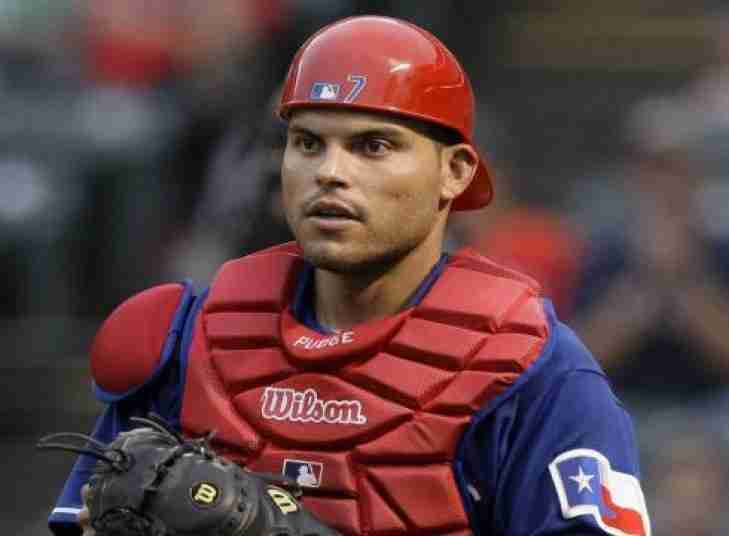
8. Vladimir Guerrero

Vladimir Guerrero was signed for only $2,000 from the Dominican Republic as an unknown teenager in 1993. He dominated the minor leagues so completely that his debut in Montreal felt less like a typical call-up and more like witnessing a natural talent emerge. Without batting gloves and with his helmet covered in pine tar, he stepped into the batter's box at Stade Olympique with a fierce, aggressive style. Not only did he meet his high expectations, but he surpassed them, reaching an explosive peak that left a lasting mark on the franchise’s record books.
Vlad the Impaler challenged conventional hitting by making the entire batter's box—and the dirt around it—his personal strike zone. Relying on exceptional hand-eye coordination and a powerful right-handed swing, he gradually reached his peak. After debuting in 1997, Guerrero surged in 1998 with 38 home runs, followed by 42 in 1999 and a remarkable 31-game hitting streak. By 2000 and 2001, he had become a national icon in Quebec, hitting 44 and 34 home runs respectively, while maintaining batting averages above .300.
This consistent upward trajectory laid the foundation for an exceptional 2002 campaign. Guerrero, demonstrating his all-around talent, secured the National League hit title with 206 hits, led the senior circuit with 364 total bases, and scored 108 runs. He hit 39 home runs and stole 40 bases—his career best—just one home run short of joining the rare 40-40 club in major league history.
Opposing managers were so paralyzed by his bat that summer that they handed him a league-leading 32 intentional walks. Yet he paired that heavy-handed power with remarkable contact skills, striking out just 70 times all year. Beyond his offensive wizardry, he possessed an absolute rifle of an arm in right field, routinely turning overly aggressive base runners into easy outfield assists.
Sadly for Montreal fans, his spectacular solo performance occurred while the financially struggling franchise was collapsing under tight budget limits, with Major League Baseball taking over control and contraction on the horizon. After a remarkable, injury-affected 2003 season during which he still hit .330 and achieved a cycle, the front office lacked the financial resources to keep a player of his legendary stature.
Guerrero hit the open market that winter and signed a lucrative free-agent contract with the Anaheim Angels. In a bittersweet twist that deeply stung the remaining fan base in Montreal, he immediately captured the American League MVP award in his first season away from Canada, serving as the final, agonizing emblem of the generational superstars the cash-strapped Expos were forced to watch walk away.
Over eight exciting seasons in Montreal (1996–2003), Guerrero showcased his incredible talent by playing 1,004 games. He achieved an impressive 1,215 hits, hit 234 home runs, drove in 702 RBIs, and stole 123 bases. His remarkable performance is reflected in his outstanding .323/.390/588 slash line (148 OPS+), making these years truly memorable.
Our Baseball List has been revised!
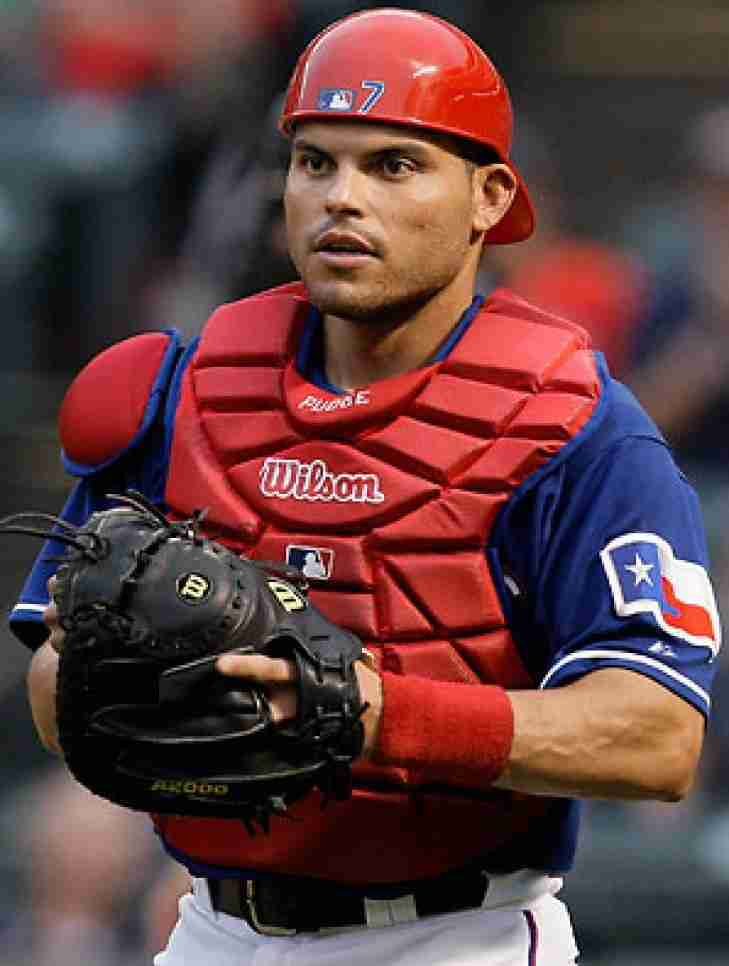
The 2016 vote saw Ken Griffey Jr. and Mike Piazza selected for Cooperstown, both of who were in our top five. Obviously, they will be taken out of our Baseball 100, but there will be three new eligible former baseball players who will join them.
Let’s take a look at our new Notinhalloffame.com Baseball Top Ten.
Awards = HOF? Part Twelve: The Silver Slugger (Designated Hitter) (MLB)
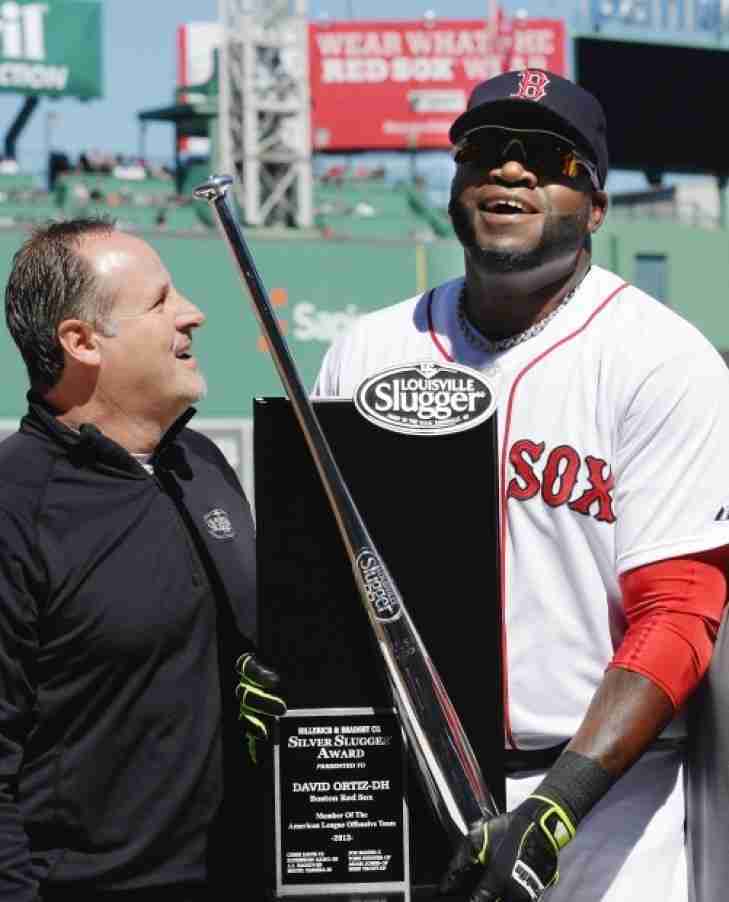
Needless to say, different awards in different sports yield hall of fame potential. In basketball, the team sport with the least amount of players on a roster, the dividend for greatness much higher. In baseball, it is not as much as a great individual season does not have the same impact.
BASEBALL HALL OF FAME: UPCOMING BORDERLINE CANDIDATES, PART 1
Granted, 2013 was the first year of eligibility for Barry Bonds and Roger Clemens, both poster boys for performance-enhancing drugs (PED), bringing to a head the contentious debate about "cheaters" and their admission into the Hall. But there were certainly several "clean" players on that ballot, and a few of those, such as 3000-hit-club member Craig Biggio, would have been uncontroversial picks in any previous year.
And although 2014 saw the election of three players—Tom Glavine, Greg Maddux, and Frank Thomas—it was merely the tip of a talent-heavy iceberg (I identified 18 likely Hall of Famers for that ballot), while providing a burn to Biggio yet again as not only did he miss election by one vote (he garnered 74.8 percent of the vote), but three first-time candidates leapfrogged him into Cooperstown.
