


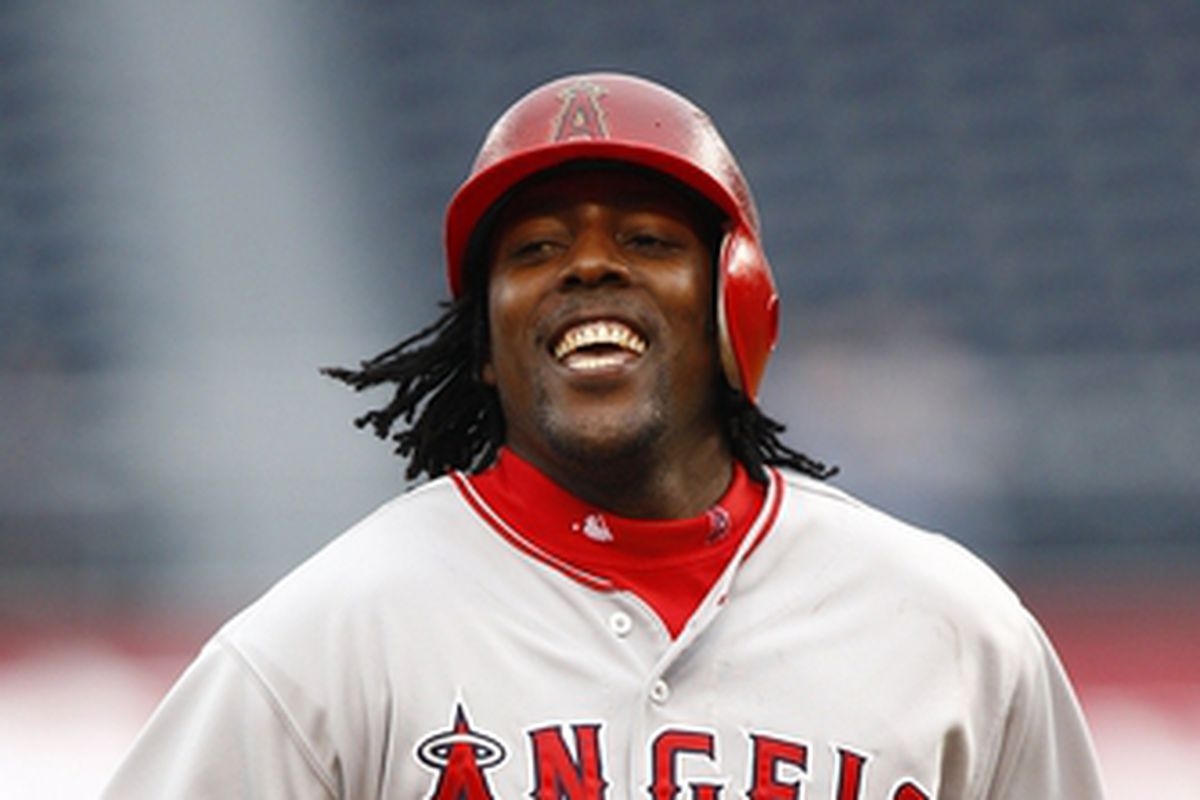



Vladimir Guerrero brought a rare, unbridled energy to Anaheim, joining the Angels in 2004 as the most coveted free agent in the game. His arrival was the result of a somber reality in Montreal, where a cash-strapped Expos franchise was tragically forced to watch its greatest superstar walk away because it simply could not afford to keep him. After establishing a Hall of Fame trajectory in Canada, the Dominican-born outfielder provided the Halos with a high-velocity offensive engine that redefined the organization's ceiling. For six seasons, he patrolled right field with a specialized ability to drive any pitch into the gaps of Angel Stadium, proving that a single superstar could transform a competitive roster into a perennial powerhouse.
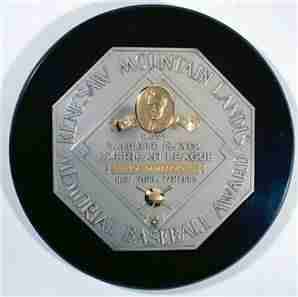
Guerrero’s impact was immediate in his debut 2004 campaign. He secured the American League MVP award by batting .337 with 39 home runs and 126 RBIs, a high-frequency display of power and contact that carried the team to a division title. This initial splash signaled a transition from a National League star to the definitive face of the Angels' organization. He showed the front office that he was the foundational piece they had lacked, providing the veteran-like poise and game-breaking talent required to anchor the heart of the order.
The bulk of his Anaheim years were characterized by elite efficiency and a reputation for statistical dominance. Between 2004 and 2007, Guerrero was a statistical force of nature, earning four consecutive All-Star selections and finishing in the top ten of the MVP voting each year. He reached a career peak for reliability during this stretch, never falling below 27 home runs or 108 RBIs in a single season. Despite a free-swinging approach that defied traditional coaching, he remained a model of offensive precision, maintaining a .319 batting average in a Halo uniform. He possessed a focused intensity that made him a nightmare for opposing pitching staffs, famously hitting home runs on pitches that nearly bounced in the dirt.
Guerrero eventually signed with the Texas Rangers following the 2009 season. In 2017, when he was inducted into the Angels Hall of Fame, he was soon followed by his induction into the National Baseball Hall of Fame as the first player to represent the franchise.

Comments powered by CComment