
gold star for USAHOF

Top 50 Pittsburgh Pirates

One of the oldest teams in Major League Baseball, the Pittsburgh Pirates, began in the American Association as the Pittsburgh Alleghenys in 1881.  They joined the National League in 1887 and changed their name to the Pirates four years later.

Pittsburgh won their first World Series in 1909, with Honus Wagner leading the way.  A second title came in 1925, but it would not be until 1960 when they won their third, punctuated by Bill Mazeroski’s Game 7 walk-off Home Run.  Led by Roberto Clemente, they won a fourth World Series in 1971, and their fifth came in 1979 with Willie Stargell and the “We Are Family” team.

This list is up to the end of the 2025 regular season.

Note: Baseball lists are based on an amalgamation of tenure, traditional statistics, advanced statistics, playoff statistics, and post-season accolades.
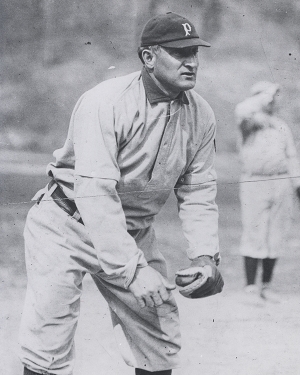
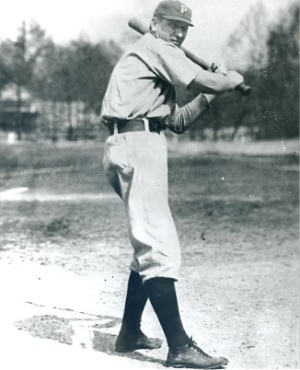
Honus Wagner’s arrival in Pittsburgh ahead of the 1900 season was the byproduct of structural chaos, landing with the Pirates alongside manager Fred Clarke and a massive influx of talent when the Louisville franchise folded. The stocky, bow-legged son of German immigrants didn't fit the classic mold of an agile, graceful shortstop; he possessed massive, barrel-chested strength, exceptionally large hands that scooped up dirt along with the baseball, and an explosive burst of athletic ability that defied his rugged frame. He quickly changed the senior circuit baseline, winning his first National League batting title during his debut summer in 1900…
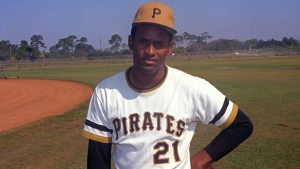
If there were going to be anyone who would have supplanted Honus Wagner as the greatest Pittsburgh Pirate of all time, it would have been Roberto Clemente. Roberto Clemente's arrival in Pittsburgh before the 1955 season is one of the most fortunate moments in modern baseball history. He was claimed for $4,000 in the Rule 5 draft after the Brooklyn Dodgers tried to hide him on their minor league team in Montreal. The proud, highly athletic young outfielder from Carolina, Puerto Rico, immediately displayed a fierce and stunning style of play at Forbes Field. He moved with a smooth, explosive…
The 1920s brought us the Home Run era that we still enjoy today, but spray hitters have never gone out of style.  One of the best was Paul Waner. Waner learned how to bat by hitting corncobs from Oklahoma, but that is not the most unique part about developing his skills.  Waner had poor eyesight, specifically due to astigmatism, and he learned how to hit the blurry baseballs in the middle.  Unique as it was, it worked, and he tore it up in the Minors and would land a job in Pittsburgh in 1926 as their Rightfielder. Waner had a terrific rookie year,…
When Willie Stargell debuted for the Pirates in late summer of 1962, he didn't immediately shift the National League's landscape, but the tall left-handed slugger from Oklahoma quickly became a towering presence. Initially playing left field, "Pops" spent the 1960s providing raw power alongside Roberto Clemente. He swung a heavy bat with a distinctive, sweeping motion that struck fear into pitchers, routinely hitting tape-measure home runs over Forbes Field's roofs. By the 1970s, his influence soared to a historic, league-shaping peak. Stargell won two National League home run titles, hitting a career-best 48 in 1971 and 44 in 1973. In…

2026 SEATTLE MARINERS FLEX MEMBERSHIPS

Jan 01, 1970

Buy your Tickets to see 2026 Seattle Mariners Flex Memberships HERE!

BALTIMORE ORIOLES VS. CHICAGO WHITE SOX

Jun 29, 2026

Buy your Tickets to see Baltimore Orioles vs. Chicago White Sox HERE!

PHILADELPHIA PHILLIES VS. PITTSBURGH PIRATES

Jun 29, 2026

Buy your Tickets to see Philadelphia Phillies vs. Pittsburgh Pirates HERE!

NEW YORK YANKEES V. DETROIT TIGERS * PREMIUM SEATING *

Jun 29, 2026

Buy your Tickets to see New York Yankees v. Detroit Tigers * Premium Seating * HERE!

 
Following the footsteps of a legendary hometown figure can overshadow a young player's career, but Arky Vaughan spent ten years demonstrating he could rise above the shadow of Honus Wagner. Coming from Arkansas farmland to earn his lifelong nickname, Vaughan arrived in Pittsburgh with a quiet, deadly focus that reflected the industrial surroundings of Forbes Field. While Wagner himself wandered the dugout as the team's iconic coach and mentor, Vaughan dedicated himself to building a legacy that ranks just below "The Flying Dutchman" among the greatest shortstops in history. Initially, Vaughan was expected to observe during the 1932 schedule, learning…
The history of pitching is full of fire-breathers who used raw speed to overpower batters, but Babe Adams took a different approach. Throughout his 19-year MLB career, mostly with the Pittsburgh Pirates, except for a brief relief stint with the St. Louis Cardinals in 1906, Adams made his mark with remarkable control. He turned the strike zone into his personal canvas of precision, effectively neutralizing the best hitters of the Deadball Era by avoiding unnecessary walks. His official debut as a key player coincided with the historic 1909 pennant race, leading to one of the most memorable rookie performances ever…
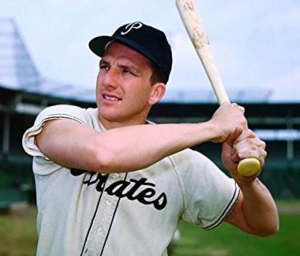
The history of major league baseball features many legendary sluggers with impressive career statistics, but Ralph Kiner stood out in the post-war era for his extraordinary power. For seven summers after World War II, this handsome, broad-shouldered left fielder transformed Forbes Field's left-field seats into his personal zone of dominance. During a difficult period for the franchise, Kiner alone kept attendance high by setting a record for home run frequency that remains unmatched. His debut in the major leagues during the 1946 season provided little hint of the monumental impact that would come later. Although Kiner secured the National League…
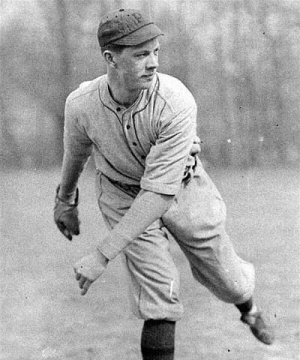
A century's passage can easily erase the legacy of a frontline ace, leaving their greatest accomplishments forgotten in early baseball history. Wilbur Cooper exemplifies this neglect within Pirates history. A skilled, left-handed pitcher who used a sharp changeup and sinking fastball, Cooper spent over ten years dismantling National League lineups with calm precision. However, because his prime coincided with a rare, transitional period between the franchise's early wins, his name is seldom spoken with the same admiration as his peers. His arrival in Pittsburgh midway through the 1912 season immediately revealed him as a dependable workhorse. Cooper made consistent durability…
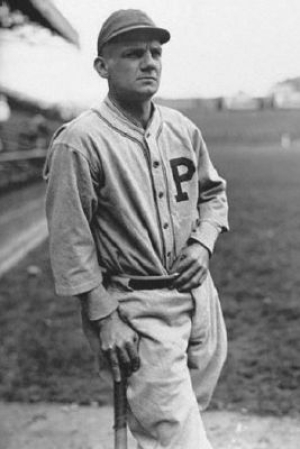
The modern idea of an elite leadoff hitter often evokes images of quick speedsters, but Max Carey combined agility with keen, strategic thinking. Originally on track to become a Lutheran minister, the Indiana-born player unexpectedly shifted to baseball, applying a deliberate, tactical approach to base running that changed the run game. His modest debut over two games for the Pittsburgh Pirates late in 1910 showed the team they had found their fastest player, a base stealer who would spend fifteen years making the bases his domain. Carey made table-setting a staple of his regular-season routine, expertly navigating the Deadball Era…
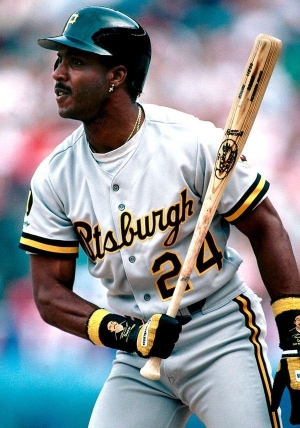
Many in the baseball community often see Barry Bonds as a figure surrounded by heated debates, mainly focusing on his transformation during his late years in San Francisco. But before he became one of the most controversial and dynamic players of the modern game, he spent seven summers in western Pennsylvania building a very different kind of legacy. In Pittsburgh, Bonds wasn't just a towering slugger; he was a slim, incredibly fast, five-tool talent who blended amazing athletic skill with a sharp, instinctive eye. His efforts helped lift a struggling small-market team from the bottom of the National League standings…
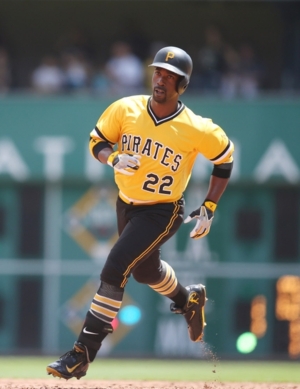
Few athletes in the 21st century have carried the spirit of an entire city as effectively as Andrew McCutchen. When he made his major league debut in June 2009, quickly confirming his status as the 11th overall pick from the 2005 draft, the Pittsburgh Pirates were in the midst of a historic, decade-long losing streak. With boundless energy, a distinctive dreadlocks hairstyle, and a lightning-fast right-handed swing, "Cutch" not only earned numerous individual awards but also transformed the franchise's identity, turning PNC Park from a picturesque concrete stadium into a vibrant hub of excitement. His debut season demonstrated multi-dimensional dominance.…
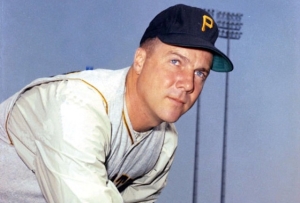
Assessing a pitcher's legacy solely based on win-loss records can sometimes misrepresent their actual performance. When a pitcher spends a decade working in a challenging, low-scoring environment for a struggling team, their overall stats will inevitably reflect those conditions. Bob Friend exemplifies this. During his long, high-appearance career with the Pirates, the resilient right-hander was recognized as one of the top National League starters of his time. However, many fans misinterpret his career numbers because they ignore the context of the teams he carried. Arriving in Pittsburgh as a young 20-year-old rookie in 1951, Friend was immediately immersed in a…
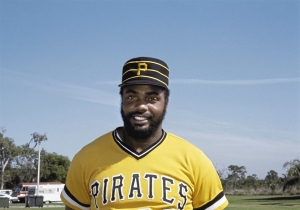
Few athletes in post-war baseball history have ever matched Dave Parker's commanding, almost theatrical presence. Standing 6-foot-5 and weighing 230 pounds, this imposing right fielder roamed Forbes Field and Three Rivers Stadium with a confident swagger that captured the attention of fans and players alike. Wearing a dark visor, a thick mustache, and swinging a hefty 37-ounce bat, "The Cobra" was more than just a player; he was a dominant force. During a remarkable period in the late 1970s, he was the undisputed top predator in the Major Leagues, a five-tool superstar with a cannon for an arm who made…
At the start of the 20th century, a major corporate merger dramatically altered the power structure in the National League. When the Louisville Colonels’ owner gained a controlling interest in the Pittsburgh Pirates, he orchestrated the notable departure of top baseball talent to western Pennsylvania, including a young Honus Wagner. While Wagner was a captivating presence on the field, FredClarke was the true architect of the franchise's golden age. As a rare, dual-role player-manager at only 27, the determined and well-organized left fielder crafted the strategic foundation that transformed the Pirates into the dominant team of the Deadball Era. Clarke…
Mention Bill Mazeroski to any sports fan, and the reaction is immediate: recalling the iconic moment at Forbes Field when he hit a high-speed drive over the left-field wall, leading to a euphoric dash around the bases while waving his helmet to clinch the 1960 World Series victory. This remains the only Game 7 walk-off home run in baseball history. However, summing up his entire 17-season career in black and gold as just that single lightning-fast swing significantly underestimates his true impact on the game. "Maz" was not only a legendary October hero but also spent nearly twenty years perfecting…
Early 20th-century baseball history often highlights Harold "Pie" Traynor as the benchmark for third-base excellence. Coming from Massachusetts’ sandlots to earn his nickname, the friendly and popular third baseman spent nearly twenty years as the franchise's main figure. For many fans and writers of his era, Traynor was the definitive standard, skilled defensively, a clutch hitter, and known for his gentlemanly behavior, making him a cherished part of Western Pennsylvania's sports culture. After a brief appearance in the 1920 and 1921 schedules, Traynor fully claimed the everyday third baseman role in 1922 and held onto it for the next 14…
The baseball world is filled with clichés about small players showing great grit, but at the start of the 20th century, Tommy Leach exemplified this ideal. Standing only 5-foot-6 and weighing just 150 pounds, "Wee Tommy" appeared physically small in the tough, brutal environment of the Deadball Era. Despite this, he spent over ten years in western Pennsylvania demonstrating that quick, low-center-of-gravity movements could easily break down opposing defenses. As a fast, high-energy hitter at the top of the lineup, Leach turned the expansive fields of Exposition Park and Forbes Field into his personal sprint track, becoming a key catalyst…
To truly grasp early 20th-century baseball culture, it's important to examine men like Sam Leever, who chose the diamond over conventional careers. Known as "The Goshen Schoolmaster” in the National League, this right-handed pitcher spent seven years teaching schoolchildren in Ohio before fully dedicating himself to professional baseball. His delayed entry into the majors at age 26 was due to this academic background. Leever approached the game with a calculated, cerebral style, favoring an excellent curveball and precise control over raw speed. Leever dedicated his 13-season major league career to pitching in Pittsburgh, creating a model of efficiency that made…
The corporations’ merging that ended the Louisville Colonels around 1900 significantly changed the course of Pittsburgh baseball. While many focus on the players who arrived, Deacon Phillippe was essential as the main pitcher. Born in Virginia and raised in rural South Dakota, this humble, religious, soft-spoken right-hander earned his nickname thanks to his disciplined, virtuous lifestyle. On the mound, Phillippe was known for his calm, precise pitching that stifled Deadball Era offenses. Instead of relying on high speed, he aimed carefully at the strike zone, using exceptional control to become one of the most reliable big-game pitchers of his time.…