


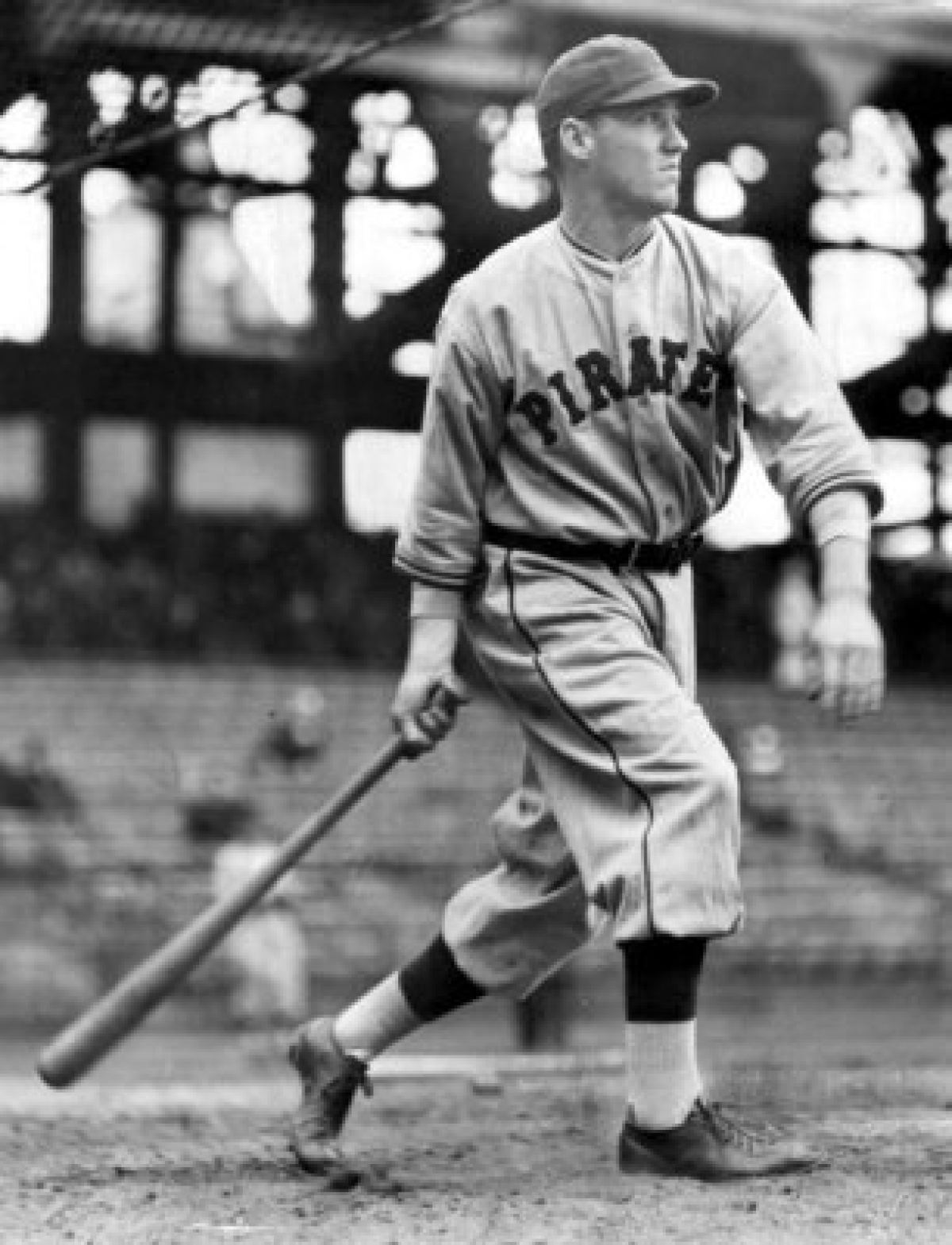




Following the footsteps of a legendary hometown figure can overshadow a young player's career, but Arky Vaughan spent ten years demonstrating he could rise above the shadow of Honus Wagner. Coming from Arkansas farmland to earn his lifelong nickname, Vaughan arrived in Pittsburgh with a quiet, deadly focus that reflected the industrial surroundings of Forbes Field. While Wagner himself wandered the dugout as the team's iconic coach and mentor, Vaughan dedicated himself to building a legacy that ranks just below "The Flying Dutchman" among the greatest shortstops in history.
Initially, Vaughan was expected to observe during the 1932 schedule, learning from veteran Tommy Thevenow. However, an ankle injury to Thevenow put Vaughan, then just 20, directly into the action. He didn't merely survive the challenge; he secured the starting role for the next ten summers.
By his second season in 1933, he was consistently turning extra-base hits into a regular occurrence, leading the National League with a impressive 19 triples. The next summer marked the beginning of a historic nine-year streak of appearances in the All-Star Game, with the first eight played while he was a Pittsburgh player.
His 1935 season is considered one of the greatest offensive displays in Major League history. Vaughan dominated the National League, ending with a remarkable .385/.491/607 slash line. He also showed surprising power for a hitter known for contact, hitting a career-high 19 home runs and driving in 99 RBIs, finishing third in the NL MVP voting. His .385 batting average and 1.098 OPS from that summer remain franchise records to this day.
Evaluating Vaughan only at his peak underestimates his remarkable consistency. He was a dependable hitter, consistently maintaining a batting average above .300 in ten straight seasons with Pittsburgh. His outstanding bat speed, combined with sharp spatial awareness and disciplined plate approach, allowed him to walk nearly four times more often than he struck out throughout his career. This made it very difficult for opposing pitchers to avoid him.
Following the 1941 season, continued conflicts with management led to a major trade that sent him to the Brooklyn Dodgers. He left Forbes Field with impressive career stats: a .324 batting average, 1,709 hits, 908 runs scored, and an outstanding .887 OPS over 1,411 games.
Tragically, his post-baseball life was cut short in 1952 when he drowned at the age of 40 during a sudden storm while trying to save a fishing companion, a final act of selflessness that underscored the quiet dignity he carried throughout his life.
Vaughan was chosen for the Baseball Hall of Fame in 1985 via the Veterans Committee.

Comments powered by CComment