


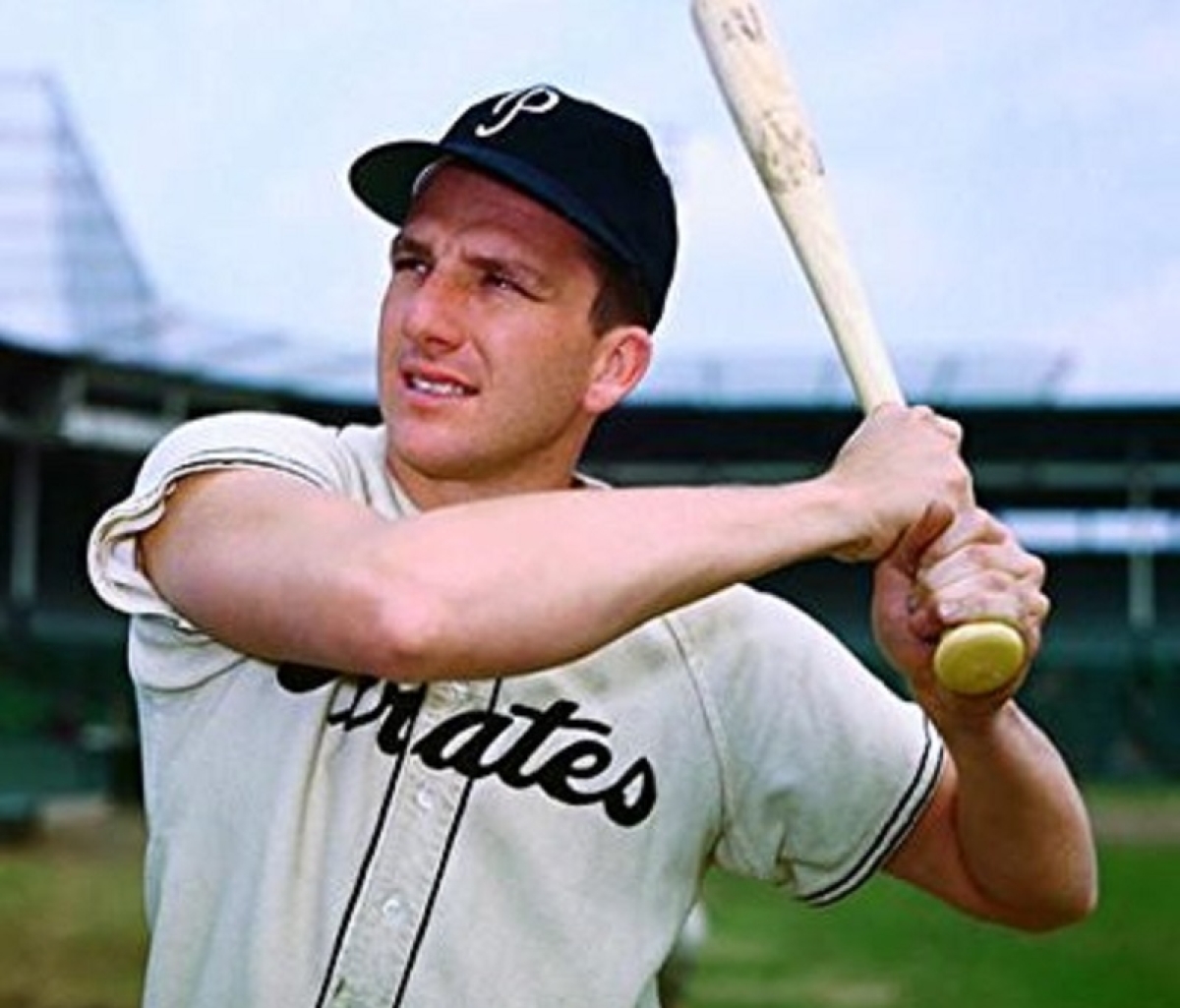




The history of major league baseball features many legendary sluggers with impressive career statistics, but Ralph Kiner stood out in the post-war era for his extraordinary power. For seven summers after World War II, this handsome, broad-shouldered left fielder transformed Forbes Field's left-field seats into his personal zone of dominance. During a difficult period for the franchise, Kiner alone kept attendance high by setting a record for home run frequency that remains unmatched.
His debut in the major leagues during the 1946 season provided little hint of the monumental impact that would come later. Although Kiner secured the National League home run title as a rookie, his stats were somewhat misleading: he ended with only 23 home runs, led the league with 109 strikeouts, and had a rather modest .430 slugging percentage.
Instead of allowing rookie struggles to shape him, Kiner undertook a remarkable journey of self-improvement, guided by his new teammate Hank Greenberg. He methodically adjusted his batting style, reducing his swing size and significantly increasing his plate discipline, turning his extra-base power into a consistent part of his daily game.
What followed was a stunning, high-output assault on the record books. Kiner achieved an incredible streak of seven straight home run titles from 1946 to 1952, a feat that still stands unmatched in baseball history.
Over the next five summers, he consistently surpassed 40 home runs, with two seasons exceeding 50. His best season was in 1949, when he hit a career-high 54 home runs, drove in 127 RBIs, and achieved an impressive .658 slugging percentage.
Kiner was far from a simple, all-or-nothing free swinger. He developed an exceptionally keen eye at the plate, leading the Senior Circuit in walks three times and surpassing a .400 on-base percentage three times, notably hitting a league-high .452 OBP in 1951. He won three slugging titles, three OPS titles, and finished in the top ten in National League MVP voting for five consecutive years from 1947 to 1951.
Sadly, Kiner’s remarkable individual achievements took place on Pittsburgh teams that were mostly poor, finishing with only one winning record during his time. This clear contrast between his superstar performance and the team's struggles led to a well-known financial dispute with GM Branch Rickey. After Kiner refused a salary cut after hitting 37 home runs, Rickey famously declared: "We finished last with you; we can finish last without you."
True to his promise, Rickey traded the franchise icon to the Chicago Cubs in mid-1953 in a large ten-player deal. Kiner's peak performance, characterized by high velocity, soon declined; persistent back degeneration severely limited his power, ultimately ending his career by the end of the 1955 season at only 32 years old.
He left the Steel City having accumulated an exceptional localized baseline of 301 home runs, 801 RBIs, and a spectacular .280/.405/.567 slash line across 1,095 games.
Kiner famously began a second, highly successful career as a beloved broadcaster for the New York Mets, keeping his voice a part of the sport for generations. The peak of his greatness was confirmed in 1975 when baseball writers inductively voted him into the Baseball Hall of Fame in his last eligible year.
To permanently mark his monumental impact on the community, the organization, with deep reverence, moved to elevate his legacy to the rafters of Three Rivers Stadium, officially retiring his iconic number 4 jersey in 1987.

Comments powered by CComment