


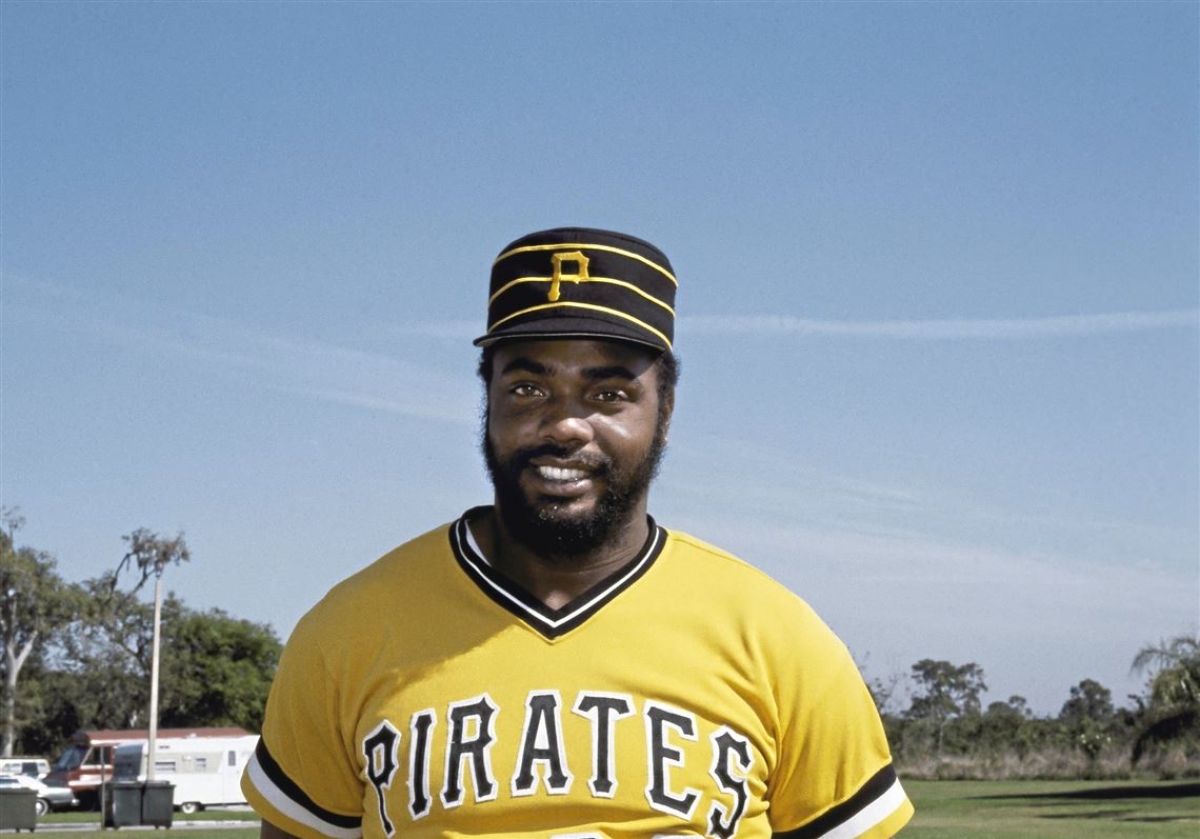


Few athletes in post-war baseball history have ever matched Dave Parker's commanding, almost theatrical presence. Standing 6-foot-5 and weighing 230 pounds, this imposing right fielder roamed Forbes Field and Three Rivers Stadium with a confident swagger that captured the attention of fans and players alike. Wearing a dark visor, a thick mustache, and swinging a hefty 37-ounce bat, "The Cobra" was more than just a player; he was a dominant force. During a remarkable period in the late 1970s, he was the undisputed top predator in the Major Leagues, a five-tool superstar with a cannon for an arm who made right field his personal domain.
His initial introduction in the 1973 schedule offered a brief glimpse of his impressive physical potential. By 1975, he had fully secured the regular right field position. Parker made producing runs from the middle of the order a consistent part of the season, achieving his first.300 batting average along with 25 home runs and 101 RBIs, finishing third in the National League MVP voting.
His definitive rise as a league-wide outlier occurred during the historic 1977 season, when he won his first National League batting title with a blazing .338 average. He also led the Senior Circuit with 215 hits and 44 doubles, earning his first Gold Glove award.
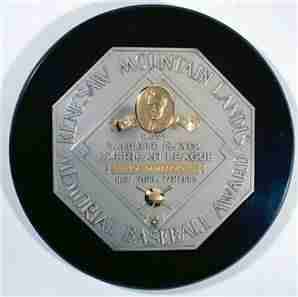
The peak of his regular-season prowess came during a remarkable 1978 showcase now legendary in club history. Parker delivered an outstanding offensive display, earning the National League MVP Award, securing his second straight batting title with an impressive .334 average, while also leading the league with a remarkable .585 slugging percentage and hitting 30 home runs.
On the field, his defensive skills were formidable; he had possibly the most intimidating throwing arm of his era, often halting base runners or gunning them out from deep in the outfield with precise, high-speed throws. This all-around talent peaked commercially during the memorable 1979 "We Are Family" season. Parker led the batting order for the championship-winning team, earning another All-Star selection and Gold Glove award, all while hitting a crucial .345 during the intense seven-game World Series victory against Baltimore.
Sadly, just as he appeared on track for a legendary career based on impressive stats, his rise started to decline sharply as the franchise entered the 1980s. A series of frustrating injuries and abrupt weight changes greatly affected his resilience, but his career suffered its most serious setback off the field due to his deep involvement in the prevalent cocaine culture of that time, a risky distraction that severely affected his focus and led to numerous missed games, hits, and damage to his reputation.
Understanding the need for a fresh environment, Parker officially left the Steel City before the 1984 season, signing as a free agent with his hometown Cincinnati Reds. He experienced a distinctive second phase, with notable, high-performance comebacks in Cincinnati and Oakland, interspersed with disappointing periods of low effectiveness before retiring after 1991.
He left an impressive 11-season Pirates record: 1,479 hits, 166 home runs, 758 RBIs, and a .305/.353/494 slash line in 1,300 games. In 2025, Parker received the long-awaited call and was chosen by the Veterans Committee for the Baseball Hall of Fame.

Comments powered by CComment