


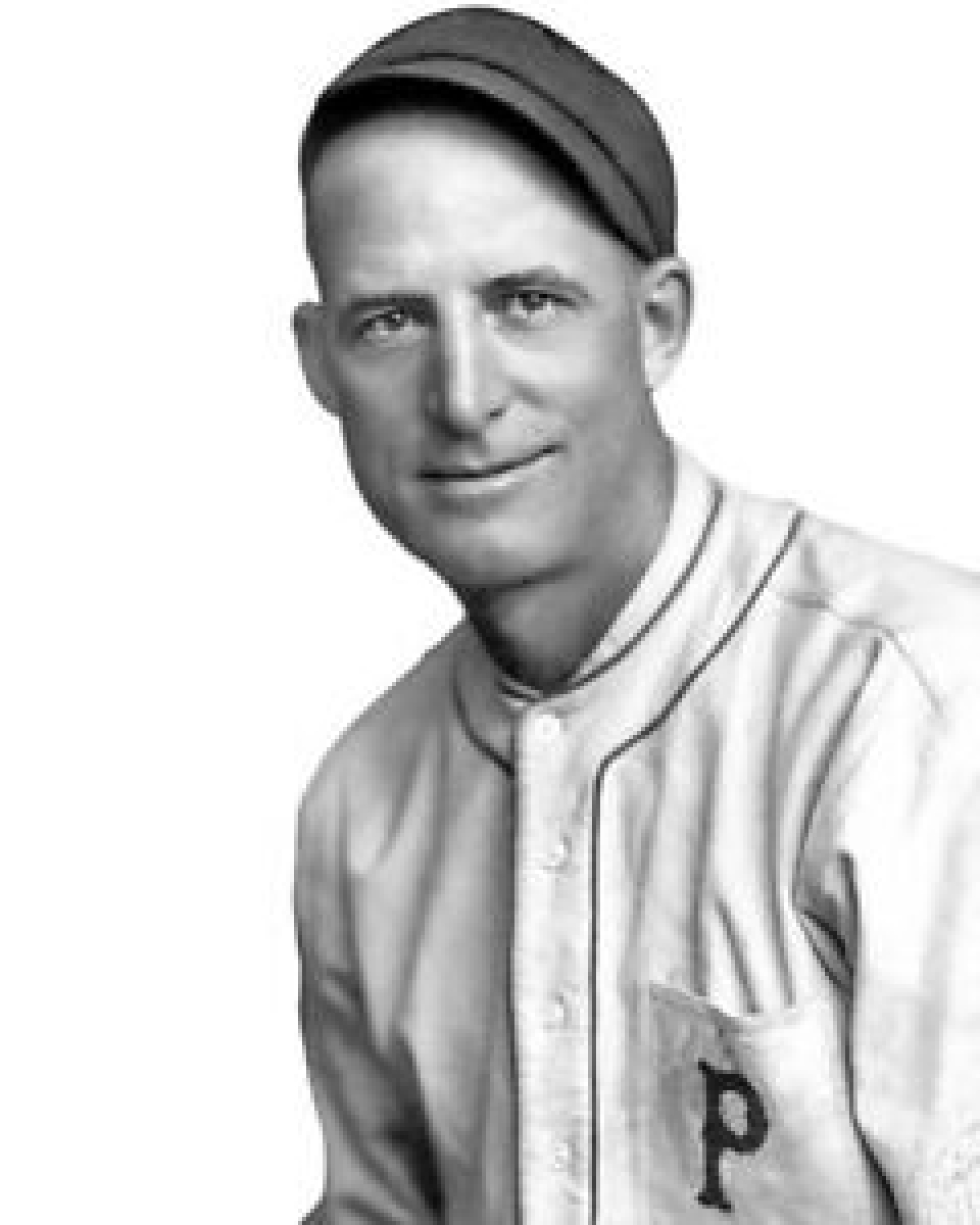

At the start of the 20th century, a major corporate merger dramatically altered the power structure in the National League. When the Louisville Colonels’ owner gained a controlling interest in the Pittsburgh Pirates, he orchestrated the notable departure of top baseball talent to western Pennsylvania, including a young Honus Wagner. While Wagner was a captivating presence on the field, FredClarke was the true architect of the franchise's golden age. As a rare, dual-role player-manager at only 27, the determined and well-organized left fielder crafted the strategic foundation that transformed the Pirates into the dominant team of the Deadball Era.
Clarke made table-setting and baseline pressure a consistent part of his regular-season routine once he secured his spot in the lineup. During his initial 12 years in Pittsburgh, he served as the team's starting left fielder, skillfully outsmarting opponents' defenses with a precise strategy for generating runs.
He achieved a commendable .299 batting average and collected 1,638 hits while playing for the Pirates. He utilized his exceptional speed to steal 261 bases, gaining an advantage over pitchers and catchers. His standout year was 1903, when he displayed peak performance across the league. Clarke excelled at hitting, leading the Senior Circuit in doubles (32), slugging percentage (.532), and OPS (.946). During this season, he achieved a career-high .351 batting average, helping the team reach the first modern World Series.
Six summers later, his dual roles led to a historic achievement in 1909. While he steadily dominated opposing pitchers with a league-high 80 walks, his strategic leadership from the dugout helped the Bucs achieve an extraordinary 110-win regular season. This culminated in a dramatic seven-game World Series victory over Ty Cobb's Detroit Tigers, securing the franchise's first-ever world championship.
After the 1911 Season, Clarke rarely played but stayed on as their Manager until 1915.
He was named to the Baseball Hall of Fame by the Old Timers Committee in 1945.

Comments powered by CComment